

Top Tweets for #SovereignDevelopment


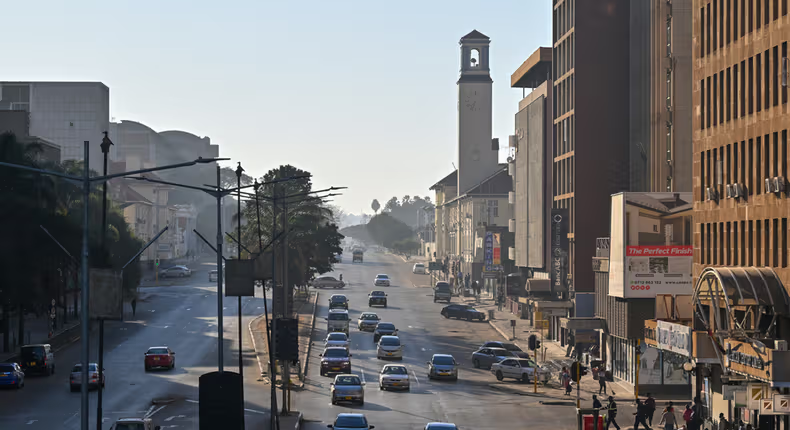
Zimbabwe🇿🇼 eyes $21 billion mineral export boom as mining firms prepare massive hiring drive
Zimbabwe’s🇿🇼 mining industry is preparing for one of its biggest hiring waves in years, with the sector projected to create up to 100,000 new jobs over the next five years as foreign investment pours into gold, lithium, platinum and chrome projects.
Burkina Faso has the right idea in the hard way. Too hard.
It could be much easier for the whole continent:
if all African nations pooled together their US$4tn of financial reserves and organized them in a pan-African bond market.
Easier and faster.
#SovereignDevelopment

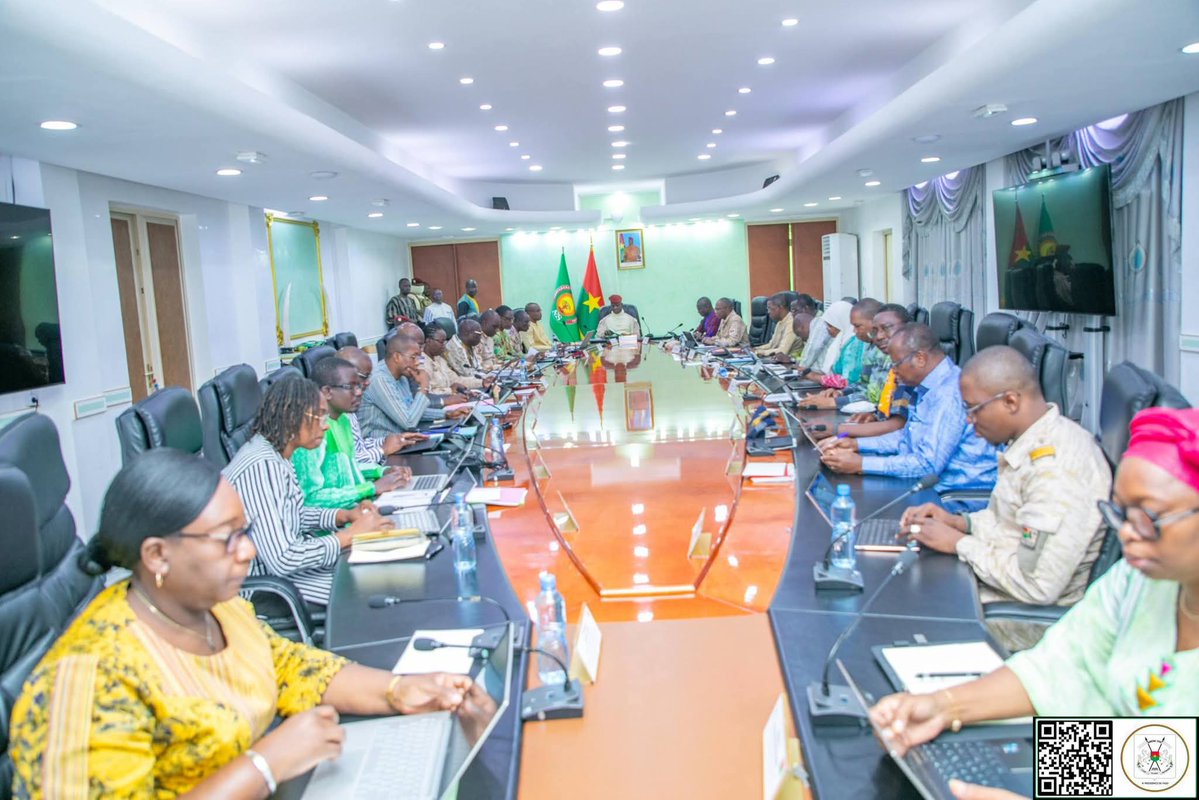
🇧🇫 How Much Does The RELANCE Plan Cost and How Will It Be Financed?
The government of Burkina Faso has unveiled the financing strategy behind its ambitious 2026–2030 RELANCE Plan, estimated at more than 64 billion dollars (36, 000 billion CFA francs).
According to authorities, the real revolution of the plan lies not only in its projects, but in how the country intends to finance its transformation.
🇧🇫 Burkina Faso has decided to finance its development first and foremost through its own strengths.
Thus:
👍 More than 65% of funding to come from domestic resources
👍 Promotion of popular shareholding
👍 Launch of diaspora bonds to mobilize resources from Burkinabè abroad
👍 Patriotic crowdfunding initiatives
👍 Expansion of innovative financing mechanisms
👍 Mobilization of green and sustainable bonds
The government says every Burkinabè citizen is called upon to participate in national development because: “A sovereign Nation is a Nation that finances its own transformation.”
Authorities describe the RELANCE Plan as more than an economic program.
It is presented as a national project aimed at transforming Burkina Faso into:
✅ A productive nation
✅ An industrial power
✅ A sovereign economy
✅ A country capable of financing its own development
The Minister of Finance, while presenting the Plan to the Members of the Parliament said the following to conclude his presntation:
" The RELANCE Plan is more than an economic program.
It is an act of faith in the ability of the Burkinabè people to transform their destiny.
This plan carries a simple conviction:
Burkina Faso can become a productive, industrial, and sovereign power.
Yes, our country can feed its people.
Yes, our country can transform its resources.
Yes, our country can finance its development.
Yes, our country can build its own economic champions.
Yes, our country can fully regain control of its future.
The struggle we are waging today is a historic one:
• the struggle of sovereignty against dependency;
• the struggle of production against dependency on assistance;
• the struggle of transformation against raw exportation;
• the struggle of dignity against resignation.
Future generations will judge our era.
They will remember that during the most difficult moments in our history, Burkina Faso did not choose fear.
It chose courage.
It did not choose resignation.
It chose transformation.
It did not choose dependency.
It chose sovereignty.
And nothing is more powerful than a people standing upright and deciding to become masters of their own destiny.


BURKINA FASO CELEBRATES THE DAY OF CUSTOMS AND TRADITIONS
Burkina Faso is a West African country that continues to address its ethnic and religious diversity with policies that centre the people who make up the country, a model that has been a source of inspiration for many Africans around the world. In addition to asserting its self-determination as a member of the anti-imperialist and Pan-African Alliance of Sahel States, the country has aspired to become a model of religious harmony at both the state and the people levels.
Under President Ibrahim Traoré, those who choose to practice the traditional religions finally get their own official holiday, the Day of Customs and Tradition, which was recently celebrated on 15 May.
In March 2026, the Burkinabè government adopted a draft law on religious freedoms to guarantee the free exercise of the rights and freedoms enshrined in the constitution. The law is in response to growing social fragility caused by "religious intolerance, radicalisation, violent extremism and the interference of religion in the sphere of the State", as stated by the Council of Ministers.
Research has shown that across Africa, Burkina Faso stands as a notable example of religious coexistence, where followers of traditional, Islamic, and Christian faiths have historically co-existed in a shared social landscape. A study in the northern town of Dori, published in the Journal for the Study of Religion, highlights that interfaith collaboration can serve as a buffer against instability. It found that local promotion of spiritual guidance across different communities has been effective in fostering tolerance and social cohesion, even as violent extremist groups attempt to exploit ethnic and religious differences to recruit new militants.
Thus, while peaceful cohabitation remains a core characteristic of Burkina Faso, it is a dynamic and fragile reality that requires continuous effort to maintain. Burkinaabes of all faiths are now encouraged to continue the indigenous tradition of religious tolerance and attend holiday celebrations across religious boundaries.
#SovereignDevelopment in action in Niger.
🔴 #Niger has decided to end the Arlit mining concession granted in 1968 to the French Atomic Energy Commission. This decision marks a major turning point in the country's management of extractive resources and is part of a dynamic reaffirmation of national sovereignty over the mining sector.
Niger is standing firm against the imperialists.

African development choices now have noticeable and systemic global impact.
#SovereignDevelopment #DanceoftheTriad

Zimbabwe 🇿🇼 has officially begun negotiations to join the BRICS New Development Bank (NDB), marking another step in the country’s efforts to strengthen economic relations with BRICS nations.
Zimbabwe first expressed interest in joining the bank in 2023 before submitting a formal application later.
Membership in the NDB could provide access to long-term financing for infrastructure and national development projects.


China became a superpower because of:
1. The 1949 revolution that ended foreign domination
2. Land reform that broke the old landlord class
3. Industrialization driven by Chinese planning, not foreign aid
4. Massive investment in education and healthcare in the 1950s-70s
5. Strategic opening on China's own terms post-1978
The US never "invested" in China to make it strong. American companies came to China to make themselves richer, not China powerful. Cheap labor. Weak environmental rules. Tax breaks. That was the deal.
China took those crumbs and built its own banks, its own supply chains, its own technology. Huawei. BYD. TSMC. High-speed rail. Beidou satellites. None of that came from US charity.
Meanwhile, look at countries that actually relied on US "investment" as the main strategy. The Philippines. Mexico. Egypt. Where are their superpower statuses?
The revolution created the foundation. Chinese discipline built the rest. The US was just an accidental landlord collecting rent until the tenant bought the building.
#SovereignDevelopment in Senegal.
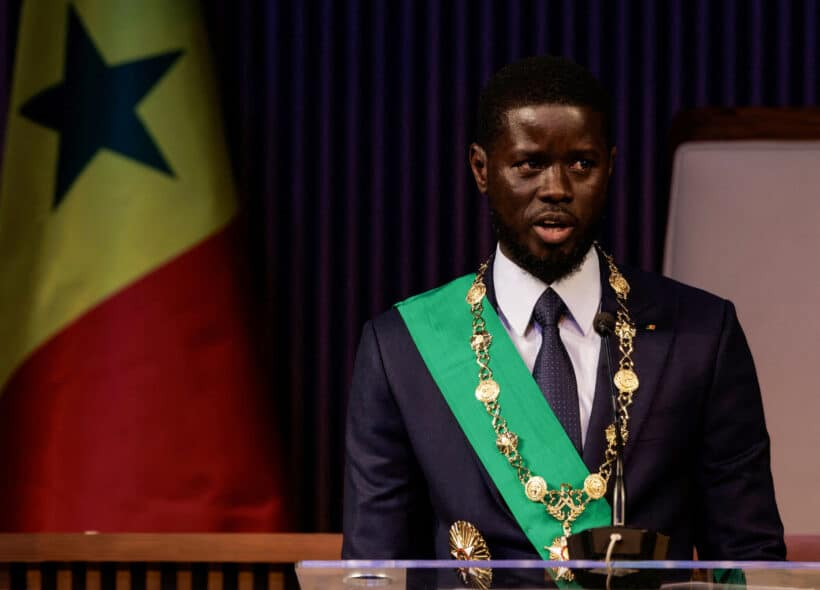
Senegal🇸🇳 plans to develop the Yakaar-Teranga offshore gas field with a $7.5 billion investment, transforming its energy sector.
The project aims to reduce over $1 billion in annual energy subsidies and enhance domestic energy security by decreasing reliance on imported fuels.
Senegal🇸🇳 seeks to leverage natural gas for broader industrial growth, targeting sectors like fertilizer, petrochemicals, steel, and cement.
As Kosmos Energy and BP withdraw, national oil company PETROSEN will likely become the sole operator, reflecting Senegal's push for greater control over its resources.

🇿🇼⛏️ Zimbabwe's mineral sales near $1B in Q1 as lithium processing pays off: Agency
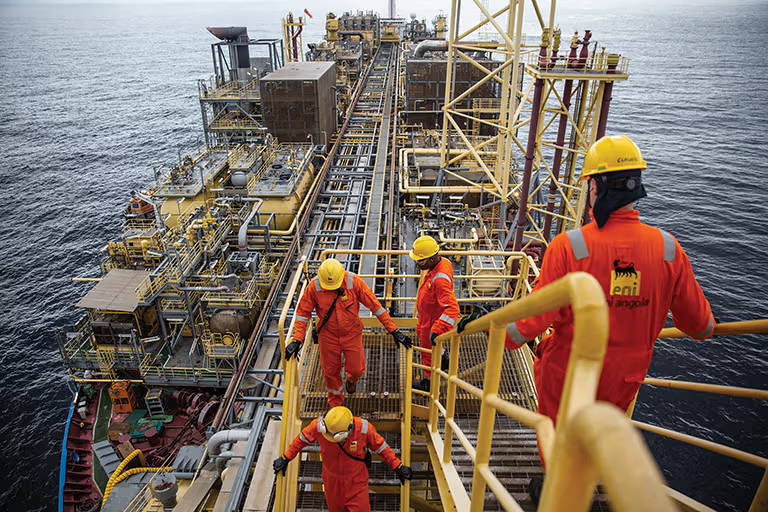
The mining sector earned $983.85 million from mineral sales in Q1 2026, up from the same period in 2025, the Minerals Marketing Corporation of Zimbabwe said.
👉 The growth was driven by the ban on raw mineral exports, which pushed companies to process minerals domestically.
Tanzania leads Africa and the world in extreme poverty reduction, soon also in power access.
And at every turn, Tanzania has to fight factions at home and abroad.
Development is indeed war, Africans need to internalize it.
#BetterGovernance #SovereignDevelopment

Tanzania Hits Power Generation Milestone, Nears 100% Access
Tanzania is reportedly close to providing 100% electricity access for its over 70.5 million citizens, having increased its power generation capacity to 4,383 megawatts in 2026 – up from 1,602 megawatts in 2020. The East African country, which has been led by the nationalist Chama cha Mapinduzi (CCM) party since its independence in 1961, has taken bold steps in recent years to boost its economy. Yet it has also recently come under fire from Western and Western-aligned media, following the vi0lent, anti-government protests that rocked the country in October 2025.
The protests, staged in response to the landslide victory of Tanzania President Samia Suluhu Hassan, were led by the country’s main opposition party, Chadema – a party with documented links to the Western neoliberal political establishment – and the Tanzanian government’s necessary actions to restore order were framed by all the usual suspects as grave violations of human rights.
Yet it is telling to note how closely these protests and their framing by Western media coincide with Tanzania’s strengthening relations with China. In 2022, China revamped its Belt and Road initiative – a win-win international development drive tailored for the Global South – in Tanzania, signing 15 deals with the country, including a $2.2 billion railway deal. In 2024, Tanzania signed a deal with China’s Electronics Communication Industry Service (CECIS) to boost its digital technology sector.
China remains Tanzania’s largest trading partner, with total investments valued at roughly US $11.4 billion as of February 2024.
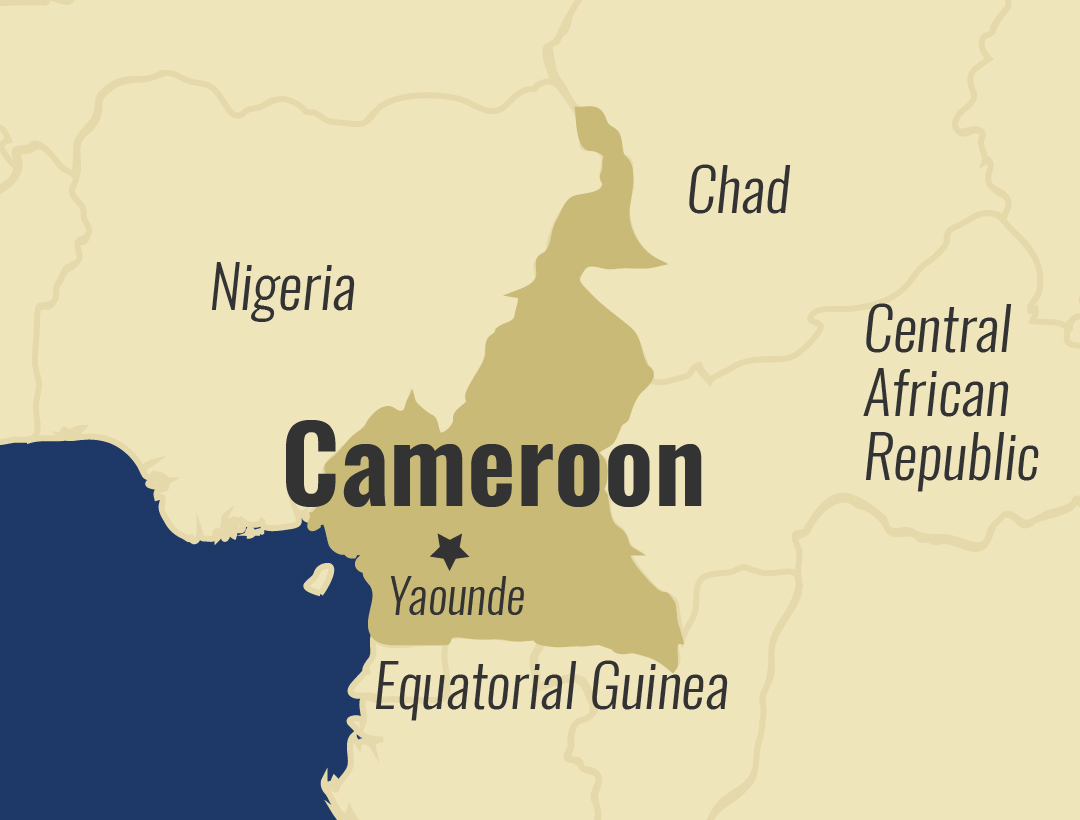
A strong move for #Sovereigndevelopment in Cameroon.
It must be followed by an IPO on national and regional stock exchanges, coupled with a robust management, audit and oversight structure.
The same should be done with all Cameroonian utilities and parastatals.
#CameroonRising

Cameroon approved the renationalization of its main electricity provider, returning it to full state ownership, according to a decree signed by President Paul Biya. The operator, Eneo Cameroon, will now be named Cameroon Electricity Company after the government acquired a 51 percent stake from British investment fund Actis in Eneo for 78 billion CFA francs ($139 million).
Mali and the Sahel Alliance (AES) are in the kinetic phase of their fight for sovereign development
Very predictable pattern: Ethiopia, Mozambique, DR Congo etc
Doesn't look that way now but Mali and the AES are actually on the cusp of decisive victory.
#SovereignDevelopment
Mali 🇲🇱 held a state military ceremony in Bamako for Defense Minister General Sadio Camara, with Head of State Assimi Goïta in attendance.
A military parade honoured him, and the event was broadcast live on state television.
Camara remains a key figure in the government and has played a major role in strengthening military cooperation with Russia.

#SovereignDevelopment in action in Burkina Faso.

En 2025, le Burkina Faso a produit 94 tonnes d’or, son record historique. Et il compte en stocker encore plus. Pourquoi le pays dirigé par Ibrahim Traoré accumule de l'or ?
🇨🇩 DRC launches strategic cobalt reserve to wield greater control over global prices, local minerals regulator says
Producing 70% of the world's cobalt, the country cut its Q1 2026 shipments to 48,800 tonnes—down from 123,000 tonnes a year earlier, after imposing export bans & quotas.
👉 Under the new system, 10% of exports (9,600 tonnes) will be reserved for state strategic use.
#SovereignDevelopment in Namibia.
Namibia 🇳🇦 has clarified that Starlink must comply with national telecom laws requiring at least 51% local ownership by Namibians to operate in the country.
The Communications Regulatory Authority of Namibia (CRAN) rejected Starlink’s licence application because the company is fully foreign-owned and does not meet this requirement and has no exemption.
Officials said the rule is not targeted at Starlink or Elon Musk but applies to all operators to ensure local participation in the telecom sector.
Starlink has a 90-day period to request reconsideration and has shown interest in working with local investors. The decision reflects a wider regional approach to control and management of critical infrastructure.
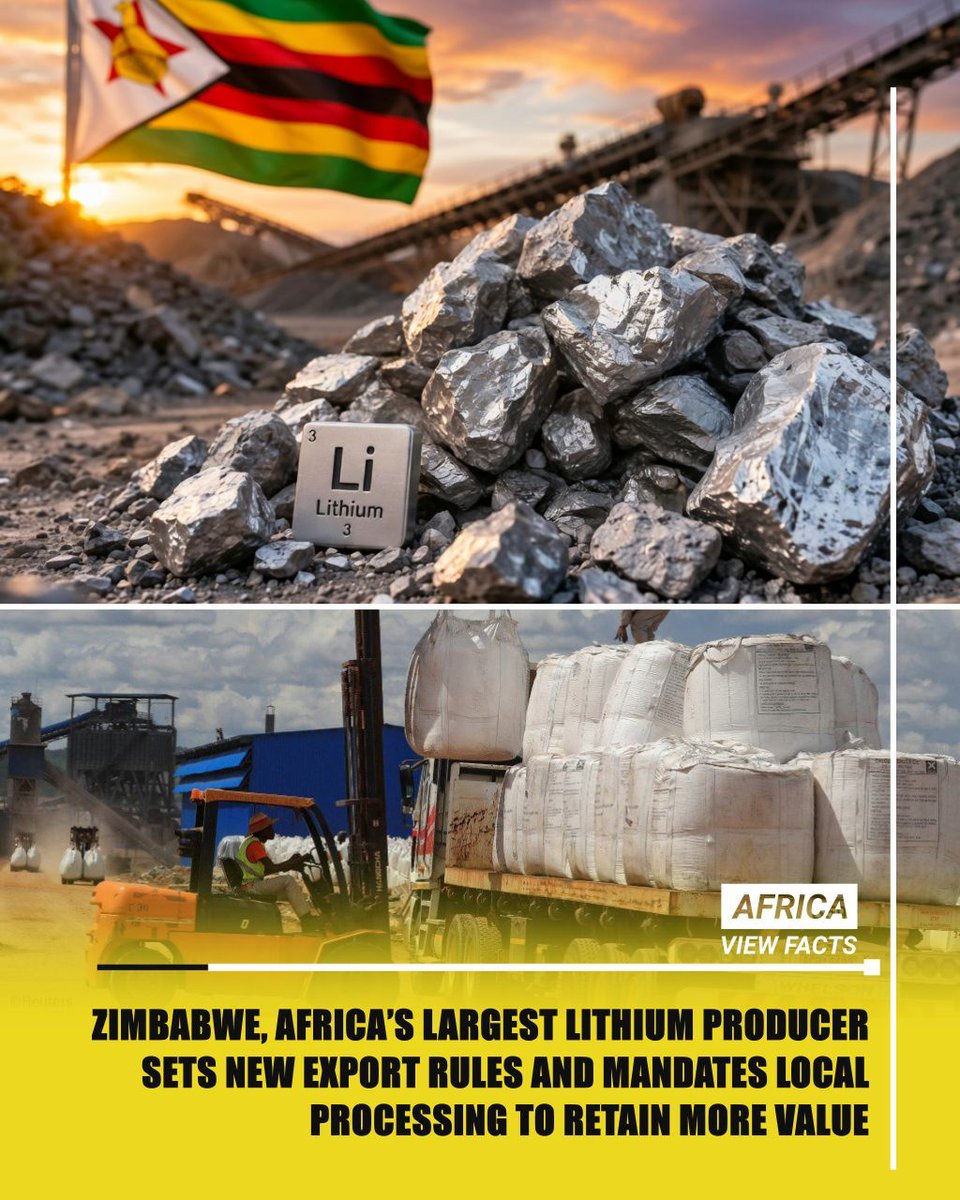
Zimbabwe 🇿🇼, Africa's biggest lithium producer, plans to tighten control over exports and increase local processing.
The government will require producers to commit in writing to build processing plants before shipments can resume.
Exports were halted earlier this year over concerns about under-reporting and lost revenue.
A 10% export tax remains until a full ban on unprocessed concentrate takes effect next year. Authorities aim to keep more value from the country’s lithium within Zimbabwe.
#Sovereigndevelopment in Burkina Faso.

#BurkinaFaso #Business 🇧🇫 ⛽
Le milliardaire burkinabè Idrissa Nassa, PDG de Coris Bank International, a racheté la filiale de TotalEnergies au Burkina Faso. Une étape majeure pour ce leader économique qui renforce sa souveraineté sur le marché de l'énergie.
#sovereigndevelopment in Ghana.
Ghana will implement a new sliding-scale gold royalty regime that links state revenues to rising gold prices.
The policy faces opposition from the US, China, other Western governments, and some mining executives.
The system replaces the previous flat 5% rate, with miners now paying up to 12% when gold exceeds $4,500 per ounce.
Lithium royalties will also adopt a sliding scale of 5–12%, while other minerals' rates remain at 5%.

Niger 🇳🇪 has revoked the mining concessions of three gold companies, Comini, Afrior, and Ecomine after they failed to meet key contract obligations, including paying taxes, submitting required reports, and following environmental rules.
The government also refused to renew an oil exploration license for the British company Savannah Energy, saying it violated an output-sharing agreement.
The move reflects the military government's push to take greater control of the country’s natural resources.

Mali Strengthens Energy Control as NDC Takes Over TotalEnergies
Mali’s NDC has acquired French-owned TotalEnergies’ operations, strengthening local control of the fuel sector. With over 200 tankers, NDC is now the country’s largest fuel importer, while in Burkina Faso, TotalEnergies has been rebranded as Baraka Energy following its acquisition.
These moves mark a significant step toward greater energy sovereignty in the region.

The version of the agreement signed by Burkina Faso doesn't include giving its health data to US or giving up control of its mineral wealth. Which makes it a good cooperation deal.
#Sovereigndevelopment
Burkina Faso 🇧🇫 has entered into a five-year health cooperation agreement with the United States, despite several African nations declining to sign similar arrangements.
The agreement provides for funding of up to $147 million from the United States and $107 million from Burkina Faso, bringing the total value to $254 million over the five-year period.
The initiative is designed to combat infectious diseases, including HIV/AIDS and malaria, strengthen disease surveillance systems, and support the digitization of health data to enhance outbreak detection and response across the Sahel region.

Last Seen Hashtags on Sotwe
AICHIROCK
Seen from Argentina
baitedboys
Seen from Belgium
绿母
Seen from United States
xlii #exny #nolimit() +filter:native_video
Seen from United States
HappyStPatricksDay
Seen from Brazil
Fpjjr
Seen from Peru
บางเลน
Seen from Thailand
solo
Seen from Japan
لينا_لندن
hijab #tight
Seen from Netherlands
Trends for you
Most Popular Users

Elon Musk 
@elonmusk
240.1M followers

Barack Obama
@barackobama
119.3M followers

Donald J. Trump
@realdonaldtrump
111.6M followers

Cristiano Ronaldo
@cristiano
108.7M followers

Narendra Modi
@narendramodi
106.9M followers

Rihanna
@rihanna
97.2M followers

NASA
@nasa
92.1M followers

Justin Bieber
@justinbieber
90.5M followers

KATY PERRY
@katyperry
86.7M followers

Taylor Swift
@taylorswift13
80.5M followers

Lady Gaga
@ladygaga
72.1M followers

Kim Kardashian
@kimkardashian
69.3M followers

YouTube
@youtube
68.6M followers

Virat Kohli
@imvkohli
68.4M followers

Bill Gates
@billgates
63.4M followers

The Ellen Show
@theellenshow
62.5M followers

CNN
@cnn
61.9M followers

Neymar Jr
@neymarjr
60.9M followers

X
@x
60.9M followers

CNN Breaking News
@cnnbrk
59.9M followers