

Top Tweets for #Systemsthinking

Don't underestimate the power of consistent improvement.
The question is: What small thing are you consistently improving in your business right now?
#BusinessGrowth #Entrepreneurship #businessstrategy #SystemsThinking #JorhnProDigitals

𝗠𝗼𝘀𝘁 𝗽𝗿𝗼𝗱𝘂𝗰𝘁𝗶𝘃𝗶𝘁𝘆 𝗽𝗿𝗼𝗯𝗹𝗲𝗺𝘀 𝗮𝗿𝗲𝗻’𝘁 𝘁𝗶𝗺𝗲 𝗽𝗿𝗼𝗯𝗹𝗲𝗺𝘀.
𝗧𝗵𝗲𝘆’𝗿𝗲 𝗱𝗲𝗰𝗶𝘀𝗶𝗼𝗻 𝗽𝗿𝗼𝗯𝗹𝗲𝗺𝘀.
What should I work on?
Which tool should I use?
Where did I save that file?
#Productivity #SystemsThinking #WorkSmarter

The invisible design of metro transit maps. Every line, angle, and gap on that map was a decision — not an accident. The city you think you know by metro, actually it's just an illusion.
https://t.co/wTLGKVXmEA
#DesignThinking #InformationDesign #DesignHistory #SystemsThinking


I documented the full journey, from spotting the problems to shipping the solution.
Read the full case study here: https://t.co/G9NvCX7pEN
#BuildInPublic #SystemsThinking #StartupLife #Apnipathshala #CaseStudy

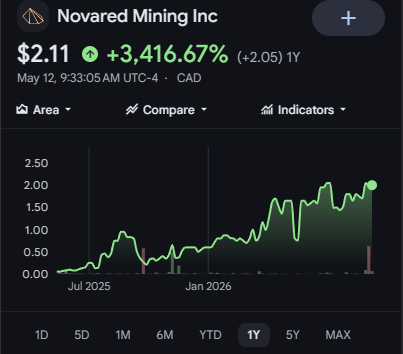
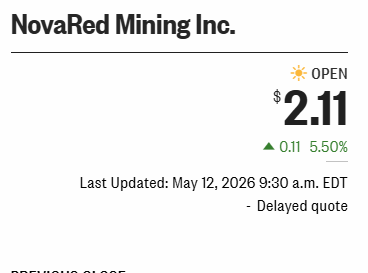
I've been watching $NRED closely, and this update confirms everything I’ve been expecting.
The future looks bright!
$COPX #SystemsThinking
THE SCALE OF $NRED LOOKS DIFFERENT AFTER THE LATEST UPDATE
NovaRed Mining controls:
- around 39,730 acres
- roughly 30,000 football fields
- one of the larger junior copper systems in BC
Latest North Lamont data confirmed:
- anomalous copper geochemistry
- moderate-to-high Sr/Y fertility signatures
- V/Sc oxidation ratios
Previous work also returned:
- 43 soil samples
- 9 above 150 ppm Cu
- highs reaching 379 ppm Cu
The geological alignment keeps strengthening.
Personal opinion, not investment guidance
$FCX $GDXJ $COPX $TSXV

We’d lose 80 to 90% of our social & geopolitical problems if national decision-making were no longer dominated by organized money.
That can’t be achieved until Western societies adopt democratic political systems.
Power is deployed more adroitly, more fairly & more safely when it is dispersed.
#SystemsThinking #PoliticalReform


You can’t redesign outcomes without redesigning the system.
The US is trying to block China in robotics.
But the supply chain is still connected.
That gap? That’s where things break.
#AIStrategy #SystemsThinking #TechStrategy #FutureOfWork #LumyDigitalAI

ERP projects don’t collapse because people are incapable. They collapse when expectations are inflated up front and communication disappears when reality shows up.
#DirectToSolutions #ERP #NetSuite #RevOps #OperationalExcellence #ProcessImprovement #SystemsThinking #B2BServices


𝐖𝐡𝐲 𝐝𝐨 "𝐛𝐫𝐢𝐥𝐥𝐢𝐚𝐧𝐭" 𝐬𝐭𝐚𝐫𝐭𝐮𝐩𝐬 𝐬𝐭𝐢𝐥𝐥 𝐟𝐚𝐢𝐥?
It’s rarely a lack of talent.
It’s almost never a lack of hustle.
The real culprit? Unaligned Structure.
𝐀 𝐬𝐭𝐚𝐫𝐭𝐮𝐩 𝐰𝐢𝐭𝐡𝐨𝐮𝐭 𝐚 𝐁𝐮𝐬𝐢𝐧𝐞𝐬𝐬 𝐀𝐫𝐜𝐡𝐢𝐭𝐞𝐜𝐭 𝐢𝐬 𝐚 𝐜𝐨𝐧𝐬𝐭𝐫𝐮𝐜𝐭𝐢𝐨𝐧 𝐬𝐢𝐭𝐞 𝐰𝐢𝐭𝐡𝐨𝐮𝐭 𝐚 𝐛𝐥𝐮𝐞𝐩𝐫𝐢𝐧𝐭.
Everyone is busy. No one is aligned.
Here is how the lack of "Architecture" kills growth:
𝐅𝐨𝐫 𝐈𝐧𝐯𝐞𝐬𝐭𝐨𝐫𝐬: You're pouring capital into a skyscraper with a cracked foundation. It looks solid until the wind blows.
𝐅𝐨𝐫 𝐂𝐄𝐎𝐬: You’re spending 80% of your time patching walls instead of building the next floor.
For Teams: You’re running fast, but everyone is running in a different direction.
Business Architects don't just solve today's problems.
They design systems that make tomorrow's problems smaller. They are the bridge between:
• Vision → Viability
• Revenue models → Real-world execution
• Strategy → Operations
The Bottom Line:
You don’t need more hustle. You need better architecture.
The difference between a business that survives and one that scales is found in the design, not the effort.
Build smarter. Architect first.
#BusinessArchitecture #StartupGrowth #SystemsThinking #Leadership #Scalability


SOLVING ONE PROBLEM THE SAME WAY EVERY TIME
In Nigeria and across Africa, the businesses that last are the ones that do simple things the same way again and again. A barber who gives the same clean cut, a food vendor who keeps the same taste, and a trader who answers customers the same clear way builds trust faster than someone who keeps changing methods.
Books prove this. The E-Myth Revisited shows that small businesses collapse when the owner does everything differently each day. Atomic Habits teaches that repeated action beats random effort. The Lean Startup says test one offer, learn from feedback, and improve the process. Think and Grow Rich reminds us that focus and persistence matter more than noise.
Apply this in real life. Write one clear process for selling, delivering, and following up. If you sell clothes, use the same photos, the same price format, and the same delivery timing. If you run a service, use the same reply script, invoice style, and deadline. If you trade online, keep your sourcing, payment, and customer updates consistent.
This works because people trust what they understand. In busy African markets, confusion kills sales. Clarity closes deals. When customers know what to expect, they come back. When your process is repeatable, you stop wasting energy on constant reinvention and start building reputation.
The deeper lesson is that one good system is worth more than ten exciting ideas. A Nairobi vendor, a Lagos freelancer, or a Accra startup owner can all grow faster by doing one thing well, documenting it, and repeating it with discipline. That is how ordinary effort becomes a business.
Do not chase complexity. Choose one problem, solve it the same way every time, and refine it through experience. That is how small actions turn into strong brands, steady income, and long term growth.
A shop owner can also track one repeatable habit: respond within ten minutes, pack the same way, and confirm payment before dispatch. That small discipline reduces mistakes, saves time, and creates a name people remember. Repeatability builds confidence, and confidence brings referrals, which is how local businesses quietly become strong brands in every city, state, and market.
#Entrepreneurship #NigeriaBusiness #AfricaBusiness #SystemsThinking #WaversCapital #Wavers


If you’re loyal to one model, you’re thinking like a user.
Operators think in systems:
input → model selection → validation → refinement
That’s how you extract consistent high-quality output.
#AI #SystemsThinking #Tech

🚨⚙️ Mastering the Flow: Line balancing at its finest. ⚙️
Logic in Motion: The perfect harmony of hardware, software, and synchronization.
The Art of Precision: Every second counts when you’re optimizing a system.
#Automation #SystemsThinking #IndustrialEngineering #MechanicalEngineering #Robotics #SmartManufacturing #ProcessOptimization #Mechatronics #PLC #ControlSystems
Capital creates possibility, and execution creates movement, but architecture decides what becomes inevitable.
#BusinessArchitecture #SystemsThinking #StartupStrategy #VentureCapital #Founders #ScaleUp #Leadership #GrowthStrategy #Execution #Investing
Bad execution isn’t the problem.
Bad problem definition is.
Double Diamond forces you to:
• expand context
• validate the real problem
• then build
Works in product, marketing, even hiring.
#SystemsThinking #DesignProcess #Founders
SYSTEMS OVER HUSTLE: WHY SMART ENTREPRENEURS SCALE FASTER
Systems are what turn hustle into growth. In Nigeria and across Africa, many entrepreneurs work hard but stay small because they depend on energy instead of structure. Smart builders create repeatable steps that keep working even when motivation is low.
Start with one problem you solve well. Write the process down. If you sell food, know your supplier, pricing, delivery time, and customer follow-up. If you offer services, use templates, checklists, and fixed work hours. This reduces mistakes and saves time.
Use free tools to organize your work. WhatsApp can take orders. Google Sheets can track sales. Calendars can manage reminders. Trello, Notion, or even a notebook can hold your daily tasks. Simple tools create order, and order creates scale.
Do not do everything yourself. In Africa, many founders delay delegation because they fear poor results. But growth comes when you teach others the same process. Start with one assistant, one freelancer, or one partner. Give clear instructions and review the outcome. A business scales faster when the owner stops becoming the bottleneck.
Track numbers every week. Know what came in, what went out, and what brought profit. Many businesses in our market fail because the owner confuses movement with progress. Revenue without records is noise. Profit without control disappears quickly.
Also, build around real needs. Nigeria rewards useful solutions, not fancy ideas. Solve transport delays, payment issues, sourcing problems, or customer trust. The more practical the solution, the easier it is to sell and repeat.
A practical way to start is to test one offer for seven days, collect payments upfront, and improve after every sale. That keeps risk low and teaches discipline. When your systems are simple, you can survive power cuts, traffic, and inflation better than businesses built on random effort. Consistency, not noise, is what turns small wins into a company people trust and recommend across cities, states, and markets in Nigeria and Africa today.
Keep your prices clear, your delivery reliable, and your communication fast. In markets where trust is scarce, structure becomes a competitive advantage and people return because they know what to expect every time, without confusion or delay.
#Entrepreneurship #NigeriaBusiness #SystemsThinking #AfricaRising #WaversCapital #Wavers #خان_رہائی_تحریک_شروع_کرو
Sunday anxiety = unclear week ahead.
Fix it with a simple system:
Reflect → Reset → Re-align
• close open loops
• reduce cognitive load
• set clear intent
A planned week feels lighter than an uncertain one.
#Focus #Execution #SystemsThinking

Weekends aren’t for escape.
They’re for clarity resets.
Step back → review the week → identify signal vs noise → set intent for next week.
Without reflection, you just compound chaos.
#Productivity #FounderLife #SystemsThinking
𝐄𝐯𝐞𝐫𝐲 𝐠𝐫𝐨𝐰𝐢𝐧𝐠 𝐜𝐨𝐦𝐩𝐚𝐧𝐲 𝐩𝐚𝐬𝐬𝐞𝐬 𝐭𝐡𝐫𝐨𝐮𝐠𝐡 𝐭𝐡𝐫𝐞𝐞 𝐝𝐢𝐬𝐭𝐢𝐧𝐜𝐭 𝐬𝐭𝐚𝐠𝐞𝐬:
𝐒𝐭𝐚𝐠𝐞 1: 𝐄𝐟𝐟𝐨𝐫𝐭-𝐃𝐫𝐢𝐯𝐞𝐧
Growth is powered by hustle.
Progress depends heavily on individuals.
Founders and core teams carry everything.
𝐒𝐭𝐚𝐠𝐞 2: 𝐂𝐡𝐚𝐨𝐬
Customers increase. Complexity multiplies.
What worked earlier starts breaking.
Decisions slow down. Firefighting becomes normal.
𝐒𝐭𝐚𝐠𝐞 3: 𝐀𝐫𝐜𝐡𝐢𝐭𝐞𝐜𝐭𝐮𝐫𝐞 𝐃𝐫𝐢𝐯𝐞𝐧
Systems replace dependency on individuals.
Roles, workflows, and data flows become clear.
Growth stops being accidental and starts becoming predictable.
The real challenge is not growth.
It is the transition from Stage 2 to Stage 3.
This is where most companies get stuck.
Because they try to fix chaos with more effort.
More people. More meetings. More control.
But chaos is not an execution problem.
It is an architecture problem.
Until the underlying system is designed,
Complexity will keep compounding.
And the moment a company sees this clearly,
The realisation is immediate:
“𝘞𝘦 𝘢𝘳𝘦 𝘯𝘰𝘵 𝘣𝘳𝘰𝘬𝘦𝘯. 𝘞𝘦 𝘢𝘳𝘦 𝘫𝘶𝘴𝘵 𝘰𝘱𝘦𝘳𝘢𝘵𝘪𝘯𝘨 𝘸𝘪𝘵𝘩𝘰𝘶𝘵 𝘢𝘳𝘤𝘩𝘪𝘵𝘦𝘤𝘵𝘶𝘳𝘦.”
That is the turning point.
#BusinessArchitecture #ScalingUp #StartupGrowth #Leadership #OperatingModel #Founders #ExecutionVsArchitecture #SystemsThinking
𝐓𝐡𝐞 80/20 𝐑𝐮𝐥𝐞 𝐢𝐬 𝐍𝐨𝐭 𝐀𝐛𝐨𝐮𝐭 𝐃𝐨𝐢𝐧𝐠 𝐋𝐞𝐬𝐬
Most people misunderstand the Pareto Principle.
It’s not a productivity hack to reduce effort.
It’s a strategic lens to identify where effort compounds.
In every business, 80% of outcomes come from a small set of decisions.
Not tasks. Not activity. Decisions.
Yet most teams stay trapped in the 80%:
busy, efficient, and moving… but not scaling.
High-leverage work is uncomfortable.
It lives in pricing, distribution, hiring, and system design.
Not in inboxes or meetings.
The shift is simple but hard:
Stop optimising effort.
Start architecting impact.
Because growth is not driven by how much you do.
It’s driven by where you operate.
#BusinessArchitecture #Leadership #Startups #Scaling #ParetoPrinciple #SystemsThinking
Rest days aren’t time off.
They’re system maintenance cycles.
Founders who plan recovery outperform those running in constant execution mode.
Burnout isn’t from work.
It’s from unoptimized systems.
#FounderLife #Productivity #SystemsThinking
Your brain isn’t built to track progress.
That’s what systems are for.
Dashboards, trackers, logs — they externalize memory and create operational clarity.
Without systems, everything feels like guesswork.
#SystemsThinking #Productivity #MentalModels
Most people don’t lack discipline.
They lack systems with feedback loops.
If you can’t see your output, you can’t improve it.
What gets visualized gets optimized.
#Productivity #SystemsThinking #KPIs
𝐌𝐨𝐬𝐭 𝐟𝐨𝐮𝐧𝐝𝐞𝐫𝐬 𝐭𝐡𝐢𝐧𝐤 𝐭𝐡𝐞𝐲 𝐚𝐫𝐞 𝐛𝐮𝐢𝐥𝐝𝐢𝐧𝐠 𝐚 𝐜𝐨𝐦𝐩𝐚𝐧𝐲.
They are actually building a system.
And there's a difference, a costly one.
Every scalable business runs on 4 layers:
• Vision: Where are we going and why does it matter?
• Strategy: How do we get there, and what do we say no to?
• Business Architecture : The structures, roles, and operating rhythms that make execution repeatable.
• Execution: The daily work that moves things forward.
𝐇𝐞𝐫𝐞'𝐬 𝐰𝐡𝐚𝐭 𝐦𝐨𝐬𝐭 𝐟𝐨𝐮𝐧𝐝𝐞𝐫𝐬 𝐠𝐞𝐭 𝐰𝐫𝐨𝐧𝐠:
They obsess over execution. They celebrate speed. They reward output.
But execution without architecture is just controlled chaos. You're not building a business; you're personally holding one together.
Architecture is the layer that determines whether the business can run without you. Whether it can grow without breaking. Whether it can outlast the founder's energy. Execution gets attention.
𝐀𝐫𝐜𝐡𝐢𝐭𝐞𝐜𝐭𝐮𝐫𝐞 𝐝𝐞𝐭𝐞𝐫𝐦𝐢𝐧𝐞𝐬 𝐰𝐡𝐞𝐭𝐡𝐞𝐫 𝐭𝐡𝐞 𝐛𝐮𝐬𝐢𝐧𝐞𝐬𝐬 𝐜𝐚𝐧 𝐬𝐜𝐚𝐥𝐞.
The founders who figure this out early stop being the bottleneck and start being the designer of something that works.
#BusinessStrategy #ScalableBusinesss #BusinessArchitecture #SystemsThinking
Most founders spend enormous effort designing their product.
Very few design their business architecture.
Yet architecture determines whether a company scales… or stalls.
Think of a startup as a system with five structural layers:
Market Structure
Who holds power in the market? Fragmented markets scale differently from concentrated ones.
Business Model
How does value convert into revenue? Subscriptions, transactions, infrastructure, and platforms behave very differently.
Cost Architecture
Are your costs fixed, variable, compute-driven, asset-heavy, or labor-heavy? This determines operating leverage.
Capability Stack
What must your company become exceptionally good at? Technology, distribution, capital allocation, or ecosystem orchestration.
Ecosystem Position
Are you building a product, a platform, or market infrastructure?
Many startups fail not because of weak ideas, but because the architecture of the business cannot support scale.
The product is important.
But architecture determines whether success compounds.
#BusinessArchitecture #StartupStrategy #SystemsThinking #VentureDesign

Busy doesn't mean productive.
Often it just means you're repeating the same thinking.
AI becomes powerful when it turns repeated work into reusable systems.
https://t.co/HXLY1Rg4sw
#AI #SystemsThinking
𝐌𝐨𝐬𝐭 𝐬𝐭𝐚𝐫𝐭𝐮𝐩𝐬 𝐭𝐫𝐲 𝐭𝐨 𝐠𝐫𝐨𝐰 𝐰𝐢𝐭𝐡 𝐩𝐫𝐨𝐝𝐮𝐜𝐭𝐬 𝐚𝐧𝐝 𝐦𝐚𝐫𝐤𝐞𝐭𝐢𝐧𝐠.
But the companies that dominate markets are built on leverage.
There are four types of structural leverage in business:
• Capital Leverage
• Technology Leverage
• Network Leverage
• Intellectual Leverage
𝐓𝐡𝐞 𝐦𝐨𝐬𝐭 𝐩𝐨𝐰𝐞𝐫𝐟𝐮𝐥 𝐜𝐨𝐦𝐩𝐚𝐧𝐢𝐞𝐬 𝐜𝐨𝐦𝐛𝐢𝐧𝐞 𝐦𝐮𝐥𝐭𝐢𝐩𝐥𝐞 𝐥𝐚𝐲𝐞𝐫𝐬.
• NVIDIA combines technology and capital.
• Uber combines technology and network effects.
• OpenAI combines technology and intellectual leverage.
If your startup depends only on product improvements, scaling will always be difficult.
𝐓𝐡𝐞 𝐫𝐞𝐚𝐥 𝐪𝐮𝐞𝐬𝐭𝐢𝐨𝐧 𝐟𝐨𝐮𝐧𝐝𝐞𝐫𝐬 𝐬𝐡𝐨𝐮𝐥𝐝 𝐚𝐬𝐤 𝐢𝐬 the following:
𝘞𝘩𝘢𝘵 𝘭𝘦𝘷𝘦𝘳𝘢𝘨𝘦 𝘭𝘢𝘺𝘦𝘳 𝘪𝘴 𝘮𝘺 𝘤𝘰𝘮𝘱𝘢𝘯𝘺 𝘣𝘶𝘪𝘭𝘥𝘪𝘯𝘨?
hashtag#BusinessArchitecture hashtag#StartupStrategy hashtag#SystemsThinking
Most Popular Users

Elon Musk 
@elonmusk
239.9M followers

Barack Obama
@barackobama
118.6M followers

Cristiano Ronaldo
@cristiano
114.4M followers

Donald J. Trump
@realdonaldtrump
111.7M followers

Narendra Modi
@narendramodi
106.9M followers

Rihanna
@rihanna
98.6M followers

NASA
@nasa
92.1M followers

Justin Bieber
@justinbieber
91.7M followers

KATY PERRY
@katyperry
89.9M followers

Taylor Swift
@taylorswift13
83.9M followers

Lady Gaga
@ladygaga
75.4M followers

Virat Kohli
@imvkohli
73.3M followers

Kim Kardashian
@kimkardashian
70.8M followers

YouTube
@youtube
68.6M followers

Neymar Jr
@neymarjr
66.3M followers

Bill Gates
@billgates
65.2M followers

Selena Gomez
@selenagomez
63M followers

The Ellen Show
@theellenshow
62.1M followers

CNN
@cnn
61.7M followers

X
@x
60.6M followers