

Top Tweets for #TeachingPoint

I got lost in a hiatal hernia today. Eventually found my way out. Yeap it can happen. #teachingpoint if you are not sure where you are going, pull back, insufflate, check for resistance, & torque clockwise or counter clockwise if need be with respect to the resistance #GITwitter

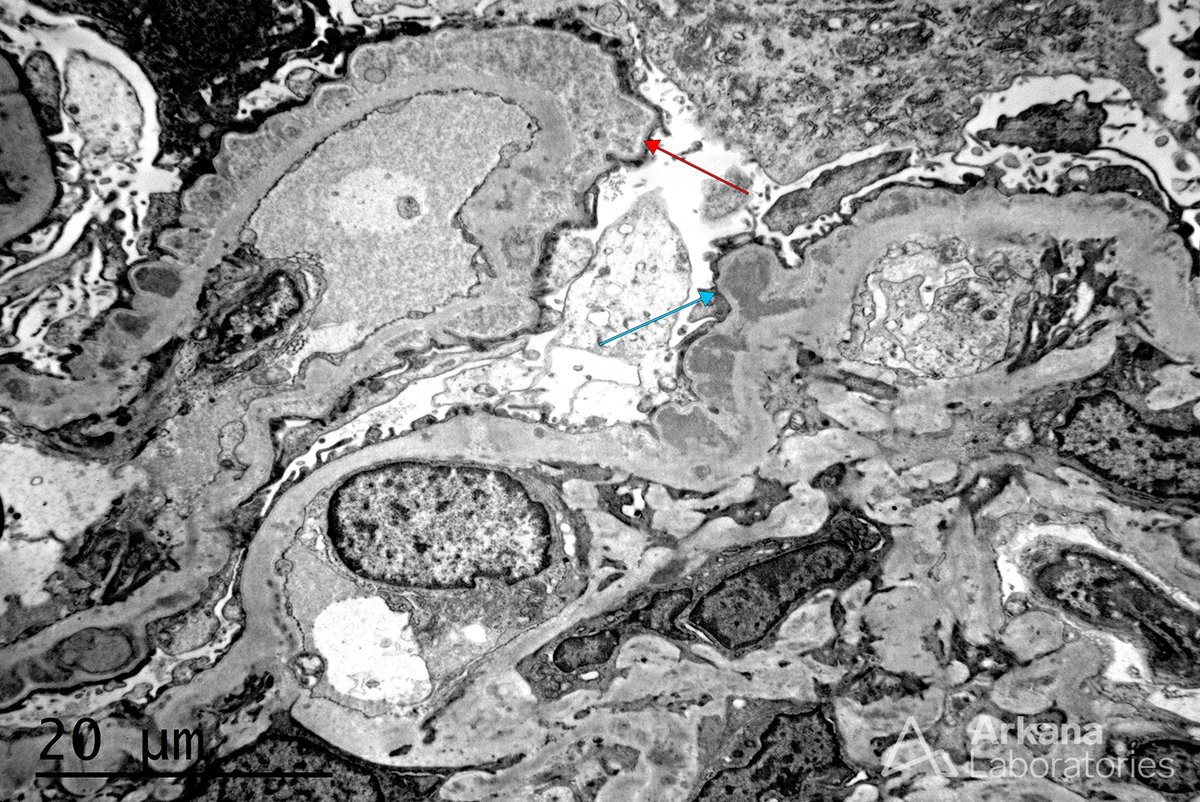
#TeachingPoint A renal biopsy was performed on this 55 year old female with history of biopsy proven membranous glomerulopathy status post immunosuppressive therapy, with partial clinical response. The patient was being worked up for persistent subnephrotic proteinuria. This representative electron micrograph shows globally thickened capillary loops by a combination of intramembranous electron dense deposits completely surrounded by neomembrane (Ehrenreich and Churg stage III, blue arrow) and intramembranous electron lucent deposits with glomerular basement membrane remodeling (Ehrenreich and Churg stage IV, red arrow). These findings are compatible with a resolving membranous glomerulopathy. In light of these electron microscopy findings, the presence of only weakly positive staining by immunofluorescence (not shown) and stable subnephrotic proteinuria, this patient has likely achieved immunologic response and further immunosuppression may not be warranted. Finally, due to the presence of significant glomerular basement membrane remodeling, persistent proteinuria is expected in this patient.
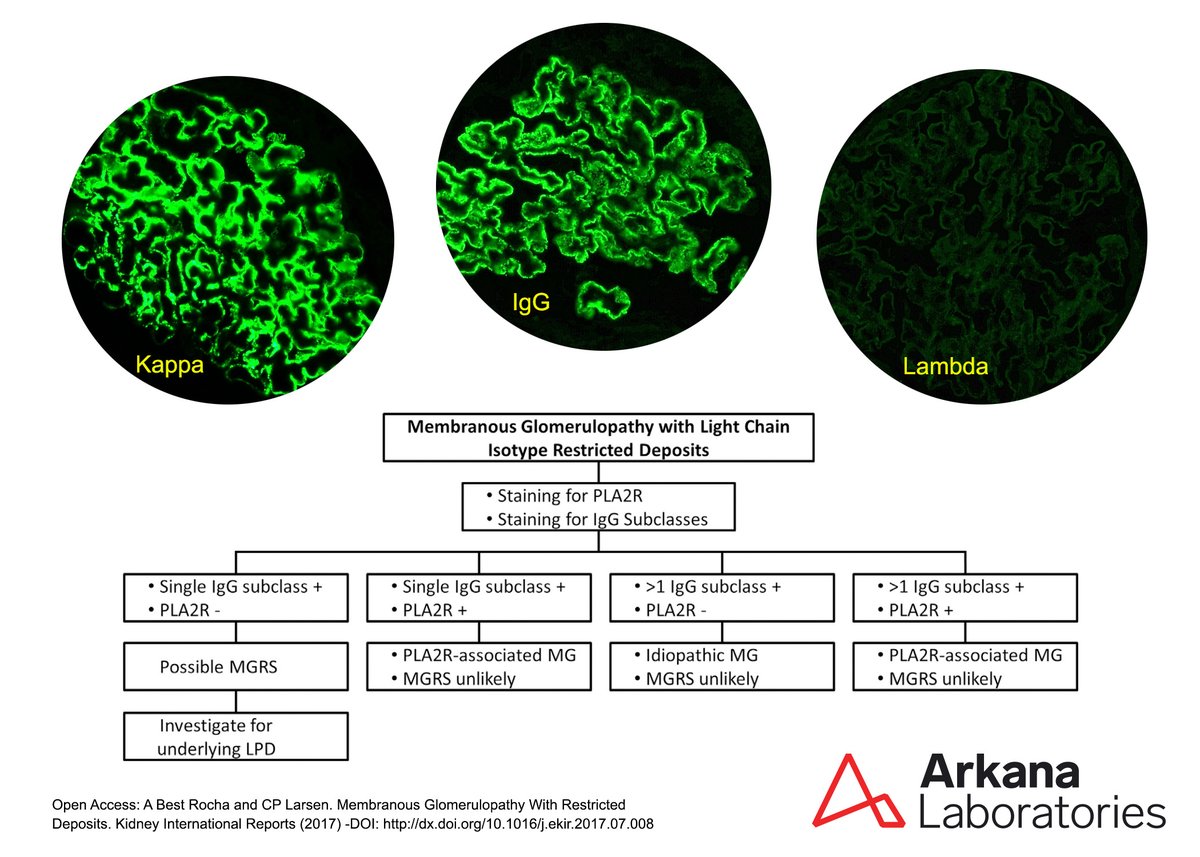
#TeachingPoint Membranous glomerulopathy (MG) is a common cause of nephrotic syndrome that results from the formation of immune complexes along the subepithelial aspect of the glomerular basement membranes. Approximately 1% of membranous cases will show light chain restriction by immunofluorescence. The majority of MG cases with light chain restricted deposits lack a recognizable secondary etiology. However, absence of PLA2R-positivity within glomerular deposits, positive staining for a single IgG subclass and presence of focal proliferation by light microscopy are worrisome histopathologic features that should prompt a thorough clinical workup to exclude the presence of an underlying lymphoproliferative disorder, even in the absence of a recognizable paraprotein.

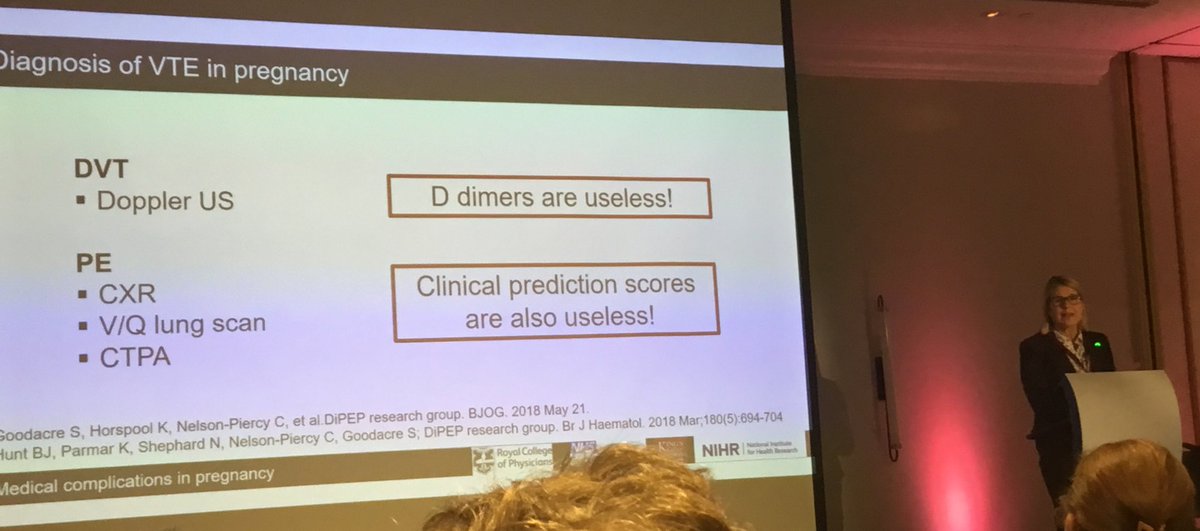
Treatment for Pulmonary Embolism based on booking weight, not actual weight ! #TeachingPoint #RCPUpdate @RCPWales Thank you Professor Nelson-Piercy

Fun way to incorporate @GoNoodle during a reading mini-lesson #readwithexpression #teachingpoint #butmakeitfun
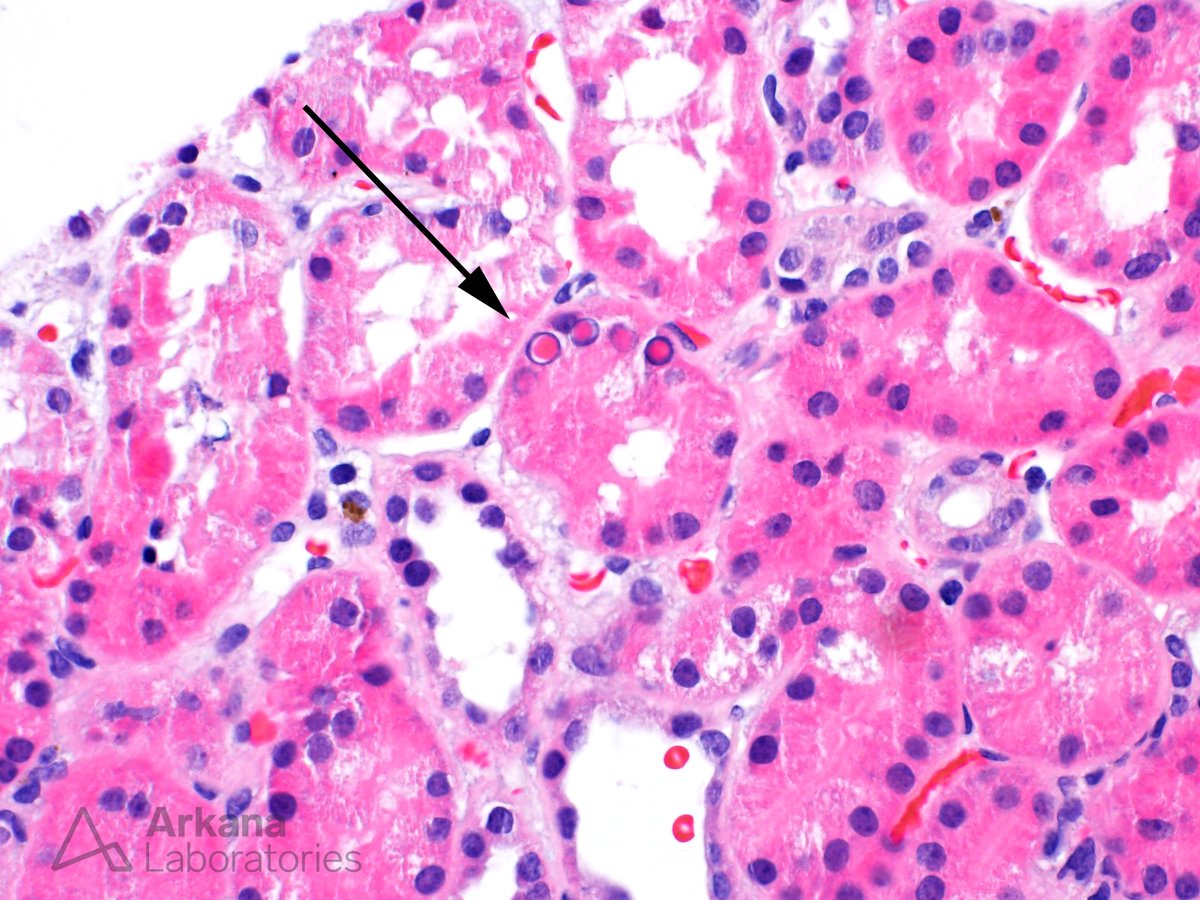
For today's #TeachingPoint, we'll be looking at lead toxicity and its effects. The arrow in this image points to a cluster of tubular epithelial cells whose nuclei contain eosinophilic intranuclear inclusions characteristic of acute lead nephrotoxicity. In addition to inclusions, acute nephrotoxicity from lead and other heavy metals (e.g. platinum, mercury, gold, copper, iron, and lithium) is usually associated with morphologic features of acute tubular injury. As with all suspected cases of heavy metal toxicity, clinical correlation to assess for recent or past heavy metal exposure is required for an accurate diagnosis. In cases of chronic lead exposure, especially to low lead levels, the relationship between exposure and chronic kidney disease or end-stage renal disease (ESRD) has been debated. In a recent study, Evans et al. found no statistically significant difference in the incidence of ESRD among a large cohort of workers with documented lead exposure compared to a control group over a twenty year period (see reference below).
Evans M, et al. End-stage renal disease after occupational lead exposure: 20 years of follow-up.
Occup Environ Med. 2017 Jun; 74(6):396-401.
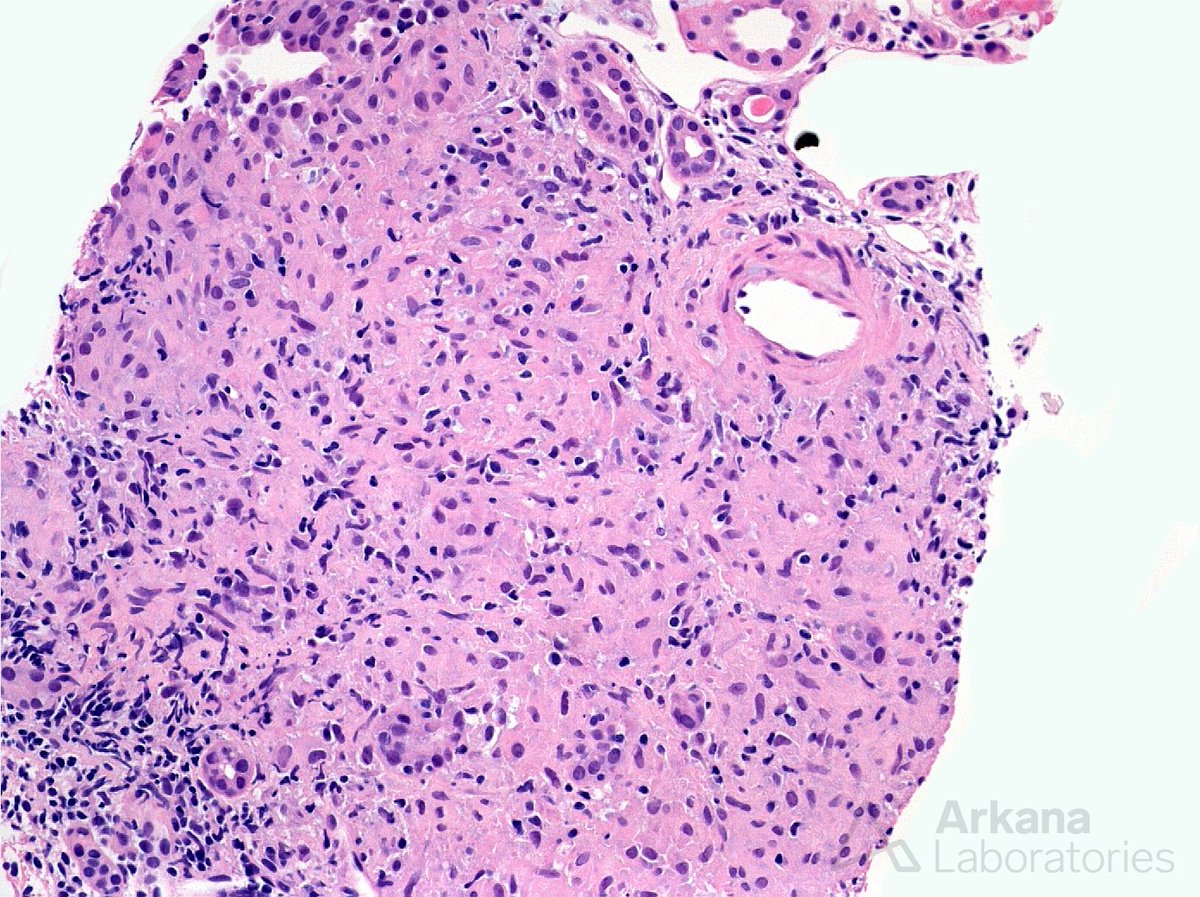
Today's #TeachingPoint is a biopsy from a 25 year old African American female with renal failure. The photomicrographs here show renal involvement by non-caseating granulomas eliciting the diagnosis of granulomatous interstitial nephritis. The patient was found to be hypercalcemic and to have hilar lymphadenopathy and reticulonodular infiltrates on chest x-ray and was diagnosed with sarcoidosis. A case series examining 46 cases of granulomatous interstitial nephritis (GIN) by Bijol et al (ref below) found the most common etiology (45%) of this pattern to be a drug-induced reaction. This was followed by sarcoidosis (29% of GIN), other (including infection) at 16% and there were 10% of cases that proved to be idiopathic. It should be pointed out that this case series was composed of cases from the United States and the etiologies from other parts of the world would likely be different.

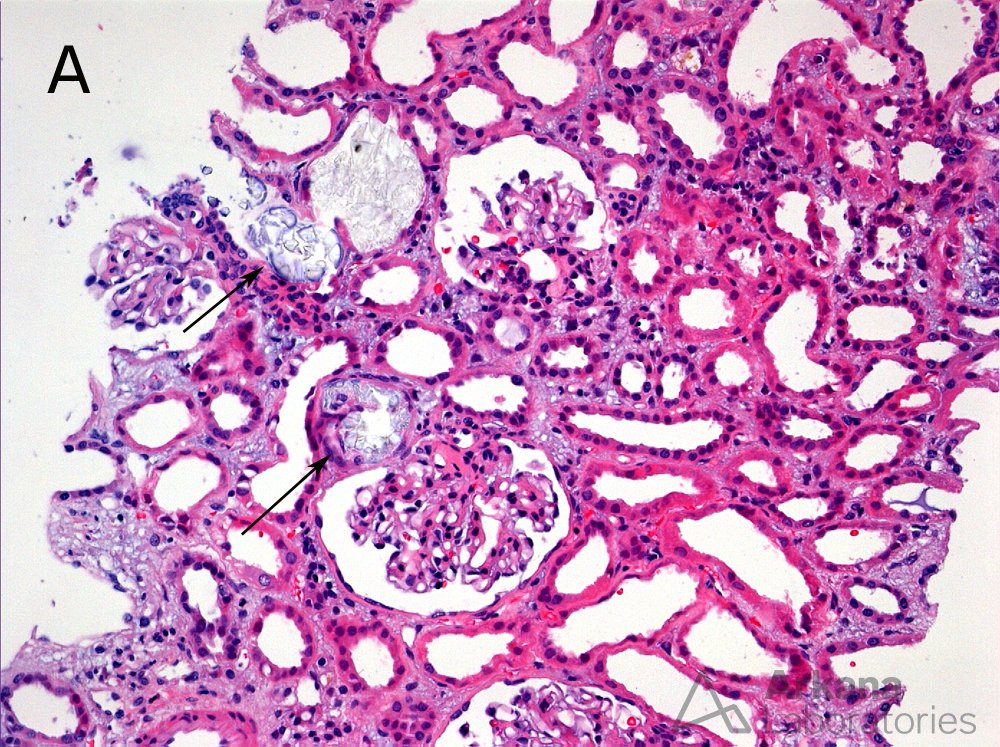
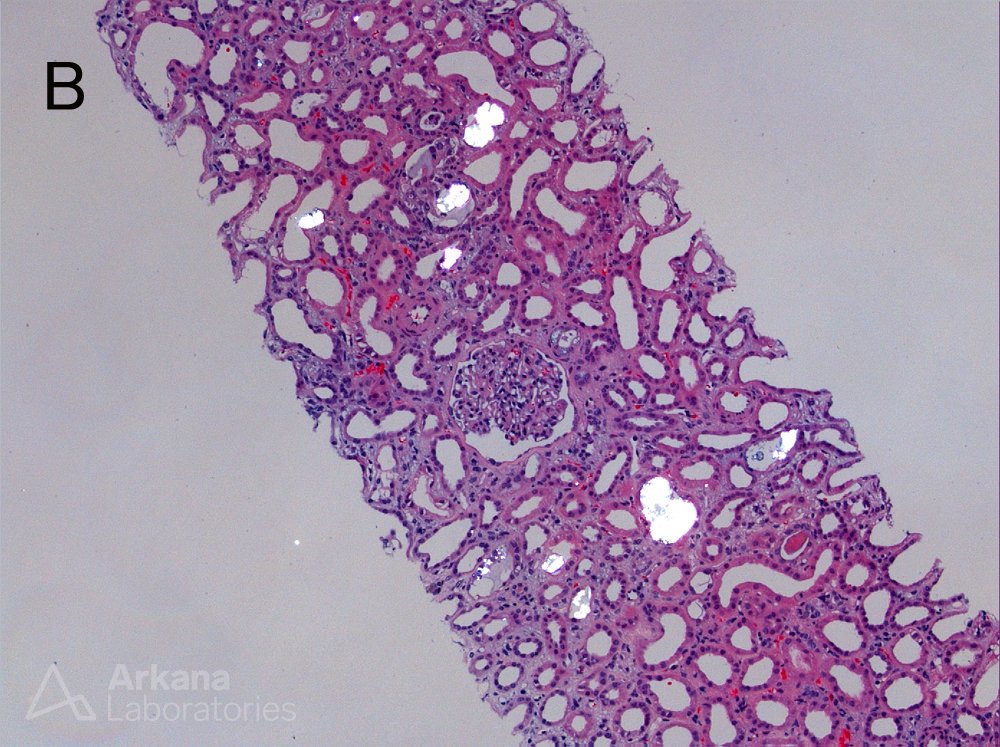
For today's #TeachingPoint, we'll review a 51 year old female with a history of SLE who was found to have acute renal failure. There was no evidence of glomerular proliferation by light microscopy but the biopsy did show (A) focal tubules with intraluminal and intracytoplasmic refractile crystals (arrows) (hematoxylin and eosin; original magnification × 100). (B) There are numerous intra-tubular birefringent crystals visible under polarized light (hematoxylin and eosin; original magnification × 50). These findings are consistent with kidney injury due to oxalate nephropathy. Known causes of oxalate nephropathy include primary hyperoxaluria, ethylene glycol intoxication, enteric hyperoxaluria (e.g. due to gastric bypass, chronic pancreatitis, small bowel resection, or malabsorption), exposure to the anesthetic agent methoxyflurane, vitamin B6 deficiency, and excessive ingestion of vitamin C or dietary substances rich in oxalic acid such as parsley, nuts, teas, and star fruit. The patient in the case shown here was found to be taking large daily doses of vitamin C.
Today's #TeachingPoint is about adenovirus nephritis.
This allograft biopsy shows the characteristic features of adenovirus infection. There is prominent interstitial hemorrhage and edema (Fig. 1), acute tubular injury with viral cytopathic effect and positive immunohistochemical cytoplasmic and nuclear staining for adenoviral antigen (Fig. 2), and foci of tubular necrosis (Fig. 3). The differential diagnosis for this morphology in the transplant setting includes other viral infection (e.g. polyomavirus, CMV, HSV), acute rejection, and drug-related acute interstitial nephritis.


Today's #TeachingPoint comes from our Executive Director, Dr. Chris Larsen!
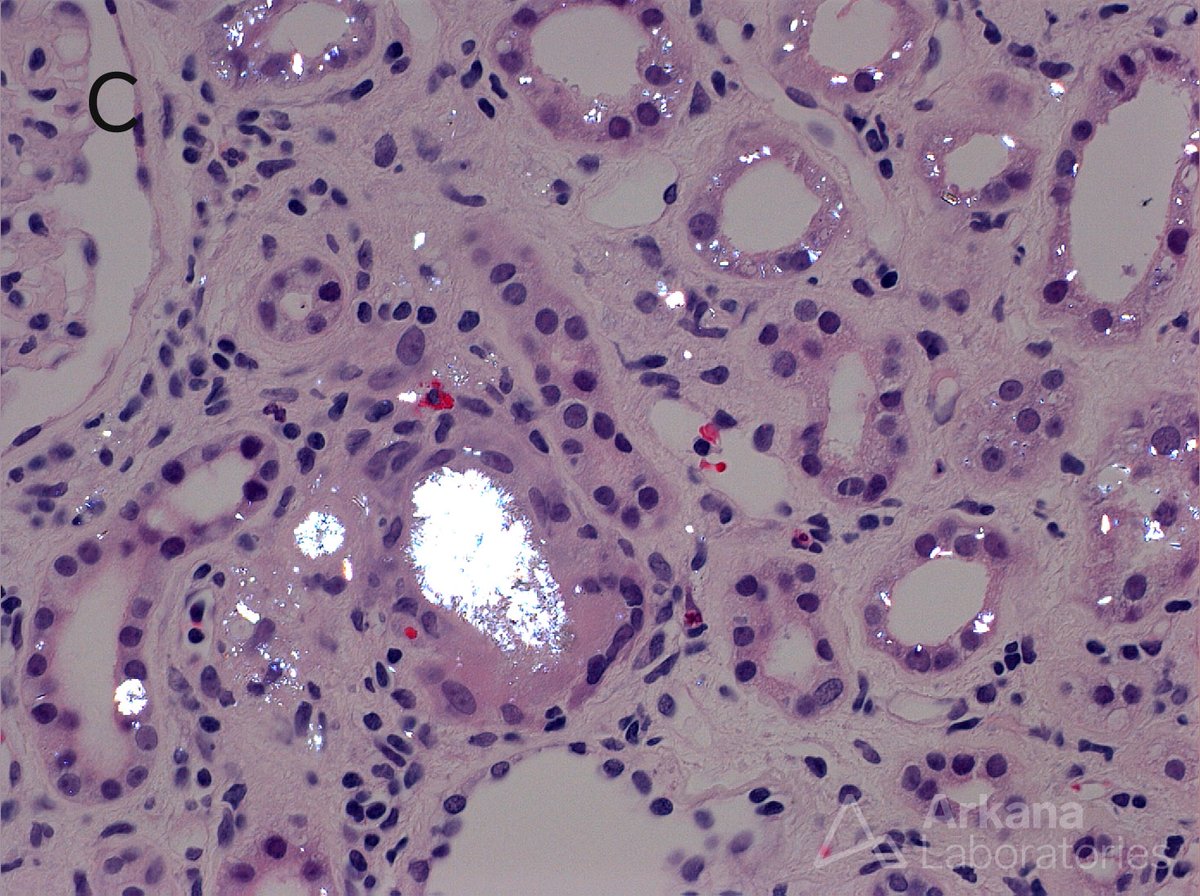
The renal biopsy shown here has crystals present within the tubular lumens and cytoplasm with a brownish appearance by H&E (A) that are strongly silver positive on the Jones methenamine silver stain (B). The crystals are birefringent when viewed under polarized light (C). These findings are characteristic of 2,8 DHA crystal deposition in the kidney resulting from a deficiency of adenine phosphoribosyltransferase. 2,8 dihydroxyadeninuria is an autosomal recessive disease resulting from pathogenic variants in the APRT gene. It is an important disease to recognize as treatment with a low purine diet and allopurinol therapy blocks formation of 2,8 DHA and can improve renal function. The differential diagnosis includes other crystalline nephropathies. One that is less well known but has a similar histopathology is triamterene crystalline nephropathy, which can be distinguished from 2,8 DHA by the presence of “Maltese crosses” under polarized light.
#RenalPath


Today's #TeachingPoint is about the “C” in CKD
This renal biopsy illustrates severe chronic kidney injury and its effects on all major compartments of the cortex: most glomeruli are globally sclerotic, the atrophic tubules are widely spaced, the interstitium is fibrotic, and the arterial walls show intimal fibrosis. Interestingly, such morphologic changes can either result from acute renal injury followed by weeks to months of ongoing damage or an insidious, decades-long kidney disease without an identifiable acute event. The degree of chronic injury should help inform the selection and aggressiveness of therapy and provide an objective measure of the likelihood of functional recovery.


Lots of💡 moments at my #THEDISTRICT coaches’ meeting today. Thank you so much @aplusliteracy! I always learn something new! 🤓 #StrategyFocus #TeachingPoint #PhonemicAwareness

It is never TB or SLE 🤷🏻♂️ #TeachingPoint from today's noon conference 😂 . Ok it might be TB, sometimes!

Coming to the @NYBABasketball camp with @PaulBiancardi? Here is a #TeachingPoint: Silence is ‘ME’ first other than ‘WE” first. The BEST teams are NEVER silent. The BEST practices/camps are NEVER silent. #TerryDrakeBasketball #1440Scouting #ChampionsPower #PaulBiancardi

Coming the the @NYBABasketball Development Camp with @PaulBiancardi ? #TeachingPoint: 1st Ball Reversal your scoring opportunity % becomes higher. On the 2nd Ball Reversal, scoring opportunity % SKYROCKETS! #TerryDrakeBasketball #1440Scouting #PaulBiancardi #ChampionsPower

Coming the the @NYBABasketball Development Camp with @PaulBiancardi ? Here is a #TeachingPoint: Don’t waste your dribble!!! #TerryDrakeBasketball #1440Scouting #PaulBiancardi #ChampionsPower

Coming the the @NYBABasketball Development Camp with @PaulBiancardi? Here is a #TeachingPoint: When you are tighter will the ball you’re more precise with your action. #TerryDrakeBasketball #1440Scouting #PaulBiancardi #ChampionsPower


@krelllewis @clubtrillion @titusandtate @bconrad24 Not sure what the problem is here. Looks legal to me. #teachingpoint

9/
#TeachingPoint
Vancomycin resistance in enterococcus
1. E faecium
2. E gallinarum (vanC)
3. E casseliflavus (vanC)
In contrast, E faecalis is often vancomycin susceptible
But check your local antibiograms!
https://t.co/uxAEGLhvoh
8/
#TeachingPoint
Liver abscess and infected biloma in liver transplant - THINK polymicrobial enteric organisms (most common: enterococcus, E. coli, Klebsiella, Candida)
S. aureus occurs much less (consider when there is foreign inanimate device)
https://t.co/xsgTlXhXaE
Last Seen Hashtags on Sotwe
candids
Seen from Australia
NoLimit #daughter
Seen from Turkey
cuckold
Seen from Turkey
يوسف_ميزو
Seen from Jordan
NoLimit
Seen from United States
EveryGestureMatters
Seen from United States
Trevordennis
Seen from Thailand
161DaysToGoDhanushBDay
Seen from United States
rizepasif
Seen from Turkey
murderdrones fart
Seen from Brazil
Most Popular Users

Elon Musk 
@elonmusk
240.4M followers

Barack Obama
@barackobama
119.3M followers

Donald J. Trump
@realdonaldtrump
111.7M followers

Cristiano Ronaldo
@cristiano
110.1M followers

Narendra Modi
@narendramodi
107M followers

Rihanna
@rihanna
97.6M followers

NASA
@nasa
92.1M followers

Justin Bieber
@justinbieber
90.8M followers

KATY PERRY
@katyperry
87.4M followers

Taylor Swift
@taylorswift13
81.3M followers

Lady Gaga
@ladygaga
72.8M followers

Kim Kardashian
@kimkardashian
69.7M followers

Virat Kohli
@imvkohli
69.5M followers

YouTube
@youtube
68.7M followers

Bill Gates
@billgates
63.7M followers

The Ellen Show
@theellenshow
62.5M followers

Neymar Jr
@neymarjr
62.2M followers

CNN
@cnn
61.9M followers

X
@x
60.8M followers

Selena Gomez
@selenagomez
60.5M followers