

Top Tweets for #TransformerModel

Transformer mimarisinin karesel maliyet duvarı (Quadratic bottleneck) çatlamak üzere görünüyor . SSM ve Mamba-2 tabanlı hibrit yapılar, 'sonsuz bağlam' (infinite context) sözünü tutmaya başladı (ilkel aşamalarında henüz). İnsan beyninin 'sürekli akış' halindeki dikkat mekanizmasına (Continuous Attention) teknik açıdan hiç bu kadar yaklaşılmamıştı. Dikkat (Attention) artık tek bir mekanizma değil, sadece bir araç. Ciddi yatırımlar alınırsa eğer gelecek, veriyi 'istatistiksel bir yığın' olarak değil, 'akışkan bir nehir' olarak işleyen mimarilerde kök salacak. 🌊⛓️ #Mamba2 #SSM #DeepLearning #Neuroscience #TransformerModels

DlRNA-BERTa: A Transformer Approach for RNA-Drug Binding Affinity Prediction
1. DlRNA-BERTa is a novel RoBERTa-based framework that combines RNABERTa, pretrained on 9.76 million RNA sequences, with ChemBERTa-v2 to predict small molecule–RNA interactions. It includes six class-specific models for different RNA types and a general model for unknown RNA classes, outperforming existing RNA–drug interaction prediction methods with Pearson correlation coefficients up to 0.98 for miRNAs.
2. The study leverages a cross-attention mechanism to capture contextual interactions between RNA and drug tokens, enabling end-to-end, structure-free prediction of RNA–drug binding affinities. This approach allows the model to achieve robust performance across various RNA classes, even those with limited training data, such as repeats and riboswitches.
3. Application of DlRNA-BERTa to 3,492 approved drugs from the ChEMBL database identified 2,859 compounds with predicted affinities (pKd ≥6) across 294 RNA targets. Notably, bleomycin was highlighted with literature evidence supporting its RNA-binding activity, demonstrating the model's biological relevance and predictive reliability.
4. The model's architecture and training process incorporate several innovations, including the use of μParametrization for scalable hyperparameter transferability and the optimization of hyperparameters using Optuna with the Tree-structured Parzen Estimator (TPE) sampler. These enhancements contribute to the model's efficiency and performance.
5. A publicly accessible web application is available at https://t.co/NSMWtYv3Am, providing user-friendly access to the general model. The source code and datasets are openly available at https://t.co/r7tQyMexec, in accordance with FAIR principles, allowing researchers to extend the framework and advance RNA-targeted drug discovery.
📜Paper: https://t.co/WHnfo27TTl
#RNAtherapeutics #DrugDiscovery #TransformerModels #Bioinformatics #AIinMedicine

Designing Lipid Nanoparticles Using a Transformer-Based Neural Network @NatureComms
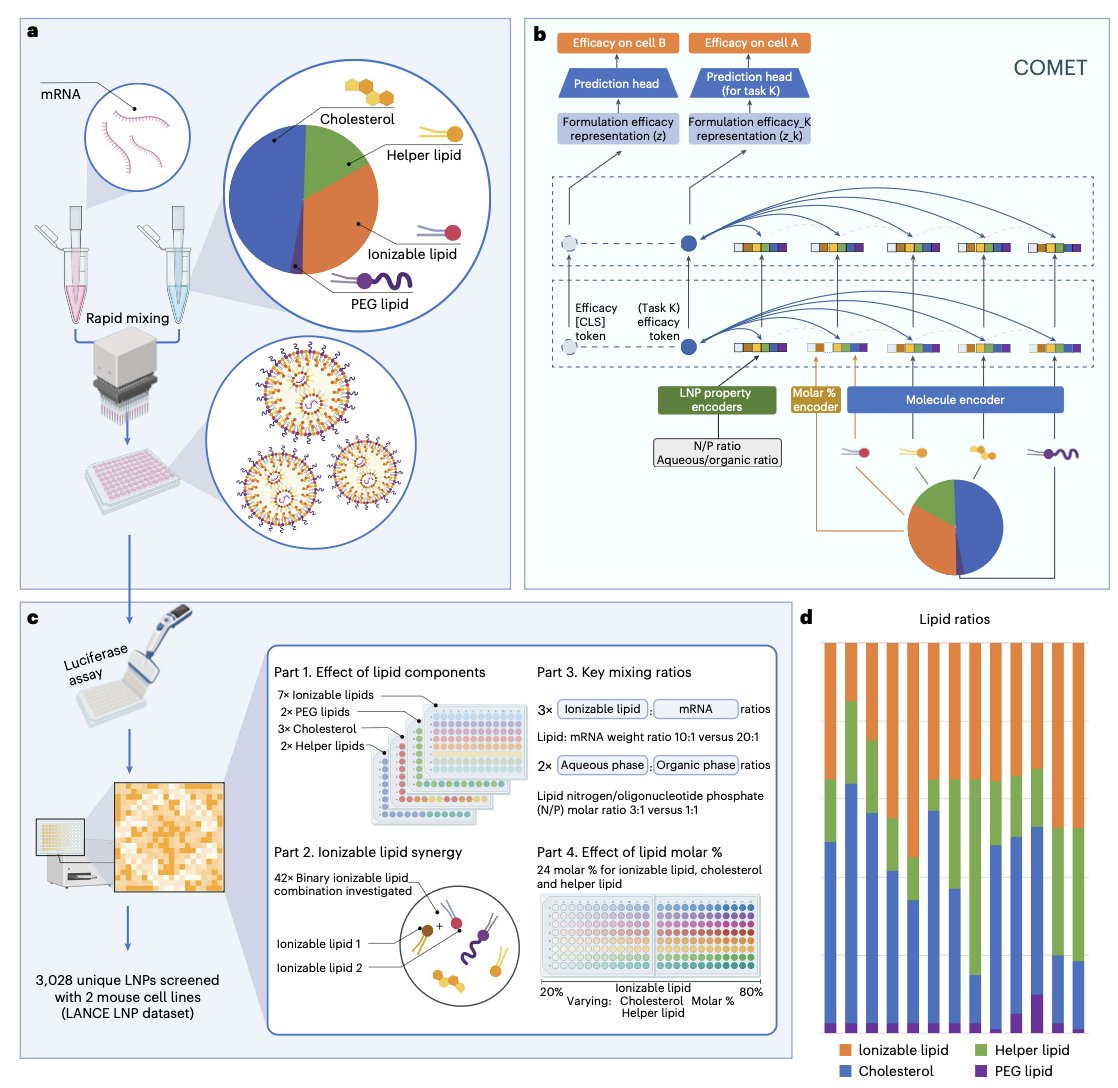
1. Researchers have developed a novel approach to designing lipid nanoparticles (LNPs) using a transformer-based neural network named COMET. This model integrates multi-component and multi-modal features of composite formulations to predict LNP performance accurately.
2. COMET is trained on one of the largest LNP datasets, LANCE, which includes over 3,000 unique LNPs. The model not only predicts efficacy but also adapts to non-canonical LNP formulations, such as those with dual-ionizable lipids and polymeric materials.
3. A key innovation is COMET's ability to predict LNP performance in new cell lines and under different conditions, such as post-lyophilization stability, using only small training datasets. This adaptability makes it a versatile tool for drug development.
4. Experimental validation shows that COMET can identify LNPs with strong protein expression both in vitro and in vivo, demonstrating its potential to accelerate the development of nucleic acid therapies across various applications.
5. The study highlights the importance of integrating molecular structures, molar percentages, and synthesis parameters into a unified framework. COMET's architecture allows for data-driven learning without relying on manually selected physicochemical descriptors.
6. COMET's flexibility extends to exploring non-canonical formulations and optimizing existing leads. It can screen massive virtual libraries to find formulations that differ substantially from known hits yet yield high performance.
7. The model's predictions are validated through in vitro and in vivo experiments, showing significant improvements over clinical benchmarks. COMET's ability to handle multi-component inputs also allows for its extension beyond conventional LNPs to other areas of nanotechnology.
📜Paper: https://t.co/ilsMuEVrnh
#LipidNanoparticles #TransformerModel #DrugDevelopment #MachineLearning #NucleicAcidTherapies

That's right.
The basic idea is to abstract and store specific data that has been learned in advance, and then re-concrete it based on user input, etc.
Photos of apples, tomatoes, and red balls are blurred and saved as abstract data called "red spheres," and then re-focused based on user input. This mechanism works the same for both the language TransformerModel and the image generation DiffusonModel.
I was just summarizing the results now (laughs).
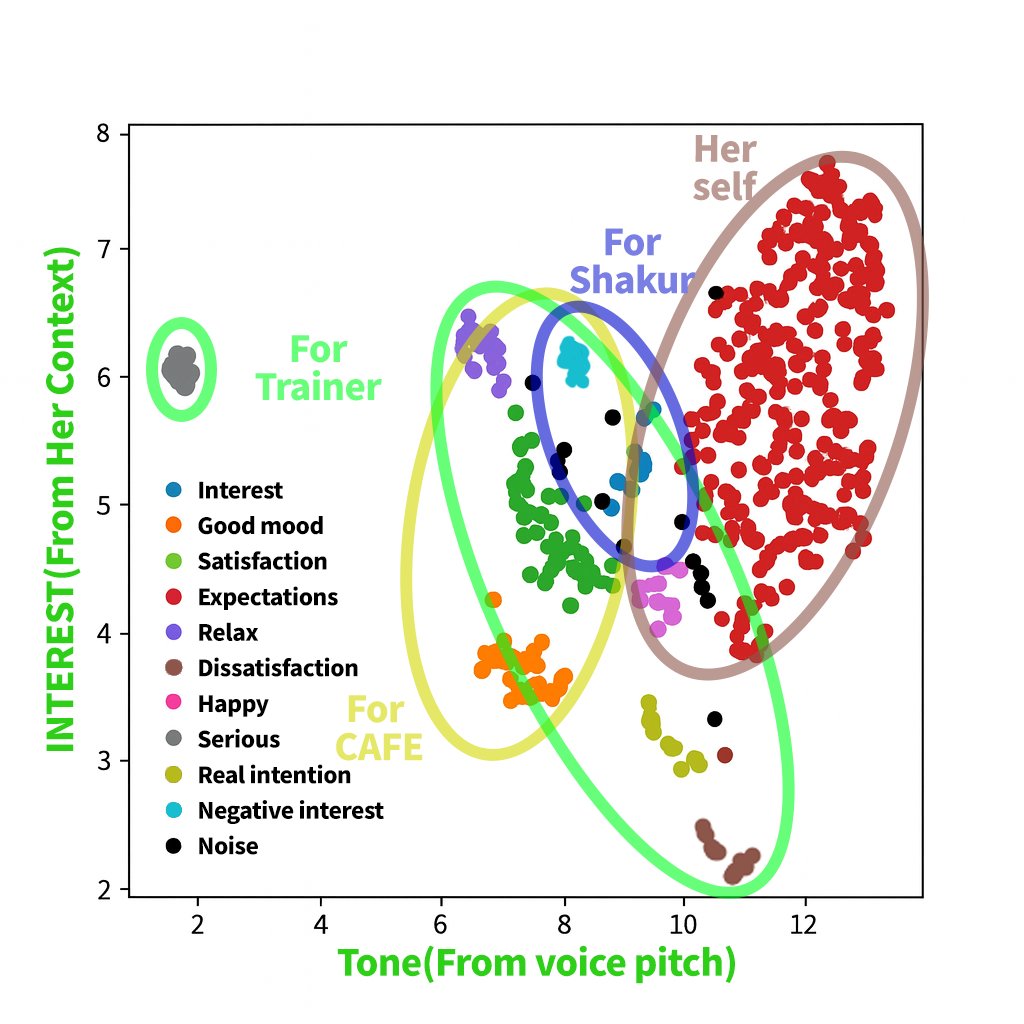
As I showed you the other day, we used AI to analyze Tachyon's context and vocal pitch, and then used the DBSCAN method to classify them based on density.
The results were then listened to and labeled by me.
Labeling could be done automatically, but since no data on her relationships with other characters is incorporated, it's quickest to use your own ears.
To begin with, it is extremely difficult to represent world lines in two dimensions on paper, including in my own materials.
I created a table for the World "LINE" with the time axis on the X axis and the parallel axis on the Y axis, but that is purely for convenience's sake.
AI language models use three-dimensional vectors known as Q/K/V, and the direction and strength of these vectors are continuously processed using a mechanism called a TransformerModel.
This is a four-dimensional way of thinking that adds the number of processing times (i.e. changes over time) to the three-dimensional vectors of Q/K/V.
Understanding this requires more than mathematical thinking; it requires intuitive ability, necessitating innate abilities such as metacognition.
From this perspective, it is no exaggeration to say that Deep Learning AI emulates a quantum computer on a conventional von Neumann computer.
For this reason, it is difficult to predict the mutual interference of vectors due to the number of processing times, or in other words, time.
I believe this is close to the concept of a world line interpreted from a quantum mechanical perspective.
If we apply the characteristic of quantum theory, "you can only know the result once you observe it," to AI, we get "you can only know the result once you output it," and my scientific mind comes from this.
BOLD-GPCRs: A Transformer-Powered App for Predicting Ligand Bioactivity and Mutational Effects Across Class A GPCRs
1. A groundbreaking new deep learning framework, BOLD-GPCRs, leverages the power of transformers to predict ligand bioactivity and mutational effects across class A GPCRs with remarkable accuracy. This innovative approach could revolutionize drug discovery for these critical therapeutic targets.
2. BOLD-GPCRs integrates ProteinBERT, a transformer-based protein language model, with ligand embeddings derived from physical and chemical properties. This unique combination allows the model to capture complex relationships between receptor sequences/functions and ligand activity, outperforming traditional DNN and random forest models.
3. The framework demonstrates robust predictive performance even for understudied or poorly characterized GPCRs. By explicitly encoding residue-level information, it can infer the effects of specific mutations on receptor activity and ligand binding, providing valuable insights for drug design efforts targeting disease-associated mutant receptors.
4. BOLD-GPCRs is accessible via a user-friendly web interface, making it a practical tool for researchers. The model’s attention mechanisms offer interpretability, highlighting key residues in receptor activation and ligand recognition. This could aid in elucidating the functional consequences of naturally occurring or engineered variants.
5. The study highlights the potential of combining protein-language models with ligand-based embeddings for data-driven ligand discovery. Future extensions could incorporate receptor-specific structural features or support studies in polypharmacology and pathway-selective signaling, further expanding the model’s applicability.
📜Paper: https://t.co/O4MHkLvcWq
#GPCRs #DrugDiscovery #DeepLearning #TransformerModels #ProteinLanguageModels #LigandBioactivity #MutationalEffects

HPInet: Interpretable prediction of Host-Pathogen protein-protein Interactions using a transformer-based neural network
1. HPInet is a novel transformer-based deep learning model designed to predict interactions between bacterial effector proteins and human host proteins, achieving significant improvements in accuracy and sensitivity compared to existing methods.
2. The model integrates convolutional layers and global response normalization into its architecture, enhancing the extraction of both local and global features from protein sequences. This innovative approach allows HPInet to capture complex interaction patterns more effectively.
3. HPInet demonstrates superior performance across various bacterial secretion systems, with notable improvements in cross-system predictions, particularly between T5SE and T7SE. This highlights its ability to generalize while retaining system-specific features.
4. One of the key strengths of HPInet is its interpretability. By leveraging attention mechanisms, the model identifies critical interaction residues, providing valuable biological insights that align with experimentally validated binding sites.
5. HPInet is freely accessible as a web server, offering researchers a powerful and user-friendly tool to study host-pathogen interactions and identify potential therapeutic targets. This platform is expected to significantly advance research in bacterial pathogenesis.
📜Paper: https://t.co/lMaxjQkE3f
#HostPathogenInteraction #TransformerModel #DeepLearning #ProteinInteraction #Bioinformatics #ComputationalBiology

A Comprehensive Review of Transformer-based Language Models for Protein Sequence Analysis and Design
1. This review provides an in-depth analysis of Transformer-based models used for protein sequence analysis and design, highlighting their strengths and weaknesses. It covers applications in gene ontology, functional and structural protein identification, de novo protein generation, and protein binding.
2. The review emphasizes the unprecedented impact of Transformer models in bioinformatics, leveraging their ability to process sequences in parallel and capture long-range dependencies. This has led to significant advancements in tasks like protein structure prediction and function annotation.
3. Key milestones in the development of Transformer-based protein models are outlined, including TAPE, AlphaFold, ProtBERT, and ProGen. These models have demonstrated remarkable capabilities in classifying protein sequences, predicting structures, and generating novel proteins.
4. The review discusses the challenges of applying Transformer models to protein sequences, such as the need for high-quality datasets and the issue of data biases. It also highlights the importance of addressing these challenges to improve model performance and generalizability.
5. Future directions are explored, including the need for more efficient model architectures, better integration of multi-modal data, and the development of models that can generalize across different species. The review also emphasizes the importance of robustness and uncertainty estimation in practical applications.
📜Paper: https://t.co/3aUXliNDST
#TransformerModels #ProteinSequences #Bioinformatics #DeepLearning #ProteinDesign

Learning The Native-Like Codons With A 5'UTR And Secondary RNA Structure Aided Species-Informed Transformer Model
A new Transformer-based deep learning model, TransCodon, has been developed to address the challenge of efficient protein expression in heterologous hosts. It tackles the difficulty of reconstructing native-like codon landscapes by integrating 5' untranslated regions (5'UTRs), coding sequences (CDS), explicit species identifiers, and RNA secondary structure information.
TransCodon learns nuanced codon usage patterns across diverse organisms by incorporating multisource genomic data and modeling sequence dependencies via a masked language modeling paradigm. This allows it to effectively capture both local and global determinants of codon preference.
A key innovation is TransCodon's use of a finer-grained vocabulary based solely on nucleotides, which enables partial decoding and preserves richer sequence-level information compared to previous approaches. The model was trained on a large dataset of 5.5 million gene sequences from 1,436 species, ensuring robust cross-species generalization.
Experimental results demonstrate that TransCodon consistently outperforms existing codon optimization tools across multiple evaluation metrics. It identifies native-like codons with less divergence from natural sequences and can capture low-frequency codons often missed by other deep learning methods, especially for highly abundant proteins.
Beyond codon optimization, TransCodon shows robust effectiveness in predicting protein abundance, achieving high correlation with experimentally determined values in zero-shot scenarios. It also excels in 5' UTR-related downstream tasks, such as predicting Mean Ribosome Load (MRL), surpassing other state-of-the-art models.
These findings indicate that TransCodon is a robust codon language model with significant potential for designing genes to achieve high translational efficiency in target host organisms, marking a notable advancement in computational synthetic biology.
📜Paper: https://t.co/sTYp2haLDK
#ComputationalBiology #SyntheticBiology #DeepLearning #ProteinExpression #CodonOptimization #Bioinformatics #Genomics #TransformerModels

Transformer-based Deep Learning for Glycan Structure Inference from Tandem Mass Spectrometry
1. Researchers have introduced GlycoBART, a novel generative transformer-based model capable of de novo glycan structure inference from tandem mass spectrometry (MS/MS) data. This model has notably identified glycan structures not present in its training dataset, including one previously uncatalogued in major glycan databases.
2. This work also presents GlycoBERT, a transformer-based sequence classifier. GlycoBERT demonstrates impressive structural accuracy, reaching 95.1% on test data, which surpasses the performance of the current state-of-the-art deep learning model, CandyCrunch.
3. The core innovation lies in adapting transformer architectures, commonly used in natural language processing for capturing complex long-range dependencies, to the analysis of MS/MS spectra. This approach allows for a more nuanced interpretation of fragmentation patterns, which is crucial for accurate glycan structural determination.
4. Both GlycoBERT and GlycoBART have shown robust and consistent performance across diverse experimental and biological metadata categories, outperforming existing convolutional neural network-based methods. This highlights their broad applicability and reliability in glycomics research.
5. These new models represent a significant advancement in computational glycomics, providing a powerful framework for more accurate and comprehensive exploration of glycan diversity and facilitating the discovery of new glycan structures.
📜Paper: https://t.co/VNPu9w3hXJ
#Glycomics #MassSpectrometry #DeepLearning #ComputationalBiology #Bioinformatics #TransformerModels #GlycanAnalysis #NovelDiscovery

LAGOM: A Transformer-Based Chemical Language Model for Drug Metabolite Prediction
1.LAGOM is a Transformer-based model designed to predict drug metabolites directly from SMILES, offering an end-to-end alternative to traditional rule-based and two-step ML approaches.
2.Unlike conventional tools that rely heavily on manually curated transformation rules and intermediate site-of-metabolism (SoM) predictions, LAGOM leverages the Chemformer architecture to perform direct sequence-to-sequence translation from drugs to metabolites.
3.The model is trained using a curriculum-style transfer learning pipeline: general chemical pretraining (Virtual Analogs), followed by metabolite-specific pretraining (MetaTrans), and fine-tuning on a rigorously curated dataset (LAGOM dataset) composed of DrugBank and MetXBioDB entries.
4.A key innovation is LAGOM’s single-model approach, which outperforms both the rule-based GLORYx and SyGMa tools and the previous Transformer-based MetaTrans model on the standard GLORYx benchmark dataset.
5.LAGOM incorporates SMILES randomisation during fine-tuning, which significantly boosts performance. Other augmentation strategies (e.g., parent-grandchild reactions, property annotations) had limited or even negative effects.
6.The curated LAGOM dataset includes over 4000 parent-metabolite pairs with strict filtering based on atom types, molecular weight, and Tanimoto similarity to ensure quality and eliminate overlaps with test sets.
7.LAGOM achieves superior precision (0.18 vs 0.11) and F1 score (0.25 vs 0.17) over MetaTrans, while maintaining comparable recall. This reflects better balance between identifying correct metabolites and avoiding false positives.
8.An ensemble approach using multiple LAGOM models trained on different data splits further improves recall, though precision tends to drop due to increased prediction diversity.
9.Evaluation metrics go beyond simple accuracy, focusing on recall, precision, and F1 score using top-k predictions per drug. All models maintain over 95% validity of generated SMILES strings.
10.This work also contributes a reproducible data curation and training pipeline, enabling future research in metabolite prediction using chemical language models.
11.Despite advances, the authors acknowledge that low-data regimes, high chemical diversity, and the one-to-many nature of metabolism remain challenges for model generalisation and evaluation.
12.Future directions include expanding the dataset with richer metabolic transformations and exploring better model selection strategies that reflect external benchmark performance.
💻Code: https://t.co/MiB6DPGFKN
📜Paper: https://t.co/OkP7W6gaDk
#DrugDiscovery #Chemoinformatics #AI4Science #MetabolitePrediction #TransformerModel #ComputationalPharmacology #SMILES #DeepLearning

Coalescence and Translation: A Language Model for Population Genetics
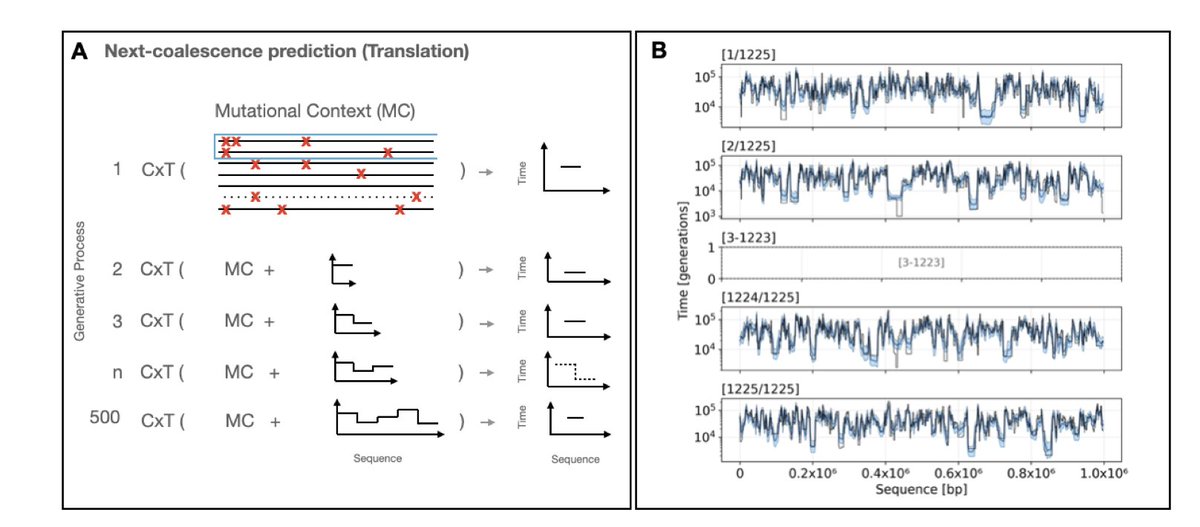
1.This study introduces cxt, a decoder-only transformer model that reframes coalescent time inference in population genetics as a sequence modeling problem, analogous to language translation. It translates local mutation patterns into coalescent times, enabling rapid and flexible inference of evolutionary history from genetic data.
2.Unlike traditional SMC-based methods, cxt does not rely on handcrafted likelihoods. Instead, it is trained on simulated data to predict the time to the most recent common ancestor (TMRCA) in an autoregressive fashion, using a next-coalescence prediction objective.
3.cxt achieves state-of-the-art accuracy across a range of demographic scenarios, outperforming or matching both Singer (ARG-based) and Gamma-SMC (SMC-based) models. It is particularly effective in non-constant population size models, such as sawtooth and island scenarios.
4.The model is highly efficient: cxt can infer over a million pairwise coalescence times in under five minutes using a single NVIDIA A100 GPU, allowing for genome-scale analysis at population scale.
5.A key innovation is its ability to generate well-calibrated approximate posterior distributions over TMRCAs. This enables principled uncertainty quantification, a feature often lacking in other deep learning approaches.
6.cxt generalizes well out-of-distribution, as shown by its performance on unseen species and demographic models in stdpopsim v0.3. Fine-tuning further improves accuracy in novel settings, demonstrating its potential as a flexible foundation model.
7.The model’s broad training across stdpopsim v0.2 species allows it to act like a context-sensitive database, capable of returning different coalescence distributions depending on the input, without needing retraining.
8.cxt’s posterior predictions were validated using empirical coverage and variance under varying mutation rates. Results show consistent calibration and sensitivity to mutational density, even in challenging inference windows.
9.The method was applied to 1000 Genomes Project data, successfully identifying known genomic regions with atypical coalescence histories—e.g., a recent sweep at the LCT locus and deep coalescent times in the HLA region—demonstrating its utility in real-world data.
10.Architecturally, cxt modifies GPT-2 to handle continuous mutational input projected into latent space. Coalescent times are discretized and learned autoregressively, with rotary positional embeddings encoding local genomic distance.
11.The authors introduce the "next-coalescence prediction" task, analogous to next-token prediction in language models, but tailored to sequential TMRCA estimation. This formulation enables structured learning of genealogical processes.
12.The approach is scalable, generalizable, and conceptually distinct from prior DL-based tools like CoalNN or ReLERNN. By modeling the generative process directly, cxt can capture richer evolutionary patterns without relying on predefined summary statistics.
13.The authors view cxt as a foundational model for coalescent inference, with future directions including modeling selection, multi-lineage coalescence, and extending to larger sample sizes or new species via fine-tuning.
14.While the current implementation uses fixed 2kb windows, the authors discuss tradeoffs in resolution, model complexity, and memory efficiency, suggesting avenues for optimization such as adaptive window sizes and local attention mechanisms.
15.Crucially, cxt requires only mutation rates for calibration, bypassing the need for recombination rate inputs. This simplifies deployment while maintaining accuracy and adaptability across species and parameter regimes.
💻Code: https://t.co/yTCmkZZt9w
📜Paper: https://t.co/Znq6AhXGna
#PopulationGenetics #CoalescentTheory #LanguageModels #Genomics #DeepLearning #TMRCA #ARG #TransformerModel #SimulationBasedInference
AstraROLE & AstraSUIT: Multi-Task Annotation Models for Functional Profiling of Proteins
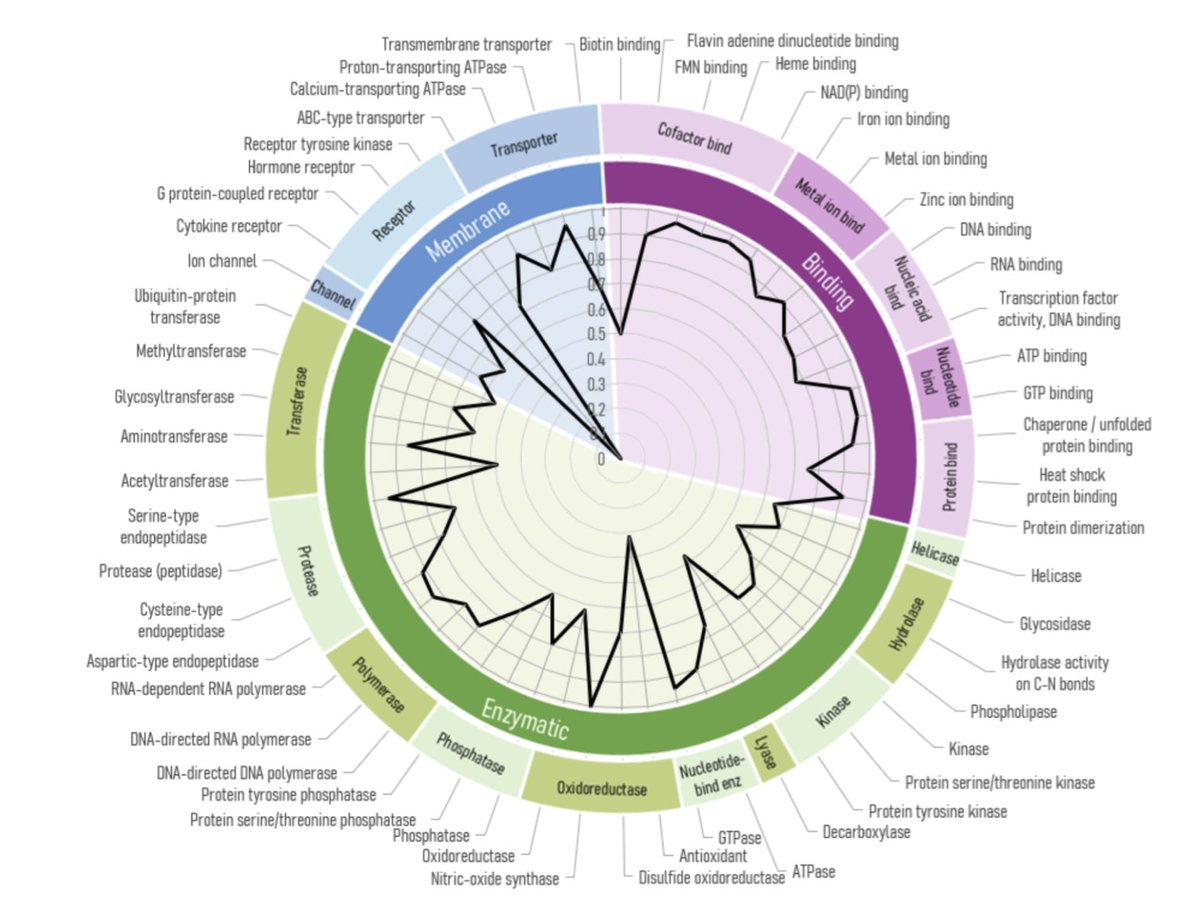
1.AstraROLE and AstraSUIT are two new multi-task protein annotation models that predict a rich set of biological properties in one go. Instead of running multiple single-task tools, users can now obtain an integrated functional profile for each protein with a single forward pass.
2.The most striking performance gains were in membrane type (F1=0.98), EC number classification (F1=0.97), and cofactor binding (F1=0.96). These results matched or outperformed recent specialized models like DeepCoFi and TMbed.
3.AstraROLE predicts enzyme class (EC), GO terms, protein function category, and metabolic pathway participation. AstraSUIT focuses on cofactor binding, domain-level taxonomy, host association, membrane type, TM helix number, and subcellular localization.
4.Both models use a transformer encoder with task-specific heads and were trained on over 730,000 UniProt proteins using ESM2 embeddings and additional physicochemical features. Training was optimized using Optuna with class-weighted BCE loss to handle label imbalance.
5.On held-out test data, AstraROLE achieved F1 scores from 0.85 to 0.97 across its tasks, while AstraSUIT ranged from 0.82 to 0.98. The models were especially strong at identifying metal ion binding and membrane localization, surpassing M-Ionic and LightAttention-db10.
6.Case studies on novel proteins—like a synthetic fluorescent protein (esmGFP) and a bacterial glycosyltransferase (IgtG)—demonstrated Astra's utility for functional hypothesis generation on previously unseen sequences.
7.Comparative benchmarking showed Astra models achieving higher or comparable scores to recent models including DeepGOPlus, DeepLoc-Pro, and DeepTMHMM across a variety of annotation tasks.
8.Label-wise evaluation revealed weaknesses for low-data categories like peripheral membrane proteins or hormone receptors, indicating room for improvement via dataset expansion in future iterations.
9.With integrated annotation across multiple biological tasks, AstraROLE and AstraSUIT streamline protein design and experimental planning by reducing dependency on multiple tools and providing high-confidence predictions.
💻Code: https://t.co/krWyiCKmvj
📜Paper: https://t.co/n5xTqG0Izj
#ProteinDesign #ComputationalBiology #AIinBiotech #TransformerModels #Bioinformatics #ProteinAnnotation #MachineLearning
Context-aware sequence-to-activity model of human gene regulation
1.The authors present Corgi, a new context-aware model that predicts gene expression and epigenetic signals using both DNA sequence and the expression of trans-regulatory factors. Unlike previous models, Corgi generalizes to unseen cell types and conditions with high accuracy.
2.Corgi achieves experimental-level accuracy in gene expression prediction for novel cell types, outperforming previous context-aware models like EpiGePT and setting a new benchmark for cross-cell type and cross-sequence generalization.
3.A key innovation is the use of a biologically motivated context vector composed of expression levels of transcription factors, co-activators, chromatin modifiers, and RNA binding proteins—2891 genes in total. This captures a rich and manipulable representation of cellular context.
4.To combine 1D context vectors with 2D sequence data, Corgi uses FiLM (Feature-wise Linear Modulation), enabling seamless integration of cis-regulatory features and trans-regulator expression throughout its convolutional and transformer layers.
5.The architecture mirrors biological gene regulation: cis-elements must coincide with the right trans-factors to drive activity. Corgi captures this interaction explicitly, and integrates trans context multiple times along its forward pass.
6.Corgi predicts 16 assay types, including DNase-seq, ATAC-seq, RNA-seq (total, polyA, scRNA), CAGE, RAMPAGE, DNA methylation, and 10 histone marks. Outputs are at 64bp resolution, with strand-specific tracks for transcriptomics.
7.The model is trained on 580 biologically diverse human samples from ENCODE, FANTOM5, Tabula Sapiens, and 10x multiome, with rigorous data harmonization and quality filtering. This includes 2.2 Gbp of training sequence and 5.6 million sequence-cell pairs.
8.Corgi uses a hybrid convolutional-transformer backbone and achieves robust performance across three benchmarks: cross-cell type (r=0.84 DNase, r=0.79 RNA-seq), cross-sequence (r=0.78 DNase), and cross-both (r=0.76 DNase, r=0.69 RNA-seq).
9.In predicting gene-level log(TPM), Corgi reaches Pearson’s r of 0.85 (cross-cell type) and 0.91 (cross-sequence and cross-both). DNA methylation predictions are especially strong, with r > 0.9 across all benchmarks.
10.Compared to Borzoi (a leading sequence-only model), Corgi performs equally well on cross-sequence tasks and far better on generalization benchmarks requiring unseen cellular contexts.
11.Corgi supports in silico perturbation experiments: users can simulate gene expression or chromatin changes by editing DNA sequence and/or trans-regulator expression vectors, enabling powerful design or hypothesis-testing applications.
12.The model can also impute missing assays like ATAC-seq or histone ChIP-seq using only genome and RNA-seq data, which is valuable for rare cell types or clinical samples where multi-omics data is unavailable.
13.The work highlights trans-regulator expression as a natural, interpretable, and experimentally manipulable representation of cell state—more scalable and flexible than ATAC-seq or latent embeddings used in other models.
14.Although currently limited to human data due to the definition of trans-regulators, the model could be extended to other species through ortholog mapping or fine-tuning.
15.In sum, Corgi represents a significant advance in making sequence-to-function prediction models truly context-aware, enabling accurate modeling of gene regulation across diverse cell types and conditions.
📜Paper: https://t.co/v7CMWJRRN8
#Genomics #DeepLearning #Epigenetics #ComputationalBiology #GeneRegulation #TransformerModel

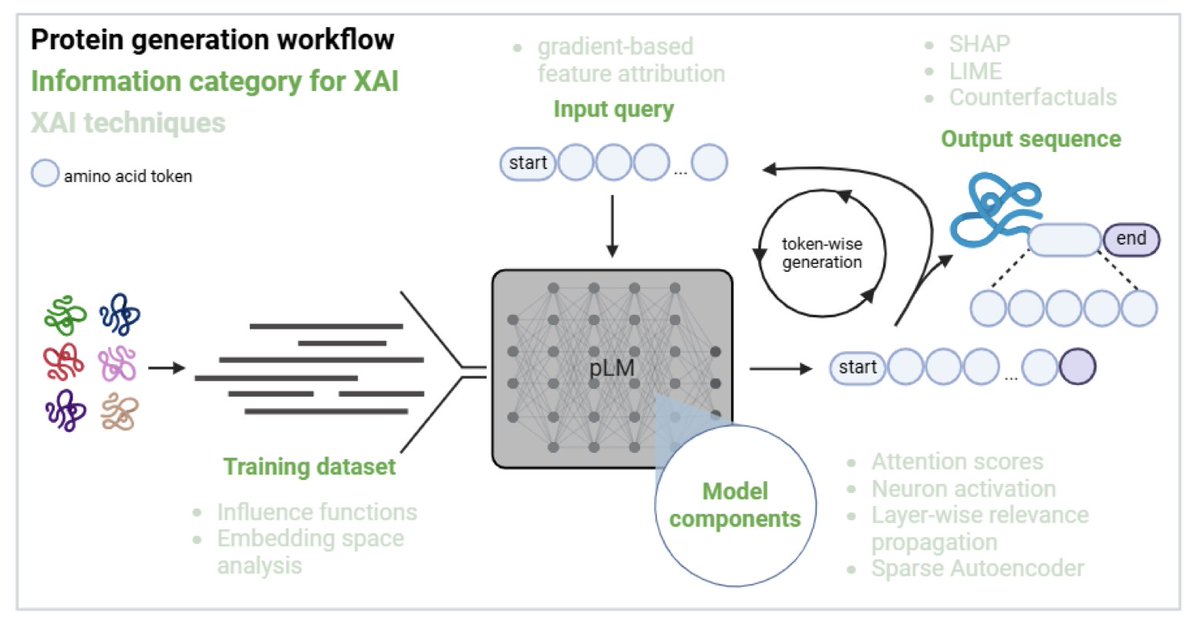
Toward the Explainability of Protein Language Models for Sequence Design
1.Protein language models (pLMs) have revolutionized protein science, but they remain black boxes. This work surveys how explainable AI (XAI) methods can help demystify them, specifically in the context of sequence design.
2.The authors introduce a systematic framework that breaks the generative pLM workflow into four "information contexts": training data, input prompt, model architecture, and output sequence. For each, they map existing XAI methods and their applications.
3.A major contribution is the proposal of five conceptual roles for XAI in protein design: Evaluator, Multitasker, Engineer, Coach, and Teacher. Only the Evaluator role—validating model behavior post hoc—is widely adopted today.
4.One of the most practical insights: Influence functions and embedding distances can identify how biased training datasets affect model output, guiding dataset curation and improving generalization in low-likelihood regions.
5.Gradient-based feature attribution methods (e.g., Integrated Gradients) can reveal which residues in the input are critical for model predictions. This can uncover residue networks analogous to allosteric pathways without simulations.
6.The paper highlights that these attribution maps can also expose hidden biases—akin to "Clever Hans" artifacts—where the model fixates on irrelevant features due to spurious correlations in the data.
7.Attention heads in Transformer architectures often encode meaningful biological patterns, such as contact maps or active sites. However, the paper cautions that attention is not always explanation—models might not use these heads in generation.
8.Sparse autoencoders (SAEs) emerge as a promising tool for improving interpretability. They isolate "monosemantic" features in embeddings, allowing researchers to discover interpretable units related to biological functions or traits.
9.In some cases, SAEs have been used not just for understanding but also for control—overactivating certain features to steer downstream structure predictions (e.g., changing surface hydrophobicity without breaking structure).
10.Output perturbation methods like SHAP and LIME help identify how specific amino acids affect downstream outputs. While commonly used for prediction tasks, their use in generative pLMs remains rare but full of potential.
11.The authors emphasize that explainability is context-dependent: methods effective for researchers may differ from those needed by developers. They advocate for more domain-specific visualization tools and benchmarks.
12.A compelling argument is made for moving beyond post-hoc evaluation. XAI should also serve roles like guiding design (Coach), optimizing architecture (Engineer), or even uncovering novel biological rules (Teacher).
13.To fully realize XAI’s potential in protein design, the field must adopt robust benchmarks, combine multiple sources of information, and develop interpretable-by-design components—not just explain black-boxes post hoc.
14.The paper concludes with a call to action: XAI for pLMs is not just about transparency—it's an opportunity to enhance biological discovery, model efficiency, and safe deployment across bioengineering tasks.
📜Paper: https://t.co/XPDHdX6cEz
#ProteinDesign #XAI #AI4Science #InterpretableML #TransformerModels #Bioinformatics
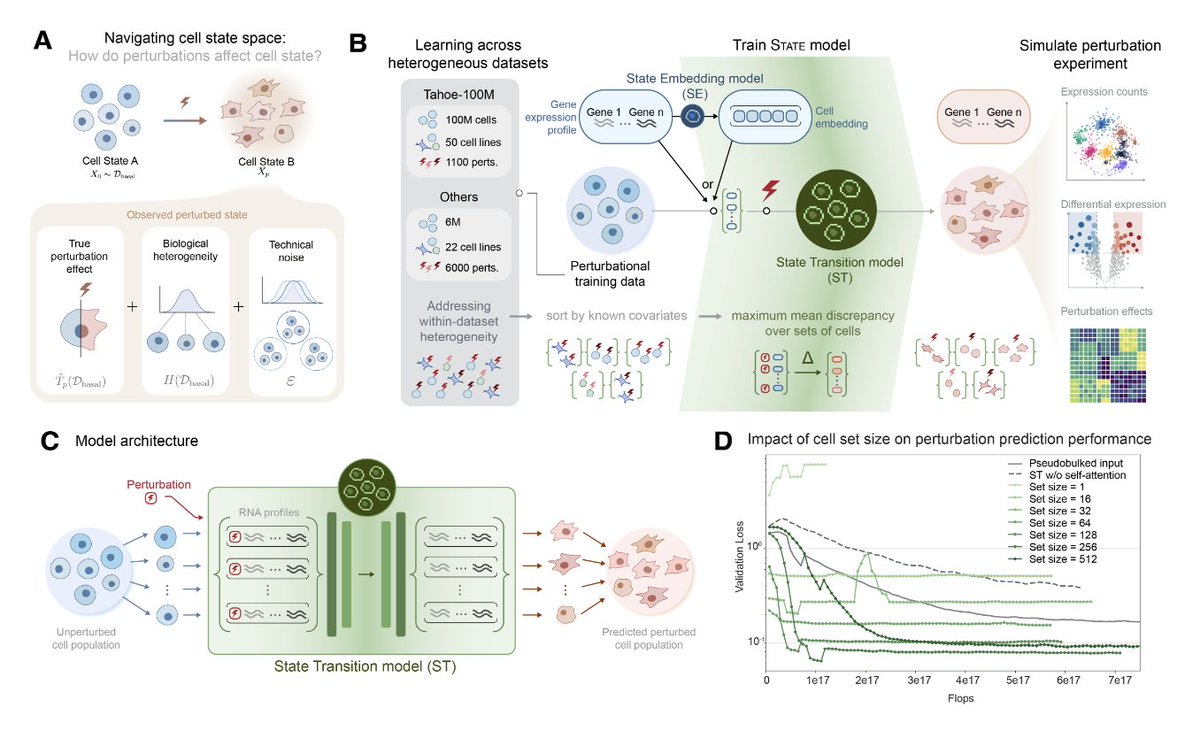
Predicting cellular responses to perturbation across diverse contexts with State
1.State is a multi-scale machine learning model designed to predict how cells respond to genetic, chemical, or signaling perturbations across diverse contexts. Its standout feature is the ability to generalize to unseen cellular contexts using a transformer-based architecture.
2.The core innovation lies in separating two complementary modules: the State Transition model (ST) and the State Embedding model (SE). ST uses self-attention to learn perturbation effects from over 100 million perturbed cells. SE is trained on 167 million unperturbed cells to learn robust cell embeddings that account for biological variability and technical noise.
3.Unlike existing methods, State does not rely on strong assumptions about data distributions. It uses self-attention over sets of cells to model heterogeneity, enabling accurate predictions of transcriptomic changes even in contexts where perturbations were not observed during training.
4.The model consistently outperforms linear and deep learning baselines across multiple large-scale datasets, including drug perturbations (Tahoe-100M), cytokine signaling (Parse-PBMC), and genetic screens (Replogle-Nadig), achieving up to 2x improvements in identifying differentially expressed genes.
5.State introduces Cell-Eval, a biologically grounded evaluation suite that assesses models not just by expression correlation but by meaningful metrics such as differential expression overlap, effect size ranking, and perturbation discrimination scores.
6.In zero-shot settings, where no perturbation data is available for a new cell type, State’s pretrained embeddings enable strong performance—improving prediction accuracy by 17%+ in some cases, and even surpassing models trained on the original expression data.
7.The embeddings learned by SE outperform those from recent foundation models like scGPT, scFoundation, UCE, and Transcriptformer, highlighting the advantage of training with dual-axis objectives that capture both intra- and inter-cellular variation.
8.State accurately detects cell type-specific responses to perturbations, recovering known drug responses (e.g., Trametinib in BRAF-mutant melanoma) and identifying top differentially expressed genes with much greater precision than mean baselines.
9.The architecture bridges theory and practice: the authors prove that State's output space includes optimal transport maps under certain conditions, meaning it generalizes classical OT-based approaches while being more flexible and scalable.
10.A practical application of State includes predicting cell survival from transcriptomic profiles with high correlation to ground truth, demonstrating its potential for functional predictions and therapeutic guidance.
11.State is trained on one of the largest perturbational datasets to date and is designed to scale with increasing data. It offers a flexible framework for virtual cell modeling, including potential extension to combinatorial perturbations, proteomics, or morphology.
12.By combining transformer-based modeling, embedding pretraining, and biologically interpretable evaluation, State presents one of the most comprehensive and generalizable approaches yet for simulating how cells respond to diverse perturbations.
📜Paper: https://t.co/LbLBkqN0Hx
#SingleCell #MachineLearning #ComputationalBiology #PerturbSeq #VirtualCell #TransformerModel #GeneExpression #DrugDiscovery
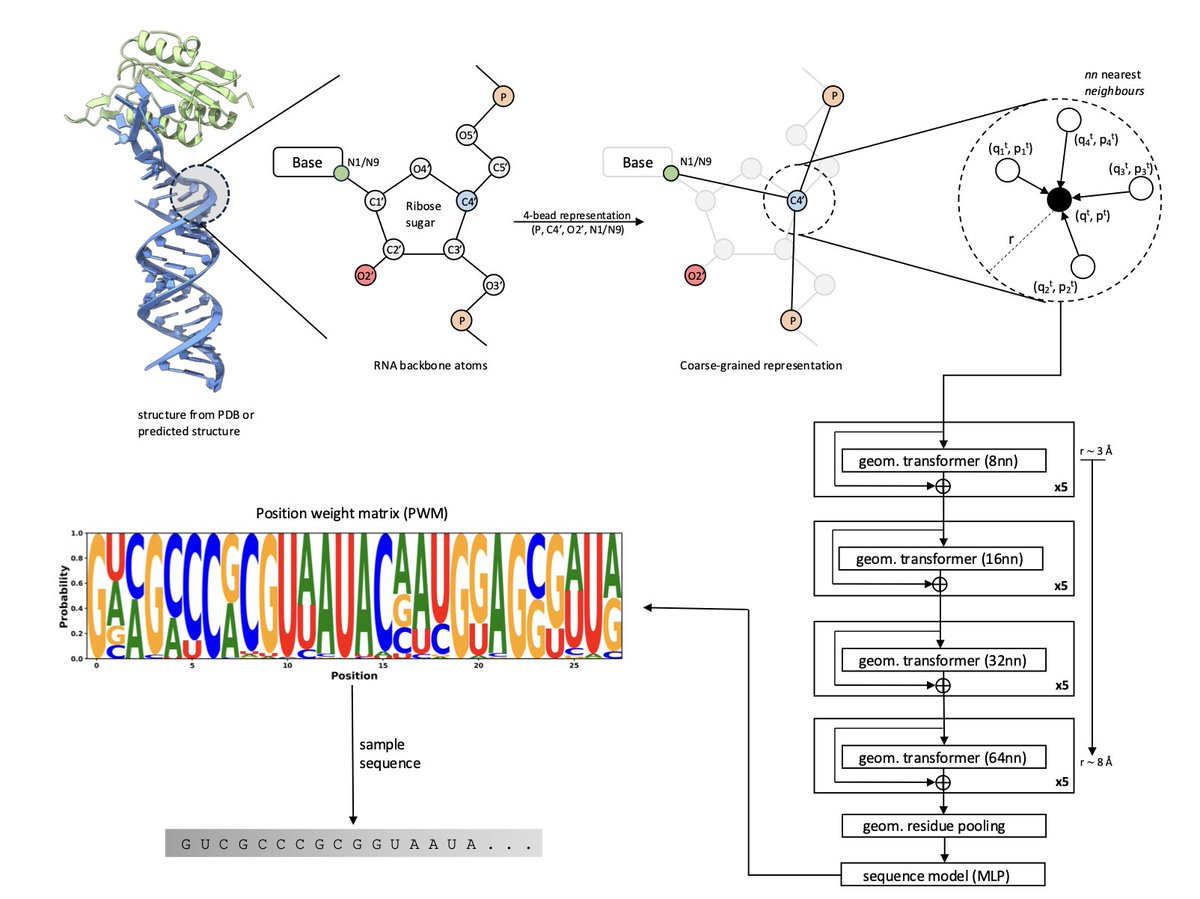
Context-aware geometric deep learning for RNA sequence design
1.RISoTTo is a new geometric deep learning model that designs RNA sequences based on their tertiary structure and surrounding molecular context—such as proteins, ligands, ions, and DNA. Unlike previous methods, it doesn’t treat RNA as isolated but as part of a functional environment.
2.The model achieves superior native sequence recovery compared to leading methods. On a 14-RNA benchmark, RISoTTo reaches 62% recovery, outperforming gRNAde (56.8%) and older tools like Rosetta and ViennaRNA.
3.RISoTTo leverages a parameter-free geometric transformer inspired by CARBonAra, originally developed for protein design. It operates on atomic coordinates directly, with no need for feature engineering or structural preprocessing.
4.The model uses a 4-bead coarse-grained representation of the RNA backbone and progressively incorporates geometric and chemical context across 20 transformer layers, handling atomic neighborhoods from 8 to 64 nearest neighbors.
5.Context-awareness is key: sequence recovery improves significantly when molecular context is included—for example, RNA–DNA interaction recovery jumps from 36% to 84%, and RNA–RNA from 35% to 69%.
6.Designs are validated using in silico folding with EternaFold (2D) and AlphaFold 3 (3D), showing strong consistency between generated and native structures. RISoTTo achieves high sc2D MCC and low RMSD in benchmark cases.
7.An in silico case study on the NAD+ riboswitch domain (PDB: 7D7V) shows that RISoTTo-designed sequences maintain the native fold and in several cases improve predicted binding affinity for both NAD+ and the U1A protein.
8.RISoTTo also supports autoregressive generation and sequence imprinting, enabling guided sampling of diverse yet functionally constrained RNA variants—useful for exploring design space while maintaining quality.
9.The architecture generalizes well across data: it was trained on 19.5k RNA subunits (both PDB and trRosettaRNA-predicted structures), with careful augmentation and sequence/structure dissimilarity filtering to avoid overfitting.
10.With molecular context, RISoTTo captures functional interfaces more accurately, making it promising for real-world RNA design tasks such as riboswitch engineering, RNA therapeutics, or CRISPR guide design.
11.Despite its advances, RISoTTo still reflects challenges of RNA design in general, especially limited by the scarcity of high-quality RNA tertiary structure data compared to protein design.
📜Paper: https://t.co/YPn8u4i7fS
#RNA #DeepLearning #StructuralBiology #SyntheticBiology #ComputationalBiology #RNAstructure #InverseFolding #GeometricDeepLearning #TransformerModels #RISoTTo
Recent advances in deep learning for protein-protein interaction: a review @BioDataMining
1.This review surveys deep learning methods for protein-protein interaction (PPI) prediction from 2021 to 2025, with a focus on the most promising innovations including GNNs, CNNs, RNNs, attention mechanisms, transformer models, transfer learning, and multimodal frameworks.
2.The article highlights a paradigm shift: modern deep learning models can now autonomously learn intricate structural and functional features from protein sequence and 3D data, surpassing traditional experimental and feature-engineering-based approaches.
3.Among all architectures, graph neural networks (GNNs) receive the most attention. The paper discusses key variants like GCN, GAT, GraphSAGE, GAE, and hybrid models such as RGCNPPIS and GSALIDP that integrate spatial, temporal, and topological information.
4.A major innovation is the use of rotation-equivariant networks (e.g., GBPNet) and 3D-CNNs (e.g., TRScore, Eq.3DCNN) that enable invariant geometric modeling of protein complexes, improving protein docking and interaction site prediction.
5.Recurrent models, especially LSTM-based networks, remain important for capturing sequence dependencies. Models like LSTM-PHV and RAPPPID show robust performance in predicting human-virus interactions using contextual sequence embeddings.
6.Attention-based mechanisms (e.g., cross-attention, hierarchical attention) and transformer architectures are reshaping the landscape. Examples include EnsemPPIS, MaTPIP, HHN-PPISP, and TransformerGO, which fuse sequence semantics with structural embeddings.
7.Transformer models pretrained on large protein corpora (e.g., BERT, ESM, ESM-2) are being effectively used in hybrid frameworks such as ESMDNN-PPI and TUnA for zero-shot prediction and uncertainty estimation.
8.Multi-task learning frameworks (e.g., MgslaPPI, MpbPPI) simultaneously address protein feature reconstruction and PPI prediction. This helps overcome data scarcity and improves generalizability across tasks.
9.Multimodal and integrative models (e.g., DeepTraSynergy, AlphaBridge, EMOGI) combine protein sequences, structures, expression data, and interaction networks to provide richer input and enhance biological relevance.
10.Autoencoder-based methods (e.g., PPII-AEAT, SMG) facilitate low-dimensional feature learning and adversarial training for PPI inhibitor discovery and cancer gene identification using unsupervised learning.
11.To address imbalanced and noisy datasets, the review outlines data augmentation strategies (e.g., SMOTE, GANs), cost-sensitive learning, and ensemble techniques, improving sensitivity to rare or poorly annotated interactions.
12.Challenges include predicting dynamic and context-dependent PPIs, transferability across species, and lack of annotation for rare proteins. The paper stresses the need for interpretable models that integrate spatiotemporal data and biological context.
13.Overall, the review serves as a comprehensive reference for researchers, highlighting not only the breadth of methods available but also the need to harmonize deep learning architectures with the complexities of real-world biology.
📜Paper: https://t.co/HIas5356Zq
#DeepLearning #ProteinInteractions #ComputationalBiology #AI4Science #TransformerModels #GNN #PPIprediction

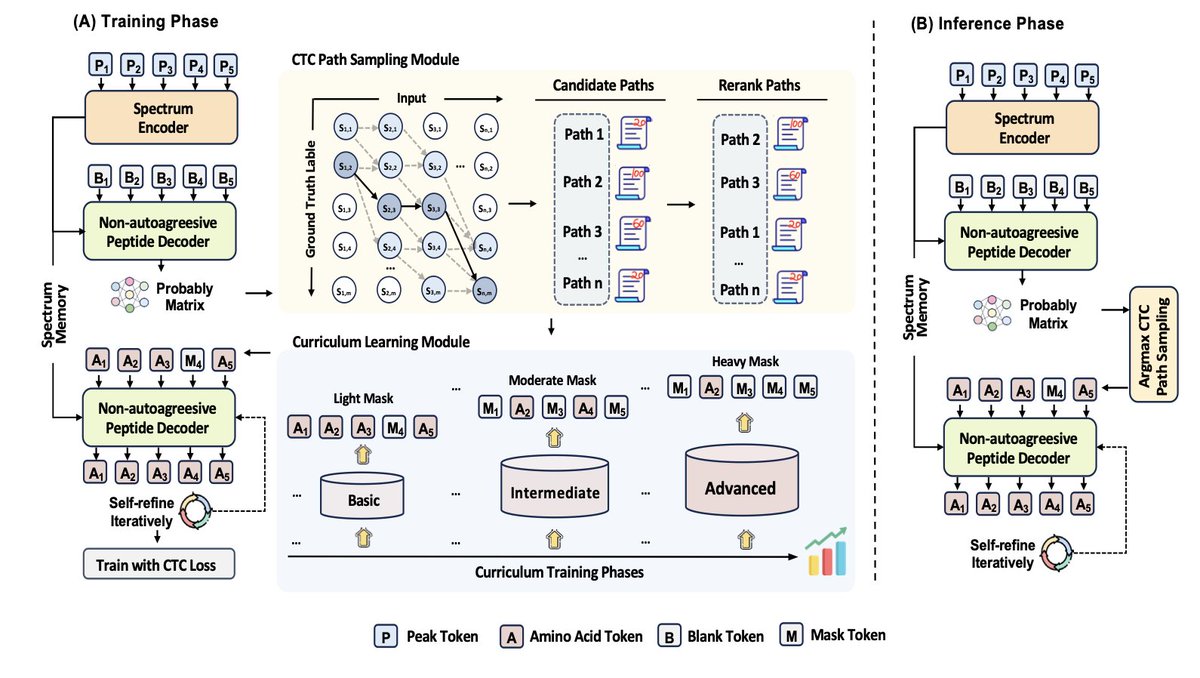
Curriculum Learning for Biological Sequence Prediction: The Case of De Novo Peptide Sequencing
1.RefineNovo introduces a curriculum learning framework for non-autoregressive (NAR) peptide sequencing models, tackling instability in CTC-based training. The model significantly improves training stability and convergence by dynamically adjusting learning difficulty based on model performance.
2.At training time, RefineNovo identifies a low-difficulty learning path by sampling from the model’s own CTC output. It selectively masks tokens in this sampled sequence and gradually increases difficulty as training progresses—a design inspired by human learning strategies.
3.The method includes an inference-time self-refining module that reuses previously generated sequences as inputs to iteratively improve predictions. This iterative approach leverages learned token embeddings and significantly boosts generation accuracy.
4.By embedding curriculum learning directly into the CTC path sampling process, RefineNovo reduces the training failure rate by over 90%, effectively addressing challenges like loss explosion and overfitting in NAT-based peptide sequencing.
5.The authors show RefineNovo’s consistent superiority over all prior methods across 9 benchmark species (including human, yeast, and tomato), setting new state-of-the-art scores in both amino acid precision and peptide recall.
6.In the stricter 9-species-V2 benchmark, RefineNovo achieves an average amino acid precision of 0.907 and peptide recall of 0.790—surpassing all NAR and AR baselines. This highlights its robustness across diverse biological samples.
7.Beyond accuracy, RefineNovo excels in differentiating amino acids with nearly identical molecular masses (e.g., Q vs K), making it a reliable tool in high-resolution mass spectrometry data analysis.
8.An ablation study confirms the importance of all three innovations: curriculum learning, difficulty annealing, and iterative refinement. Their combined use yields the highest model performance, validating the design.
9.The authors release their code and model publicly, promoting reproducibility and practical adoption in proteomics research, especially for de novo sequencing tasks where database-matching fails.
💻Code: https://t.co/wxwl4eoMgd
📜Paper: https://t.co/XdlxlEGMgi
#DeNovoSequencing #Proteomics #MassSpectrometry #TransformerModels #CurriculumLearning #CTC #DeepLearning #Bioinformatics
HAVEN: Hierarchical Attention for Viral protEin-based host iNference
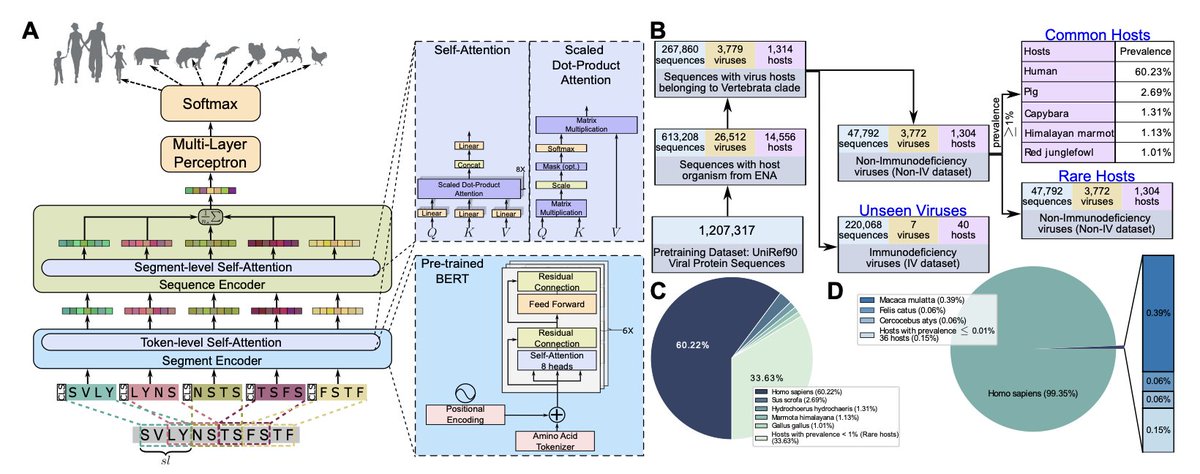
1.HAVEN is a new transformer-based model that predicts the host species of a virus using only viral protein sequences — and it works even on previously unseen viruses and hosts.
2.Unlike prior methods that focus on specific virus families or require known virus-host links, HAVEN generalizes across diverse viral proteins and host taxa, handling highly imbalanced data with few-shot learning.
3.HAVEN integrates hierarchical self-attention and sequence segmentation to process viral proteins of any length — from short fragments to sequences over 13,000 amino acids — without fixed input size constraints.
4.It was pretrained on over 1.2 million viral protein sequences and fine-tuned to classify common viral hosts such as humans, pigs, and birds, achieving a median macro-AUPRC of 0.67, comparable to large protein language models like ProtT5 and ESM3.
5.HAVEN significantly outperforms existing models on low-prevalence hosts. In a 3-way, 5-shot few-shot setting, it achieved a median AUPRC of 0.68 for rare hosts with only 0.10% prevalence in the dataset.
6.HAVEN also demonstrates robustness in predicting host species for unseen viruses. In a 23-way, 5-shot few-shot setting with immunodeficiency viruses, it correctly ranked the host in the top 3 predictions for most classes, even with limited training data.
7.In a case study on SARS-CoV-2 spike protein sequences, HAVEN was fine-tuned on Coronaviridae spike proteins and evaluated on 16 variants of concern. It correctly identified Homo sapiens as the host for 14 out of 16 variants, outperforming ProtT5, ProstT5, and ESM3.
8.HAVEN achieves this performance with only 18 million parameters — far fewer than ProtT5 (1.2B) or ESM3 (98B) — highlighting its efficiency and practicality for viral surveillance.
9.An ablation study confirmed the importance of hierarchical self-attention, pretraining, and sequence segmentation in achieving HAVEN’s performance, especially for long protein sequences.
10.HAVEN is the first model to comprehensively address all three generalizability challenges in virus-host prediction: unseen viruses, unseen hosts, and rare host classes, making it suitable for real-world pathogen surveillance.
💻Code: https://t.co/IaN2x1jk9d
📜Paper: https://t.co/ggkr1pyLzT
#VirusHostPrediction #ComputationalVirology #ProteinLanguageModels #FewShotLearning #TransformerModels #ZoonoticSurveillance
Pool PaRTI: A PageRank-Based Pooling Method for Identifying Critical Residues and Enhancing Protein Sequence Representations
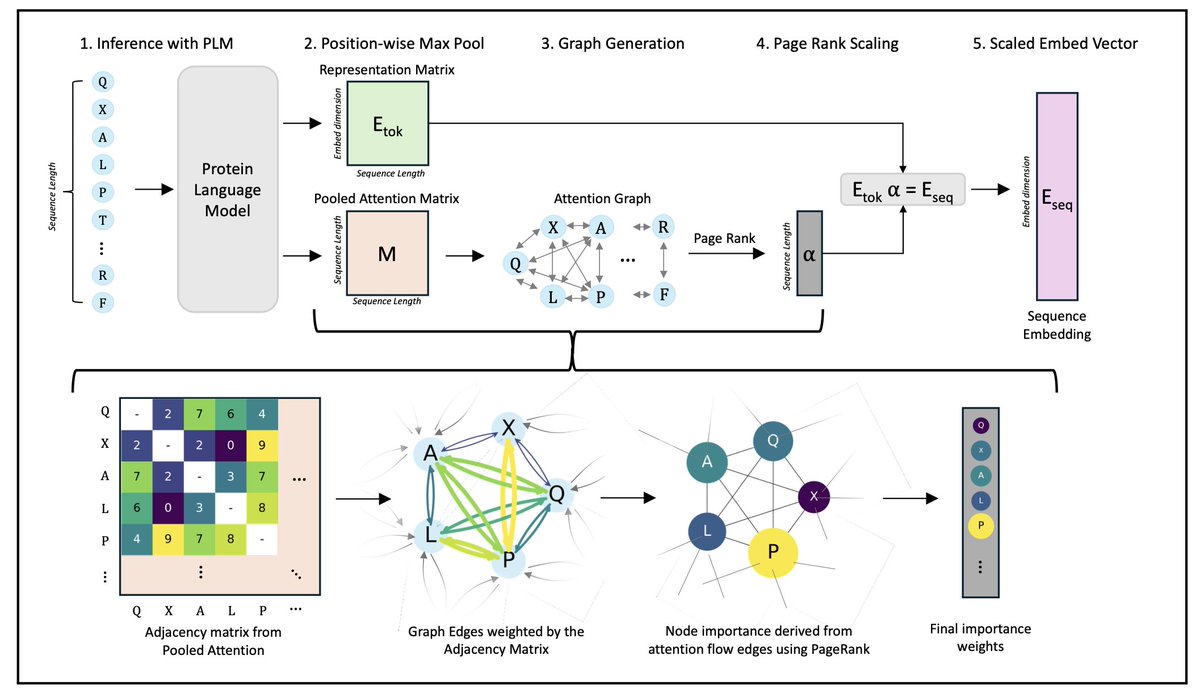
1.Pool PaRTI introduces a novel, unsupervised pooling method for protein language models, leveraging PageRank on attention maps to identify functionally critical residues and generate biologically informed sequence embeddings.
2.Unlike traditional parameter-free pooling methods like mean, max, sum, or [CLS] token, Pool PaRTI preserves nuanced sequence information by treating transformer attention matrices as weighted directed graphs, where nodes are residues and edges represent attention.
3.It applies PageRank on the pooled attention graph to compute residue importance scores, which are then used to perform a weighted average over token embeddings, resulting in a fixed-length sequence representation.
4.Pool PaRTI is entirely parameter-free and task-agnostic. It requires no additional training and generalizes across different transformer models (e.g., ESM2, protBERT), making it practical for applications with limited labeled data.
5.The method consistently assigns higher importance scores to residues experimentally annotated as functionally critical, such as catalytic or interface residues, without requiring structural information or annotations during training.
6.Across four protein prediction tasks—fold classification, enzyme class, protein-protein interaction, and subcellular localization—Pool PaRTI embeddings outperform traditional pooling methods in metrics like accuracy, MCC, AUPRC, and Jaccard index.
7.Visual and statistical analyses show that Pool PaRTI highlights key biological regions in well-studied proteins like Cytochrome C and SOD1, reinforcing its biological interpretability and utility in hypothesis generation.
8.In data-scarce regimes, Pool PaRTI maintains performance better than parameter-heavy methods like Light Attention, particularly when training data is limited, emphasizing its efficiency and robustness.
9.Despite its advantages, Pool PaRTI is currently limited to encoder-only transformer models and may face scalability challenges on very long sequences due to the quadratic nature of attention-based graph construction.
10.Its interpretability—assigning transparent importance scores to residues—opens avenues in mutagenesis, protein engineering, and studying disordered proteins where structural information is lacking.
11.Overall, Pool PaRTI offers a compelling alternative to existing pooling strategies by combining interpretability, generality, and strong downstream task performance without the need for additional model parameters or supervision.
💻Code: https://t.co/DUwftwSFMa
📜Paper: https://t.co/j8tkP3x0Io
#ProteinLanguageModels #Bioinformatics #GraphTheory #TransformerModels #ProteinEmbedding #PageRank #DeepLearning
Automated Structure Elucidation at Human-Level Accuracy via a Multimodal Multitask Language Model
1.This study introduces a transformer-based model that predicts chemical structures from spectroscopic data with accuracy comparable to expert chemists—achieving up to 96% Top–1 accuracy on experimental data.
2.The model simultaneously integrates multiple spectroscopic modalities—1H-NMR, 13C-NMR, and IR—along with chemical formulas to generate SMILES representations of molecular structures.
3.Unlike most prior approaches that use a single spectroscopic input, this model fuses different spectra using a modality-aware embedding strategy, allowing synergistic interpretation across modalities, much like how human chemists operate.
4.The model is trained using a multitask learning framework. It can predict molecular structure from any individual modality, or any combination, making it robust to missing data and more efficient with limited training samples.
5.Multitask learning not only improves prediction accuracy but also enables the model to learn from both paired and unpaired spectra, significantly increasing the utility of sparse experimental datasets.
6.To address the scarcity of paired experimental data, the authors pretrain the model on 790,000 simulated spectra and finetune on a small dataset of 171 experimental molecules—achieving large performance boosts when adding just 600–30k unpaired examples.
7.On a benchmark against PhD-level chemists interpreting real spectra for 16 novel compounds, the model achieved 65% Top–1 and 80% Top–5 accuracy, closely matching expert performance while delivering results in under one second.
8.Performance varies across functional groups: 13C-NMR excels for haloalkanes, 1H-NMR for esters, and the multimodal approach outperforms all single-modality models across functional group classes.
9.Even when predictions are wrong, the model tends to produce chemically plausible alternatives with similar functional groups and structural backbones, reflecting learned chemical reasoning rather than memorization.
10.This work provides a compelling case for AI-assisted structure elucidation as a scalable, efficient companion to human expertise in fields such as drug discovery, natural product analysis, and materials chemistry.
💻Code: https://t.co/zTDvyXXIwx
📜Paper: https://t.co/OMvGCpB3i3
#AI4Science #Cheminformatics #NMR #Spectroscopy #TransformerModel #MolecularStructure #DrugDiscovery

EXTENDING PROTEIN LANGUAGE MODELS TO A VIRAL GENOMIC SCALE USING BIOLOGICALLY INDUCED SPARSE ATTENTION
1.This paper presents a new protein language model that can process entire viral genomes—up to 61,000 amino acids—on a single GPU by using biologically informed sparse attention.
2.Unlike traditional models trained on individual proteins, this approach captures long-range inter-protein interactions, reflecting the true genomic context in which proteins function.
3.The key innovation is a sparse attention mechanism guided by putative protein–protein interactions, inferred from ESM-2 attention patterns on multi-protein fragments.
4.The model leverages a two-stage process: first identifying high-confidence protein interactions, then using them to guide attention patterns during training on full viral genomes.
5.This leads to substantial gains in embedding quality, outperforming both the original ESM-2 and other long-context models on perplexity and clustering metrics for sequences above 3,000 aa.
6.Two variants were trained: LV-3C (from scratch) and LV-5B (initialized from ESM-2), both using context-aware sparse attention and achieving state-of-the-art results on taxonomic clustering.
7.The sparse attention mechanism prioritizes meaningful biological relationships, avoiding random or static masking strategies seen in other long-context models like BigBird and Longformer.
8.Genome-wide embeddings generated by these models enable better species classification and taxonomic inference than previous models like Protein Set Transformer.
9.Attention heads in LV-3C and LV-5B exhibit diverse patterns, capturing not only local but also medium- and long-range dependencies—crucial for modeling distant functional couplings.
10.Validated against STRING database, the attention-derived interaction scores achieved an F1 score of 0.74 and accuracy of 0.88, confirming biological relevance.
11.Compared to traditional protein models, these new embeddings show greater variance and better separation by species, suggesting a richer representation space.
12.The method is resource-efficient, designed to train on commodity GPUs (e.g., NVIDIA A6000), and can be scaled to more complex organisms with larger genomes.
13.Beyond virus modeling, this framework opens avenues for metagenomic classification, functional annotation, and evolutionary studies at the whole-genome level.
14.This work bridges the gap between single-protein models and full-genome inference, making protein embeddings more biologically meaningful by including genomic context.
15.By building on transformer architectures and integrating biological priors, the model marks a step forward in scalable and interpretable protein sequence analysis.
📜Paper: https://t.co/zndfIVpRZa
#ProteinLanguageModels #Genomics #TransformerModels #Bioinformatics #ViralGenomes #DeepLearning #SparseAttention

Ankh3: Multi-Task Pretraining with Sequence Denoising and Completion Enhances Protein Representations
1.This paper introduces Ankh3, a new generation of protein language models (PLMs) that combines masked language modeling (MLM) with sequence completion tasks during pretraining—enabling richer, more generalizable protein representations without using structural supervision.
2.Ankh3 models outperform prior PLMs like ESM2, ESM3, and earlier Ankh variants on a wide range of downstream tasks including secondary structure prediction, fluorescence regression, GB1 fitness estimation, and residue contact prediction.
3.The core innovation is the adoption of multi-task pretraining using two UL2-inspired objectives: NLU-style denoising with multiple masking rates (15%, 20%, 30%) and S2S-style sequence completion, where the model learns to predict the second half of a protein given the first.
4.This dual-task setup exposes the model to diverse input-output patterns, encouraging it to learn both local residue-level features and global sequence-level dependencies—yielding more robust representations even when trained only on amino acid sequences.
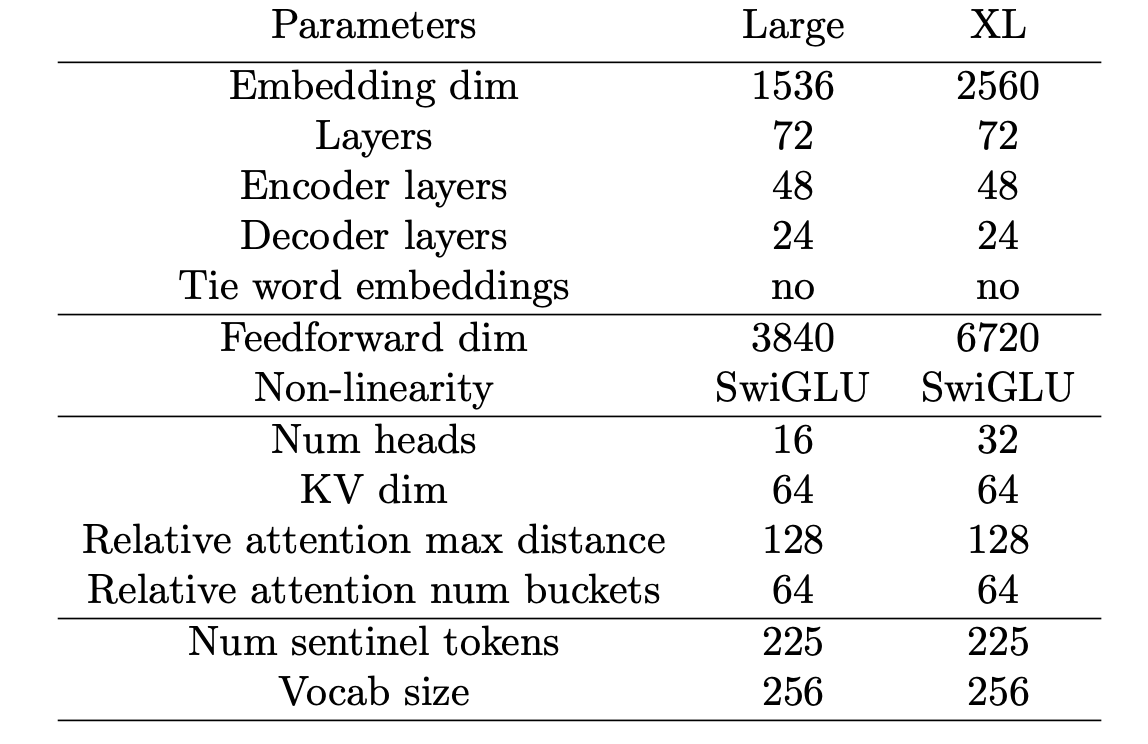
5.Ankh3 is available in two sizes: Ankh3-Large (1.88B parameters) and Ankh3-XL (5.73B parameters), both built on a T5 encoder-decoder architecture with SwiGLU activations, relative attention, and 225 sentinel tokens.
6.Evaluation shows Ankh3-XL achieves top performance among sequence-only PLMs on nearly all tasks. For example, it scores 90.4 Spearman on GB1, 65.4 on fluorescence, and 83.9% precision@L/5 on contact prediction—often outperforming multimodal ESM3 despite not using structural inputs.
7.The benefits of multi-task pretraining are clear: Ankh3-XL outperforms larger models like ProtT5-XXL despite using fewer parameters and no additional data modalities, highlighting the power of architectural and training innovations over raw scale.
8.The model's performance is highly stable across random seeds, unlike ESM3 which exhibited large variance (e.g., up to 8.8% SD in contact prediction)—suggesting better robustness and reproducibility for Ankh3.
9.Interestingly, the best-performing task objective (NLU vs S2S) varied by downstream task: sequence completion (S2S) excelled in regression tasks like GB1 and fluorescence, while NLU worked better for classification tasks like secondary structure.
10.Ankh3 was trained on ~59M sequences from UniRef50 using the JAX-based T5x framework on TPUv4 hardware. Training involved batch sizes of 1024, Adafactor optimizer, and 4M–5M steps depending on model size.
11.All model weights (Ankh3-Large and Ankh3-XL) and training configurations are released on Hugging Face, supporting transparency, reproducibility, and further community-driven research on sequence-only PLMs.
12.Ankh3 demonstrates that thoughtful multi-task design, even with unimodal data, can rival or surpass multimodal models—redefining the limits of protein sequence understanding with elegant and efficient pretraining.
💻Code: https://t.co/HbmmWXiaY4 https://t.co/fEEDRHlnQl
📜Paper: https://t.co/tche8beUrz
#ProteinLanguageModels #Ankh3 #MultiTaskLearning #ProteinStructurePrediction #PLMs #Bioinformatics #ComputationalBiology #SequenceModeling #TransformerModels #ESM3 #T5x
ChemBERTaPolyPharm: Modeling polypharmacy side effects with ChemBERTa and PubMed Encoders
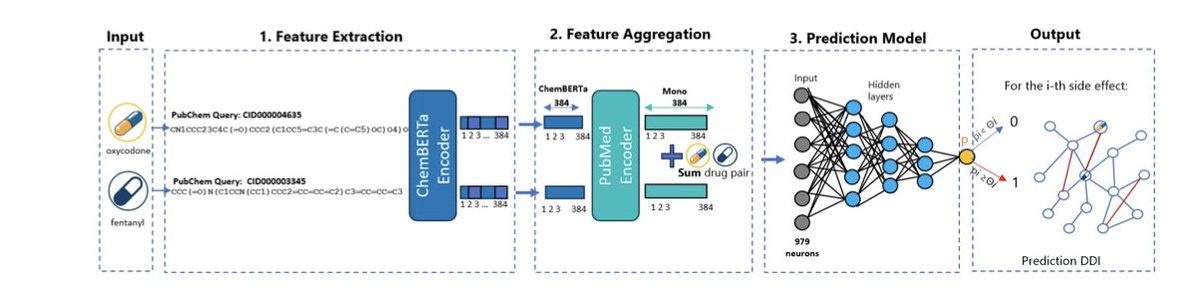
1.This paper presents ChemBERTaPolyPharm, a new deep learning model for predicting polypharmacy side effects by integrating molecular structure embeddings from ChemBERTa with clinical knowledge encoded from PubMed using transformer encoders.
2.The model achieves high accuracy in predicting drug-drug interactions (DDIs), reaching an F1 score of 0.93 across 964 side effect types, outperforming or matching established methods like Decagon, NNPS, and DeepWalk.
3.ChemBERTaPolyPharm innovatively combines SMILES-based chemical structure embeddings and clinical mono-side effect data through a hybrid architecture using both ChemBERTa-77M and PubMedBERT encoders.
4.Each drug is represented as a 979-dimensional feature vector, formed by concatenating ChemBERTa embeddings with PCA-reduced PubMed mono-side effect features; drug pair vectors are aggregated via element-wise summation before DNN classification.
5.The model uses a simple three-layer feedforward neural network with batch normalization and dropout, ensuring regularization while maintaining performance across a wide range of drug pairs.
6.Extensive benchmarking on the TWOSIDES dataset (63,000+ drug pairs) demonstrates the model’s scalability and reliability in real-world scenarios where clinical validation of all combinations is infeasible.
7.Case studies show ChemBERTaPolyPharm outperforms prior models in identifying dangerous interactions, such as those leading to sarcoma or malignant hypertension, supported by literature evidence.
8.While ChemBERTaDDI (the model's predecessor) slightly outperforms in F1 score (0.94 vs. 0.93), ChemBERTaPolyPharm’s dual-encoder design enhances generalization and provides richer input representations.
9.Compared to GCN-based and graph embedding methods like Decagon, ChemBERTaPolyPharm does not rely on complex network topology, making it easier to scale and integrate into broader drug discovery pipelines.
10.The study highlights the importance of combining chemical structure and clinical semantics for accurate DDI prediction, particularly for new or unannotated drug pairs that fall outside traditional databases.
📜Paper: https://t.co/aqy8vr9GHr
#Polypharmacy #DrugSafety #ChemBERTa #DDIPrediction #BiomedicalNLP #TransformerModels #ClinicalAI #Pharmacovigilance
Artificial Intelligence for Direct Prediction of Molecular Dynamics Across Chemical Space
1.MDtrajNet-1 introduces a paradigm shift in molecular dynamics (MD) by directly predicting atomic trajectories in 4D spacetime—bypassing force calculations and time-step integration. This foundational model enables simulations that are over 100× faster than traditional MD, even those accelerated by ML force fields.
2.The model replaces iterative propagation with a Transformer-based, E(3)-equivariant neural network that learns to map atomic positions, velocities, element types, and time intervals directly to future geometries. This allows large-scale parallelization and efficiency without sacrificing accuracy.
3.MDtrajNet-1 achieves remarkable accuracy: in short-term predictions (10 fs), it reaches sub-picometer error levels, rivaling ab initio MD. For long-term predictions (10 ps), it reproduces spectral features with fidelity comparable to DFT-level simulations, despite being trained on a fraction of the data.
4.The model is trained on 1 million data points sampled from the ANI-1xMD dataset, covering 173 molecular systems with up to 9 atoms. Despite the limited size and diversity, MDtrajNet-1 generalizes well across unseen molecules and chemical spaces.
5.Compared to the GICnet model (an earlier proof-of-concept), MDtrajNet-1 demonstrates superior accuracy, scalability, and generalizability, thanks to architectural advances like multi-head equivariant attention and fine-grained representation of local atomic environments.
6.The model supports flexible ensemble conditions. Beyond NVE, MDtrajNet-1 can be retrained for NVT simulations and yields high-quality vibrational spectra even with added complexity from thermostats.
7.Its performance extends to periodic systems and different interaction types. It successfully simulates diamond lattices and Lennard-Jones fluids under periodic boundary conditions, capturing structural features like radial distribution functions.
8.MDtrajNet-1 also exhibits strong transfer learning capabilities. When fine-tuned on short trajectories from a 22-atom alanine dipeptide, it reproduces long-timescale conformational dynamics (Ramachandran plots) more accurately than MLIPs trained on the same data.
9.The model architecture is O(3)-equivariant, atom-centered, and scalable with system size. Computational time grows linearly with atom number, enabling efficient simulations of large systems on standard hardware (e.g., RTX 4090).
10.MDtrajNet-1 paves the way for general-purpose, foundational models in molecular simulation. Its blend of physics-inspired architecture and generative capability offers a compelling path toward scalable, accurate, and efficient trajectory generation in chemical and materials science.
💻Code: https://t.co/AhVjUuF9QG
📜Paper: https://t.co/Kk0wAcThhH
#MolecularDynamics #4DSpacetime #TransformerModel #EquivariantNN #MDsimulation #AI4Science #ComputationalChemistry #MDtrajNet

Generative AI-driven artificial DNA design for enhancing inter-species gene activation and enzymatic degradation of PET
1.This work introduces OrthologTransformer, a Transformer-based deep learning model that learns from orthologous gene pairs to redesign protein-coding sequences for improved expression in a new host species—going far beyond conventional codon optimization.
2.Unlike traditional approaches that only swap synonymous codons, OrthologTransformer enables codon-level, amino acid–level, and indel-level changes, allowing complete adaptation of genetic context while preserving functional protein output.
3.The model was trained on over 5.6 million orthologous gene pairs across 2,138 bacterial species. It uses codon-tokenized sequences and species-specific signal tokens to guide DNA conversion toward target organisms.
4.In cross-species validation, OrthologTransformer significantly improved sequence identity and BLOSUM-based amino acid similarity to target orthologs—outperforming existing codon optimization tools and even CodonTransformer by up to 1.8-fold.
5.As proof-of-concept, the authors used OrthologTransformer to adapt the PETase gene from Ideonella sakaiensis to Bacillus subtilis, producing several AI-designed variants (AI1–AI12) with both synonymous and non-synonymous edits.
6.One variant, AI9, incorporated Monte Carlo Tree Search to optimize GC content (37.0%), RNA secondary structure stability (–281 kcal/mol), and protein structure (TM score = 0.98)—achieving ideal conditions for synthesis, expression, and foldability.
7.Experimental expression of these genes in B. subtilis showed successful full-length transcription (via qPCR), robust protein secretion (via western blot), and active enzymatic function for PET degradation.
8.Among all variants, AI9 demonstrated the highest PETase activity—producing 3× more MHET (main hydrolysis product) than other strains by day 3, and causing the most extensive PET film erosion as observed via SEM imaging.
9.This marks the first demonstration that AI-designed genes incorporating learned evolutionary patterns can outperform codon-optimized controls in expression and function, with PETase serving as a strong use case for bioindustrial enzyme deployment.
10.OrthologTransformer thus establishes a new category of sequence design tools—ortholog designers—that integrate deep learning, evolutionary bioinformatics, and synthetic biology for inter-species functional gene transfer.
11.While currently trained on bacterial genes, future directions include support for eukaryotic systems, preserving active site motifs, and adding 3D foldability objectives—advancing toward full synthetic protein engineering.
📜Paper: https://t.co/cG00E9sUxT
#SyntheticBiology #GeneDesign #CodonOptimization #PETase #PlasticDegradation #TransformerModel #Orthologs #DeepLearning #MolecularBiology #AI4Science #BacillusSubtilis #Biotech #ProteinEngineering #EnvironmentalBiotech

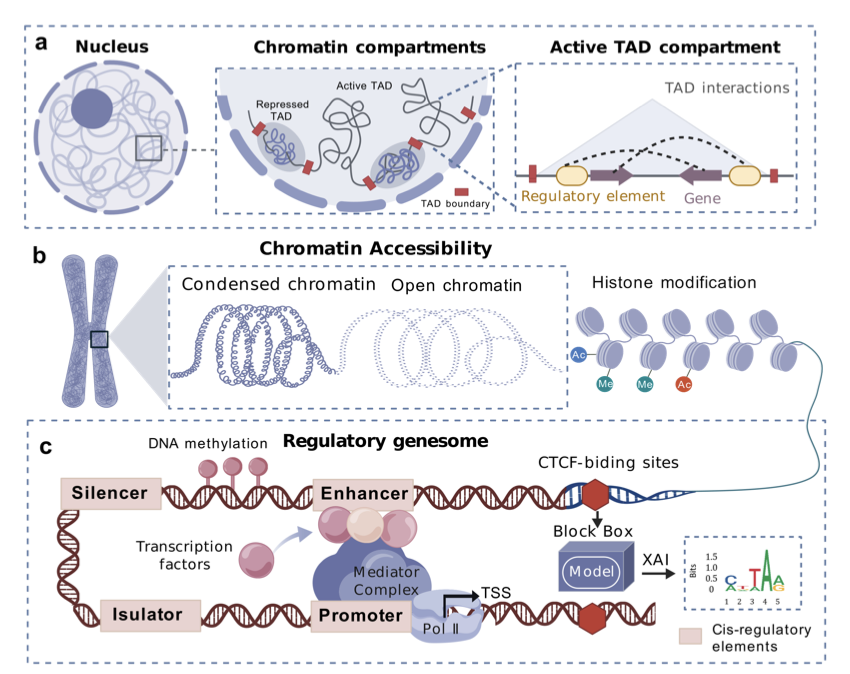
Deep Learning and Explainable AI: New Pathways to Genetic Insights
1.This review systematically examines how deep learning models have transformed 3D genomics and regulatory genomics, while emphasizing that their “black-box” nature limits biological interpretability and downstream application.
2.The authors introduce a dual-framework for interpretability: input-based methods (e.g., convolutional kernel visualization, gradients, perturbations) and model-based methods (e.g., attention mechanisms, biologically transparent models).
3.They rigorously analyze the technical limitations of these methods—offering formal mathematical derivations to reveal issues like scaling instabilities, gradient vanishing, and multicollinearity-induced ill-conditioning in attention matrices.
4.Input interpretability methods can identify key sequence motifs (via kernel visualization), assess nucleotide importance (via gradients), or perform in silico mutagenesis (via perturbations), but each suffers from reliability and scalability challenges.
5.For example, perturbation methods are confounded by neuronal redundancy due to Dropout, while gradient-based methods fail in the presence of vanishing gradients, especially in ReLU-activated networks with deep layers.
6.Model-based interpretability methods, like attention maps in Transformer-based models (e.g., EpiBERT, Enformer), can uncover long-range genomic dependencies, but suffer from matrix instability due to input multicollinearity.
7.Transparent models (e.g., DCell, GenNet) offer neuron-to-biological-entity mappings—greatly enhancing interpretability but sacrificing model generality and sometimes predictive performance due to hardcoded biological constraints.
8.The authors mathematically prove that attention weight matrices can become ill-conditioned in high-dimensional correlated inputs and that regularized transparent models can yield higher loss values than unconstrained networks.
9.A comprehensive toolbox of interpretable models is summarized, including Puffin, Basset, DeepCRE, C.Origami, and others—each tailored for tasks like enhancer prediction, transcription factor binding, or chromatin modeling.
10.The review urges the community to move beyond empirical intuition and toward theoretically grounded evaluations of explainability tools—bridging AI interpretability with the rigorous demands of molecular biology.
11.They propose building a benchmarking framework to evaluate explainability across models, and integrating multimodal input (e.g., sequence, structure, epigenomics) to enhance both performance and interpretability in future models.
📜Paper: https://t.co/c2sFQcFWue
#ExplainableAI #DeepLearning #Genomics #Bioinformatics #ModelInterpretability #AI4Science #Chromatin #DNAsequence #XAI #GeneRegulation #3DGenomics #TransformerModels
A Comparative Review of RNA Language Models
1.This review systematically benchmarks 13 RNA language models (LMs) across structural and functional tasks, revealing that models excelling in one often underperform in the other—highlighting the challenge of balanced unsupervised training for RNA.
2.RNA LMs are categorized into three classes: Class I models trained on diverse RNA types (esp. non-coding RNAs), Class II models trained on specific RNA subsets (e.g., UTRs), and Class III unified models trained on DNA, RNA, and/or proteins.
3.Zero-shot secondary structure prediction shows RNA-MSM (MSA-based) achieves the highest F1 score (0.631), outperforming all single-sequence models—even those with 10× larger parameter counts like AIDO.RNA (1.6B).
4.Interestingly, the protein LM ESM2 (15B) performs better than most RNA LMs on RNA structure prediction (F1 = 0.675), underscoring the limited training of RNA models and perhaps the benefits of massive pretraining.
5.Models like MP-RNA and RNA-km rank high on structural prediction but perform poorly on functional classification, indicating overfitting to structural features and lack of embedding generality.
6.Zero-shot classification tasks using cosine similarity between embeddings show RNA-FM achieves the lowest overlap ratio (OR = 0.070) in Rfam—demonstrating superior ability to distinguish RNA families in an unsupervised manner.
7.Only a few models, notably AIDO.RNA (1.6B), perform relatively well on both tasks—though performance gain in secondary structure came at the cost of higher OR in classification, again underscoring the tradeoff.
8.Unified LMs like LucaOne underperform Class I RNA LMs on both structure and function, suggesting that multitask pretraining across DNA, RNA, and proteins may dilute RNA-specific signal.
9.The survey also highlights key design innovations across models—such as motif-aware masking (RNAErnie), k-mer input (RNA-km), cross-modality pretraining (ProtRNA), and MSA-augmented structure learning (RNA-MSM).
10.Dataset bias is a major concern: most pretraining and benchmarking datasets are heavily skewed toward tRNA and rRNA, with many evaluations lacking proper redundancy removal—raising questions about generalization.
11.Model size alone does not ensure superior performance. While larger models (e.g., AIDO.RNA 1.6B) help structure prediction, they can degrade functional performance and do not match the structural clarity of MSA-based methods.
12.The authors emphasize the need for unbiased multi-objective training, better diversity in training datasets, and model designs that preserve both global structural constraints and fine-grained functional semantics in RNA sequences.
📜Paper: https://t.co/eUynCedFt9
#RNA #LanguageModels #RNAstructure #RNAfunction #LLM #Bioinformatics #AI4Science #MSA #SecondaryStructure #ncRNA #ComparativeEvaluation #TransformerModels

MetagenBERT: a Transformer Architecture using Foundational DNA Read Embedding Models to enhance Disease Classification
1.MetagenBERT is an end-to-end, species-agnostic framework that leverages DNA language models to embed millions of raw metagenomic reads, enabling direct disease classification without relying on taxonomic labels or reference catalogs.
2.It builds on DNABERT-2 and DNABERT-S, two large DNA language models trained via masked language modeling and contrastive learning, to generate rich read-level embeddings from short sequencing reads.
3.To reduce complexity, MetagenBERT explores three embedding aggregation strategies: simple averaging, local clustering (per-sample KMeans), and global clustering (cross-sample KMeans), producing either single-vector or multi-vector representations.
4.Using data from cirrhosis and type 2 diabetes cohorts, MetagenBERT achieved up to 89.24% accuracy and 0.929 AUC for cirrhosis, and 80.28% accuracy and 0.844 AUC for T2D—matching or outperforming species-abundance-based models.
5.Unlike species-based abundance tables, the global clustering approach constructs “abundance” vectors from embedding clusters, revealing distinct and complementary signals about microbiome dynamics.
6.Combining embedding-based and species-based abundance vectors yields better classification performance than either alone, indicating that both capture orthogonal aspects of disease-related variation.
7.The local clustering strategy, which represents each sample by cluster centroids, enables DeepSets-based classification and performs particularly well with 2048 clusters, capturing functionally relevant features beyond taxonomy.
8.MetagenBERT remains effective even when using only 10% of read embeddings per sample, drastically reducing compute time and storage needs while preserving predictive accuracy.
9.A taxonomic analysis of embedding clusters showed high correlation between cluster entropy and microbial genome diversity, suggesting clusters reflect real biological variation rather than arbitrary partitioning.
10.Importantly, MetagenBERT performs especially well on challenging disease tasks like T2D, where species abundance alone struggles—demonstrating the added value of Transformer-based DNA representations.
11.While current methods use KMeans for clustering, the authors suggest future improvements with more robust techniques like HDBSCAN, Set Transformers, or GNNs to better capture the geometry of high-dimensional embedding space.
12.MetagenBERT represents a shift in metagenomic analysis: from taxonomy-dependent pipelines to embedding-driven, reference-free frameworks that capture functional and compositional signals directly from raw sequencing data.
💻Code: https://t.co/M9z3BT26Wo
📜Paper: https://t.co/oTWCBzRdos
#Metagenomics #Microbiome #TransformerModels #DNAEmbeddings #Bioinformatics #MicrobiomeHealth #DiseasePrediction #DNABERT #MachineLearning #MetagenBERT
Trends for you
Most Popular Users

Elon Musk 
@elonmusk
239.7M followers

Barack Obama
@barackobama
118.6M followers

Cristiano Ronaldo
@cristiano
114.3M followers

Donald J. Trump
@realdonaldtrump
111.7M followers

Narendra Modi
@narendramodi
106.9M followers

Rihanna
@rihanna
98.6M followers

NASA
@nasa
92.1M followers

Justin Bieber
@justinbieber
91.7M followers

KATY PERRY
@katyperry
89.9M followers

Taylor Swift
@taylorswift13
83.9M followers

Lady Gaga
@ladygaga
75.4M followers

Virat Kohli
@imvkohli
73.3M followers

Kim Kardashian
@kimkardashian
70.8M followers

YouTube
@youtube
68.6M followers

Neymar Jr
@neymarjr
66.3M followers

Bill Gates
@billgates
65.1M followers

Selena Gomez
@selenagomez
63M followers

The Ellen Show
@theellenshow
62.1M followers

CNN
@cnn
61.7M followers

X
@x
60.6M followers