

Top Tweets for #YAMASE

#西会津ふるさとまつり
色々なものに挑戦させてもらえるのは本当に嬉しい!!
桐ゲタ投げは #YAMASE 選手と…米アピールコンテストは #ビッグジョー 選手と一緒に✨とても楽しかった!
#ぺんぎんナッツ 様並びに関係者の皆様楽しい時間をありがとうございました!
@yamase827
@inamon19
@kuwase


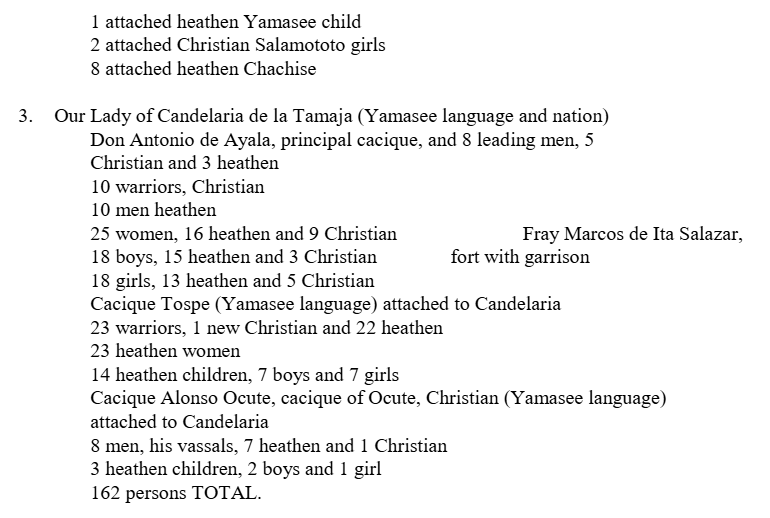
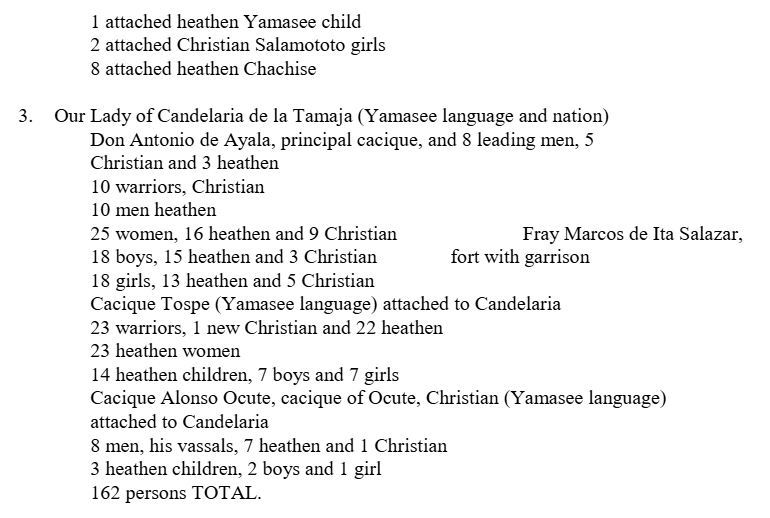
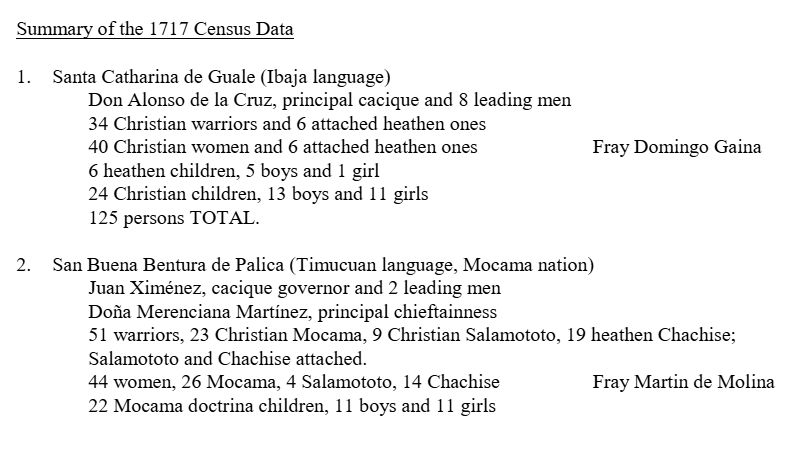
https://t.co/sYv2UaDVTX - ST. AUGUSTINE’S FALLOUT FROM THE YAMASEE WAR & Summary of the 1717 Census Data

Lepas Kangen Ke Ibu Tiri
Kode : BKD-262
Artis: Miki Yamase

ALDN-206 | Miki Yamase

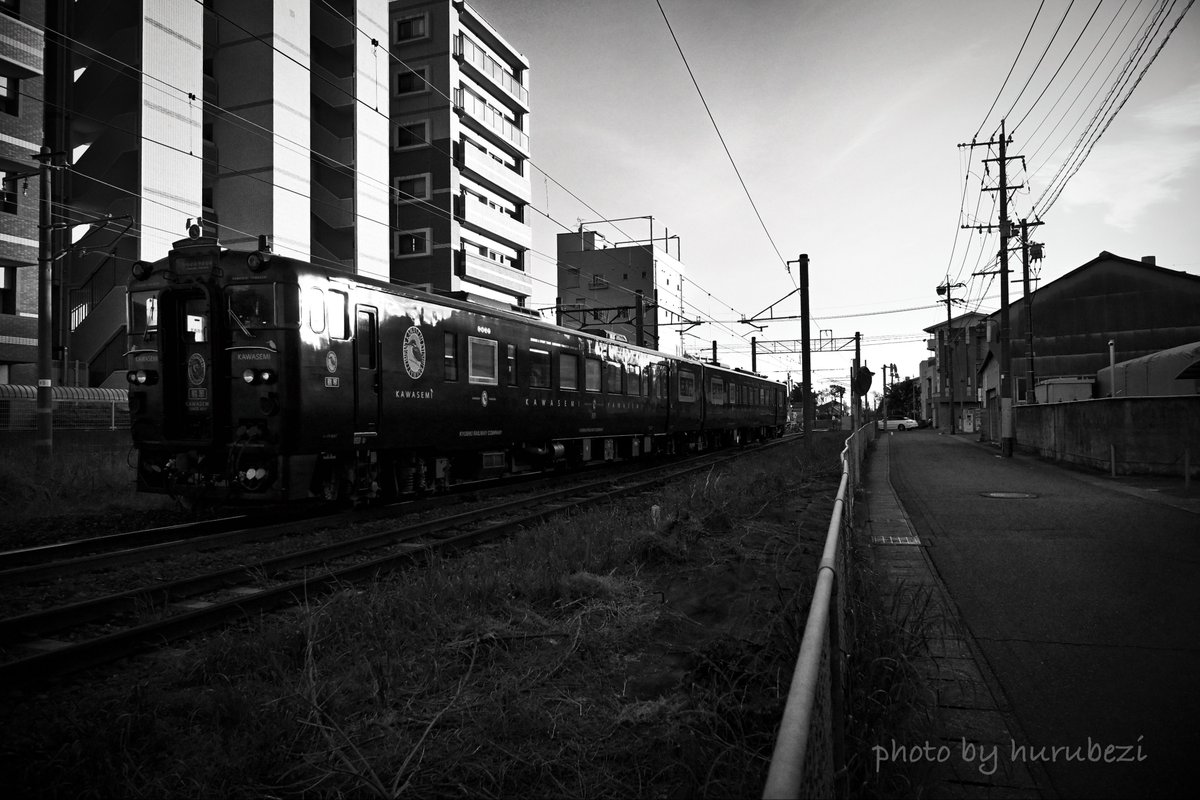
kawasemi-yamasemi
🚃
#blackandwhite

Lepas Kangen Ke Ibu Tiri
BKD-262 | Miki Yamase

BKD-262 | Ibu Yang Binal Tak Percaya Diri Dengan Tubuh Semoknya – Miki Yamase

Lepas Kangen Ke Ibu Tiri
BKD-262 | Miki Yamase

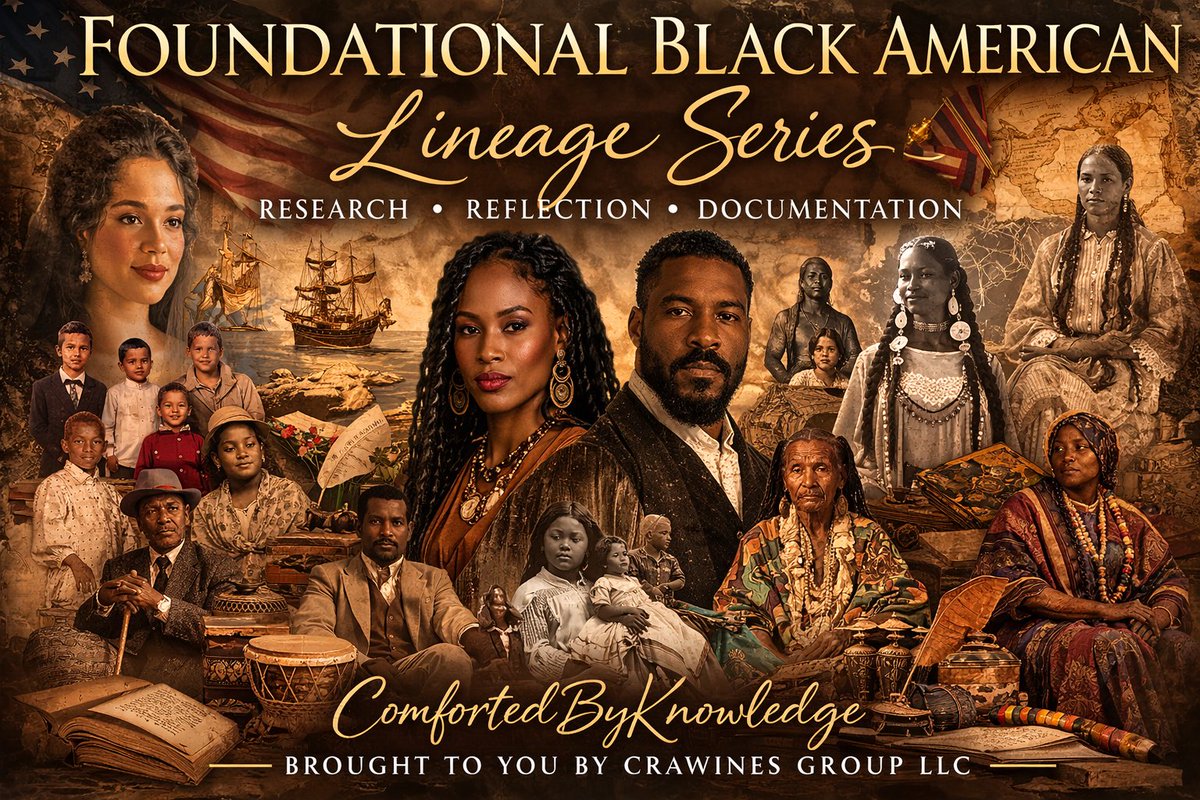
🇺🇸 Foundational Black American Lineage Series
This is the final post. The series is now closed.
We’ve walked through:
• capture
• trade
• war
• European colonial violence and control
• law
• racial classification
• family disruption
• what survived
👉🏾 And now we close with truth.
⸻
🧠 Not everyone came on a slave ship
👉🏾 Some were:
• brought through the transatlantic slave trade
• already present on this land
• born into early colonial societies
👉🏾 Over time, populations mixed through:
• forced systems
• survival
• proximity
• and imposed structures
⸻
⚠🏾 The full truth must be stated
👉🏾 European colonists played a central role in shaping this history through:
• slavery systems
• forced labor
• sexual violence
• legal classification
• land control
• identity redefinition through law
👉🏾 This is not optional history. It is documented.
⸻
🔬 What the data shows
👉🏾 Today, genetic studies consistently show:
• Foundational Black Americans carry a mix of
African + Native + European ancestry
👉🏾 On average:
• ~20%–30% European ancestry is present in many Black American populations
👉🏾 That mixture did not come from equal conditions
It came largely through power imbalance and coercion
⸻
🔗 What that means
👉🏾 Foundational Black Americans are:
• not one origin
• not one migration
• not one experience
👉🏾 We are:
• a people
• a culture
• a lineage
• a history built HERE
⸻
A distinct group
👉🏾 Just like cultures around the world:
We are not one-size-fits-all
👉🏾 We are not:
• just Native
• just African
• just descendants of slavery
👉🏾 We are:
Foundational Black Americans
⸻
📍 2026 — where we are now
👉🏾 We are:
• telling our own stories
• researching our own lineage
• correcting historical narratives
• preserving our identity
• naming what actually happened
⸻
🔥 Final truth
👉🏾 No one can define our ancestors for us
👉🏾 No one can tell our story for us
👉🏾 Because:
We know who our people were
We know what was done to them
We know what they survived
And we know what they built anyway
⸻
🔚 Closing
This series is now complete.
⸻
ComfortedByKnowledge
Brought to you by Crawines Group LLC
⸻
📚 Sources (clean + credible)
• Alan Gallay — The Indian Slave Trade
• William Ramsey — The Yamasee War
• Ira Berlin — Many Thousands Gone
• Jack D. Forbes — Africans and Native Americans
• NIH / population genetics studies on African American admixture (20–30% European ancestry range)

🇺🇸 Foundational Black American Lineage Series
We’ve looked at laws and control.
👉🏾 Now let’s look at something deeper:
Who was actually capturing people?
⸻
⚠🏾 The uncomfortable reality:
In the late 1600s–early 1700s…
👉🏾 Many enslaved people in the Carolinas were not captured by Europeans first
They were:
👉🏾 Captured by other Native nations
👉🏾 Sold into the Charleston slave markets
👉🏾 Then exported to the Caribbean or kept in the colonies
⸻
📍 What this created:
👉🏾 Entire Native populations were destabilized
👉🏾 Some groups:
• resisted
• were destroyed
• were absorbed into Black communities
⸻
🧠 What most people don’t realize:
👉🏾 This wasn’t just “African slavery”
👉🏾 It was a multi-directional system of captivity
Where:
• Native Americans
• Africans
• mixed communities
…were all entangled in shifting roles of survival, coercion, and trade
⸻
🔥 Key insight:
👉🏾 Lineage in early America was not isolated
👉🏾 It was formed through conflict, alliance, and forced movement
⸻
🔗 Connection to lineage:
👉🏾 This is one of the reasons why:
Many Foundational Black Americans have:
• African ancestry
• Native ancestry
• colonial-era mixture
👉🏾 not by myth — but by documented systems
⸻
📚 Sources:
• Alan Gallay — The Indian Slave Trade
• Christina Snyder — Slavery in Indian Country
• William Ramsey — The Yamasee War
⸻
ComfortedByKnowledge
Brought to you by Crawines Group LLC

🇺🇸 Foundational Black American Lineage Series
As the Indian slave trade expanded across South Carolina in the late 1600s–early 1700s, tensions between Native nations and colonial traders began to rise.
This included Indigenous communities across the region, including dark-skinned and melanated Native peoples living throughout the Southeast.
What began as trade and alliance shifted into pressure and imbalance.
Colonial traders pushed deeper into Native territories, demanding:
• 📦 more captives
• 💰 repayment of trade debts
• ⚖️ control over trade
At the same time:
• ⚔️ violence increased
• 🪶🏾 communities were disrupted by raids
• 🤝🏾 alliances began to weaken
📍 South Carolina remained the center of this growing crisis, especially through Charleston.
Over time, the system became one of:
• dependency
• exploitation
• loss of control
⚠️ By the early 1700s, trust had collapsed.
Conflict was coming.
📚 Sources referenced
• Alan Gallay — The Indian Slave Trade
• William L. Ramsey — The Yamasee War
• South Carolina Colonial Records
ComfortedByKnowledge
Brought to you by Crawines Group LLC

🇺🇸 Foundational Black American Lineage Series
This is not me writing history.
This is simply sharing documented scholarship and asking questions about lineage in the United States.
One place to start is a major study from Yale University Press:
📚 The Indian Slave Trade: The Rise of the English Empire in the American South, 1670–1717
by historian Alan Gallay.
Gallay’s research shows that before the large expansion of African slavery, the Carolinas both South and North were deeply shaped by the Indian slave trade, warfare, and complex colonial systems between 1600–1715.
Estimates suggest 24,000–51,000 Native Americans were enslaved by English colonists in the southern colonies during this period, many exported through Charleston.
Understanding these early systems helps explain why lineage in the United States developed over centuries through Black Indigenous , Africans and European contact under colonial rule.
It is also important to remember that the Atlantic world connected Africa, the Caribbean, and North America, and ships often moved people through several ports.
Many enslaved Africans passed through , again passed the Caribbean islands such as Barbados, Jamaica, or the Bahamas as part of a broader trade network. In many cases these were transshipment stops, sometimes lasting “only weeks before people were transported elsewhere ”within the English empire, So once Black Americans are distinctly not the same.
However, the cultures that developed in North America formed over centuries of life in the United States. Black American communities developed their own traditions, language patterns, music, and social institutions shaped by generations here.
Foundational Black Americans therefore represent a distinct historical lineage and culture within the United States, formed through long interaction between African, Indigenous , and European populations under colonial rule.
This history also includes the thousands of Native Americans enslaved in the Carolinas during the late 1600s and early 1700s, a system that overlapped with African slavery and contributed to the complex ancestry found in early American populations.
This series simply shares research so people can explore the sources themselves.
Sources referenced in this thread include:
📚 Yale University Press
📚 South Carolina Colonial Records
📚 William Ramsey – The Yamasee War
📚 Ira Berlin – Early American slavery scholarship
#ComfortedByKnowledge
Brought to you by Crawines Group LLC
#FBA #FoundationalBlackAmerican #CrawinesGroupLLC

293 years ago today — February 12, 1733 — James Oglethorpe and about 114 colonists stepped ashore at Yamacraw Bluff on the Savannah River, founding the colony of Georgia and laying out what became America's first planned city, Savannah.
Oglethorpe was a British MP and prison reformer.
He pushed for a fresh start for "worthy poor" debtors (though the first settlers weren't mostly debtors). The charter came in 1732 from King George II, naming 21 Trustees to run things—no slavery, no rum, small farms, and strong defenses against Spanish Florida.
(I think being a buffer agaisnt Spanish Florida was one of the reasons he "got" the colony.
He picked the spot (later became Savannah) with help from Chief Tomochichi of the Yamasee (Creek) and interpreter Mary Musgrove, building friendly ties right away.


@yamase17_zeta(狐猫)さんにイラスト頂き、色々話し合いながら作りました!イラストめっちゃ素敵すぎる…😭
よろしければ!
https://t.co/gmb8O7mSJY


4/ Yamasee War (1715-1717)
In SC, Yamasee & allies attacked settlers over trade debts & land disputes. Colonists faced 400 deaths but regrouped, pushing Yamasee to FL. Both sought economic stability; war shifted regional power to settlers.
🧵 #History


Watch [RM]My Mother in Law Is Better Than My Wife ~Miki Yamase on @Eporner_com: https://t.co/MkK10n9pFQ

@yamasemi_gokaku Yamasemiさんはじめまして、頑張っていこう!

That makes sense. I'm second generation of Mallorys to carry native blood.
I have a hard time explaining to others, as well as Indian Country, that Muskogee people as well as the other woodland nations intermarried, and welcomed those who wanted to be apart of the nation's in.
There are black Natives. Not in What the misinformation goes on about. The original yamasee were tianos who came into the mainland, and during the Spanish conquest of Florida, would bring in slaves or people who got away from the Spanish sellers. They became Muskogee/Seminole respectively, and became Yamasee, which was almost gone at that point.
Same with the Scottish and Dutch who came and settled peacefully in Indian Territory. William Augustus Bowls is another good example. Being born in Maryland, he became Muskogee, and founded the State of Muskogee in East Florida.

@Yamase_53 あるある過ぎて泣く

@yamaseeeco 年始から大波乱の予感😭💦💦💦💦💦💦
Most Popular Users

Elon Musk 
@elonmusk
239.7M followers

Barack Obama
@barackobama
118.6M followers

Cristiano Ronaldo
@cristiano
114.3M followers

Donald J. Trump
@realdonaldtrump
111.7M followers

Narendra Modi
@narendramodi
106.9M followers

Rihanna
@rihanna
98.6M followers

NASA
@nasa
92.1M followers

Justin Bieber
@justinbieber
91.7M followers

KATY PERRY
@katyperry
89.9M followers

Taylor Swift
@taylorswift13
83.9M followers

Lady Gaga
@ladygaga
75.4M followers

Virat Kohli
@imvkohli
73.3M followers

Kim Kardashian
@kimkardashian
70.8M followers

YouTube
@youtube
68.6M followers

Neymar Jr
@neymarjr
66.3M followers

Bill Gates
@billgates
65.1M followers

Selena Gomez
@selenagomez
63M followers

The Ellen Show
@theellenshow
62.1M followers

CNN
@cnn
61.7M followers

X
@x
60.6M followers