

Top Tweets for #flaskworks

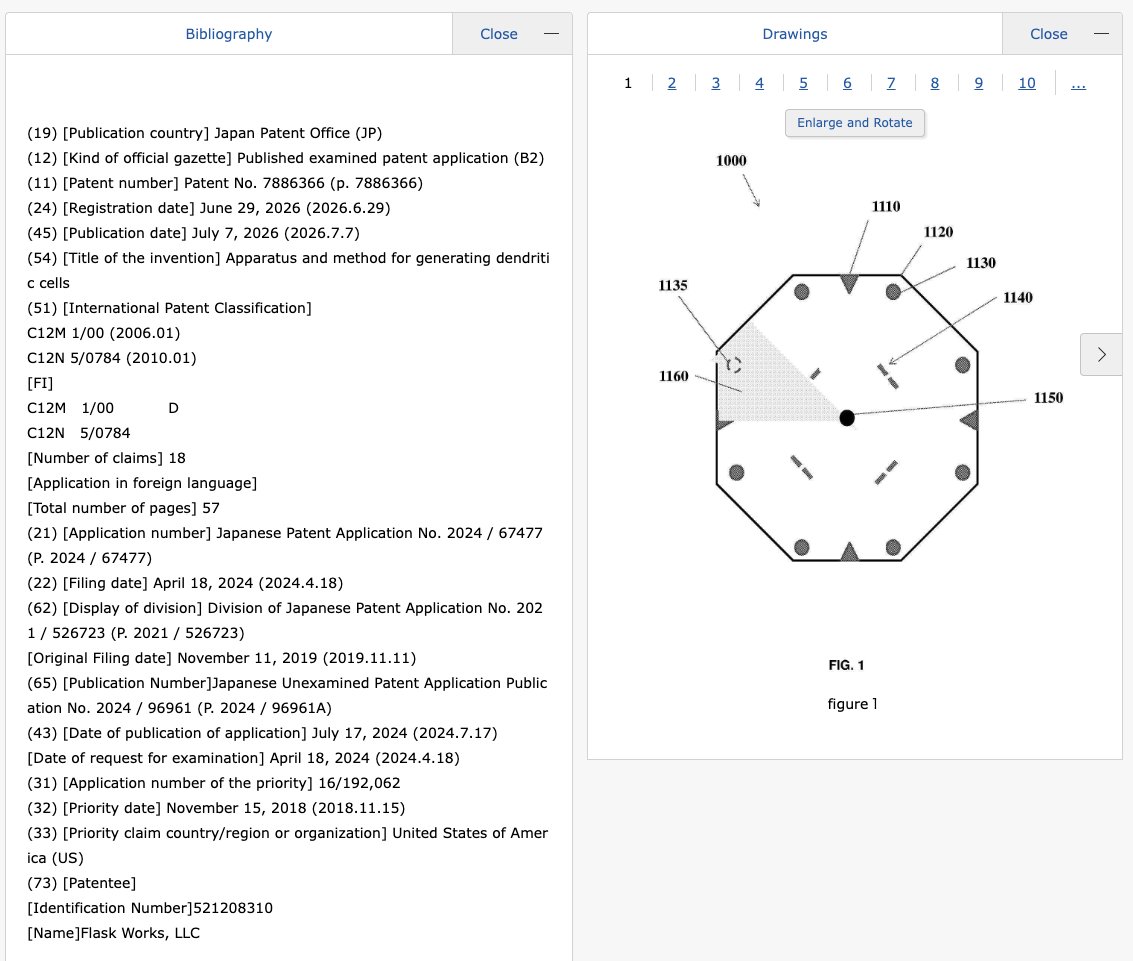
#Flaskworks patent granted on June 29, 2026: 🇯🇵 JP2024067477 - "Dendritic cell generating apparatus and method"
https://t.co/Q3CmSun7a7
$NWBO



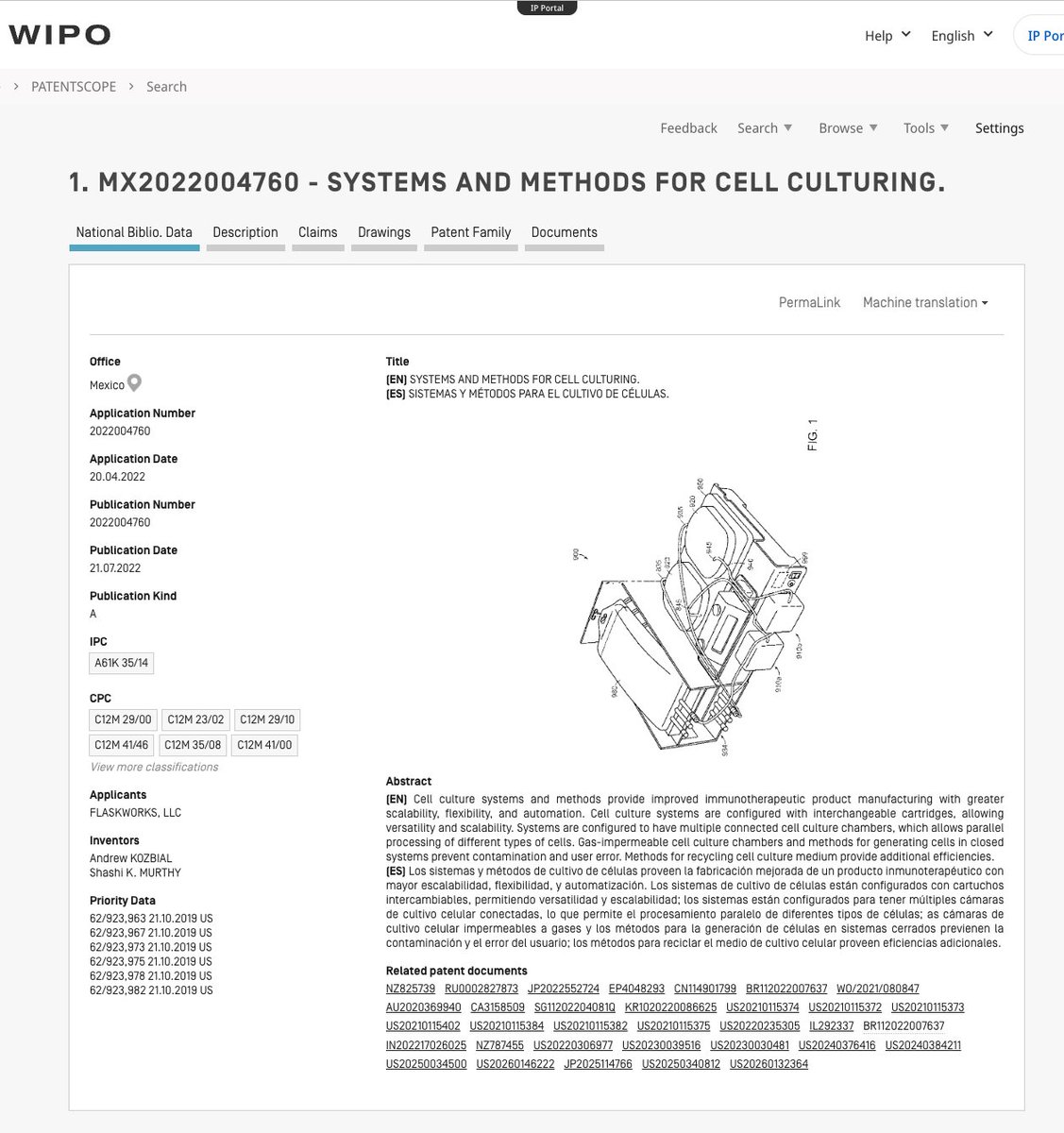
#Flaskworks patent granted and issued on June 1, 2026: 🇲🇽 MX/a/2022/004760 - "Systems and methods for cell culturing"
https://t.co/OPnKpSWhhu
$NWBO

#Flaskworks patent granted on June 30, 2026: 🇳🇿 NZ784855 - "Duty cycle for cell culture systems"
$NWBO
https://t.co/Tuo3quvpJU


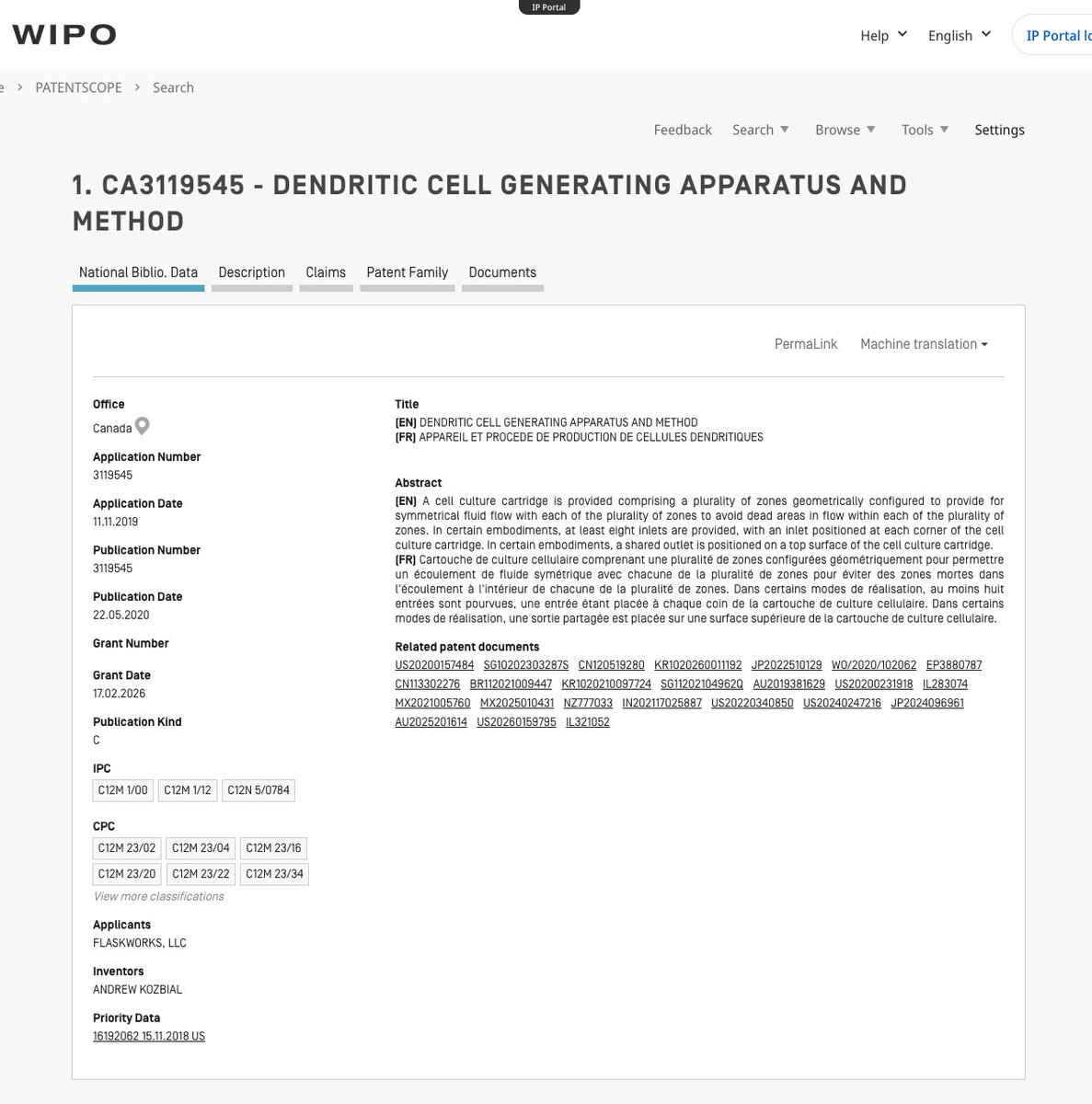
#Flaskworks patent granted on February 17, 2026: 🇨🇦 CA3119545 - "Dendritic cell generating apparatus and method"
https://t.co/fhvmugVhaB
$NWBO

#Flaskworks patent granted on February 17, 2026: 🇨🇦 CA3135845 - "Cell culture systems and uses thereof"
$NWBO
https://t.co/MwV9YBo9Iy
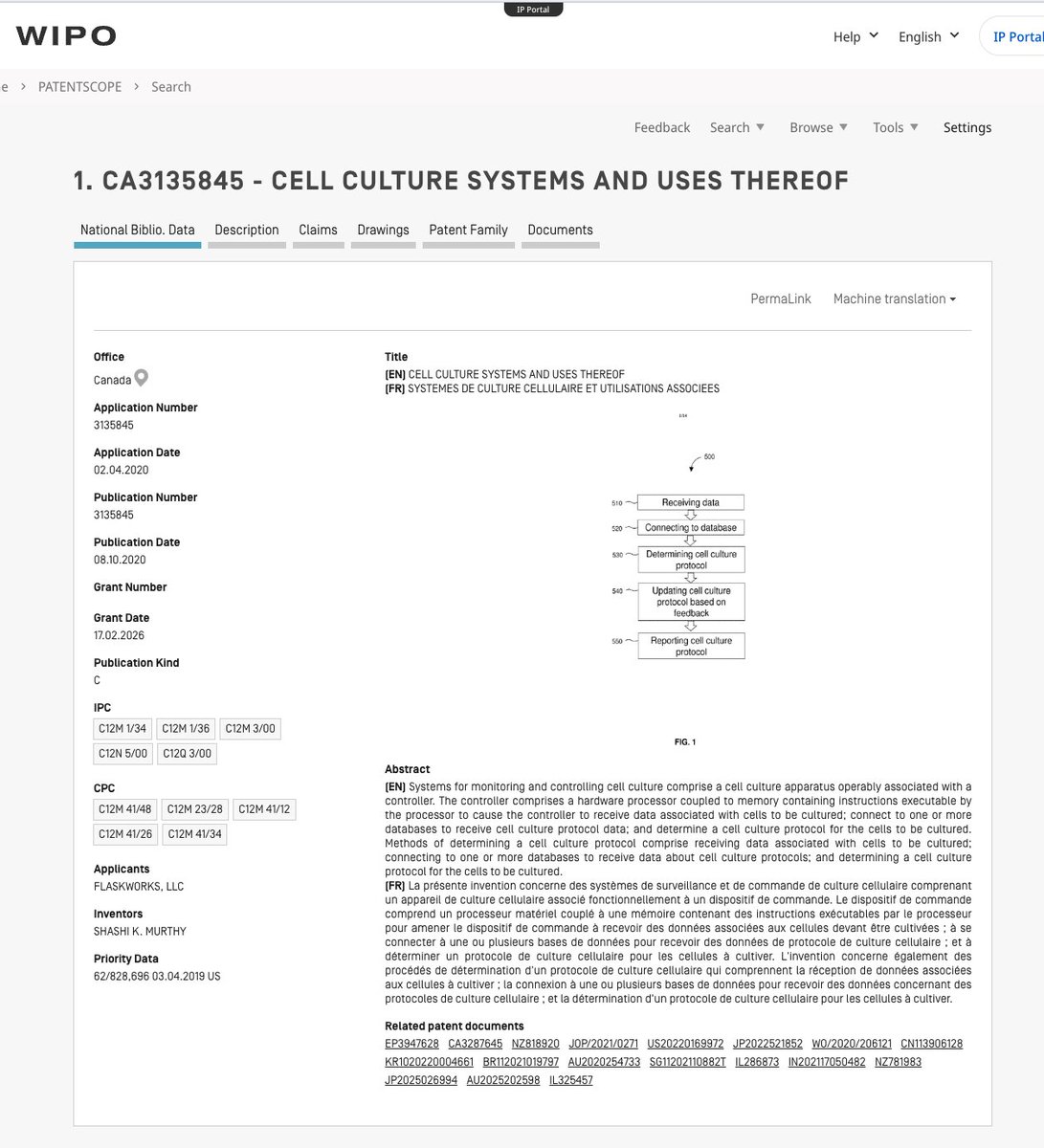

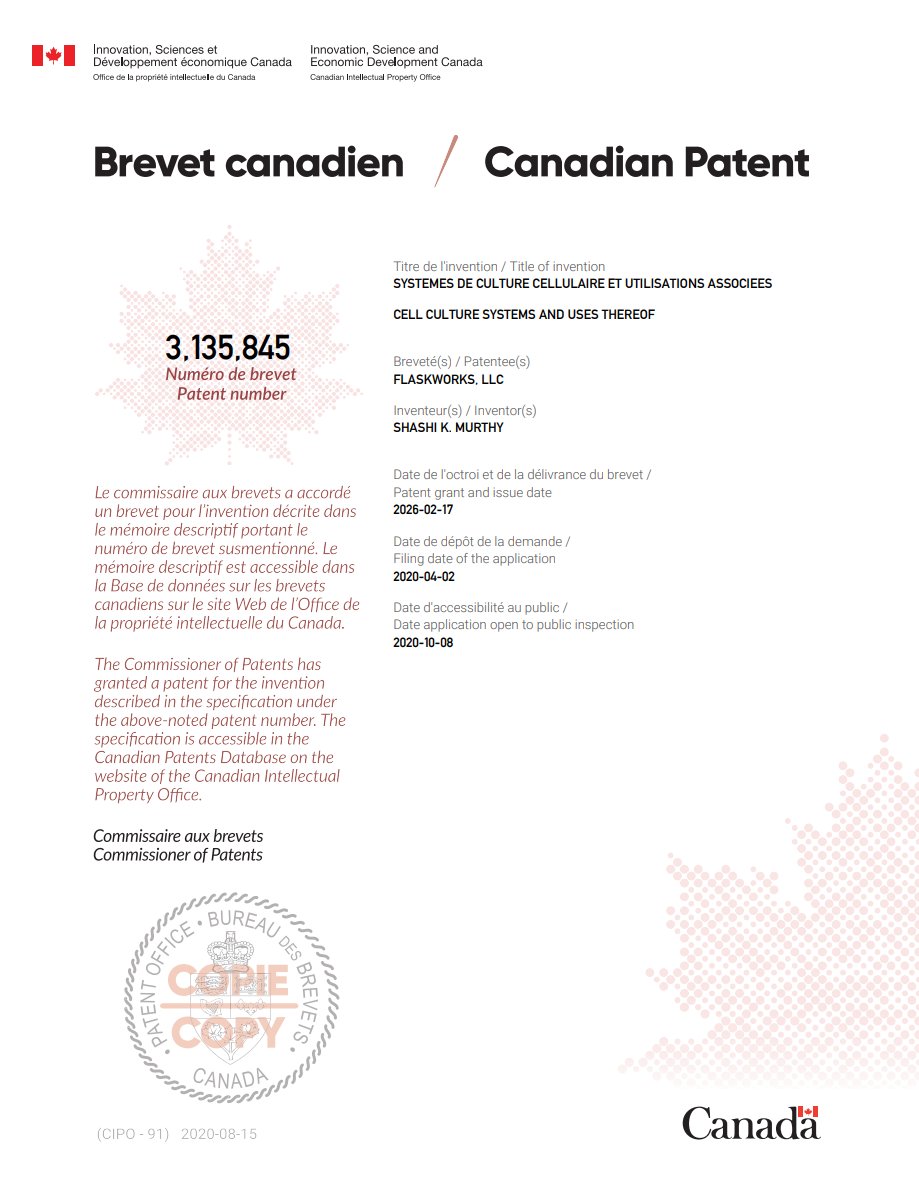
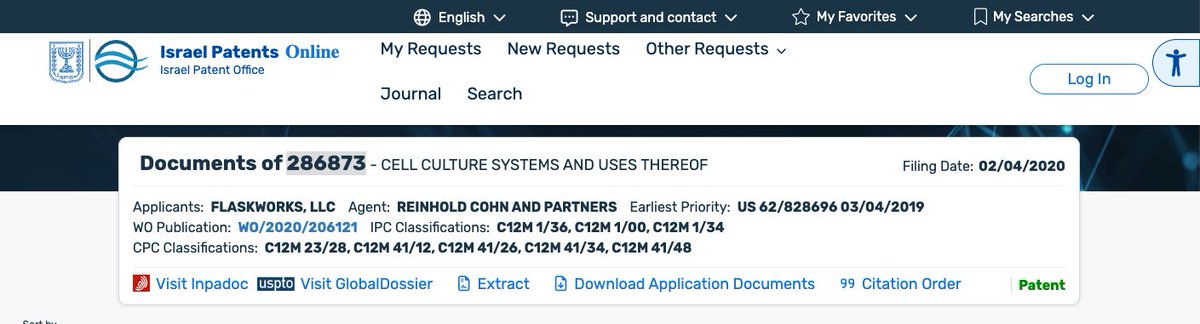
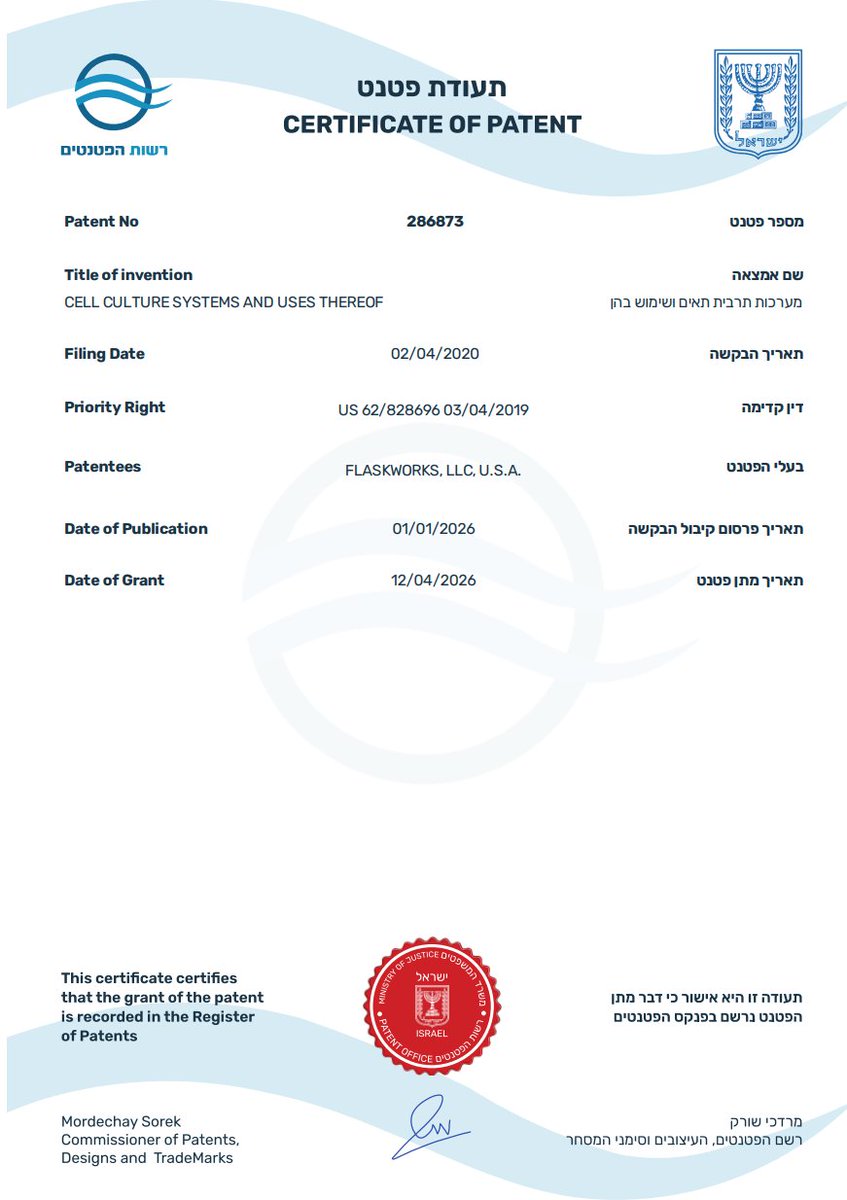
#Flaskworks patent granted on April 14, 2026: 🇮🇱 IL286873 - "Cell culture systems and uses thereof"
$NWBO
https://t.co/nE5bcFf05P

#Flaskworks "Patented Case" on June 24, 2026: US18/788,758 - "Systems and methods for cell culturing"
*Note: The title appears the same as others posts, but each application in the same family has different or amended claims.
$NWBO
https://t.co/SCTShu6SlX


#Flaskworks Patent granted on February 10, 2026: US18/777,879 - "Systems and methods for cell culturing"
$NWBO
https://t.co/YwswpO0sbL


#Flaskworks patent granted on April 12, 2026: 🇮🇱 IL290489 - "Duty cycle for cell culture systems"
$NWBO
https://t.co/SZGljZJc1T


#Flaskworks patent granted on May 28, 2026: 🇳🇿 - "Dendritic cell generating apparatus and method"
$NWBO
https://t.co/mGQvCJ7dz0


Did you know that when Linda Powers was part of the Bush Administration’s NIH she funded the initial development of #flaskworks, which is probably where she met former CIA Director & $NWBO board member Cofer Black?
Wow that is vision…3 Dimensional Chess
Ewww Ken you in trouble

🧬 The Tolerance Foundry, Part II
How One 2004 Paper Broke a Biotech Monopoly—and Why $NWBO Now Owns Both Ends of the Dendritic-Cell Axis
#AdventBioServices #Flaskworks #Eden #DCVax #Autoimmunity #CellTherapy #PlatformTechnology
TLDR 🏭
A Czech biotech, SOTIO, got a U.S. patent in 2018 claiming a method to manufacture tolerogenic dendritic cells. On paper, it looked like a monopoly.
In practice, the monopoly never existed because the core method was already in the public domain. Bart Roep’s 2004 paper published a reproducible tolerogenic conditioning protocol with functional outcomes, which functions as prior art and removes enforceable exclusivity.
The field’s own “maturation axis” shows why this matters: the same CD14+ monocyte pipeline can be programmed toward immune activation or immune tolerance depending on the maturation environment. Kalinski’s work reinforces that tolerance is not “immaturity” but a controlled activation trajectory with suppressed IL-12 output.
Pittsburgh is the missing historical anchor: the first-in-human tolerogenic dendritic cell trial was in type 1 diabetes and used direct suppression of the co-stimulation gate (CD40, CD80, CD86). Newcastle then operationalized the RA protocol and revealed the next gate: systemic tolerance requires access to lymphoid tissue, not just local injection.
Once the recipe is public, value shifts to infrastructure. EDEN’s patent architecture matches the manufacturing constraint: state-dependent products require closed-loop control, uniform exposure, low handling stress, and repeatable exchange boundaries to prevent phenotype drift and pass release gates.
Kalinski’s Pittsburgh profile also names a second output lane: DC-instructed T cells for adoptive cell therapy. The platform can therefore produce injected “instructor” products or ex vivo instructed T-cell products, both dependent on the same control layer.
Bottom line: Roep made the recipe free. The field proved the bottleneck is state stability and delivery route. EDEN is the machine built to industrialize the axis.
⸻
The story of how academic publication defeated corporate patenting—and what that means for the future of cell therapy
In biotechnology, monopolies are not built with speeches. They are built with claims.
A company takes a biological process, turns it into a sequence, files it as property, and waits for the government to agree. When the government agrees, the field is told—quietly but firmly—that permission now has a price.
In June 2018, SOTIO received exactly that kind of permission slip: US 9,987,307 B2, a U.S. patent titled “Tolerogenic dendritic cells, methods of producing the same, and uses thereof.” The patent traced back to a priority date of October 22, 2014. Its core claim set described a staged manufacturing protocol for converting human monocytes into a stable, semi-mature tolerogenic phenotype using standard differentiation cytokines and a defined sequence of immunomodulators.
On paper, the patent created a monopoly. It claimed a method. It named autoimmune diseases. It named transplant contexts. It asserted that the method could be owned.
In practice, that monopoly never formed.
By 2026, the institutional ecosystem behaves as if the patent does not control anything. Major tolerance programs proceed without public licensing. Public funders award money without visible royalty line items. Clinical protocols publish manufacturing details without acknowledging a licensing obligation. The field moves forward as though the tollbooth is empty.
The reason comes down to a single fact that patent law treats as decisive.
Someone published first.
⸻
The Roep Prior Art: A Recipe Disclosed in Full
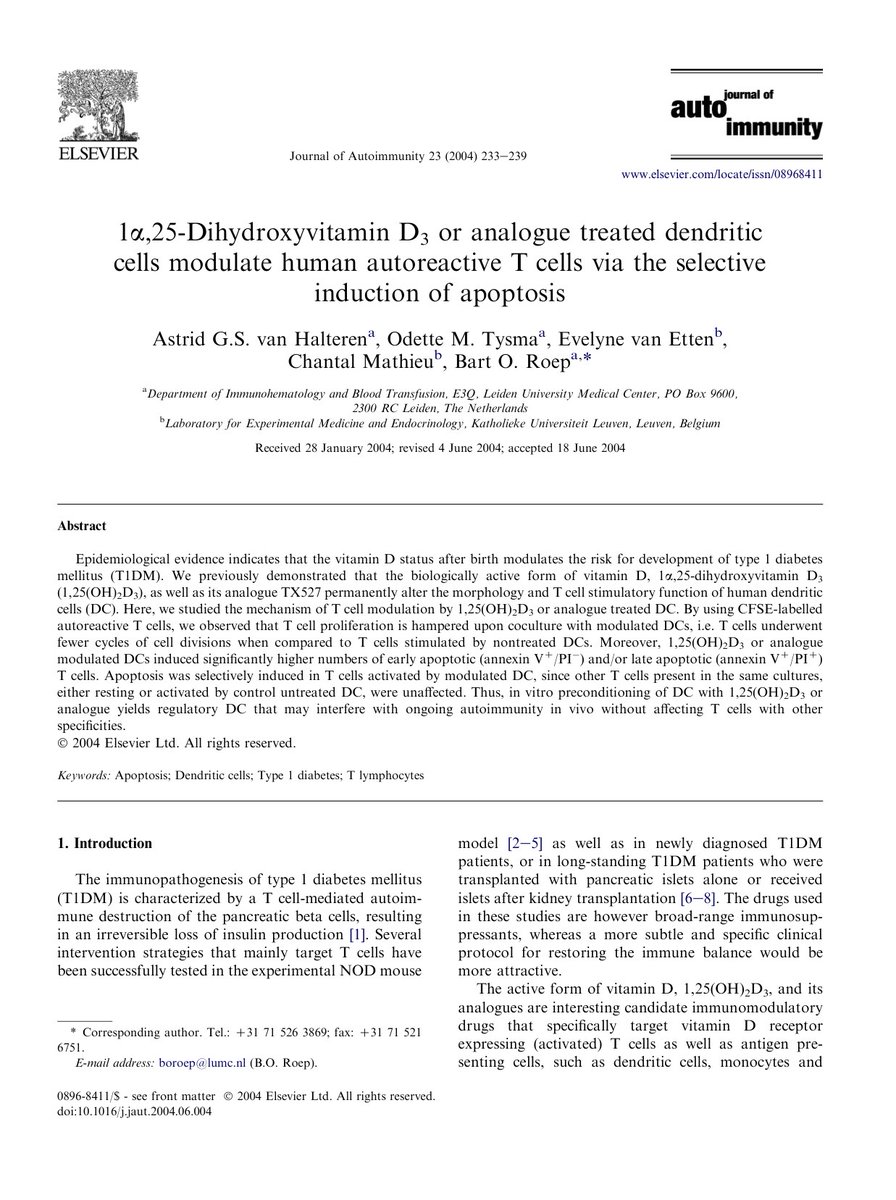
In November 2004, a Leiden group led by Bart O. Roep published a paper in the Journal of Autoimmunity:
van Halteren AGS, Tysma OM, van Etten E, Mathieu C, Roep BO. “1alpha,25-dihydroxyvitamin D3 or analogue treated dendritic cells modulate human autoreactive T cells via the selective induction of apoptosis.” J Autoimmun.2004;23(3):233–239. doi:10.1016/j.jaut.2004.06.004. PMID: 15501394.
This was not a vague discussion of vitamin D and immune health. It was a manufacturing method and a functional output.
The paper disclosed a tolerogenic conditioning logic in reproducible terms.
Human monocytes were isolated and differentiated under the standard cytokines used for monocyte-derived dendritic cells.
IL-4 and GM-CSF were present from the beginning.
A defined concentration of active vitamin D metabolite or an analogue was introduced on a schedule that the authors spelled out.
Crucially, the authors included wash steps to avoid attributing downstream effects to residual compound acting directly on T cells. That mattered because it framed the result as a property of the conditioned antigen-presenting cell product, not an artifact of soluble carryover.
The output was then tested against committed autoreactive T cells, and the readout was not simply “less activation.”
The paper described a more decisive outcome: autoreactive T cells did fewer rounds of division and shifted toward apoptosis. The apoptosis was selective, observed in antigen-activated T cells rather than indiscriminately across bystander populations. The conclusion was explicit: in vitro preconditioning with active vitamin D yielded regulatory dendritic cells capable of interfering with ongoing autoimmunity without broadly affecting unrelated specificities.
This is prior art in its purest form. It is not a concept. It is an executed protocol published in a peer-reviewed journal, indexed and accessible.
Ten years later, it is the reason a late-filed monopoly cannot function.
⸻
The Maturation Axis: The Field’s Simplest Truth
The tolerance story often gets told as if it required a new cell type. It never did.
The field’s own teaching slide says it plainly. CD14-positive monocytes are differentiated into immature monocyte-derived antigen-presenting cells under IL-4 and GM-CSF. Then a “maturation cocktail” pushes those immature cells toward one of two endpoints.
One cocktail yields immune-activating properties: TLR ligands, TNF, IL-1, interferons. The other yields tolerogenic properties: IL-10 or TGFβ, NF-κB inhibitors, sometimes with carefully chosen TLR inputs.
This diagram matters because it collapses the false division between tolerance and activation. Both are programming endpoints of the same manufacturing pipeline. The difference is not the cell. The difference is the instruction set.
Roep published one end of that axis in 2004.
The rest of the story is what happens when a recipe is public but stability is not guaranteed.
⸻
The Pittsburgh Precedent: Tolerance Entered Humans Through Type 1 Diabetes
The tolerance field’s first human precedent did not originate in Europe.
It began in the United States, in Pittsburgh, and it began in type 1 diabetes.
A major clinical review of tolerogenic dendritic-cell therapies identifies the first-in-human tolerogenic dendritic-cell clinical trial for autoimmune disease as being conducted in type 1 diabetes, registered as NCT00445913, with the explicit goal of testing safety of autologous antigen-presenting cells stabilized into an immunosuppressive state and delivered back into patients without inducing broad immunodeficiency.
The manufacturing strategy chosen in Pittsburgh matters because it reveals the field’s earliest operational instincts about what tolerance actually is.
It was not framed as “immaturity.” It was engineered as suppression of the co-stimulation gate.
The approach used antisense oligonucleotides targeting CD40, CD80, and CD86, the gatekeepers that determine whether an antigen-presenting cell can deliver productive activation. The mechanism was direct: reduce the cell’s ability to co-stimulate, and the immune system becomes capable of learning restraint again.
The delivery strategy also matters. The cells were delivered intradermally in repeated administrations over an anatomical region chosen to encourage drainage toward pancreatic and peri-pancreatic lymph node fields. This is immune geography in clinical form: systemic tolerance is a secondary lymphoid tissue problem.
There was no adoptive T-cell therapy here. No ex vivo expanded effector population. No engineered receptors. No lymphodepletion. The antigen-presenting cell product was the therapy. The patient’s immune system was the substrate.
Pittsburgh established, in humans, that tolerance is manufacturable when the co-stimulation axis is controlled.
It also established the rule that everything downstream inherits.
Tolerance is a state that must remain stable in an inflammatory world.
⸻
The Kalinski Key: Tolerance Is Not “Immaturity”
A widely cited body of work associated with Pawel Kalinski makes the maturation axis sharper and more counterintuitive.
The simplest story says tolerogenic cells are immature and immunogenic cells are mature. That is a comforting binary. It is also wrong.
Kalinski’s IL-10 work describes a phenomenon that matters for every manufacturing argument that follows: cells can pass through a transient maturation window, showing phenotypic signs of activation, and still become tolerogenic—so long as the program suppresses the IL-12 axis and blocks productive T-cell proliferation. The consequence is not mild suppression. It is antigen-specific unresponsiveness on subsequent challenge, with protection against autoimmune disease.
The implication is precise and uncomfortable for simplistic models.
Tolerance does not require the absence of activation.
It requires control of the activation trajectory.
That is why “teacher” and “regulator” are not separate cell types. They are endpoints on one programmable continuum. A change in the maturation environment flips the lesson while running on the same platform.
⸻
The Newcastle Merge: Roep’s Recipe Meets Engineering Reality
For rheumatoid arthritis, the Newcastle lineage did not merely repeat Roep. It industrialized the maturation problem.
A combined strategy emerged: dexamethasone plus vitamin D3, with monophosphoryl lipid A added late in the process. That late TLR4 input is frequently misread as contradiction.
It is not contradiction. It is controlled competence.
Tolerance products still need to process and present antigen efficiently, and they still need to acquire migratory behavior that allows immune instruction to occur where it matters. Controlled TLR4 signaling is repeatedly justified on two grounds.
First, antigen processing and presentation on MHC class II becomes reliable only when the antigen-presenting cell receives a defined activation signal during antigen uptake. That signal does not have to produce IL-12 dominance, but it must confer functional capacity.
Second, controlled maturation supports acquisition of CCR7-dependent migratory capacity, enabling migration toward secondary lymphoid tissues where immune instruction is compiled and stabilized.
The later clinical record reflects the consequence.
Intra-articular tolerogenic delivery can be safe, feasible, and acceptable, but systemic immunomodulation is not guaranteed when the product remains confined to joint space. That is not failure. That is the map of the next move.
And that next move is explicit in AuToDeCRA-2.
The hypothesis is that systemic tolerance requires secondary lymphoid tissue entry, and therefore delivery route is the key experimental variable. Intranodal, intradermal, and intra-articular routes are compared, with blood and lymph node sampling to correlate route with immune outcomes.
The field is stating, in formal language, what the maturation axis already implied.
Recipe is not enough.
Delivery into immune architecture is the gate.
Again, there is no adoptive T-cell therapy in AuToDeCRA. No expanded T cells. No engineered T-cell receptors. The injected product is the instructor, not the effector. The patient’s immune system remains the substrate.
⸻
The Patents That Turn the Roep Recipe Into a Machine
The Roep paper did something that patent lawyers understand immediately, even if most immunologists don’t. It did not just describe a concept. It disclosed a build protocol with enough specificity to be executed by any competent lab.
That is exactly why SOTIO’s later patent did not become a toll road. The recipe had already been placed in the commons.
But the more important consequence is what the paper accidentally revealed about the real bottleneck.
Roep’s protocol works only if the tolerogenic state holds after the conditioning stimulus is removed. The cells are washed. The environment changes. The system is challenged. The phenotype either persists or it collapses back toward activation.
This is the manufacturing truth Roep published without naming it: tolerance is valuable only if it is stable under disturbance.
Two decades later, the EDEN patent family reads like an engineering response to that exact constraint.
Not in the language of tolerance. In the language of control.
One filing defines a cell culture system as an adaptive controller. The controller receives culture data, connects to stored protocol information, determines a culture protocol for the cells, updates that protocol based on feedback, and reports the protocol. This is not a timer-based automation narrative. It is closed-loop control. It treats culture as a dynamic process whose protocol is continuously corrected as conditions evolve.
That structure is the inversion of the artisan workflow. It replaces episodic intervention with continuous oversight. It makes the central manufacturing requirement explicit: phenotype cannot be preserved by hope and good hands alone. It must be preserved by a system designed to correct drift in real time.
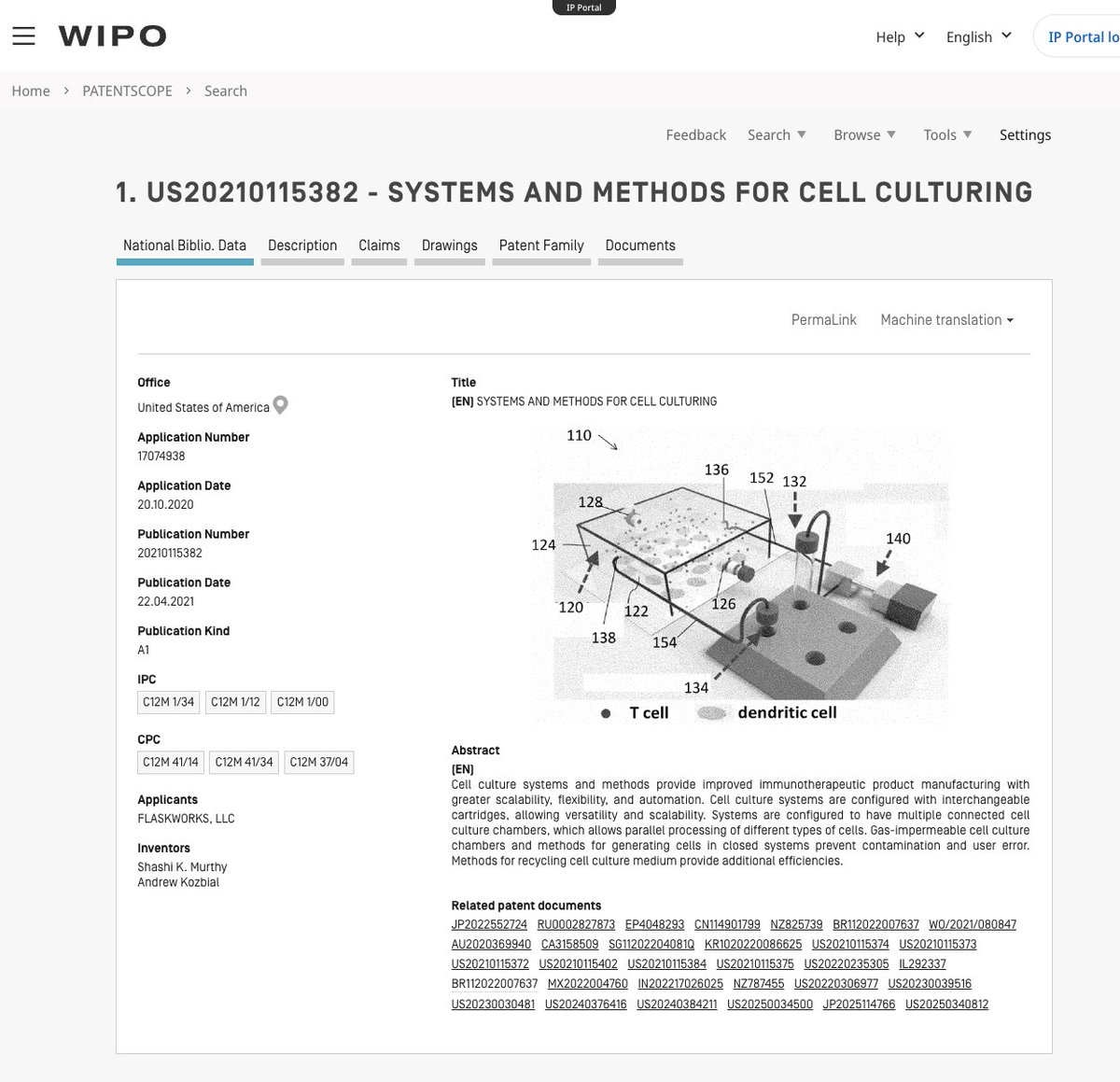
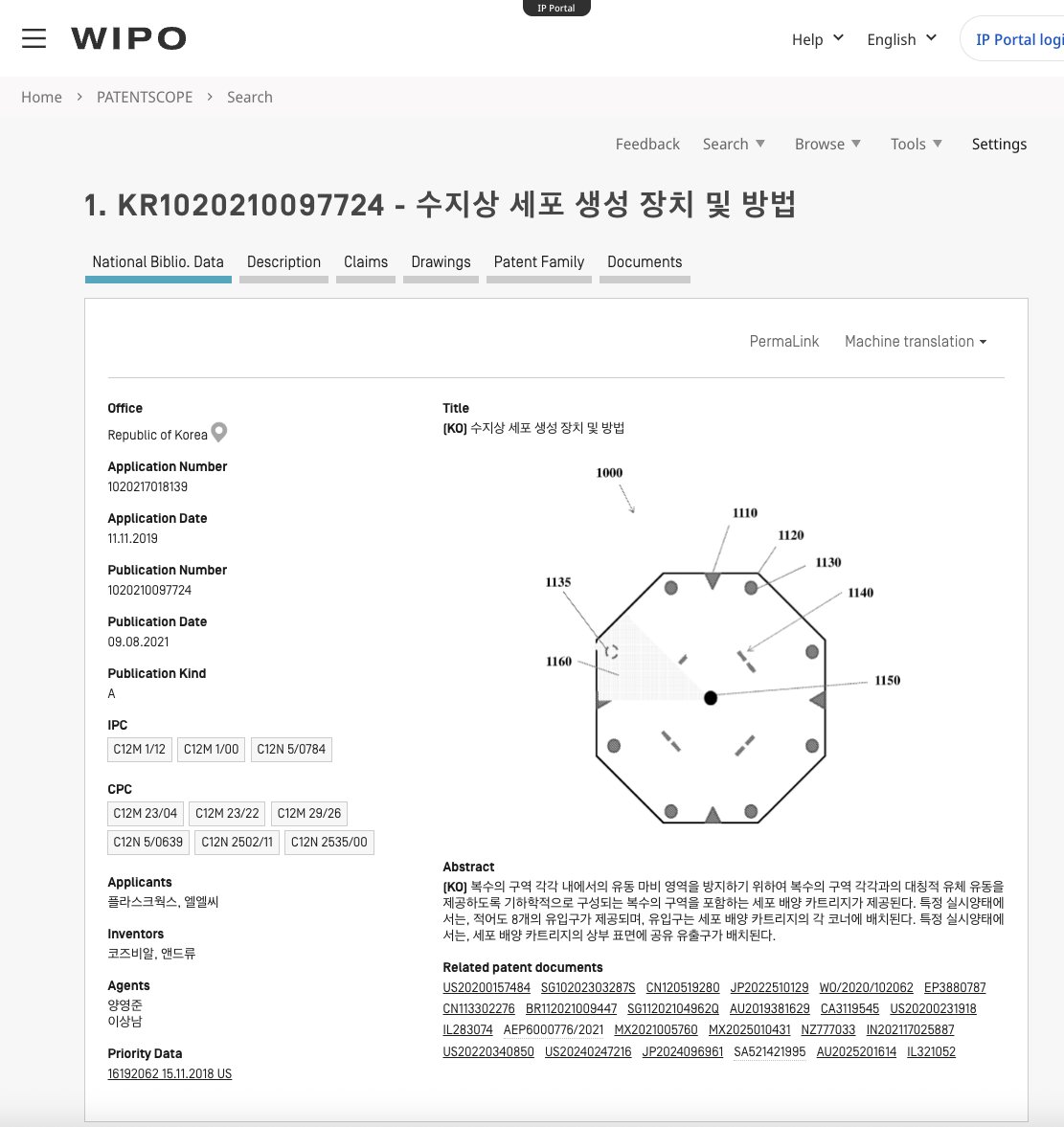
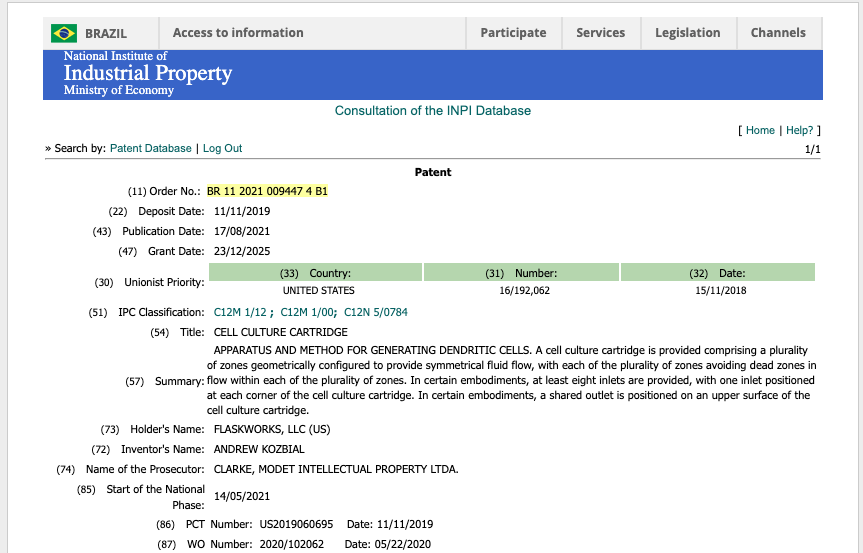
Another EDEN filing describes a culture cartridge engineered around a physically different principle than conventional vessels. It is designed to distribute fluid symmetrically across multiple zones to avoid dead regions and uneven exposure. It describes multiple inlets positioned at corners, and in certain embodiments, at least eight inlets, with a shared outlet positioned on the top surface.
That is not decorative detail. It is phenotype control expressed as geometry.
In tolerance manufacturing, uneven exposure becomes heterogeneity. Heterogeneity becomes drift. Drift becomes CD86 failure. CD86 failure becomes a batch that cannot be released.
Roep’s method relied on bench-scale care to maintain uniformity. EDEN’s architecture is designed to enforce uniformity mechanically.
The perfusion logic follows the same thread. Roep’s protocol includes timed feeds and refresh steps because plate-based culture imposes oscillation: cytokines decay, nutrients rise and fall, metabolites accumulate. EDEN’s design emphasizes controlled fluid handling that supports steadier conditions—less feast-famine, less handling shock, less drift pressure.
Even Roep’s wash step, included to prove attribution, becomes an engineered boundary under this architecture. In a closed system with controlled exchange, wash is no longer a technician maneuver. It is a programmable, repeatable system event. That matters because in GMP, attribution is not academic. It is regulatory. If effect is driven by residual soluble factors, the product class changes. If effect is driven by cell state, it remains a true cell therapy.
Roep published that distinction. EDEN is built to preserve it.
This is why the match is not cosmetic. It is complete.
Roep made the method public.
EDEN makes the public method industrial.
The recipe could not be monopolized because it was already in print.
The future belongs to the platform that can execute what the literature made free.
⸻
The Institutional Test: Who Pays?
If SOTIO’s patent controlled the practice space, evidence would appear.
Licenses would be disclosed.
Royalties would show up in budgets.
Sponsors would disclose IP obligations.
Design-around filings would cite the patent as something to avoid.
Instead, the most visible tolerance programs proceed under public funding without any public sign of a licensing relationship.
Newcastle’s AuToDeCRA program is a clean example because its funding is public and traceable. The Versus Arthritis project page for “Rheumatoid arthritis: injecting tolerogenic dendritic cells” lists an award amount of £1,106,920.98, reference 21811, with an award date of 20 August 2018. No SOTIO licensing fee appears in the publicly presented funding structure.
The logic is simple. Public money is not invisible. Budgets are scrutinized. Audits exist. If a commercial patent holder were extracting a toll from public clinical work at that scale, it would leave a footprint.
The absence of footprint is the footprint.
It is institutional behavior consistent with a freedom-to-operate conclusion: the method is treated as public domain because prior art made it so.
⸻
Why SOTIO Does Not Litigate
Enforcement is a test. It forces the world to decide whether a patent holds.
SOTIO has not forced that decision in public.
The reason is not mysterious. It is risk.
Any infringement action would invite a validity challenge anchored in Roep’s publication and the broader 2000–2004 vitamin D–dendritic cell literature. A post-grant challenge could collapse the patent family and erase whatever residual leverage remains. That is a poor trade if the patent is already operating as a paper asset rather than a revenue asset.
In such cases, silence is not indecision. Silence is containment.
⸻
The Second Output: When the Instructor Manufactures the Student
Pittsburgh contributes one more structural insight that belongs in this story.
It is not limited to injected dendritic-cell products.
The Kalinski lab’s own institutional description includes adoptive cell therapy using dendritic-cell-instructed T cells, described as dual-recognition “Boolean” logic through both T-cell receptors and natural killer receptors. In other words, dendritic cells are positioned not only as a therapeutic product but as an upstream compiler that can generate an instructed T-cell output.
That claim does not rewrite AuToDeCRA. AuToDeCRA remains an injection-based tolDC program.
But it clarifies the platform.
Once the manufacturing chassis can hold antigen-presenting state reproducibly, the system has two outputs.
The instructor can be administered directly to retrain immunity in vivo.
Or the instructor can be used ex vivo to generate an instructed T-cell population that can be expanded, quality-gated, banked, and deployed on clinical timelines.
This is not a new cell type.
It is a second output format from the same instruction engine.
And it makes the phrase “owns both ends of the axis” concrete. It is not only tolerance versus activation. It is injected instruction versus manufactured output.
All of it is downstream of one scarce capability: state control.
⸻
The Infrastructure Play: Kitchen Over Recipe
Northwest Biotherapeutics’ relevance to the tolerance half is not a speculative leap. It follows directly from the maturation axis.
The same manufacturing platform that produces an activation-leaning “teacher” state can produce a tolerance-leaning “regulator” state when the maturation environment changes. The instruction flips, while the chassis remains the same.
That is the practical meaning of owning both ends of the axis. It is not a claim about owning every tolerogenic method. It is a claim about controlling the manufacturing continuum that makes both endpoints reproducible and deployable.
Roep’s decision to publish ensured the tolerance recipe would be free to use.
EDEN’s architecture shows how a free recipe becomes industrial.
The competitive frontier shifts from patent ownership to infrastructure, manufacturing control, and regulatory precedent.
In other words, the kitchen.
⸻
A Regulatory Coda: What the System Is Quietly Being Built For
At the end of this story sits a different kind of voice—not a patent holder, not an academic, not an investor.
A regulator.
Asked what he would most like to see emerge from the biomedical pipeline, FDA Commissioner Marty Makary spoke in categories rather than increments: a cure for type 1 diabetes, cancer therapies that eliminate metastatic disease without chemotherapy, surgery, or radiation, and therapies that produce what clinicians call complete pathologic responses.
What matters is not the wish list. It is the assumption embedded in it.
He described a future in which disease is addressed upstream, at the level of immune instruction, rather than downstream, at the level of damage control.
Type 1 diabetes is an immune mislearning problem. So is autoimmunity more broadly. Metastatic cancer is not just uncontrolled growth; it is immune failure in context. Neurodegenerative disease increasingly appears to involve immune dysregulation layered on top of cellular vulnerability.
The through-line is not tissue. It is instruction.
Nothing in this essay claims that a single platform cures all of those conditions. What it shows instead is something more precise and more consequential: the infrastructure capable of executing immune instruction at scale is finally being assembled.
Roep placed tolerance into the commons.
Pittsburgh proved tolerance could enter humans safely.
Newcastle showed the bottleneck was not biology but delivery and stability.
Kalinski demonstrated that activation and tolerance are two outcomes of the same programmable axis, and that dendritic-cell instruction can also feed adoptive outputs.
EDEN describes the machinery required to hold immune state long enough for any of this to matter.
That is not a moonshot.
It is an infrastructure problem.
And infrastructure problems, once solved, do not announce themselves loudly. They simply make a new class of outcomes possible—quietly, repeatedly, and at scale.
⸻
Disclaimer
This essay is an analytical synthesis of publicly available scientific literature, patent filings, clinical trial records, regulatory documents, and corporate disclosures. It is intended to examine structural, scientific, and operational trends in immunotherapy and biomanufacturing, not to provide medical, regulatory, legal, or investment advice.
Descriptions of scientific mechanisms, manufacturing systems, and clinical programs reflect interpretations of published sources and should not be understood as claims of efficacy, regulatory approval, or commercial outcome. References to specific companies, technologies, or individuals are for contextual and illustrative purposes only and do not imply endorsement, partnership, or guaranteed future performance.
All forward-looking statements are inherently uncertain. Clinical development, regulatory review, manufacturing scale-up, and commercialization are subject to substantial risk and may differ materially from expectations discussed here.
Readers should consult primary sources and qualified professionals before drawing conclusions related to healthcare decisions, regulatory strategy, or financial investment.
⸻
Sources
van Halteren AGS, Tysma OM, van Etten E, Mathieu C, Roep BO. J Autoimmun. 2004;23(3):233–239. doi:10.1016/j.jaut.2004.06.004. PMID: 15501394.
US 9,987,307 B2. Tolerogenic dendritic cells, methods of producing the same, and uses thereof. Priority date: Oct 22, 2014. Grant date: Jun 5, 2018.
35 U.S.C. §102(a)(1). Prior art bar: “described in a printed publication” before filing.
AutoDECRA Phase I trial registration: https://t.co/rXRuW5FLuD NCT01352858.
Bell GM, Anderson AE, Diboll J, et al. Ann Rheum Dis. 2017;76:227–234.
NHS HRA AuToDeCRA-2 research summary.
Versus Arthritis project page: “Rheumatoid arthritis: injecting tolerogenic dendritic cells,” grant reference 21811, award amount £1,106,920.98, award date Aug 20, 2018.
Hilkens CMU, Isaacs JD. Tolerogenic dendritic cell therapy for rheumatoid arthritis: where are we now? Clin Exp Immunol. 2013.
Clinical Tolerogenic Dendritic Cells: Exploring Therapeutic Impact on Human Autoimmune Disease. Frontiers in Immunology. 2017.
Phase I (Safety) Study of Autologous Tolerogenic Dendritic Cells in Type 1 Diabetic Patients. Diabetes Care. 2011. Trial: NCT00445913.
University of Pittsburgh profile for Pawel Kalinski describing DC therapies and adoptive cell therapy using DC-instructed T cells with dual recognition logic.
US 2022/0169972 A1. Cell Culture Systems and Uses Thereof.
US 2020/0157484 A1. Dendritic Cell Generating Apparatus and Method.
Additional EDEN family filings provided: US 2022/0235305; US 12,077,740; US 12,297,412.
🧬 The Tolerance Foundry
How $NWBO, #AdventBioServices, #Flaskworks #EDEN turn immune tolerance into an industrial product
TLDR
Tolerogenic dendritic-cell therapies fail for a single, unforgiving reason: phenotype drift. AutoDECRA showed the constraint in practice when one of ten manufactured batches failed release because CD86 crossed the predefined threshold, even though the cells were otherwise viable.
Modern tolerance biology reaches the same conclusion from a different direction. A 2025 Nature Reviews Drug Discovery synthesis describes immune tolerance as a multidimensional, state-dependent program that begins upstream, at the level of antigen-presenting cell co-stimulation, where CD80 and CD86 function as operative levers, not decorative markers.
The Tolerance Foundry thesis is that $NWBO controls an integrated system designed to hold that state at scale.
Advent BioServices supplies the regulated manufacturing environment: multiproduct GMP suites, in-house quality control, digital batch traceability, and validated cryostorage with rigorous chain-of-custody discipline.
EDEN supplies the control mechanism: a closed-loop, feedback-driven, adherent-cell automation platform engineered to eliminate the precise stressors that drive CD86 drift, including handling variance, timing inconsistency, shear forces, temperature transitions, and feast-famine media cycles.
DCVax-L supplies the gating pathway: EDEN is being advanced through a patient-production regulatory lane, anchoring the manufacturing chassis in real human use rather than theoretical validation.
The Kalinski axis helps reduce novelty risk. Activation-focused programming and tolerance-focused programming emerge as two endpoints along a single manufacturing continuum, transforming tolerance from a platform gamble into a protocol choice.
The scale of what this touches
These figures reflect annual global spending, not lifetime totals.
Oncology medicines accounted for $223 billion per year in 2023 and are projected to reach $409 billion annually by 2028.
Autoimmune therapeutics generated approximately $271.1 billion per year in 2024 and are projected to reach $338.7 billion annually by 2030.
Cell and gene therapy CDMO services totaled $8.07 billion per year in 2025 and are projected to approach $74 billion annually by 2034.
Over a decade, these trajectories imply cumulative spending well into the trillions of dollars. In this piece, they are used as order-of-magnitude context, not as forecasts or valuation targets. The Foundry model does not depend on owning the therapies that generate that spending. It depends on operating the control layer those therapies increasingly require.
Once EDEN is validated for patient production, Advent behaves less like a single-product facility and more like infrastructure, with value accruing across four reinforcing layers:
1. Manufacturing utilization fees, assessed per program and per batch
2. Recurring cryostorage revenue from banked starting material and finished product
3. Quality control and release services, including flow cytometry, potency assays, rapid microbiology, and validation
4. Platform licensing and royalties for partners operating their own protocols on a validated chassis
Tolerance fails when immune state cannot be held.
The Foundry exists to hold it.
⸻
🧯 1. The governing constraint is phenotype drift
AutoDECRA is where the tolerance field’s aspirational language encounters a hard manufacturing reality. The study is modest in size, but unusually candid in what it reveals. It was designed to assess safety and feasibility of autologous tolerogenic dendritic cells delivered directly into an inflamed knee joint, and it treats manufacturing not as a background activity, but as a central operational task.
The published report contains the detail that matters. Nine of ten manufactured products met quality-control release criteria. One did not — not because the cells died, not because sterility failed, but because CD86 expression drifted above the prespecified release limit.
That single failure captures the tolerance problem in one line. Tolerance is not a label applied to a cell product after the fact. It is a regulated biological state with pass-fail boundaries. CD86 is one of those gates. When it rises, the product ceases to be tolerogenic and risks accelerating the very disease it was meant to calm.
This is also why the so-called “artisan trap” is not rhetorical exaggeration. Open handling, manual media exchanges, timing variability, temperature shifts during harvest, and subtle shear forces during manipulation are not merely sources of batch variability. In a state-dependent product, they are danger signals. They are invitations to mature.
⸻
🧿 2. Treg biology says the same thing — more forcefully
The dendritic-cell story does not stand alone. A 2025 Nature Reviews Drug Discovery synthesis on regulatory T cells reaches the same conclusion from the opposite side of the tolerance ecosystem. It frames therapeutic tolerance as a multidimensional state that must be measured, stabilized, and actively defended, not as a single marker that can be stamped onto a cell and assumed to persist.
More importantly, the review places co-stimulation exactly where AutoDECRA’s failure suggests it belongs: at the very beginning of tolerance. In its mechanistic framing, regulatory T cells suppress immune activation by modulating antigen-presenting cells, including depleting CD80 and CD86 through CTLA-4-mediated mechanisms.
That alignment matters. It tells you that AutoDECRA’s CD86 failure was not a manufacturing quirk. It was a failure at the first rung of the tolerance ladder. If the co-stimulation gate cannot be held, tolerance cannot form.
The review also contains a warning that becomes critical when translated into operations. Some immune-monitoring technologies are influenced by freezing. Storage, in other words, is not merely logistics. Validated cryogenic control and chain-of-custody integrity become part of scientific truth. A tolerance program that cannot preserve the state it claims to measure is not a tolerance program. It is an artifact factory.
⸻
🧭 3. The Kalinski connection collapses novelty risk
At first glance, immune tolerance and cancer immunotherapy appear to occupy separate continents. One seeks restraint; the other seeks attack. But antigen-presenting cells are not ideologues. They are instructors. The difference lies not in the cell type, but in the lesson delivered.
The Newcastle tolerance lineage represented in AutoDECRA occupies the restraint end of this instructional axis. The Kalinski lineage occupies the activation end. Northwest Biotherapeutics’ licensing of a dendritic-cell technology portfolio associated with Dr. Pawel Kalinski formalizes that activation-side instruction stack through an exclusive agreement with Roswell Park Comprehensive Cancer Center.
The significance is not social proximity. It is architectural symmetry. Hilkens’ work focuses on preventing activation and holding cells in a restrained, non-inflammatory state. Kalinski’s work focuses on enforcing activation and holding cells in a high-instruction, immunogenic state. Same lineage. Same control variables. Opposite endpoints.
That architectural symmetry is an inference from their published endpoints, not evidence of any formal integration between the programs. It nevertheless explains why partnership probability rises in practice: novelty collapses. Tolerogenic programs stop looking like a new manufacturing class and begin to look like an inverse protocol running on an existing control plane.
⸻
🏭 4. Advent looks like an industrial tolerance node because it is built like one
Advent’s own materials describe a facility stack aligned with tolDC’s actual constraints, not its aspirations. Operating from the UK’s golden triangle, Advent positions itself as a cell-therapy CDMO with two separate GMP suites, Grade B/C classified areas, in-house quality control, process-development laboratories, validated cleanrooms with environmental monitoring, and a modern digital backbone spanning EMS, eQMS, eBMR, and LIMS.
This is not marketing language. It is the anatomy of comparability survival. State-dependent products do not tolerate undocumented change, sloppy batch records, or delayed release decisions. They do not tolerate site changes either, because site change is phenotype risk disguised as logistics.
Advent’s own contextual data reinforces the point. UK cleanroom capacity expanded to 7,819 square meters, and 112 new ATMP clinical trials were initiated over five years, placing sustained pressure on manufacturing infrastructure. In markets like this, nodes, not ideas, determine outcomes.
In a state-dependent product, that stack is not just “GMP hygiene”; it is how every process change, site change, and batch record is prevented from becoming an untracked phenotype variable.
⸻
❄️ 5. Cryostorage is immune state control, not warehousing
Tolerance is a living state. The problem does not end when the culture vessel is sealed.
Advent’s cryostorage capabilities include freezer storage from −20°C to −80°C with independent refrigeration, validated environments, continuous monitoring, and alerting, alongside a vapor-phase LN₂ cryostore with on-site generation, manual backup, automatic filling, and disaster-recovery planning.
The compliance posture is explicit: NIST-traceable sensor calibration, HTA licensure for storage and distribution of human cells and tissue, GMP quality-system operation, and 21 CFR Part 11-compliant monitoring software.
This is the operational answer to the Treg literature’s warning about freezing effects. Validated storage is not a convenience. It is how a therapy avoids becoming a measurement illusion.
Put differently: if freezing and storage can distort functional readouts, then validated cryostorage is part of the tolerance mechanism itself, not simply supply-chain plumbing.
⸻
🧪 6. QC is where tolerance becomes real — or fails
AutoDECRA failed a batch because CD86 drifted. That is simultaneously an assay issue, a release issue, and a timing issue.
Advent’s QC stack is built around that reality: microbiology, environmental monitoring, growth-promotion testing, flow cytometry, ELISA, potency, pH and osmolality, rapid microbiology for sterility, mycoplasma, and endotoxin, alongside assay design, GMP optimization, technology transfer, and validation.
This is what it looks like when a facility is designed around release gating rather than simply around culture capacity. In tolerance, QC is not procedural. It is the line between “cells were produced” and “the state was preserved.”
⸻
🔁 7. EDEN is a closed-loop state-maintenance engine
The EDEN patent record describes closed-loop logic: receiving data, determining a protocol, updating that protocol based on feedback, and reporting the result. That architecture matters because tolDC failure is not catastrophic. It is incremental drift between interventions. Manual culture is episodic. Feedback-driven systems are continuous.
The same patent family depicts a low-profile cartridge geometry with gentle perfusion aligned to adherent-cell requirements. This is not incidental. Adhesion, shear sensitivity, temperature stability, and cytokine exposure windows all determine whether cells remain restrained or drift toward activation. EDEN’s physical and control architecture is designed to remove those triggers.
Related filings extend this logic further, framing EDEN not as a vessel, but as a state-maintenance system.
⸻
🧷 8. The gating sequence ties EDEN to patient production
NWBO has stated that once GMP-grade EDEN units are delivered, Advent will complete qualification and validation and run engineering batches to support a regulatory application for patient production of DCVax-L.
That is the gating sequence. EDEN is being validated through the only lane that matters: human manufacturing.
Once that pathway is accepted, the same chassis can hold restrained states as reliably as activated ones. The difference is not the machine. It is the protocol.
This is where the Kalinski axis becomes operational. Activation and tolerance become a single manufacturing problem with two validated endpoints.
⸻
🧩 9. The system already exists — and the field is converging on it
AutoDECRA defines the failure mode: phenotype drift breaks tolerance.
The Treg literature defines the same reality mechanistically: tolerance is multidimensional and begins with co-stimulation control.
Advent’s infrastructure provides the physical, digital, and regulatory continuity required to preserve state.
EDEN provides the control logic to prevent drift.
The tolerance field itself is moving toward precision, engineering, nanomedicine, and synthetic biology. As the science becomes more precise, manufacturing must become more deterministic. That shift rewards the control plane.
Tolerogenic therapy becomes a commercial class when immune state can be held deterministically from manufacture through release and storage. This system is built to do that.
⸻
☁️ 10. The industry-scale implication
Advent and EDEN create value not by owning therapeutic franchises, but by operating a control layer that an increasing share of modern therapies must traverse.
The scale of the sectors that intersect that layer is already visible in annual spending data.
Global oncology medicine spending reached roughly $223 billion in 2023 and is projected to rise to about $409 billion per year by 2028, driven by immuno-oncology combinations, cell-based therapies, and precision regimens that all depend on complex, regulated manufacturing support.
Autoimmune therapeutics generated approximately $271 billion in 2024 and are projected to exceed $338 billion per year by 2030, with growth concentrated in biologics, advanced therapies, and disease-modifying interventions rather than symptomatic suppression alone.
In parallel, the cell and gene therapy CDMO market—the manufacturing backbone for these modalities—totaled around $8 billion in 2025 and is projected to approach $70–75 billion annually by the mid-2030s, reflecting both rising volumes and increasing technical complexity.
These are annual flows. Over a ten-year horizon, they translate into multi-trillion-dollar cumulative healthcare expenditure. In this piece, they are order-of-magnitude context, not forecasts or valuation targets. The Foundry model does not attempt to capture that spending directly. It extracts value by occupying a narrow but indispensable junction within it.
That junction is advanced cell-therapy manufacturing. Unlike conventional biologics, cell therapies impose high fixed costs in validation, quality systems, automation, and regulatory precedent. Once those costs are absorbed, every additional program running through the same validated environment benefits from shared infrastructure, shared quality operations, and accumulated comparability data.
This is why the economics can begin to resemble infrastructure rather than single-product development. Capital and validation are concentrated upfront. Utilization then increases across multiple programs. Marginal costs fall relative to revenue. Switching costs rise as comparability packages, release assays, and regulatory precedent become tied to a specific site.
As utilization grows, the financial profile shifts. Revenue accrues from repeated manufacturing runs, long-duration cryostorage, quality and release testing, and platform access for partners. The system stops behaving like a binary clinical bet and begins to behave like a high-fixed-cost, high-utilization industrial asset.
Once that threshold is crossed, value is driven less by the fate of any single therapy and more by how many therapies depend on the same control layer to function at all.
Disclaimer
This document is a scientific, operational, and industry-structure analysis based exclusively on publicly available information, including peer-reviewed academic literature, published clinical trial records, patent filings, regulatory disclosures, and company-issued materials.
It is provided for informational and analytical purposes only. Nothing herein constitutes medical advice, regulatory advice, investment advice, or a recommendation to buy or sell any security. No non-public information, confidential communications, or inside knowledge has been used.
All descriptions of mechanisms, manufacturing pathways, and regulatory processes reflect current public understanding and may evolve as additional data emerge or as regulatory standards change. All economic and market-sizing references are illustrative and contextual, intended to describe scale and industry structure rather than to serve as forecasts, projections, or valuation targets.
Clinical efficacy, regulatory outcomes, manufacturing performance, partnership activity, and commercial success remain subject to scientific validation, regulatory review, operational execution, and market dynamics.
⸻
Sources
Clinical and Manufacturing Anchor
1. Bell GM, Anderson AE, Diboll J, et al. Autologous tolerogenic dendritic cells for rheumatoid and inflammatory arthritis. Annals of the Rheumatic Diseases. 2017;76:227–234.
2. https://t.co/rXRuW5FLuD. Autologous Tolerogenic Dendritic Cells for Rheumatoid Arthritis (AuToDeCRA). NCT01352858.
Tolerance Biology and Immune Mechanism
3. Wardell CM, Boardman DA, Levings MK. Harnessing the biology of regulatory T cells to treat disease. Nature Reviews Drug Discovery. 2025;24:93–111.
4. Moreau A, Hill M, Thébault P, et al. Regulatory dendritic cells and immune tolerance. Frontiers in Immunology. 2021.
5. Maldonado RA, von Andrian UH. How tolerogenic dendritic cells induce regulatory T cells. Immunity.
Dendritic Cell Programming and Manufacturing
6. Kalinski P, Muthuswamy R, Urban J, et al. Generation of immunogenic and tolerogenic clinical-grade dendritic cells. Journal of Translational Medicine.
7. Levine BL, Miskin J, Wonnacott K, Keir C. Engineering the next generation of cell-based therapeutics. Molecular Therapy.
EDEN Automation and Closed-Loop Culture
8. U.S. Patent Application US 2022/0169972 A1. Cell culture systems and uses thereof.
9. U.S. Patent Application US 2020/0157484.
10. U.S. Patent Application US 2022/0235305.
(EDEN patent family as provided in publicly available filings.)
Advent BioServices Infrastructure
11. Advent BioServices. Cell Therapy | Advent BioServices | Cambridge.
12. Advent BioServices. Cryostorage | Ultra Cold Storage.
13. Advent BioServices. Quality Control.
Market and Industry Context
14. IQVIA Institute. Global Oncology Trends 2024: Outlook to 2028.
15. Global Industry Analysts / https://t.co/KfgPsdEZvQ. Autoimmune Disease Therapeutics Market Analysis (2024–2030).
16. BioSpace. Cell and Gene Therapy CDMO Market Size and Growth Outlook (2025–2034).

🧬 The Tolerance Foundry
How $NWBO, #AdventBioServices, #Flaskworks #EDEN turn immune tolerance into an industrial product
TLDR
Tolerogenic dendritic-cell therapies fail for a single, unforgiving reason: phenotype drift. AutoDECRA showed the constraint in practice when one of ten manufactured batches failed release because CD86 crossed the predefined threshold, even though the cells were otherwise viable.
Modern tolerance biology reaches the same conclusion from a different direction. A 2025 Nature Reviews Drug Discovery synthesis describes immune tolerance as a multidimensional, state-dependent program that begins upstream, at the level of antigen-presenting cell co-stimulation, where CD80 and CD86 function as operative levers, not decorative markers.
The Tolerance Foundry thesis is that $NWBO controls an integrated system designed to hold that state at scale.
Advent BioServices supplies the regulated manufacturing environment: multiproduct GMP suites, in-house quality control, digital batch traceability, and validated cryostorage with rigorous chain-of-custody discipline.
EDEN supplies the control mechanism: a closed-loop, feedback-driven, adherent-cell automation platform engineered to eliminate the precise stressors that drive CD86 drift, including handling variance, timing inconsistency, shear forces, temperature transitions, and feast-famine media cycles.
DCVax-L supplies the gating pathway: EDEN is being advanced through a patient-production regulatory lane, anchoring the manufacturing chassis in real human use rather than theoretical validation.
The Kalinski axis helps reduce novelty risk. Activation-focused programming and tolerance-focused programming emerge as two endpoints along a single manufacturing continuum, transforming tolerance from a platform gamble into a protocol choice.
The scale of what this touches
These figures reflect annual global spending, not lifetime totals.
Oncology medicines accounted for $223 billion per year in 2023 and are projected to reach $409 billion annually by 2028.
Autoimmune therapeutics generated approximately $271.1 billion per year in 2024 and are projected to reach $338.7 billion annually by 2030.
Cell and gene therapy CDMO services totaled $8.07 billion per year in 2025 and are projected to approach $74 billion annually by 2034.
Over a decade, these trajectories imply cumulative spending well into the trillions of dollars. In this piece, they are used as order-of-magnitude context, not as forecasts or valuation targets. The Foundry model does not depend on owning the therapies that generate that spending. It depends on operating the control layer those therapies increasingly require.
Once EDEN is validated for patient production, Advent behaves less like a single-product facility and more like infrastructure, with value accruing across four reinforcing layers:
1. Manufacturing utilization fees, assessed per program and per batch
2. Recurring cryostorage revenue from banked starting material and finished product
3. Quality control and release services, including flow cytometry, potency assays, rapid microbiology, and validation
4. Platform licensing and royalties for partners operating their own protocols on a validated chassis
Tolerance fails when immune state cannot be held.
The Foundry exists to hold it.
⸻
🧯 1. The governing constraint is phenotype drift
AutoDECRA is where the tolerance field’s aspirational language encounters a hard manufacturing reality. The study is modest in size, but unusually candid in what it reveals. It was designed to assess safety and feasibility of autologous tolerogenic dendritic cells delivered directly into an inflamed knee joint, and it treats manufacturing not as a background activity, but as a central operational task.
The published report contains the detail that matters. Nine of ten manufactured products met quality-control release criteria. One did not — not because the cells died, not because sterility failed, but because CD86 expression drifted above the prespecified release limit.
That single failure captures the tolerance problem in one line. Tolerance is not a label applied to a cell product after the fact. It is a regulated biological state with pass-fail boundaries. CD86 is one of those gates. When it rises, the product ceases to be tolerogenic and risks accelerating the very disease it was meant to calm.
This is also why the so-called “artisan trap” is not rhetorical exaggeration. Open handling, manual media exchanges, timing variability, temperature shifts during harvest, and subtle shear forces during manipulation are not merely sources of batch variability. In a state-dependent product, they are danger signals. They are invitations to mature.
⸻
🧿 2. Treg biology says the same thing — more forcefully
The dendritic-cell story does not stand alone. A 2025 Nature Reviews Drug Discovery synthesis on regulatory T cells reaches the same conclusion from the opposite side of the tolerance ecosystem. It frames therapeutic tolerance as a multidimensional state that must be measured, stabilized, and actively defended, not as a single marker that can be stamped onto a cell and assumed to persist.
More importantly, the review places co-stimulation exactly where AutoDECRA’s failure suggests it belongs: at the very beginning of tolerance. In its mechanistic framing, regulatory T cells suppress immune activation by modulating antigen-presenting cells, including depleting CD80 and CD86 through CTLA-4-mediated mechanisms.
That alignment matters. It tells you that AutoDECRA’s CD86 failure was not a manufacturing quirk. It was a failure at the first rung of the tolerance ladder. If the co-stimulation gate cannot be held, tolerance cannot form.
The review also contains a warning that becomes critical when translated into operations. Some immune-monitoring technologies are influenced by freezing. Storage, in other words, is not merely logistics. Validated cryogenic control and chain-of-custody integrity become part of scientific truth. A tolerance program that cannot preserve the state it claims to measure is not a tolerance program. It is an artifact factory.
⸻
🧭 3. The Kalinski connection collapses novelty risk
At first glance, immune tolerance and cancer immunotherapy appear to occupy separate continents. One seeks restraint; the other seeks attack. But antigen-presenting cells are not ideologues. They are instructors. The difference lies not in the cell type, but in the lesson delivered.
The Newcastle tolerance lineage represented in AutoDECRA occupies the restraint end of this instructional axis. The Kalinski lineage occupies the activation end. Northwest Biotherapeutics’ licensing of a dendritic-cell technology portfolio associated with Dr. Pawel Kalinski formalizes that activation-side instruction stack through an exclusive agreement with Roswell Park Comprehensive Cancer Center.
The significance is not social proximity. It is architectural symmetry. Hilkens’ work focuses on preventing activation and holding cells in a restrained, non-inflammatory state. Kalinski’s work focuses on enforcing activation and holding cells in a high-instruction, immunogenic state. Same lineage. Same control variables. Opposite endpoints.
That architectural symmetry is an inference from their published endpoints, not evidence of any formal integration between the programs. It nevertheless explains why partnership probability rises in practice: novelty collapses. Tolerogenic programs stop looking like a new manufacturing class and begin to look like an inverse protocol running on an existing control plane.
⸻
🏭 4. Advent looks like an industrial tolerance node because it is built like one
Advent’s own materials describe a facility stack aligned with tolDC’s actual constraints, not its aspirations. Operating from the UK’s golden triangle, Advent positions itself as a cell-therapy CDMO with two separate GMP suites, Grade B/C classified areas, in-house quality control, process-development laboratories, validated cleanrooms with environmental monitoring, and a modern digital backbone spanning EMS, eQMS, eBMR, and LIMS.
This is not marketing language. It is the anatomy of comparability survival. State-dependent products do not tolerate undocumented change, sloppy batch records, or delayed release decisions. They do not tolerate site changes either, because site change is phenotype risk disguised as logistics.
Advent’s own contextual data reinforces the point. UK cleanroom capacity expanded to 7,819 square meters, and 112 new ATMP clinical trials were initiated over five years, placing sustained pressure on manufacturing infrastructure. In markets like this, nodes, not ideas, determine outcomes.
In a state-dependent product, that stack is not just “GMP hygiene”; it is how every process change, site change, and batch record is prevented from becoming an untracked phenotype variable.
⸻
❄️ 5. Cryostorage is immune state control, not warehousing
Tolerance is a living state. The problem does not end when the culture vessel is sealed.
Advent’s cryostorage capabilities include freezer storage from −20°C to −80°C with independent refrigeration, validated environments, continuous monitoring, and alerting, alongside a vapor-phase LN₂ cryostore with on-site generation, manual backup, automatic filling, and disaster-recovery planning.
The compliance posture is explicit: NIST-traceable sensor calibration, HTA licensure for storage and distribution of human cells and tissue, GMP quality-system operation, and 21 CFR Part 11-compliant monitoring software.
This is the operational answer to the Treg literature’s warning about freezing effects. Validated storage is not a convenience. It is how a therapy avoids becoming a measurement illusion.
Put differently: if freezing and storage can distort functional readouts, then validated cryostorage is part of the tolerance mechanism itself, not simply supply-chain plumbing.
⸻
🧪 6. QC is where tolerance becomes real — or fails
AutoDECRA failed a batch because CD86 drifted. That is simultaneously an assay issue, a release issue, and a timing issue.
Advent’s QC stack is built around that reality: microbiology, environmental monitoring, growth-promotion testing, flow cytometry, ELISA, potency, pH and osmolality, rapid microbiology for sterility, mycoplasma, and endotoxin, alongside assay design, GMP optimization, technology transfer, and validation.
This is what it looks like when a facility is designed around release gating rather than simply around culture capacity. In tolerance, QC is not procedural. It is the line between “cells were produced” and “the state was preserved.”
⸻
🔁 7. EDEN is a closed-loop state-maintenance engine
The EDEN patent record describes closed-loop logic: receiving data, determining a protocol, updating that protocol based on feedback, and reporting the result. That architecture matters because tolDC failure is not catastrophic. It is incremental drift between interventions. Manual culture is episodic. Feedback-driven systems are continuous.
The same patent family depicts a low-profile cartridge geometry with gentle perfusion aligned to adherent-cell requirements. This is not incidental. Adhesion, shear sensitivity, temperature stability, and cytokine exposure windows all determine whether cells remain restrained or drift toward activation. EDEN’s physical and control architecture is designed to remove those triggers.
Related filings extend this logic further, framing EDEN not as a vessel, but as a state-maintenance system.
⸻
🧷 8. The gating sequence ties EDEN to patient production
NWBO has stated that once GMP-grade EDEN units are delivered, Advent will complete qualification and validation and run engineering batches to support a regulatory application for patient production of DCVax-L.
That is the gating sequence. EDEN is being validated through the only lane that matters: human manufacturing.
Once that pathway is accepted, the same chassis can hold restrained states as reliably as activated ones. The difference is not the machine. It is the protocol.
This is where the Kalinski axis becomes operational. Activation and tolerance become a single manufacturing problem with two validated endpoints.
⸻
🧩 9. The system already exists — and the field is converging on it
AutoDECRA defines the failure mode: phenotype drift breaks tolerance.
The Treg literature defines the same reality mechanistically: tolerance is multidimensional and begins with co-stimulation control.
Advent’s infrastructure provides the physical, digital, and regulatory continuity required to preserve state.
EDEN provides the control logic to prevent drift.
The tolerance field itself is moving toward precision, engineering, nanomedicine, and synthetic biology. As the science becomes more precise, manufacturing must become more deterministic. That shift rewards the control plane.
Tolerogenic therapy becomes a commercial class when immune state can be held deterministically from manufacture through release and storage. This system is built to do that.
⸻
☁️ 10. The industry-scale implication
Advent and EDEN create value not by owning therapeutic franchises, but by operating a control layer that an increasing share of modern therapies must traverse.
The scale of the sectors that intersect that layer is already visible in annual spending data.
Global oncology medicine spending reached roughly $223 billion in 2023 and is projected to rise to about $409 billion per year by 2028, driven by immuno-oncology combinations, cell-based therapies, and precision regimens that all depend on complex, regulated manufacturing support.
Autoimmune therapeutics generated approximately $271 billion in 2024 and are projected to exceed $338 billion per year by 2030, with growth concentrated in biologics, advanced therapies, and disease-modifying interventions rather than symptomatic suppression alone.
In parallel, the cell and gene therapy CDMO market—the manufacturing backbone for these modalities—totaled around $8 billion in 2025 and is projected to approach $70–75 billion annually by the mid-2030s, reflecting both rising volumes and increasing technical complexity.
These are annual flows. Over a ten-year horizon, they translate into multi-trillion-dollar cumulative healthcare expenditure. In this piece, they are order-of-magnitude context, not forecasts or valuation targets. The Foundry model does not attempt to capture that spending directly. It extracts value by occupying a narrow but indispensable junction within it.
That junction is advanced cell-therapy manufacturing. Unlike conventional biologics, cell therapies impose high fixed costs in validation, quality systems, automation, and regulatory precedent. Once those costs are absorbed, every additional program running through the same validated environment benefits from shared infrastructure, shared quality operations, and accumulated comparability data.
This is why the economics can begin to resemble infrastructure rather than single-product development. Capital and validation are concentrated upfront. Utilization then increases across multiple programs. Marginal costs fall relative to revenue. Switching costs rise as comparability packages, release assays, and regulatory precedent become tied to a specific site.
As utilization grows, the financial profile shifts. Revenue accrues from repeated manufacturing runs, long-duration cryostorage, quality and release testing, and platform access for partners. The system stops behaving like a binary clinical bet and begins to behave like a high-fixed-cost, high-utilization industrial asset.
Once that threshold is crossed, value is driven less by the fate of any single therapy and more by how many therapies depend on the same control layer to function at all.
Disclaimer
This document is a scientific, operational, and industry-structure analysis based exclusively on publicly available information, including peer-reviewed academic literature, published clinical trial records, patent filings, regulatory disclosures, and company-issued materials.
It is provided for informational and analytical purposes only. Nothing herein constitutes medical advice, regulatory advice, investment advice, or a recommendation to buy or sell any security. No non-public information, confidential communications, or inside knowledge has been used.
All descriptions of mechanisms, manufacturing pathways, and regulatory processes reflect current public understanding and may evolve as additional data emerge or as regulatory standards change. All economic and market-sizing references are illustrative and contextual, intended to describe scale and industry structure rather than to serve as forecasts, projections, or valuation targets.
Clinical efficacy, regulatory outcomes, manufacturing performance, partnership activity, and commercial success remain subject to scientific validation, regulatory review, operational execution, and market dynamics.
⸻
Sources
Clinical and Manufacturing Anchor
1. Bell GM, Anderson AE, Diboll J, et al. Autologous tolerogenic dendritic cells for rheumatoid and inflammatory arthritis. Annals of the Rheumatic Diseases. 2017;76:227–234.
2. https://t.co/rXRuW5FLuD. Autologous Tolerogenic Dendritic Cells for Rheumatoid Arthritis (AuToDeCRA). NCT01352858.
Tolerance Biology and Immune Mechanism
3. Wardell CM, Boardman DA, Levings MK. Harnessing the biology of regulatory T cells to treat disease. Nature Reviews Drug Discovery. 2025;24:93–111.
4. Moreau A, Hill M, Thébault P, et al. Regulatory dendritic cells and immune tolerance. Frontiers in Immunology. 2021.
5. Maldonado RA, von Andrian UH. How tolerogenic dendritic cells induce regulatory T cells. Immunity.
Dendritic Cell Programming and Manufacturing
6. Kalinski P, Muthuswamy R, Urban J, et al. Generation of immunogenic and tolerogenic clinical-grade dendritic cells. Journal of Translational Medicine.
7. Levine BL, Miskin J, Wonnacott K, Keir C. Engineering the next generation of cell-based therapeutics. Molecular Therapy.
EDEN Automation and Closed-Loop Culture
8. U.S. Patent Application US 2022/0169972 A1. Cell culture systems and uses thereof.
9. U.S. Patent Application US 2020/0157484.
10. U.S. Patent Application US 2022/0235305.
(EDEN patent family as provided in publicly available filings.)
Advent BioServices Infrastructure
11. Advent BioServices. Cell Therapy | Advent BioServices | Cambridge.
12. Advent BioServices. Cryostorage | Ultra Cold Storage.
13. Advent BioServices. Quality Control.
Market and Industry Context
14. IQVIA Institute. Global Oncology Trends 2024: Outlook to 2028.
15. Global Industry Analysts / https://t.co/KfgPsdEZvQ. Autoimmune Disease Therapeutics Market Analysis (2024–2030).
16. BioSpace. Cell and Gene Therapy CDMO Market Size and Growth Outlook (2025–2034).
#Flaskworks "Patented case" on January 21, 2026: US17/074,938 - "Systems and methods for cell culturing"
https://t.co/JEbhNiLh5A
$NWBO

Last chance to be GREEDY
$NWBO
#DCVAX
#Flaskworks
#AdventCambridgeshire
#RosswellPark
#LindaLiauSavesLives
Yes, I’m glad that I was wrong about LP &her plans for Advent. The fuel for SHORTY is now gone. Longs are you ready for this?
https://t.co/jYgOIOAweN
#Flaskworks patent grant registered on December 26, 2025: 🇰🇷 KR1020217018139 - "Dendritic cell generating apparatus and method"
https://t.co/wjjEmvFgYL
$NWBO


#Flaskworks patent granted on December 23, 2025: 🇧🇷 BR112021009447 - "Dendritic cell generating apparatus and method"
https://t.co/W4gmFvELNl
$NWBO

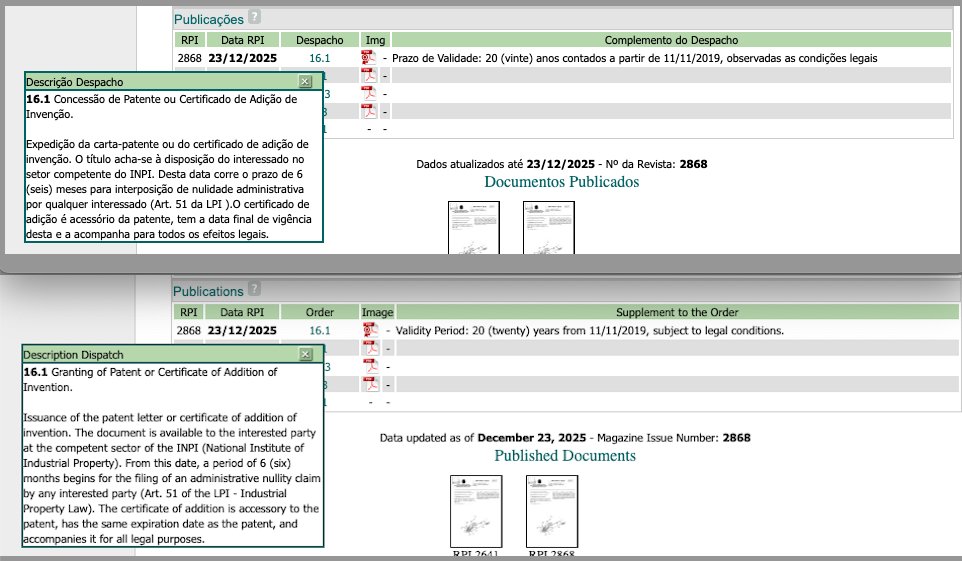
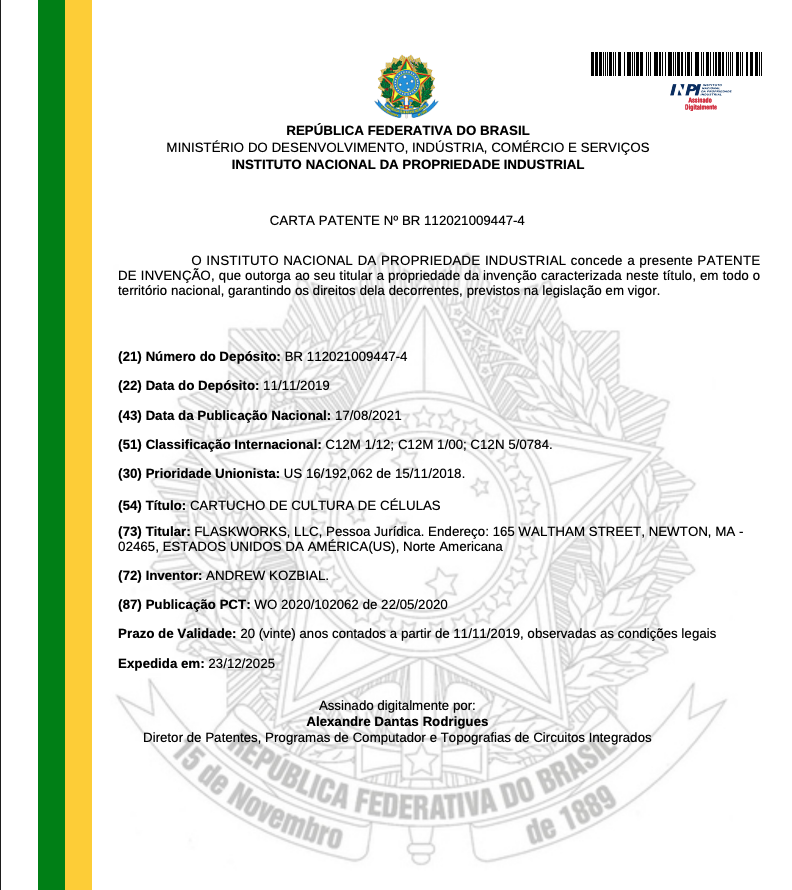
#Flaskworks patent granted on September 4, 2025 - MX/a/2021/005760 🇲🇽 - "Dendritic cell generating apparatus and method"
https://t.co/lof73OH4mN
$NWBO


#Flaskworks patent granted on November 20, 2025 - 🇦🇺 AU2020329966: "Duty cycle for cell culture systems"
https://t.co/XgWogFPzdx
$NWBO

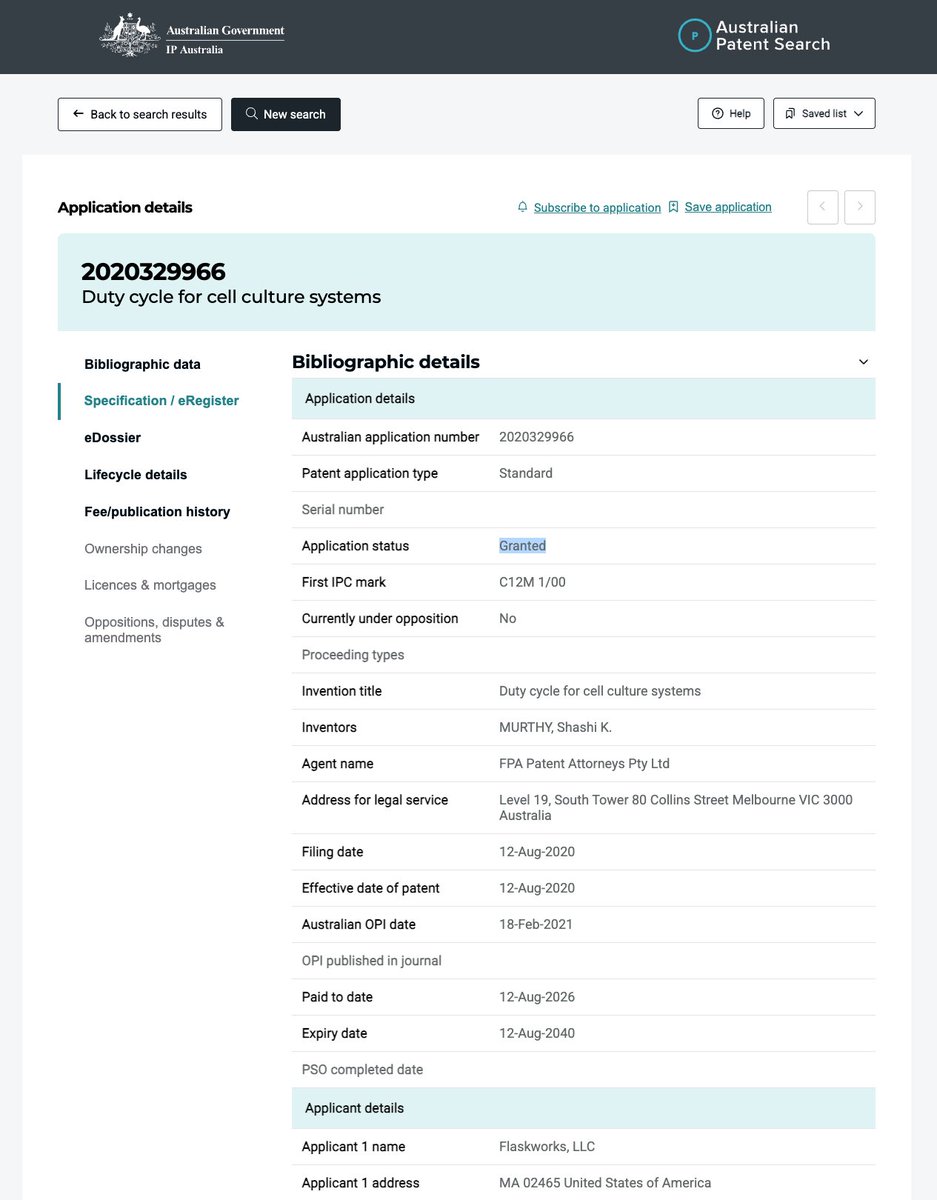


Most Popular Users

Elon Musk 
@elonmusk
241.2M followers

Barack Obama
@barackobama
119.1M followers

Cristiano Ronaldo
@cristiano
112.9M followers

Donald J. Trump
@realdonaldtrump
111.8M followers

Narendra Modi
@narendramodi
107.1M followers

Rihanna
@rihanna
98.3M followers

NASA
@nasa
92.3M followers

Justin Bieber
@justinbieber
91.5M followers

KATY PERRY
@katyperry
89M followers

Taylor Swift
@taylorswift13
82.9M followers

Lady Gaga
@ladygaga
74.4M followers

Virat Kohli
@imvkohli
71.9M followers

Kim Kardashian
@kimkardashian
70.5M followers

YouTube
@youtube
68.8M followers

Neymar Jr
@neymarjr
64.9M followers

Bill Gates
@billgates
64.6M followers

The Ellen Show
@theellenshow
62.4M followers

Selena Gomez
@selenagomez
62.1M followers

CNN
@cnn
61.8M followers

X
@x
60.8M followers