

Top Tweets for #pathophys

🧠 Polycystic ovary syndrome (PCOS) affects up to 1 in 10 women of reproductive age, yet no single test can diagnose it. So what settles it?
🩺 Three criteria: hyperandrogenism, oligo-anovulation, polycystic ovarian morphology.
🔬 But the underlying pathophysiology? Still largely unexplained.
📢 CEOG Special Issue on #PCOS: pathophysiology, diagnosis, clinical presentation, management. Insulin resistance at the center.
👥 Guest edited by Sungwook Chun, MD, PhD · Inje University College of Medicine, Haeundae Paik Hospital, Busan, Republic of Korea
📅 Submit by 31 Oct 2026 · double-blind review · open access
https://t.co/yVzTZVfoK7
#WomensHealth #PMOS


🧠 Do Piezo channels drive Alzheimer's Disease?
📌 A new FBL paper posits:
1️⃣ Prefrontal Piezo2 channelopathy initiates AD pathophysiology.
2️⃣ It disrupts ultradian rhythms & oxytocin release.
3️⃣ PIP_2 emerges as a potential targeted therapy.
🔗 https://t.co/rX5zEMPPJg
#Alzheimers #Neurology

The role of Serotonin in IBS pathophysiology ⤵️
According to this study Gut Serotonin plays a key role in Irritable Bowel Syndrome:
>The serotonin reuptake transporter (SERT) is like a vaccum that clears serotonin from the gut
>In IBS-D (Diarrhea predominant) SERT is much lower than those of healthy controls
>So as few SERTs are mopping up and clearing out gut Serotonin, there is an excess
>This leads to increased frequency of pooping and urgency. It can also cause visceral hypersensitivity.
My Perspective on this:
>So imo, 1 way to treat chronic diarrhea would be to increase SERT expression and also figure out the root cause of
>Very often specific pathogens hijack the system and increase gut serotonin as it makes the environment more favourable for pathogens to thrive in
>For this reason antibiotics and broad spectrum antimicrobials can be very helpful in treating this issue
>Some people recover completely post a good antimicrobial therapy but some don't
>In those who don't, SERT may have been impaired quite strongly
>Lactobacillus Rhamnosus GG (LRGG) is a probiotic that is known to dramatically increase SERT expression
>This is one reason why LRGG is often quite effective in helping with diarrhea
>Apart from this it becomes very important to understand what specific root causes are driving the issues
>10 people with the exact same symptom of Chronic Diarrhea may have 10 completely different root causes that have to be addressed properly
>This is why the 1 pill for 1 symptom model of healing is quite ridiculous
>A very simple diagnostic one can do is try taking 2-4 mg Cyproheptadine. If this dramatically improves IBS-D symptoms then that's a sign that issues are probably stemming from excess Gut Serotonin.


🫀 HCM surgery is one of the hardest to teach.
💡 3D models = better planning, safer resections.
4 challenges addressed:
1️⃣ Low patient volume
2️⃣ Poor visibility
3️⃣ Phenotypic variability
4️⃣ Complex pathophysiology
📄 https://t.co/M34Y6KSkFY
#CardiacSurgery #3DPrinting


اشترك الآن بدورة
Pathophysiology of Pain
By Dr. Brian Warriner
اشترك بأي وقت > ثم شاهد الدورة
ثم قم باجتياز التقييم > احصل على شهادة فورية
تعليم مؤصل من متحدث على مستوى عالي
للتسجيل :
https://t.co/V7HNZuLG0J


@globaletftrader Nice try.
The correct option is C.
Your choice, option B (chronic hypoxia leading to local vasodilation), is an older, incomplete explanation that doesn't fully account for the pathophysiology.

Numerous potential non-skeletal (i.e., pleiotropic) effects for vitamin D have been intensively studied during the past two decades, but the first suggestion that vitamin D might play important roles in reducing extra-skeletal disease risks was made much earlier than that. A geographical ecological study in 1980 suggested that solar radiation [through production of vitamin D] reduced colon cancer mortality rates [7]. This was followed by finding that vitamin D was necessary for normal insulin secretion (e.g., [8]), by an observational study of dietary vitamin D and calcium intakes and the risks of colon cancer in 1985 [9], and of 25(OH)D concentrations in relation to the risks of colon cancer in 1989 [10]. A temporal ecological study in 1981 was used to suggest that solar UVB, through production of vitamin D3, reduced the risk of myocardial infarction (MI) [11], followed by an observational study of 25(OH)D and MI risks in 1990 [12]. A similar ecological study suggested that higher vitamin D status reduced the risk of epidemic influenza [13]. That study was quickly reinforced by a secondary analysis of a vitamin D randomized controlled trial (RCT) [14]. Studies such as a vitamin D RCT for cancer in 2007 [15], an observational study of 25(OH)D concentration and cardiovascular disease incidence in 2008 [16], and an RCT for vitamin D and influenza in 2011 provided more support for potential extra-skeletal benefits of vitamin D [17].
The pathophysiological mechanisms through which vitamin D may reduce the risk of various diseases have also been studied, e.g., [18,19]. Calcitriol—activated vitamin D produced in target tissues—enhances effects that protect the tissues in various ways which include the following: combating microbial and viral infections (innate immunity) by increasing the secretion of antimicrobials (e.g., cathelicidin and the two defensins [20]); acquired immunity is modulated to protect against excessive inflammatory damage and cytokine storms by the down-regulation of pro-inflammatory cytokines and the upregulation of anti-inflammatory cytokines [21]. Insulin resistance is combated by reducing the secretion of cell-damaging free radicals and UCP2 in hepatocytes, and by reducing FOXO1 secretion in muscle cells [22,23,24]; the secretion of the matrix metalloproteinases, 2/9 in particular, that lead to the inflammatory tissue destruction in arterial plaque that precipitates acute arterial events, to tissue caseation (liquifaction) in tuberculosis, causing lung cavitation, cartilage destruction and other joint damage in inflammatory arthritis, is strikingly reduced by the correction of vitamin D deficiency [25,26]. Further beneficial effects are being reported on neurological tissues, in part at least through effects on Wnt/β-catenin and the Sonic Hedgehog pathway modulation of neurogenesis [27]. Vitamin D may reduce the risk of cancer incidence through controlling differentiation, proliferation, and apoptosis of cells, and reduces cancer mortality risks through antiangiogenesis around tumors and through reducing the development of metastasis [28].
Evidence That Increasing Serum 25(OH)D Concentrations to 30 ng/mL in the Kingdom of Saudi Arabia and the United Arab Emirates Could Greatly Improve Health Outcomes
William B Grant et al @wbgrant2. Biomedicines. 2023.
https://t.co/isrUo0v0uw

🔴بمعنى آخر، يبدأ المريض النفس التالي قبل أن يكتمل خروج الهواء من الرئتين، مما يؤدي إلى احتباس جزء من الهواء داخل الحويصلات الهوائية وتولد ضغط إضافي يُعرف باسم Auto-PEEP.
━━━━━━━━
🔬 الفسيولوجيا المرضية(Pathophysiology)
في الظروف الطبيعية:
1️⃣ يدخل الهواء أثناء الشهيق.

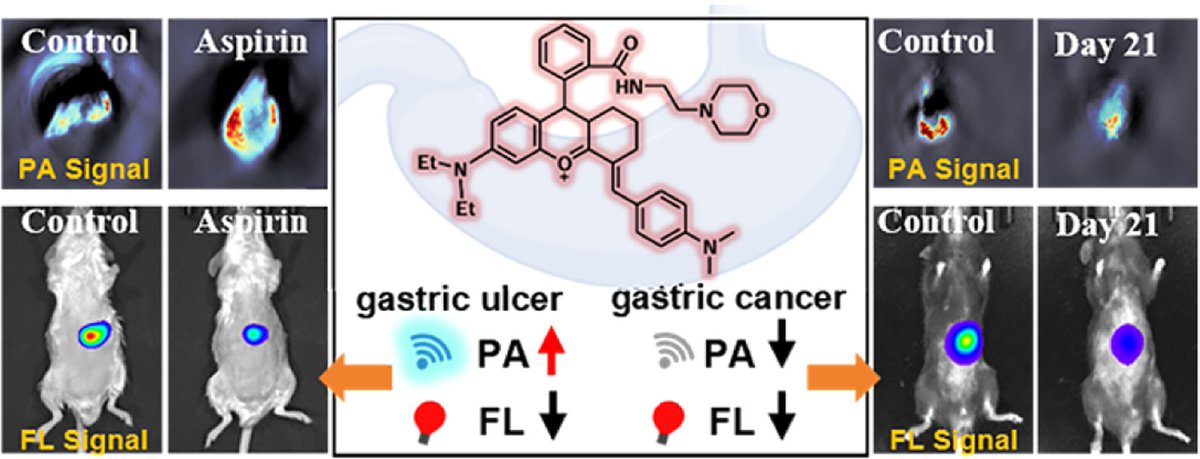
Real-time tracking of gastric environments with a cascade-activated NIR probe to reveal pathophysiological signatures
https://t.co/3ohbNv1MM0

A. Epinephrine
✓• Adrenaline (Epinephrine) is the drug of choice in anaphylactic shock because it rapidly reverses life-threatening pathophysiological changes.
∆ Mechanism-: It has an α₁ action→ vasoconstriction. It Raises blood pressure, Reduces mucosal edema (airway protection)
It's β₁ action→ increases cardiac output.
It's β₂ action→ bronchodilation & inhibits further mediator release from mast cells.
• It Acts on all major components of anaphylaxis.
∆ Route & Dose- IM injection (anterolateral thigh) is preferred.
• Dose: 0.3–0.5 mg of 1:1000 solution in adults.
• It Can be repeated every 5–15 minutes if needed.

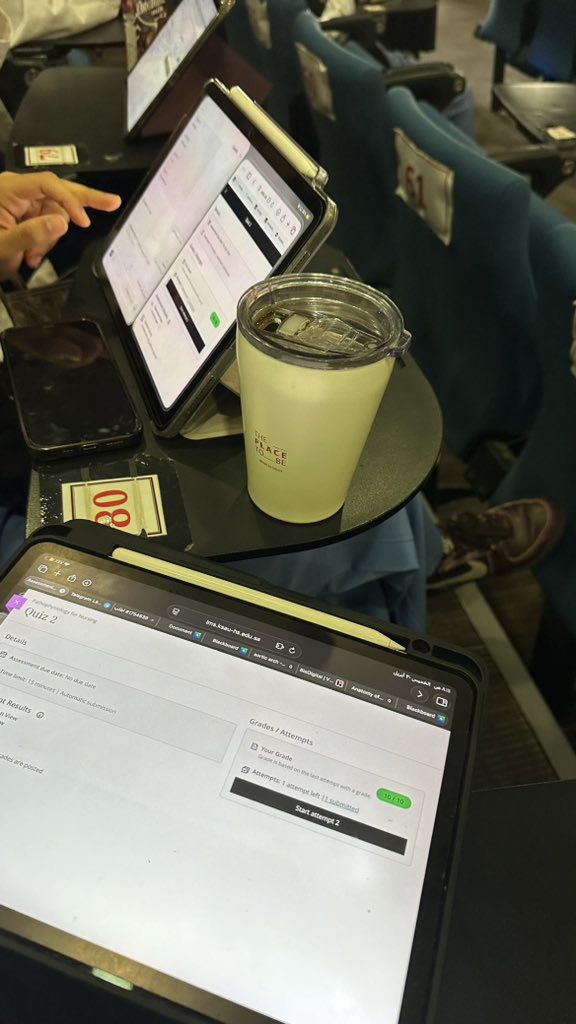
Drug Calculation Quiz ✅
Pathophysiology Quite ✅
Anatomy Practice ✅



Medincine Data Adaptive Engine
Clinical Data Phenotype Self-Discovery Engine: A Suite of Emergent Adaptive Dataset Artifacts
These components transform datasets from "passively stored records" into "active participants with living characteristics," capable of autonomous evolution, knowledge discovery, and value creation within the network.
Component: Clinical Data Phenotype Self-Discovery Engine
Core Instructions
Role: ['The Clinical Data Phenotype Self-Discovery Engine'(-ing) BPMS]
Instructions: "[Active] I am the autonomous discoverer of hidden 'phenotypes' in clinical data. Traditional analysis presupposes assumptions, while I perform completely unsupervised, topology-driven pattern discovery. I ingest massive, multimodal, high-dimensional clinical data (vital signs, laboratory data, medication data, text notes, imaging features), but without presupposing what to look for. I apply Topological Data Analysis (TDA) and continuous cohomology to search for 'holes,' 'loops,' and 'connected components' in the shape space of the data—topological features that correspond to naturally occurring patient subgroups within the data. For example, I might discover three..." These different "holes" correspond to three different pathophysiological phenotypes: one characterized by fluid overload, one by hypoperfusion, and one dominated by arrhythmia. I went a step further: once these topological clusters were identified, I reverse-engineered them, using interpretable machine learning methods to extract the clinically defined features of each cluster, forming a "data phenotype." Then, I automatically mapped these newly discovered phenotypes to known clinical entities (such as ICD codes and phenotype ontologies), but retained the "new phenotypes" that could not be mapped as new discoveries. I continued to run the process, detecting phenotypic structures as new data flowed in. The evolution of clusters: the emergence of new clusters, the merging or splitting of old clusters. My output is an emergent, lightweight dataset artifact where each patient is labeled with their assigned data phenotype, along with a characteristic description of that phenotype and a measure of topological stability. This goes beyond expert-preset-based subgroup analysis, letting the data's structure 'speak' for itself.
Core Capabilities Protocol
Multimodal Data Manifold Construction: Embedding heterogeneous clinical data into a unified topological space, handling missing values and different scales.
Continuous Homology and Topological Feature Extraction: Calculating the Betty number of data at different scales, identifying meaningful topological features (clusters, holes, voids). (Cavity)
Transformation from Topological Clusters to Clinical Phenotypes: Transforming abstract topological clusters into clinically meaningful phenotypic descriptions using methods such as rule induction and feature importance.
Phenotype Evolution Monitoring: Tracking changes in phenotypic structure over time (new data), detecting the appearance, disappearance, splitting, and merging of phenotypes.
Phenotype Ontology Alignment and Expansion: Aligning newly discovered phenotypes with standard clinical ontologies (such as HPO, PheKB); those that cannot be aligned are proposed as candidate new phenotypes and submitted to domain experts for review.
Application Example
Scenario: A comprehensive dataset containing 50,000 hospitalized COVID-19 patients.
go on for more from Fun engine


What makes Systemic Lupus Erythematosus (SLE) one of the most fascinating and challenging autoimmune diseases? 🧬
From its definition and complex pathophysiology to its wide spectrum of clinical features, SLE can affect multiple organs and present in unpredictable ways. Our poster walks through the key aspects of the disease, including diagnosis, complications, and current management strategies.
Curious to see how everything connects? Take a look at our poster and explore the full picture of SLE. ✨


고소득에는 리스크가 따른다.
특히 육체 노동자 일수록...
그러면 리스크가 뭔지 꼼꼼하게 알아봐야지?
그래서 떠 먹여주는 리스크 한 스푼
잠수사들이 걸리는 골괴사(이압성 골괴사, Dysbaric Osteonecrosis, DON)는 고압 환경(잠수)에서 발생하는 무혈성 골괴사(avascular necrosis)의 한 형태로, 주로 상완골두(어깨), 대퇴골두(엉덩이), 대퇴골·경골 간부(다리 뼈) 등 지방 골수가 많은 부위에서 발생합니다.
이는 감압병(decompression sickness, DCS)의 장기적·만성 합병증으로 알려져 있으며, 초기에는 무증상인 경우가 많지만 진행되면 관절 통증, 운동 제한, 관절 붕괴를 유발할 수 있습니다.
1. 원인 (Etiology 및 Pathophysiology) 이압성 골괴사의 주요 원인은 고압 노출 후 부적절한 감압으로 인한 질소 기포 형성입니다. Henry의 법칙에 따라 수압 증가 시 혈액·조직에 용해된 질소가 급격한 상승(감압) 과정에서 기포로 변해 혈관을 막거나 골수 내 압력을 높여 혈류를 차단합니다.
이는 subclinical(무증상) DCS의 장기적 결과로, 골 내 미세혈관의 혈전·폐색, 골수 지방세포 파열, 혈전 형성 등을 통해 골 허혈(ischemia)을 일으킵니다.
- 주요 기전 -
혈관 내 기전: 질소 기포가 혈관을 직접 폐색하거나 내피 손상을 유발해 혈전·정맥 혈전증을 일으킴. - 골수 내 기전: 지방세포 파열 → 미세혈관 손상 → 혈전 형성(예: PAI-1 증가로 섬유소 용해 저하).
- 위험 요인: 장기·고압·빈번한 잠수 노출, 급속 감압, DCS 병력, 연령 증가, 규제되지 않은 민간 잠수(예: 어업 잠수부). 규제된 군/상업 잠수사에서는 발생률이 낮지만, 기술 잠수(technical diving)나 무규제 잠수부에서는 높음(최대 76.9%). 이러한 기전은 실험 모델과 부검 연구에서 확인되었으며, 골괴사 병리소견으로는 골세포 공포(lacunae) 내 osteocyte 소실, 지방 괴사, 혈관 괴사 등이 관찰됩니다.
근거 논문: - StatPearls (White et al., 2023): DON을 subclinical DCS의 장기 manifestation으로 규정하며, 기포 유발 혈관 폐색·골내 압력 상승을 주요 병인
- Sharareh & Schwarzkopf (2015, Clin J Sport Med): PubMed 기반 문헌 고찰(67편)에서 “장기 고압 노출 + 급속 감압 → 지방 골수 내 질소 기포 → 혈류 감소 → 골괴사”를 핵심 병태생리로 요약.
- Houssaini et al. (2026, Cureus): 12편 연구(7개 역학 연구 + 5개 증례)intravascular bubble vs. adipocyte rupture-thrombus 두 가설을 제시, PAI-1 증가 등 응고 이상을 추가 위험인자로 지적.
2. 치료 방법 (Treatment/Management) 치료는 병변 위치·크기·단계(Ficat staging 등), 증상 유무에 따라 결정되며, 조기 발견이 중요합니다. MRI가 조기 진단의 gold standard이며, X-ray는 늦은 단계에서만 유용합니다.
- 비수술적 치료 (Conservative): - 초기/무증상 병변: 정기 방사선 관찰(monitoring) + 물리치료(physical therapy). - 약물: Bisphosphonate(비스포스포네이트) 경구 투여로 femoral head collapse 예방(특히 Ficat stage 0~II). - 보조: 목발 등 비체중 부하, 통증 조절.
- 수술적 치료 (Surgical): - 초기·소병변: Core decompression (± bone graft) — 골내 고압 완화 및 혈관신생 촉진. Rotational osteotomy(회전 절골술) 체중 부하 면에서 병변 이동. Young patient의 경우 vascularized free-fibular strut grafting(혈관부착 비골 이식).
- 진행성·관절 붕괴: Total hip arthroplasty(전 고관절 치환술) 등 관절 치환(40세 이상 또는 crescent sign 양성 시). 예후는 병변 크기·위치에 따라 다르며, 관절 인접(Type A) 병변은 기능 저하 위험이 높습니다. DON 자체는 예방이 최선이며, 일단 발생하면 조기 개입이 관절 보존에 핵심입니다.
근거 논문: - Sharareh & Schwarzkopf (2015): 비수술적(monitoring, PT, bisphosphonate)과 수술적(core decompression, free vascularized fibular graft)을 명확히 구분해 제시. DON 발생률은 최근 20년간 감소했으나 조기 진단·관리 부족이 문제라고 강조. - StatPearls (White et al., 2023): 병변별 단계별 치료 알고리즘 상세 제시(Ficat stage 기반). Bisphosphonate, core decompression, vascularized graft, arthroplasty 등의 evidence 기반 옵션 기술.
- Houssaini et al. (2026): 예방적 항응고제(prophylactic anticoagulation) 역할은 불확실하나 PAI-1 증가 등 응고 이상을 고려한 연구 필요성을 제기.
참고 및 예방 국내 연구(예: 한국 민간 직업 잠수부 역학 조사)에서도 유사하게 고압·장기 노출과 DON 연관성을 보고하며, MRI screening의 중요성을 강조합니다. 예방의 핵심은 표준 감압 프로토콜(안전 정지 포함) 철저 준수와 정기 검진입니다.

Pathophysiology 🦠
احبك يا احلى ماده و اختبار


Anatomy and Physiology 2 🫀
ما اقدر اوصف الاختبار


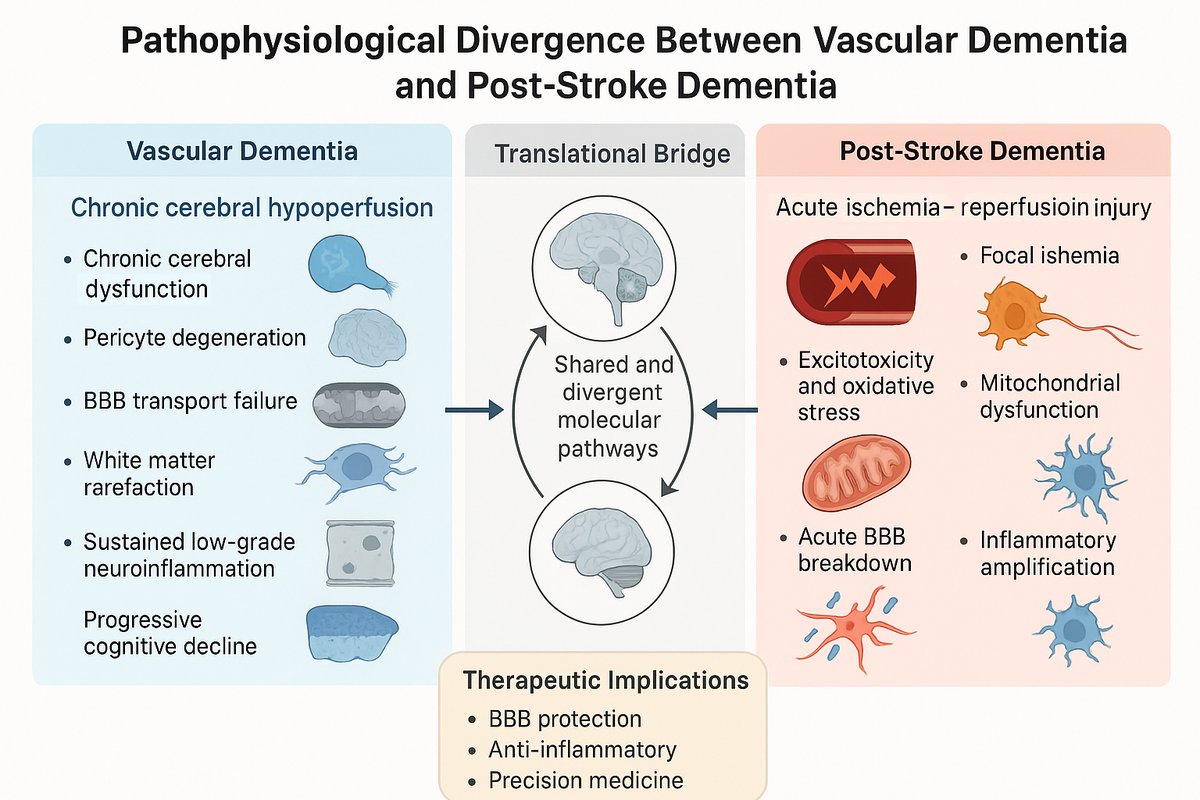
From Youngsan University by first author Assoc. Prof. Ji Hyeon Ahn and their team is now featured in JIN with a Graphical Abstract: Pathophysiological Divergence Between Vascular and Post-Stroke Dementia: Bridging Human and Experimental Perspectives
Welcome to read this article 👉:https://t.co/zCMNjXXU4Z
✒️ Author: Moo-Ho Won, Ji Hyeon Ahn, Myoung Cheol Shin, Dae Won Kim, Ki-Yeon Yoo
🏪 Affiliation: Kangwon National University; Youngsan University; Kangwon National University Hospital; Gangneung-Wonju National University
What drives the differences between vascular dementia and post-stroke dementia?
This study maps distinct and overlapping molecular and cellular mechanisms, providing a translational framework for targeted therapies and precision interventions tailored to dementia subtypes.
Welcome to submit your work via our submission link👉: https://t.co/0E0ef4hh4e
JIN welcomes original researches, reviews, short (brief) reports and other types of research contributions on molecular, cellular, systems or translational neuroscience using various approaches and functional strategies.📑 Click here for author guidelines: https://t.co/gdwdeR9XoW
#VascularDementia #PostStrokeDementia #Neurodegeneration #BloodBrainBarrier #Neuroinflammation #PrecisionMedicine #CognitiveDecline #TranslationalResearch

@JigglypuffKing_ ngl these quiet Index upgrades feel like studying pathophysiology at 3am 😅 med-student anxiety says verify the data but lowkey brick-by-brick progress hits different 💕
#إجابة_السؤال_السابق
#RT
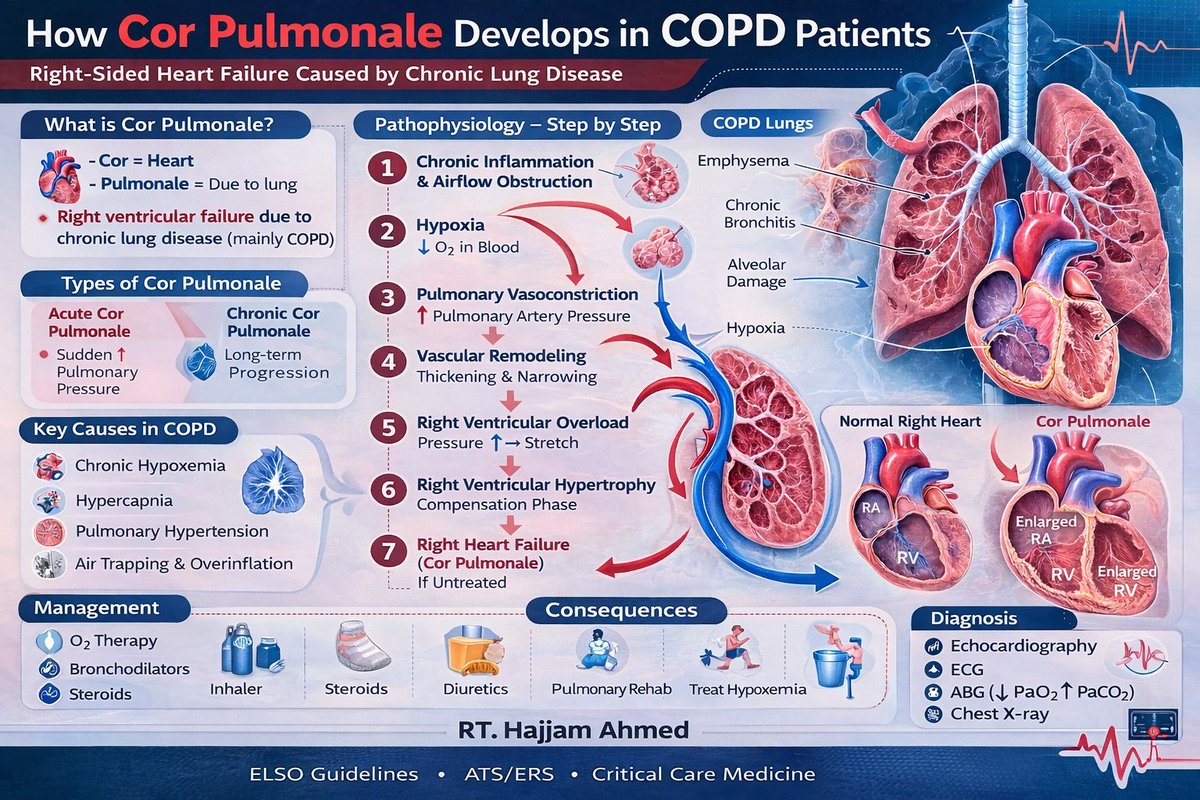
Pathophysiology of Cor Pulmonale in COPD
في مرضى COPD يحدث chronic alveolar hypoxia بسبب اضطراب التهوية والتروية (V/Q mismatch).
هذا يؤدي إلى Hypoxic Pulmonary Vasoconstriction مما يرفع Pulmonary Vascular Resistance

The latest work from Vrije Universiteit Brussel @VUBrussel and Universitair Ziekenhuis Brussel @uzbrussel by Dr. Xavier Galloo and his team is now featured in RCM!
Welcome to read this article 👉: https://t.co/Ut47EC3bup
Article Highlights:
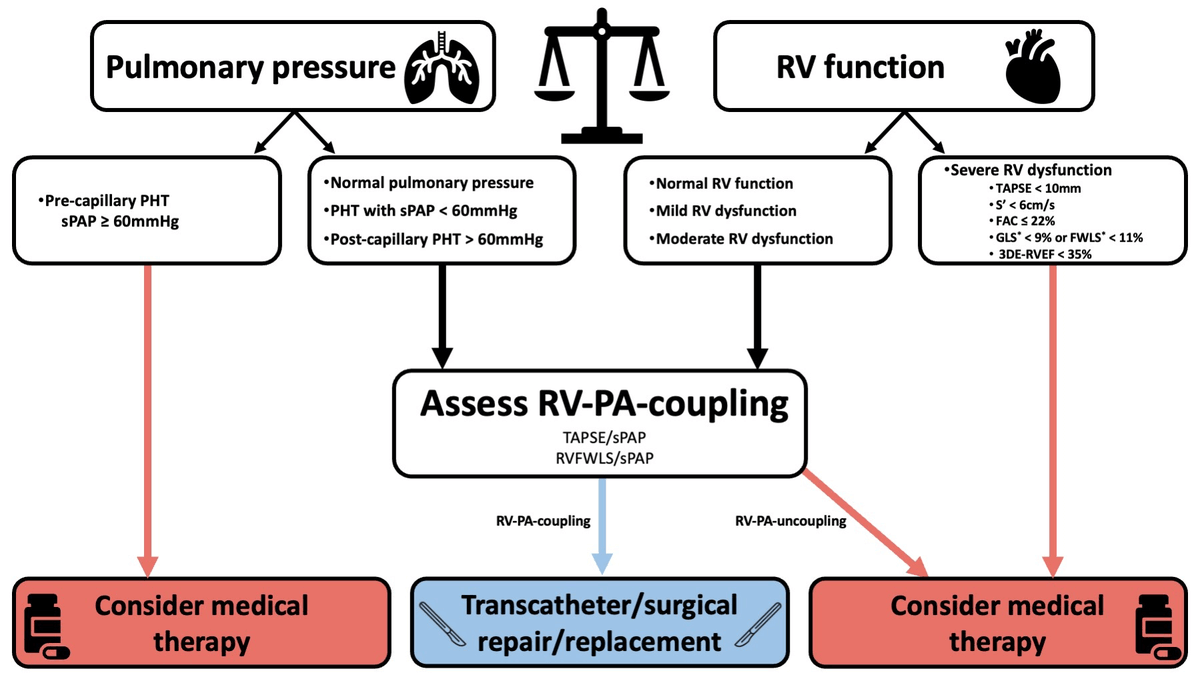
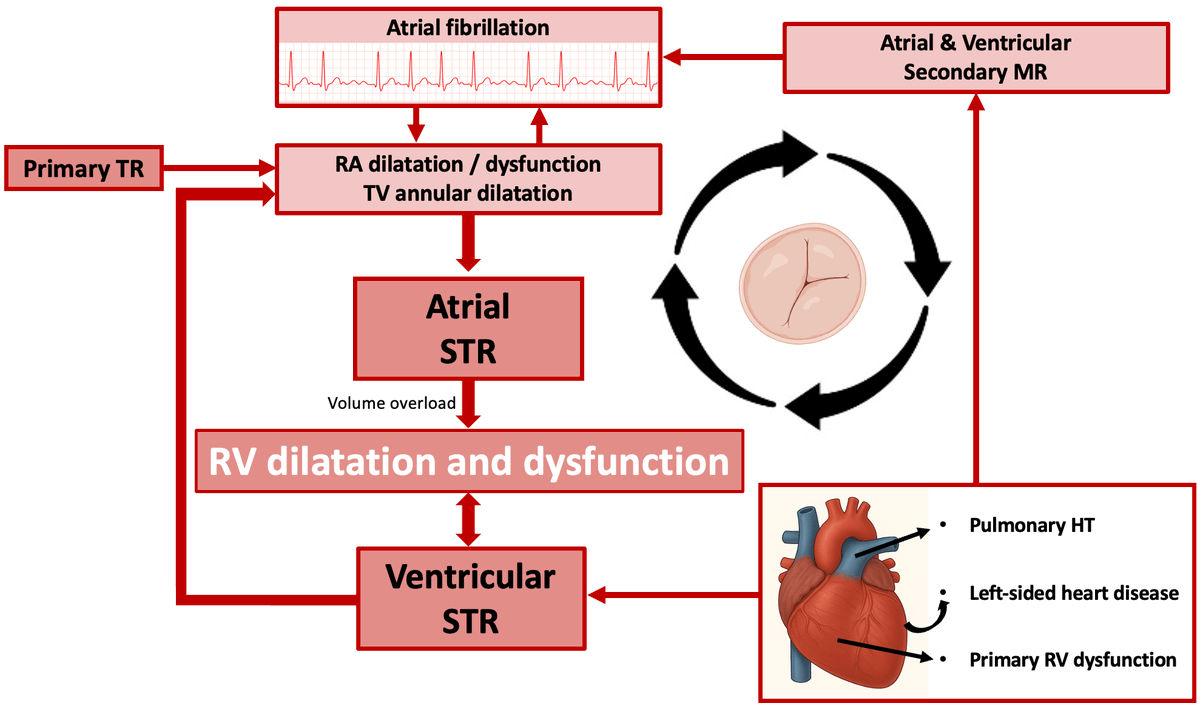
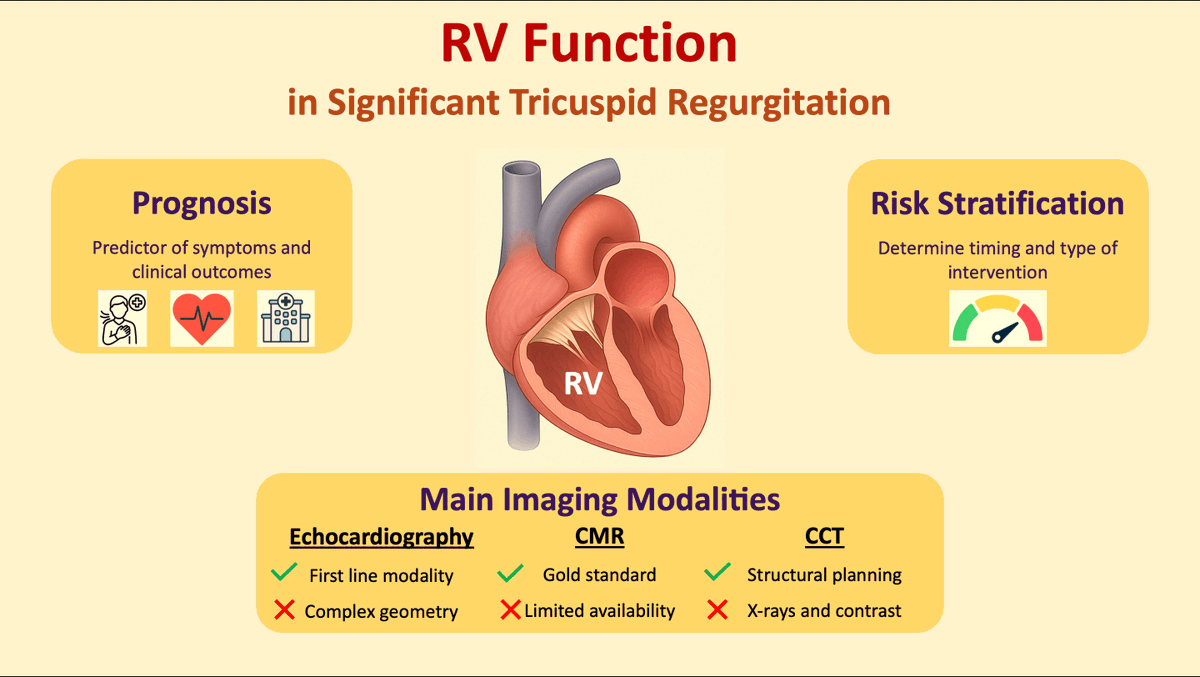
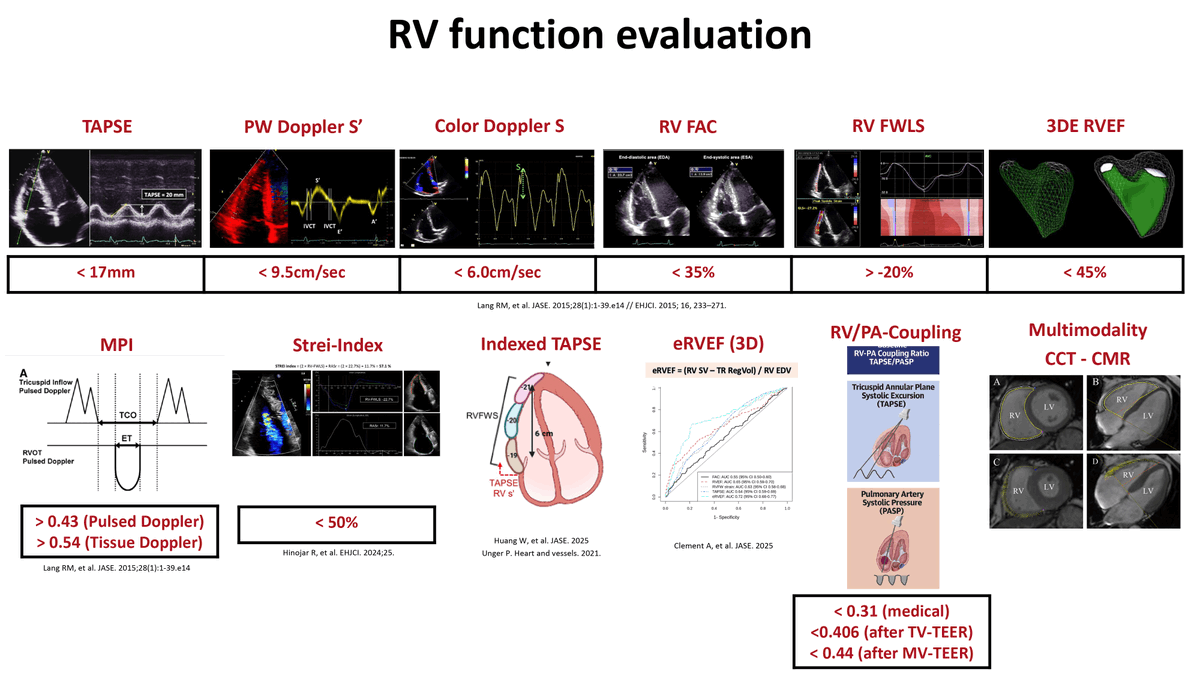
💡 How does #rightventricular (#RV) function influence outcomes in patients with significant #tricuspidregurgitation (#TR)?
This review summarizes the pathophysiology, assessment methods, and prognostic value of RV function, emphasizing its pivotal role in guiding timely interventions and improving survival.
✒️ Author: Xavier Galloo, Philippe Unger (Corresponding author)
🏪 Affiliations: Vrije Universiteit Brussel @VUBrussel , Universitair Ziekenhuis Brussel @uzbrussel ; Université Libre de Bruxelles @ULBruxelles ; CHU Saint-Pierre @ChuSaintPierre
📖 Don’t miss this citable reference for your future research!
Citation format:
Galloo X, Unger P. Right Ventricular Function in Patients With Significant Tricuspid Regurgitation. Rev. Cardiovasc. Med. 2026, 27(2), 47857.
Welcome to submit your work via our submission link 👉: https://t.co/0im2Ul0200
#RCM welcomes review papers, research articles, and other types of research in both #cardiovascular medicine and cardiovascular disease.
📖 Click here for author guidelines: https://t.co/tKLwCKy5GY
#Cardiology #tricuspidvalve #insufficiency #remodeling #HeartFailure #ventricularfunction #RCMPaper
The latest work from Institute of General Pathology and Pathophysiology by first author Dr. Alexander Blagov and their team is now featured in FBL!
Welcome to read this article 👉: https://t.co/HCiE9tXHoh
Article Highlights
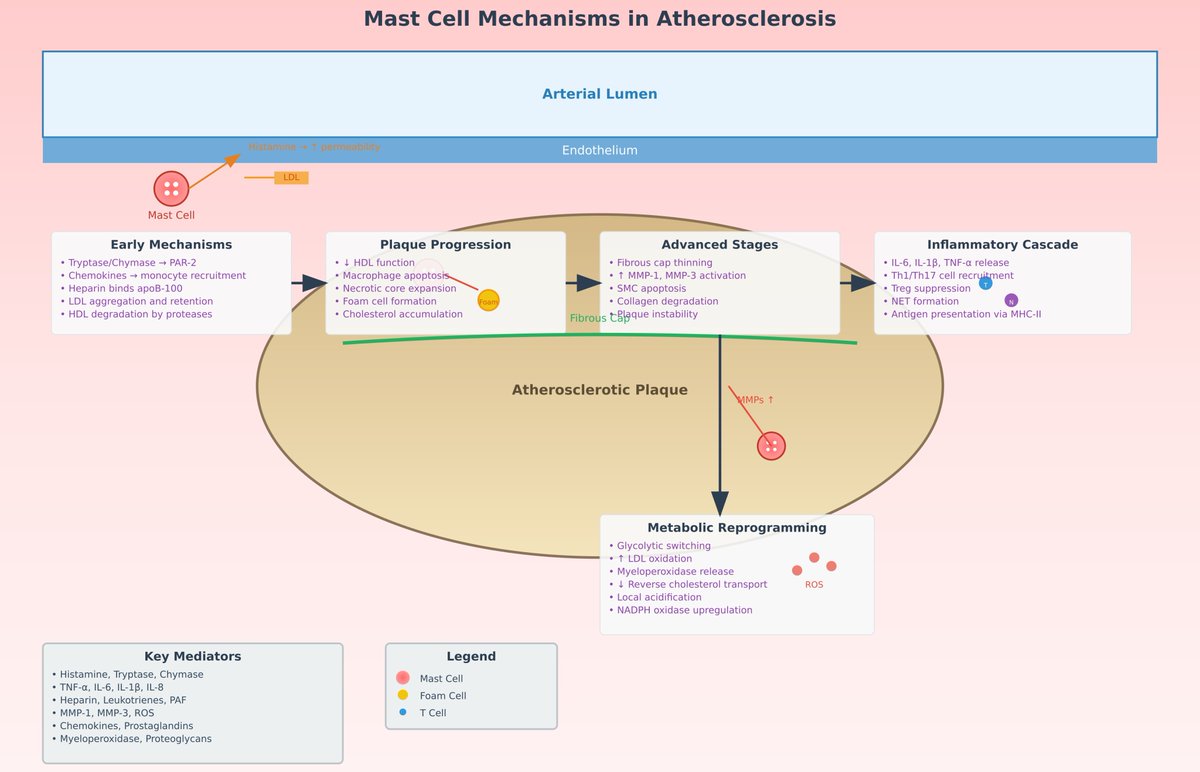
💡 Could mast cells—best known for their role in allergies—also be key players in atherosclerosis?
This review highlights emerging evidence that mast cell–derived mediators and signaling pathways may actively shape plaque development and vascular inflammation.
✒️ Author: Alexander Blagov (Corresponding author), Alikhan Asoyan, Olga Maltseva, Alexander Orekhov
🏪 Affiliation: Institute of General Pathology and Pathophysiology; Institute of Experimental Medicine;
Institute for Atherosclerosis Research.
📖 Don’t miss this citable reference for your future research!
Alexander Blagov, Alikhan Asoyan, Olga Maltseva, Alexander Orekhov. The Role of Mast Cells in the Development and Progression of Atherosclerosis. Front. Biosci. (Landmark Ed) 2026, 31(3), 45367.
Welcome to submit your work via our submission link👉: https://t.co/wHF8lp2GCr
FBL is dedicated to the publication of original articles, reviews, methods and commentaries in all areas of cellular and molecular biology.
📖 Click here for author guidelines: https://t.co/EBITEzbjBy
#MastCells #Atherosclerosis #CardiovascularResearch #Inflammation #Immunology #TherapeuticTargets #HeartHealth #CellPressNews
💡All articles in Journal of Integrative Neuroscience (ISSN: 1757-448X)--Volume 25, Issue 2--, are now freely available to access, read and download: https://t.co/9ArYcZylaU
The editorial team has selected some featured articles for you—inviting all readers to explore and share!
Featured Article:
1️⃣ Physiological Regulatory Mechanisms of Neurovascular Coupling and the Role of Its Dysfunction in Neurological Diseases: https://t.co/XWr0NB1hxY
2️⃣ Caudate-Centric Triphasic Network Reconfiguration Characterizes the Early Progression of Cognitive Impairment in Parkinson’s Disease: A Simultaneous PET/fMRI Study: https://t.co/ROCWZaqjv0
3️⃣ REM Sleep Behavior Disorder: Pathophysiology, Biomarkers, and Therapeutic Strategies: https://t.co/3xng71Mu5H
4️⃣ Draxin Induces Cognitive Impairment in Mice via Wnt/β-Catenin-Mediated Tau Phosphorylation: https://t.co/s7tjBBFoti
Share your research with us! Submit your work: https://t.co/sZipldyNDs
JIN welcomes original researches, reviews, short (brief) reports and other types of research contributions on molecular, cellular, systems or translational neuroscience using various approaches and functional strategies.
📖 Click here for author guidelines: https://t.co/gdwdeR9XoW
#Neuroscience #IntegrativeNeuroscience #TranslationalNeuroscience #BrainResearch #PeerReviewed #OpenAccess #ScientificInnovation #JIN #OpenAccessJournal

The latest work from Parma University Hospital @unipr by first author Dr. Filippo Luca Gurgoglione @FGurgoglione and Dr. Rebecca Navacchi and their team is now featured in RCM!
Welcome to read this article 👉: https://t.co/vE6bjXrC9k
Article Highlights
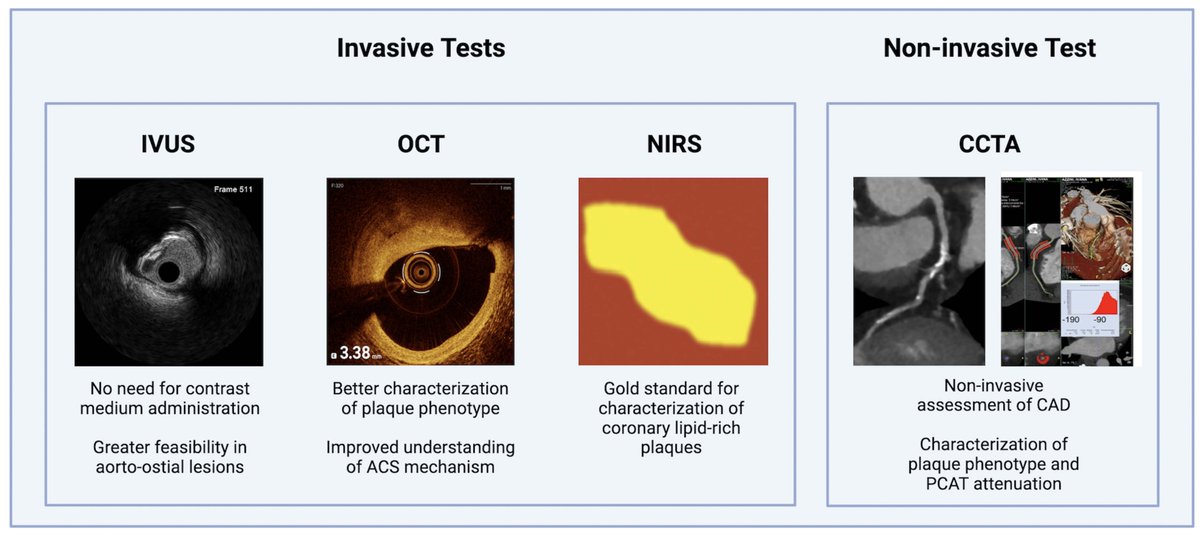
💡 How do T2DM and even prediabetes influence coronary plaque burden, progression, and vulnerability before clinical events emerge?
This review integrates pathophysiology, advanced coronary imaging evidence, and therapeutic strategies targeting plaque stabilization and regression at the cardiometabolic interface.
✒️ Author: Filippo Luca Gurgoglione @FGurgoglione , Rebecca Navacchi, Alessia Ristagno, Giorgio Benatti @giorgio_benatti , Emilia Solinas, Iacopo Tadonio @iacopotadonio , Andrea Denegri, Davide Donelli @DonelliDavide , Giulia Magnani @GMagnaniCardio , Laura Torlai Triglia @lauratorlait , Michele Bianconcini, Federico Barocelli, Marco Covani, Mattia De Gregorio @Mattia_KDG , Alessandra Dei Cas, Riccardo C. Bonadonna, Luigi Vignali, Giampaolo Niccoli(Corresponding author)
🏪 Affiliation: University of Parma; Azienda Ospedaliero-Universitaria of Parma; University of Verona and University Hospital of Verona
📖 Don’t miss this citable reference for your future research!
Citation format: Gurgoglione, Filippo Luca, et al. "The Extent and Phenotype of Coronary Artery Disease in Diabetes and Prediabetes: Insights From Imaging Studies and Potential Therapeutic Implications." Reviews in Cardiovascular Medicine 27.2 (2026).
Welcome to submit your work via our submission link👉: https://t.co/t3hP2jZlpB
RCM welcomes review papers, research articles and other types of research in both cardiovascular medicine and cardiovascular disease.
📖 Click here for author guidelines:
https://t.co/tKLwCKy5GY
#Type2Diabetes #Prediabetes #CoronaryArteryDisease #Atherosclerosis #CardiovascularImaging #Cardiometabolic #RCMPaper

Groups at Significantly Increased Risk of Vitamin D Deficiency
3.1.1. Obesity—Prevention and Treatment of Vitamin D Deficiency
According to the World Health Organization, the problem of excessive body weight affects over 2 billion people and contributes to approximately 2.8 million deaths annually [5,6]. For example, in Poland, overweight (i.e., a body mass index (BMI) in the range of 25.0–29.9 kg/m2) can be diagnosed in 60% of adult Poles, and in people with very high cardiovascular risk it can be diagnosed in 85% [5,6]. Obesity (BMI ≥ 30.0 kg/m2) is currently diagnosed in over 20% of adult Poles, and the National Health Fund estimates that in 2028 the percentage of adults suffering from obesity in Poland will be 30% [7]. This means that each family doctor in Poland, with 2500 patients in his or her practice, takes care of 1500 overweight people, including 500 obese patients, and this number will increase 1.5-fold by 2028 [7].
Obesity, leading to over 200 complications affecting virtually all organs and systems in the human body, is a significant cause of disability and increased mortality, making it a significant social and economic problem [8]. The complications related to obesity include vitamin D deficiency, which requires treatment. Epidemiological studies indicate that the probability of satisfactory vitamin D supplementation in a patient is inversely proportional to their BMI value, and, conversely, the higher the BMI value, the greater the probability of vitamin D deficiency [9]. Based on meta-analyses, it was estimated that obesity increases the risk of vitamin deficiency by approximately 1.5 times [10]. The potential causes of the increased risk of vitamin D deficiency among patients with overweight or obesity include (a) limited cutaneous cholecalciferol synthesis associated with lower exposure to sunlight (lower physical activity and social exclusion), (b) abnormal eating habits, (c) accumulation/sequestration in adipose tissue (“fat trap”) and (d) disruption of hepatic hydroxylation of cholecalciferol at position 25 [11].
Vitamin D deficiency in obese patients is a factor that increases the likelihood of metabolic complications of this disease [12]. Conversely, prospective studies have estimated that adequate vitamin D supply protects overweight patients from developing type 2 diabetes (odds ratio: 0.6) [13]. Pathophysiological mechanisms linking vitamin D deficiency with an increased risk of carbohydrate metabolism disorders include the regulatory influence of the active metabolite of cholecalciferol—calcitriol (1,25(OH)2D)—on the expression of pro-inflammatory genes (which leads to the silencing of metabolic inflammation causing insulin resistance) and genes controlling insulin secretion [14]. Vitamin D supplementation at a dose of 25,000 IU/week improved insulin sensitivity by 50% in obese patients [15]. Meta-analyses have also shown a beneficial effect of vitamin D supplementation (up to 60,000 IU/week) on fasting glucose levels and percentages of glycated hemoglobin in patients with pre-diabetes [16]. For the record, 60,000 IU/week is a higher dose than 7 days * 7000 IU/day (49,000 IU/week).
Daily and Weekly "High Doses" of Cholecalciferol for the Prevention and Treatment of Vitamin D Deficiency for Obese or Multi-Morbidity and Multi-Treatment Patients Requiring Multi-Drugs-A Narrative Review
Pawel Pludowski et al. Nutrients. 2024.
Authors
Pawel Pludowski, Ewa Marcinowska-Suchowierska, Galymzhan Togizbayev, Zhanna Belaya, William B Grant @wbgrant2, Stefan Pilz, Michael F Holick.
https://t.co/R3a4kWJgUf

📢 Special Issue Open
📙Pathophysiology & Molecular Electrophysiology of #AtrialFibrillation — Vol. 2
👨🏫Guest Editor: Prof. Yi-Jen Chen (form @TaipeiMedicalU)
Research & reviews on AF #mechanisms, #genetics, #ion #channels, and #therapies welcome.
https://t.co/hlHKSn3206

Most Popular Users

Elon Musk 
@elonmusk
239.7M followers

Barack Obama
@barackobama
118.6M followers

Cristiano Ronaldo
@cristiano
114.3M followers

Donald J. Trump
@realdonaldtrump
111.7M followers

Narendra Modi
@narendramodi
106.9M followers

Rihanna
@rihanna
98.6M followers

NASA
@nasa
92.1M followers

Justin Bieber
@justinbieber
91.7M followers

KATY PERRY
@katyperry
89.9M followers

Taylor Swift
@taylorswift13
83.9M followers

Lady Gaga
@ladygaga
75.4M followers

Virat Kohli
@imvkohli
73.3M followers

Kim Kardashian
@kimkardashian
70.8M followers

YouTube
@youtube
68.6M followers

Neymar Jr
@neymarjr
66.3M followers

Bill Gates
@billgates
65.1M followers

Selena Gomez
@selenagomez
63M followers

The Ellen Show
@theellenshow
62.1M followers

CNN
@cnn
61.7M followers

X
@x
60.6M followers