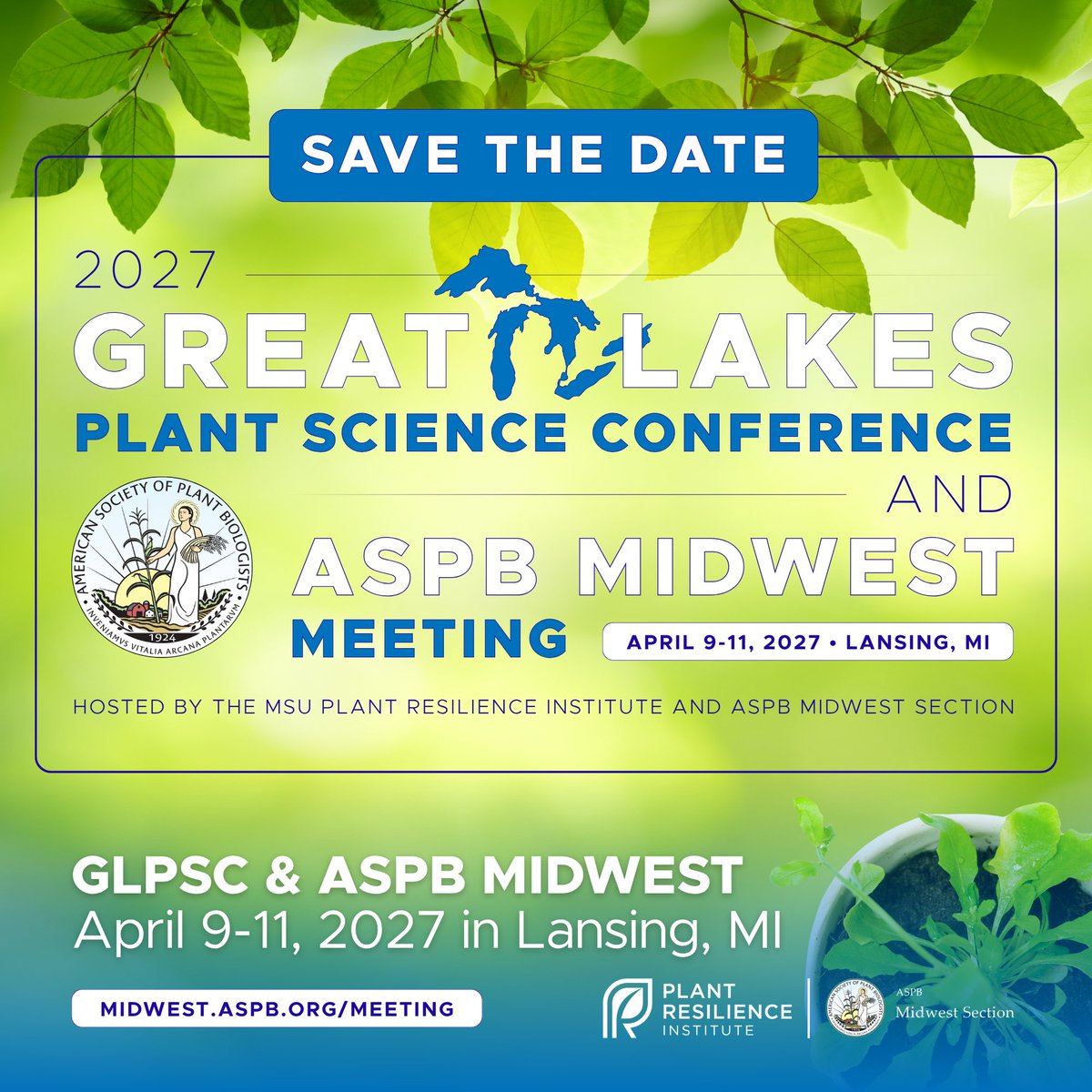
Registration is OPEN for the 2027 Great Lakes Plant Science Conference and ASPB Midwest Meeting! Join plant scientists from across the Midwest, Great Lakes region, and beyond from April 9-11, 2027, in Lansing, MI.
Learn more: https://t.co/fV5nwtwkQj
#PlantSciMidwest27#PlantSci
Save the date! 🌿 The next Great Lakes Plant Science Conference will be held jointly with the 2027 ASPB Midwest Meeting, taking place April 9-11, 2027, in Lansing, MI!
More information will be shared soon at: https://t.co/fV5nwtwSFR
#PlantSciMidwest27#PlantScience
🌱 New preprint!
We identify HY5 as a key regulator of coumarin-mediated iron acquisition, coordinating coumarin biosynthesis, activation, and secretion under alkaline conditions.
📄 https://t.co/bCiDuoDcRh
@sbslab_IISERM@DBS_IISERM@IiserMohali
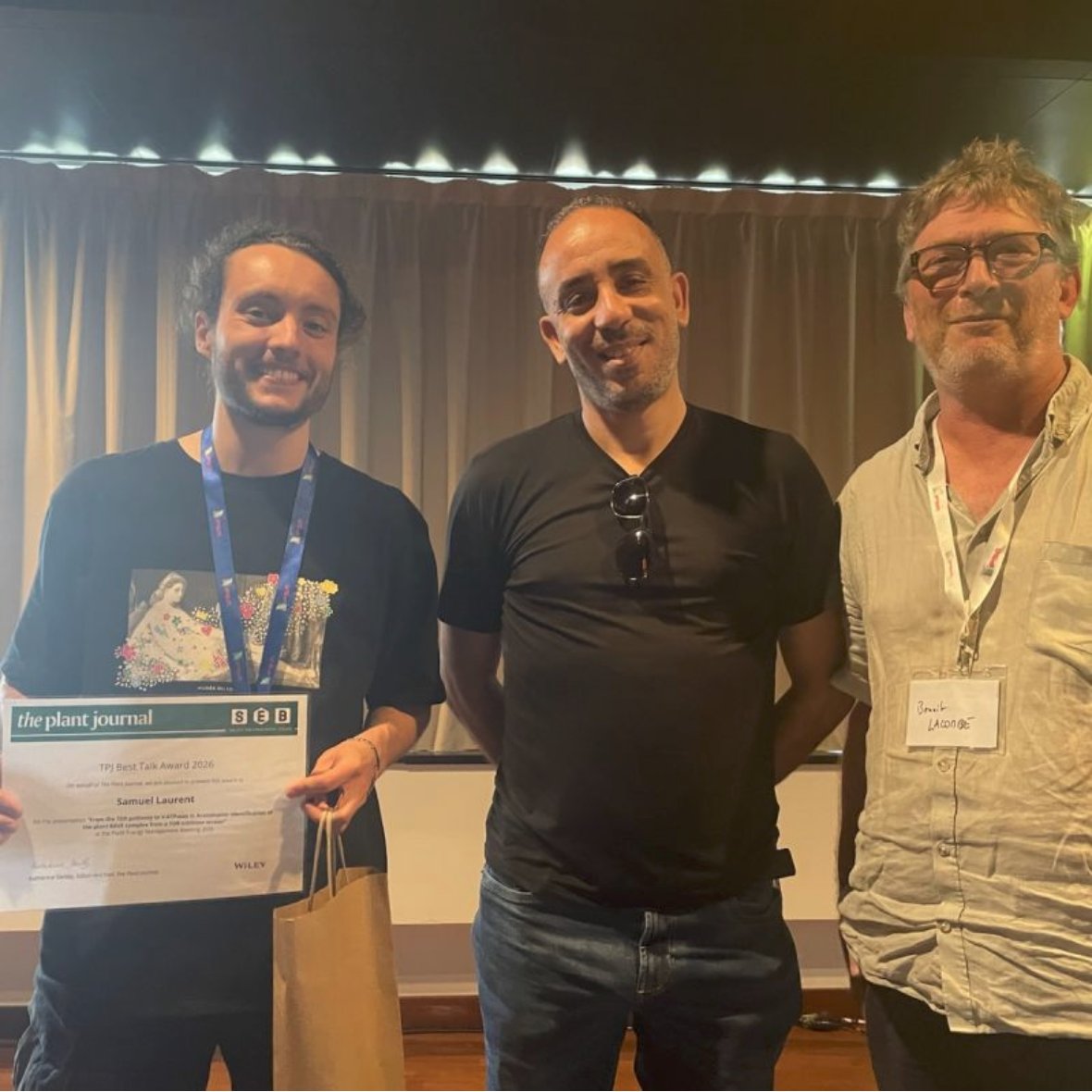
We were happy to sponsor the PEM2026 conference https://t.co/PN6XTrGg7k held this week in Montpellier, with two TPJ editors @hatemrouached & @msubrandizzilab on the organizing committee
Samuel Laurent won the TPJ Prize for Best Talk by an early-career scientist Congratulations!
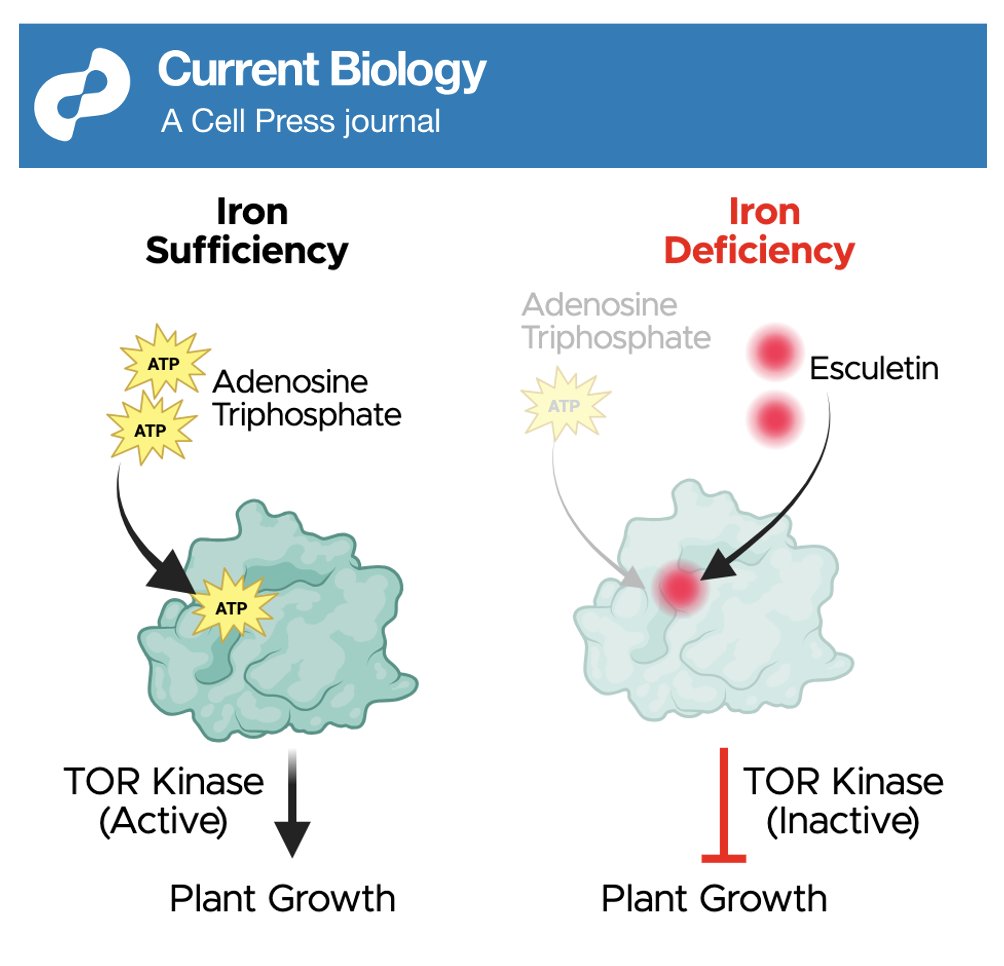
➡️Can metabolism directly control growth?
We discovered that iron deficiency-induced coumarins directly modulate the master growth regulator TOR, uncovering a new mechanism linking nutrient-responsive metabolism to developmental growth.
https://t.co/AIwl5MPZIf
Discover how plants integrate nutrient signals to shape growth and development, and gain fresh insights into the molecular mechanisms driving these critical decisions. A keynote that promises to inspire researchers across plant biology and beyond.
#PlantScience#PlantBiology
Excited to be a keynote speaker at the XVIII Meeting of Plant Molecular Biology (#RBMP2026), taking place July 1–3, 2026, in beautiful Bilbao, Spain!
Looking forward to stimulating discussions, and to connecting with colleagues and friends in the plant science community.
June Issue. Read FREE:CLE peptide signaling in the root tip (see cover);Root exudation and belowground carbon economics;Beyond Nitrogen: Phosphate Controls Symbiosis via the NIN Regulator;Understanding symbiotic nitrogen fixation; & much more https://t.co/w3hFl93B44
#plantscience
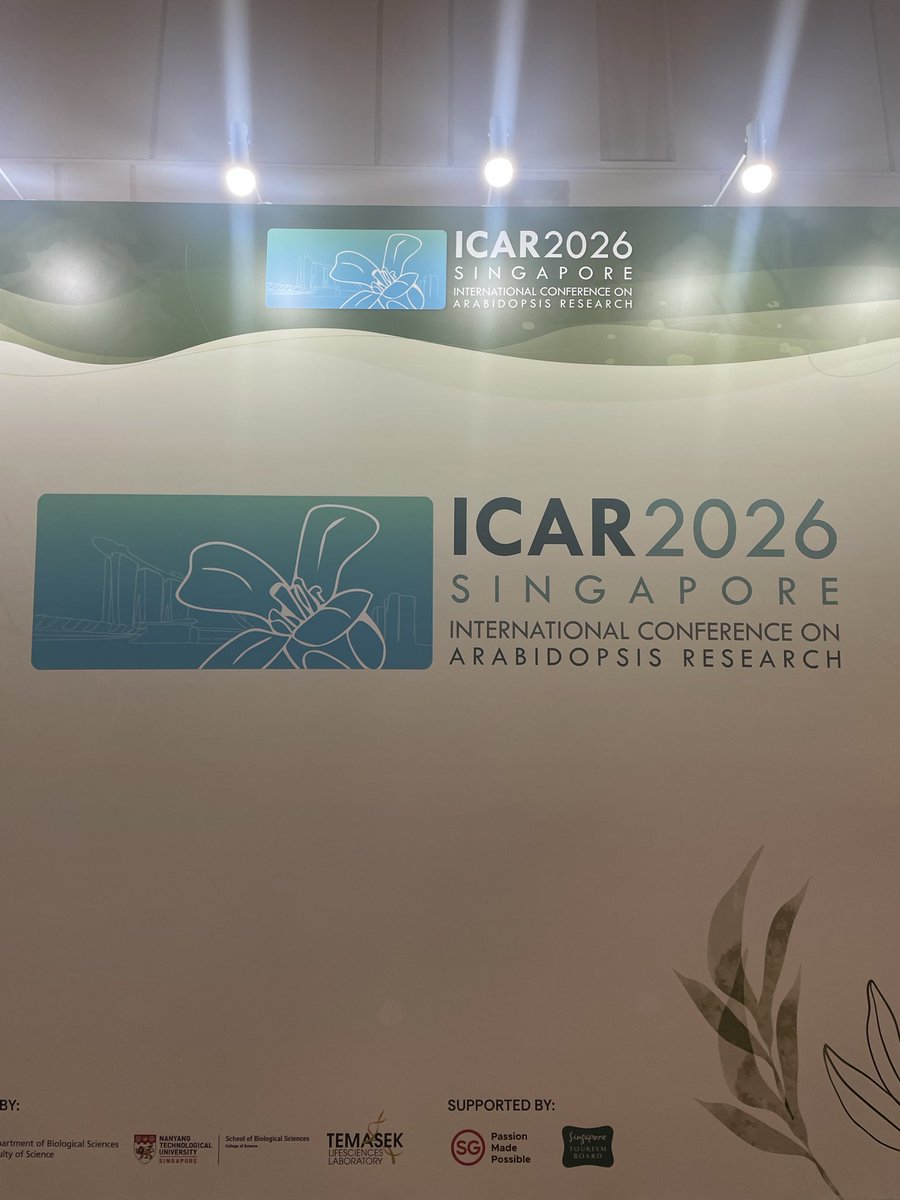
Plant Nutrition takes center stage at #ICAR2026. Looking forward to engaging discussions, fresh insights, and innovative perspectives in today’s concurrent session.
🔜Two postdoc positions are available in Rouached Lab for a creative individual to lead a project that will explore a new dimension in the field of plant nutrition. Please contact me if you are interested in TOR signaling, epigenetic and/or plant development [email protected]
➡️Join us in Montpellier for an international meeting on plant energy!
Explore cutting-edge science, from photosynthesis to stress resilience, connect with global experts, and spark new collaborations.
Register now and be part of it! https://t.co/kwfPGVYcHY
Dear colleagues,
➡️We’re pleased to share that the early-bird registration for our upcoming meeting has been extended to April 17. Please help spread the word by retweeting so others can take advantage of this opportunity.
🔉 TPJ Editorial Board meets in Wuhan this year!
Alongside 👉a 2-day symposium organized with Huazhong Agricultural University!
🌱Focus: AI-driven plant science, systems & synthetic biology for plant biology
📅 May 6–7
📝 Register by April 20
Details🔗https://t.co/lmauikSsIw
➡️Another opportunity to connect!
The Plant Journal (TPJ) and Huazhong Agricultural University are delighted to co-host the “Programmable Plants: the next generation of crop improvement” symposium in Wuhan in May 2026.
Speakers - https://t.co/74hWwT3E6Z
➡️Join us in Montpellier for an international meeting on plant energy!
Explore cutting-edge science, from photosynthesis to stress resilience, connect with global experts, and spark new collaborations.
Register now and be part of it! https://t.co/kwfPGVYcHY
@FahadYasin55@Dev_Cell Exciting to see the community engaging with how nutrient signaling intersects with flowering pathways! Keep up the excellent work. Looking forward to the discussions and the new discoveries this will spark!
➡️Plant flowering integrates environmental and nutrient cues, yet how mineral nutrients interface with core flowering pathways remains unclear. In this issue of @Dev_Cell, Lyu et al. identify a N-responsive module to regulate flowering. Here is our preview https://t.co/orRV5SHfwK