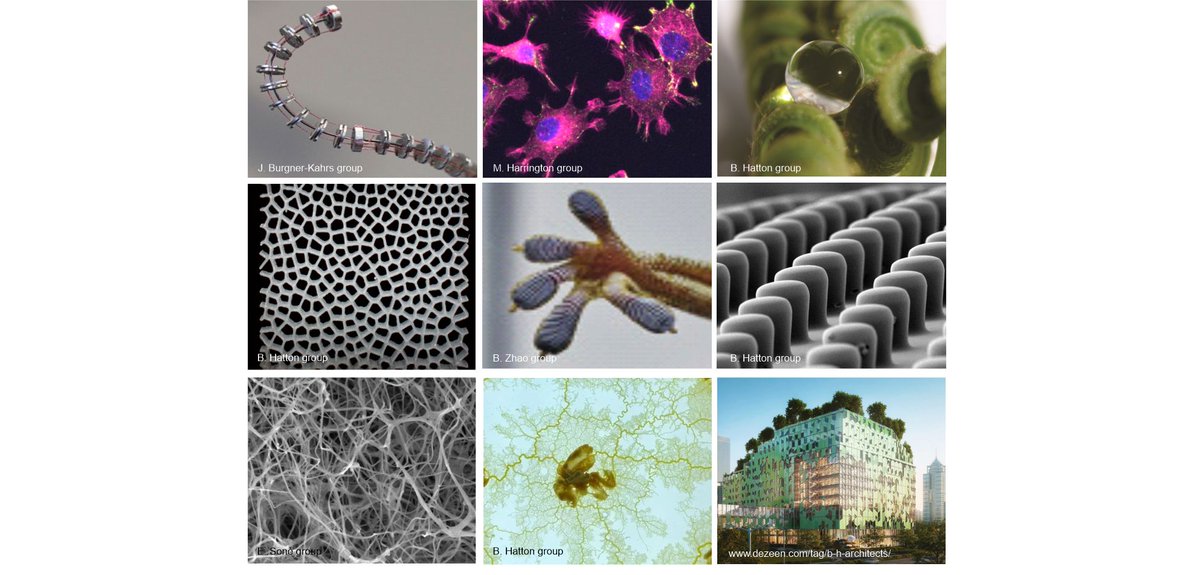
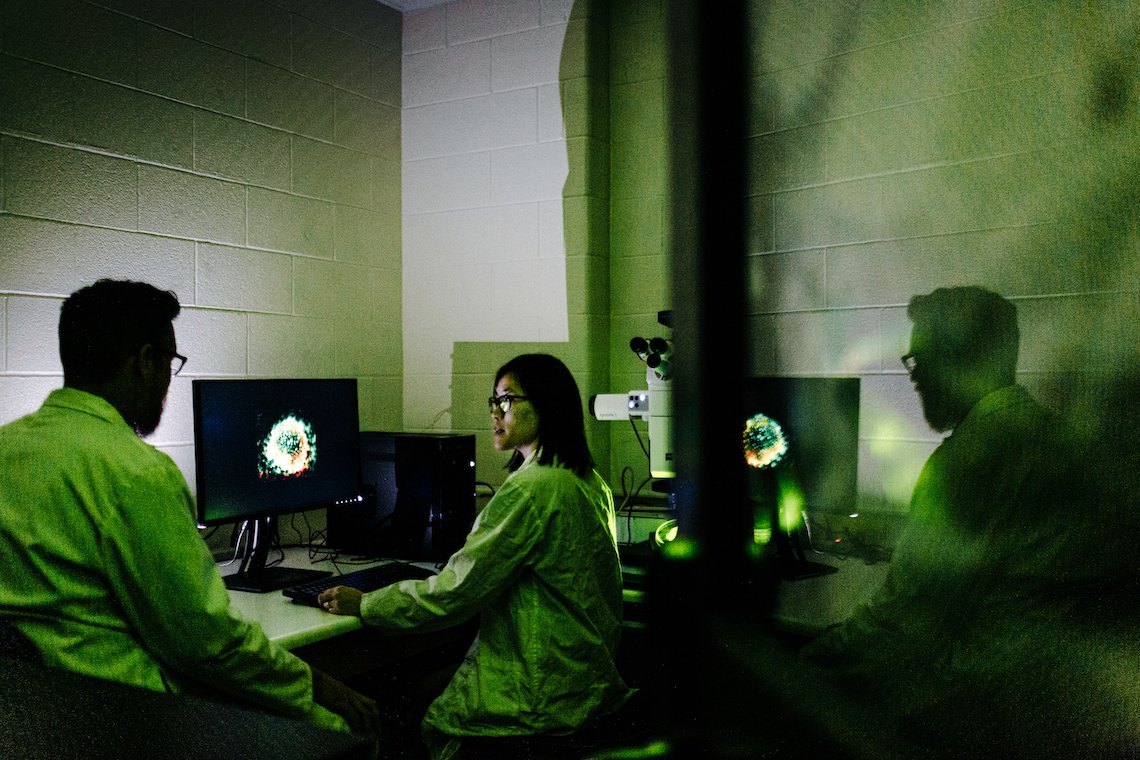
We're organizing a free, 1-day meeting on Bio-inspired Materials and Design at UofT. Speakers from robotics, materials science, biomaterials, urban design and architecture. Registration at: https://t.co/F54xPlTnhk @UofT@uoftmse
Japanese scientists find microplastics are present in clouds
Researchers in Japan have confirmed that microplastics are present in clouds, where they are likely affecting the climate in ways that are not yet fully understood.
The team identified nine different types of polymers and one type of rubber in the airborne microplastics, which ranged in size from 7.1 to 94.6 micrometres.
Each litre (0.26 gallon) of cloud water tested contained between 6.7 to 13.9 pieces of the plastics.
When microplastics reach the upper atmosphere and are exposed to ultraviolet radiation from sunlight, they degrade, contributing to greenhouse gasses, Okochi said.
https://t.co/daD1mAL6eL
A new study from @UofT researchers has uncovered how the gut microbiome boosts immune development and protects against pathogens.
Read more about this exciting work from Arthur Mortha (@nkg2d1) and new PhD grad Pailin Chiaranunt (@PhagocyticPai): https://t.co/4ge75t5nRr
It's weird how wanting to maintain the conditions in which humanity has thrived is considered an ideology, yet pursuing the impossible goal of infinite economic growth, at any cost, is not
Well, weird is one word
This red line might as well be from another planet. We are living the last days of Earth and human civilisation as we had come to know them. A tiny bit of ice left in the Arctic is currently keeping temps from rocketing. Once it goes, things will be simply surreal #ClimateCrisis
Colored droplets in corn syrup seemingly blended together can be returned to their original state by reversing the direction of mixing, a form of laminar flow called "Stokes flow".
Credit: UNM Physics & Astronomy
Continuous physiological monitoring is an essential aspect of modern healthcare. In their new Review, John Rogers et al discuss the translation of skin-interfaced wireless biosensors for perinatal and paediatric health @NorthwesternEng https://t.co/d9enJLoJTx
Congratulations to Edward James (@Reinke_Science), Desmond van den Berg (@hattonlab) and Ying Wang (@milicaruoft) on receiving the Convergence Postdoctoral Fellowships!
Read more about their cross-disciplinary projects that tackle important questions: https://t.co/V5Qz3Z62Ne
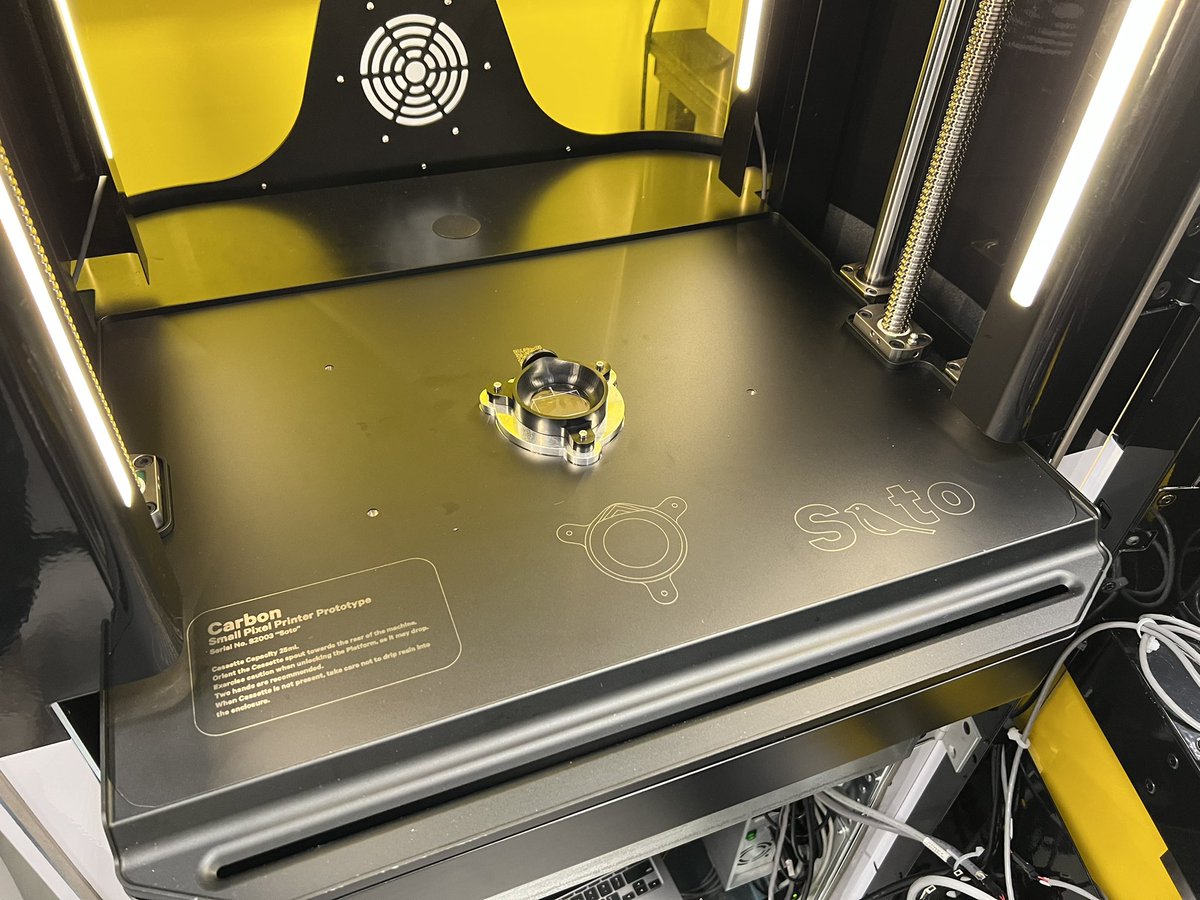
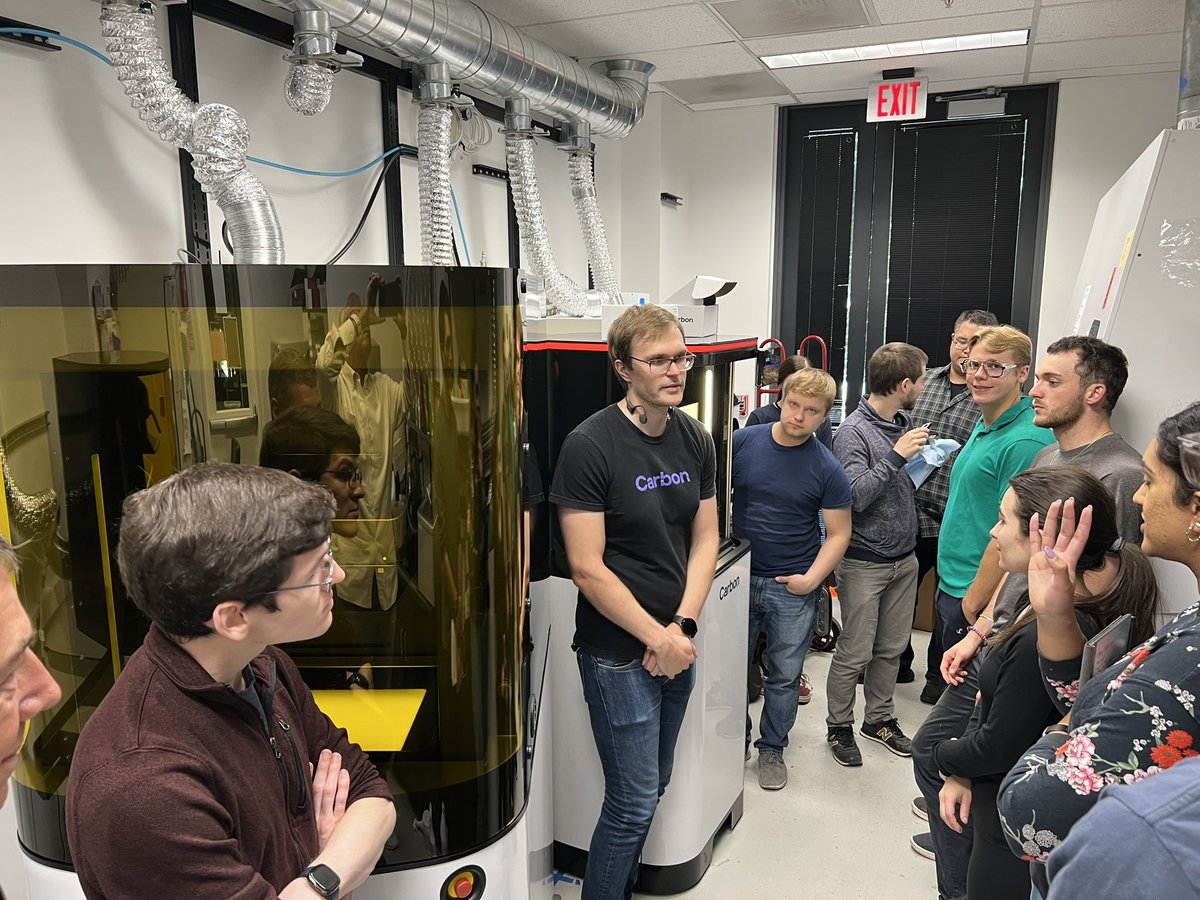
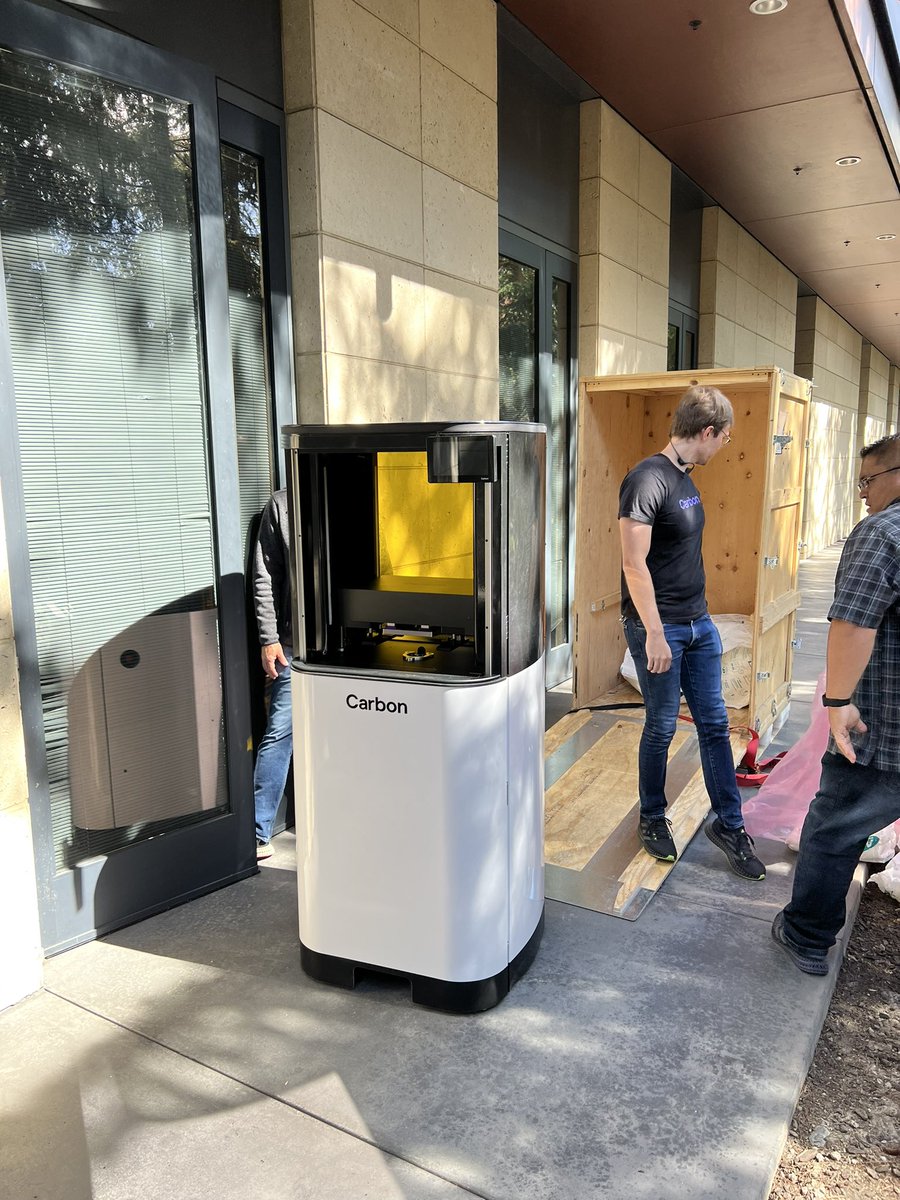
Excited to share the first microarray microneedle patches (MAPs) designed at @Stanford and printed on @Carbon’s first high resolution “S2 Printer” that was recently installed in the @DeSimoneLab! This printer has a projected Pixel Size of 5.4 microns and a Build Area of 15.3 mm x 9.5 mm, with a Build Height >100 mm! It runs all of Carbon’s advanced software found on the M3 (it’s built on the M3 chassis) and all of the Carbon and third party resins. Reliability and reproducibility, here we come…!
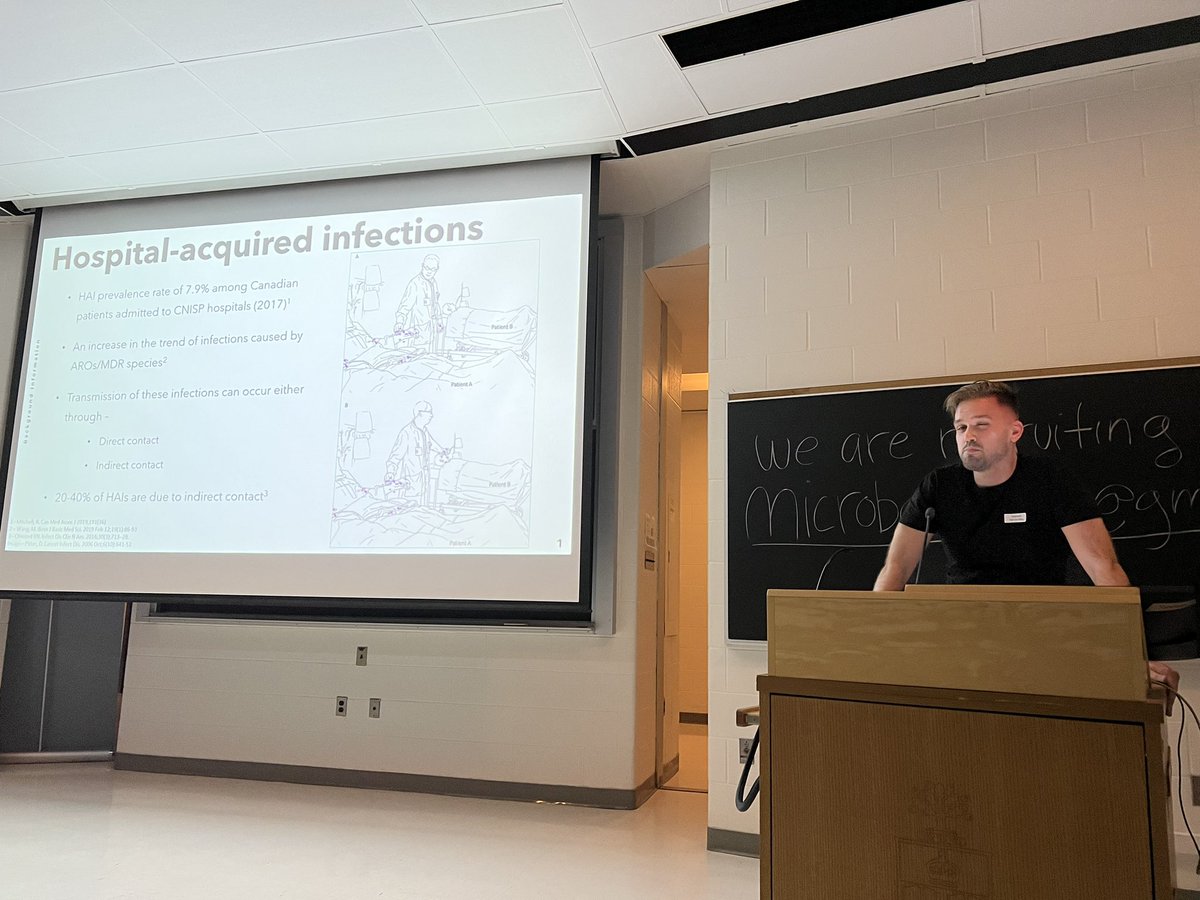
Up next, @hattonlab PhD student Desmond van den Berg brings us a talk about antimicrobial surface design to reduce fomite contamination and transmission, an important source of hospital-acquired infections.
#IDMicro2023
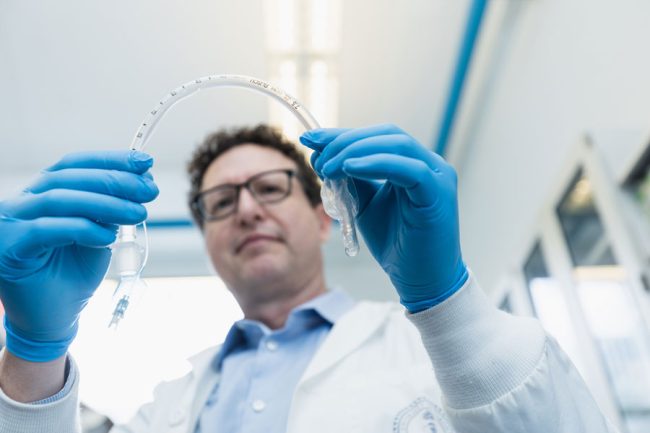
A new study led by @uoftmse Professor Ben Hatton reveals the potential for infections associated with bendable and implantable medical devices 🦠: https://t.co/o2RAbAA9q6
Our new paper, showing that simply bending a rubber medical device can influence microbial growth - maybe how infections might start in the body https://t.co/JxOKNVwdSk
NATIONAL WALKOUT FAQ We wanted to address some frequently asked questions:
- We're targeting the Canadian government, NOT institutions
- The walkout, and future SOS advocacy, includes Tri-Agency scholarships, fellowships, AND GRANTS!
#SupportOurScience
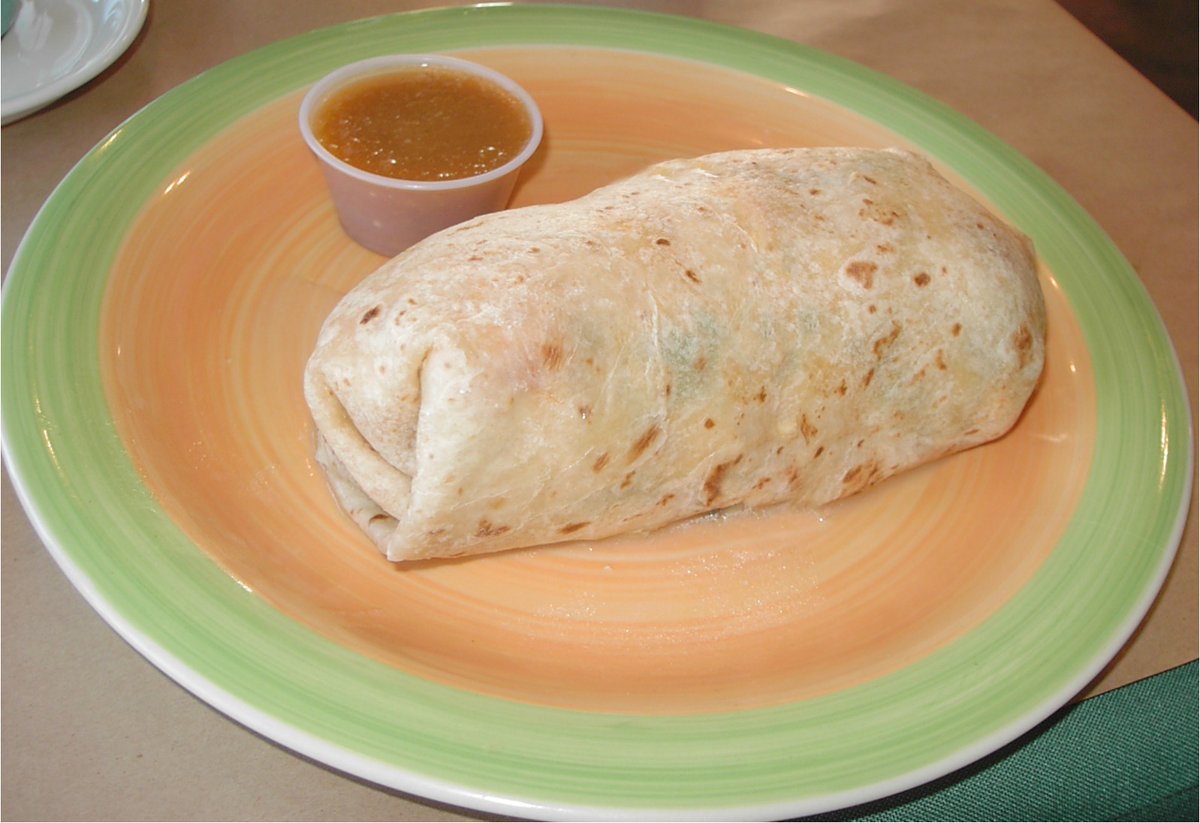
Hard to believe it’s almost 2 decades since I was served, and later consumed, this molecularly precise model of a gram negative bacterium. The model captures 3 features of the cell:
- high protein density, but low molecule number
- carbohydrate surface
- cheese in periplasm
The US (and Canada) has a lot to learn about rail infrastructure, a lot of catching up to do - maintenance, growth and modernization. This is scary stuff...