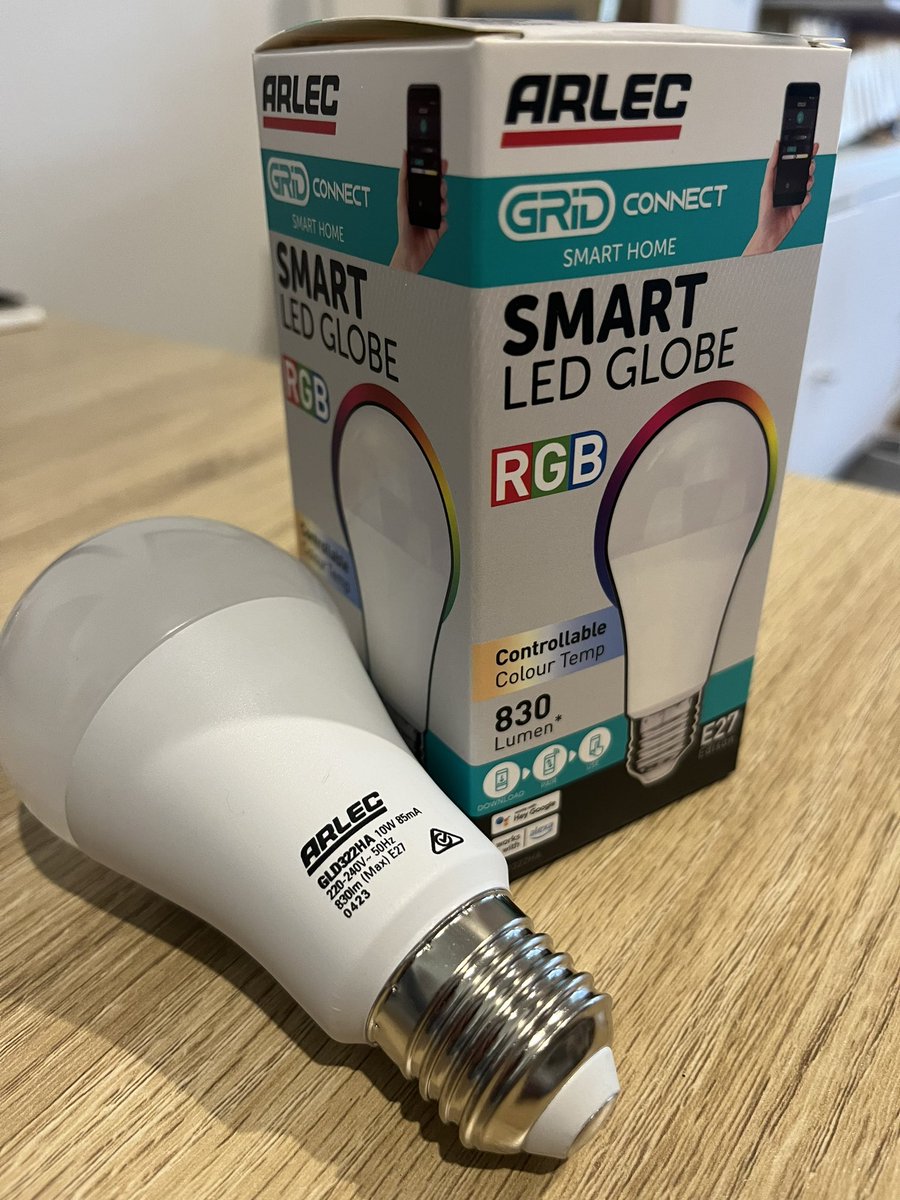
A friend asked me to find out why his connected lightbulb app was asking for his location, so I ducked out to Australia’s favourite hardware store, Bunnings, and grabbed one to check out.
The Android grid connect app has 500k+ downloads.
Let’s take a quick look! 🧵
(1/n)
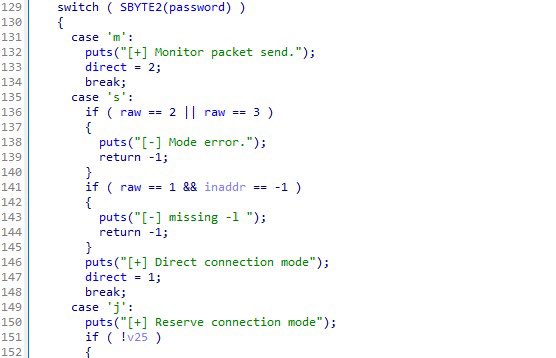
#BPFDoor controller's source code (likely) originating from an owned host based in 🇰🇷. Found by pivoting on details in #rapid7's post, published today.
Find the reconstructed / deobfuscated source here:
https://t.co/NYhJehaYD5
@e__soriano Nice one - creative use within user space rootkits. I have just referenced your paper in the appendix of the post under 'related research'.
A relatively unknown but particularly stealthy technique to hide files on Linux hosts. On unhardened boxes, unprivileged users can conceal files from even the root user. Disk content remains in memory, hindering disk acquisition during forensic investigation. (1/7) 👇
This method can be utilized to perform process masquerading..
Here an implant appears to be running from /usr/sbin/auditd but it's actually 'fileless'.
No '(deleted)', no ':memfd', no '/dev/shm', no ptrace, no LD_PRELOAD. Just stealth.
(6/7)
Security researcher @haxrob released a two-part technical breakdown of BPFDoor, a Linux-targeting malware tied to past APT campaigns. The analysis includes insights on recent variants observed this year.
https://t.co/AWuW4mrGUM
https://t.co/DJyOo5nlXN
Great blog posts and updates on latest BPFDoor changes by @haxrob
BPFDoor - Part 1 - The past:
https://t.co/j0i1UXEbq6
BPFDoor Part 2 - The Present:
https://t.co/xOWEiJyZko