Our study on triggerplants (Stylidium) just got published! Using nitrogen isotopes we were able to re-assess the carnivorous/protocarnivorous nature of this neat genus: https://t.co/RTO4g4H4eU
Accompanying this tweet, here's a collage of species that we saw during fieldwork in Oz
After the insect fair, the kid and I released our lady beetles in the garden. They quickly discovered Aphis nerii on a desert milkweed. Great opportunity to film the synchronized "collective defense" behavior of this aphid species. Amazing critters!
So excited to see the 9 once-again-stunning @CUHerb Henslow/Fitch teaching diagrams after conservation, thx to the Finnis Scott Foundation. Here's a Lythrum before and after
Different #asteraceae capitula forms on the cleaned and conserved @CUHerb Henslow/Fitch diagrams, probably earliest visual botanical teaching aids in UK
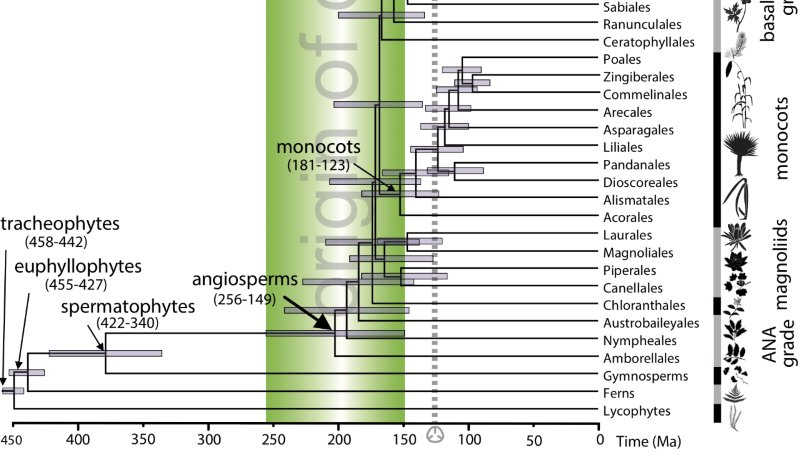
When did flowers originate? Researchers from UK and China close in on the 'abominable mystery': https://t.co/V9HKopCNDz
Read the #openaccess paper: https://t.co/I7G7nwwcNp
@barbapsidium @glpcjd @mariodosreis @ucl@QMUL@BristolUni
Probably the largest display of ‘S. Arnott’ snowdrops in the world. Generally regarded as one of the best, large flower and strongly fragrant. Colesbourne Park Snowdrop day #snowdrops#galanthus#galanthophile#wintergarden
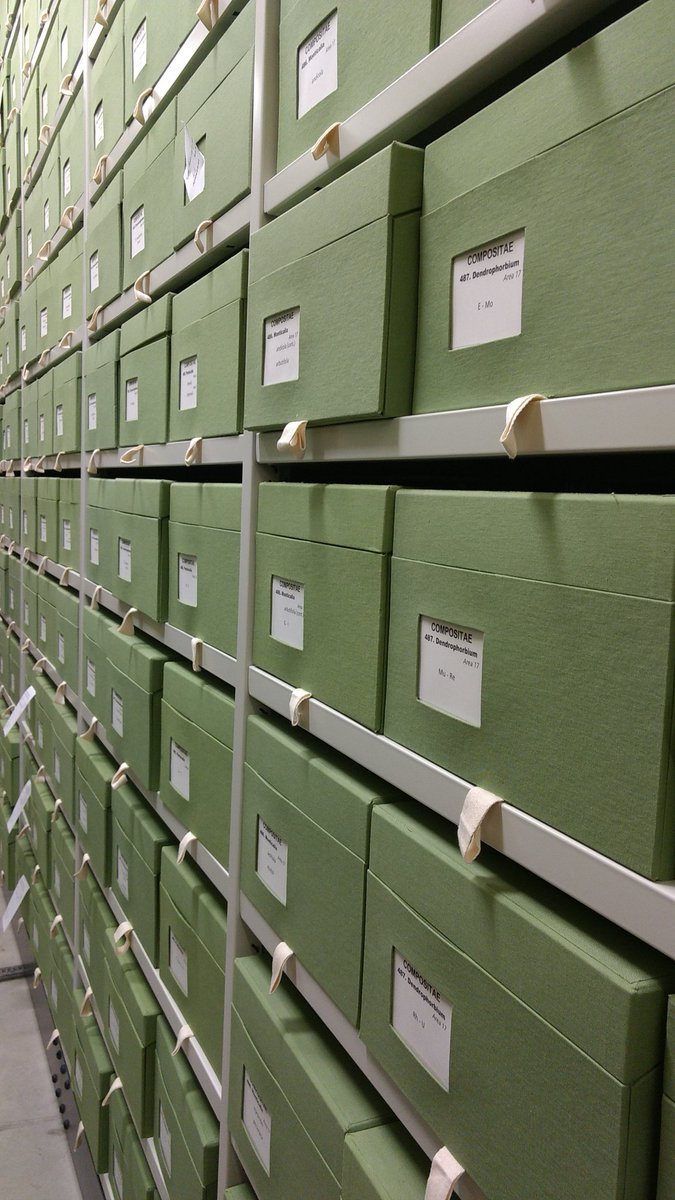
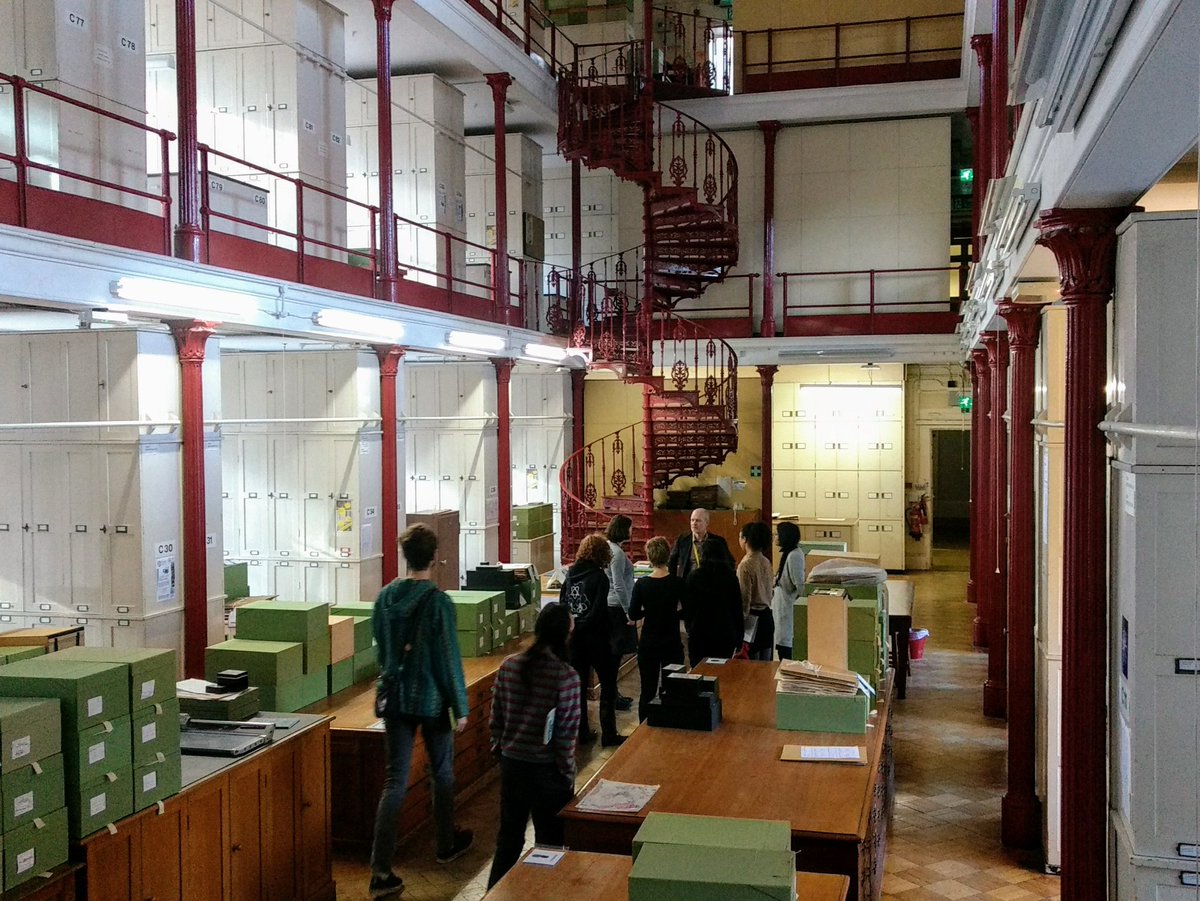
JOB ALERT: We have two opportunities for you to come and join the herbarium team looking after our internationally important collections. https://t.co/MDshALYkRw
The Asian elm #aphid recorded for the 1st time in the Czech Republic, Denmark, & Poland. It may become a #pest on ornamental plants or adapt to more several climatic conditions, warn scientists: https://t.co/NPS5weLrZD #Hemiptera#aphids#InvasiveSpecies