We welcome the announcement from @DHSCgovuk that the Women's Health Strategy is being renewed. This is an opportunity to provide employers with improved guidelines for supporting women's health in the workplace. We look forward to supporting renewal efforts with our research.
In a letter for @guardian, @GeetaNargund calls for employers to invest in better support for women's health in the workplace, following the findings of the Keep Britain Working: final report on the cost of worklessness in the UK. 1/5
https://t.co/Zo3PWqATDU
🔹15% of these women report having had to go down to part time working hours as a result of their symptoms
🔹14% have had to quit a job altogether as a result of these symptoms
4/5
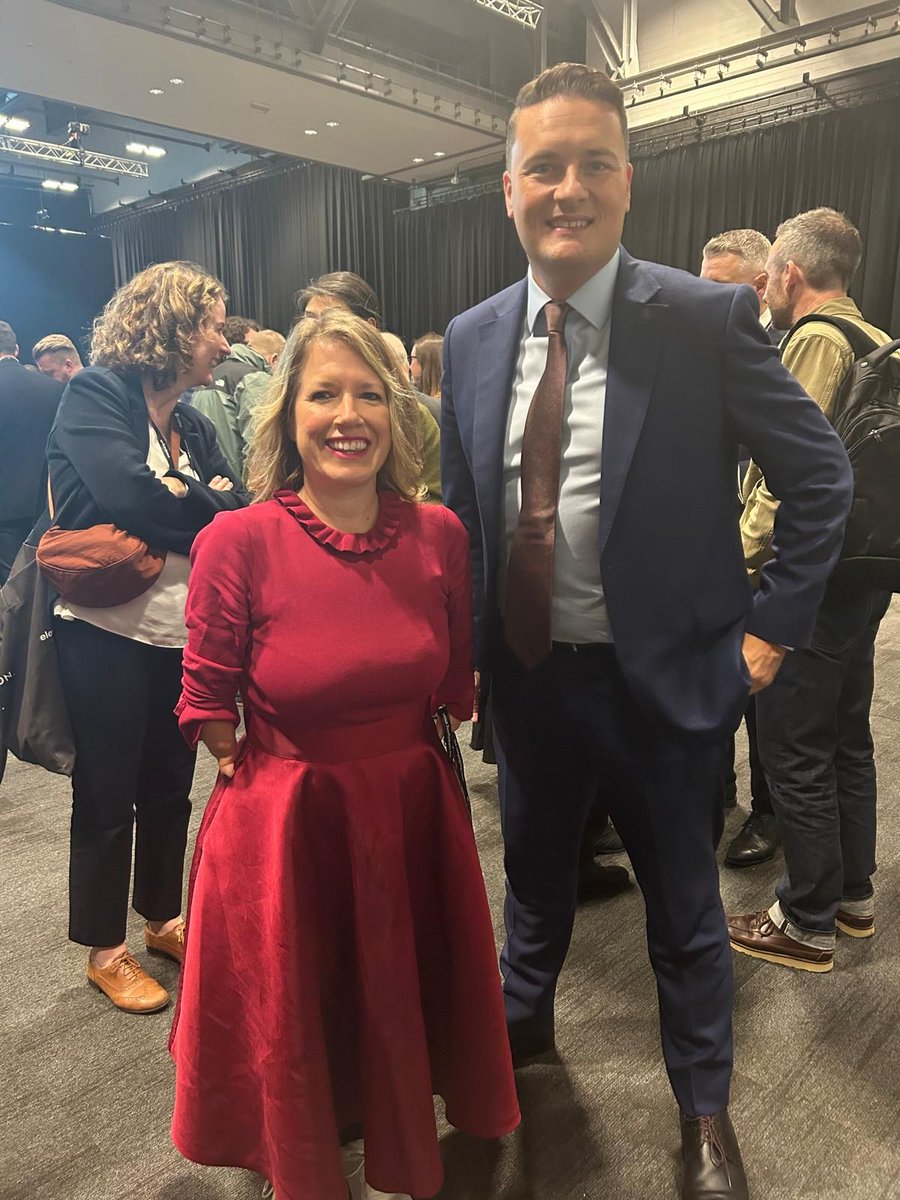
It was brilliant to speak at a roundtable on Women’s Health during Labour Conference in Liverpool.
Women’s health, including for disabled women, has always been overlooked, under-researched, and under-funded. Women are not listened to, dismissed, and left to suffer alone.
Great to be on this panel. Shifting health from hospital to the community gives us a real opportunity to tackle health inequalities and build solutions right at the heart of our communities.
...and set about making lasting, positive changes to women's healthcare, from access to outcomes.
🔹 "Businesses have talked the talk in this space, but they need to walk the walk."
9/13
We shared our research from 'Time for Change' (https://t.co/7m2W1XEiDw), the largest survey on women's health in the UK, which we launched earlier this year, and the group discussed the urgent need for government, employers and educators to seize the moment...
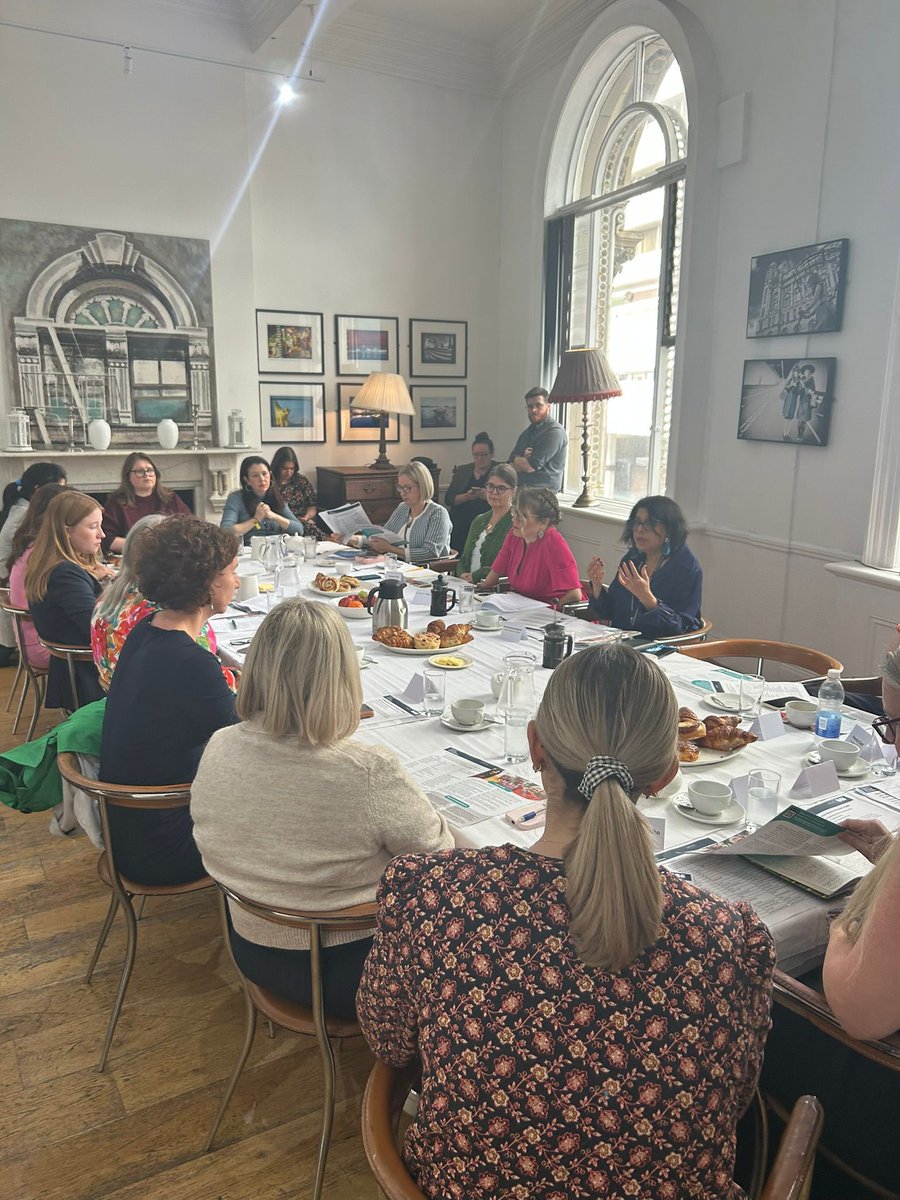
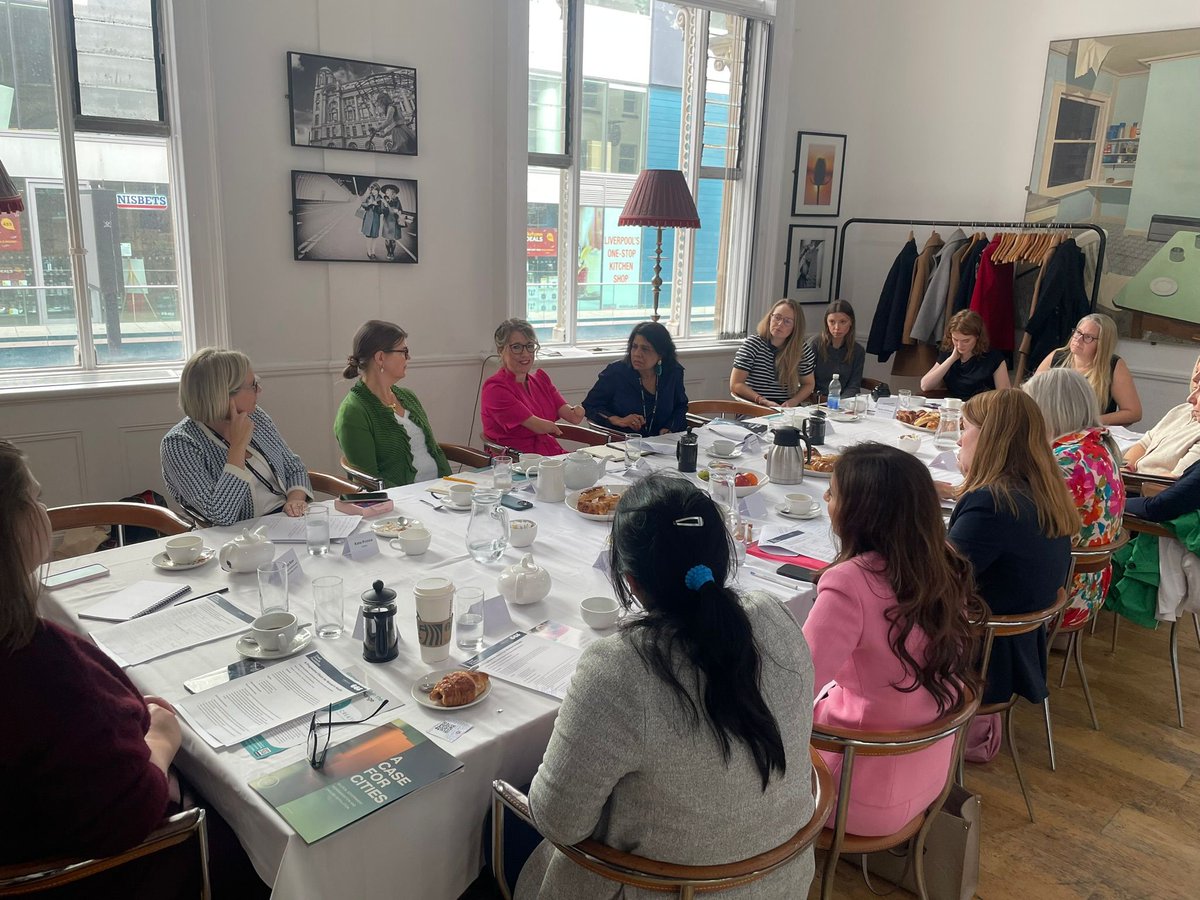
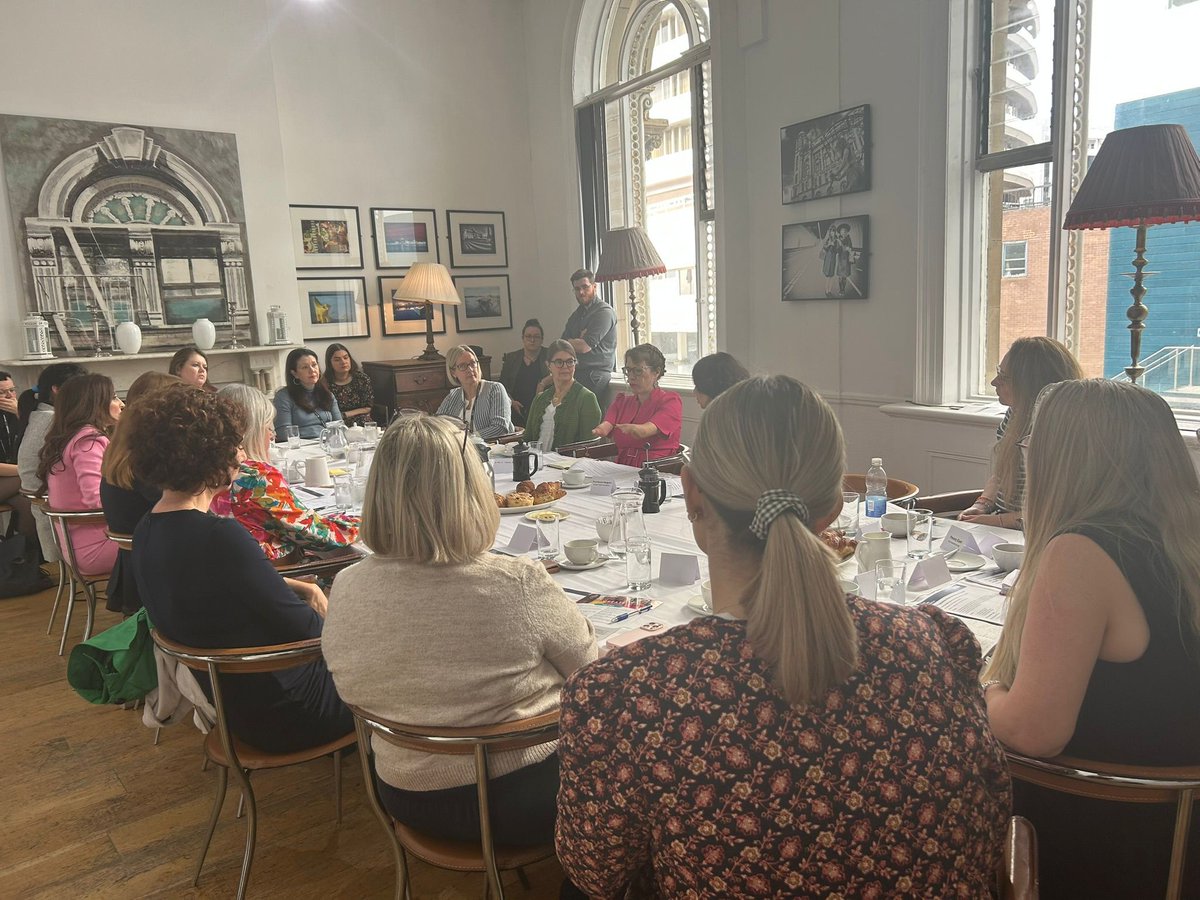
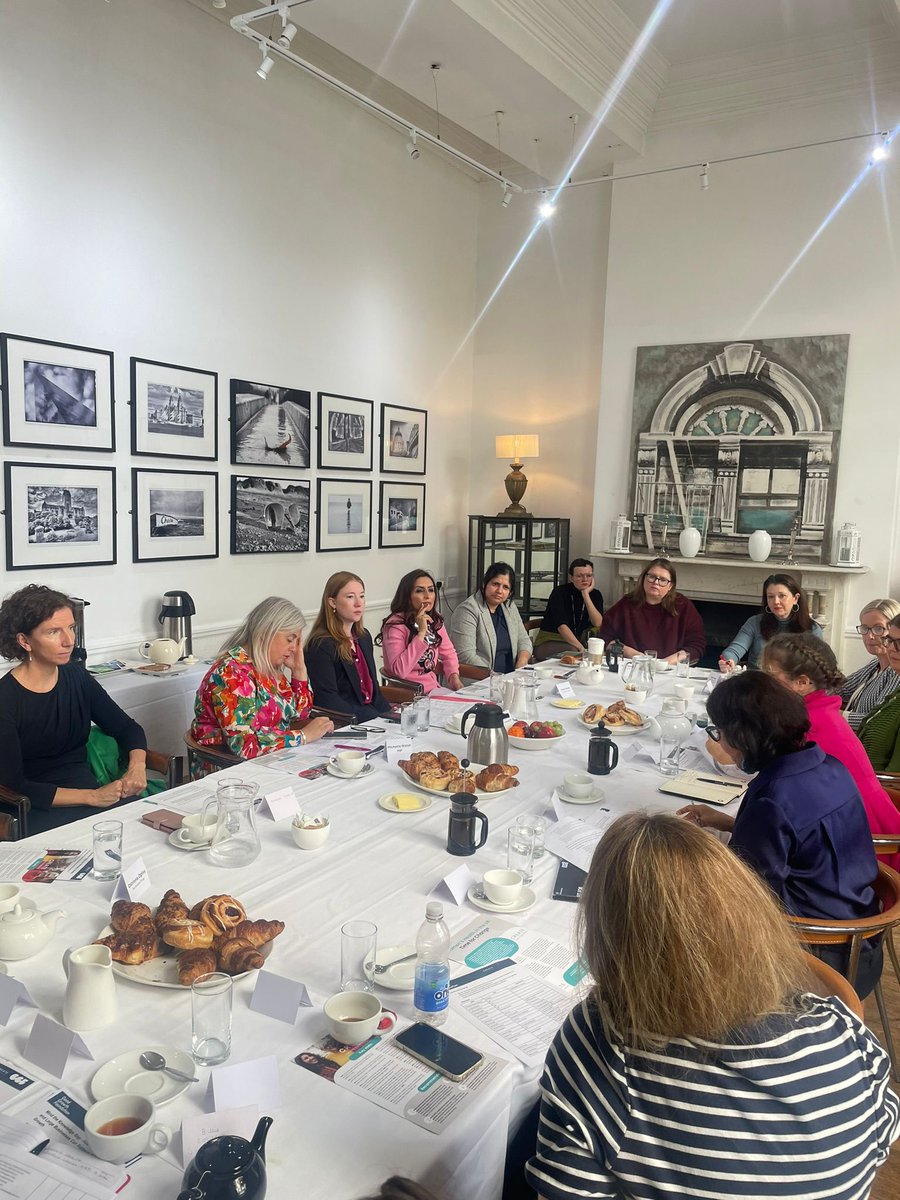
On Tuesday morning at Labour Party Conference, we hosted a private roundtable on women's health in partnership with @GoodGrowthFdn, inviting MPs, policymakers, charity and industry leaders, medical professionals and patient representatives to discuss women's healthcare in the UK.
🔹 "We need co-designed, culturally sensitive digital solutions. Inclusion is about reaching all women, regardless of background."
🔹 "Many women don't have time for a mammogram. Mums have to be able to access services."
7/13
Amongst many important topics, we discussed the importance of disaggregating data on men and women to combat misinformation, the huge opportunity of women's health hubs, digital and disabled inclusion, integrating mental health services in community care...
🔹 "Those who go youngest often have to wait the longest for a diagnosis because they are not believed."
🔹 "The economic case provides quantitative evidence and political urgency: ammunition. We then need a fundamental shift in policymaking based on the moral argument."
4/13
A common thread was identified - that everyone hears from women who feel their pain is being dismissed, they are not being listened to and it is taking too long to be diagnosed.
3/13
Chaired by @GeetaNargund, we heard compelling moral arguments, powerful testimonies and economic evidence for urgent changes to be made to improve women's healthcare services.