Asked @xAI’s Grok about current intelligent life in the Local Group of galaxies.
Odds: 0–1 planets.
Earth might be it — it’s imperative we go multi-planetary NOW.
After we moved our tiny decoder into SRAM, we only have half a TRIP out of three on SoC B, for this reality visualizer, so spent the compute as best we could. TRIP basically only handles 8-bit int and has to run softmax in emulation mode in 28 steps.
AI5 is a gigantic improvement. Roughly 12X more compute.
In case anyone is curious:
We’ve had a ~pixel-perfect world model since last year, which is critical for synthetic data generation.
The (much) smaller version of that in the car is a conditional mean-flow model, based on the recent sequence of Tesla Universal Vision Encoder features, which are the same ones that are plugged into the 3B encoder model that produces the driving actions.
We fork off from these UVE features, then run a separate ~1B diffusion model. This takes in the previous reality-view generation with added noise and then denoises it to the current visualization.
It then produces a small video chunk (8 images at 36 fps, at the resolution of the UI screen). This work is done by 1/2 of a TRIP engine every UVE frame at 18 hz and is spread over 4 cycles.
Currently, the latency is a bit high due to compute constraints, but we have ways to interleave newer UVE features along the diffusion transformer layers to cut roughly 35% of the latency.
@JeffGreason An excellent way to put it. I suppose deep down they know they can't build and maintain the lifestyle they want and have to coerce the labor of others. Like their OG Marx.
Space Station Freedom – Die Raumstation, aus der später die #ISS wurde 🚀
Mir ist vor Kurzem das alte „Space Station Freedom Media Handbook“ der NASA in die Hände gefallen. Ein schönes Stück Raumfahrtgeschichte, das ich zum Anlass nehmen möchte, euch dieses Projekt mal etwas näher vorzustellen. 😉
Am 25. Januar 1984 kündigte US-Präsident Ronald Reagan an, dass die USA innerhalb der nächsten zehn Jahre eine dauerhaft bemannte Raumstation im Erdorbit errichten wollen. 1988 bekam das Projekt schließlich den Namen „Space Station Freedom“.
Mehrere Wohn- und Forschungsmodule, riesige Solarpaneele und eine große Gitterstruktur sollten eine Station bilden, die regelmäßig vom Space Shuttle angeflogen werden konnte. Auch Europa, Japan und Kanada waren mit an Bord.
Allerdings gab es ein Problem: Die Kosten stiegen immer weiter, und die ursprünglichen Pläne mussten mehrfach überarbeitet und abgespeckt werden.
1993 wurde das Projekt schließlich grundlegend umgestaltet. Russland kam als weiterer Partner hinzu, und aus den bisherigen Planungen entwickelte sich das, was wir heute als Internationale Raumstation (ISS) kennen.
Die Space Station Freedom selbst wurde also nie gebaut. Trotzdem war die ganze Entwicklungsarbeit nicht umsonst, denn viele der damaligen Ideen und Konzepte fanden später ihren Weg in die ISS.
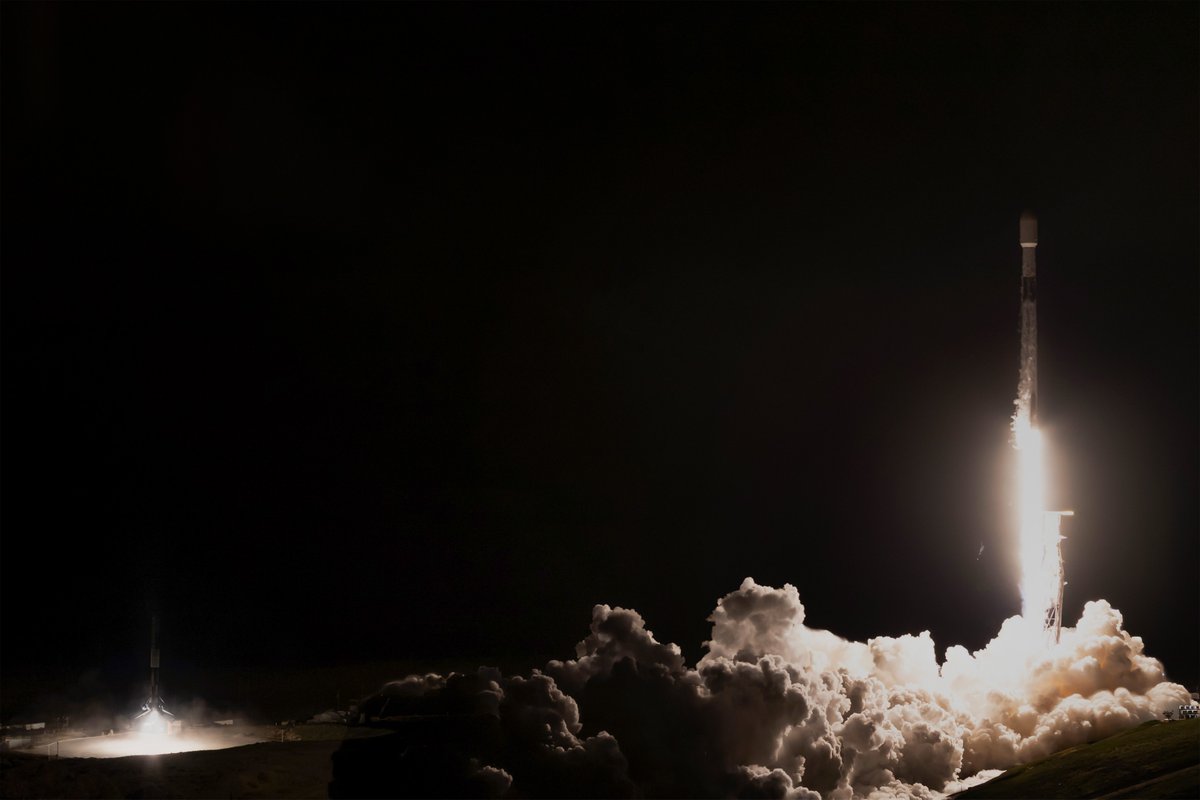
Falcon 9 and NROL-136 lift off from pad 4E in California 32 hours after teams launched USSF-317, completing our fastest turnaround between launches from the same pad
Massive high five to the @SpaceX west coast team for a world record launch to launch turn from Pad 4e last night!
32 hr, 3 min, 21 sec! This smashed the previous record of 45 hrs from Pad 40.
Team got there with several hours of margin. Next goal… the 24 hr turn! 🏎️🚀🏎️🚀
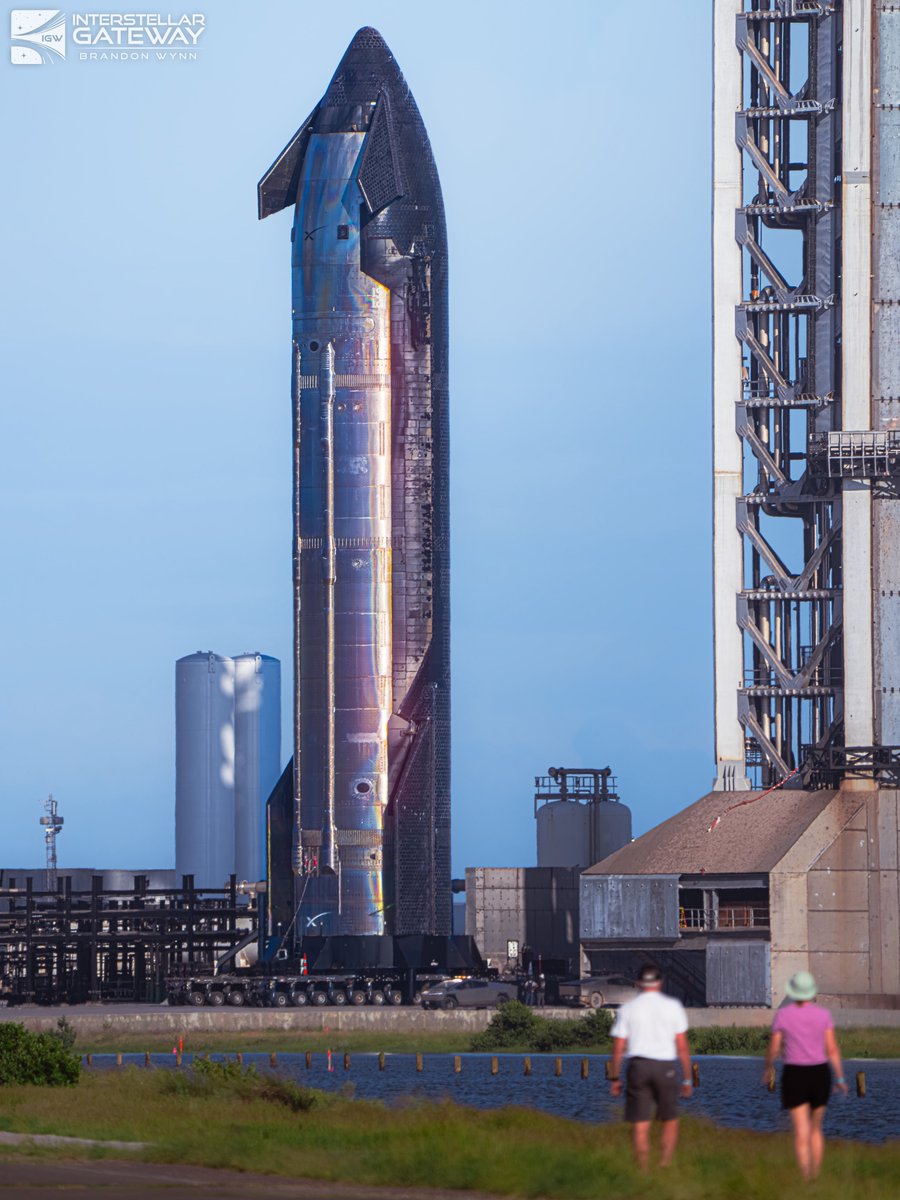
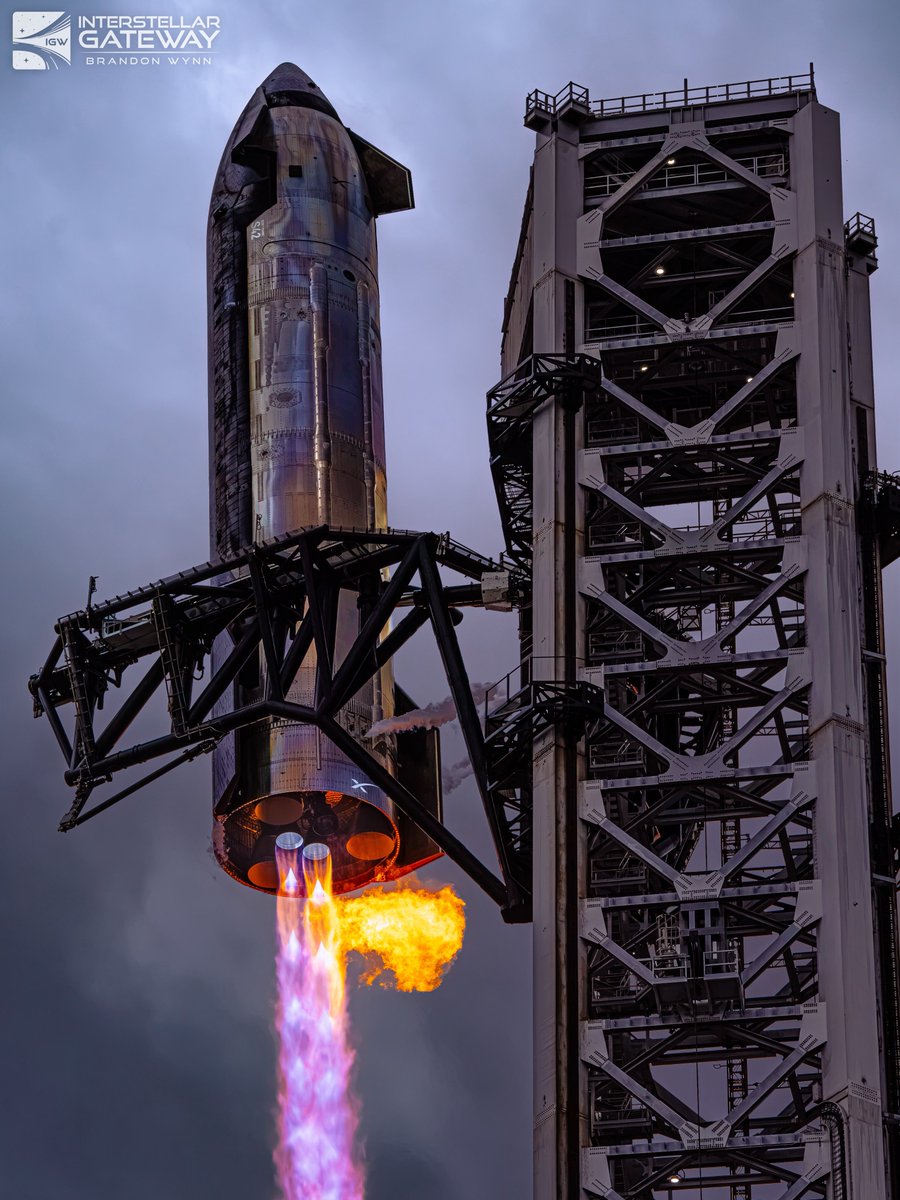
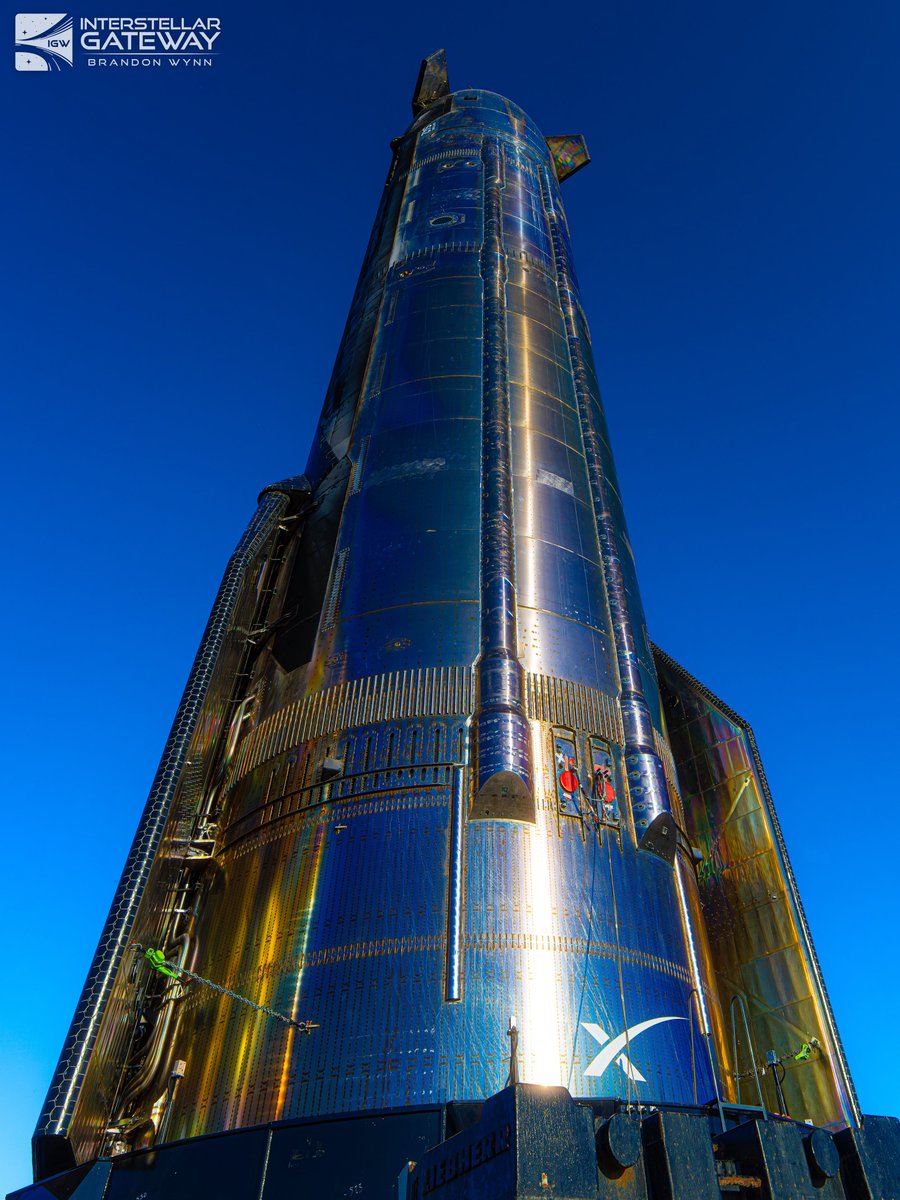
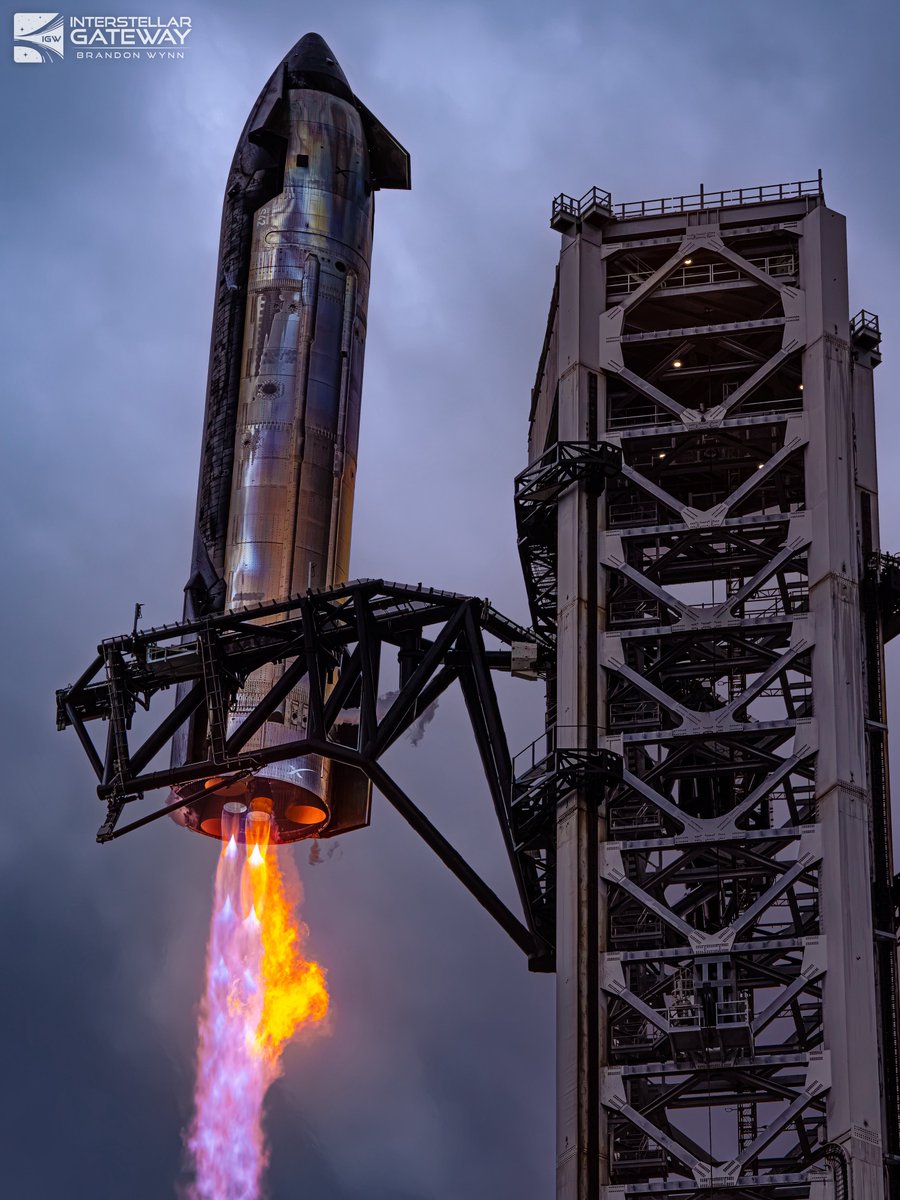
Uncropped attempted engine shot of Flight 15. I wanted to shoot this as tight as possible. But got scared aiming up in the blue sky. So I aimed lower and forgot the chop sticks opened up. lol
Morgan Stanley's Adam Jonas in new @SpaceX note:
"While we were at Starbase to watch Flight 15, we couldn't help but notice how much the city has transformed over even the last few months. In just a few years, Starbase has transformed from a small rocket testing site into arguably the most advanced spaceport in the world, a testament to SpaceX’s pace of execution in the world of atoms.
A few ongoing projects worth following:
• >1 GW Compute Campus
• Starpipe: an 8 mile nat gas pipeline currently planned to be operational by January that connects the LNG export terminal at the Port of Brownsville to Starbase to supply the liquid methane needed for high-cadence Starship launches.
• Gigabay: Starbase's Gigabay is a massive vertical assembly facility for Starship and Super Heavy Boosters with 24 work cells (vs. 6 at the two existing 'Megabays').
Investors who doubt SpaceX’s ability to execute large capital projects, such as Terafab, compute, solar, and telecommunications infrastructure, should at least follow the developments at Starbase, Texas. Even better, fly down for a launch."
@JeffGreason@BellikOzan Almost appears as if people with that mindset consider independent thinkers & entrepreneurs as a threat. An ideology that does not allow diversity of thought and wealth?