Very excited for this paper to be out in which we continue to use very personally meaningful real-world events to understand emotion and cognition: Expectations are not stable in systematic ways and this has systematic consequences. Great work by @BillyVillano
Many of us deal with uncertain waiting periods by bracing for bad news. But does this buy us any relief when bad news arrives?
Short answer: Yes, but only briefly; and it can have unexpected consequences.
New work out in @PsychScience: https://t.co/JKn4dti31P
(More below 🧵👇)
Many of us deal with uncertain waiting periods by bracing for bad news. But does this buy us any relief when bad news arrives?
Short answer: Yes, but only briefly; and it can have unexpected consequences.
New work out in @PsychScience: https://t.co/JKn4dti31P
(More below 🧵👇)
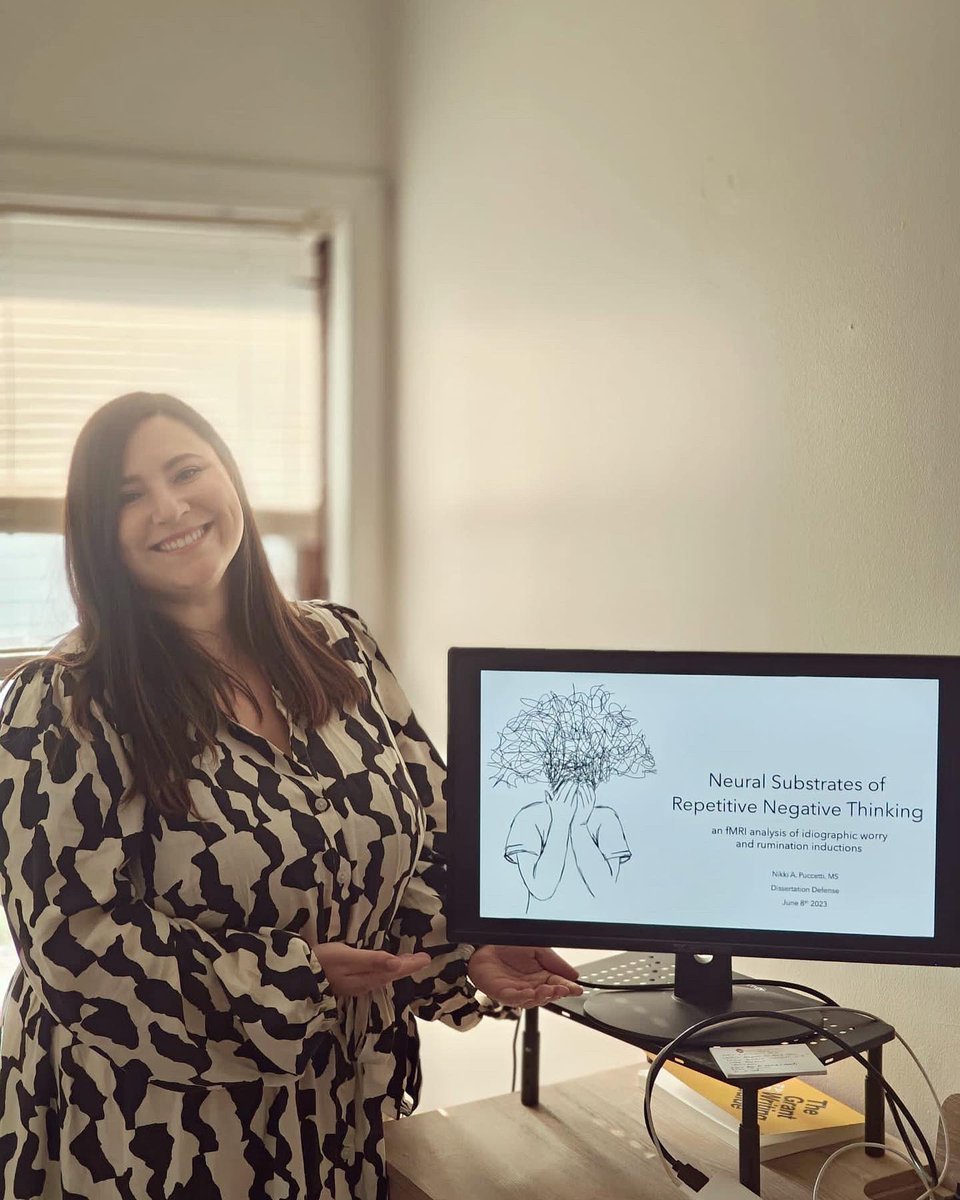
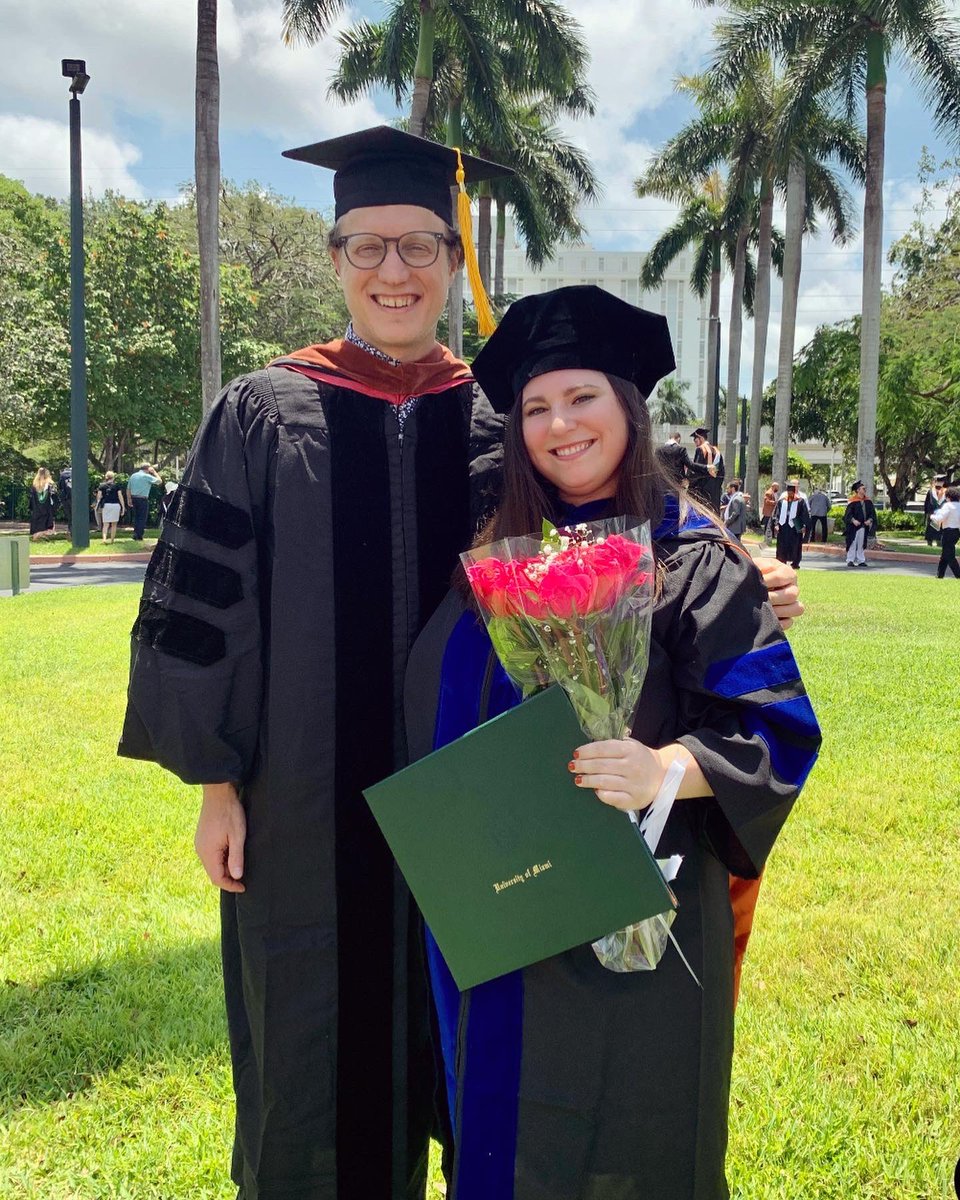
Did it!!!!! Successfully defended my dissertation last week ❤️still feels pretty surreal. Dr. Puccetti in the house!!
The third MANATEE PhD 🌴 🌊 🌞 with the invaluable support of @helleryeahz
🎉 New review article! 🎉
Computational models of subjective feelings can help us understand subjective psychiatric symptoms. By @ChangHaoKao1@gloriawfeng@jihyuncindy_hur @huwbris in Neuroscience & Biobehavioral Reviews! https://t.co/rPrexke3kG🧵👇1/n
Excited to share that new work with @helleryeahz, @arossotto, @BrittJaso, Noah Kraus, and Rick Reneau is now published in @ScienceAdvances:
“Individual differences in naturalistic learning link negative emotionality to the development of anxiety”
(1/11)
Momentary mood fluctuations reflect the recent history of rewards, as shown in our previous lab studies (e.g., https://t.co/NfvXQfoOGD )or in the real world (@BillyVillano@helleryeahz https://t.co/uYUIKedYyO) 2/13
@ShirleneWang@manateelab@BrittJaso @NoahKraus8 Hey, thanks! Quick responses: (1) yes remained open, (2) yes there was incentive for compliance (but only for response rate), (3) purpose was to study emotion in daily life and surrounding personally meaningful events (i.e., exam feedback)
Excited to share this new work from the @manateelab with @BrittJaso and @NoahKraus8 in Psych Methods: https://t.co/aRw6NhI4Ft 'What makes for a careless EMA response?' Using >18k EMA we identify 3 features that researchers should consider alongside a new R-package: EMAeval 1/n
Lastly, we introduce an R-package: EMAeval (https://t.co/GfHIbRBKLb) to run on your EMA data to flag careless responses. We also describe how to run these scripts during data collection so you can contact participants to enhance data quality. 5/n