@tumblr First time logging into Twitter in years just to tell you guys that this latest update is a massive, massive mistake that will destroy the site. Please roll it back.
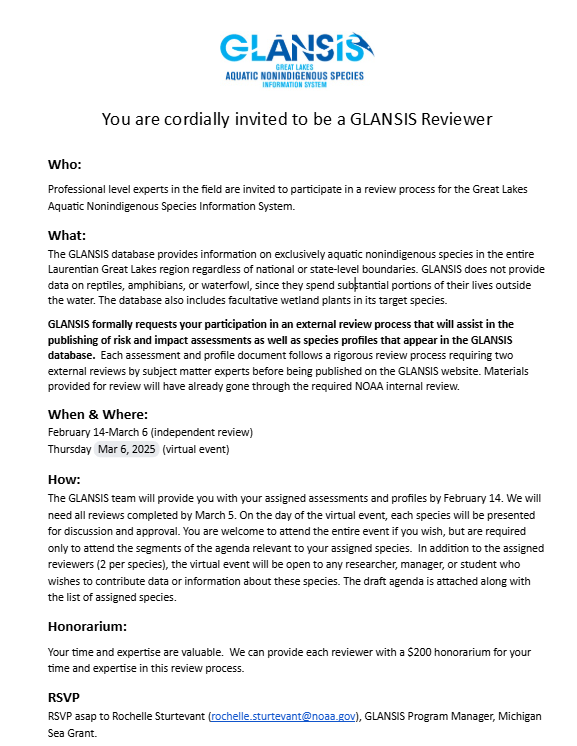
Boosting for anyone who's still on this site: #GLANSIS needs your help as #AIS experts to review our species profiles + risk assessments! Please share with your networks and contact program manager Rochelle Sturtevant if interested. @NOAA_GLERL@CIGLR_UM@MidwestInvasive
Great podcast! #GLANSIS communication specialist @helloellower features in this first episode, along with a number of our friends and collaborators in the world of #AIS#SciComm!
The final report from @miseagrant and @NAISMAorg 's Invasive Species Language Workshop is now live! Learn about best #scicomm practices for #InvasiveSpecies outreach and management and directions for future research here: https://t.co/JOH8rxsfAo
#NISAW@NOAAResearch
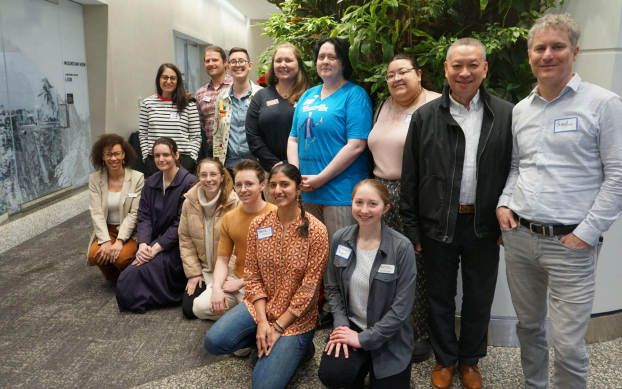
The full report from @miseagrant Invasive Species Language Workshop is now available! This was such a great experience!
Check it out here: https://t.co/jeSoU65Xxc
188: the number of non-native species that now call the #GreatLakes home 😲 The Milwaukee Journal Sentinel reveals the top ten undesirables (according to this paper @ https://t.co/bhWnQUuoVE) and the impact these invasive species can have:
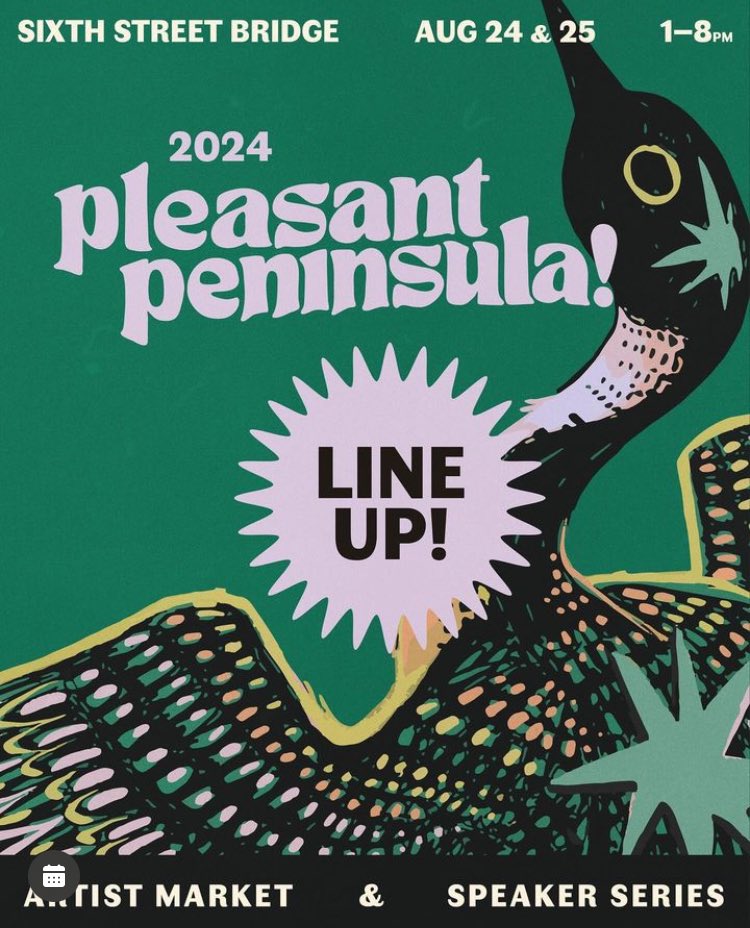
Had an absolutely delightful time at the Pleasant Peninsula festival in Grand Rapids this weekend talking about wild edibles and meeting other #scicomm folks!
The #IAGLR25 Call for Sessions portal is now open. We invite you to propose a scientific session for IAGLR’s 68th Annual Conference on Great Lakes Research. The conference will be held June 2–6, 2025, in Milwaukee, Wisconsin. The deadline is September 20. https://t.co/8Ykky6roF9
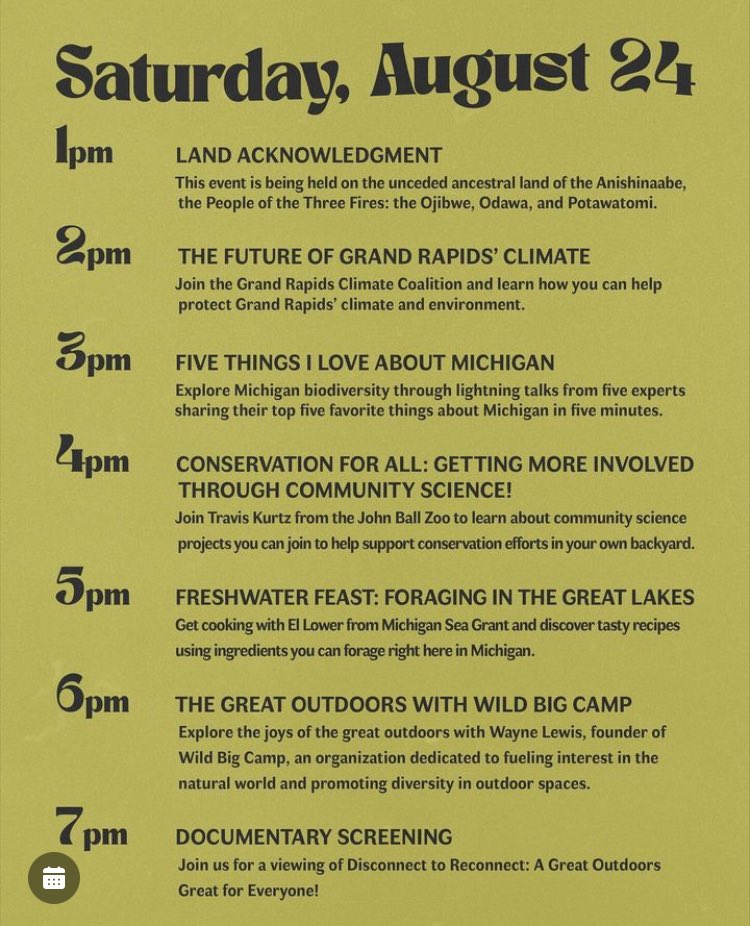
I’m giving a foraging talk highlighting #invasivespecies and @miseagrant ’s Freshwater Feasts recipe blog at the Pleasant Peninsula: Art & Activism Fair 2024! Come see me on August 24 at 5 pm at the Sixth Street Bridge in Grand Rapids!
Finally made a 🟦sky account under this same handle as this site continues to actively decay — much like my profile here, it’ll be mostly work-related because I do miss Science Twitter. Feel free to drop me a line with your own handles if you’d like a follow at the other place!
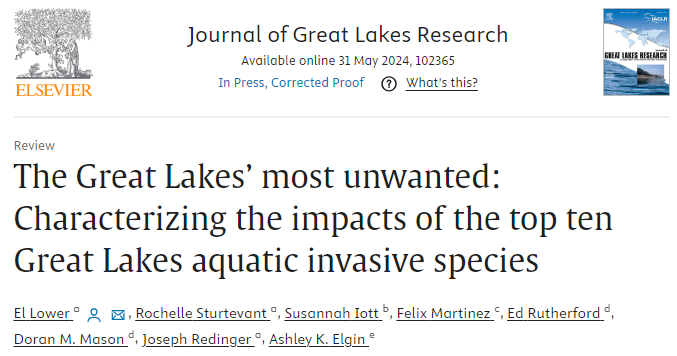
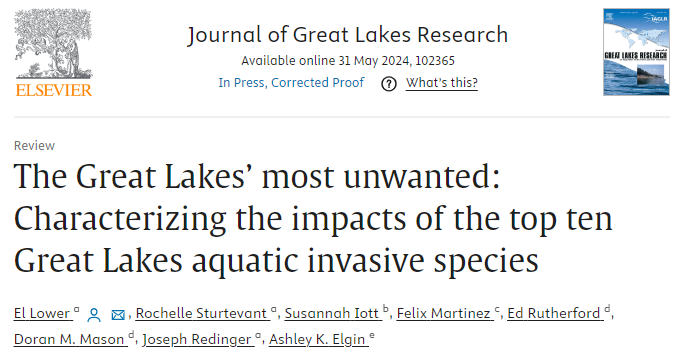
You can find our full paper "The Great Lakes’ most unwanted: Characterizing the impacts of the top ten Great Lakes aquatic invasive species" here (open-access!) in the Journal of Great Lakes Research: https://t.co/KSwL7NNdR1
@NOAA_GLERL @miseagrant @CIGLR_UM These quantitative rankings of the top 10 most harmful #AIS can serve as a reference point for researchers, educators and science communicators throughout the #GreatLakes region. We hope you’ll check it out! https://t.co/KSwL7NNLGz #GreatLakesSci
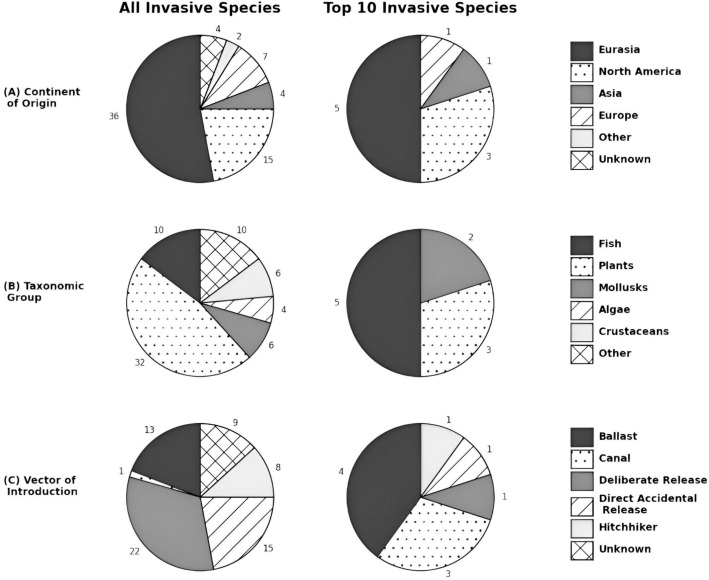
@NOAA_GLERL @miseagrant @CIGLR_UM These species come from different continents, taxa, and vectors of introduction. Their most common shared impacts are threats to/competition with native species, altering predator/prey dynamics, and costly damage to human recreation/aesthetics/economic activities. #GreatLakesSci
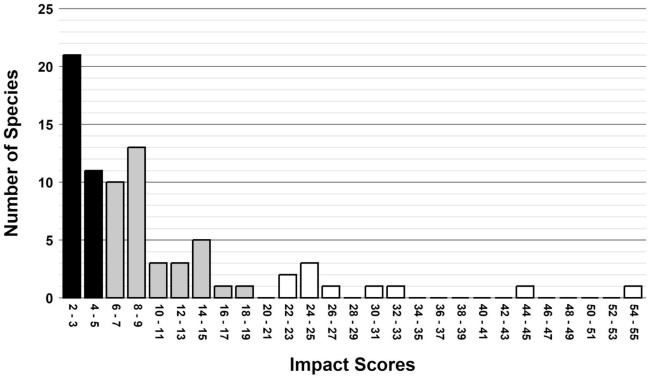
Our analysis scored 78 of the 188 species listed in #GLANSIS (41%) as invasive. Of these 78 species, 32 species had moderate impacts and 36 species had high impacts. The remaining 10 species had exceptionally strong impacts in multiple categories. #GreatLakesSci
📢New publication alert! 📢The #GLANSIS team is proud to present “The Great Lakes’ Most Unwanted: Characterizing the Impacts of the Top Ten Great Lakes aquatic invasive species”, based on analysis of the cross-taxa impact assessments in our database: https://t.co/KSwL7NNLGz