Stephan Herzig Receives the German Diabetes Association’s Friedrich Arnold Gries Award 2026 🏅
👏 Prof. Stephan Herzig, #HelmholtzMunich, has been awarded the 2026 Friedrich Arnold Gries Award by the German Diabetes Association (#DDG).
🌟 The award recognizes his outstanding scientific work on “Molecular characterization and therapeutic exploitation of starvation/fasting metabolism,” which has opened new avenues for understanding and treating diabetes-associated complications. The prize is sponsored by Boehringer Ingelheim Pharma GmbH & Co. KG.
💡 Stephan Herzig, Director and Head of Department at the Helmholtz Diabetes Center and Director of the Institute for Diabetes and Cancer, conducts research on the molecular foundations of metabolism and on innovative therapeutic strategies for diabetes and closely related comorbidities. His work bridges fundamental molecular mechanisms with translational research questions and has made a significant contribution to a better understanding of metabolic adaptation processes.
The Friedrich Arnold Gries Award honors outstanding scientific achievements in diabetes research, particularly work advancing the prevention, prognosis, and organ protection of diabetes, as well as related diseases such as fatty liver disease.
👉 Learn more: https://t.co/ObklSy48T8
@helmholtz_diabc@BoehringerDE
#DiabetesResearch #Metabolism #FastingMetabolism #Diabetes
📢 New Abstract Submission Deadline!
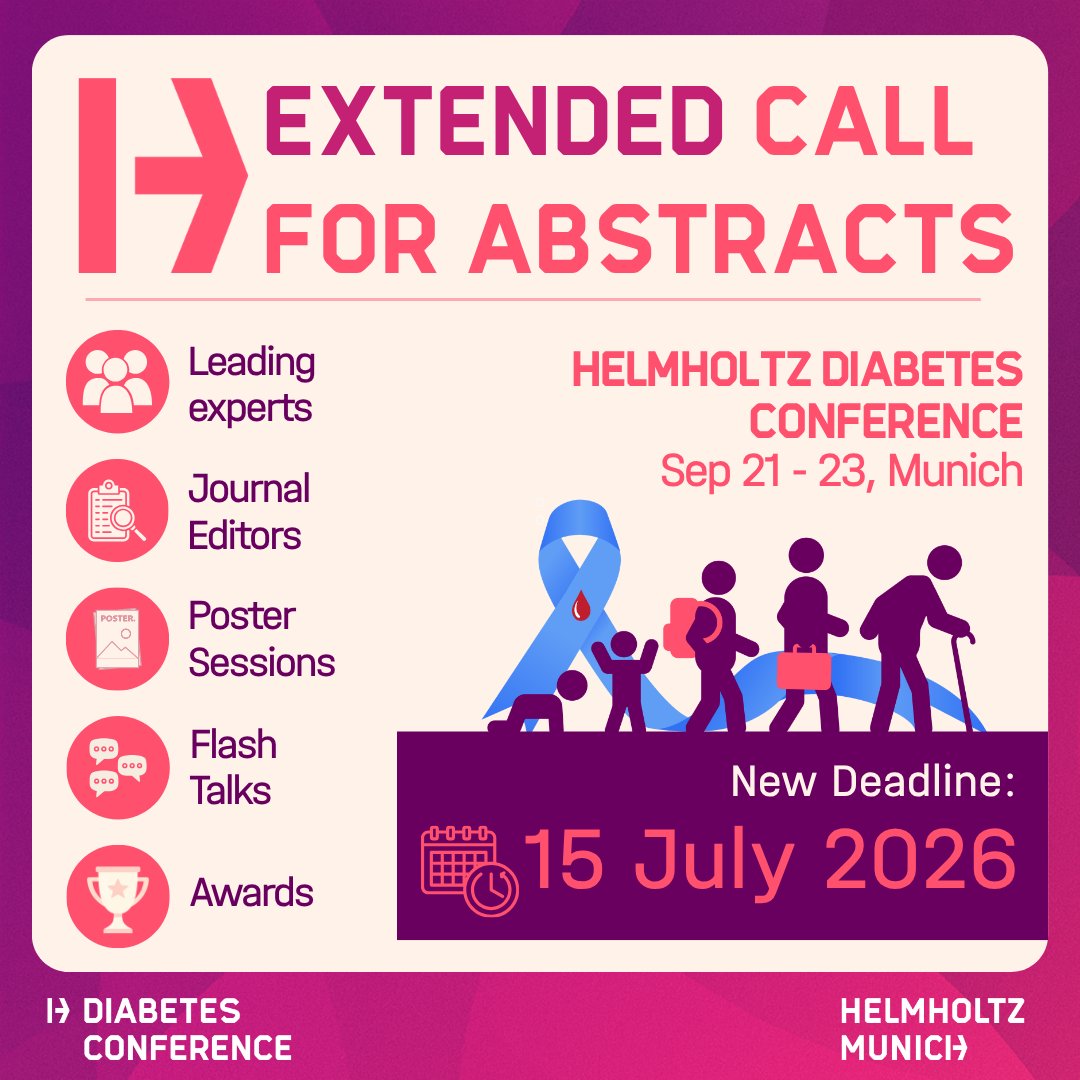
You now have the chance until 𝟭𝟱 𝗝𝘂𝗹𝘆 to submit your #abstract for the 13th Helmholtz Diabetes Conference - Diabetes Across the Lifespan.
Present your work as a #FlashTalk or #Poster Presentation.
🔗 https://t.co/NItXN8hjkW
#HelmholtzDiabetes2026
📢 Registration and Call for Abstracts for the 13th Helmholtz Diabetes Conference Are Now Open!
This year’s Helmholtz Diabetes Conference at #HelmholtzMunich is centered around the theme “Diabetes Across the Lifespan”. It will bring together leading international scientists to discuss the latest advances in metabolic health and diabetes research – from early development and pregnancy to aging and age-related metabolic disease.
When & Where:
📍 Congress Center, Helmholtz Munich Campus
📅 September 21–23, 2026
All information, including the scientific program, registration and abstract submission, can be found on the conference website:
👉 https://t.co/qi3fj3iJec
🌟 Submit your abstract and present your work as a flash talk or poster presentation to leading experts and journal editors – prizes will be awarded for the best presentations.
@helmholtz_diabc@DiabResearch
#Metabolism #DiabetesResearch #AgingWithDiabetes #MetabolicHealth
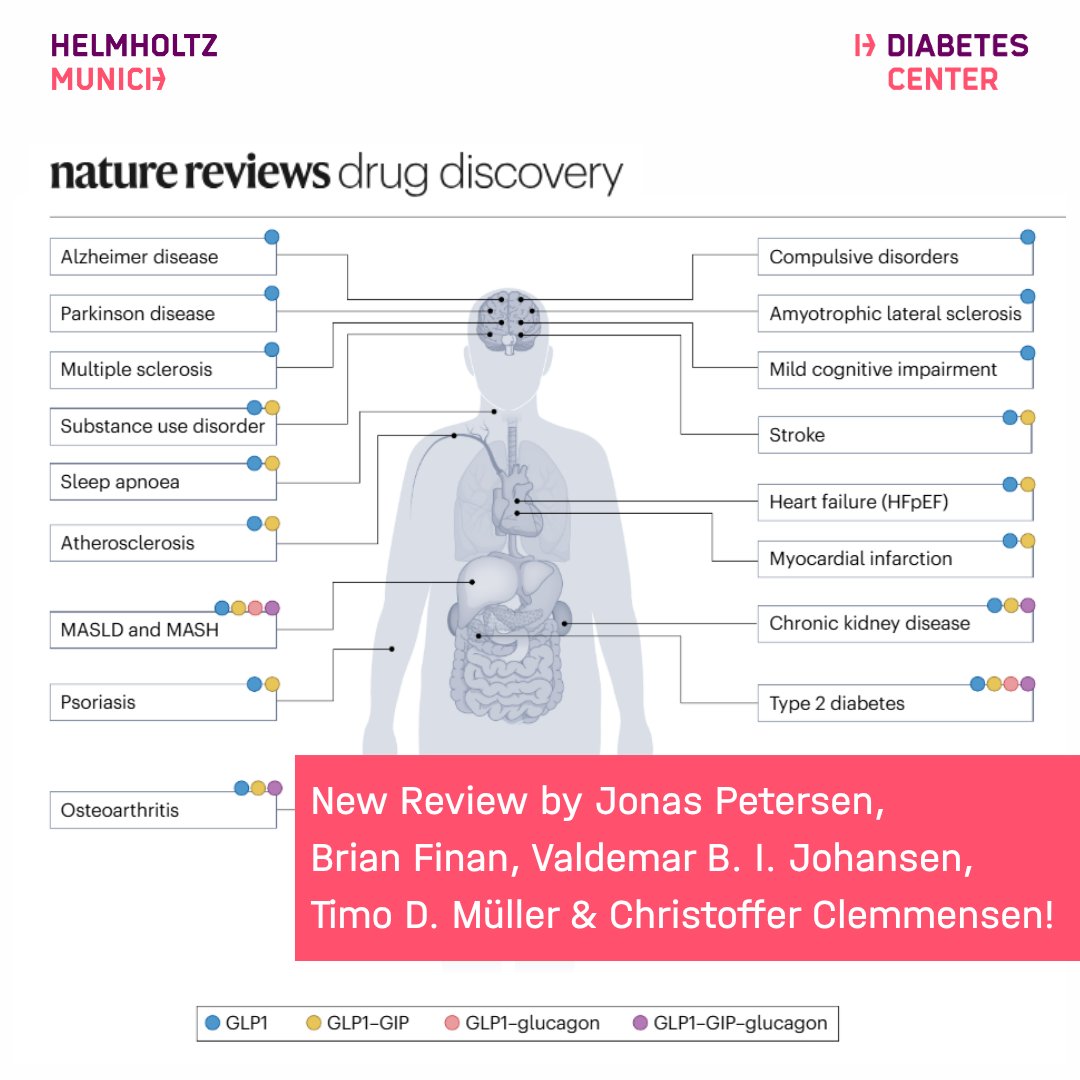
New review by Jonas Petersen, @TimoMueller_IDO, @clemmensenc et al.:
“The evolving landscape of obesity pharmacotherapy”
📖 @NatRevDrugDis | 🔗 https://t.co/pjHIKyttE3
👉 A timely overview of next-generation #obesity therapies beyond #GLP1.
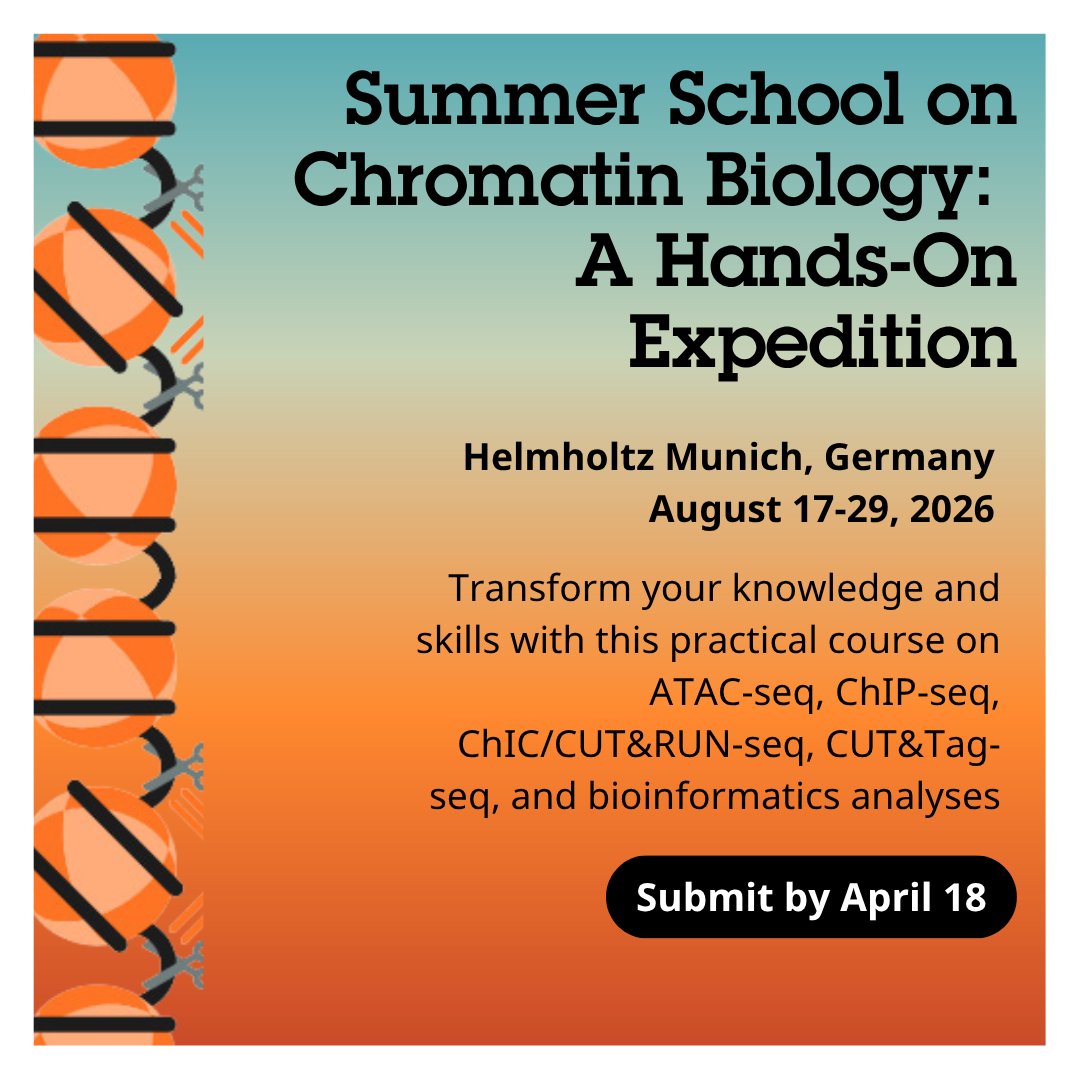
Summer School on Chromatin Biology 2026 at Helmholtz Munich 🧬
📢 Application Deadline Extended to April 18, 2026.
The two-week programme at #HelmholtzMunich will take place:
📆 August 17–29, 2026
📍Helmholtz Munich Campus, Neuherberg
👉 Apply by April 18: https://t.co/vbc85UpnOL
🌟Don't miss the opportunity to connect with experts in chromatin and genetics!
👉 Further information on the programme and application process: https://t.co/FRl0A5y9Zj
@epigeneticsHMGU@METorresPadilla@robert_ife@AloysSchepers@abcam
#ChromatinBiologySummerSchool2024 #CareerDevelopment #Epigenetics #abcam
This August, join us in Munich for the Summer School on Chromatin Biology - a two‑week, immersive, hands‑on program at the forefront of chromatin and epigenetics research.
Dive into the field through:
◉ Expert‑guided hands‑on training
◉ Data analysis and bioinformatics
◉ Daily lectures from internationally recognized leaders
Learn alongside peers from around the world, exchange ideas, and build lasting scientific connections while advancing your research skills.
Applications close April 18. Apply now: https://t.co/wNjbJhmajR
#ChromatinBiology #Epigenetics #SummerSchool #ScientificTraining #LifeSciences #MolecularBiology #Bioinformatics #ResearchTraining #Munich #EarlyCareerResearchers
Marcus Conrad Receives German Cancer Award 2026 🏆
👉https://t.co/Ynh21bYeU7
Congratulations to Prof. Marcus Conrad, Director of the Institute of Metabolism and Cell Death at #HelmholtzMunich and Professor at the TU München, on receiving the German Cancer Award 2026 in Experimental Research.
He shares this honor with Prof. José Pedro Friedmann Angeli from the University Würzburg.
💡 Their pioneering work on #ferroptosis, an iron-dependent form of cell death, has opened promising new avenues in cancer therapy. By uncovering the key role of the enzyme GPX4 and identifying mechanisms that determine tumor sensitivity, their research paves the way for innovative treatment strategies -particularly for aggressive and therapy-resistant cancers.
The German Cancer Award is considered one of the most prestigious honors in oncology and is presented by the German Cancer Society and the German Cancer Foundation.
@Conrad_Lab@AngeliFriedmann@TU_Muenchen
#CellDeath #CancerResearch #Ferroptosis #GermanCancerAward2026
Lipid Identification: Chemical Fingerprint Instead of Dye 🔬
👉 https://t.co/E4Db90LzRS
A team led by Vasilis Ntziachsristos, #HelmholtzMunich and TU Münschen, has developed a microscopy technique that can distinguish and map lipid species in living cells – without the need for chemical labeling.
The method combines mid-infrared illumination with optoacoustic detection to read the lipids’ natural spectral fingerprints, enabling precise identification of molecules such as cholesterol and sphingomyelin.
💡 The new microscopy method is called hyperspectral mid-infrared optoacoustic microscopy (#HyFOPM). It allows label-free imaging while minimizing stress on living cell, and opens new possibilities for studying metabolism, disease mechanisms, and biomarker development. In the long term, the team aims to apply the technology to complex biological systems and patient-adjacent settings.
This innovation addresses a key limitation of traditional microscopy, which relies on custom labels for each lipid – a process that is time-consuming, costly, and can interfere with normal cell function.
🔗 To the original publication: https://t.co/iGDvR7CbpC
@ntziachristos@MunichImaging@TU_Muenchen
#LipidResearch #BiomedicalResearch #PrecisionMedicine #optoacoustic
🎤 Where Immunology Meets Metabolism
An Interview with Prof. Carolin Daniel
👉https://t.co/RkGAXxlUae
Prof. Carolin Daniel is the Director of the newly established Institute for Metabolism and Immunology at #HelmholtzMunich.
💡 With her team she wants to understand how the immune system interacts with metabolic processes in health and metabolic disease, and how this interplay can be harnessed for precision prevention and therapies. A key strength of the new institute is the close integration of basic research, bioengineering, and data-driven health research.
Her leadership style is based on trust, openness, and recognizing individual strengths. She strives to cultivate an environment that promotes curiosity-driven research while ensuring a clear focus on translational impact and long-term patient benefit.
💬 “At the heart of every scientific discovery are talented and passionate individuals whose ideas, curiosity, and persistence push the field forward.”
– Prof. Carolin Daniel
@DanielLabMunich@helmholtz_diabc
#Immunology #Metabolism #PrecisionMedicine #Tregs #prevention
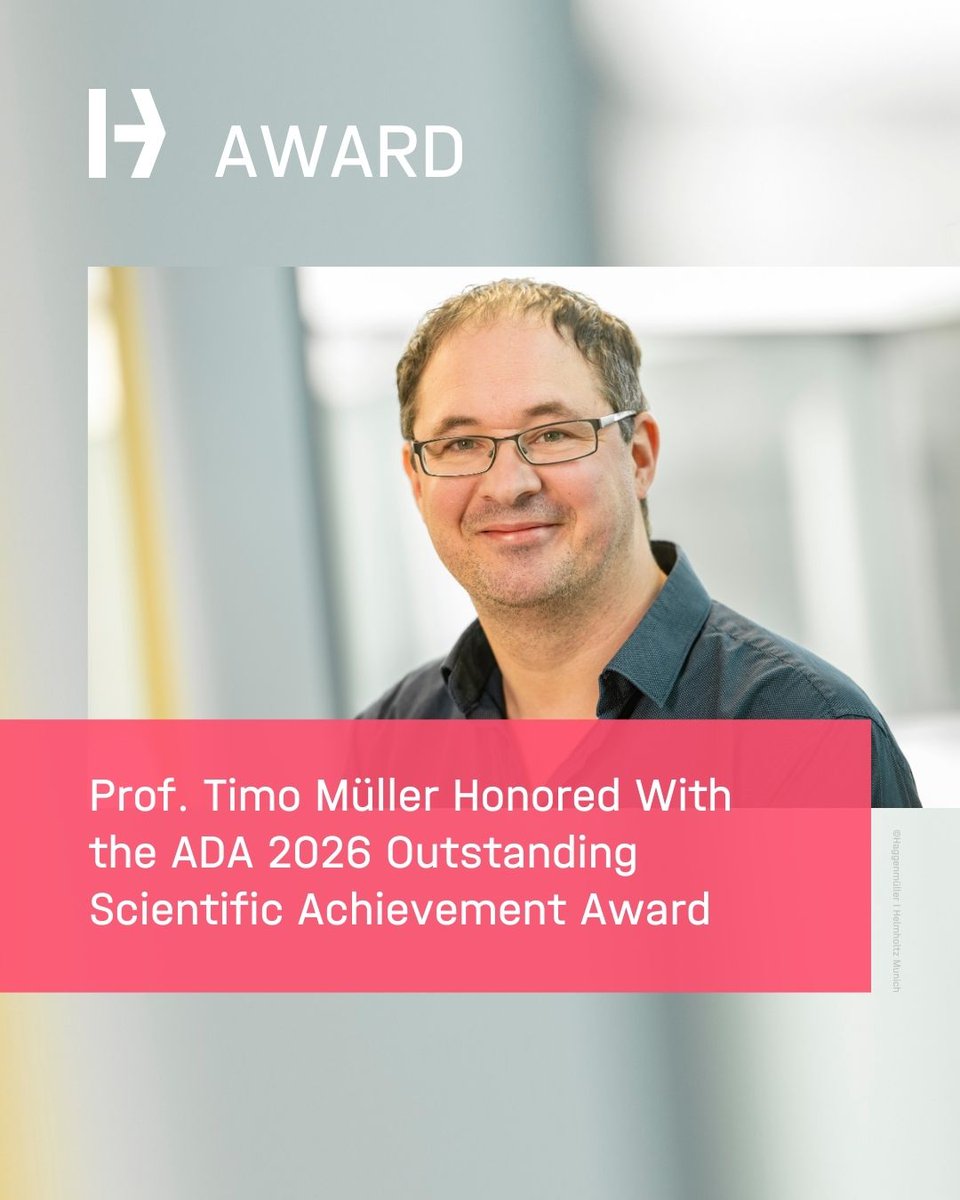
Timo Müller Receives the ADA 2026 Outstanding Scientific Achievement Award👏
👉 https://t.co/DsOTKe9vQz
Congratulations to Prof. Timo Müller, Director of the Institute for Diabetes and Obesity at #HelmholtzMunich and Professor at LMU, on receiving the “2026 Outstanding Scientific Achievement Award” from the American Diabetes Association.
💡 This award recognizes researchers whose work demonstrates exceptional originality, independence of thought, and significant impact in the field of diabetes research. Timo Müller’s pioneering discoveries have reshaped the scientific understanding of obesity and diabetes, providing
foundational insights into central nervous system GIP receptor biology and paving the way for the development of next-generation incretin-based
polyagonists.
🌟His work has substantially advanced therapeutic strategies and opened new avenues for the treatment of metabolic diseases.
The award will be presented at the ADA Scientific Sessions in June.
@AmDiabetesAssn@IDO_Helmholtz@helmholtz_diabc@LMU_Muenchen
#DiabetesResearch #MetabolicHealth #ADA #GIPReceptor #polyagonists
Congratulations to Timo Müller (@IDO_Helmholtz@LMU_Muenchen) for receiving the "ADA 2026 Outstanding Scientific Achievement" Award! 🎉
His research on CNS GIP receptor biology is shaping next-generation #incretin therapies for #obesity and #diabetes.
➡️ https://t.co/8wj75SSkfS
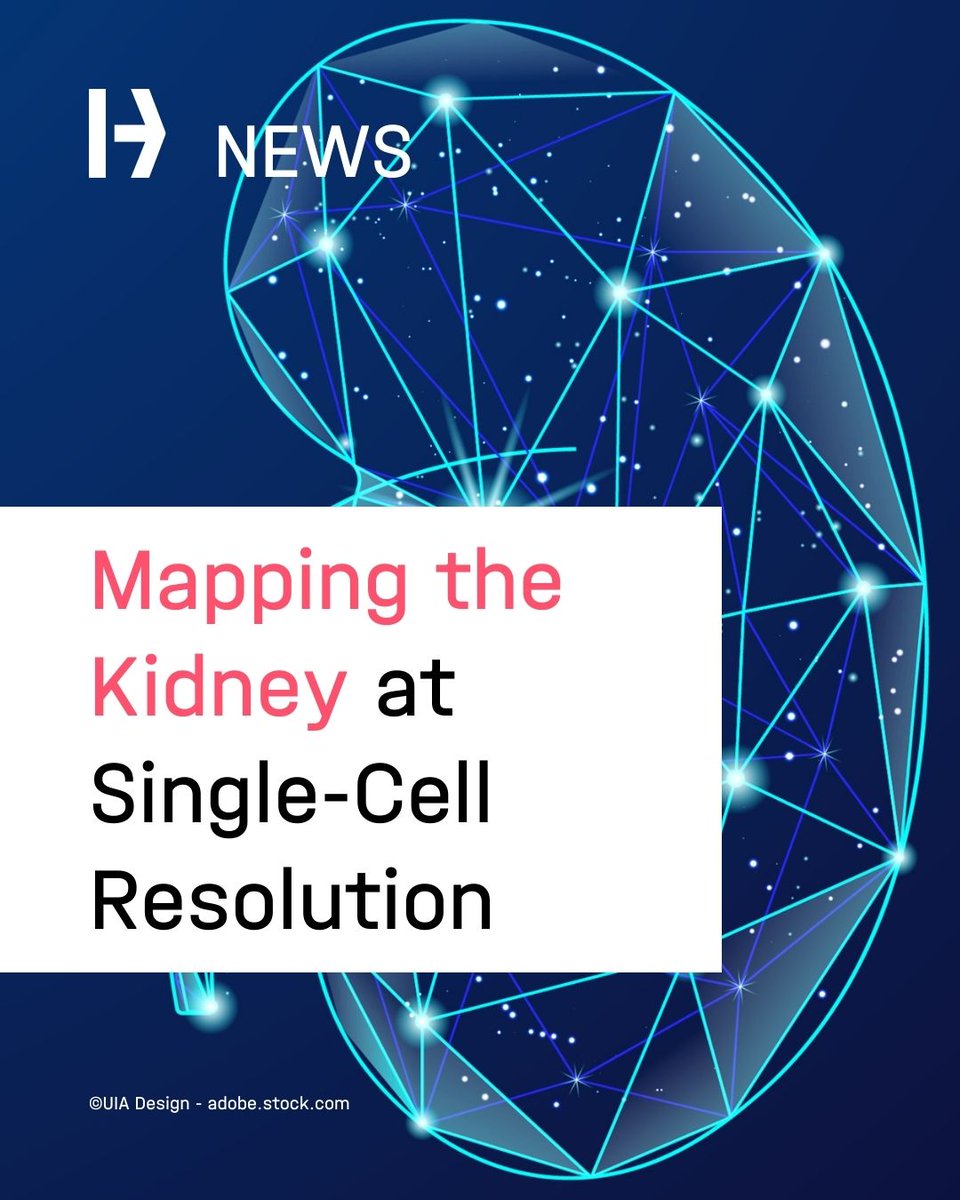
Mapping the Kidney at Single-Cell Resolution 🤖
#HelmholtzMunich and #Novartis Biomedical Research are launching a four-year collaboration to advance #KidneyDisease research.
👉 https://t.co/ZmvYOXPTmi
🔬 The partnership will develop an integrated, cross-species “kidney disease atlas” at single-cell resolution. By combining large-scale perturbation data with artificial intelligence, the collaboration aims to uncover new insights into kidney disease mechanisms and create enhanced preclinical disease models to accelerate therapeutic development.
💡 This initiative builds on Helmholtz Munich’s expertise in #AI-driven modeling, virtual cell simulations, and large-scale perturbation analysis.
🤝 @Novartis contributes extensive know-how in the generation and characterization of reproducible kidney organoid models – lab-grown tissue models that replicate key features of human kidneys and allow researchers to test potential therapies in physiologically relevant systems.
@fabian_theis@CompHealthMuc@helmholtz_ai
#CellAtlas #PerturbationModels #VirtualCell #Organoids
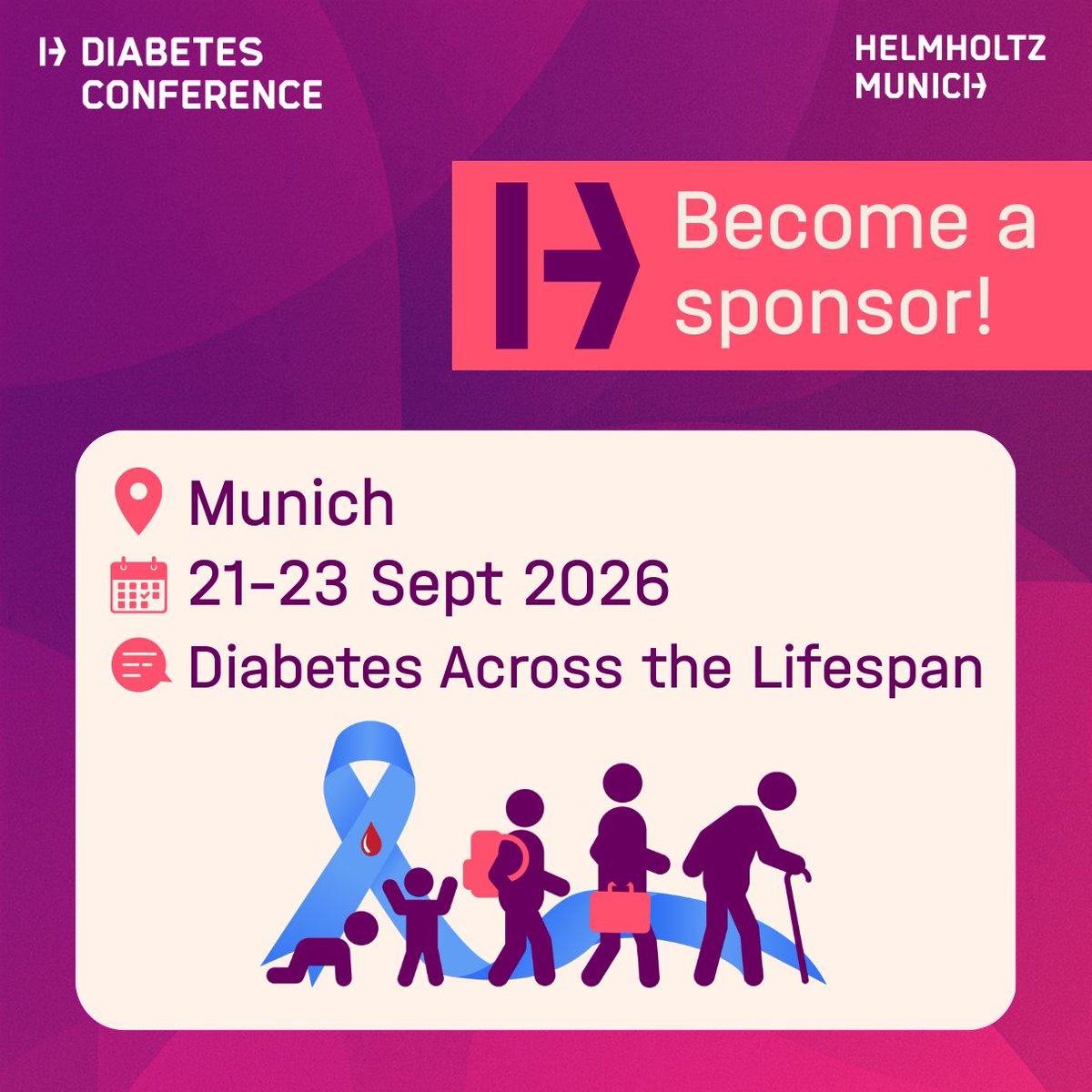
📢 Become a sponsor of the 13th Helmholtz Diabetes Conference!
✔ Secure your booth in our sponsor area
✔ Connect with international diabetes researchers
✔ Increase your visibility across website, program & app
🙌 Check out your options in our website: https://t.co/bgLCEWAQMH
More Than Waste: Photorespiration Shapes the Plant Epigenome 🌱
#Photorespiration, often seen as a costly side reaction of photosynthesis, also has a previously overlooked role in supporting DNA methylation.
Researchers at #HelmholtzMunich, with @UniHeidelberg and @TU_Muenchen, show that the photorespiratory by-product formate provides one-carbon (C1) units for DNA methylation – a key #epigenetic modification involved in gene regulation and genome stability.
Using Arabidopsis grown under elevated CO2, the team observed changes in DNA methylation patterns, linking photorespiration directly to epigenetic regulation.
🌍🌾 These findings offer new insight into how environmental changes, including rising CO₂ levels, may influence plant development, adaptation, and agricultural performance.
👉 Read more in our news: https://t.co/2Dmng5wXZ4
🔗 To the original publication in Nature Plants: https://t.co/hBWydsUi0s
@NaturePortfolio
#PlantScience #Photosynthesis #PlantBiology
Long-Term Insights Into Mental Health During the Pandemic 😷
👉 https://t.co/VOi7Xco3c8
Even years after the start of the COVID-19 pandemic, its effects on #MentalHealth continue to be observed.
A study from the NAKO Health Study, conducted with researchers at #HelmholtzMunich, followed nearly 80,000 people in Germany from before COVID-19 through 2022, offering rare insights into long-term changes in mental well-being.
🔬The findings show that symptoms of depression, anxiety, and stress all increased by 2022. Fewer people reported feeling completely symptom-free, and the share of those experiencing all three conditions at once more than doubled. Early in the pandemic, self-rated health even improved slightly, but by 2022 fewer participants described their health as “very good,” and reports of poorer health had risen.
Younger adults and women were more strongly affected, while older age groups were generally more stable. The results suggest that mental health effects were not limited to the immediate crisis but persisted long after restrictions ended.
💡The results underscore the importance of sustained, low-threshold prevention strategies and long-term monitoring to mitigate lasting mental health consequences at the population level.
@NAKO_Studie
#Prevention #PublicHealth #COVID19 #HealthResearch
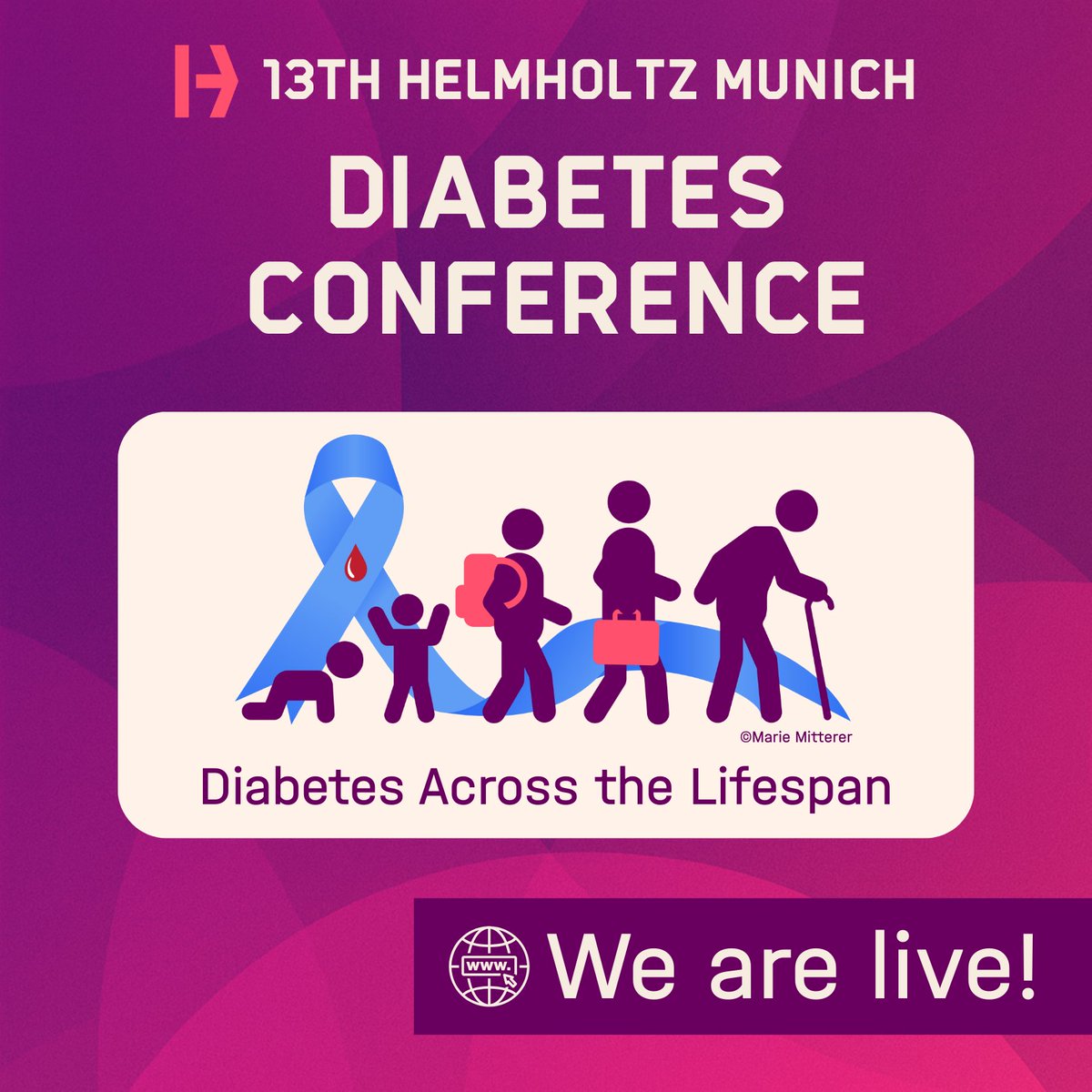
🚀 We are live!
The website for the 13th Helmholtz Diabetes Conference is now online!
Explore the speaker list and key information on the meeting on 21–23 September!
Program & registration coming soon.
👉 https://t.co/NItXN8hjkW
#SaveTheDate#StayTuned#HelmholtzDiabetes2026
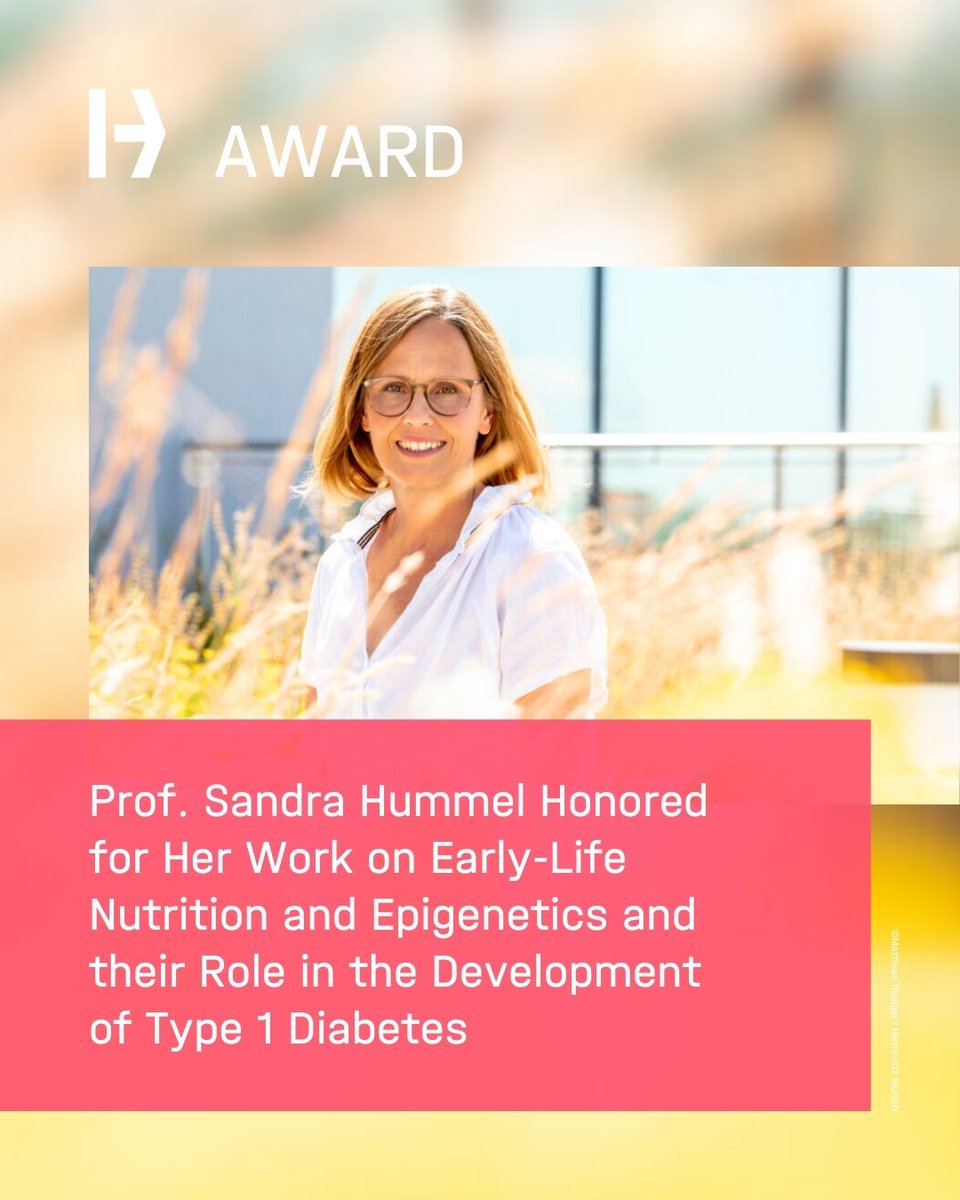
How Are Early-Life Nutrition and Epigenetic Mechanisms Involved in the Development of Type 1 Diabetes and Obesity?
Sandra Hummel Honored With the Research Award of the Dr. Heinz Bürger-Büsing Foundation 🎉
👉 https://t.co/S4oX3AmcyM
Prof. Sandra Hummel, #HelmholtzMunich, has been awarded the Research Prize of the Dr. Heinz Bürger-Büsing Foundation for her outstanding research on early-life nutrition and epigenetics and their role in the development of type 1 diabetes and obesity. Her work provides key insights for future prevention strategies.
💬 “The first years of life are crucial for the development of type 1 diabetes. Unraveling the interplay of genetic, epigenetic, and environmental factors in the development of islet autoimmunity is essential for developing prevention strategies.”
– Sandra Hummel, lead scientist of the research area “Lifestyle, Obesity, and Epigenetic Programming in Type 1 and Gestational Diabetes” at the Institute of Diabetes Research at Helmholtz Munich
@helmholtz_diabc
#Type1Diabetes #DiabetesResearch #Epigenetics
#HelmholtzDiabetes2026
📢Save the date!
The 13th Helmholtz Diabetes Conference is already in preparation!
🌟Topic:
Diabetes Across the Lifespan – From Early Development to Aging
When & where:
🗓️21- 23 Sept 2026
📍Conference Center, Helmholtz Munich Campus
👉Stay tuned for more details!
@helmholtz_diabc
#DiabetesConference #HelmholtzMunich #AgingWithDiabetes
Big Data Make Hidden Genetic Drivers of Type 2 Diabetes Visible 🧬
👉 Learn more: https://t.co/aveHaZYMIH
Although large-scale genetic studies have uncovered genetic changes linked to type 2 diabetes (#T2D), identifying the underlying genes and proteins driving the disease has remained challenging.
An international team led by Prof. Eleftheria Zeggini from #HelmholtzMunich used global genetic and multi-omic data to prioritize disease-relevant genes and proteins.
🌟 Tissue Matters: The Biology Is Often Not in the Blood
Blood markers alone do not tell the full story - analyses across seven diabetes-relevant tissues revealed causal evidence for 676 genes, most of which would have been missed if only blood samples were studied.
🌟 Stronger Findings from Global Data
By including data from >2.5 million people across four ancestry groups, the study identified 335 genes and 46 proteins with predicted influence on T2D risk - highlighting the importance of global representation in genomics research.
💡 This work shows that tissue context and diverse datasets are essential for uncovering the molecular mechanisms of complex diseases like T2D.
🔗 To the original publication: https://t.co/vt7lSJYh24
@EleZeggini@OzvanBocher@NaturePortfolio@TU_Muenchen
#Genomics #Type2Diabetes #PrecisionMedicine #BigData #GWAS
Cholesterol-Lowering Drug Found to Target a Key Metabolic Switch 🧬
Cardiovascular diseases are the leading cause of death worldwide, making lipid-lowering therapies a cornerstone of prevention. New research from #HelmholtzMunich now shows that bempedoic acid, a recently approved LDL-cholesterol–lowering drug, does more than reduce cholesterol.
🔬 Researchers led by Dr. Bilal Sheikh (HI-MAG) demonstrated that bempedoic acid directly binds and activates PPARα, a key regulator of fat metabolism and energy balance, triggering fat breakdown in liver cells.
🧪 Beyond the Liver
Activation occurs independently of liver-specific enzymes, suggesting the drug could also influence PPARα in other tissues, including the heart, kidneys, and immune cells.
💡 Implications for Metabolic Health
The finding may explain broader metabolic benefits and opens the possibility of treating fatty liver disease and other metabolic disorders.
👉 Read more: https://t.co/0pNj4SfNx5
🔗 To the original publication: https://t.co/sn2GB6lJSL
@Cell_Metabolism@DiabResearch@UniLeipzig@UKL_Leipzig@Bilal_N_Sheikh
#MetabolicHealth #PPARalpha #BempedoicAcid
More Than Just Gut Cohabitants: How Gut Bacteria Control Immune Responses🦠
👉 https://t.co/99ccRyBBw8
New research led by #HelmholtzMunich shows that common gut bacteria can actively shape our immune system by injecting proteins directly into human cells.
💡 Using syringe-like secretion systems once thought to exist only in pathogens, harmless gut microbes target key immune and metabolic pathways. These mechanisms may help explain how changes in the microbiome contribute to inflammatory diseases such as Crohn’s disease.
Although the human gut microbiome has long been linked to immune, metabolic, and inflammatory disorders, most evidence is correlative, and the molecular mechanisms behind these connections remain largely unexplored.
The new study shifts microbiome research from correlation to causation – and opens new avenues for understanding and treating immune-mediated diseases.
🔗 To the original publication: https://t.co/8uYs8yzlAQ
@LMU_Muenchen@Inserm@NaturePortfolio
#Microbiome #ImmuneHealth #MorbusCrohn