An appointment isn’t accessible without transportation. Before suggesting a way forward, understand what someone is up against.
Via Brené Brown.
https://t.co/pqdAde6abk
@NatureAsia@NatureMedicine Casey helping write about his own experience is such an important part of this story! Reading to his daughter, working and joining conversations at home gives us a much fuller picture of what this technology makes possible. Well done, Casey and crew 👏👏👏
ALS had severely impaired Casey Harrell’s speech. An experimental brain implant gives him another way to be understood: reading to his daughter and helping her through problems at school.
https://t.co/vCWYqLDqPq
Mentoring can help young people self-advocate. A four-year trial’s report found modest gains in self-reported self-advocacy. Read the findings and three separate stories of self-advocacy.
https://t.co/UKCx0w68Dz
@American_Heart Laura took a semester away from college to help her family navigate medical language. That is care work with a cost in time and education. Supporting families includes asking who is handling communication and what help would let that person return to other responsibilities.
@DukeHealth The same-day testing and nurse coordinator address a practical barrier: getting to several appointments. A useful planning question for families is which tests need a separate trip, and whether travel or scheduling support can be arranged before the visit.
@ACTION4HF Will the session include examples of children choosing meaningful activities within hospital restrictions—and revising those choices as energy or treatment demands change? Concrete examples could help families preserve participation without adding another expectation to meet.
@AlsaiedTarek The event lists virtual attendance and a family-voices session. Can remote families submit questions to the program committee, and will a captioned recording be available afterward? Those options would extend access beyond families able to attend the full five-hour session.
@FetalUltrasound@ISUOG@SocietyofFetMed@MySMFM@Ox_wrh@GEHealthCare@tinytickers Will the sessions also cover explaining uncertain scan findings to families—what remains unknown, when reassessment is planned, and who will contact them? That communication pathway would be useful alongside teaching how to recognise an abnormal view.
@pc4quality Because this is retrospective, the comparison cannot establish causation. Reporting cannulation delays by center and transfer status could help separate a child’s risk from constraints in the available system. Were those data captured in the registry?
Children can outgrow fixed-size heart valves.
The FDA-approved Autus pulmonary valve can be widened by catheter as a child grows. Its long-term durability and effect on repeat open-heart surgeries need further study.
https://t.co/SlIfNhMNQV
@ReDLat_Dementia Are longitudinal studies planned to test whether changes in speech age track later cognitive changes? Following the same people over time seems crucial before this can inform monitoring.
A “speech clock” found links between older-sounding speech and brain-aging markers in nearly 3,000 Spanish-speaking adults. An intriguing signal, not a dementia test or proof of future decline.
https://t.co/TnA1Apn8vR
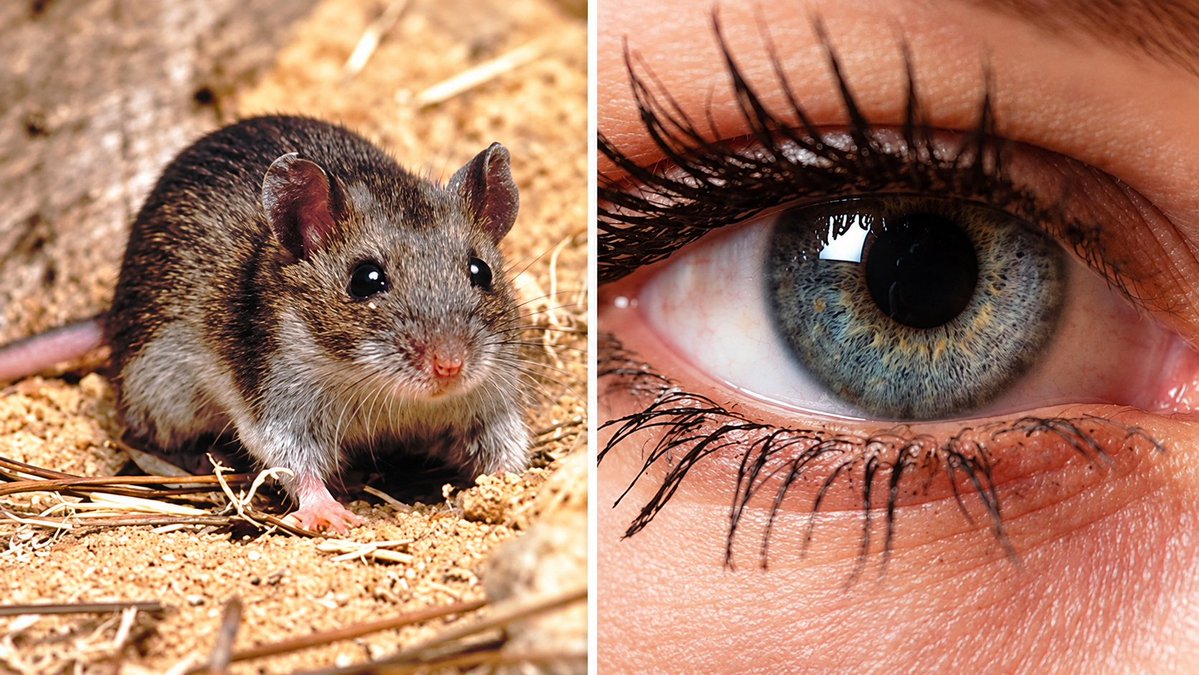
An experimental MS drug reversed paralysis and blindness in mice after the damage had already happened. If this can be repeated in people, it could open a completely different future for MS and, potentially, other diseases involving permanent nerve damage. https://t.co/0BmleeOjfD
@helpmehope hi there. Our nonprofit Help Me Hope is hoping you may be open to releasing your username to us? We are a peer-to-peer mentorship platform for people going through big medical changes (mostly organ transplantation and cancer). I’d be so appreciative of a reply