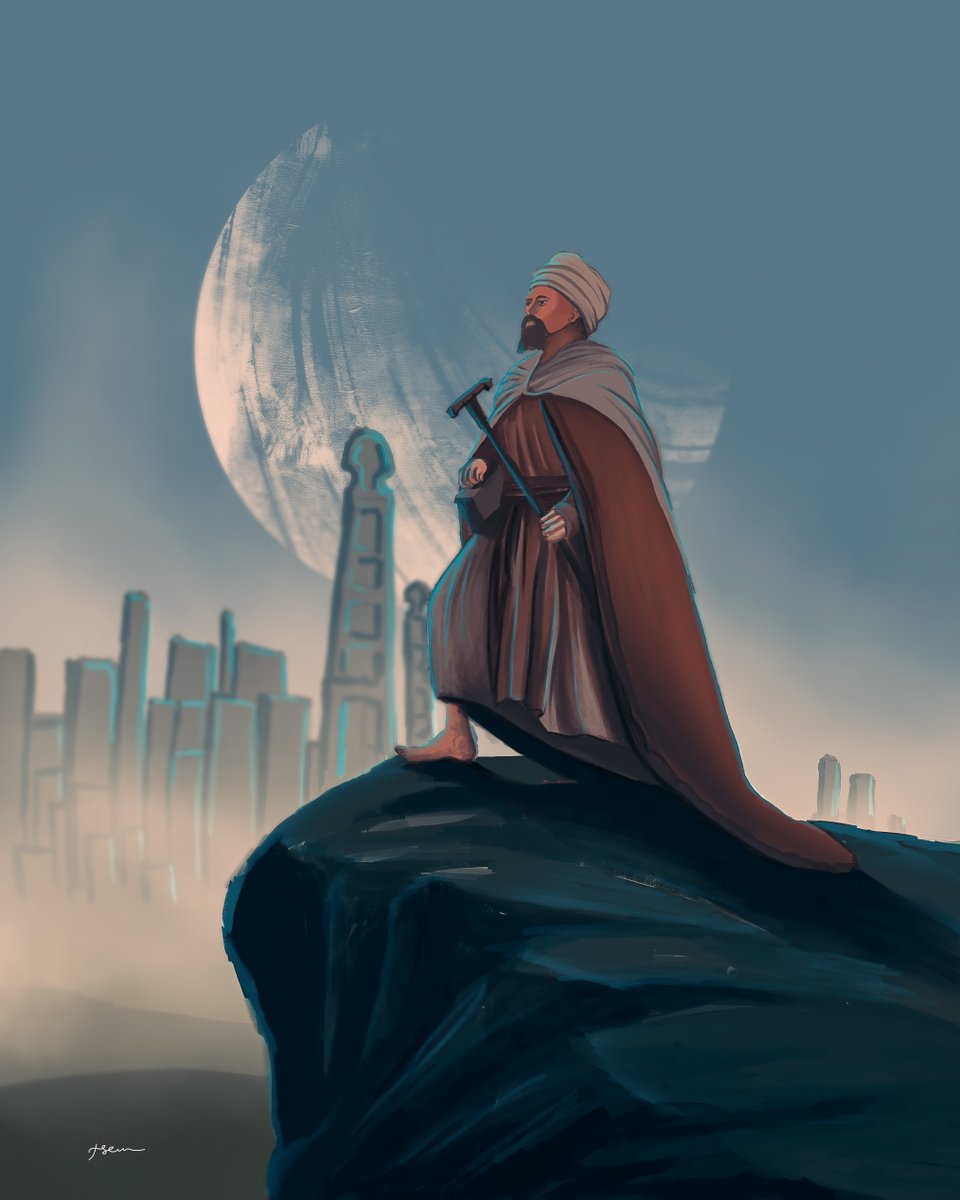
📸 Today I am pleased to share I was baptized into the Ethiopian Orthodox Tewahedo Church on St. George's day at St. George's Cathedral. My Christian name is now Amaha Selassie. I am overwhelmed w/ gratitude to everyone who played a role in my journey to Timket. #before#after
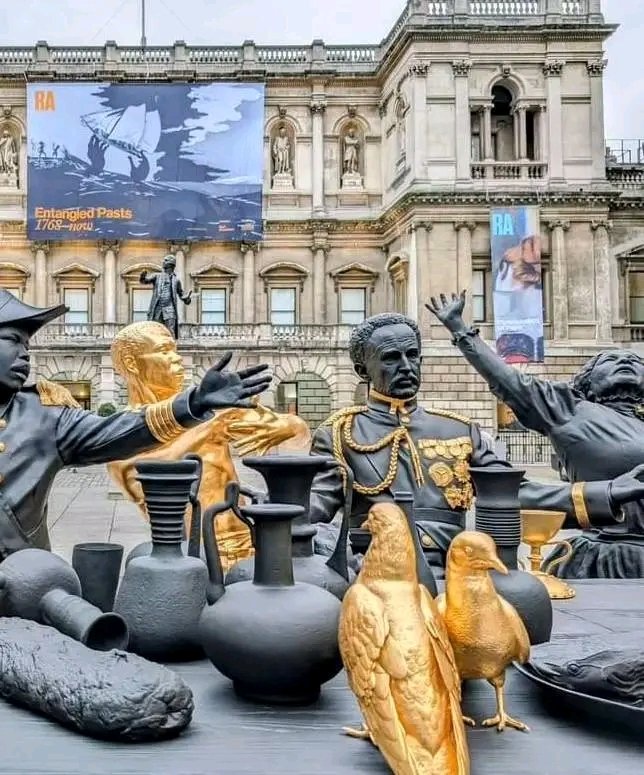
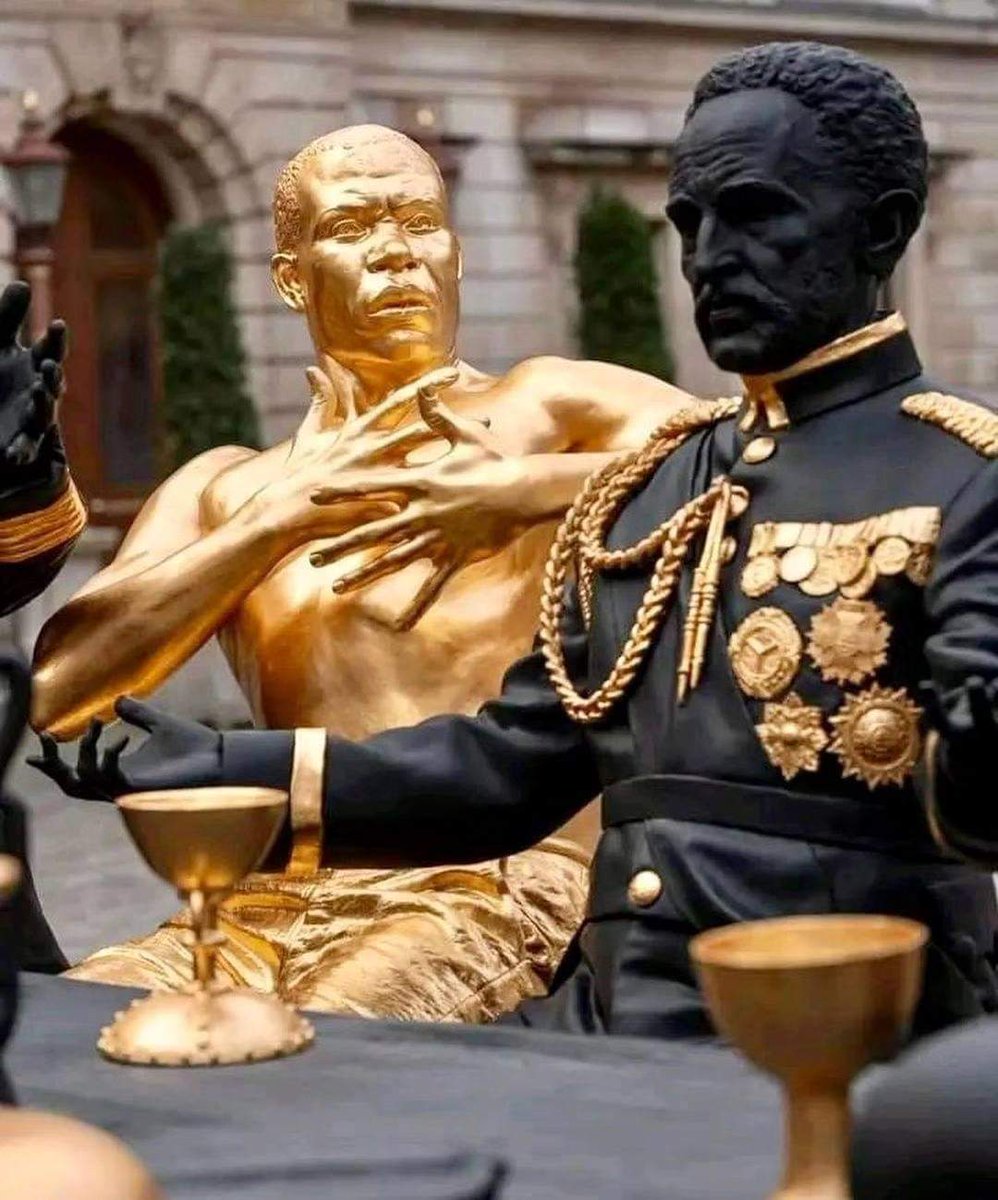
The striking 'Last Supper' recasted by artist Tavares Strachan on reimagining Da Vinci’s dinner guests.
'He replaced Christ with Haile Selassie and took Judas’s place himself. The Bahamian’s epic artistic revisions, from space to the Arctic, hit Britain in 2024 – and the Royals are in his sights'
@royalacademy
https://t.co/RJ3SePtVUl
Spending a couple of hours being a geek and tunneling through a friend's new purchase on Africa and Byzantium. The experts say it was the 16th century when Ethiopians adopted the round church model, and yes... it is so cool discovering that, and yes, I'm having fun learning. 😊
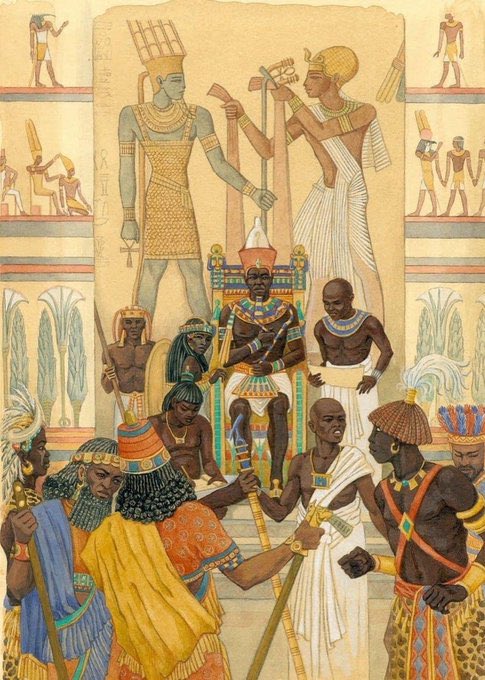
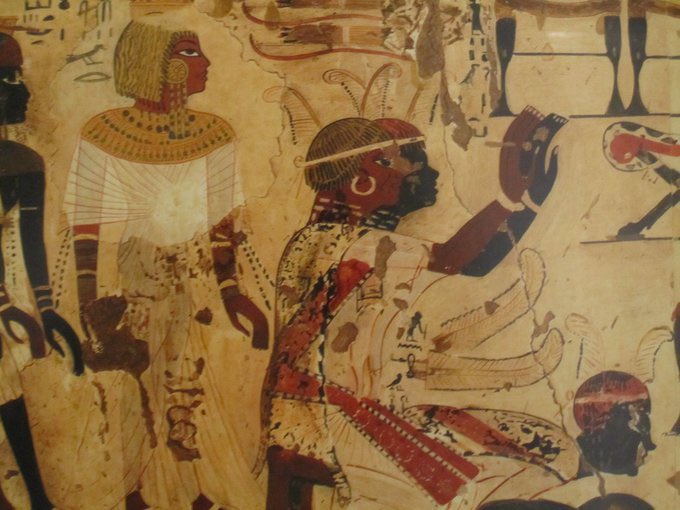
The Kingdom of Kush, also known as the Kushite Empire, or simply Kush, was an ancient kingdom in Nubia, centered along the Nile Valley in what is now northern Sudan and southern Egypt.
The region of Nubia was an early cradle of civilization, producing several complex societies that engaged in trade and industry. The city-state of Kerma emerged as the dominant political force between 2450 and 1450 BC, controlling the Nile Valley between the first and fourth cataracts, an area as large as Egypt. The Egyptians (kemet) were the first to identify Kerma as "Kush" and over the next several centuries the two civilizations engaged in intermittent warfare, trade, and cultural exchange.
The Kerma culture was an early civilization centered in Kerma, Sudan. It flourished from around 2500 BC to 1500 BC in ancient Nubia. The Kerma culture was based in the southern part of Nubia, or "Upper Nubia" (in parts of present-day northern and central Sudan), and later extended its reach northward into Lower Nubia and the border of Egypt.
The polity seems to have been one of several Nile Valley states during the Middle Kingdom of Egypt. In the Kingdom of Kerma's latest phase, lasting from about 1700–1500 BC, it absorbed the Sudanese kingdom of Sai and became a sizable, populous empire rivaling Egypt. #Africa
A Bob Marley statue was erected to mark Bob Marley's 70th posthumous birthday in Addis Ababa, Ethiopia in 2015.
Throughout his life, Bob Marley looked to Ethiopia as the spiritual home of his Rastafarian faith.
“Italy can have Ethiopia only when I am Emperor of Rome,” Emperor Menilek II
On the first day of March 126 years ago, traditional warriors, farmers and pastoralists as well as women defeated a well-armed Italian army in the northern town of Adwa in Ethiopia. The outcome of this battle ensured Ethiopia's independence, making it the only African country never to be colonised.
Emperor Menelik II was one of Ethiopia's most illustrious rulers, reigning as King of Shewa from 1866 to 1889 and as King and Emperor of Ethiopia from 1889 until his death in 1913. On August 17, 1884, in Ankober, Shewa, Ethiopia, he was born Sahle Miriam.
Woizero Ejigayehu Lemma Adyamo, his mother, was a palace servant, and his father was Prince Haile-Melekot, the son of King Sahle Sillasse.
By 1898, he had reached the peak of his internal and external power and prestige, and the process of territorial expansion and the formation of the modern empire-state had been completed.
Many Ethiopians honor him and celebrate him for the Battle of Adwa, which is commemorated on March 1 or 2 across Ethiopia and the diaspora.
During the Scramble for Africa, many Pan-Africans saw him as an advocate for African independence against European powers, not only that but the Emperor also transformed the Ethiopian Empire.
Melekot was killed during an invasion by Emperor Tewodros Il in 1855, and Miriam was taken prisoner and held captive for ten years in the emperor's mountain stronghold of Amba Magdela.
He was raised as a prince alongside the Emperor's children. Miriam escaped from Magdela and returned to Shewa in 1865. Miriam was said to be six feet tall, with a dark complexion, smallpox marks on his face, and fine white teeth.
When Miriam returned, Ato Bezebeh, the region's governor appointed by Emperor Tewodros II, fled, and Miriam became Negus (King) of the region.
When Emperor Tewodros Il died in 1868, Miriam wanted to succeed him, but was forced to submit to Tekle Giorgis (1868-1872) and Yohannes IV (1872-1889).
Meanwhile, Miriam began to incorporate several southern Ethiopian kingdoms and states into his reign, and by the time Yohannes IV died in 1889, Miriam had become Ethiopia's most powerful ruler, both King and Emperor.
...
When Miriam was coronated on November 3, 1889, he took the name Emperor Menelik II. His ancestors had ruled Menz, Shewa's heartland, since the 17th century, and it has been claimed that they were related to the Solomonid line of emperors who ruled Ethiopia from 1268 to 1854.
Menelik Il was a significant crown name because Menelik I was the legendary son of Solomon and Makeda, Queen of Sheba. Menelik Il pushed Ethiopia almost to its current borders.
Italians had settled along the Red Sea coast, establishing a colony in Eritrea, just as Menelik I was crowned. Ethiopia and Italy initially reached an agreement, the Treaty of Wichale, but the Italian interpretation of the agreement granted Italy a protectorate over Ethiopia.
When Menelik II learned of this, he renounced the treaty, sparking several skirmishes and a major battle at Adwa. On March 1, 1896, the Italian army was defeated in the Battle of Adwa. The Italians retreated after the treaty was canceled.
"Italy can have Ethiopia when I am the emperor of Rome" -Emperor Menilek I|
Menelik I began large-scale modernization, including the restoration of a national currency, the construction of buildings for improved educational facilities and ministries, the construction of a railway from Djibouti to the new capital of Addis Ababa, and the establishment of the Empire's first telephone
Menelik II fell gravely ill sometime in 1906. On October 25, 1909, he suffered a massive paralytic stroke, ceding power to his wife, Empress Taytu.
Menelik Il married three times: Altash Tewodros
(1864-1865), Befana Gatchew (1865-1882), and Taytu Betul (1865-1882). (1883-1913).
He had no children with his wives, but several with other women. #Africa
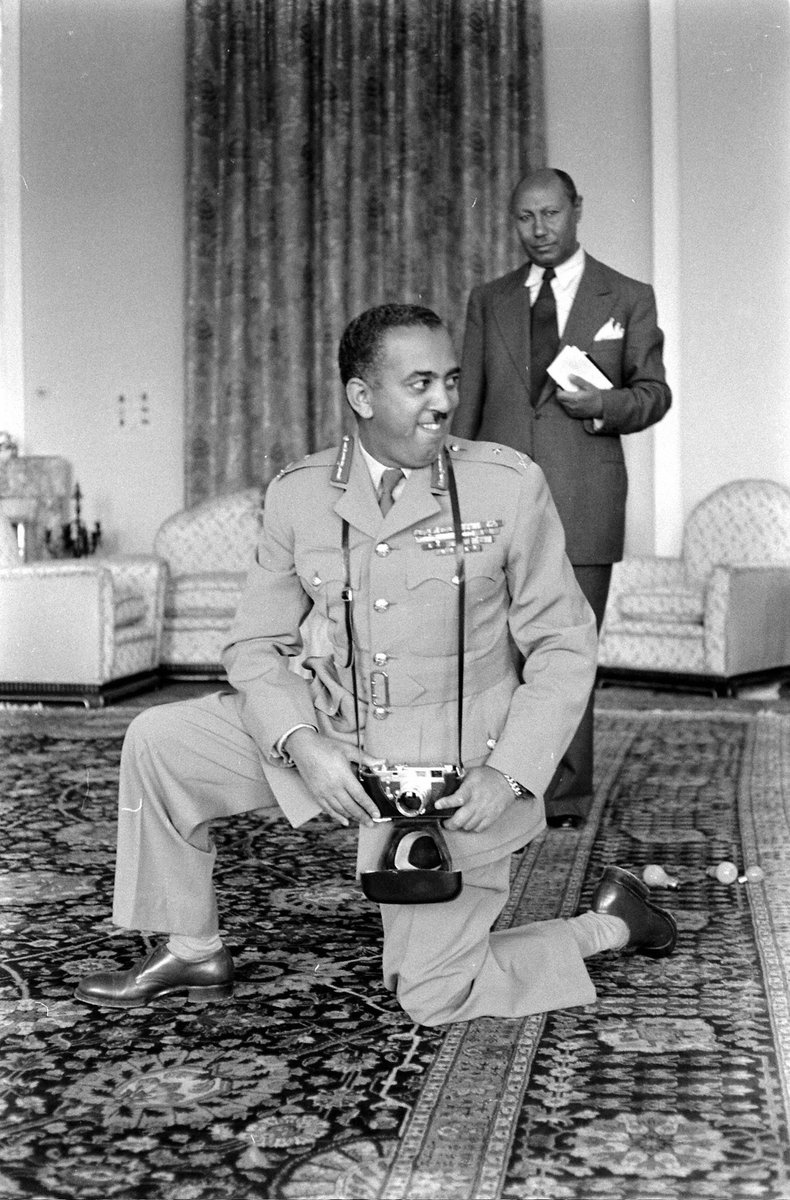
Inside Ethiopia's Imperial Parliament before the communist "revolution"; mid-20th century. In the past 50 years, our people's dignity has been reduced to nothingness.
ገነነ መኩርያ(ሊብሮ), an amazing author, a beautiful story teller and a wonderful host. Me and my dad's favorite TV show on any platform who gave us a glimpse of life back in the day on one of the most entertaining way.
His memory will never fade forever in our hearts 🤍
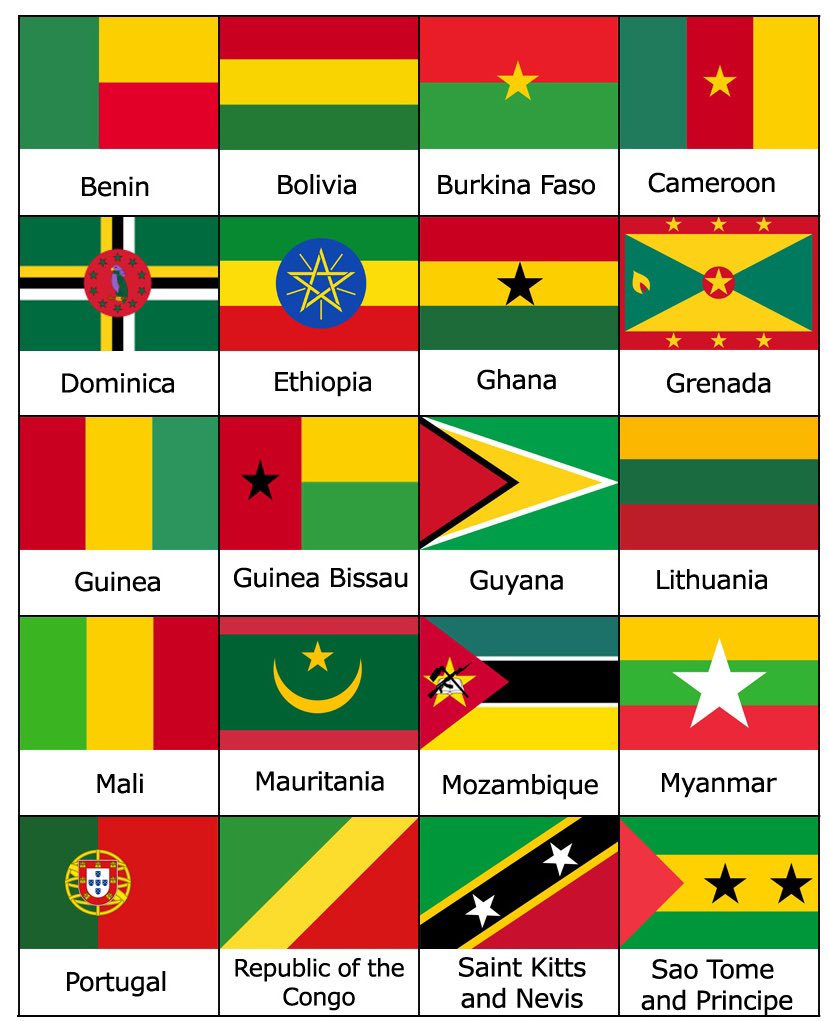
Many African flags share similarities with the Ethiopian flag for a significant reason. As one of the oldest independent country, Ethiopia has played a crucial role in the quest for independence for numerous African nations.
#Africa#Ethiopia#Somaliland