Make sure you earn your place in this world. Your place of power, where reality conforms to your design.
We are now in Dodoma - City Center at Nyerere Square - PBZ Building.
Speciality in:
•Business Corporate Strategy, Project/Program interventions, M&E Frameworks & Economic Analysis
•Build apps for fun✨
#CorporateLife
#consulting
#project & #program
Mainstreaming the 4Rs philosophy in Tanzania’s monitoring and evaluation systems
This article explores how Tanzania has integrated the 4Rs Philosophy: Reform, Rebuild, Reconcile, and Resilience/Recovery, into its Monitoring and Evaluation (M&E) system, aligning it with the country’s long-term development aspirations under Tanzania Vision (DIRA) 2050.
Introduced in 2021, the 4Rs framework represents a strategic approach to addressing socio-economic challenges by promoting inclusive development while strengthening accountability systems and supporting evidence-based policymaking.
#MonitoringAndEvaluation #EvaluationAfrica #EvidenceForPolicy #Governance #idev
Download full article: https://t.co/ANOGZpppOP
JESUS CHRIST said :
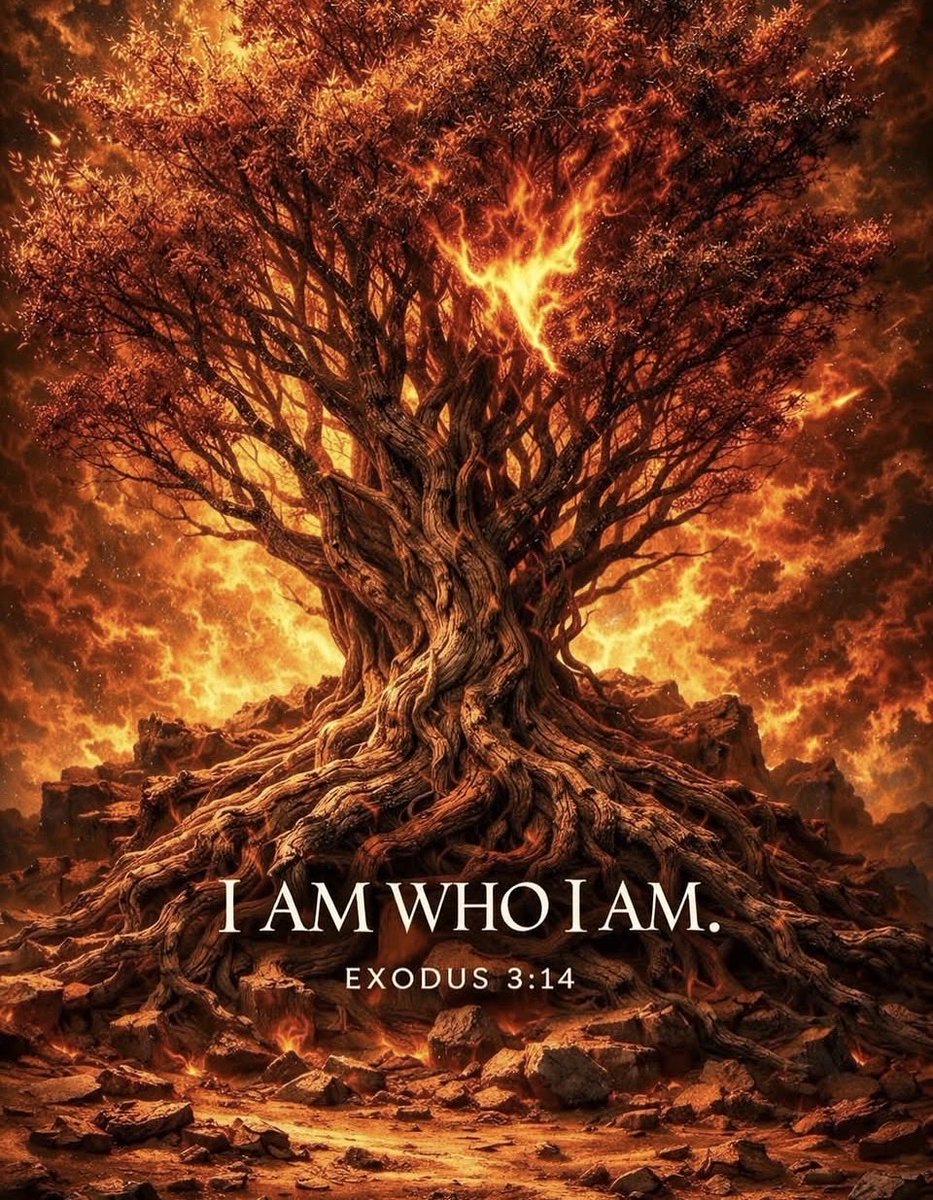
“Before Abraham was; I AM.”
John 8:58
“I AM the First and the Last”
Rev. 1:17-18
JESUS is the Messiah; “I AM he”
John 4:25-26
“I AM with you always”
Matt. 28:20
“I AM the Bread of Life”
John 6:35
“I AM the Light of the world”
John 8:12
I AM the Son of Man; “I AM he”
John 8:28
“I AM the Gate/Door”
John 10:9
“I AM the Good Shepherd”
John 10:11
“I AM the Resurrection and the
Life” John 11:25
“I AM the Way”
John 14:6
I AM the Truth”
John 14:6
“I AM the Vine”
John 15:5
I AM the same yesterday, today and forever
Hebrews 13:8
The Nine Choirs of Angels:
1. Seraphim - The highest choir, closest to God's throne, they perpetually worship Him by singing "Holy, holy, holy" while contemplating His divine perfection.
2. Cherubim - They contemplate God's wisdom, providence. The Bible notes they guarded the Garden of Eden and the Ark of the Covenant.
3. Thrones - The embodiment of God's justice, authority & righteous judgment. They help manifest cosmic order & God's decrees.
4. Dominions - Functioning as angelic overseers or "managers", directing lower choirs & ensuring the orderly execution of God's will.
5. Virtues - Governors of natural laws, physical forces & miraculous events in the created world.
6. Powers - Warrior-angels of the heavenly host, they protect the cosmic order from chaos and maintain spiritual balance against evil disruptions.
7. Principalities - They oversee/ guide large-scale human groups such as nations, cities, churches, & institutions in accordance with God's plan.
8. Archangels - They serve as chief messengers for the most significant divine announcements & missions, with notable examples including Michael, Gabriel, and Raphael.
9. Angels - The lowest choir & closest to humanity, they act as personal messengers, protectors, & guides - including guardian angels assigned to individual people to watch over, pray for, & assist them throughout life.
Avatar's lack of lasting cultural impact stems from its deep colonial roots. It's preachy about anti-imperialism and environmentalism, but reinforces uncomfortable paradoxes we still live with today - cobalt mined in the Congo with child labor and exploitation fueling our EVs, phones, and 'green' tech. We protest the message but don't want to lose the perks. That hypocrisy makes the films hard to embrace and become acceptable culture to the sympathy of many,
@reefcity_ Light at the start of a tunnel doesn’t illuminate enough to manipulate you to walk to the end of it. Destruction begins at the middle of tunnel.
Welcome to Tanzania’s Prime Minister’s Office: https://t.co/ezFK6hnVdU to learn more of Tanzania’s commitment in evaluation coordination & supervisory scope.
Please kindly visit https://t.co/8Hq66tDDYB consulting company specialized in business corporate strategy, project/program interventions, M&E frameworks & economic analysis, to mention the few, where I make commitment to extend my national & international experience to private institutions - companies, NGOs, SMEs, etc…furnish the good news of M&E and provide services to build a better world.
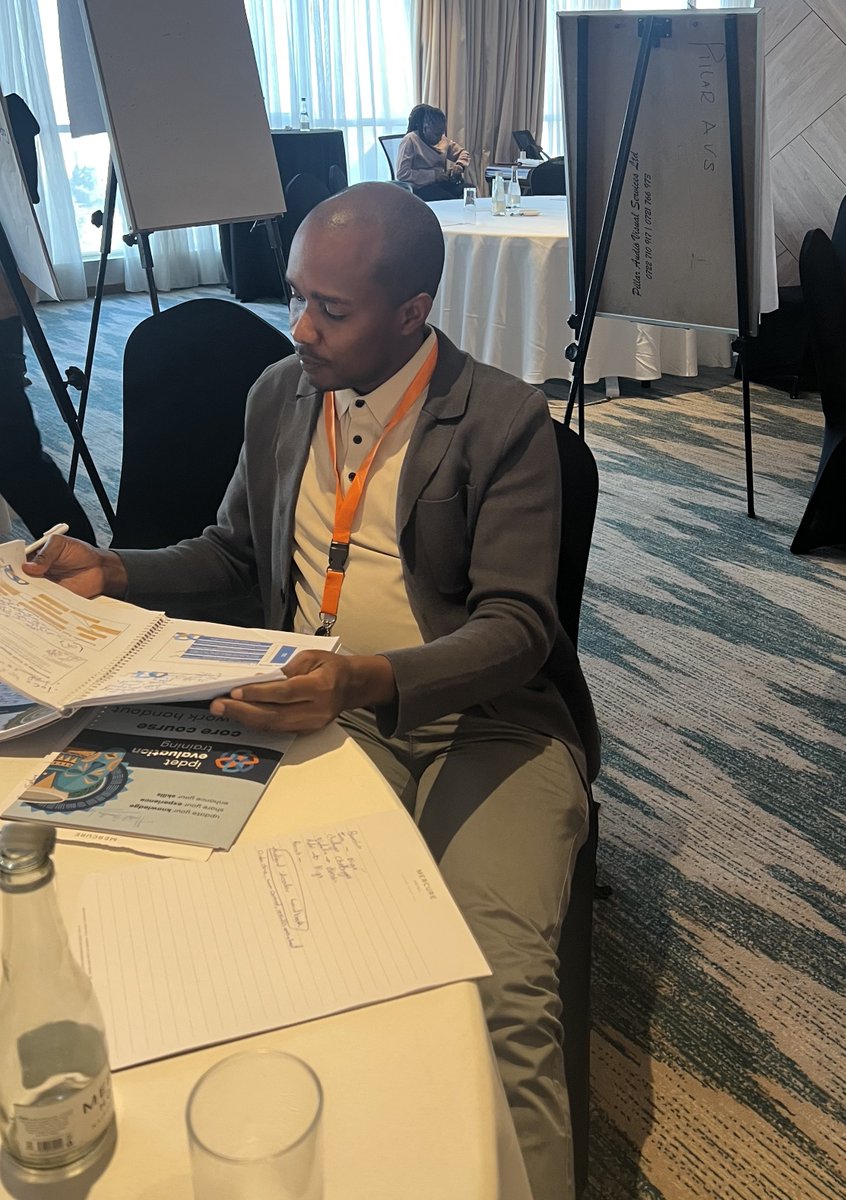
🍃 On a fifth and last day - IPDET Evaluation Training, hosted at Mercure Hotel, Upper Hill was wrapped with Module 6: Context of Evaluations - identifying how contextual issues influence evaluation; recall culturally responsive and gender-responsive evaluations; then shifted to Module 7: Evaluation Utilization - where we manage the different factors associated with evaluation use, and identify what makes evaluations influential. The course concluded with a reflective session, reinforcing learning outcomes and collaborative commitments.
🌱 The participants leaves equipped not only with technical tools, but with a shared vision to strengthen public & private M&E systems and catalyze evidence-based service delivery across sectors.
The week was highly coordinated with grounded delivery of evaluation modules.
@CLEARAA1@IPDET_community@CandiceMorkel@ladyclara4@im_siya
#ipdet2025 #impact #evidencetopolicy
Over 98 participants from 28 countries converged in Nairobi for the International Program for Development Evaluation Training (IPDET) from November 3rd to 7th, 2025, hosted at Mercure Hotel, Upper Hill in Nairobi 🌍 composed of•Sub-Saharan Africa: 89% |•Middle East & North Africa: 5%| •South Asia: 3% |•North America: 2% |•Europe & Central Asia: 1%. The 2025 was careful organized & coordinated by Global Evaluation Initiative (GEI), Lifelong Learning Universität Bern (LLC), Clear Evaluation Anglophone Africa (CLEAR-AA) and Independent Evaluation Group (IEG) - World Bank Group.
Over 4 days we were furnished with rigorous foundation in evaluation practice rooted in real-world relevance, inclusion, and systems thinking.
Day 1 launched the journey with addresses from the Kenyan Government, GEI, CLEAR-AA & IPDET leaders, followed by Module 1 on Introduction and Overview. Participants explored foundational evaluation concepts and co-created evaluation design sketches.
Day 2 engaged us in Module 2 (Evaluation Process) and Module 3 (Framing and Scoping Evaluations). Group work focused on problem identification and unpacking stakeholder dynamics.
Day 3 delivered a robust session on Evaluation Theories and Approaches (Module 4), bridging global models with African institutional realities.
Day 4 tackled Module 5: Overview of Designs, Data Collection, and Analysis Methods. Participants conducted SWOT analyses of common methods while engaging with Module 6: Context of Evaluations. Discussions reflected on how political economy, organizational cultures, and enabling environments influence the use of evaluation.
@CLEARAA1@IPDET_community@CandiceMorkel@ladyclara4@im_siya
#ipdet2025 #impact #evidencetopolicy
Evaluation Team has made a visit to Rubanda Village and the Ikona Wildlife Management Area (WMA) in Mara region on 16th October. These areas represent an important intersection between community-based conservation and institutional accountability. Ikona WMA is jointly managed by the Ikoma and Nata communities through structured community-based organizations (CBOs), offering a compelling case of local participation in national conservation efforts.
During the field engagement, the Rubanda Village Government shared detailed feedback regarding community involvement in conservation decision-making and the level of transparency in benefit sharing. A key highlight was the positive impact of the “Village Game Scout” initiative, where local youth are trained and deployed as frontline conservation officers. This initiative was praised for enhancing both environmental stewardship and youth economic empowerment, reinforcing the value of linking conservation goals with social development priorities.
In parallel, leaders from the Ikona WMA highlighted pressing challenges related to wildlife migration corridors, boundary management, and coordination gaps in joint patrols and reporting systems. The data gathered during these consultations is vital for learning and understanding the systemic enablers and barriers to achieving sustainable conservation outcomes in protected areas.
Public institutions are required to demonstrate performance against strategic objectives, ensure resource accountability and generate actionable evidence for policy refinement. This process reinforces the principle that evaluations are not just technical exercises - they are a cornerstone of governance reform, institutional learning and long-term development planning.
#RubandaVillage
#CommunityVoices
#PublicSectorPerformance
#EvidenceBasedPolicy
Reflecting from the heart of Serengeti National Park on 15th October at Dik Dik Public Campsite during the Evaluation of the Tanzania National Parks (TANAPA) Strategic Plan (2021/22–2025/26). The harmony between nature, data, and governance becomes clear. Performance isn’t just numbers; it is the sustained balance between people, wildlife, and policy.
This evaluation exercise underscores the national requirement for institutional performance assessments, ensuring every public institution aligns its outcomes with national evaluation framework. Through such evaluations, we strengthen accountability, improve resource utilization, and enhance the effectiveness of public sector delivery in achieving the goals of FYDP III and TDV 2050.
#Serengeti
#EvaluationInAction
#ConservationAndGovernance
Moderating a Panel Discussion 12th Sept: “Institutionalizing Evidence-Based Monitoring and Evaluation: Reflections from the President’s Office - Planning and Investment M&E Framework”
From left to right:
-Mr. Innocent Umbulla: Head of Monitoring and Evaluation - Office of the Treasury Registrar;
-Ms. Fortunata Soka: Director of Monitoring and Evaluation at the President’s Office – Planning and Investment;
-Mr. Lwitiko Mwalukasa: Founder and Chief Executive Officer of the Tanzania Institute of Project Management
~^~^~^~
The panel explored the practical journey of the President’s Office – Planning and Investment (Po-PI) in institutionalizing a robust Monitoring and Evaluation (M&E) framework that is evidence-driven, policy-aligned, and performance-focused. It showcased how Po-PI transitioned from fragmented reporting structures to a unified, strategic, and outcome-oriented M&E model.
The session provided an in-depth account of how the Po-PI M&E Framework (2024/25–2025/26) was conceptualized, designed, and implemented to align with the Tanzania Development Vision 2025, FYDP III (2021/22–2025/26), and Sustainable Development Goals (SDGs 2030). The framework was developed through a participatory and technically rigorous process, involving all internal divisions, affiliated agencies (NPC, OTR, TISEZA), and external technical partners, and is currently operationalized through performance scorecards, KPIs, data management systems, and quarterly reporting tools.
#MonitoringAndEvaluation #EvaluationAfrica #EvidenceForPolicy #Governance
Panel Discussion 10th Sept: “Mainstreaming the 4Rs Philosophy in Tanzania’s M&E Systems: Institutionalizing Reform, Rebuild, Reconcile, and Resilience”
Tanzania’s Monitoring and Evaluation (M&E) ecosystem is undergoing a significant transformation. At the heart of this transformation is the 4Rs Philosophy - Reform, Rebuild, Reconcile, and Resilience introduced in 2021 to guide national governance, particularly in post-COVID recovery and institutional revitalization.
This panel session explored the operationalization of the 4Rs philosophy within Tanzania’s government-wide M&E systems. Drawing from real reforms, capacity-building efforts, stakeholder engagement strategies, and adaptive learning mechanisms, the panel will demonstrate how the 4Rs have evolved from political doctrine to actionable M&E principles.
It interrogated:
•How institutional frameworks (Reform) have shifted to elevate M&E functions.
•What capacity-building and systems development efforts (Rebuild) have strengthened M&E across government.
•How participatory approaches (Reconcile) are fostering inclusivity and responsiveness.
•In what ways adaptive learning and data systems (Resilience) are enabling agile, crisis-resilient evaluation practices.
The session reflected on the Government Performance Reporting (GPR) reforms, launch of national M&E guidelines, elevation of M&E units, establishment of MEL Week, and rollout of the e-Mrejesho citizen feedback system. It will present Tanzania’s experience as a model of political economy-informed M&E transformation, aligning with Vision 2050, FYDP III, and Agenda 2063.
#EvidenceBasedPolicy #Governance
Representing Government with Purpose | Tanzania Annual NGO Symposium 2025
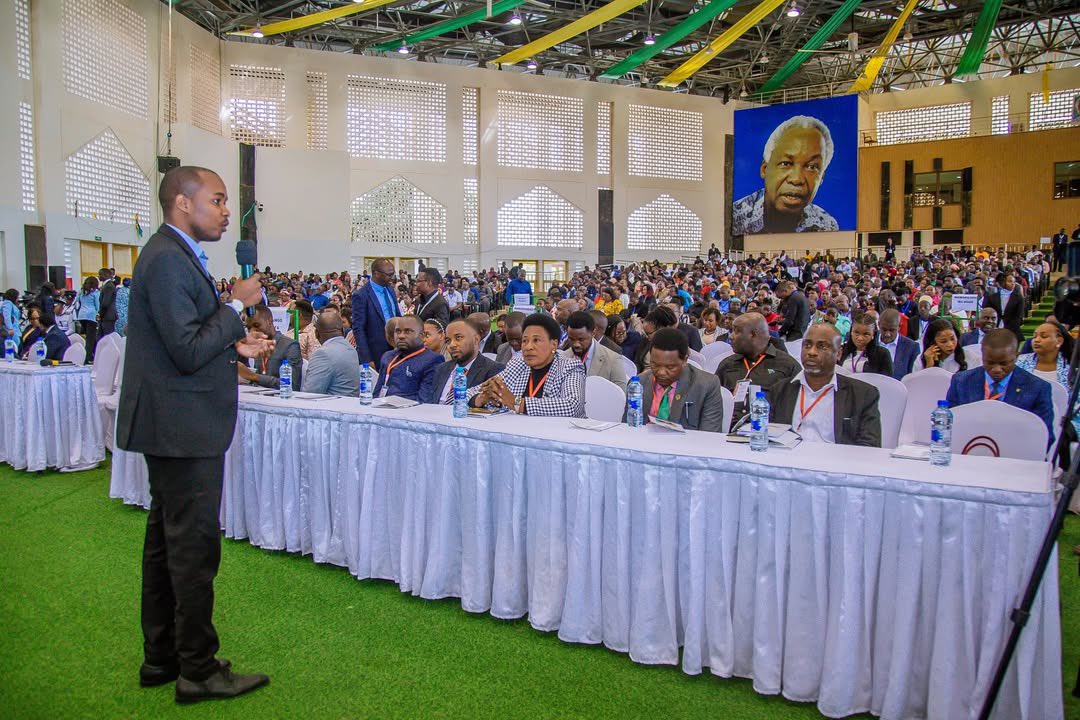
I had the honour of representing the Prime Minister’s Office – Policy, Parliament and Coordination (PMO-PPC) through the Division of Performance Monitoring and Evaluation (DPME) at the 2025 Tanzania Annual NGO Symposium, held at Jakaya Kikwete Convention Centre in Dodoma, on 13th August.
Under the theme I presented: “Strengthening Government–NGO Synergy in National Monitoring and Evaluation: Insights from PMO-PPC and the Road to MEL Week 2025,”
to reflect on how performance monitoring is evolving in Tanzania into an integrated government-wide system that is open, digital, and people-centered.
Prime Minister’s Office emphasize that NGOs and CSOs are critical partners in this transformation. Their grassroots insights, proximity to communities, and focus on inclusion make them natural collaborators in strengthening public accountability and data-driven decision-making.
I also had the opportunity to officially invite all NGOs, CSOs, academia, and development actors to the upcoming Tanzania Monitoring, Evaluation and Learning (MEL) Week 2025, which will take place in Mwanza from 10 to 13 September 2025.
MEL Week will be a platform for knowledge sharing, showcasing evaluations, fostering partnerships, and co-creating evidence-based solutions to national development challenges.
As we move towards TDV 2050, collaboration between government and civil society is not optional - it is essential. Together, we can build a results culture where accountability is shared, learning is continuous, and impact is measurable.
🔗 Let’s shape systems that work. Let’s ensure every action counts.
🗓️ See you in Mwanza.
#MELWeek2025 #PMODPME #NGOSymposium2025 #ResultsBasedManagement #InclusiveAccountability #TDV2050
#MonitoringAndEvaluation #EvaluationAfrica #EvidenceForPolicy #Governance #PeerLearning
Directors from various Government institutions in Tanzania convened for a one-day workshop on 30th July, organized by the Prime Minister’s Office - Policy, Parliament and Coordination in collaboration with the Twende Mbele Initiative.
This workshop was part of a scoping mission to assess Tanzania’s readiness to join the Twende Mbele @TwendeMnE Network based at University of Witwatersrand University in South Africa. Twende Mbele current members includes Uganda, Kenya, Ghana, Malawi, Benin, Niger, and South Africa.
The visiting delegation included Thina Nzo (Ph.D) - Program Manager for Twende Mbele Initiative, and Commissioner for Evaluation at Uganda’s Office of the Prime Minister - Mr. Timothy Lubanga @tklubanga.
Participants discussed the current status of Tanzania’s M&E system, key achievements, ongoing challenges, and opportunities to enhance accountability, evidence-based policymaking, and improved public service delivery.
#MonitoringAndEvaluation #EvaluationAfrica #EvidenceForPolicy #Governance #PeerLearning
On 29th July, Prime Minister’s Office - Policy, Parliament & Coordination and @OWM_SBU had a pleasure to welcome @TwendeMnE Pan-African partnership that supports African governments to strengthen their national M&E systems for improved public sector performance and accountability.
The technical committee member - Centre for Learning on Evaluation and Results Anglophone Africa accompanied this visit.
On the picture - Permanent Secretary, Dr. Jim Yonazi @yonazijim & Director - Division of Government Performance Monitoring and Evaluation, Sakina Mwinyimkuu.
#MonitoringAndEvaluation #UfuatiliajiNaTathmini #Tanzania #EvidenceBasedPolicy #Governance #PeerLearning #AfricaEvaluation