Mediterranean Intellectual, Cultural Histories | Histories of Knowledge and Science | The Ottomans and Byzantines | Islamicate World | Renaissance | @Princeton
We have a cover, and the countdown has started. John Woods' magnum opus will be published on May 28. I am honored to be the co-editor of this volume and the subsequent one, which will include studies on Timurid history by colleagues from different countries.
@Brill_ME_Africa
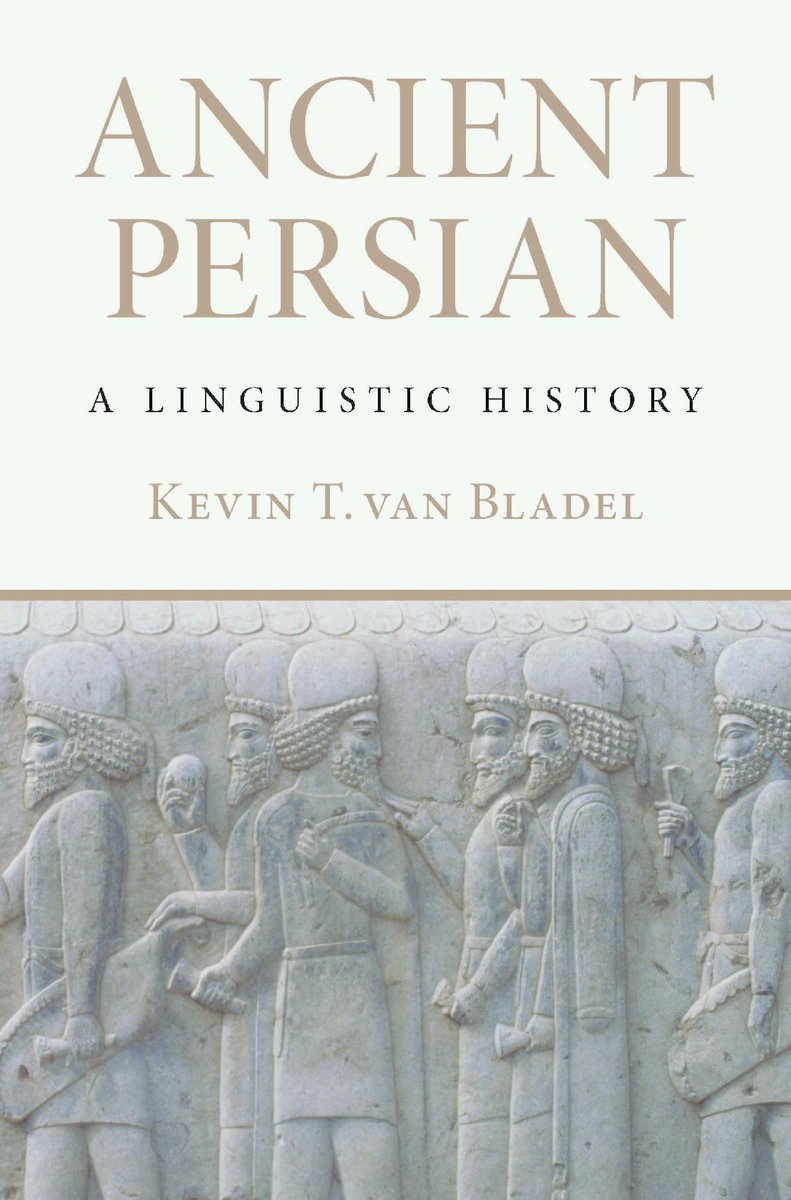
Ancient Persian by Kevin T. van Bladel
Explains how the creation of the Persian Empire permanently changed the evolution of the Persian language.
📘 https://t.co/oRhzUccvDv
🔵 NEW ISSUE ALERT — NESIR 10 / April 2026
We are proud to announce our 10th issue, bringing together contributors from 5 different countries with 13 new research articles on diverse inquiries as well as 8 new book reviews.
Visit our website https://t.co/gRYXxXeB1E !
The recording of my Chester Beatty 2026 Annual Lecture "Against Ruin: Al-Maqrizi and the Art of Writing History," in Dublin on March 25, 2026. Enjoy. https://t.co/3GV09Wqslh
📣We are thrilled to announce that Molly Greene from Princeton University will deliver her keynote speech titled 'A Coastal History of the Early Modern Mediterranean' at the EMOS Conference IV!
Toplumsal Tarih'in 388. sayısı çıktı!
Nisan sayımızda “Osmanlı Basın Tarihine Yeni Yaklaşımlar” dosyamızla karşınızdayız. Dosya editörleri Okan Kozanoğlu ve Fatih Aşan tarihyazımı tartışmasının ötesinde bizi aynı zamanda yeni bir araştırmacı kuşağının çalışmalarıyla buluşturuyor:
Nilab Saeedi interviews Selim S. Kuru about how recent scholarship on the study of Ottoman literary culture has led to a critical reconsideration of questions ranging from gender performance to sexual identity to pre-modern desire. @NilSaeedi
https://t.co/y8NvpVzB6y
120 Ottoman era manuscripts in Travnik — former Ottoman capital of Bosnia — have been digitized. Includes mss. in Arabic (mainly), but also Ottoman Turkish & Persian.
https://t.co/cLUZoqJbh1
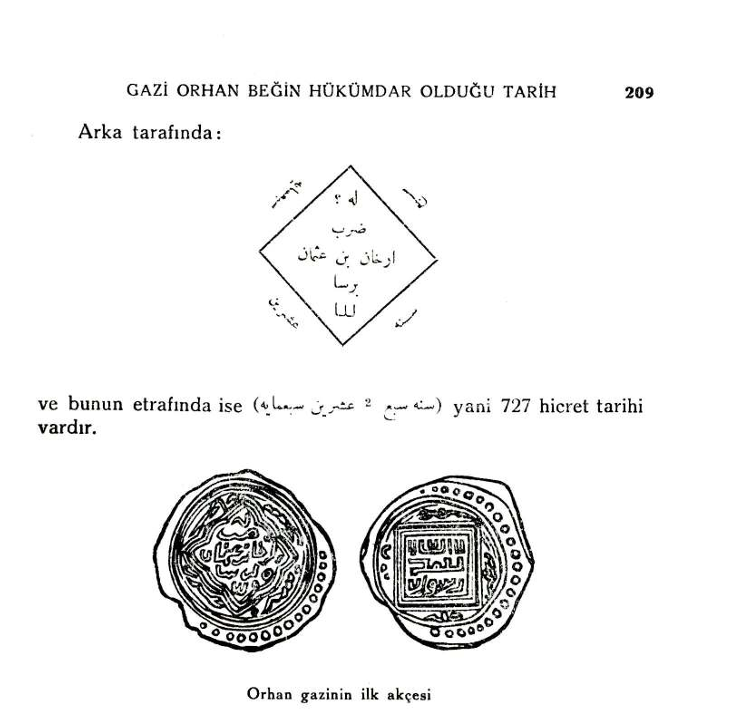
@mhkekec@EvrimBinbas@agahens Mehmet Bey, noktalar net görünmese de başında ayın ile o kelimenin Osman dışında okunma ihtimali yok. Ataman okumaya çalışan mı varmış? Hem üç noktanın göründüğü kopyalar da bilinmiyor değildi. Mesela aşağıdaki bir müzayededen. Gücendirdiysem kusura bakmayın.
@EvrimBinbas@agahens Aslında tartışılmasını daha çok umduğum bir sikke Rudi Lindner'in 1299'da Söğüt'te İlhanlı Gazan Han adına basıldığını söylediği sikkeydi. Bir tane de Bursa'da Olcaytu adına basılandan bahsediyordu. Fakat bildiğim kadarıyla ondan sonra bu konuya etraflıca giren olmadı.
@EvrimBinbas@agahens Burada biraz strawman durumu var. Orhan'ın sikkeleri ve üzerlerinde tartışmaya yer bırakmayacak şekilde Osman yazdığı biliniyor. Aşağıdaki makale Uzunçarşılı'nın 1945'deki bir çalışması. Bu bile ilk değil. Fakat en azından Gibbons'ın (hiç katılmadığım) argümanını bu çürütmez.
“Can the soul be separated from the body?”: Ottoman poetry, recorded in transliterated Turkish by a seventeenth-century German traveler in an album with Ottoman decorative paper. ÖNB, ms Cod. 10313
A new edition of the Tarikh-i Uljaytu based on the earliest İstanbul manuscript by Osamu Otsuka, Tsuneaki Akasaka, Sanae Takagi, Ryo Mizukami, and the one and only Ryoko Watabe