We're excited to report the full Phase 1 data for BGE-102, our potent, orally available, brain-penetrant NLRP3 inhibitor — including a newly announced 60 mg once-daily cohort that matched the profound hsCRP reductions of our previously reported 120 mg dose in participants with obesity and elevated inflammation.
Combined with oral convenience and tissue penetration that extends beyond the periphery, we believe BGE-102 has the potential to be a "pipeline in a pill" — a single therapy addressing NLRP3-driven inflammation across cardiovascular, ocular, and CNS disease — and to do for cardiovascular inflammation what statins did for cholesterol.
Read the release: https://t.co/7vF1eK08GA
Headline results:
• In participants with obesity and elevated hsCRP:
86% median hsCRP reduction at both once-daily doses
• ≥87% of active-treatment participants reached hsCRP <2 mg/L, the clinical threshold for reduced cardiovascular risk
• Consistent reductions in additional markers of CVD risk
• Well tolerated at every dose level
What's next:
• Phase 2 dose-ranging POC trial in cardiovascular risk, with hsCRP as the primary endpoint; data expected 2H26
• Phase 1b/2a proof-of-concept trial in diabetic macular edema; data expected mid-2027
• CMC, regulatory, and clinical activities underway to enable Phase 3 initiation in 2027
Aging biology in action: Chronic, low-grade inflammation — "inflammaging" — is a core hallmark of biological aging and a clinically validated driver of CVD. NLRP3 sits upstream of several inflammatory mediators (IL-1β, IL-6, hsCRP, fibrinogen) that independently predict cardiovascular risk, and prior trials of other anti-inflammatory therapies showed that reducing hsCRP below 2 mg/L was associated with a 25% reduction in major adverse cardiovascular events. BGE-102 emerged from BioAge's discovery platform, which draws on decades of longitudinal human aging data and surfaced NLRP3 as a target from the observation that reduced NLRP3 activity tracks with greater longevity.
Join our conference call and webcast this morning at 8 AM ET for a full walkthrough of the data — link in release.
Next week at a @HitGenInc webinar, BioAge SVP-Research @rmontonio will describe how we used DNA-encoded libraries to discover novel inhibitors of NLRP3, which we are developing for diseases driven by neuroinflammation.
📅 6/17/24 2pm ET
👉🏼 Register: https://t.co/d1W2VwqIXi
💡 Join @HitGenInc's webinar on DNA-encoded libraries in early-stage drug discovery, targeting G protein-coupled receptors (#GPCRs). 🧬 Experts will discuss advantages, platforms, and applications. Learn more + register: https://t.co/Jrj5CeFRJM
#SmallMolecule#DrugDevelopment
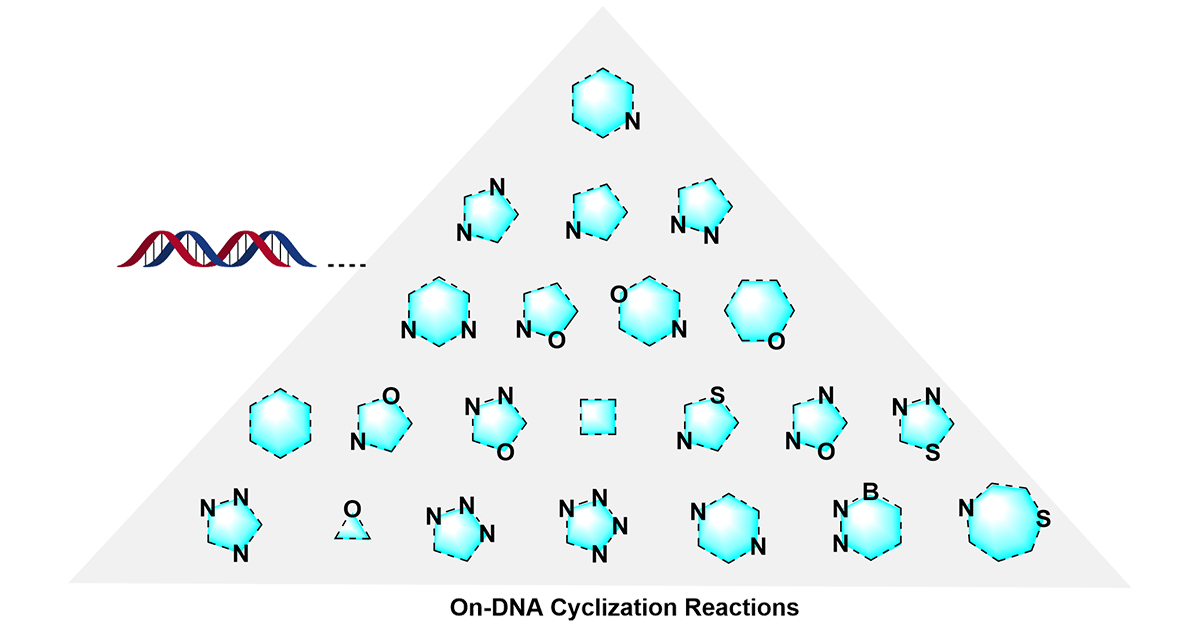
Jing Feng and Guansai Liu (@HitGenInc) provide an overview of cyclizations performed on-DNA as a strategy for preparing highly diverse DNA-encoded libraries #ScienceOfSynthesis (Eds. J. Scheuermann and Y. Li) 🤓
📖 https://t.co/bOKN7At3on
Thrilled to welcome @HitGenInc as a new #sponsor! Residents from @BiolabsLA enjoyed a #lunchandlearn today about HitGen's impressive DNA-encoded library and extensive services. We're excited for this new partnership! #Biotech#Lifescience https://t.co/JmuNUgUgy6
We are glad to announce our #partnership with @HitGenInc, a world leader in the development of DNA-encoded library (DEL) technology for early-stage small molecule #drugdiscovery. Together we will utilize their technology platform to screen under-represented targets.
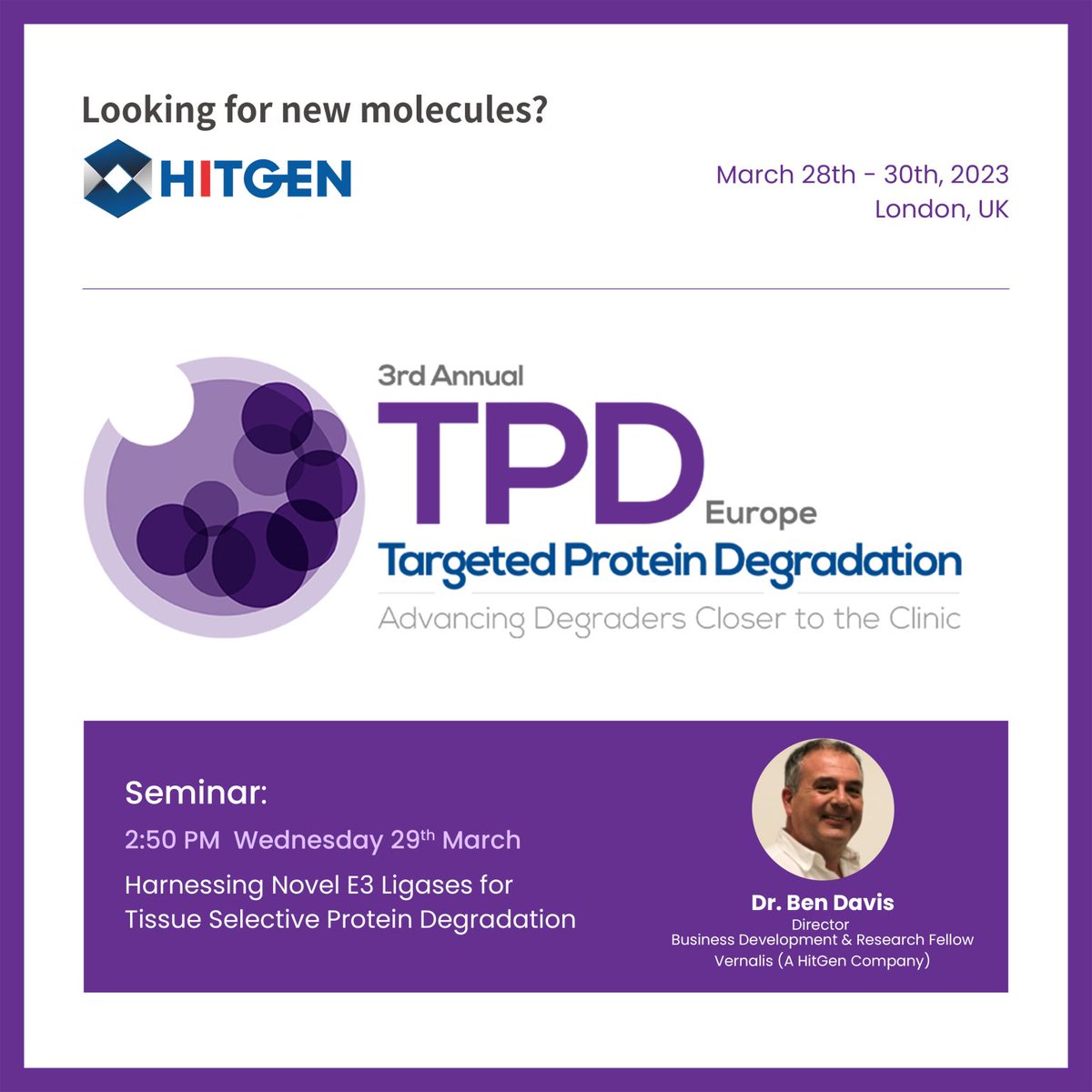
Our Vernalis Director of BD and Research Fellow, Dr Ben Davis, looks forward to connecting with friends at the @Undruggable TPD Europe Summit this week.
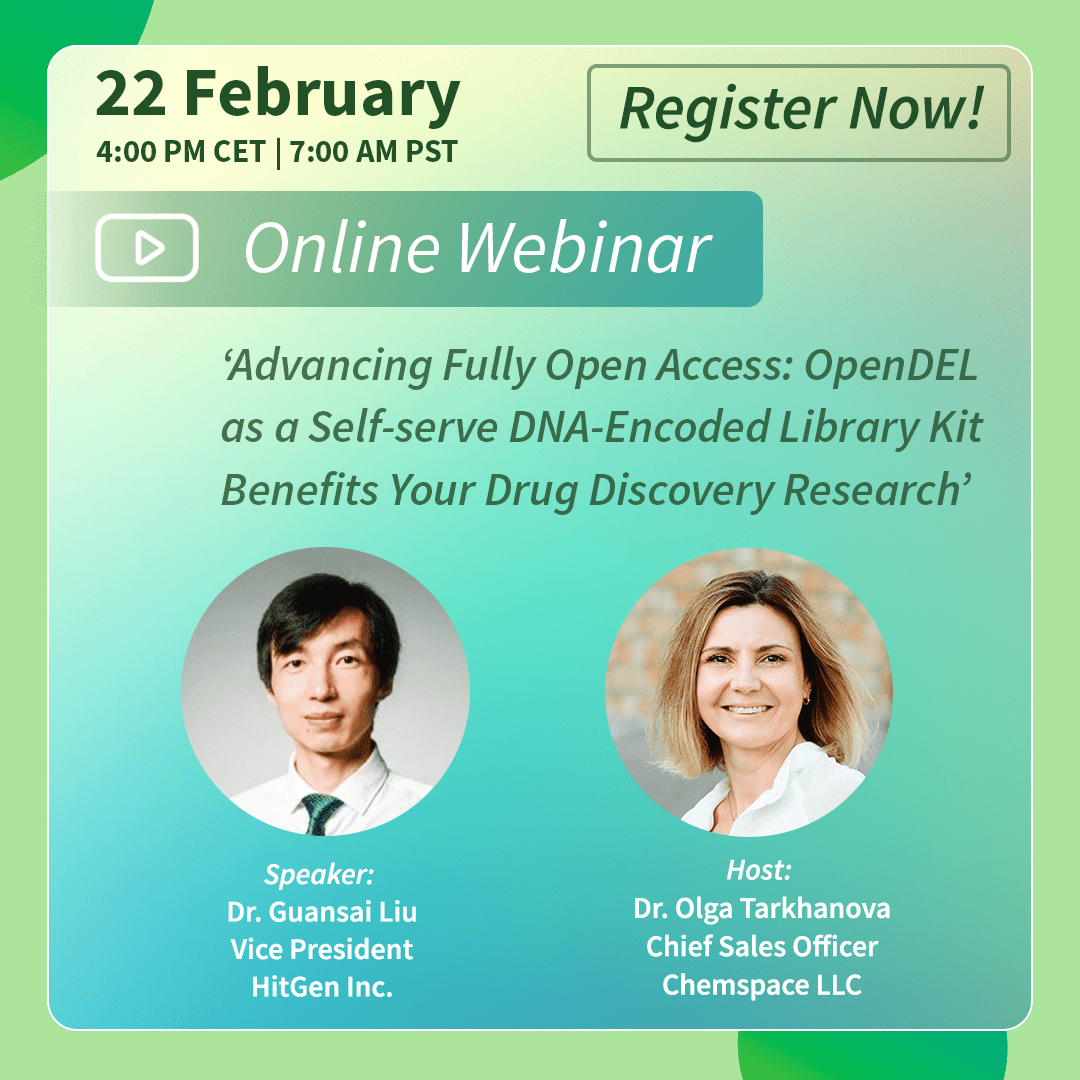
Thanks everyone for joining the Chemspace & HitGen webinar yesterday!
For those who didn’t have a chance to connect, the recording is already available on Chemspace YouTube channel: https://t.co/MceDCLcTfk
.
#chemspace#organicchemistry#drugsynthesis#research#drugdiscovery
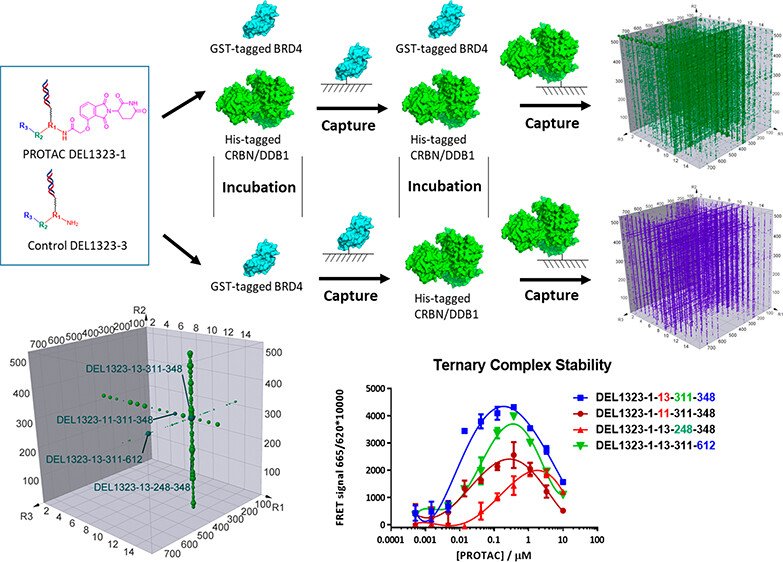
New Editor's Choice 🏅 article from #ACSChemBiol!
Optimization of PROTAC Ternary Complex Using DNA Encoded Library Approach
Read for free 👉 https://t.co/abMIiQdktx
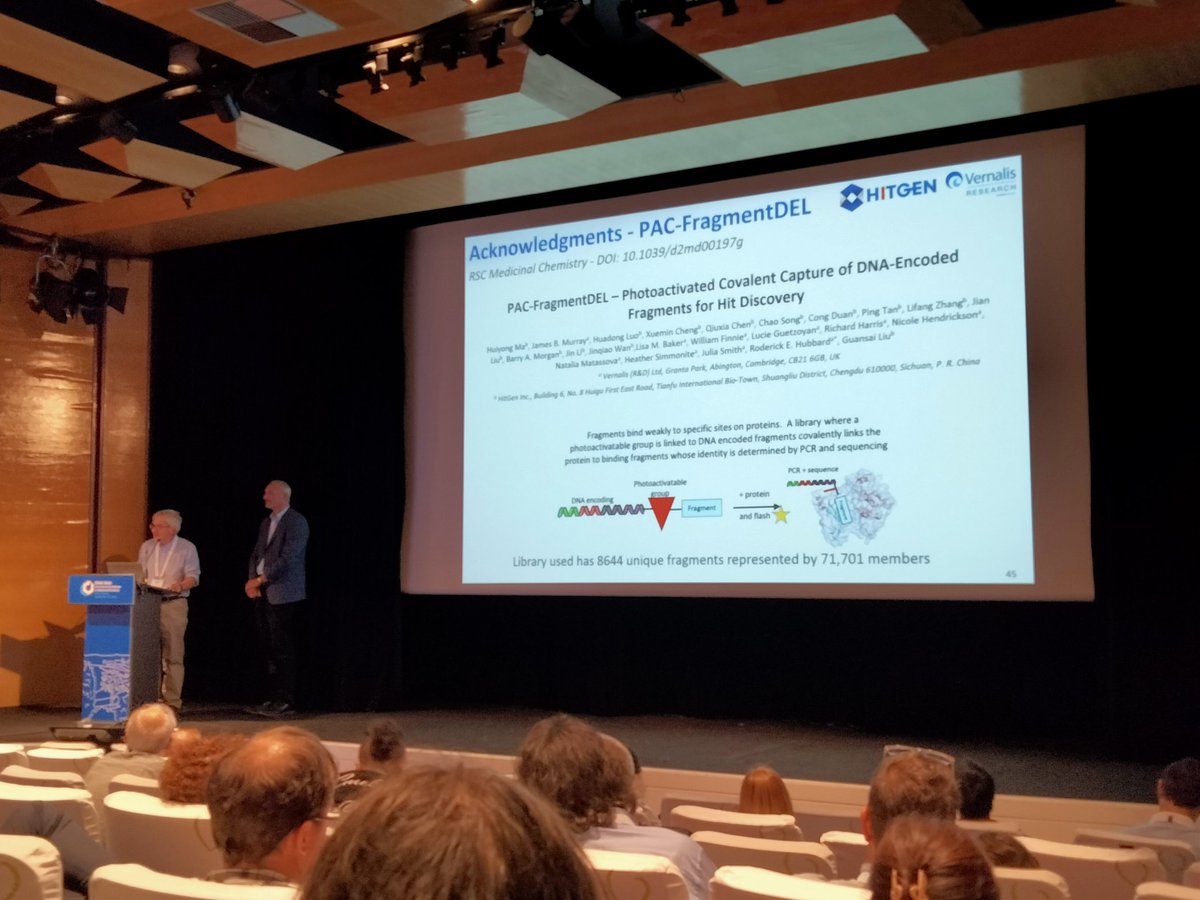
DNA-encoded libraries + photo-activated capture = fast fragment screens. Researchers at Vernalis and @HitGenInc also add a competition assay to minimize false positives
https://t.co/FfkQuKelYn
@RoySocChem
Fragment screening paying no heed to solubility and using 1nM protein done in 1-2 weeks?!?! Pinch me now! Amazing workflow combining fragments, DEL and covalent tethering coming out of Vernalis presented by Rod Hubbard at #EFMCISMC22
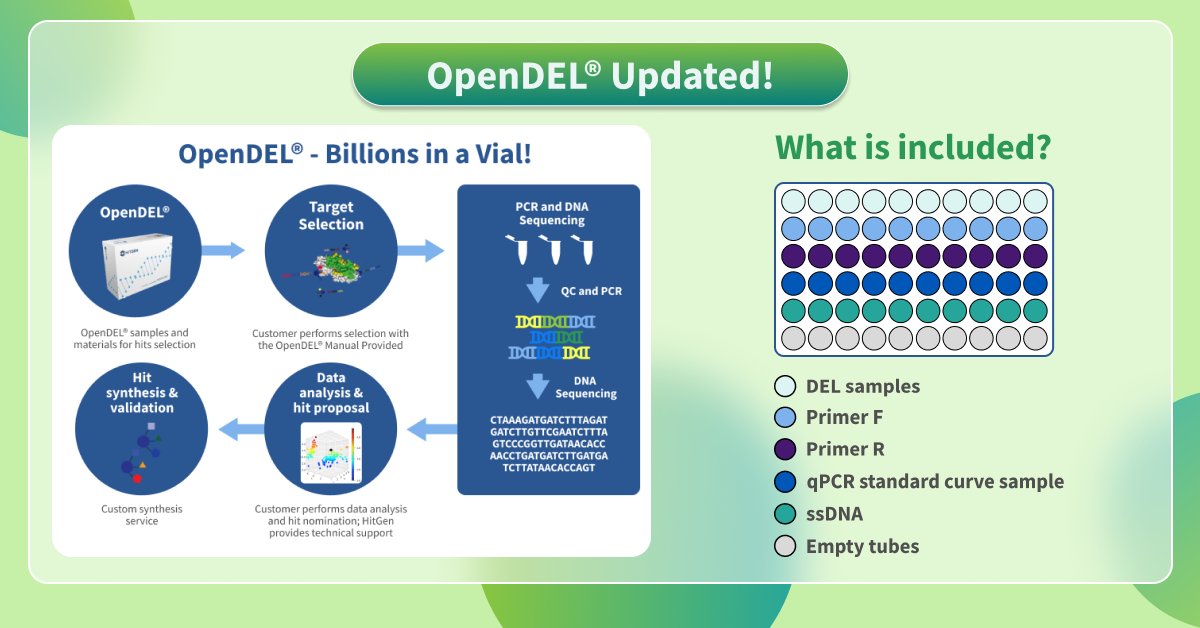
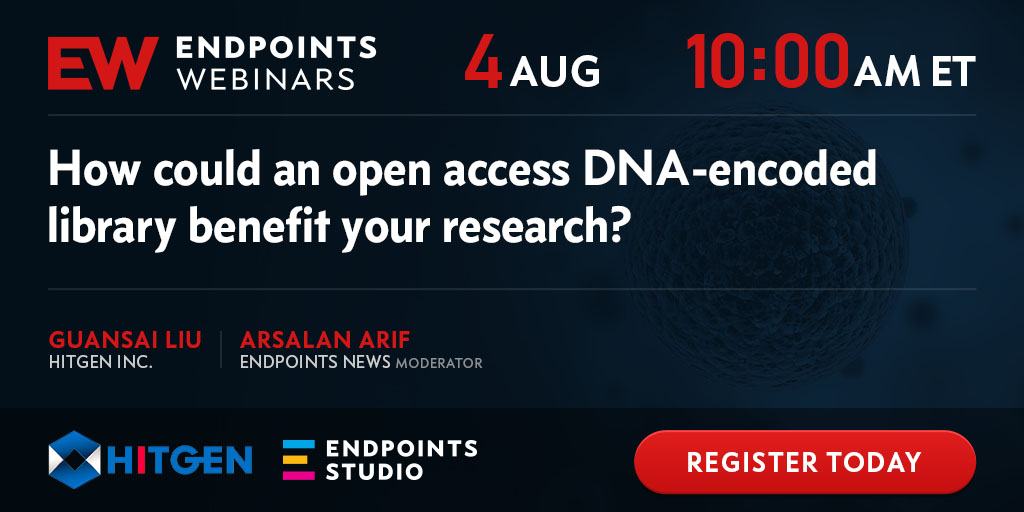
Tune in for our @endpts webinar today, moderated by @arsalanarif on how HitGen's self-service #OpenDEL can accelerate your research. Register here: https://t.co/cAv7kLsnh5
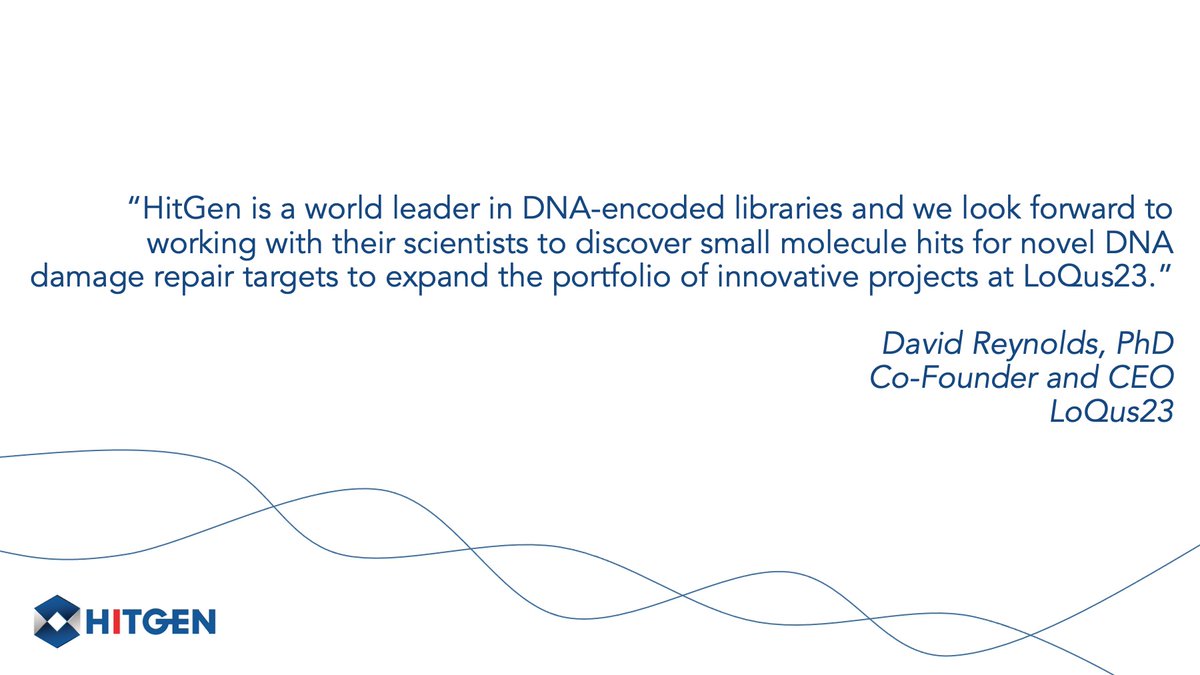
Pleased to announce a collaboration with @loqus23 to address unmet medical needs associated with aberrant DNA damage repair and improve the lives of patients with devastating genetic diseases. https://t.co/hzdm83AY0b