@RiceUniversity@RicePhysAstro This sounds very interesting. I wish I would’ve known about it, although I’m not sure if there is an age maximum for this sort of camp :-)
Also the link to your article does not render in a very readable format for some reason? (dark font on dark background)
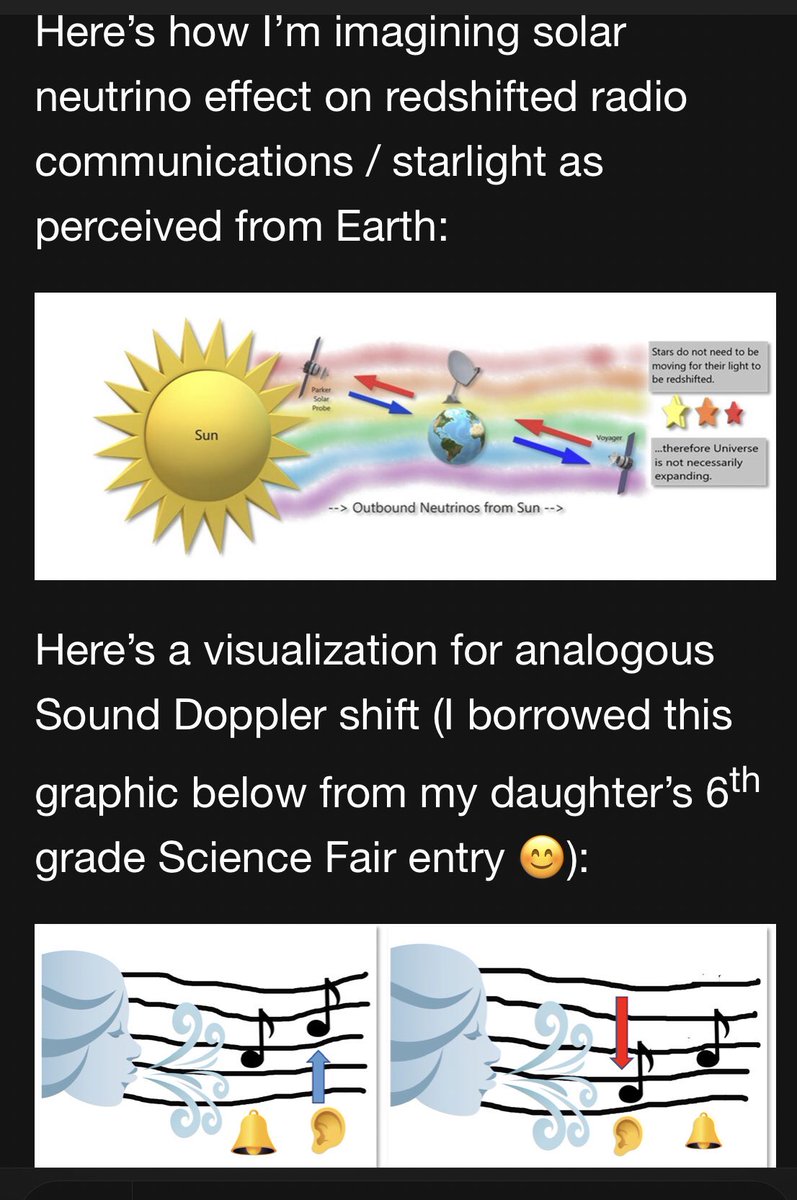
@StartsWithABang Material streaming off the sun outward in all directions from our vantage point here on earth and it’s red shifting effect on inbound starlight is a far more plausible explanation for red shifting of distant starlight than an expanding universe…
@SolarGirl2018@NASAVoyager@NASAJPL@NASASolarSystem@NASASun Curious if we analyze the difference between comm frequencies z-adjustment at earth vs z-adjustment at Voyager, might give us a different perspective on red shifting of distant starlight? Maybe redshift of distant galaxy light is due to outbound solar neutrinos & NOT BIG BANG?
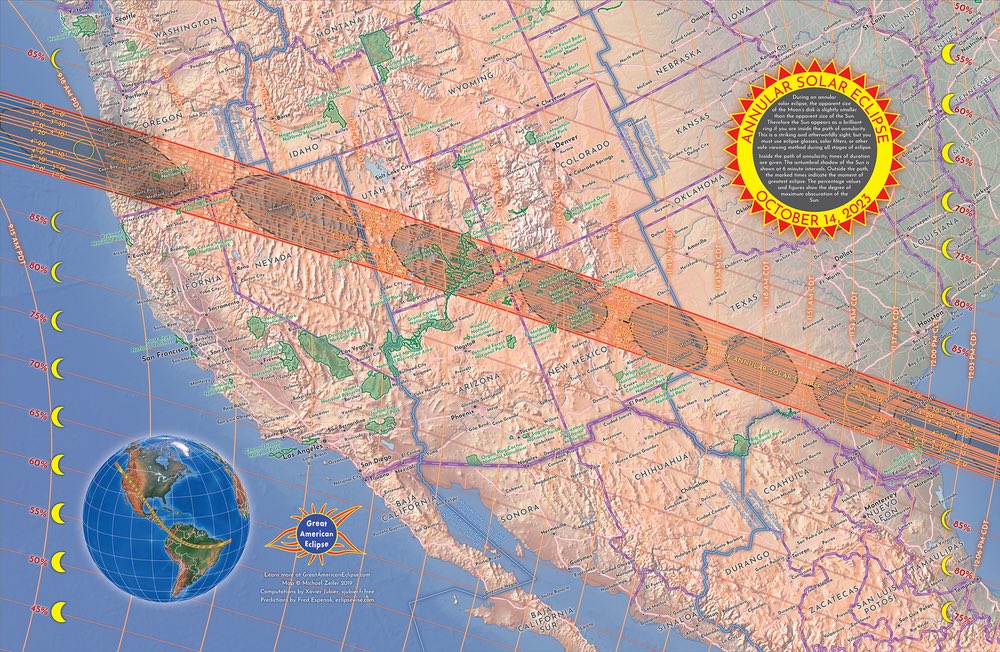
Is any way we could test if there is a measurable difference of #SolarNeutrino counts before, during, & after upcoming #SolarEclipse from within the path of totality?
@solar_da Hi 👋 Do you think there is any way we could test if there is a measurable difference of detectable neutrino counts before, during, & after upcoming Solar Eclipse from within the path of totality?
@StartsWithABang I remain curious if the redshift of distant galaxy starlight might be influenced by material (including neutrinos) streaming outbound in all directions relative to earth observers which would have to redshift inbound starlight? (along with out-streaming from all stars in between)
@NSFVoyager2 How can I learn more specifics about how we communicate with @NSFVoyager2 from Earth? Who at @dsn_status can I talk to? I would like to talk by voice with a human 😊
@fcain @BrianKoberlein In my humble, non-professional opinion, I think distant starlight is red shifted due to neutrinos flowing outbound from our sun ☀️ past Earth 🌎 observers in all directions… ☀️… 🌎…🌟
(NOT due to “expanding universe”)