By @jramonvallejo, Professor of the History of Science, Faculties of Medicine and Teaching Training #UEx (2012-2019) #UniversidaddeCádiz (2019-present)
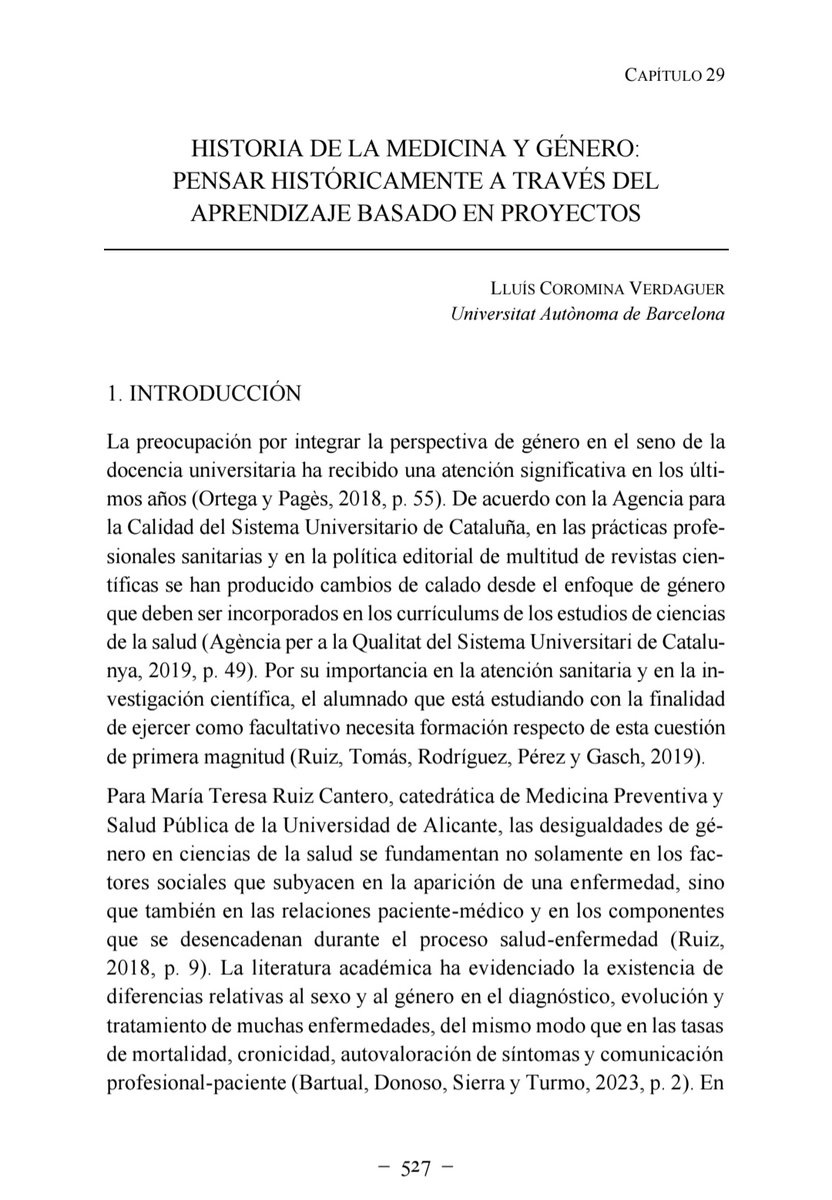
Este capítulo de libro (@dykinsonlibros) contiene unas reflexiones basadas en mi experiencia docente en la Facultad de Medicina (@UABBarcelona, @ihcuab): historia de la medicina, género y aprendizaje basado en proyectos. Se puede leer de manera gratuita: https://t.co/Tzao4I7tU9
Do you like chocolate? Then join me @NewberryLibrary this spring for a class and tasting! We'll explore early modern trade networks, religious debates, and social customs while sampling historical chocolate recipes. Register now at https://t.co/R7yOoJwlCO
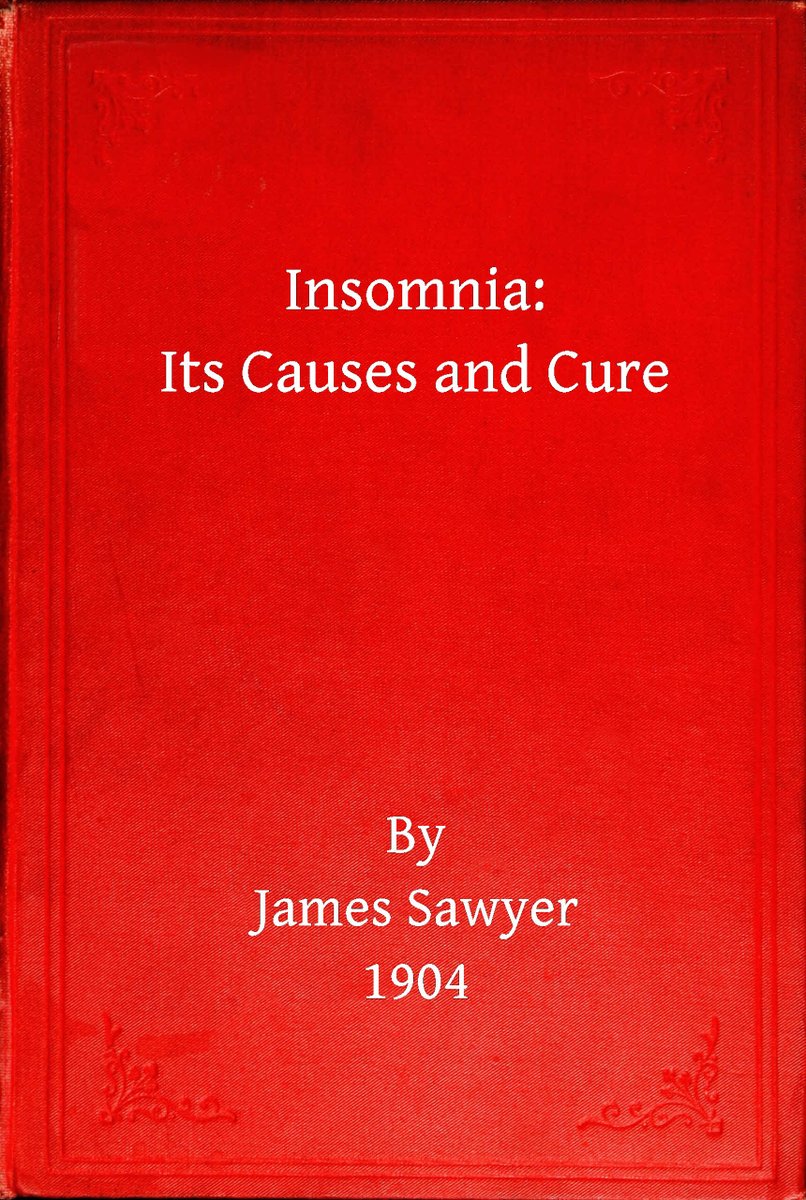
Thomas De Quincey, author of “Confessions of an English Opium-Eater,” took opium for stomach pains and found it enhanced creativity, giving him fantastical visionary dreams. These became nightmares, unbearable terrors perpetually disrupting his sleep. https://t.co/6sInPYnb35 .
Today’s Find: “American Medicinal Barks” a 1909 publication by Alice Henkel https://t.co/lZ6JnVpkLL She also published “Wild Medicinal Plants of the U.S.” in 1906 https://t.co/OTwDhivzCM #histmed#medicalhistory
It was once common for forensic pathology (before it was called that) to be published in the same periodicals as surgery and clinical medicine. Today we have sequestered ourselves out of the conversation. It’s sad.
#4n6#forensics#pathology#MedTwitter#books#history
In 1826, John James Audubon’s career was in ruins—until he hatched a desperate plan, involving a rare eagle. When the gamble paid off, it made Audubon the most famous ornithologist in history. New episode below!
https://t.co/a4N90CGFaq
@scihistoryorg https://t.co/QlmweLyUGo
Grabado de Poisson, sobre un dibujo de Fossier (1744-1781), que representa a dos lagartos, ilustrando el trabajo de José Flores (1751-1824) sobre las virtudes medicinales de estos animales, presentado en 1784 a la Société Royale de Médecine de París
https://t.co/MnfhztOns0
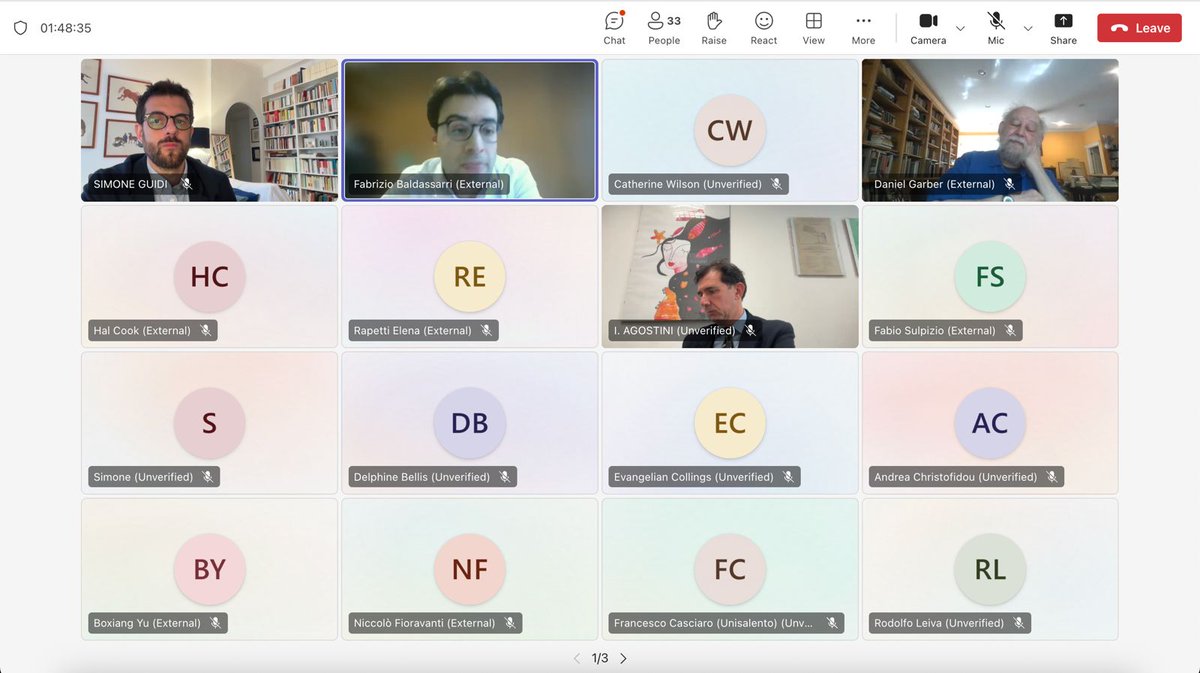
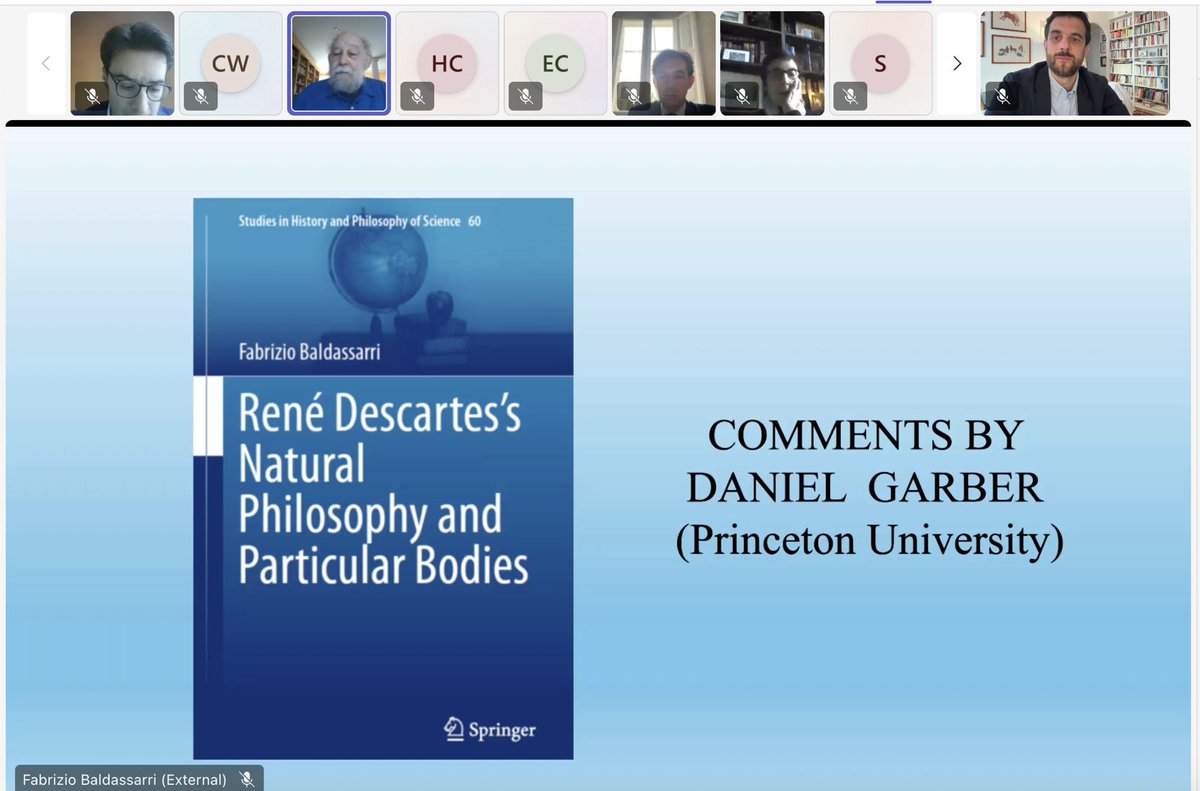
More than 2 hours discussing my book on Descartes with 2 outstanding speakers and many other great scholars! I am flattered by all positive remarks and important engagement with my book. And tired! #descartes#17thcentury#cartesianism#histsci
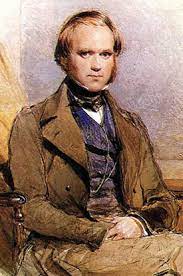
October 1, 1852, naturalist Alfred Russel Wallace returns to the UK after a 4-year journey, collecting & searching for rare species in South America. Darwin returned from his 5-year trip geologizing around the world on this day in 1836 ⛵
https://t.co/On247elQDU
Compartimos el artículo "El resguardo de saberes en las boticas de Santiago. El problema de los aprendices en la replicación del conocimiento" de Eduardo Gutierrez, publicado en Nuevo Mundo, Mundos Nuevos.
Se puede leer en: https://t.co/c36loXQZPQ
📰Selecció d'articles
"Llull: Revista de la Sociedad Española de Historia de las Ciencias y de las Técnicas"
@sehcyt@dialnet al Fons d'Història Local de Catalunya
👉 https://t.co/G0IBgI5gEH
Les publicacions científiques al #FonsHL@BHumanitatsUAB
“Climate change is real - the burning of fossil fuels and other human activities is resulting in fundamental changes to our planet. It is increasing the risk of extreme weather, warming the ocean and causing ice caps to melt resulting in sea level rise, and threatening ecosystems, lives and livelihoods across the world.”
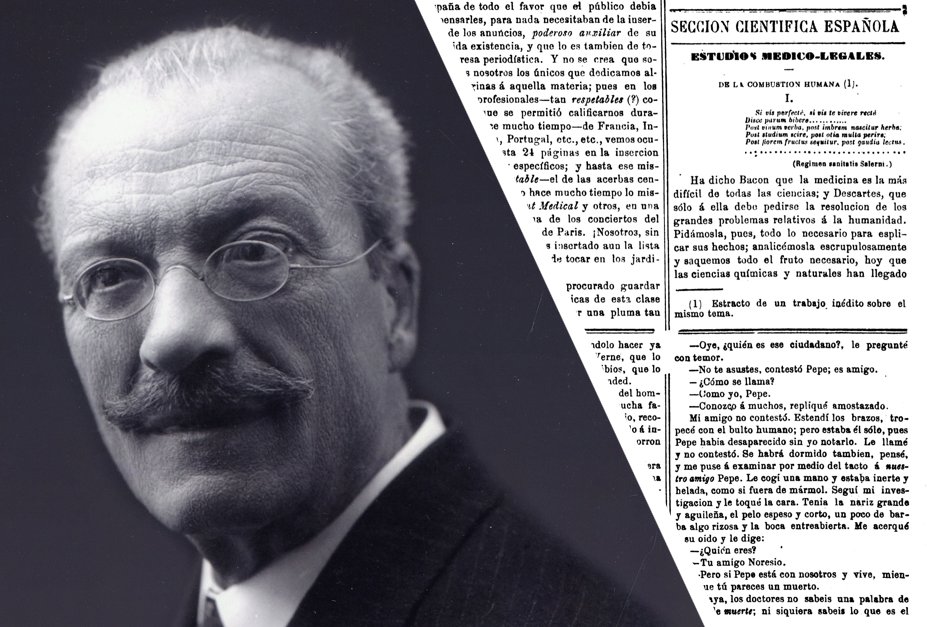
@schct Step back in time with us to 1876, when Dr. Vicente Peset y Cervera, a key figure in Spanish medicine, published an analysis of spontaneous human combustion from a medical-legal perspective. https://t.co/qxCJXS8Wvc
#HistoryOfMedicine#ForensicMedicine#history#HistoryOfScience
In 17th-century Spain, spontaneous human combustion was a legitimate medical theory. Discover its interesting evolution over the following two centuries .@MDPIOpenAccess .@univcadiz#twitterhistorians
https://t.co/qxCJXS8oFE #histmed