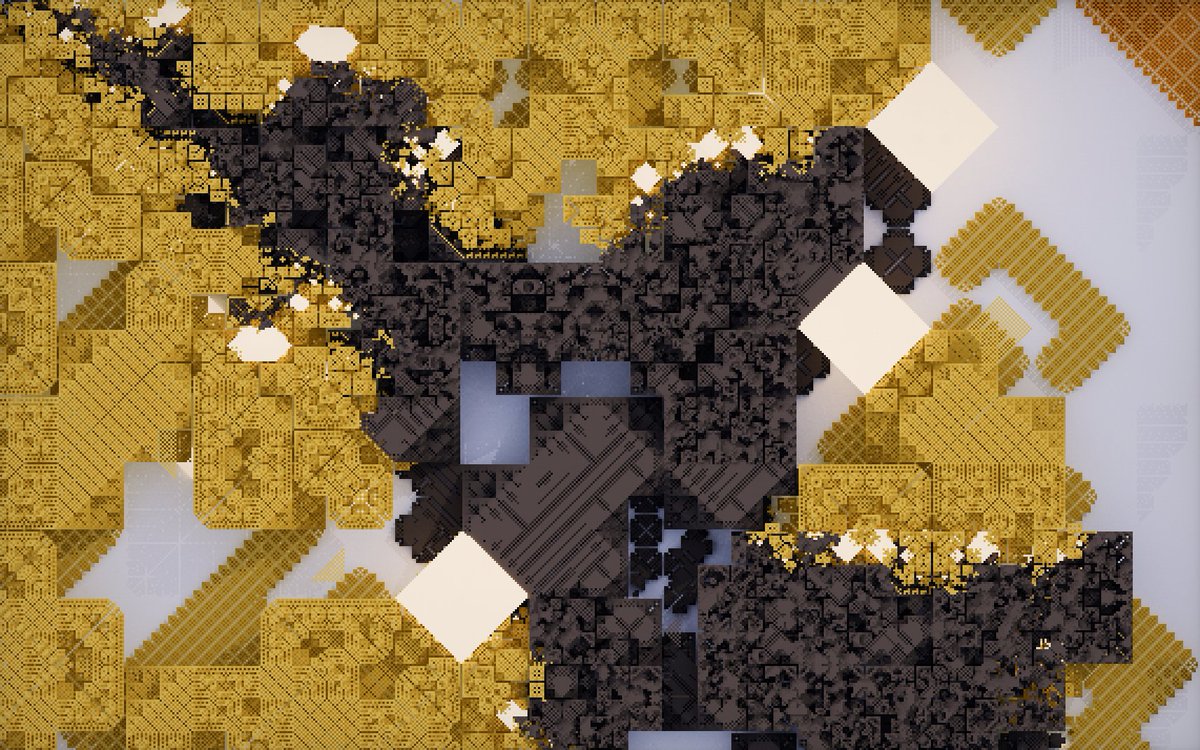
Here is a little WIP demo of our WebGPU GI (global illumination) made with @Cora_Mat!
It is fully dynamic, no bake required. It works off-screen with nice color bleeds even if walls / meshes are not visible and with manageable artifacts (ghosting and defects here and there 🤫). It is not perfect and we're still tweaking performance but... smooth GI in the browser is something else!
#WebGPU
Nanite Programmable Path seems too costly to consider WPO for the most basic things... Uh, I don't like it.
Feels like everything I'm tempted to do as a tech artist is no longer an option. Moving vertices used to be cheap :(
So here's a hacky NO-WPO prototype 🧵
@levelsio@timsoret@hansent@threejs@mrdoob I am not saying this to diminish threejs! I use it a lot and i am part of its amazing community too🫶🏻 It is just a different thing from unreal and unity
@levelsio@timsoret@hansent@threejs@mrdoob 3js is amazing! But as a Unity and Unreal user too, I can assure you they’re not really comparable. We’re talking about a rendering engine versus two full-fledged game engines with editors tools plugins and entire marketplaces. Three.js isn’t a web-based competitor to them
Particle toy experiment, motion blur is simulated by stretching particles along their velocity in the vertex shader. Cheap trick but worked surprisingly well!
(WebGL, three.js, TypeScript)
Ray tracing sound on the GPU (Work in progress). Since the whole game is running on the GPU, I found it convenient to do the sound management and the ray tracing on the GPU as well. Each frame the CPU receives a sound queue from the GPU to process, and applies effects like reverb
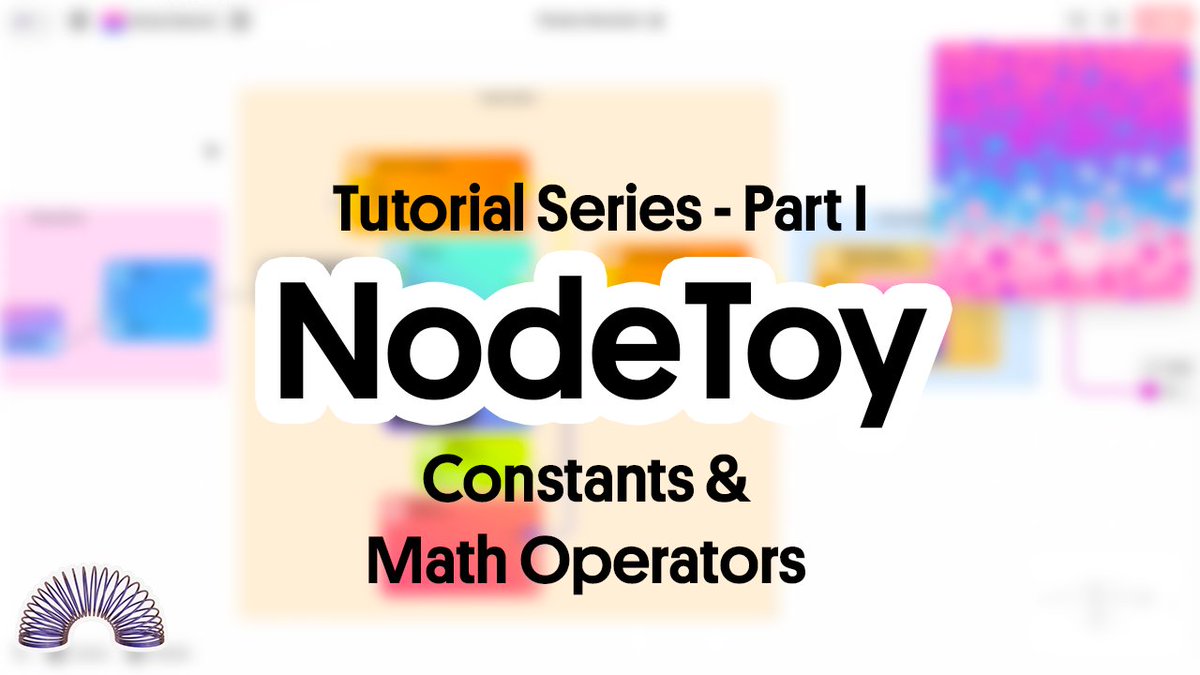
Introducing our first tutorial of a mini-series that goes over the basic nodes to get you started with NodeToy and create awesome materials!✨
Understanding the basics is fundamental to start creating more complex shaders and becoming a node master 🧙
👉 https://t.co/HbOdLmRjZK