International double-blind peer-reviewed open access journal.
Home languages, applied linguistics, theoretical linguistics, psychology, sociology and education.
All published articles are and will remain fully open access. Thank you to all our authors for publishing with us and making JHLR the wonderful collection of solid research that it is. /BethAnne Paulsrud, Editor-in-Chief, on behalf of the JHLR Editorial Team
The Journal of Home Language Research will be ceasing publication of new articles. This has been a very difficult decision, especially as we are proud of the recent high-quality publications that have contributed innovative studies to the field of home language research.
The DOI links should remain the same and will be redirected to the new server. We will inform all authors of the repository link within 12 months. Our journal e-mail address will also be active for at least two more years.
Do children get confused when you speak to them in more than one language? A question I get asked a lot!
Find out here: https://t.co/Uqr9b9eU8e #multilingualism
How did #bilingual_children in Japan fare in their development of English writing during the #COVID-19 pandemic? Read about this new research in JHLR: DOI: https://t.co/mSjnU9I0PZ
New perspectives
on home language is in JHLR. Heritage Language Use and Proficiency: Acculturation, Identities and Psychological Health. https://t.co/FkXeANLr4M
"rather, we should be careful about issuing too-quick verdicts of guilt to parents like Ghazale without fully appreciating the raciolinguistic ideologies at play in relation to a language like Arabic in Sweden." https://t.co/1TfNujtibz
https://t.co/1TfNujtibz "A detailed analysis of relevant media data illustrates that language, appearance and naming serve as signs of differentiation contributing to the social positioning of #Otherness."
https://t.co/1TfNujtibz "In an interview on Swedish national television, Nadim Ghazale, a high-profile police officer of Lebanese background, was asked why he had decided not to speak in his “mother tongue”, Arabic, with his children".
Individual family language policy in public discussion & debate. https://t.co/1TfNujtibz This new article in JHLR uses #CDA and the notion of #raciolinguistic_ideology in analysis. Don't rush to judge parents' choices in FLP. Ideology matters! @queertwit.
New #open_access article in #JHLR highlighting raciolinguistic ideologies as pertains to family language policy - a fascinating read!
https://t.co/OGMXUskd2j
Submit your proposal to Applied Linguistics Association of Australia - ALAA Conference - the key national event in Appled Linguistics, which has become a global conference. See you in Wollongong, New South Wales in November! https://t.co/wzKb7qhkrH @nelsonlflores @Aus_ALAA
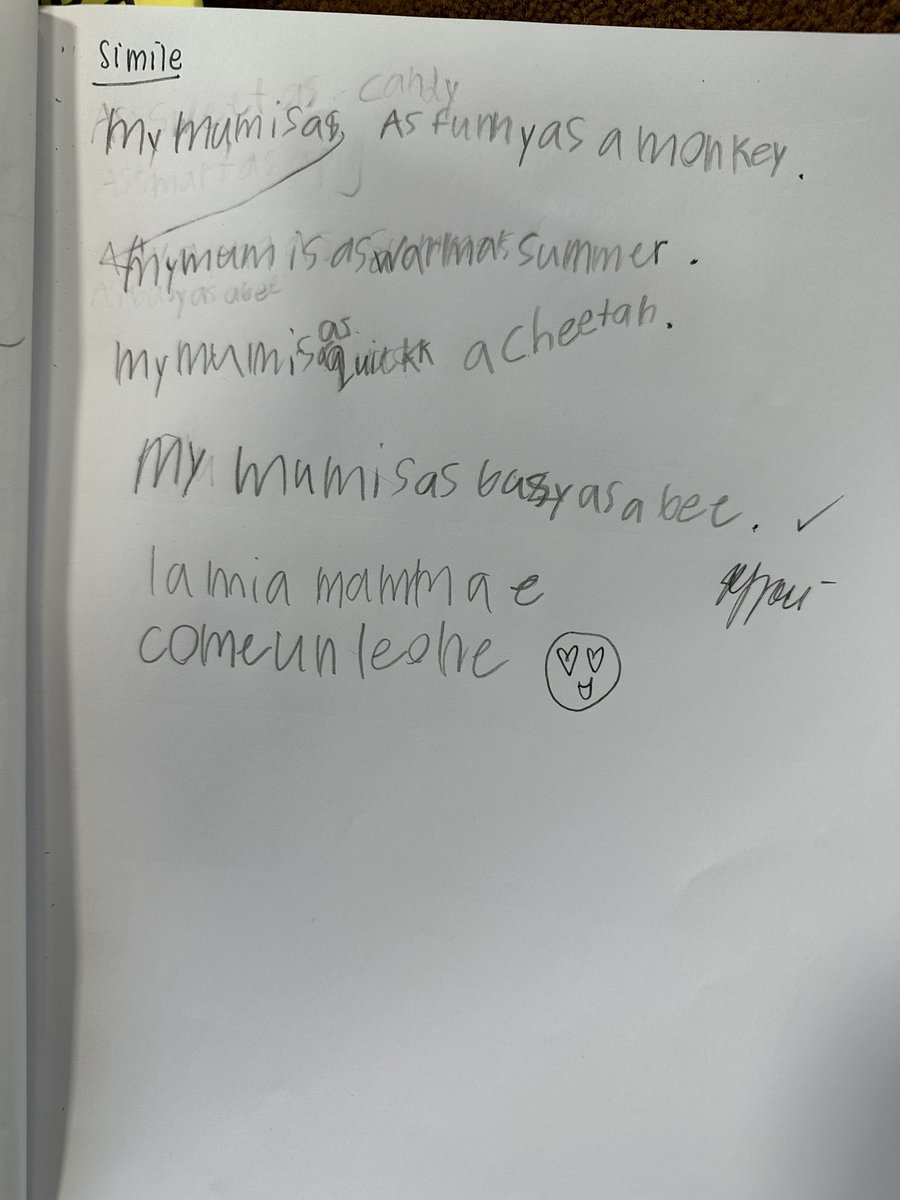
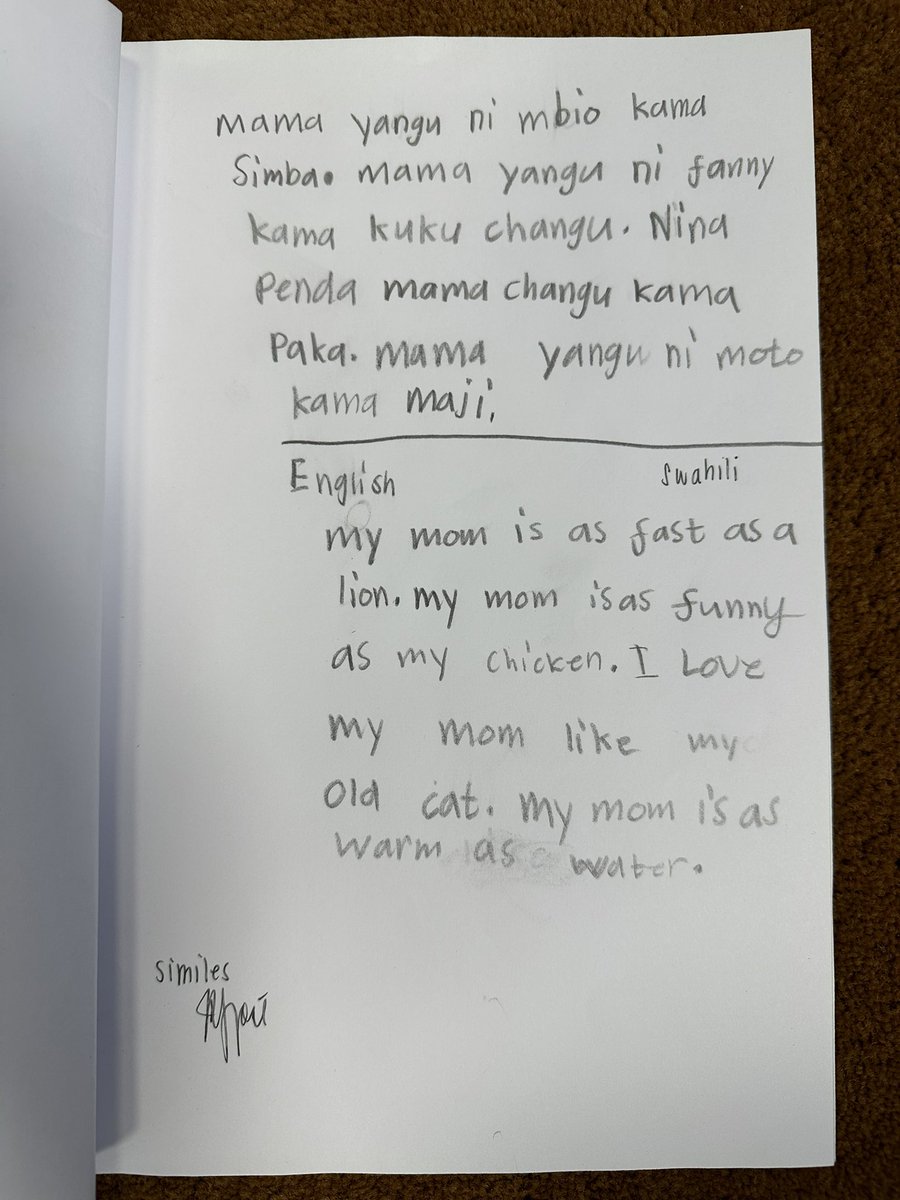
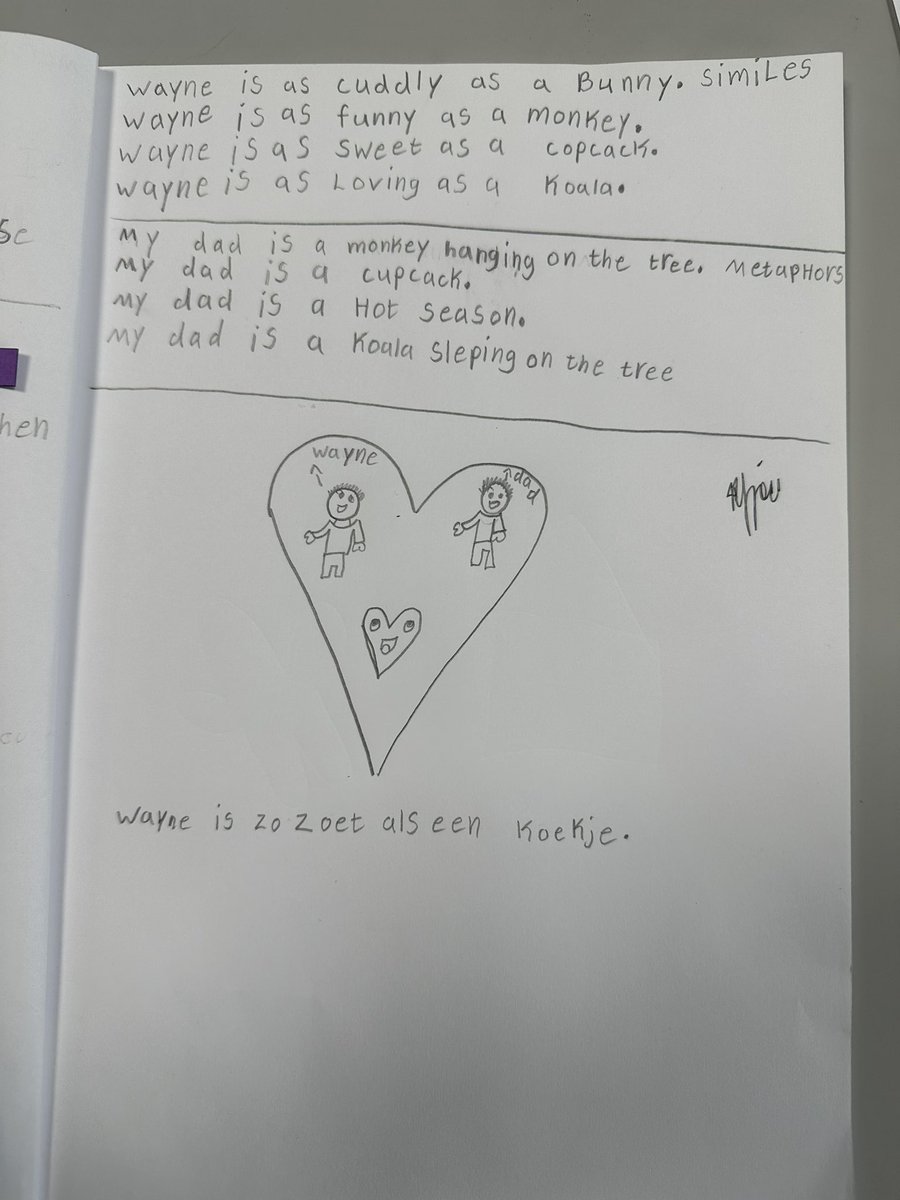
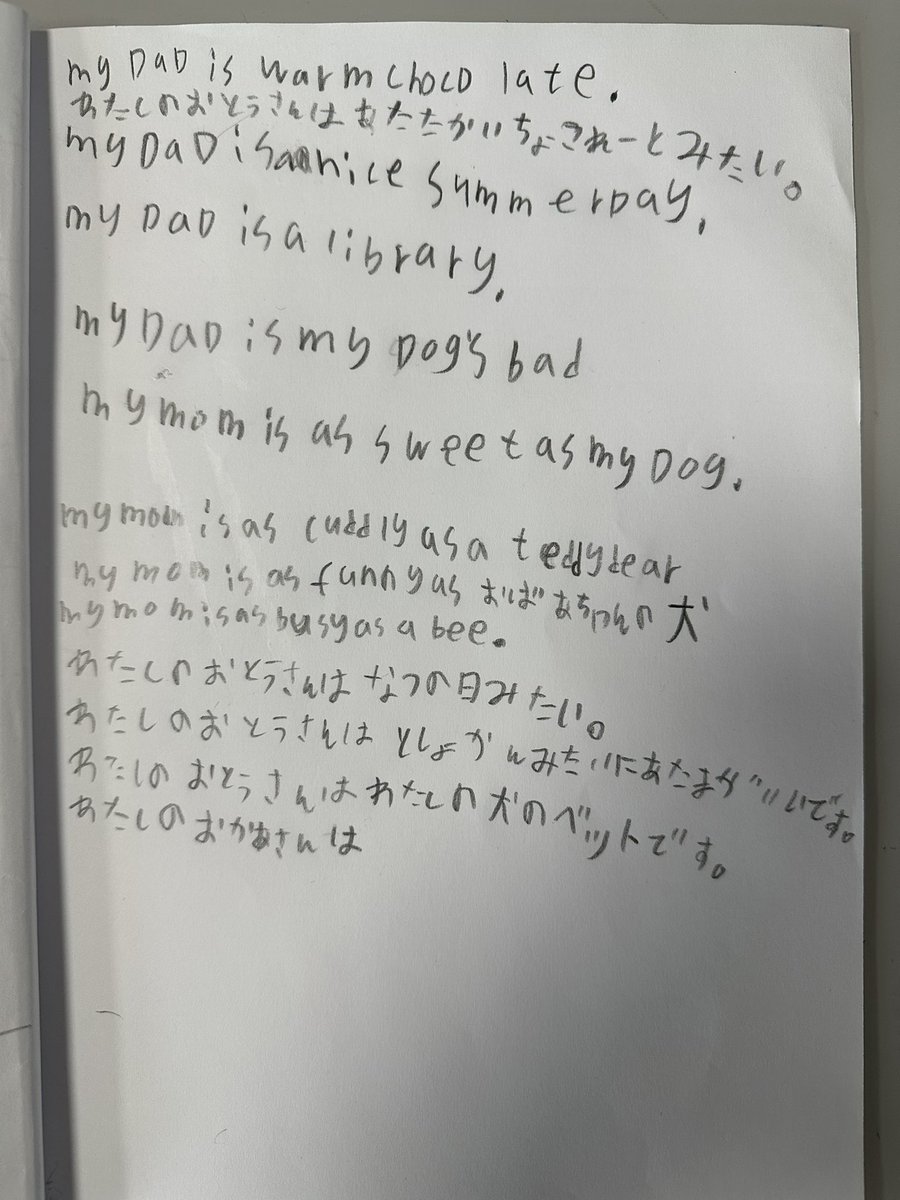
Why not make your simile and metaphor poems bilingual?
It is as EASY as adding this expectation to your directions for the lesson.
One G2 student said she never writes in Swahili at home.
Schools can play a major role in providing opportunities for writing in home languages!
Migration is part of the human condition. When humans migrate they take their languages, thoughts, knowledge and identities with them. JHLR publishes research on languages in contexts of migration.