我现在越来越觉得,很多人对 AI 的想象力,已经被自己过去十几年的工作经验给限制死了。
今天看到 Claude 工程负责人 Felix Rieseberg 写了一篇文章,叫《How to be more ambitious》,教人如何更有野心地使用 AI。我觉得这篇文章值得所有重度 AI 用户读一遍,包括我自己。
他给出了一套具体的方法。
比如,公司要做季度经营汇报。绝大多数人的第一反应,是让 Claude 帮忙制作 PPT,厉害一点的会把数据丢进去,让它分析一下业务表现。
Felix 认为,这才刚刚开始。
你可以继续要求 AI 找出三个最值得管理层讨论的决策,分析各自的利弊。然后再进一步,既然季度汇报的目的是提前发现问题、合理分配资源,那为什么非得做 PPT?能不能设计一套更好的机制,用历史数据验证它能否更早发现问题,再跟原有流程并行运行一个季度?
他自己也经历过这样的转变。
以前,他让 Claude 一次修复一个软件崩溃问题。后来,他开始直接要求 Claude 帮他持续维持应用的稳定性。为了做到这一点,他不得不让 AI 能够访问崩溃日志、代码版本记录,以及不同操作系统的测试环境。
我觉得这个案例特别好,因为它说明了,所谓的「更有野心」,其实经常意味着你得重新审视自己习以为常的工作方式。
Felix 还讲了另外两个方向。
一个是深度,让 AI 真正使用行业顶尖专家的方法、工具和原始数据,而非仅仅模仿专家说话的口气。
另一个是广度,把原本成本高昂的跨学科协作变成常规操作。分析一家公司,可以同时引入记者、数据科学家、做空者和法务会计的调查方法。
当然,他也特别强调,最终结果必须接受外部验证,不能让模型自己给自己打分。
看完之后,我一直在想一件事。
我们现在已经很擅长让 AI 替自己完成更多工作了。一个人开十几个 Agent,同时推进十几个任务,每天忙得不亦乐乎。但如果仔细看,这些任务可能跟五年前、十年前没什么区别。
很多所谓的 AI 工作流,只是给过去的工作方式装上了一台更快的发动机。
我觉得接下来真正值得拉开差距的,是一个人有没有能力重新定义问题,甚至敢不敢放弃自己过去认为理所当然的工作流程。
如果你对工作的理解只能到「交付一份 PPT」,那么给你再强的模型,最后大概也只能收获一份更快、更漂亮的 PPT。
AI 的能力每隔几个月就可能发生一次巨大变化,但人的思维惯性不会自动跟着升级。
这可能才是「更有野心地使用 AI」最难的地方。
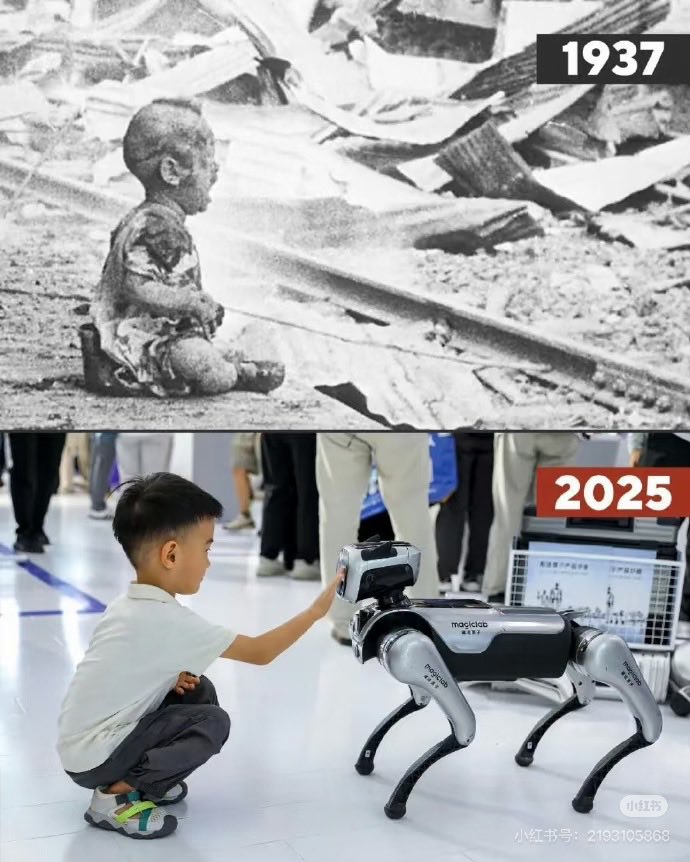
China didn’t wake up one morning and find all this waiting. It was paid for in blood, sweat, and the hard work of several generations.
A hundred years ago the country was semi-colonial and semi-feudal—famine everywhere, people barely surviving. The Chinese people refused to stay down. Under the leadership of the Communist Party of China, a long struggle produced what you see today.
We’ve always figured it’s better to count on yourself than wait for someone else to hand you a better life. Nothing good just drops from the sky.
Every country has to walk its own path. Brazil’s future is for Brazilians to build.
Wishing you all the best.
We'll be spending a lot more time trying to understand the outputs of language models. A few thoughts, tips & tricks:
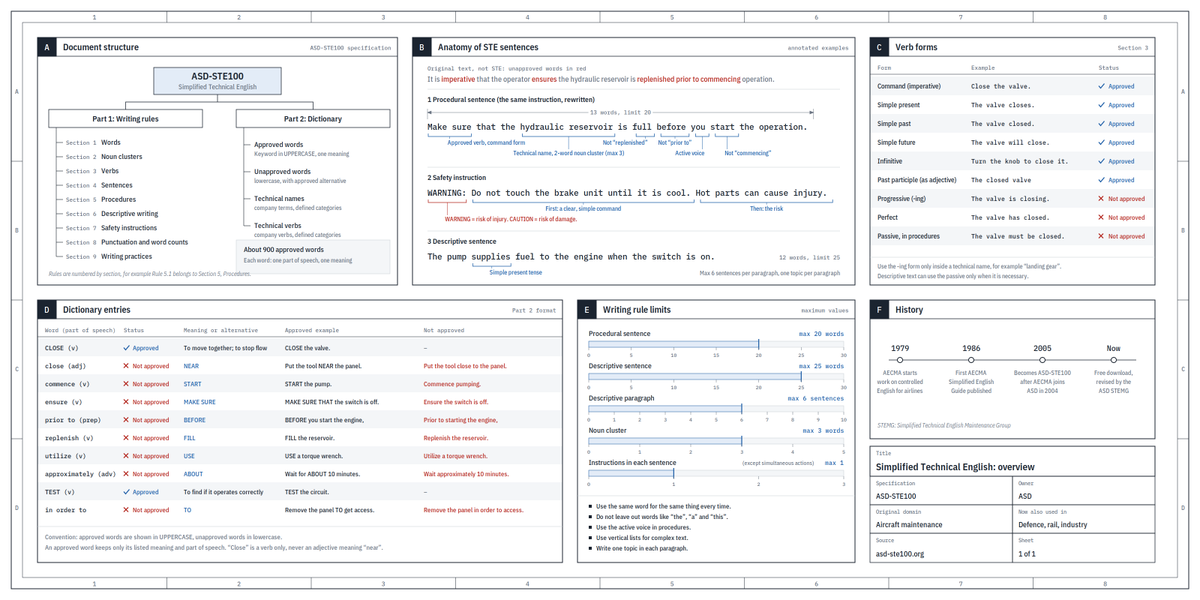
Writing. Something I've had success with: Ask your LLM to explain something in ASD-STE100, it's a controlled language specification originally developed for aerospace maintenance documentation. LLMs well-versed in this language and it comes with heavy constraints on clean writing style that I often find a lot more readable. Sometimes I've tried to soften it a bit e.g. ask for "80% of the way to ASD-STE100" because the spec is quite stringent. But even better:
Diagrams / images. Instead of writing, ask your LLM to create a diagram. These can be a lot easier to process, parse, and understand. But even better:
Web pages. Ask for output "in HTML" to get a beautiful, interactive webpage. LLMs are getting really good at frontend and can create beautiful experiences, animations, etc. But even better:
Explainer videos. The output format I am most bullish on is fully custom / bespoke explainer videos generated on any arbitrary topic. Experiment with things like "Create a 3b1b style video explainer on X. Use my ElevenLabs API key for audio narration". (you'd need an API key for the latter or you can ask your LLM to find you decent free alternatives that use your local compute). This is actually starting to work!
In summary:
- As LLMs get better, they will do more and more of the legwork autonomously, and a lot more of our work will rise up the abstractions into oversight and understanding.
- Luckily, LLMs can help here too because as intelligence and code are increasingly abundant, you can ask for large, custom, discardable software artifacts (e.g. web apps, video explainers) that would have never made sense to create before. Push the boundaries here and you'll be surprised.