I often post how studying the effects of genetic variation on gene expression can reveal disease mechanisms & novel drug targets🧬-->💊
Our paper at @AJHGNews links disease GWASs with single-cell gene expression to uncover cell-specific drivers of atherosclerosis👇[1/9]
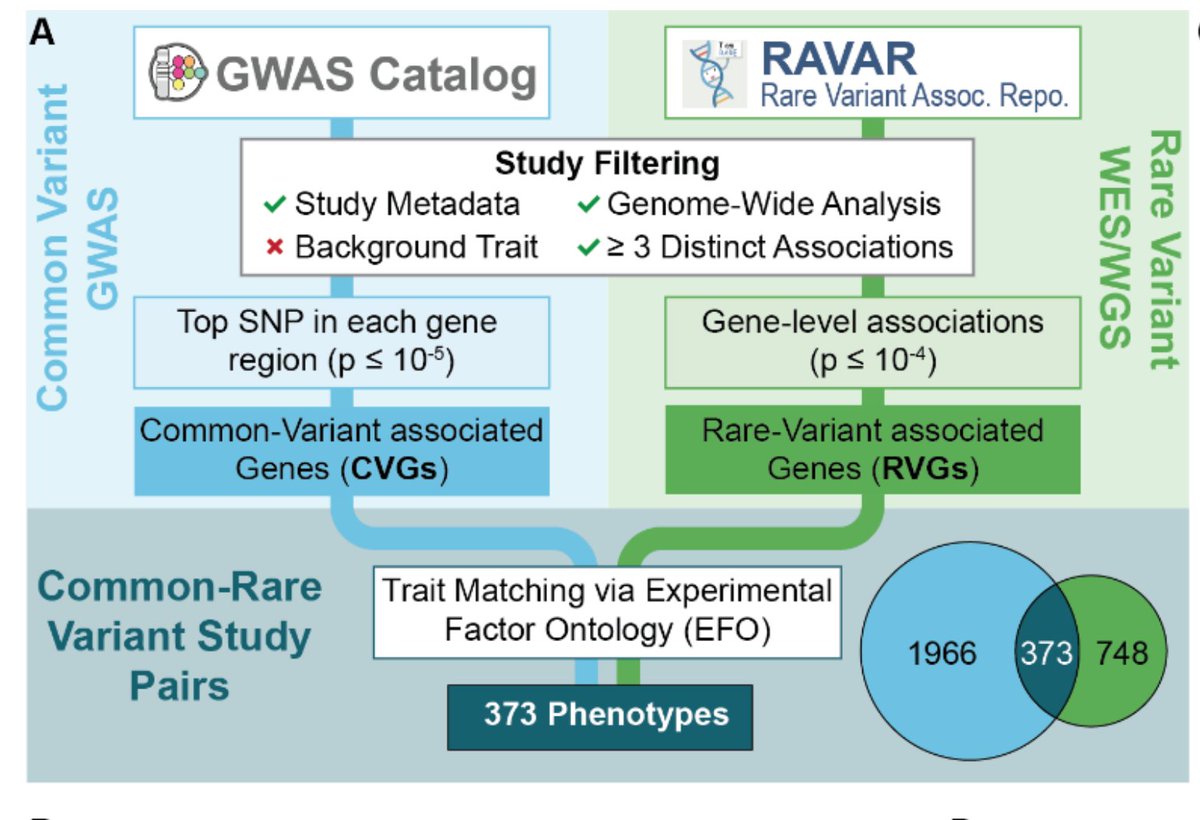
Nice systematic analysis of gene convergence between common and rare variant GWAS discoveries.
Not often we see common and rare variant studies implicating the same set of genes for a trait. This convergence is rare particularly for traits under strong selection like early onset neuropsychiatric diseases.
However, if we take a step backward, we can see that, even though common and rare disease variants do not converge on the same genes, they do converge on the same pathways.
Analyzing 373 phenotypes with both common and rare variant discoveries available, the authors find that genes implicated by rare and common variants implicate the same pathways for >75% of traits.
Paper:
Wright et al. Common and rare genetic variants show network convergence for a majority of human traits. medRxiv 2025
https://t.co/dVQvxHnBye
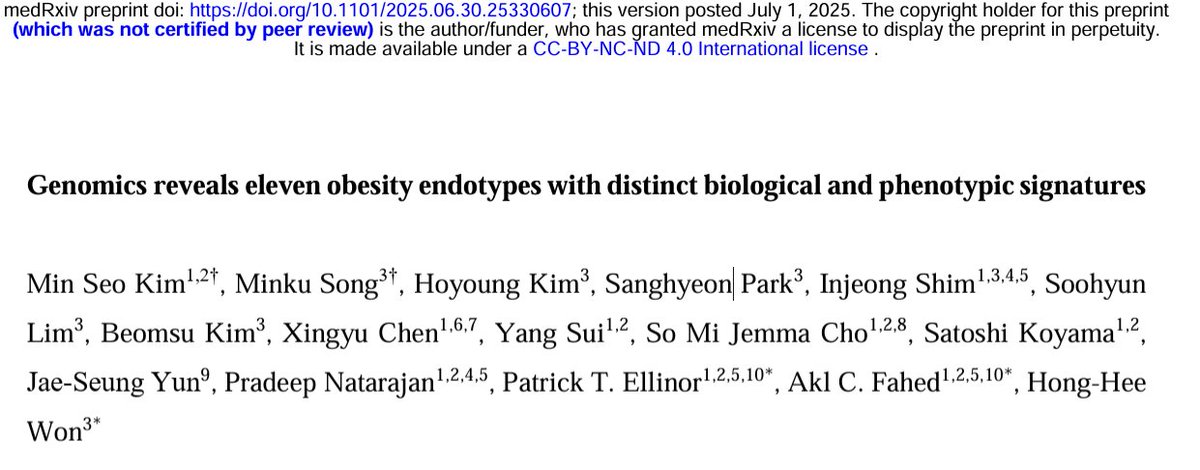
New preprint from our group advancing genetic discovery and biologic understanding of obesity
- Multi-trait GWAS of >2 million people
- Discovered 743 loci including 86 novel
- Defined 11 distinct obesity endotypes driven by metabolic resilience, insulin physiology, beta cell compensation, immune dysregulation, neuroendocrine signaling, and lipid metabolism
Manuscript: https://t.co/YkIEOlKGkk
Thread:
My new weekly read list with 5 interesting papers from the fields of genetics, omics & deep phenotyping 🧵
1⃣snRNAseq provides proof for adult human hippocampal neurogenesis
2⃣A multitrait GWAS of adult obesity
3⃣A review of FDA-approved AI medical tools
4⃣A new deep learning-based neuroimaging phenotype of white matter microstructure
5⃣Proteomic signatures of neurodegenerative pathologies
Delighted to share the preprint on the largest obesity GWAS to date!
GWAS from >2 million participants
Key:
✳️13% increase in loci discovery
✳️Identified 11 obesity genetic clusters (endotypes)
✳️Obesity management should be as diverse as the condition itself
Thread👇
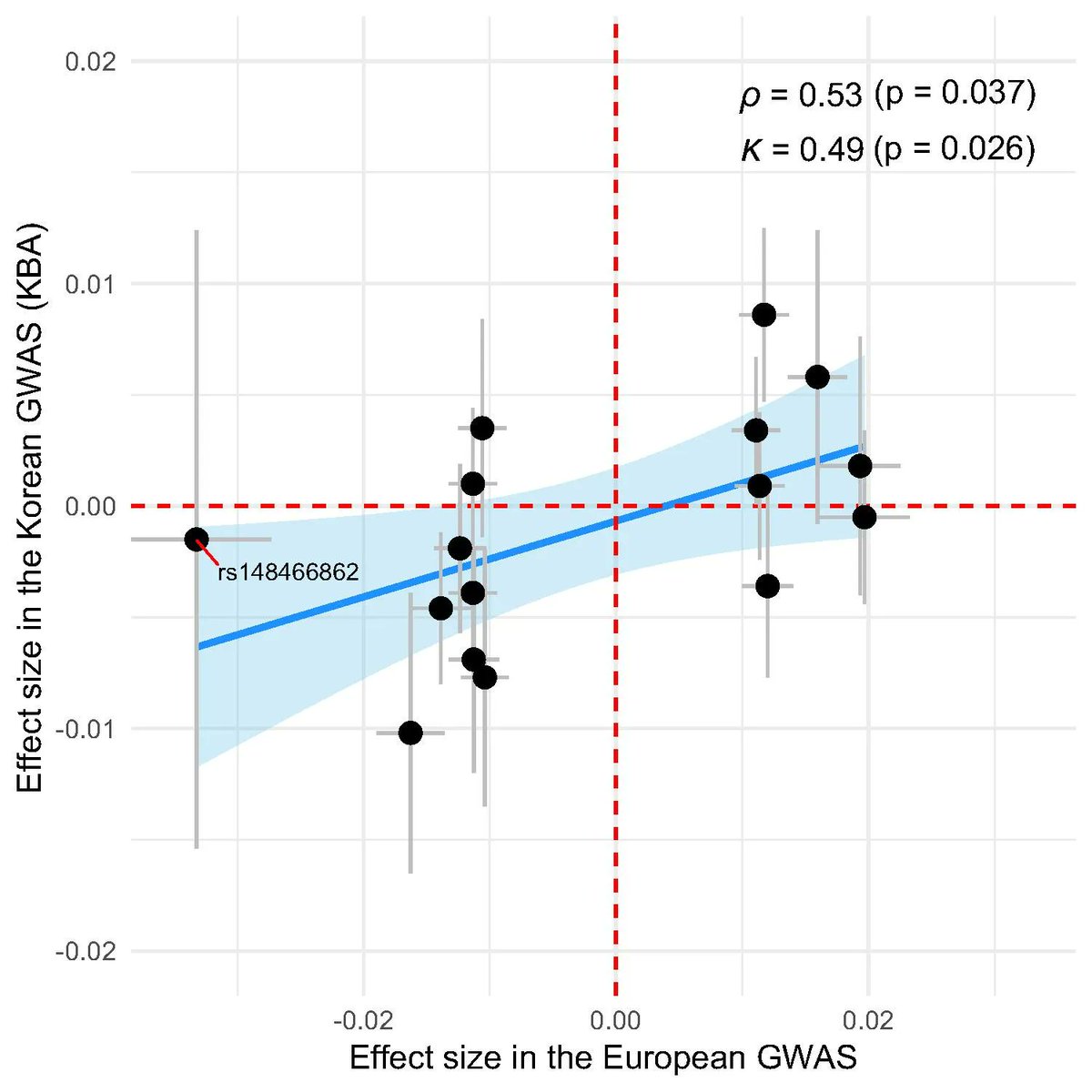
A polygenic risk score (PRS) derived from a European GWAS identified those at high risk for Alzheimer dementia in Korea, emphasizing the transferability of PRSs and suggesting the importance of enriching diversity in genetic studies of Alzheimer disease. https://t.co/6bKfErNFn5
Won et al. compare genetic associations with subjective wellbeing (SWB) in Korean and European populations, and show significant cross-population genetic correlations. @hongheeW
https://t.co/12VMkkhjfk
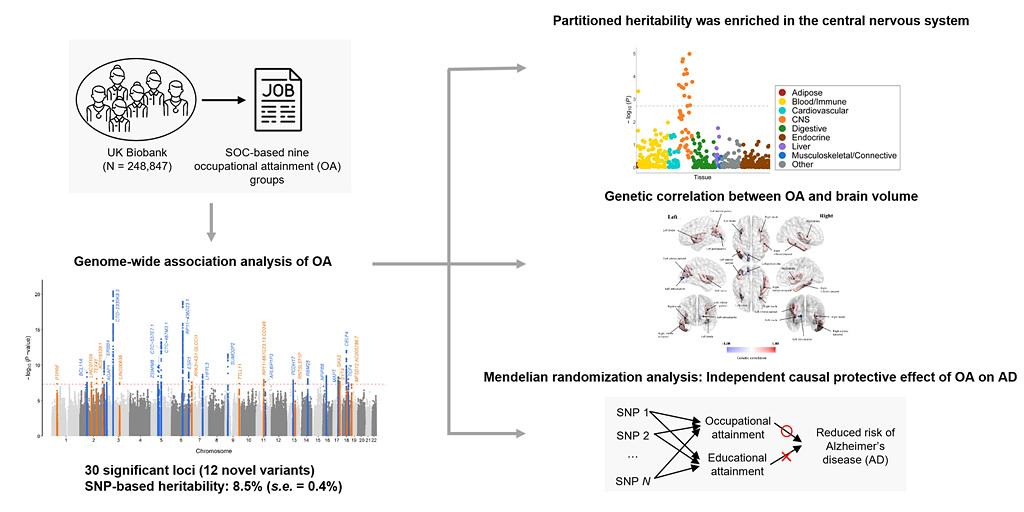
Ko et al. identify 30 new genetic markers for occupational attainment, and show that high levels of occupational attainment are associated with reduced risk for Alzheimer’s disease, even after taking educational attainment into account. https://t.co/xUgdx2C6L0
Yes, Virginia, summary statistics from many cancer genome-wide association studies are publicly available! #sumstats#cancer#gwas https://t.co/XecZJOHfB3
Our lab is expanding!
We seek outstanding comp scientists to join our multidisciplinary team (https://t.co/VG1O5suokg)
working at the interface of genetics, ML, and clinical medicine.
Please RT!
Apply today or DM with ?’s:
https://t.co/puqPX3bpQj
https://t.co/7fNbv9POSx
📣Data Release Alert📣 On our 220 cross-pop deep-phenotype GWAS project, I have compiled all 220*3 GWAS summary statistics, and Super @masakanai deployed them into the beautiful web portal!! You can search and download everything at https://t.co/DXuNHv0Ocd 🧵
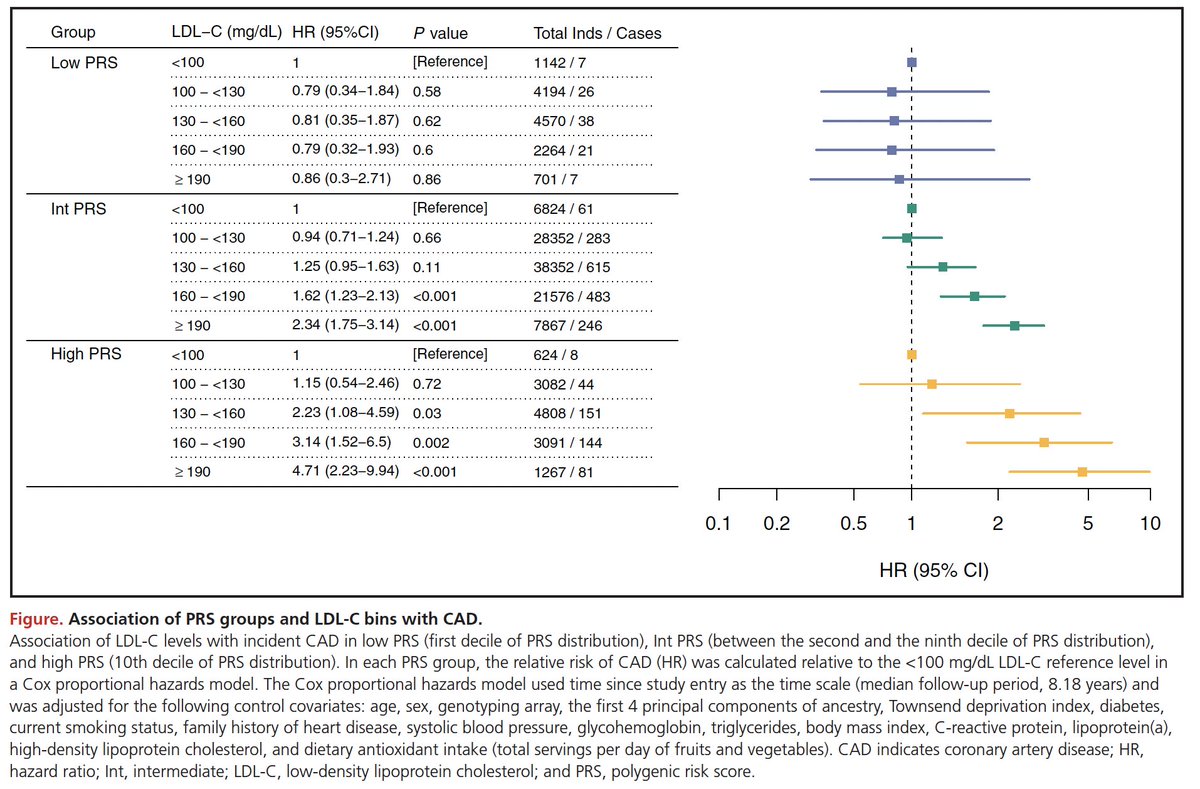
So, your LDL is >190.
Well, your risk of suffering a heart attack is powerfully dependent on your polygenic background (even after accounting for all other risk factors)
P.S. what @amitvkhera and I have been saying for several years
https://t.co/BAeY5g8zyM


![MariosGeorgakis's tweet photo. I often post how studying the effects of genetic variation on gene expression can reveal disease mechanisms & novel drug targets🧬-->💊
Our paper at @AJHGNews links disease GWASs with single-cell gene expression to uncover cell-specific drivers of atherosclerosis👇[1/9] https://t.co/0qzmGDsMT7](https://pbs.twimg.com/media/GuOy9CSXgAA1k-Q.jpg)