This is the Congressional Medal of Honor Society link to a free documentary narrated by Gary Sinise to commemorate MOH Day. It's how the Medal went from one no one wanted in the Civil War to become the United States' highest decoration for valor. https://t.co/5K6CeVHF64
@HistoryWJacob First "dark horse" candidate in US history to win the presidency. He also signed legislation creating the Smithsonian Institution, oversaw the establishment of the U.S. Naval Academy, and formally authorized the construction of the Washington Monument on public grounds.
@elonmusk When Rome fell, it took almost a thousand years before a like civilization rose again. If things remain unchanged, western civilization will just be another litter of monuments some future generation will ponder over.
@elonmusk This is what happens when a nation surrenders its sovereignty to a committee. There is no recourse to a bureaucracy removed from the nation it rules.
@RealJamesWoods One of the few soldiers to survive the Malmedy Massacre in 1944. Germans machined gun 84 men then walked among them killing the survivors. Durning was one of 43 who fled into the woods or played dead to survive.
@elonmusk Lawyers get millions, people get pennies, and powers that be get to posture. A lot of times, the deals are made before people know how much damage is done to them and their right to sue is usurped by the state in their settlements.
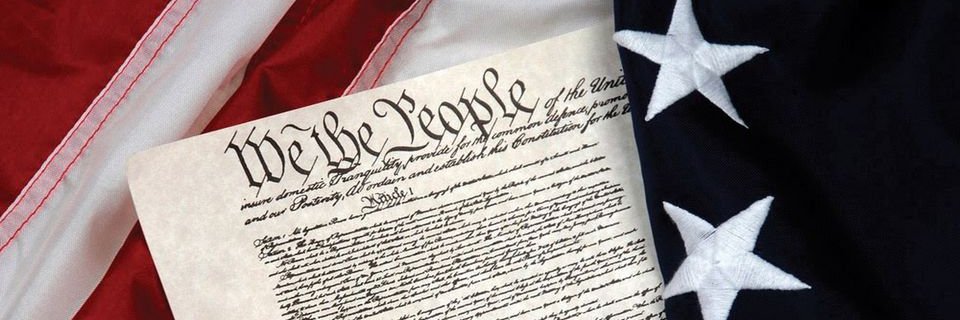
This is Constitution Day recognizing the 238th anniversary of the last meeting of the first Constitutional Convention in Philadelphia and signing of the United States founding document.
Since May of that year, more than 55 delegates had been sworn to secrecy in what was first said to be a revision of the Articles of Confederation, but what emerged was an entirely different document. Workers brought in fresh dirt every day to cover the cobblestone street so those in attendance weren't distracted by rattling trace chains and traffic outside the hall.
To say it was loud inside, is an understatement. Rhode Island didn't even send delegates. George Washington, who was voted president of the convention, regretted attending and, in the beginning, had even tried to avoid going. The fear of most was the nation sat on the brink of disaster. It was head-butting debates, walkouts, and compromises - most spent on the election process of congressmen and senators.
While states had agreed to form a federal government, each still saw itself as a sovereign nation and resisted relinquishing any power. James Madison and delegates from his state put forward the "Virginia Plan" he'd helped write, which created three separate branches of legislative, executive, and judicial. Madison took copious notes of all back-and-forth debates devising what became the structure of the Constitution.
In the end, 39 delegates signed it to disburse to the state legislatures for approval. The law then required a 9-13 majority to pass, but, without the guarantee of individual rights many had in their own constitutions, couldn't get past six states.
Federalist and anti-Federalist movements, newspapers evenly split for and against, one legislative fistfight, and threats of secession ruled the day. Thomas Jefferson even wrote Madison saying "... “A bill of rights is what the people are entitled to against every government on earth.”
The states resisting the Constitution and signed it only on the promise that a Bill of Individual Rights, which Madison wrote, be adopted into the U.S. Constitution. It was done by the first congress in 1789 creating the document we know today - still regarded as one of the greatest and most copied government instruments ever written.