@Ricarda_Lang@MaximalesD Bin selbst Halbmarathon und Marathon gelaufen und kann daher Ihre Leistung einschätzen. Respekt & congrats und lassen Sie sich von den Hatern nicht unterkriegen. Weder sportlich noch politisch und schon gar nicht menschlich.
Our study on COVID-19 mortality in Austria has just been published in the Wiener Klinische Wochenschrift.
We analyzed data from 4.5 million Austrians between 2020 and 2022.
Age, vaccination status, and sex are the most important factors—regional differences (districts) play a smaller role.
Vaccination provides significant protection against death, It reduced the risk of dying by up to 85%.
#COVID19 #PublicHealth #Epidemiologie
https://t.co/2ig77knc2T
@mz_storymakers Ich wünsche Ingrid Thurnher alles Gute für diese Mammutaufgabe und hoffe auf vollständige Aufklärung. Ihr Interview gestern in der ZIB2 gibt Hoffnung.
@CLeiserfluss@grok: bitte poste hier deine Meinung auf Evidenz basierend, damit diesem Statement zumindest eine faktenbasierte Antwort entgegengestellt wird.
Prevalence and Symptoms of Post-COVID-19 Syndrome in Active-Duty Military Personnel
🚨The ALARMING USA army news today:
Over 42% of active-duty military personnel who contracted COVID-19 developed long-lasting post-COVID syndrome—dominated by pulmonary, neurological, and fatigue issues—threatening their fitness, readiness, and the military’s ability to respond to threats.
➡️A large retrospective study analysed electronic health records from the U.S. Military Health System (2019–2024), identifying post-COVID-19 syndrome in 42.8% of 650,173 COVID-19 cases among active-duty personnel. The cohort was predominantly male (74.1%), young (mean age 31.3 years), and enlisted (83.3%).
➡️Findings:
1. Prevalence:
- Post-COVID-19 syndrome identified in 42.8% of 650,173 COVID-19 cases,
- “In our sample of 650,173 COVID cases among active-duty military personnel, a total of 278,278 were identified as having post-COVID-19 syndrome (42.8%).”
2. Demographics:
- Predominantly male (74.1%),
- Young population (mean age 31.3 years),
- Mostly enlisted ranks (83.3%),
3. Most common persistent symptoms:
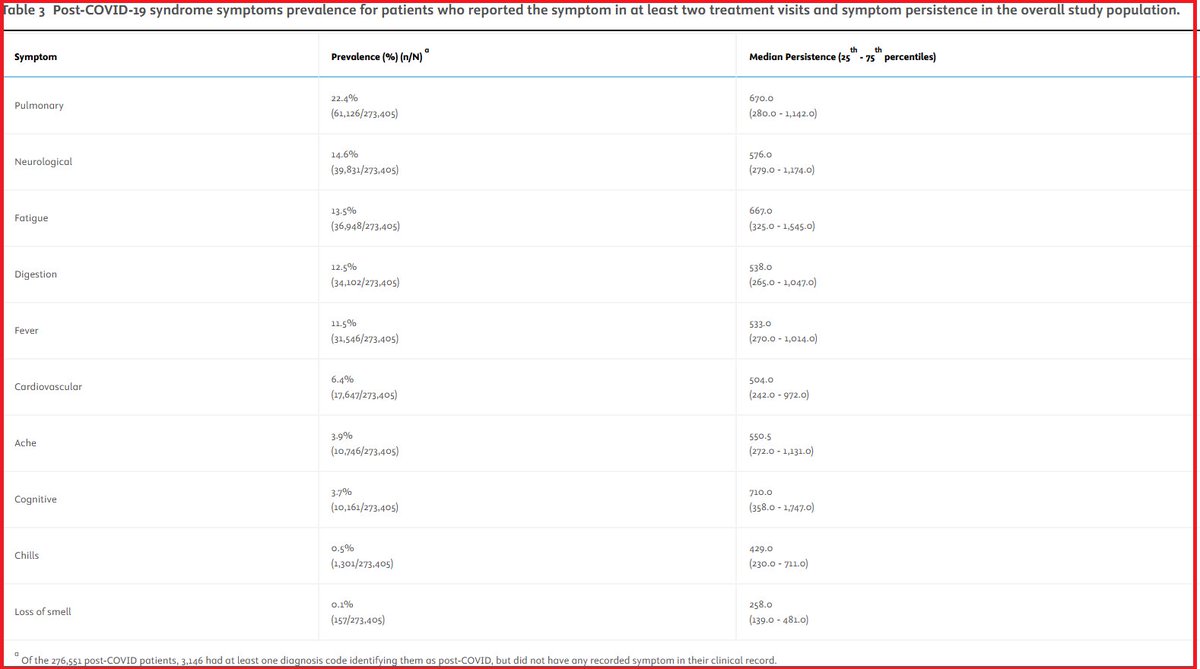
- Pulmonary issues: 22.4% (median duration 670 days),
- Neurological problems: 14.6% (median 576 days),
- Fatigue: 13.5% (median 667 days),
- Digestive issues: 12.5%,
- Fever: 11.5%,
- Cognitive symptoms: only 3.7% but longest persistence (median 710 days),
4. Sex differences:
- Females → higher odds of neurological (OR 1.645) and digestive symptoms,
- Females → lower odds of pulmonary (OR 0.851) and cognitive symptoms,
5. Comorbidity impact:
- Obesity → triples odds of pulmonary symptoms,
- Anxiety → quadruples odds of cognitive symptoms,
- Other comorbidities significantly amplify risk across domains,
6. Military-specific patterns:
- Rank differences: warrant officers showed higher fatigue and pulmonary odds,
- Service branch differences: Air Force personnel had elevated pulmonary symptoms (possible environmental exposure link),
7. Comparison to civilians:
- Military pattern differs: pulmonary and neurological issues more prominent than the fatigue-dominant profile typical in civilian populations,
➡️‼️So, post-COVID-19 syndrome affects over 40% of young, fit active-duty service members post-C19, and poses a serious long-term threat to military medical readiness and operational capability. #REINFECTIONS
➡️‼️And AGAIN: Long COVID strikes millions worldwide, often with persistent pulmonary, neurological, and fatigue symptoms lasting months to years, severely impairing daily function, work productivity, and overall quality of life in a substantial portion of those infected. #LONGCOVIDAWARENESSMONTH
#AVOIDREINFECTIONS #AVOIDSARS2
https://t.co/nGbJez1QiZ