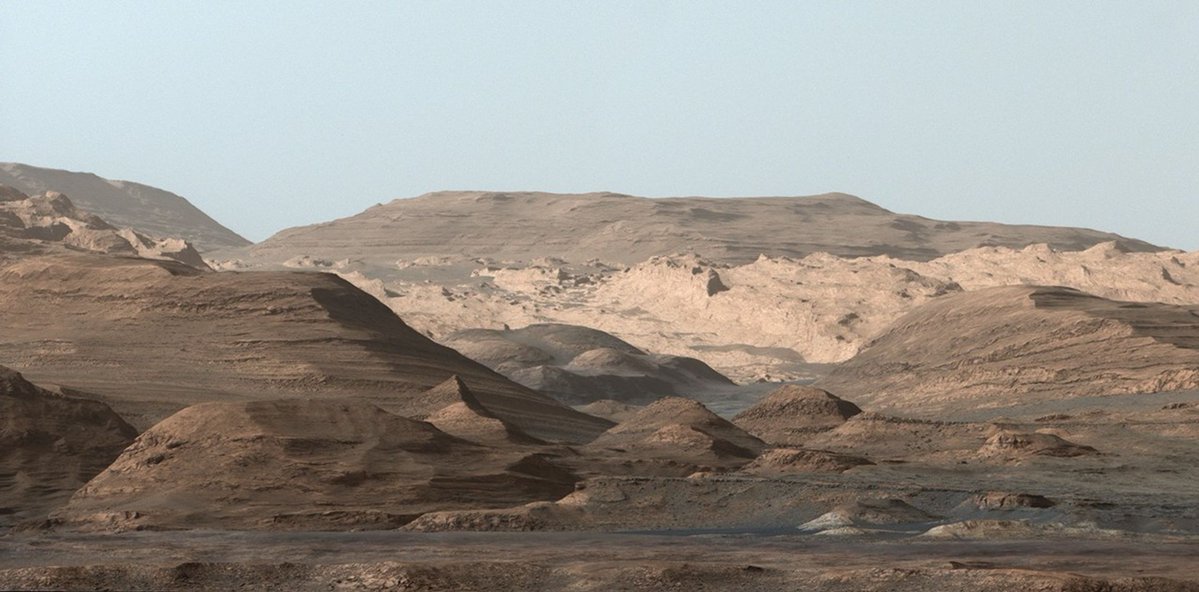
Minerals on Mars are helping scientists better understand the red planet’s ancient climate. See what they’ve learned from samples collected by NASA’s Curiosity Rover: https://t.co/c6p0Cbwepu
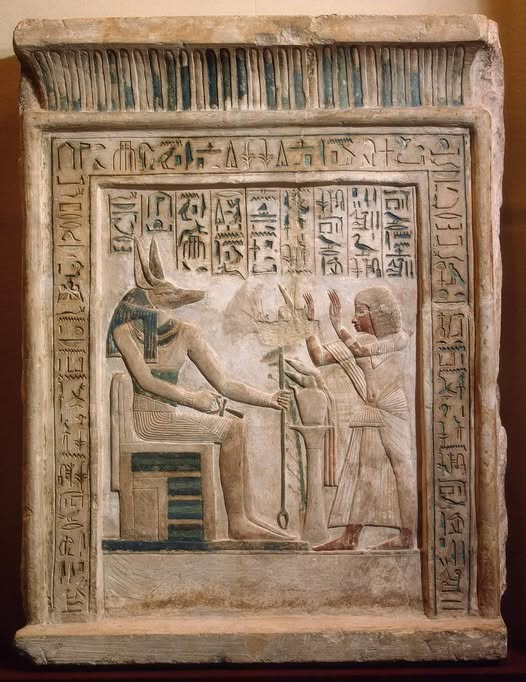
Stela of the Royal Scribe Ipy
New Kingdom, late 18th Dynasty, reign of Tutankhamun, c. 1332-1323 B.C.
From Saqqara necropolis
Now in the State Hermitage Museum
Stela of the Royal Scribe Ipy
New Kingdom, late 18th Dynasty, reign of Tutankhamun, c. 1332-1323 B.C.
From Saqqara necropolis
Now in the State Hermitage Museum. ДВ-1072
https://t.co/2QG53JeqiT
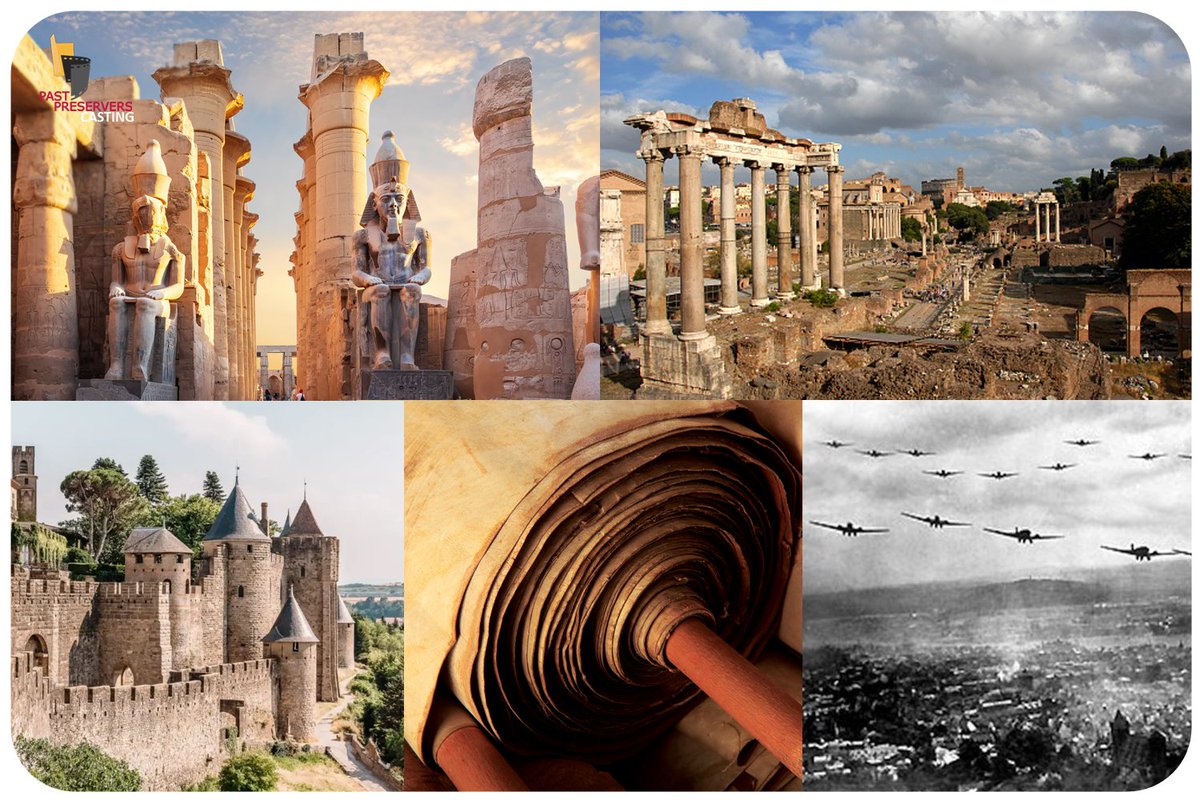
Want to bring history to life for 2 million viewers? 🌍 Past Preservers is looking for on-camera experts to write and present a new cinematic documentary series.
Check out the roles and apply today: https://t.co/RVEdrPZ47N
#History#AcademicTwitter#Documentary#ExpertsWanted
Giza from the sky — enjoying a flight over one of the Seven Wonders of the World and such a magnificent civilization as ancient Egypt. It’s truly an incredible experience.🇪🇬😍
#Come_to_Egypt#Egypt
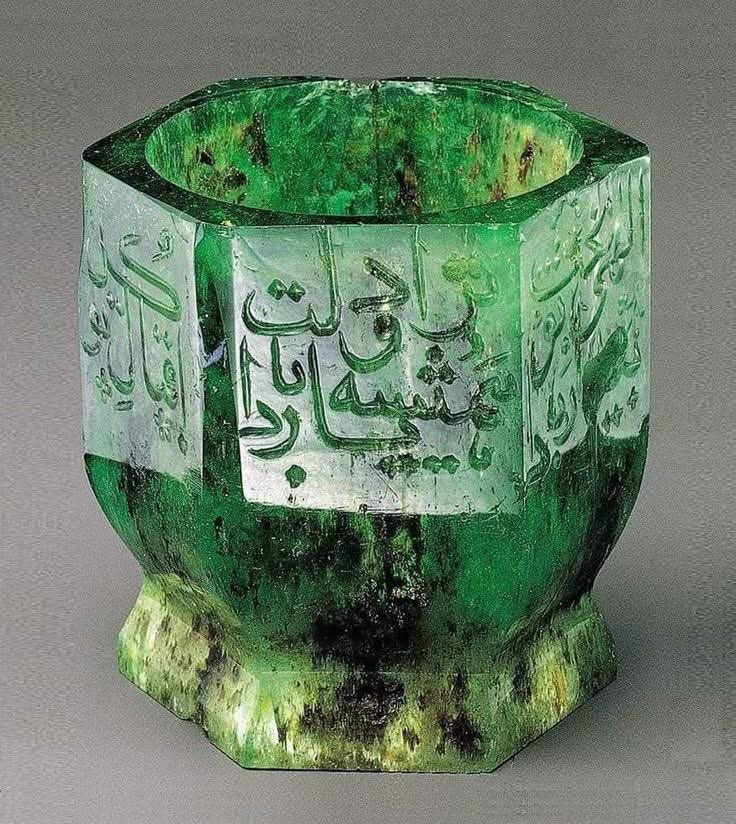
Carved from a single large Colombian emerald, this hexagonal cup is a symbol of royal luxury from 17th-century India, during the rule of powerful emperors like Shah Jahan or Aurangzeb. Its deep green surface is decorated with fine Persian calligraphy, often praising beauty, power, or paradise.
Skilled craftsmen carefully shaped and hollowed the stone, knowing one mistake could ruin it. More than just a precious object, this cup represents human skill, ambition, and a deep appreciation for natural beauty.
By "time traveling" in opposite directions on two different sides of Mars, the Curiosity and Perseverance rovers are helping scientists reconstruct key details about the planet’s history.
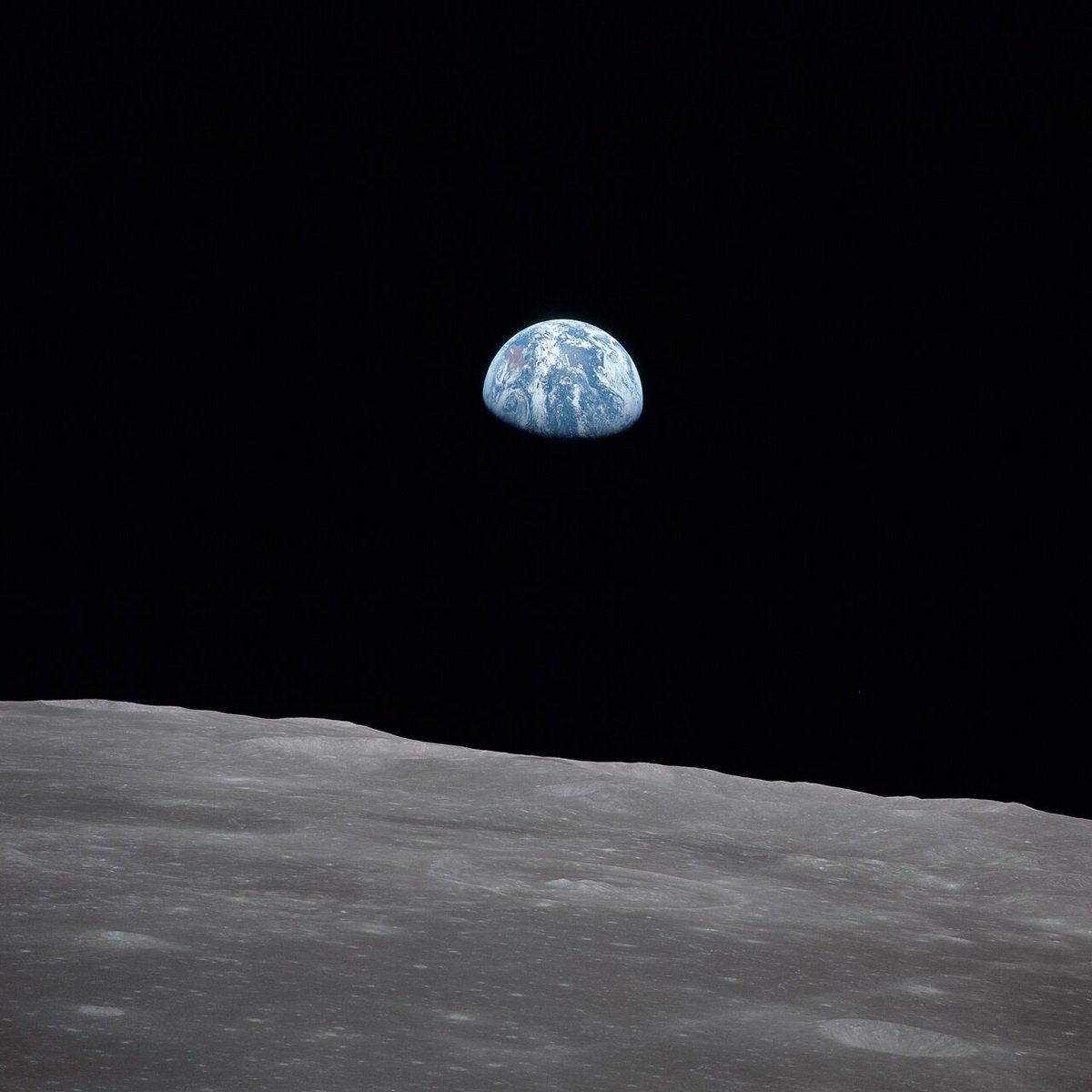
After briefly experiencing forces up to 7 g during reentry, Apollo 16 astronauts John Young, Charlie Duke, and Ken Mattingly splashed down OTD in 1972, completing NASA's fifth lunar landing mission.
With them were 211 pounds (95 kg) of lunar samples and 22 magazines of film with more than 2000 images from their mission.
Raising the bar.
NGC 4394 is a barred spiral galaxy, captured here by Hubble.
Bright spiral arms emerge from a central bar of stars. These arms sparkle with young blue stars, dark lanes of dust, and hazy regions of new star formation: https://t.co/2BOQMTKhEE
Mandrake in Ancient Egypt 🍋
▫ The Ancient Egyptians regarded the mandrake (insno) as a fruit of love and desire, delighting in its sweet perfume whilst never forgetting its darker, hallucinogenic powers. In poetry and art of the New Kingdom it was woven into the language of beauty and allure, its rounded form likened to the curves of the female body, its very image evoking the sensuality of the breast. From banquet walls to cosmetic spoons and the jewelled collars of the dead, the mandrake’s likeness blossomed across Ancient Egyptian art, a playful yet potent emblem of passion and vitality.
Preferring rocky, dry soils and seldom thriving in the marshy environment of Egypt, the mandrake (Mandragora officinarum) is not native to the Nile Valley itself, making its presence in Ancient Egyptian art and ritual all the more intriguing. The true mandrake grows naturally in the eastern Mediterranean and Levant; Palestine, Jordan, Lebanon, Syria, Cyprus, and parts of Anatolia (Turkey).
Image: Tomb of Nakht (TT52), New Kingdom, 18th dynasty, c. 1421-1372 B.C., Sheikh Abd el-Qurna, Thebes
Read more: https://t.co/YaaF80p43q