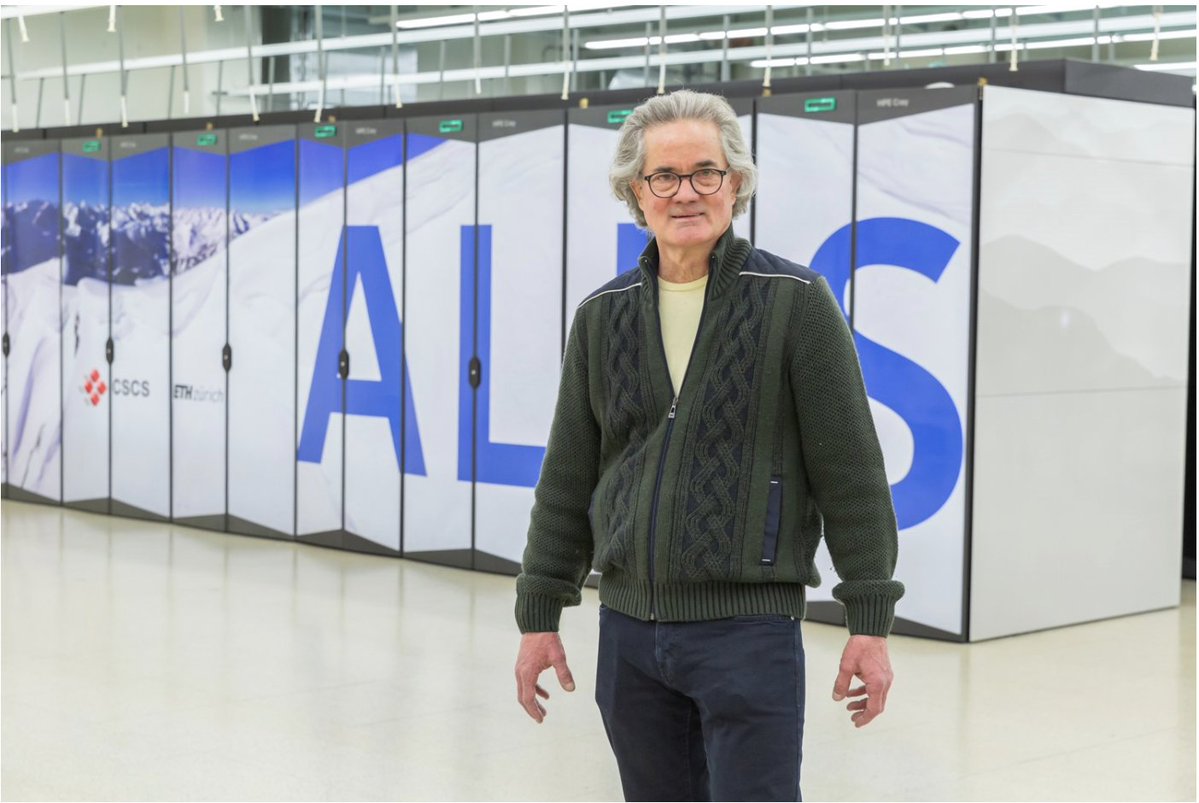
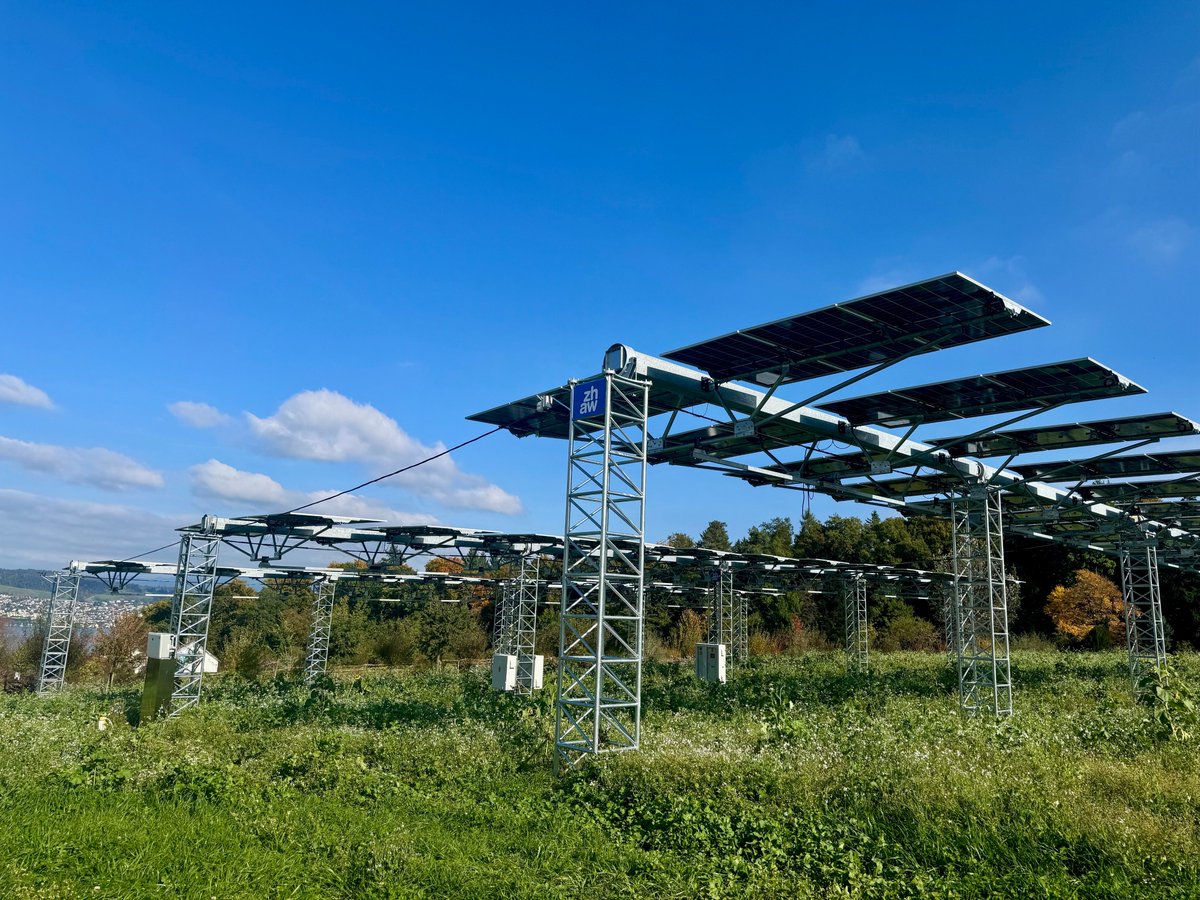
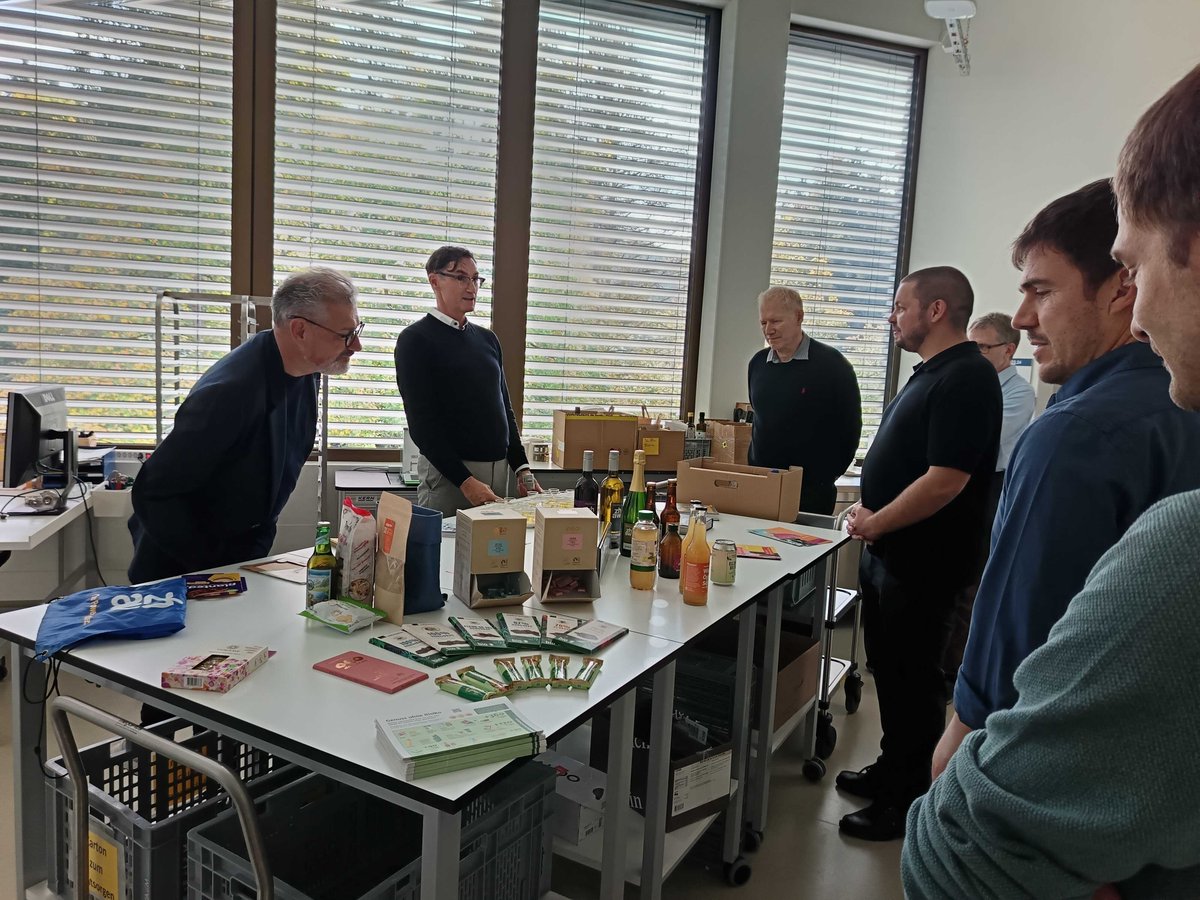
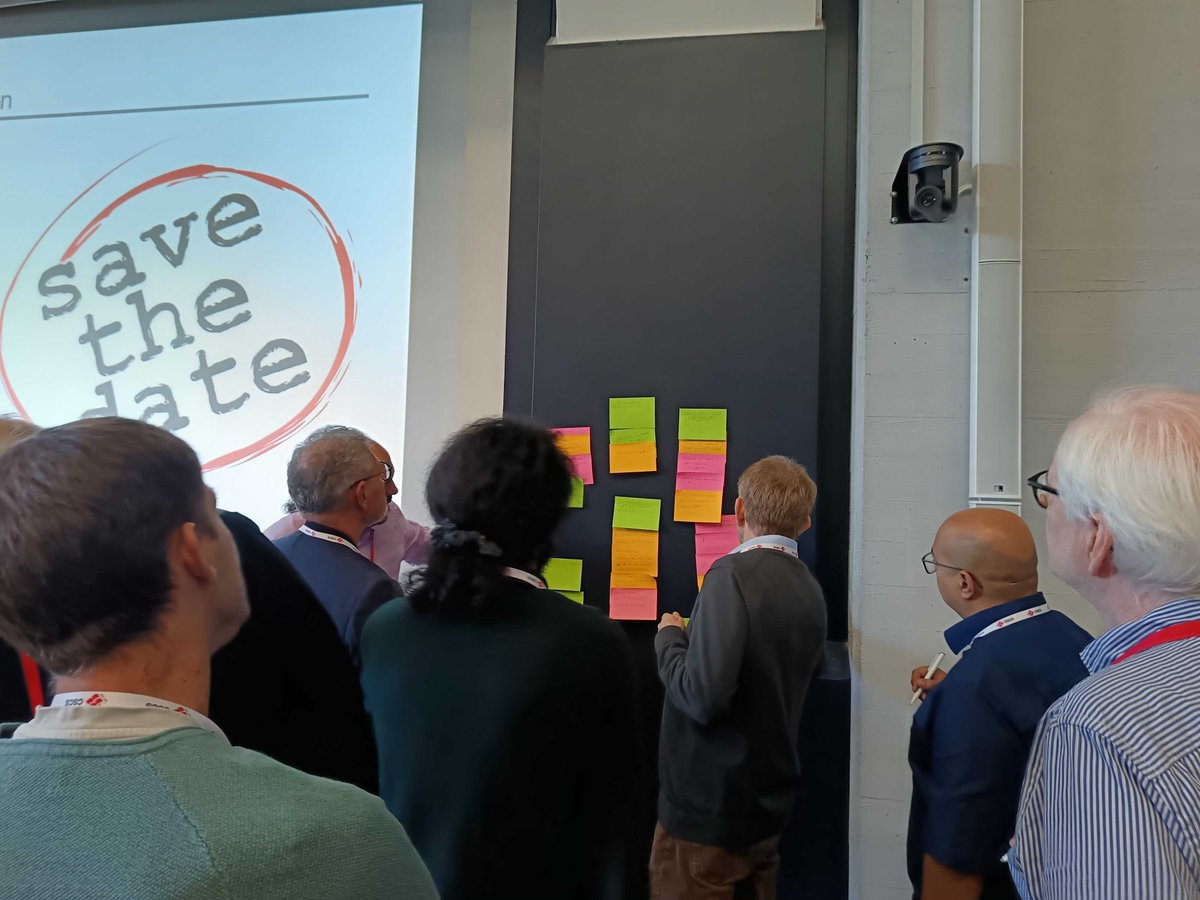
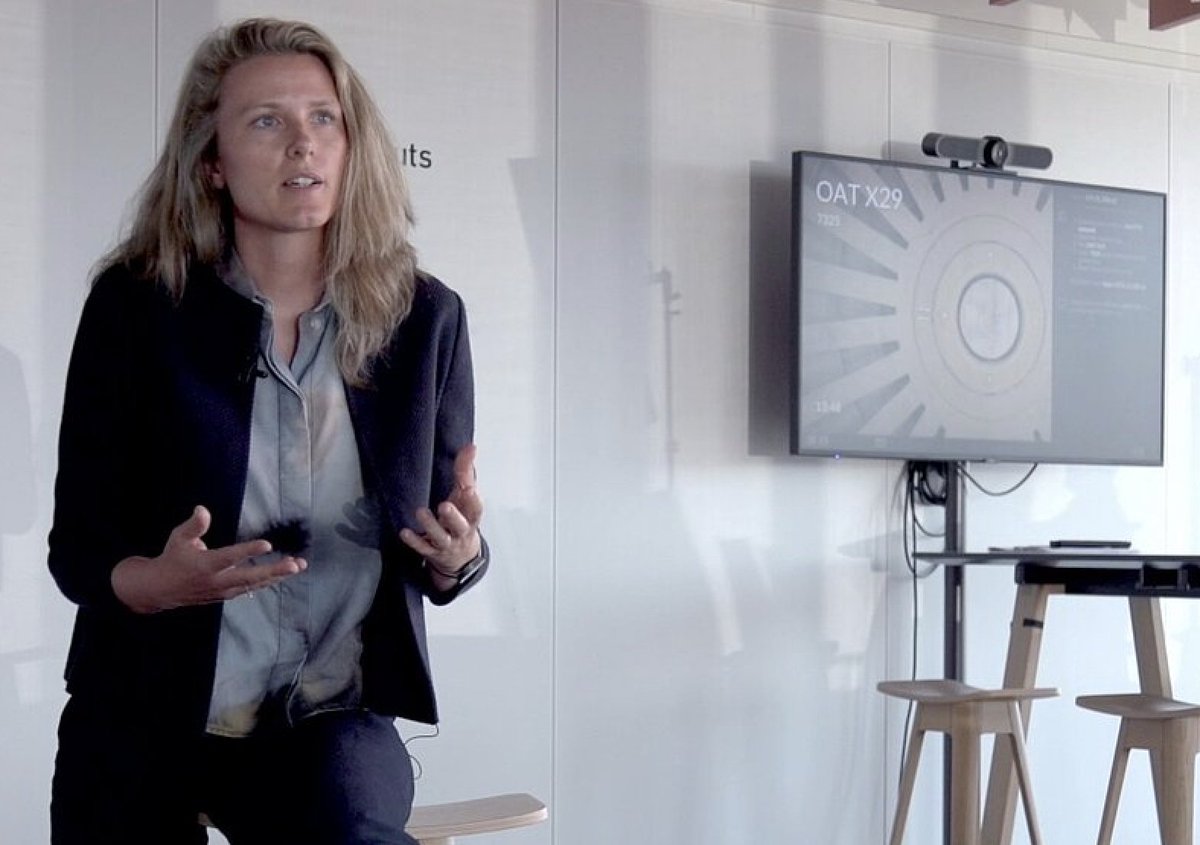
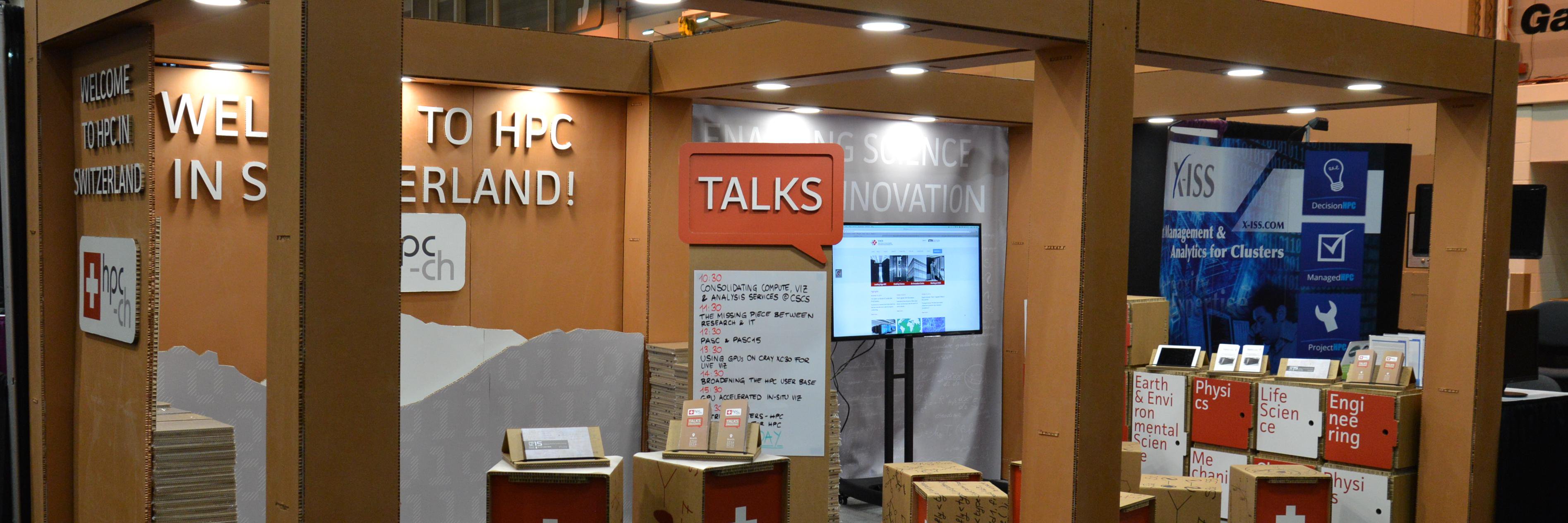
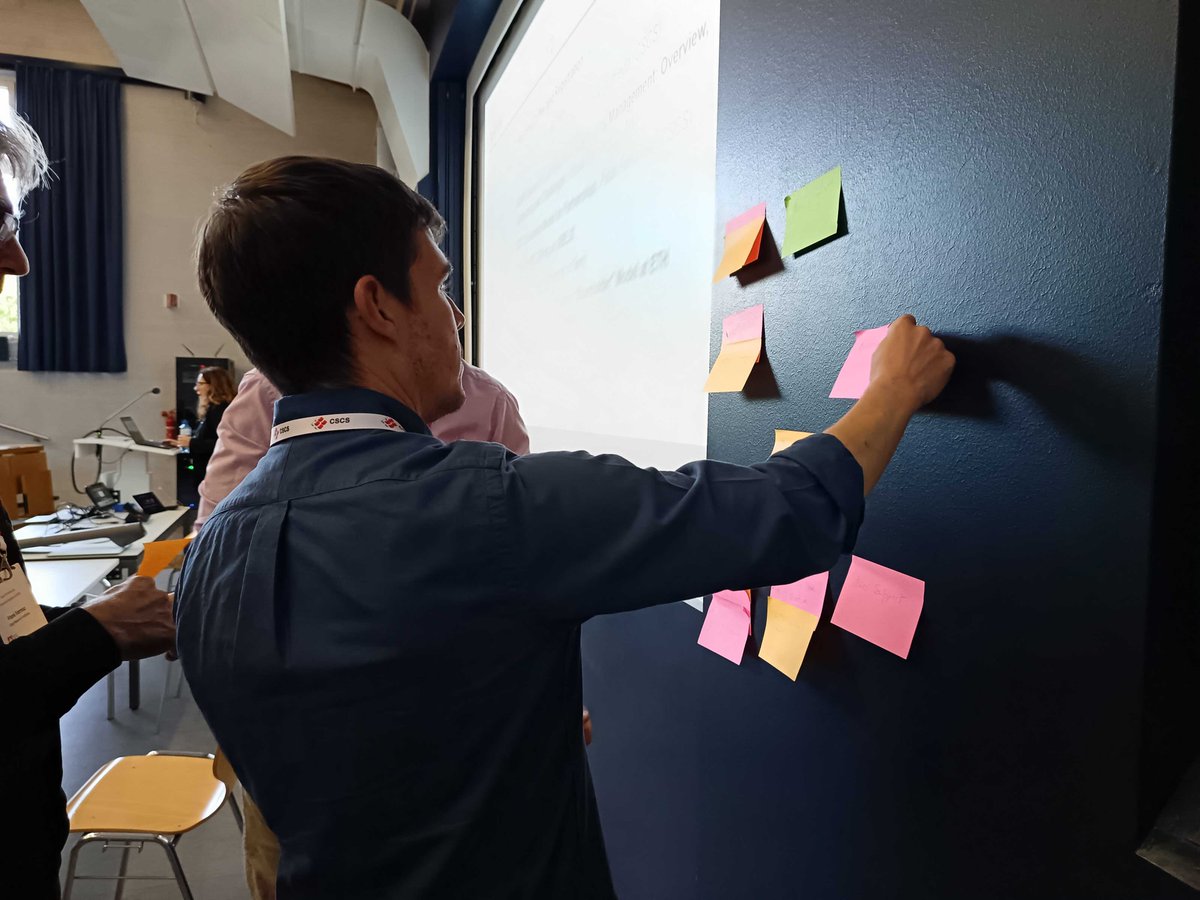
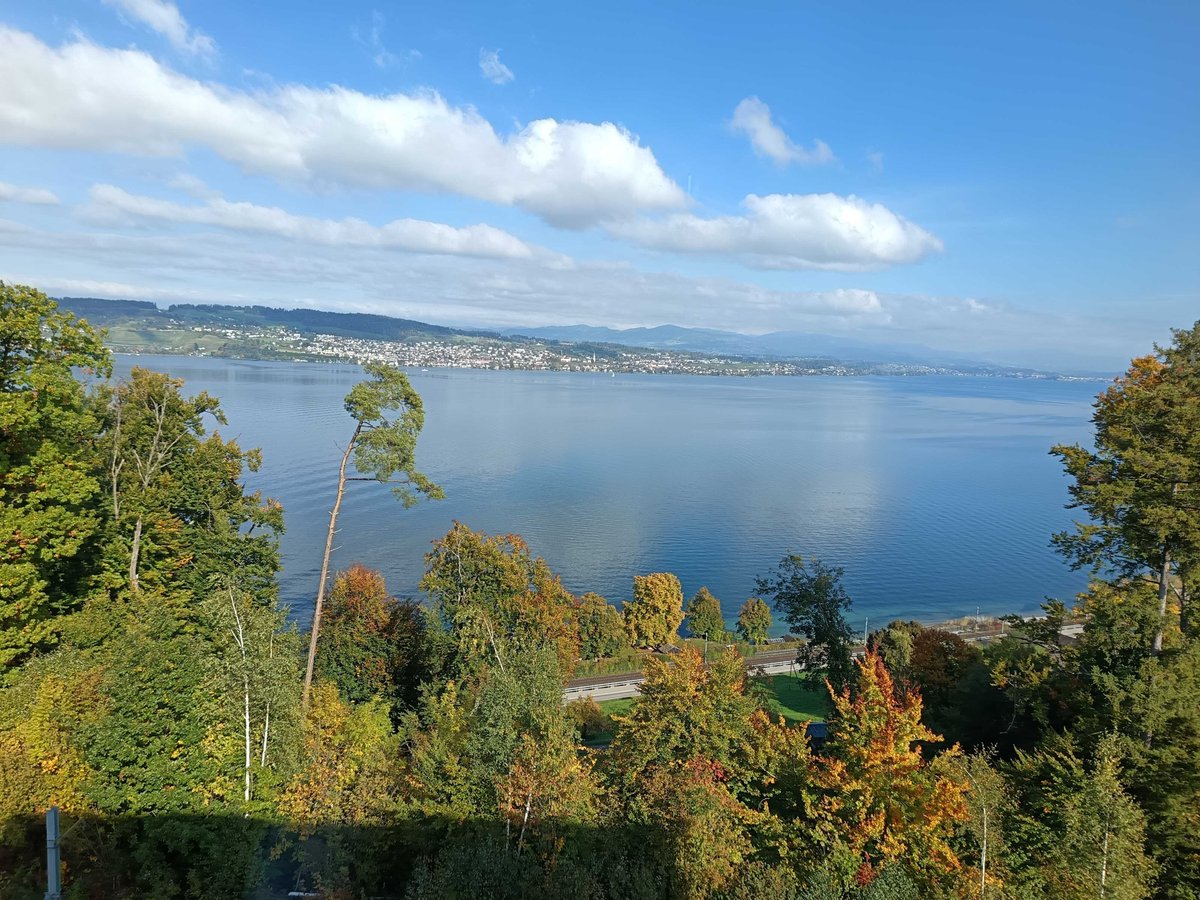
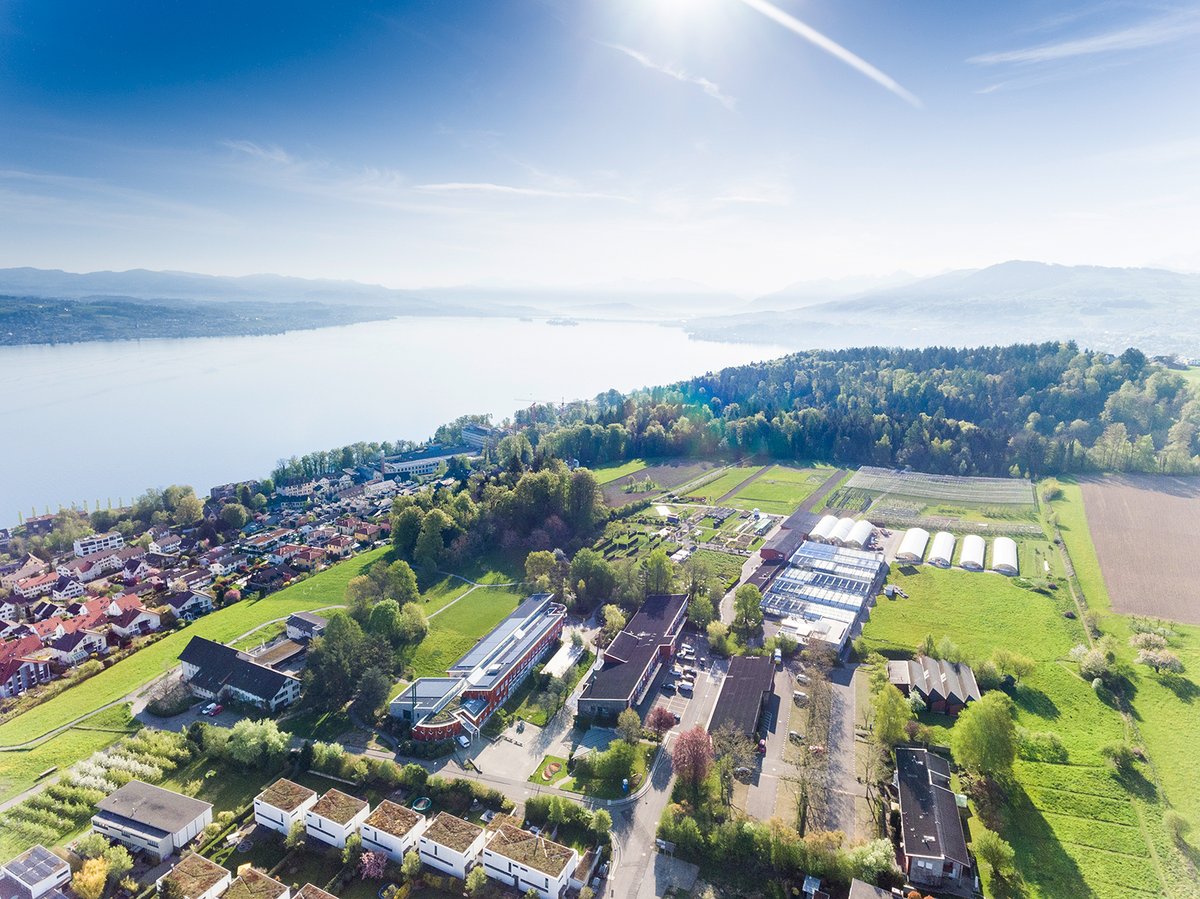
Wonderful start to the day in Lausanne with sunshine, a delicious welcome, and a full house at the hpc-ch forum on “Improving Access to HPC.” Ready to listen to inspiring presentations and great discussions ahead! @EPFL
Register now for the hpc-ch Forum on Improving Access to HPC, taking place on May 7, 2026, at @EPFL_en . You can find the topic description and further details here: https://t.co/WJg1Ni06b6
Don’t miss the 2026 ETH Summer School “Beyond the Visible: AI, Sensing, and the Future of Terrestrial Resources” ! The deadline for application is approaching! Read more: https://t.co/Kb9oy7AkaU
Sovereign #AI delivering real public value: in Ticino, the open Swiss model Apertus now powers in-house AI translation for the Cantonal Administration — improving multilingual services with local, transparent control: https://t.co/99owpIySUB
🌍 Shape the future of HPC for Climate Research in Germany!
Uni Hamburg is hiring a director for its computing center—advancing large‑scale simulations and cutting‑edge infrastructure for climate sciences.
Apply 👉 https://t.co/faVajUAHxL
#HPC#Climate#Supercomputing#Hamburg
Thank You & Happy Winter Break!
Thank you to all our members, supporters, and hosts for making 2025 a strong year for hpc-ch.
We wish you a restful break and look forward to reconnecting in 2026! https://t.co/ebqhEIyZmh
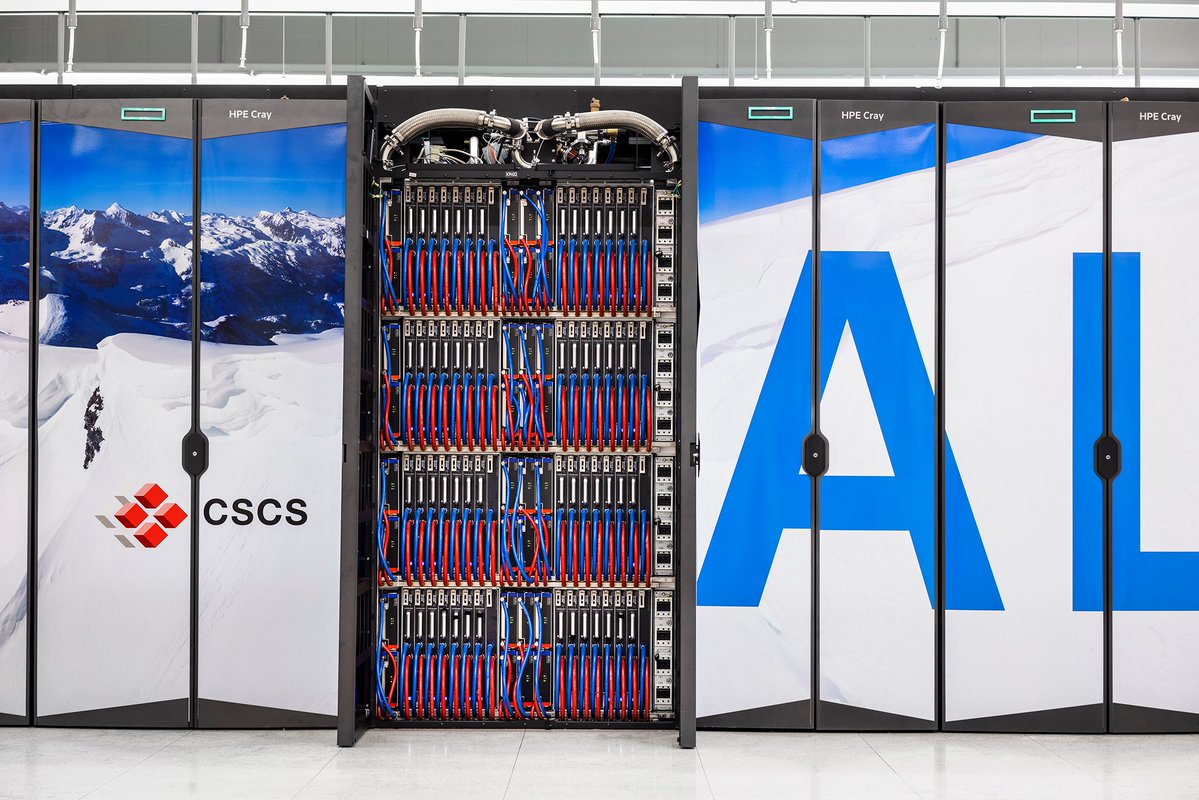
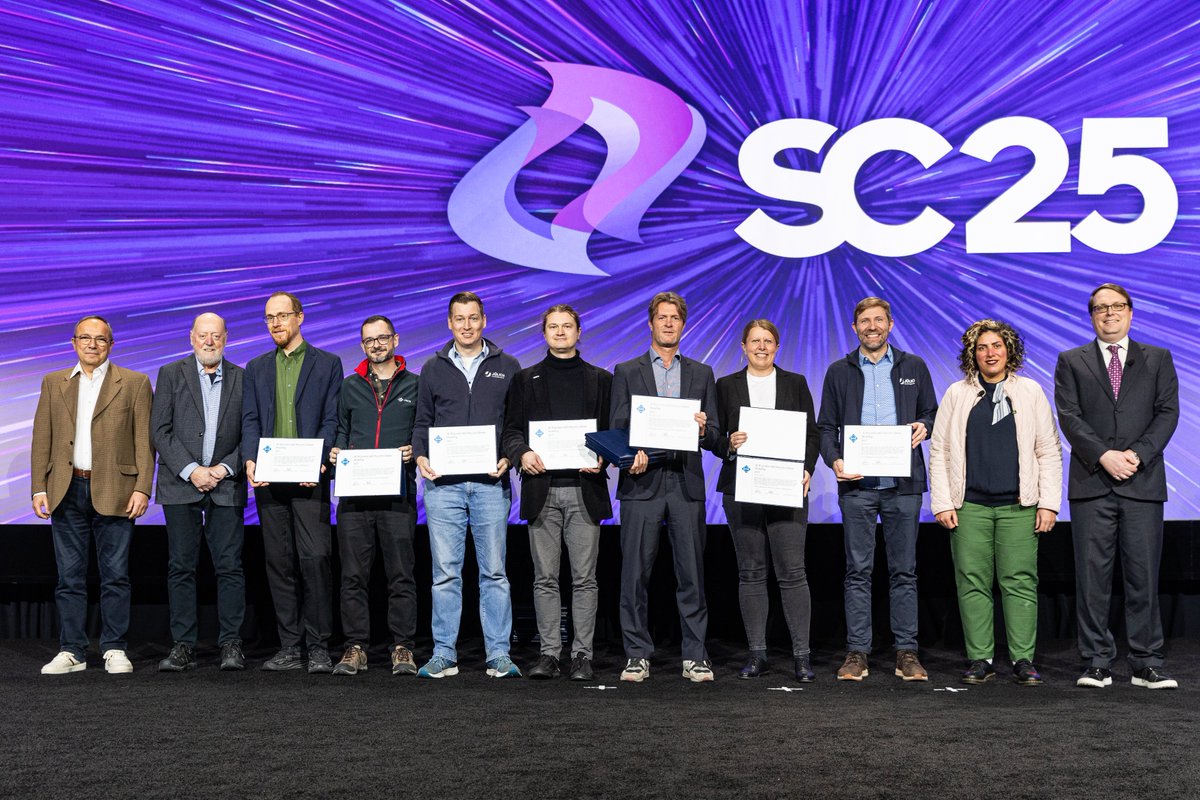
🔥The buzz is real! A team of 26 scientists from ETH Zürich, #CSCS and international partners has won the 2025 ACM Gordon Bell Prize for Climate Modelling for running global simulations at 1.25 km resolution on the CSCS Alps supercomputer: https://t.co/lQyXBZir9R #hpc#gordonbell
Last day at #SC25, do not miss director of #CSCS, Thomas Schulthess, in the panel "Trust, but Verify in HPC: Uncertainty for AI and Computing" today at 10:30 am: https://t.co/VgRbCIWvD4 #AI#HPC
🚀 #CSCS is heading to #SC25 in St. Louis! Come meet our team at Booth #498 (November 17–20) and discover the latest in Swiss supercomputing and HPC innovation.
#HPC#StLouis https://t.co/fkL3cPXSta
Missed the hpc-ch forum on the Financial Aspects of HPC at @zhaw? You can now read the short summary of the day and check out the presentations here: https://t.co/R4qIEYYqnJ A big thanks to our speakers and participants for making it such an engaging forum!
On Oct. 10, 2025 @zhaw hosted the hpc-ch forum on the Financial Aspects of HPC. Great talks, guided tours, and a lively community session where participants chose the next forum topic! Thanks to all who joined! https://t.co/ebqhEIyrwJ
Powered by Switzerland’s Piz Daint supercomputer at #CSCS, researchers created the largest-ever simulation of the Universe — mapping 3.4 billion virtual galaxies for ESA’s Euclid mission. Discover more: https://t.co/FTv4jtLOht @UZH_en
When you throw a ball at a wall, you can be sure it will bounce back at you.
You would be extremely surprised if the ball suddenly appeared on the other side of the wall. In quantum mechanics this type of phenomenon is called tunnelling and is exactly the type of phenomenon that has given it a reputation for being bizarre and unintuitive.
The 2025 #NobelPrize laureates in physics John Clarke, Michel H. Devoret and John M. Martinis, used a series of experiments to demonstrate that the bizarre properties of the quantum world can be made concrete in a system big enough to be held in the hand. Their superconducting electrical system could tunnel from one state to another, as if it were passing straight through a wall. They also showed that the system absorbed and emitted energy in doses of specific sizes, just as predicted by quantum mechanics.
CERN congratulates the winners of the 2025 @NobelPrize in #Physics 👏
John Clarke, Michel H. Devoret, and John M. Martinis were awarded the #NobelPrize for their experiments with an electrical circuit, in which they demonstrated both quantum mechanical tunnelling and quantised energy levels in a system big enough to be held in the hand.
Join us on October 10 for the hpc-ch forum @ZHAW !
The focus will be on the financial aspects of HPC infrastructures & services. Read more and register now: https://t.co/ARsgLZS5vk
#AI models and the data centres behind them use huge amounts of energy. How serious is the problem—and what can we do? We asked ETH Zürich’s Ana Klimovic, who shares why AI often wastes #GPU power and how to boost efficiency: https://t.co/UyhPzxnvKS
EPFL, ETH Zurich & CSCS just released Apertus, Switzerland’s first fully open-source large language model.
Trained on 15T tokens in 1,000+ languages, it’s built for transparency, responsibility & the public good.
Read more: https://t.co/3nxtHvOIVD
@EPFL , @ETH_en and #CSCS today released Apertus, Switzerland's first large-scale, multilingual language model (LLM). As a fully open LLM, it serves as a building block for developers and organizations to create their own applications: https://t.co/7bJlINiIdn #Apertus#AI
The next hpc-ch forum, hosted by @ZHAW on October 10, 2025, will focus on Financial Aspects of HPC. Registrations are now open: https://t.co/ARsgLZS5vk
Attention!
One week left until registration closes for #OSFair2025
From 15 to 17 Sept, @CERN will host a global gathering of innovators, researchers, & policy leaders to co-create the future of #OpenScience.
👉Secure your spot today: https://t.co/fFivDscWBY
#OpenAIRE#CERN