Delhi: A skeleton-like object was found during a Swachhata Abhiyan. Police detained shop owner Mohd Abrar and Mohd Shakeel in connection with the recovery.
Delhi: A skeleton-like object was found among scrap material during a cleanliness drive. the object was found in scrap and the police were informed. The object was found during a cleanliness drive.
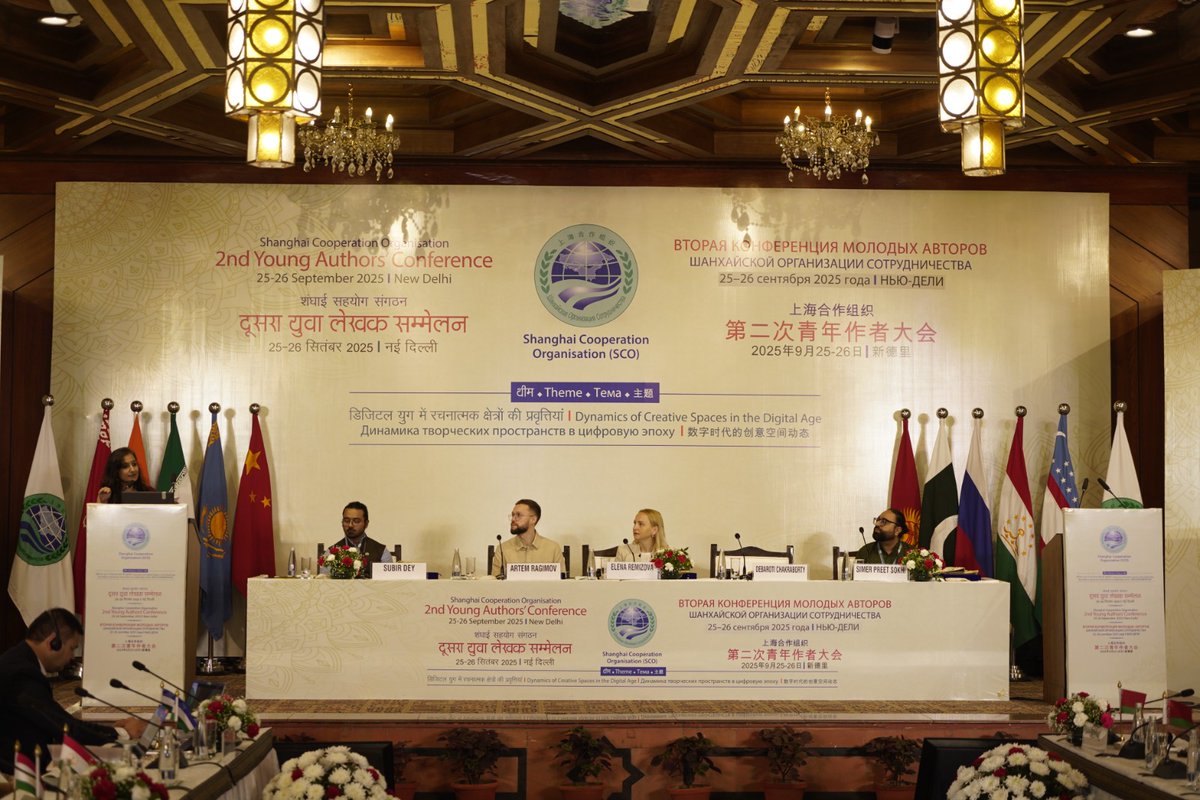
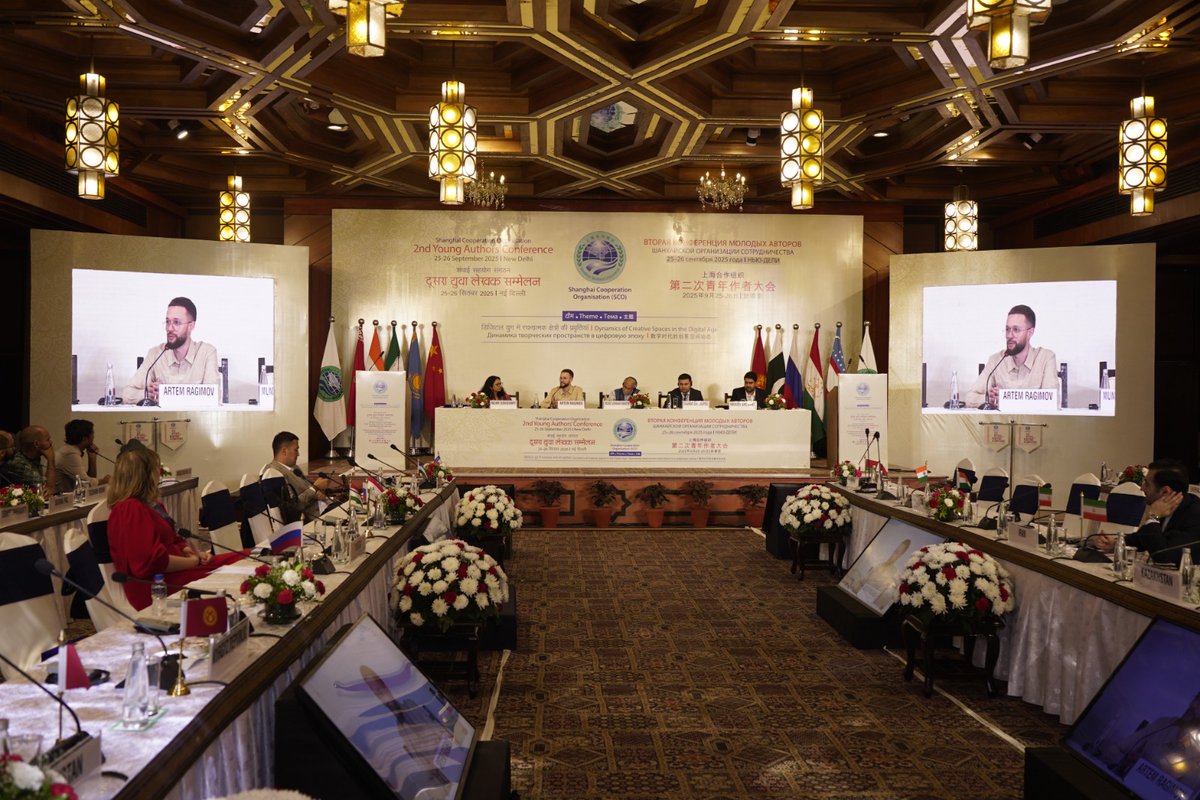
Day 2 of the SCO Young Authors' Conference kicked off with an insightful first session, "Art: A Cultural Phenomenon," moderated by Dr. Subir Dey. The discussion explored how art shapes identity and community and navigates the digital landscape.
Deboroti Chakraborty highlighted the power of everyday rituals and storytelling in the South Asian context, emphasizing that the use of digital spaces in art must be guided by the essential questions of why, what, and how.
Artem Ragimov emphasised the need to nurture the growth of artists and recognise how environments shape artistic development.
Simer Preet Sokhi commended digitalization's crucial role in preserving endangered Indian art forms, drawing a parallel to the invention of the printing press and noting how the Indian government's NEP is ensuring the protection of cultural heritage in the digital era.
The session affirmed art's role as a living practice, while underscoring that digitalization is both a vital tool for preservation and a space demanding critical reflection.
#SCOConference #SCOYoungAuthors #ArtAndCulture #DigitalArt #CulturalHeritage #Digitalisation #NBTIndia
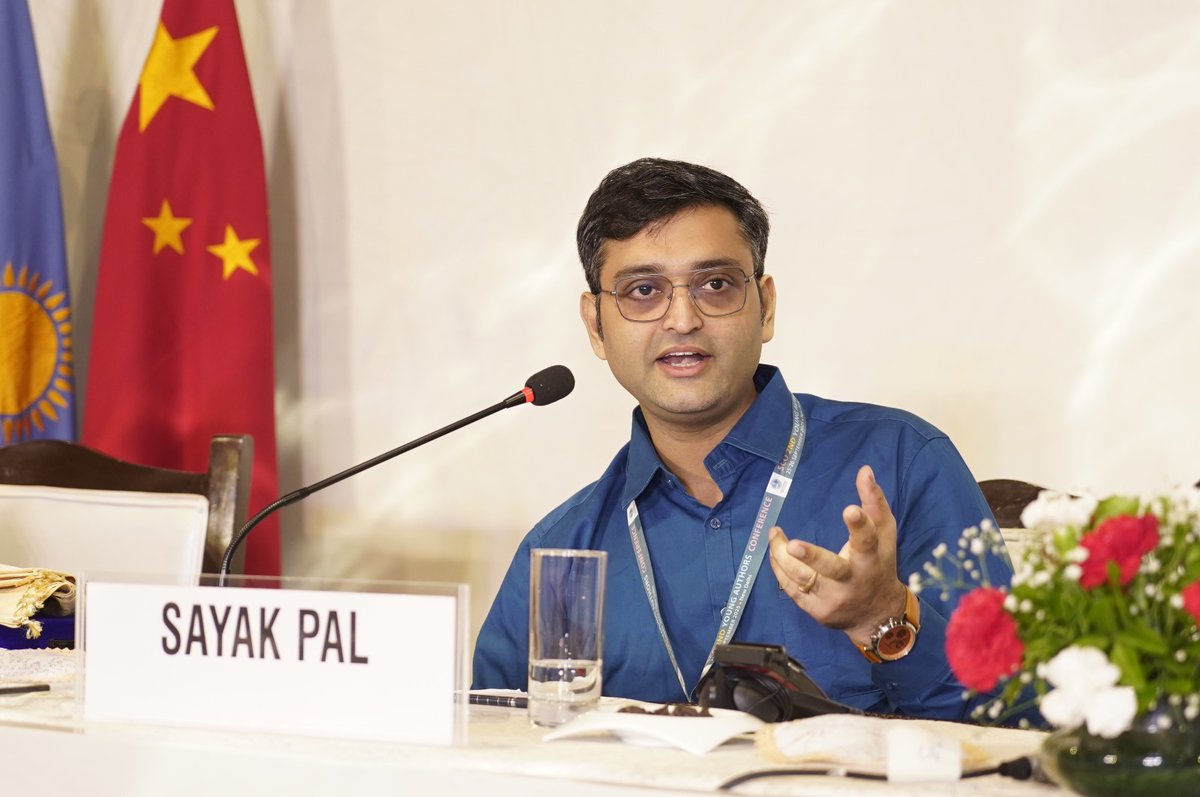
Day 2 continued at the SCO Young Authors' Conference with our second powerful session on the theme of Radio and the rise of Podcasting, chaired by Shri Yuvraj Malik, Director, National Book Trust, India and moderated by Prof. Ranjana Saxena.
The discussion explored how digital platforms are reviving oral traditions globally. Xu Han shared via video how online Chinese literature is acting as a digital bridge for global cultural exchange. Sayak Pal traced the history of broadcasting to the rise of podcasts, emphasizing the power of storytelling but cautioning against lack of authenticity checks and the dominance of English content. Anna Babina detailed the journey of radio and podcasting in Russia, noting how podcasts, especially true crime, thrive due to their flexibility and on-demand access.
The dialogue was enriched by discussants, with questions raised about reviving radio consumption, the cultural impact of single-topic podcasts, and the tension between creativity and market pressures.
Shri Yuvraj Malik concluded by connecting this resurgence to India’s traditions of śruti and smṛti, stressing the need for authenticity and content that empowers, observing that while radio remains affordable, podcasts now dominate much of the cultural space.
#SCOConference #SCOYoungAuthors #Radio #Podcasting #OralCultures #DigitalStorytelling #NBTIndia #MediaTransformation #CulturalExchange
The final literary session of the SCO Young Authors' Conference, "Television: The Convergence of Traditional and Digital Broadcasting," was a compelling conclusion, chaired by Prof. Milind Sudhakar Marathe and moderated by Prof. Rashmi Doraiswamy.
The session delved into the shifting landscape of media. Shuhrat Orif detailed the move from traditional TV to flexible, interactive digital broadcasting in Uzbekistan, driven by OTT platforms and AI-driven innovations. Nayeem Showkat discussed the fragmentation of the TV audience, emphasizing the shift from broadcasting to narrowcasting and the rise of niche digital audiences. Artem Ragimov argued that TV and digital media are not just rivals but partners, urging TV to reinvent itself by focusing on cultural depth, authentic news, and meaningful communication.
The dialogue included insightful questions on the psychological impact of "speed-watching," whether digital media will eventually replace traditional broadcasting, and the economic and political dimensions of television.
Prof. Milind Sudhakar Marathe concluded by underscoring the deep penetration of TV and radio in India and tracing TV's evolution from the "idiot box" to a "window to the world," now enriched by streaming, personalization, and social media integration.
#SCOConference #SCOYoungAuthors #Television #DigitalBroadcasting #OTT #MediaConvergence #Narrowcasting #NBTIndia #FutureOfMedia
@EduMinOfIndia@MEAIndia@MEABharat@PIB_India@MIB_India@MIB_Hindi@DDNewslive@airnewsalerts
The 2nd SCO Young Authors' Conference successfully concluded its two days of enriching dialogue with a powerful Valedictory Session on September 26, 2025.
The session, presided over by Prof. Milind Sudhakar Marathe, Chairman, NBT, India, began with a welcome address and featured inspiring experience sharing from several young authors.
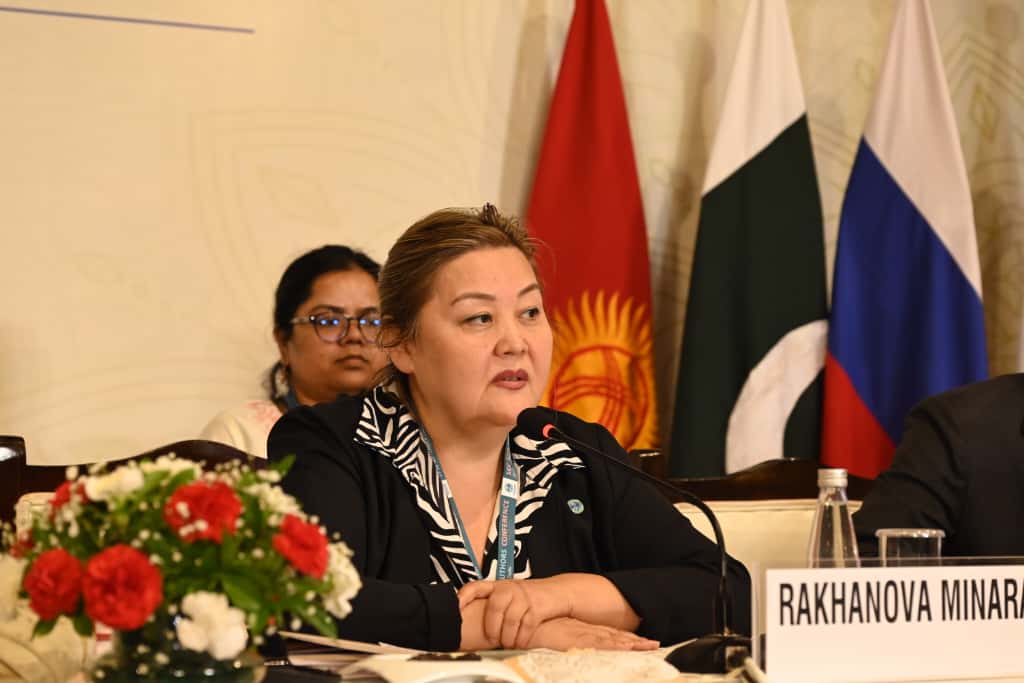
The Chief Guest, Shri Sanjay Kumar, Secretary (SE&L), MoE, addressed the gathering and delivered the main Valedictory Address. Other dignitaries, including Shri Alok A. Dimri, India’s SCO National Coordinator and Additional Secretary (SCO), MEA, and Ms. Rakhanova Minara, Advisor, SCO Secretariat, also addressed the conference.
The formal proceedings ended with Shri Yuvraj Malik, Director, NBT, India, delivering the final Summing up and Vote-of-Thanks, celebrating the conference as a landmark event for literary and cultural exchange across the SCO nations. Shri Kumar Vikram, Chief Editor and Joint Director, moderated the Valedictory Session.
#SCOYoungAuthors #SCOConference2025 #LiteraryExchange #CulturalDiplomacy #NBTIndia #SCONations #YoungWriters #ValedictorySession #LiteratureAcrossBorders
@EduMinOfIndia@MIB_India@CBC_MIB@MEAIndia@MEABharat@PIB_India@PTI_News@DDNewslive@airnewsalerts
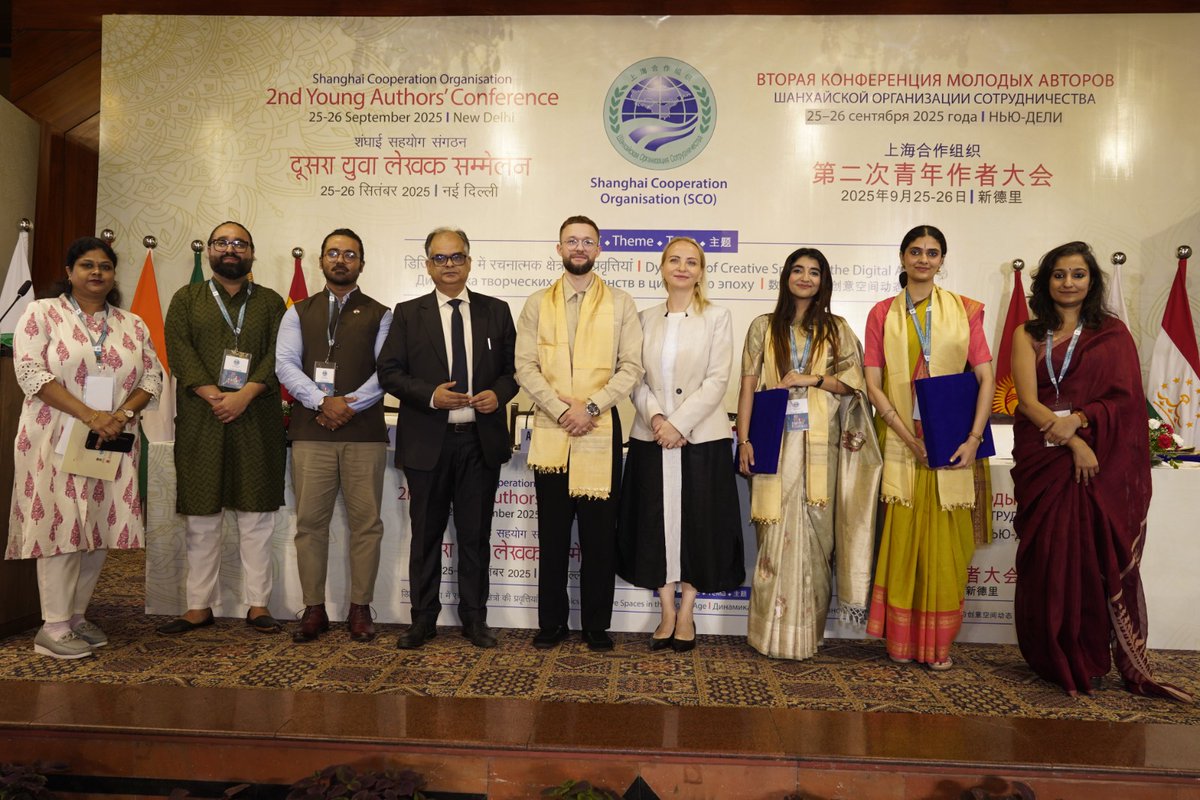
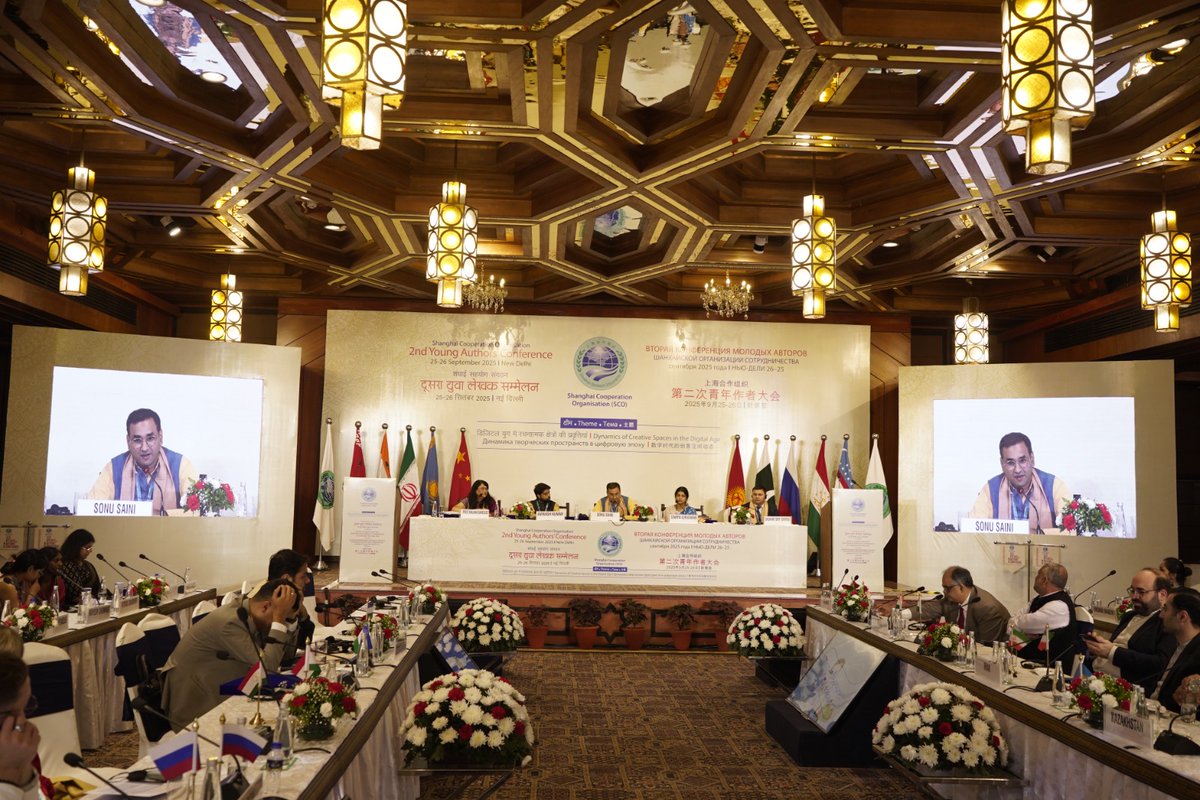
The 2nd SCO Young Authors’ Conference was inaugurated today in New Delhi, marking a significant milestone in fostering literary and cultural cooperation among the Shanghai Cooperation Organisation (SCO) member states.
The inaugural ceremony was attended by several distinguished dignitaries, including the Hon’ble Minister of State for External Affairs, Government of India, Shri Kirti Vardhan Singh, who delivered a keynote address. Shri Alok A. Dimri, India’s SCO National Coordinator and Additional Secretary, MEA, Shri Varun Bhardwaj, Director – Higher Education, Ministry of Education and Ms. Rakhanova Minara, Advisor, SCO Secretariat, also addressed the gathering, emphasizing the role of cultural and literary exchange in strengthening regional ties.
Prof. Milind Sudhakar Marathe, Chairman, National Book Trust (NBT), India, opened the event with a welcoming address, calling the SCO the “powerhouse of Asia.” Ms. Rakhanova Minara, who traveled from Russia for the event, expressed her admiration for how India supports young and creative talent. Shri Alok A. Dimri also expressed his gratitude, noting that this was his first SCO engagement.
Chief Guest Shri Kirti Vardhan Singh highlighted the political and economic relevance of the SCO, noting that it embodies a collaborative spirit between countries and ministries. He added that the present “Amrit Kal” period is an opportune time to explore the creative landscape through the convergence of culture and digital democratization.
The event concluded with a summing up and formal vote of thanks delivered by Shri Yuvraj Malik, Director, NBT, India, who underlined the various opportunities that the digital revolution has brought about in various creative spaces. Shri Kumar Vikram, Chief Editor & Joint Director, NBT, India moderated the inaugural session.
More than 40 young authors from India and other SCO nations are participating in the conference to discuss and explore the dynamics of creative space in the digital age. The conference provides a powerful platform for fostering dialogue, friendship, and collaboration among a promising cohort of young authors. The organizers anticipate a series of productive sessions aimed at enriching the literary landscape of the SCO region.
#SCOYoungAuthorsConference #SCOYoungAuthors #NBTIndia #MinistryOfEducation #SCO2025 #YoungAuthors #CivilisationalDialogue #CrossCulturalExchange #CreativeSpaces
The first literary session of the SCO Conference 2025, moderated by Kumar Vikram, Chief Editor, Joint Director, NBT-India, and chaired by Milind Sudhakar Marathe, Chairman, NBT-India, delved into the theme "The Digitalisation of Literary Cultures and the Reconfiguration of Authorship."
Speakers from across the SCO nations shared their perspectives on how technology is transforming the literary landscape. Zhan Zhicai from China highlighted digitalization's potential for cultural exchange via a video message. Javlon Jovliyev of Uzbekistan traced the evolution of Uzbek literature since 1944, noting how digital platforms have expanded readership and creative freedom. Anna Babina from Russia discussed the role of AI as a tool, emphasizing that it cannot replace human creativity.
Representing India, Saloni Mittal of Penguin Random House spoke on the importance of traditional publishing in maintaining quality and standards amid the rise of online platforms. The session concluded with the chairman affirming that while AI can assist with retrieval and storage, the creative human impulse remains irreplaceable.
#Authorship #LiteraryCulture #AIinLiterature #SCOYoungAuthorsConference #SCOYoungAuthors #NBTIndia #MinistryOfEducation #SCO2025 #YoungAuthors #CivilisationalDialogue #CrossCulturalExchange #CreativeSpaces
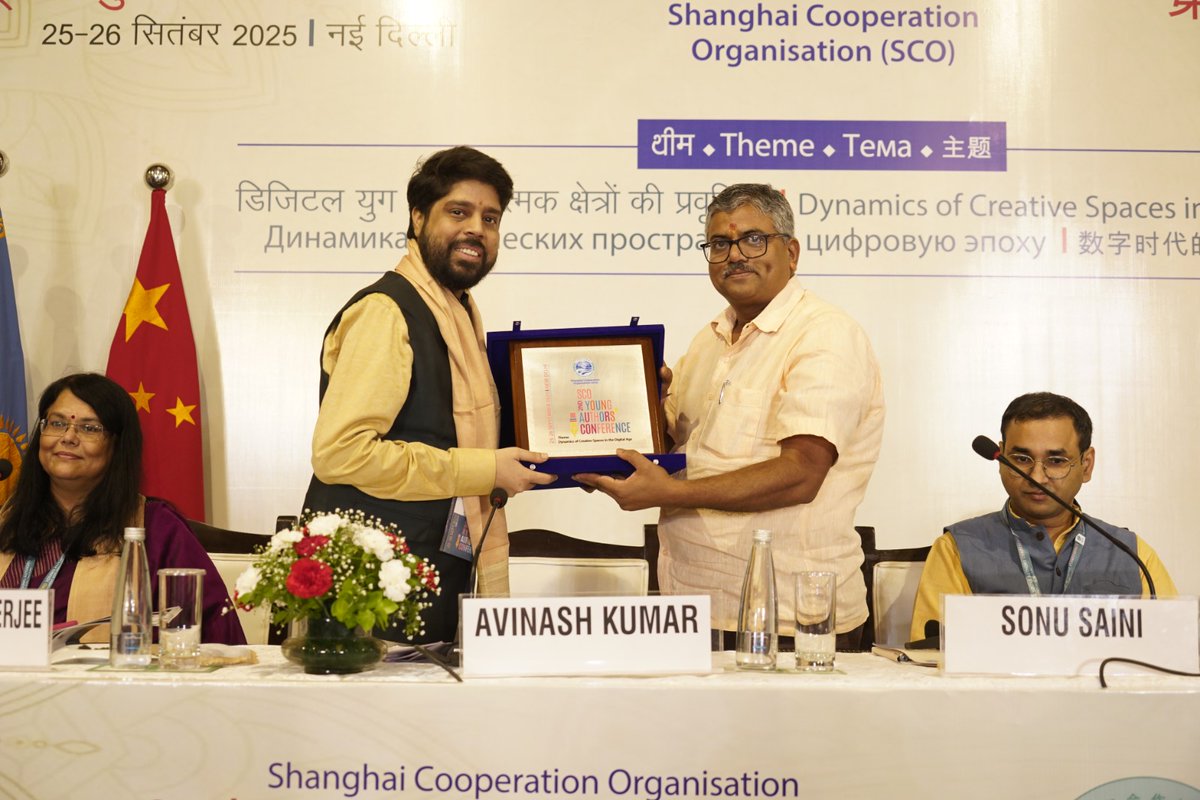
At the SCO Young Authors' Conference, the second literary session, "Music: Transformation in Music Practices," was a fascinating discussion moderated by Prof. Ranjana Banerjee and chaired by Mr. Sonu Saini.
The session brought together a range of perspectives on how music adapts to modern times.
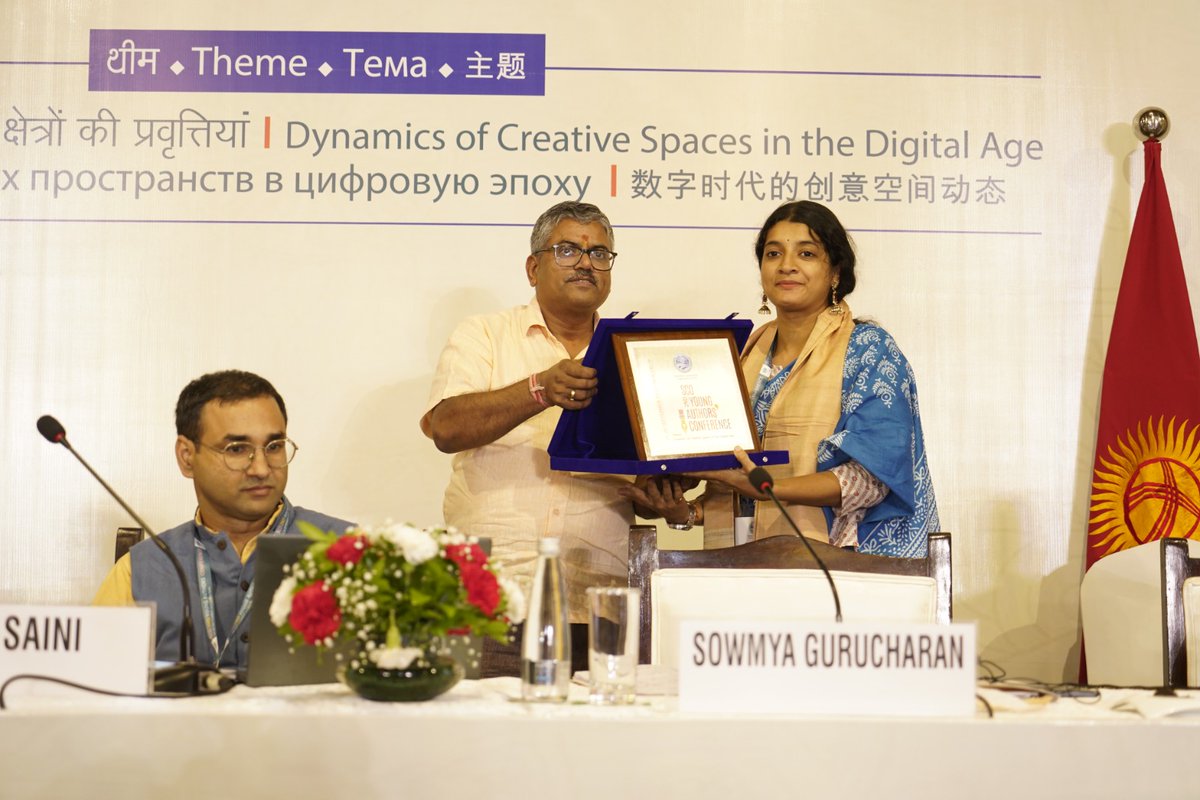
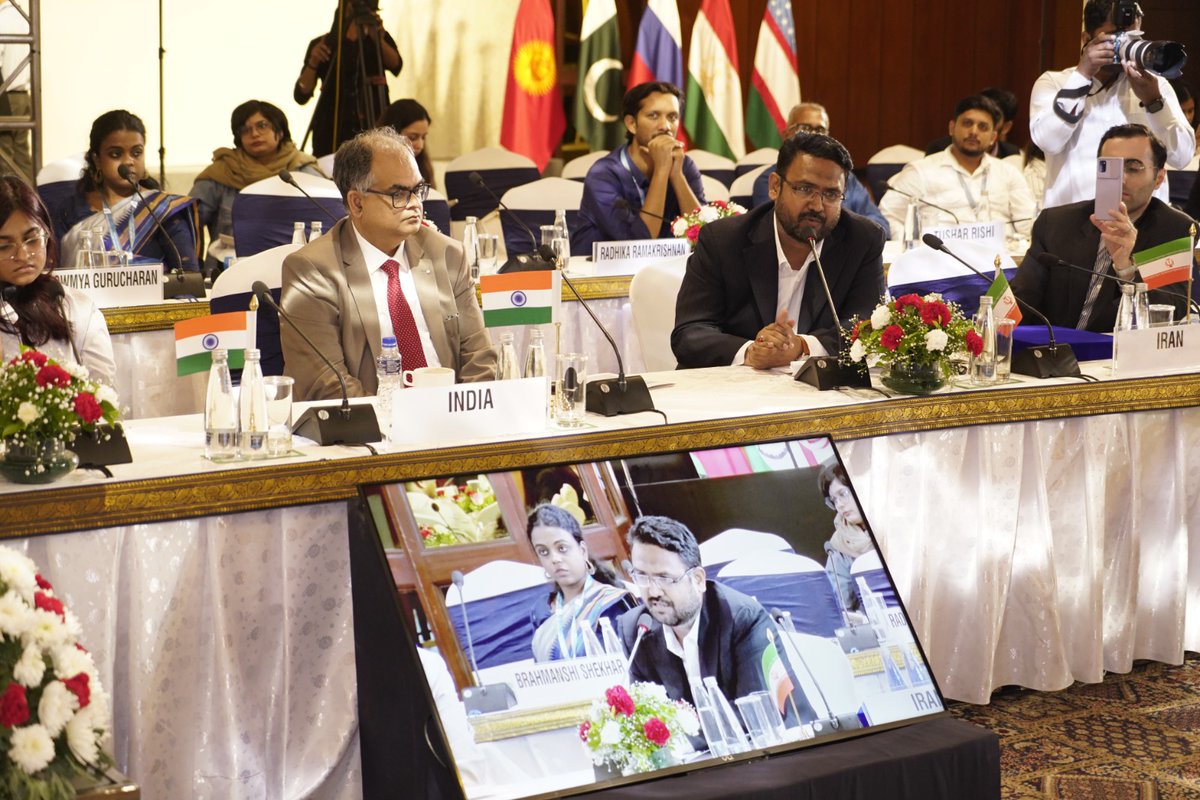
Mr. Avinash Kumar spoke on the evolution of Indian classical music from its origins in the Samveda to the impact of recording technology, stressing the importance of balancing tradition with innovation. Dr. Somya Gurucharan offered a critical view on Artificial Intelligence, noting its potential misuse but also its role as a tool that can deepen our appreciation of music. Mr. Shurat Orif highlighted how the digital age helps preserve national values, revitalize folk traditions, and foster cultural exchange.
The dialogue also covered music in academic settings, the influence of social media in discovering new sounds, and the challenge of connecting heritage with modern platforms, all concluding with Mr. Saini's important reminder to always verify digital information.
#SCOYoungAuthors #SCO2025 #MusicAndCulture #IndianClassicalMusic #FolkMusic #DigitalAge #NBTIndia #SCOYoungAuthorsConference #MinistryOfEducation
Рад открыть сегодня в Нью-Дели Вторую Конференцию молодых авторов стран Шанхайской организации сотрудничества.
Пообщался с яркими молодыми умами из стран ШОС и подчеркнул растущее значение Организации в укреплении культурных и гуманитарных связей.
Высоко оцениваю усилия @nbt_india по развитию этой творческой и диалоговой платформы.
#SCO #YAC2025
The third literary session at the SCO Young Authors' Conference, "Cinema: A Cultural Prism" was a fascinating discussion moderated by Prof. Manju Hara. The session explored Indian cinema's role in shaping cultural identity, with Aakriti Kohli tracing its evolution from silent films to the global influence of streaming. Faridoddin Faridasr provided a historical overview of Iranian cinema, while Swaroop Sardeshmukh discussed cinema as a reflection of societal changes, stressing the importance of film festivals and digitalization.
The discussion also included points from Aditi Singh on AI, Ahmad Ishtiaque on small-screen viewing, and Nawa Fatima on algorithm-driven content. Concluding the session, Prof. Milind Sudhakar Marathe In his concluding remarks, emphasized that cinema mirrors India’s changing consciousness and should not be reduced to Bollywood alone. He underscored the value of parallel films in portraying everyday struggles and fostering social awareness.
#SCOYoungAuthors #SCO2025 #CinemaAndCulture #IndianCinema #IranianCinema #ParallelCinema #FilmFestivals #StreamingEra #ArtificialIntelligence #CulturalDialogue #NBTIndia