@braxton_mccoy Yep, one of three that I know of. Chesapeaks, American Water Spaniel and Boykin Spaniel. Chesapeaks are great hunters, loyal, and just a hoss of dog.
I used to hunt over hand carved wood decoys with a friends old Chesapeake. It was a thing of beauty.
🚨BREAKING: The day after writing in his diary that he knows the market was ***NOT*** the source, Fauci told leading medical journals that it "probably" was🤯
1/26 PRIVATELY - The market was NOT the source
1/27 PUBLICLY - The market was probably the source
This might be the most amazing one yet. More from Senator Obama on immigration.
Obama not only said that illegals must not be allowed to work here, he went one step further and said that employers should be forced to prove that they offered the job to American citizens before they are allowed to hire guest workers.
Democrats today would call this racist and xenophobic.
When unrealistic vote spikes of 138,000 votes for Joe Biden and ZERO votes for Trump started appearing all over the country after states shut down the count and Biden started to pull ahead in the middle of the night after Trump was ahead by HUNDREDS of THOUSANDS of votes, with 70% to 80% of the votes counted...
This is when the American people realized that our elections were rigged and the 2020 Election was stolen.
16 years old.
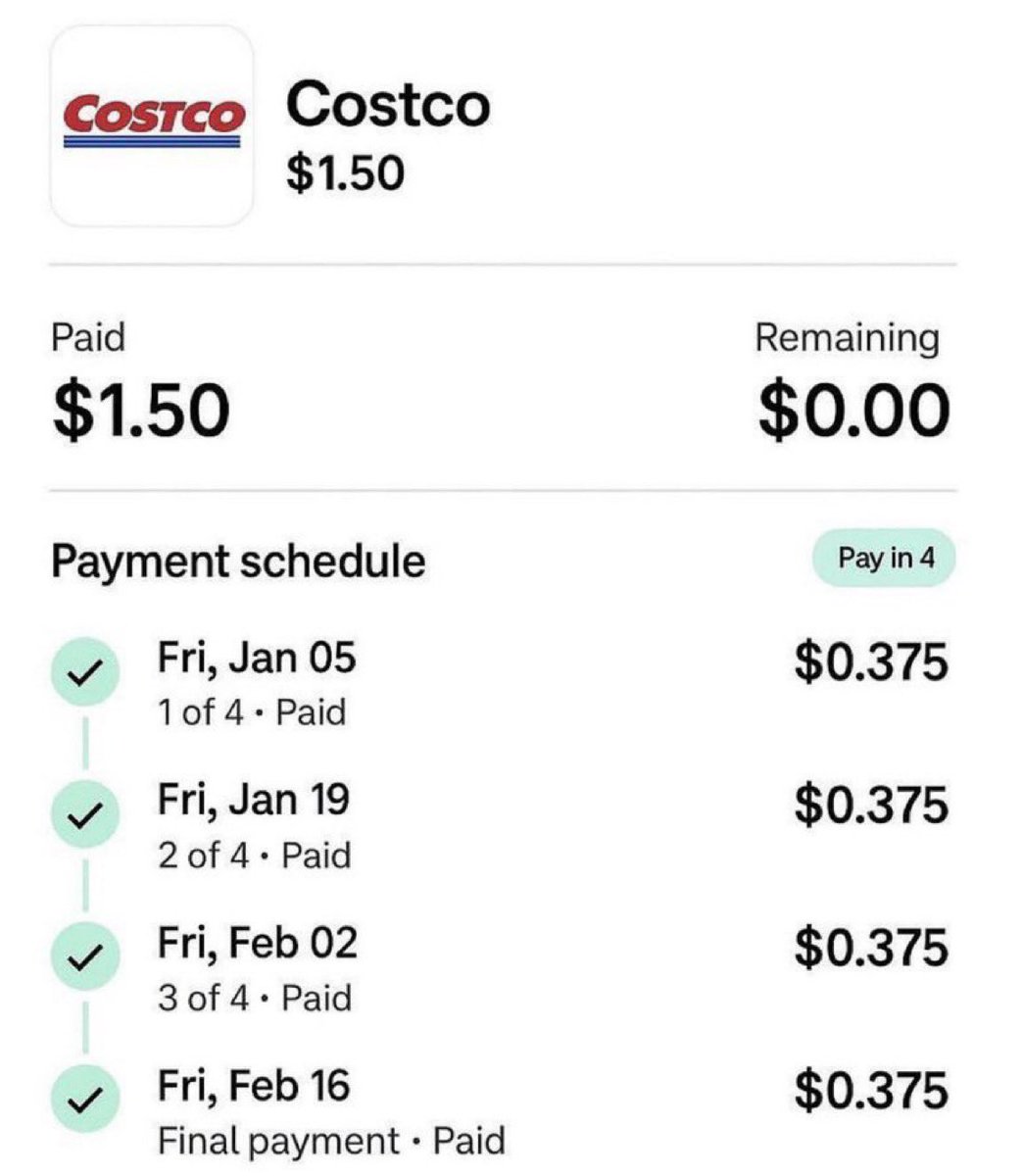
Fully paid off Costco hotdog.
It's not "parents money".
It's not luck.
It's consistency.
It's discipline.
I grind EVERYDAY to live this lifestyle.
⚡️The chart is directionally right, but it compares the economic engine of civilization with the price of shelter.
Stocks represent ownership in productive systems that hire labor, deploy technology, raise prices, reinvest profits, acquire competitors, expand internationally, and replace failing companies inside the index.
The S&P 500 is an adaptive compounding machine. Housing is mostly an aging physical structure sitting on scarce land.
Of course stocks win over fifty years.
The comparison becomes less clean at the household level because the chart excludes the mechanisms that made housing powerful for ordinary Americans.
A family could control a $200,000 house with $20,000 or $40,000 down. Appreciation occurred on the entire asset. A fixed-rate mortgage allowed inflation and wage growth to erode the real debt burden. Principal repayment forced savings. The family consumed shelter while owning it. Tax preferences and restricted construction supported the price.
That leverage could transform a modest 5% asset return into a very large return on initial equity.
But leverage magnifies ownership returns, not the productivity of the house. Property taxes, insurance, interest, maintenance, renovations, transaction costs, and depreciation consume a large part of the apparent gain. A house purchased without leverage and compared honestly against reinvested equities has historically been the weaker investment.
The deeper truth is that America gave the middle class access to leveraged land while the wealthy accumulated ownership of productive enterprise.
The middle-class balance sheet became one house.
The wealthy balance sheet became businesses, equities, private markets, real estate portfolios, and financial leverage.
That difference compounds across generations.
A home can create security, control over living space, protection from rent inflation, and a durable base for a family. Those are real benefits. They are partly consumption and sovereignty, rather than pure investment return.
Stocks remain the superior long-run wealth engine because they own the systems producing the future.
Housing became culturally dominant because it offered ordinary people three things the capital markets often did not: easy leverage, forced discipline, and emotional permission to hold for thirty years. Many people who would panic-sell stocks during a crash never check the daily price of their house. Their illiquidity protected them from themselves.
So the real lesson is larger than “buy stocks instead of houses.”
Buy a home when it serves your life and the carrying cost is sustainable. Build wealth by owning productive systems.
The tragedy is that millions were taught the first part was the entire strategy.