Lab life vs wild life. 🐹
Wild guinea pigs—called cavies—live in small family groups & can cover large distances while foraging for plants.
In labs, they’re subjected to cruel tests, spend their entire lives in small, barren cages & killed after the experiments have ended. 💔
For 90 days, dogs are forced to swallow pesticides. Every. Single. Day.
This outdated test is still required by the EPA. During this test dogs are forced to ingest chemicals every day for 90 days. If they survive the grueling and painful testing, they are typically killed when it’s over.
Animals don’t belong in labs. Tell the EPA to end 90-day dog testing! https://t.co/Hzm2GZIMiT
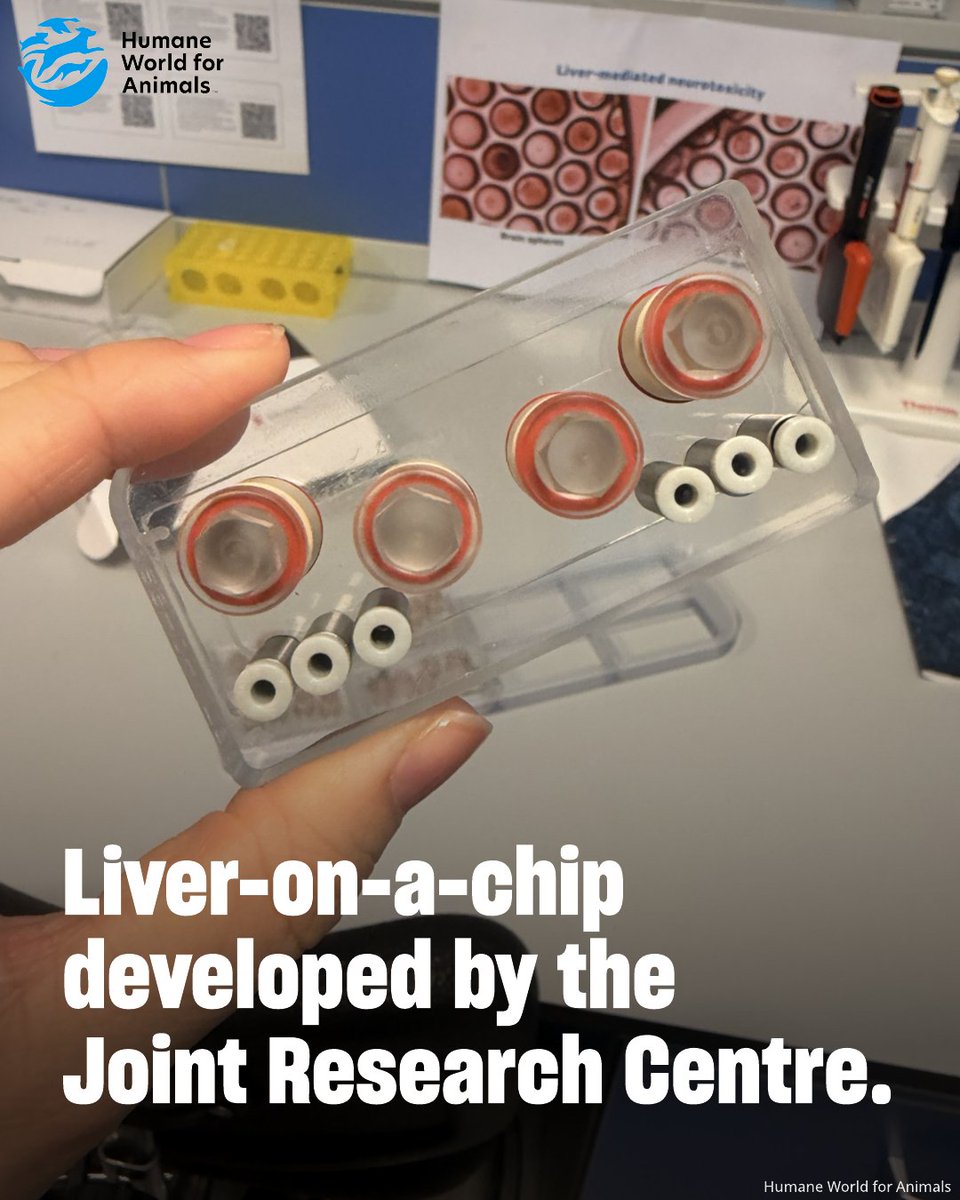
Our Global Research & Testing team recently had the privilege of visiting the European Commission's Joint Research Centre (JRC) in Italy, one of the world's leading centres for developing and validating animal-free methods.
From organs-on-a-chip that mimic how the human body works to advanced automation that helps speed up research, it was inspiring to see the innovative technologies driving the transition away from animal testing.
A big thank you to the JRC team for the warm welcome and engaging discussions about our shared goal of advancing non-animal methods. Seeing these technologies in action was a powerful reminder that the future of science is already here...and it’s animal-free! 🔬💙
#HumaneWorld #AnimalFreeScience
@EU_JRC
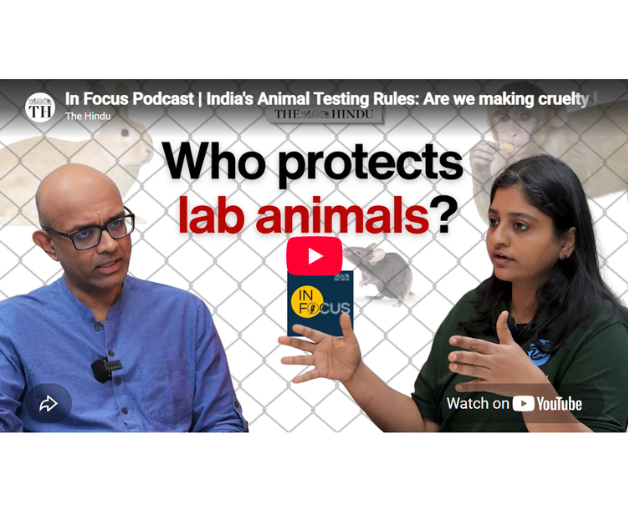
In this episode of @the_hindu In Focus podcast, Our senior program director, Dr. Surat, from research and toxicology dept, discusses concerns around India's proposed 2026 laboratory animal rules and the need to advance human-relevant research.
Watch here: https://t.co/KczyrT56Th
A common concern is that if we stop testing on animals, we'll have to test on humans instead. That's just not true!
Ending animal testing means replacing outdated methods with animal-free technologies, like organ-chips. They're effective & benefit people, while sparing animals.
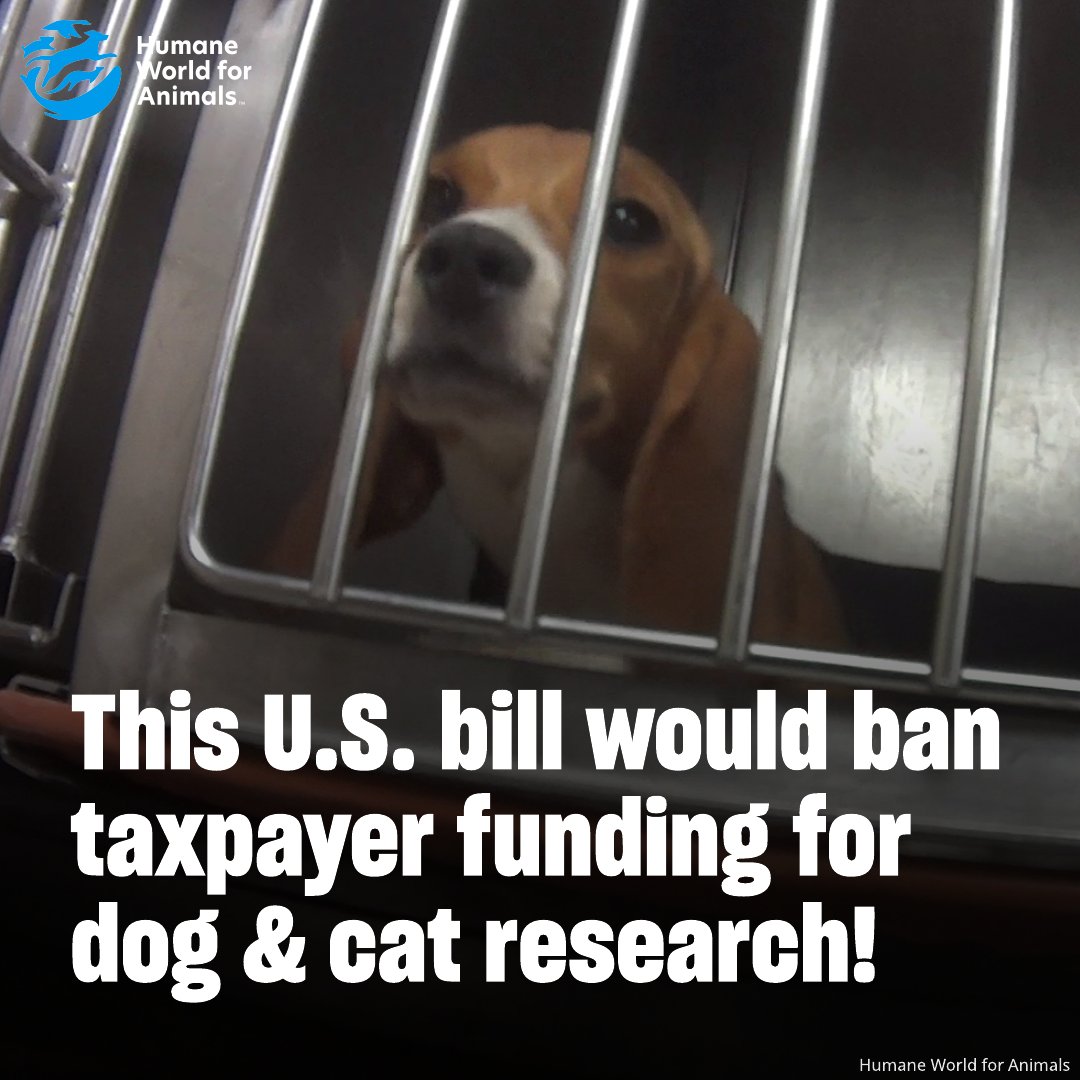
We’re supporting a bill that would prohibit the U.S. government from using taxpayer dollars to fund experiments on dogs and cats. 🐶🐱
MAKE YOUR VOICE HEARD! If you live in the U.S., tell your federal rep. to co-sponsor this important legislation! 👉🏽 https://t.co/C9dsUmj7lI
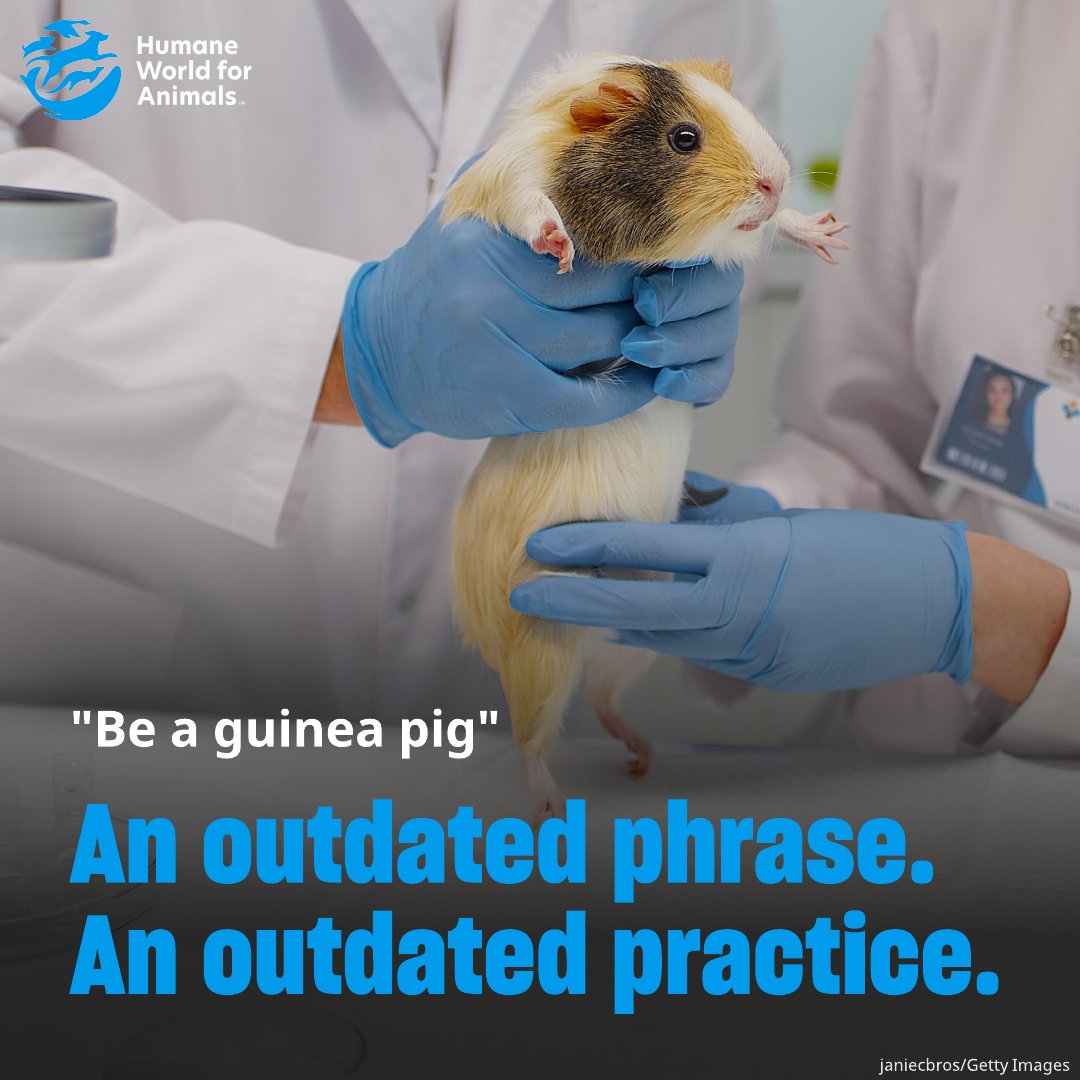
DYK the phrase “be a guinea pig” dates back to the 18th century, when these animals were first used in medical research?
It’s time to leave this outdated phrase & practice in the past. By moving toward animal-free research we can advance better science & spare our furry friends.
Animals are NOT mini humans. 🐹≠👩🦰
Biological differences between us and animals can make animal tests unreliable in predicting human responses to chemicals and drugs.
By advancing human biology-based methods, we can save animal lives AND ensure human safety. #WinWin
In @EconomicTimes, our Senior Programme Director, Dr. Surat Parvatam, and Dr. Rakesh Mishra raise concerns over India's proposed laboratory animal rules and the future of non-animal research.
Read the full article: https://t.co/cwIUnu6zrD
We are working to end animal testing and research at the state and federal levels in the United States! 🐶🐭💪🏽
➡️ Learn more in our new blog: https://t.co/4TJyAiU6vi
120 yrs after Alzheimer’s disease was discovered, we still don’t have a cure.
Most AD research uses mice, yet they don’t naturally develop the disease like humans & >90% of drugs that succeed in animals fail in humans.
This is why we advocate for more $$ for non-animal methods.
Science needs advanced technologies and animal welfare needs public support. Your voice can help ensure concerns around India’s proposed laboratory animal experimentation rules are heard.
Take action before 5 November. Share this post to spread the word.
In this article by @thewire_in, our Senior Program Director, Dr. Surat Parvatam, from the Research and Toxicology Department, highlights concerns around India's proposed laboratory animal rules and their impact on animal welfare.
Read more: https://t.co/GRJgLKVGCQ
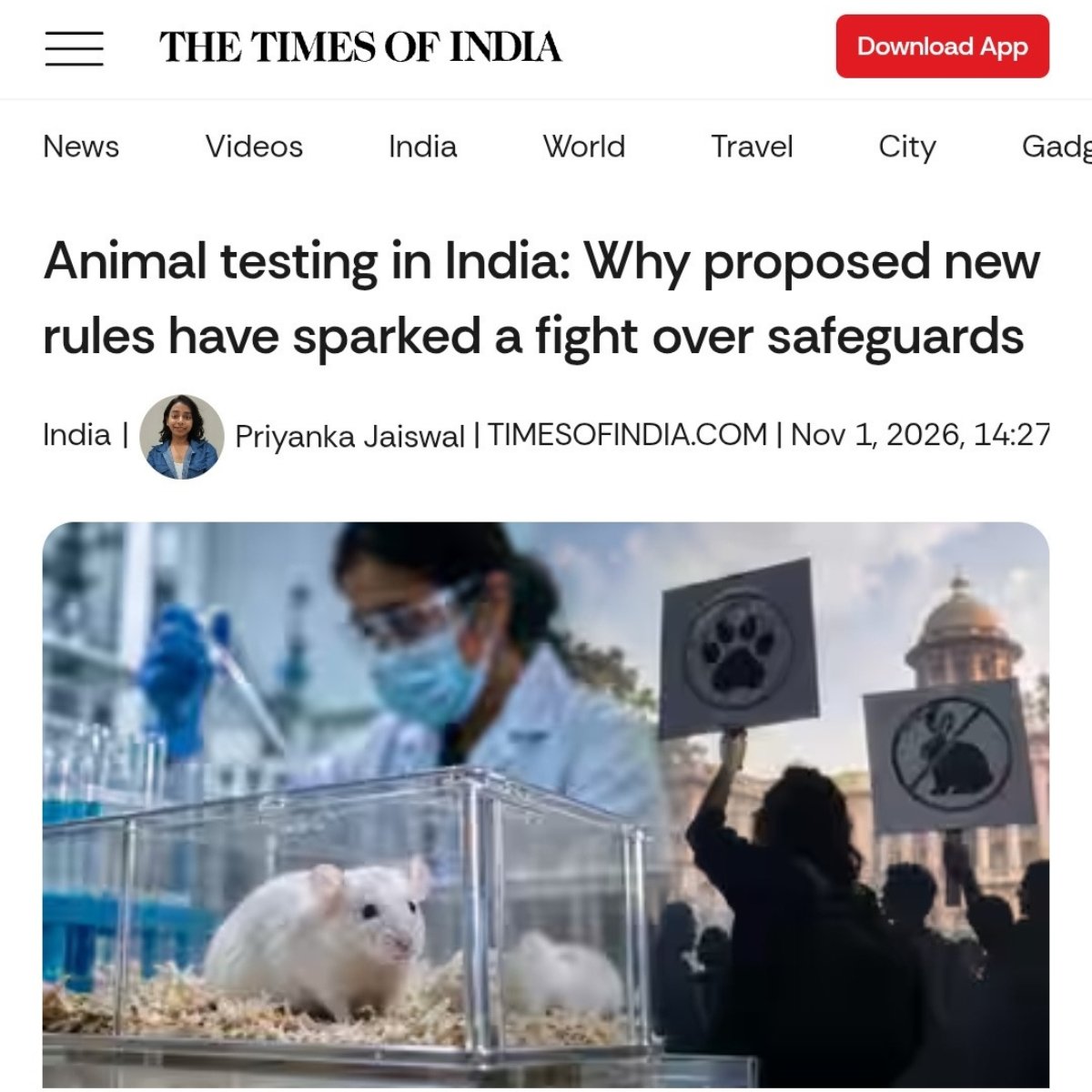
In this article for @timesofindia, our senior director, Dr. Surat Parvatam, from the research and toxicology department, highlights the need for non-animal testing methods and stronger safeguards against animal suffering.
✍️: @pjeyyy_
Read more: https://t.co/4mGaoynwHX
We brought experts together for a 2-day workshop to explore how we can move non-animal methods from promise to practice & encourage their wider use in science. Thank you to everyone who joined us!
Next we’ll prepare a report w/ recos for decision-makers, regulators & investors.
While we celebrate horror on Halloween, animals in labs are trapped in a daily living nightmare. 😔
We can help end their suffering by making kinder choices in what we eat, and the cosmetics and household products we use. 🐀🫶
#CrueltyFreeHalloween