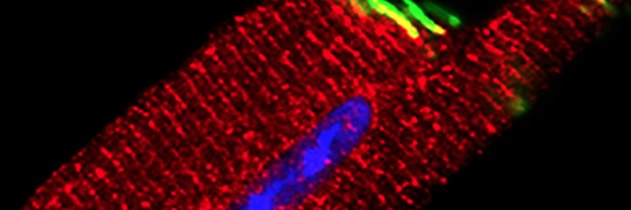
Nassal & colleagues identify a #STAT3 dependent mechanism to therapeutically promote the persistence of adaptive cardiac #hypertrophy & improve heart performance. Learn more at https://t.co/c2nGF6C8Lo
@HundLab@OhioStatePCB
The College of Engineering seeks a leader who can realize our department's vision of becoming the foremost department in biomedical engineering, grounded in Ohio State’s shared values
Apply here: https://t.co/nfTicwuzTD
NIH-funded research is responsible for almost everything we know about common risk factors for CVD, not to mention a constellation of life-saving therapies and devices. These transformational advances require a robust research infrastructure dependent on indirect costs from NIH.
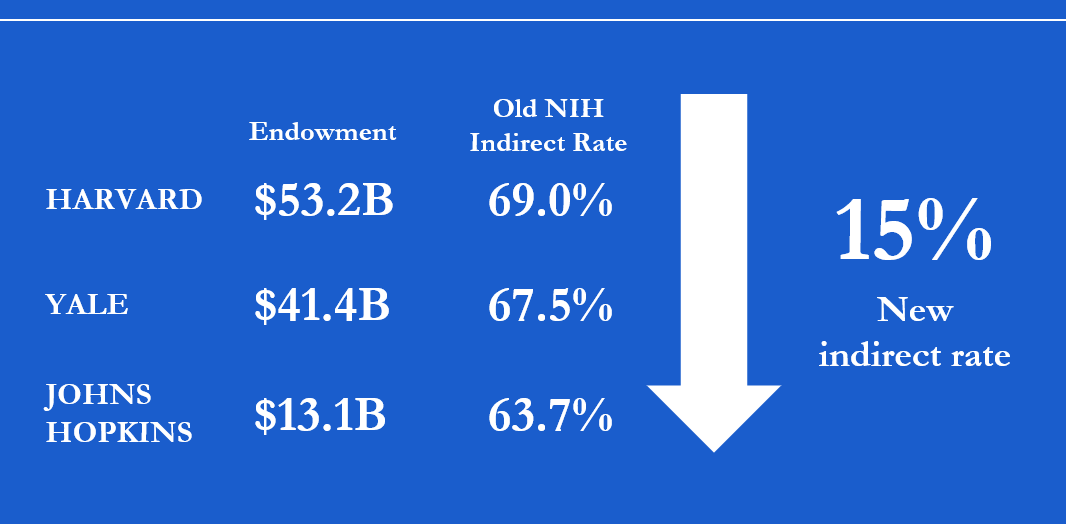
Last year, $9B of the $35B that the National Institutes of Health (NIH) granted for research was used for administrative overhead, what is known as “indirect costs.” Today, NIH lowered the maximum indirect cost rate research institutions can charge the government to 15%, above what many major foundations allow and much lower than the 60%+ that some institutions charge the government today. This change will save more than $4B a year effective immediately.
Happy to share our work published in @CircAHA ! Very grateful to our co-authors, reviewers, editors, and @CircAHA for publishing our study. Read below for a short tweetorial about #m6A#Nanopore#METTL3 and #cardiomyocytes. (1/6)
https://t.co/7umW2zyOym
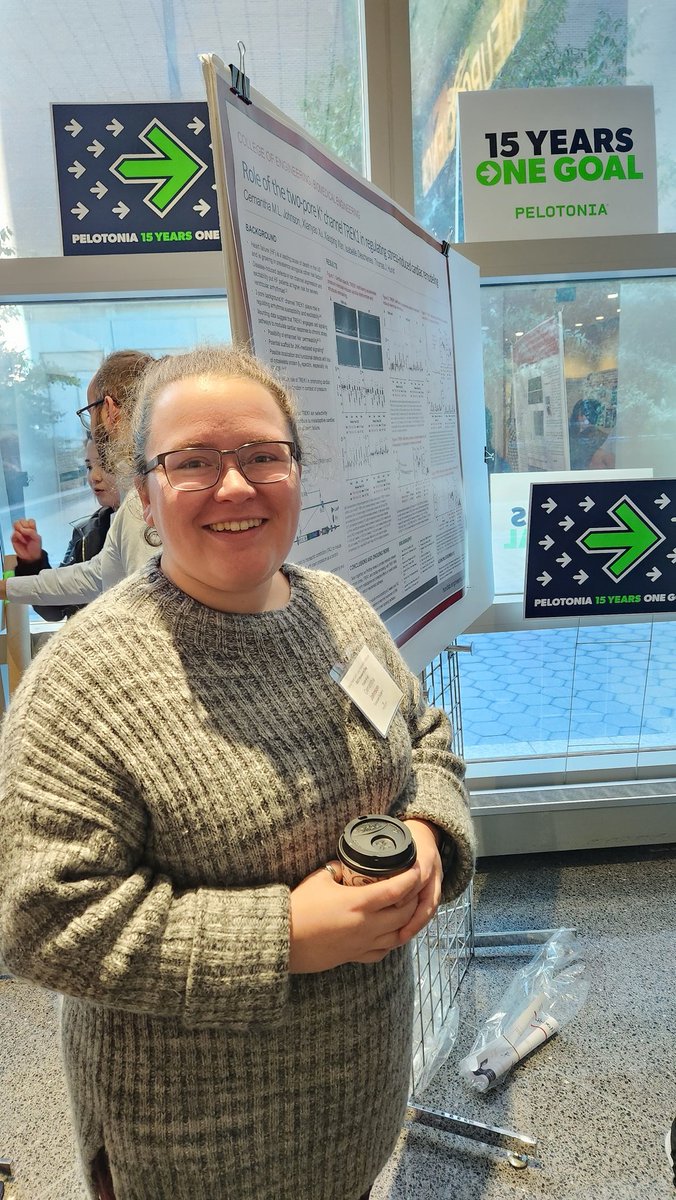
Very proud of Cemantha Lane on her stellar PhD defense today! Next stop: Faculty job in @CaseEngineer Division of Engineering Leadership! @OhioStateBME@OhioStateDHLRI
Congrats to Wold Lab members Dr @MatthewGorr, @SierraSaldana and Emerson Woodbury on sweeping many awards at the Ohio Valley SOT meeting last weekend! Matt won the New Investigator award, Sierra tied for first in the ugrad poster competition and Emerson took 2nd