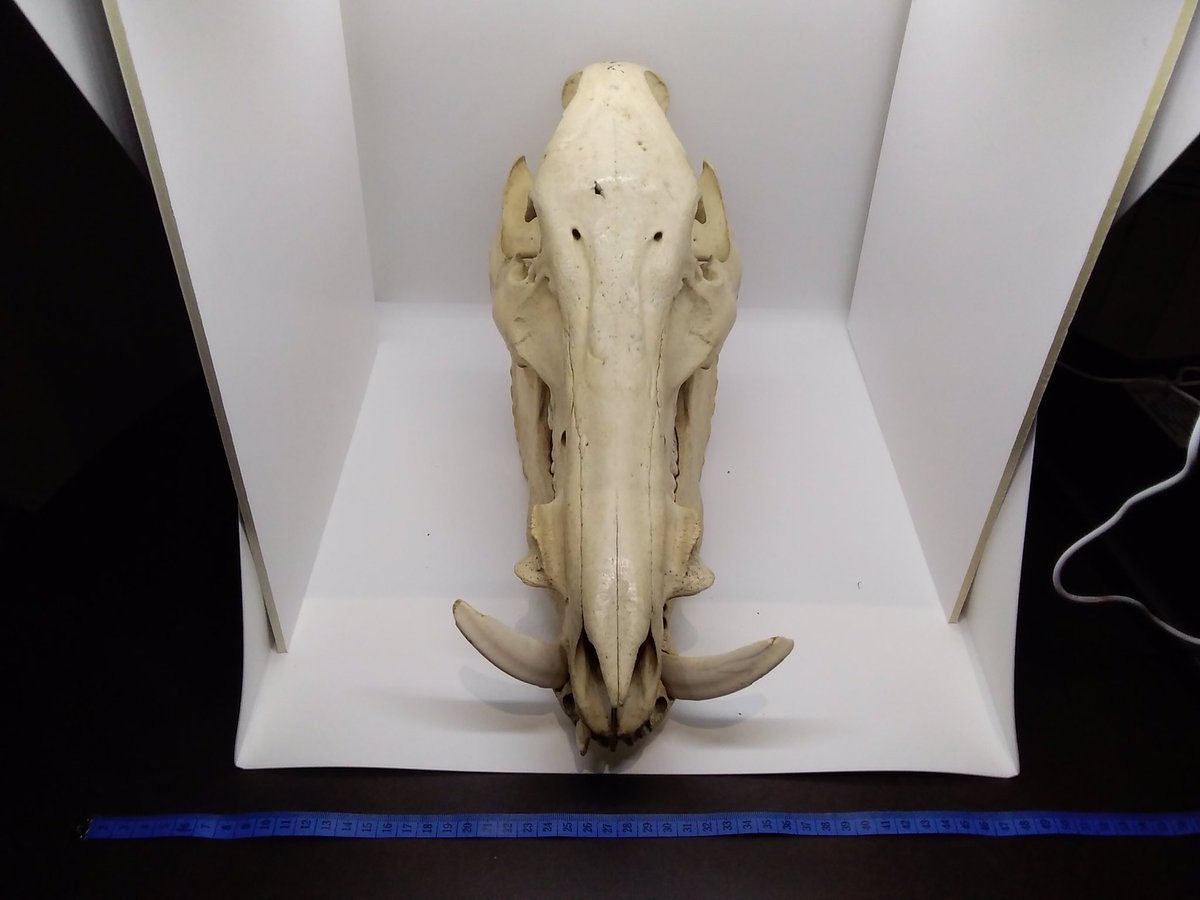
This weeks item from @hastings_museum is a Wild Boar skull. This is particularly interesting, as when examined under UV light it revealed a date, 1830 and a word - Serrolxxium. What could this mean? Where did this skull come from? #whatsinthebox#MysteryMonday
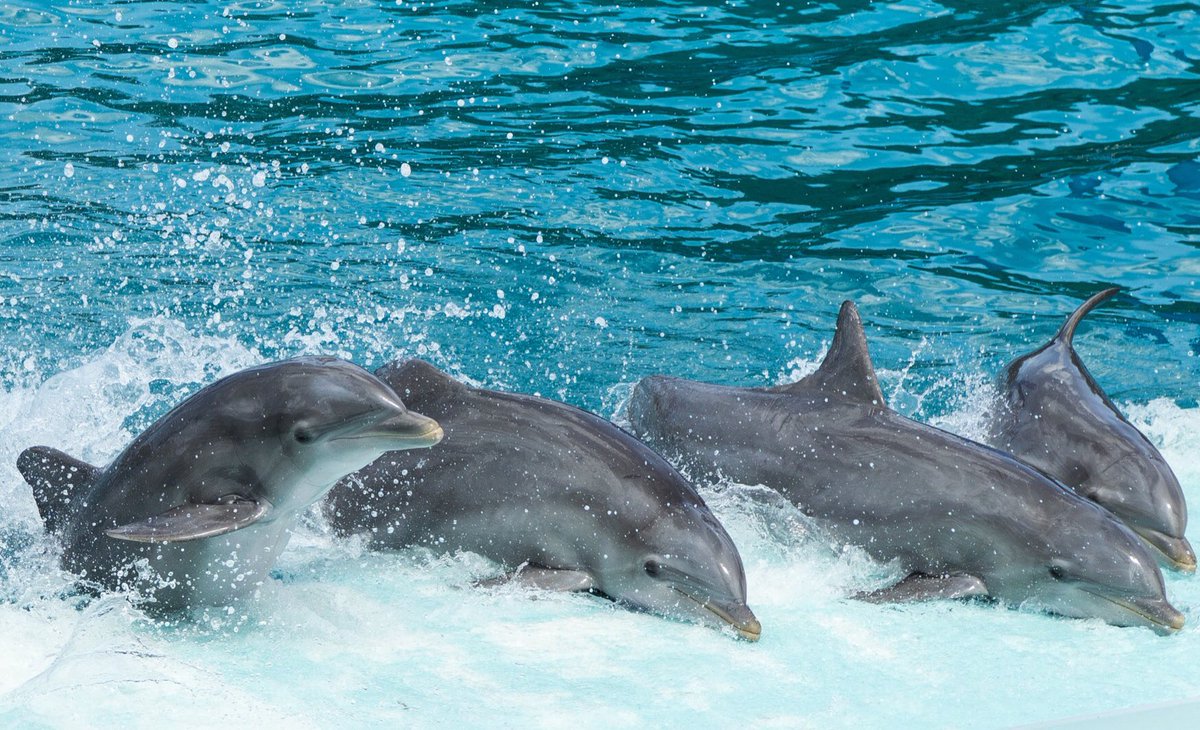
Dolphins can be killed from fishing equipment such as nets, lines, hooks and trawls. In UK waters, bottlenose dolphins are one of the species most threatened by bycatch. A solution is attaching acoustic alarms to fishing gear to help them avoid it. #ThreatenedThursday
All dolphins are whales, but not all whales are dolphins. Dolphins are toothed whales, and the largest is the orca which can grow to 8 to 9 metres long. #WhaleWednesday#Dolphins#whatsinthebox@hastings_museum @fossilphilip
Noise pollution is a threat to dolphins, sometimes fatal. Marine traffic around the UK is amongst the worst. It can cause stress and interfere in their communication, reproduction, navigation and ability to find prey.#TurbulentTuesday#whatsinthebox@hastings_museum @fossilphilip
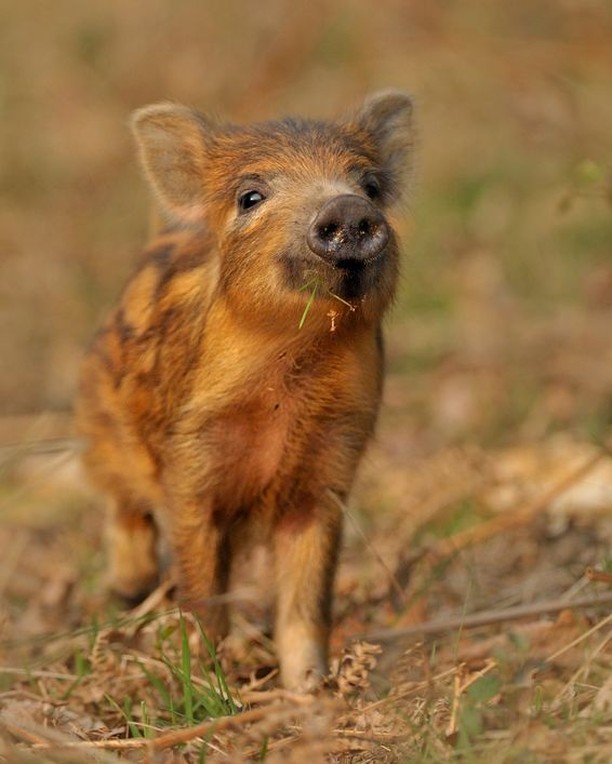
Wild boars live in groups of between 6 - 30, called sounders, comprising mainly of females and their offspring. Males live a solitary life. Baby boars are called piglets. I think they’re cute! #FamilyFriday#whatsinthebox@hastings_museum @fossilphilip @ace_southeast
Wild boar (Sus scrofa), also known as wild swine, common wild pig, or wild pig is a close relative of domestic pig. Native populations of wild boars can be found in Africa, Europe and Asia. They have also been introduced to America and Oceania #TerritoryThursday@hastings_museum
Our skull has 1830 on it, so unlikely from UK. Wild boar were hunted to extinction around 400 years ago. Reintroduced in 1990s, many escaped, were dumped or set free. They have now established themselves around the country #WeirdWednesday#whatsinthebox@hastings_museum
A common feature of Wild Boar is the tusks. Males have longer, curved tusks and have an extra tusk on the upper lip which is used for sharpening of the lower tusk. #TusksTuesday@hastings_museum#whatsinthebox funded by @ace_southeast @fossilphilip
The Rhinoceros Hornbill makes it’s nest inside tree trunks and seal the entrance up, leaving a tiny slit, the female then relies on the male to feed her while she takes care of the eggs and then the chicks #factfriday#whatsinthebox@hastings_museum @fossilphilip @ace_southeast
I have enjoyed finding out so much about the echidna this week, hope you have too. I have made a stop frame animation about the echidna. Hope you enjoy! https://t.co/i4GjaDLmZI via @YouTube#FinaleFriday#WhatsInTheBox@hastings_museum @fossilphilip
The echidna has a massive brain #TriviaThursday It has an enlarged neocortex which makes up half the brain, most mammals it’s only 30% and in humans 80% @hastings_museum @fossilphilip #WhatsInTheBox