📊 Pressure wire use remains low — just 10.7% of PCIs
✅ When used, PWA linked to:
10% fewer procedural complications
26% fewer stents implanted
And possibly fewer MACCE
Time to treat coronary physiology as a quality metric for PCI?
@ncurzen@mmamas1973@ccijournal
Representing at @heartrhythmcong. Talk on Crtp Vs crtd. Conclusion, no evidence of benefit, lack of trials, crtd is more costly with more risk! BRITISH study ongoing with crt included and will help answer this question in NICM scar patients. @SouthamptonCTU@MycardiumAI@ncurzen
Huge congratulations to @DrLaviniaGabara who defended her DM thesis yesterday…. Showing true grit as well as great perspicacity during these years…writing up a thesis with a new addition to the family & a commute is seriously tough: respect!!
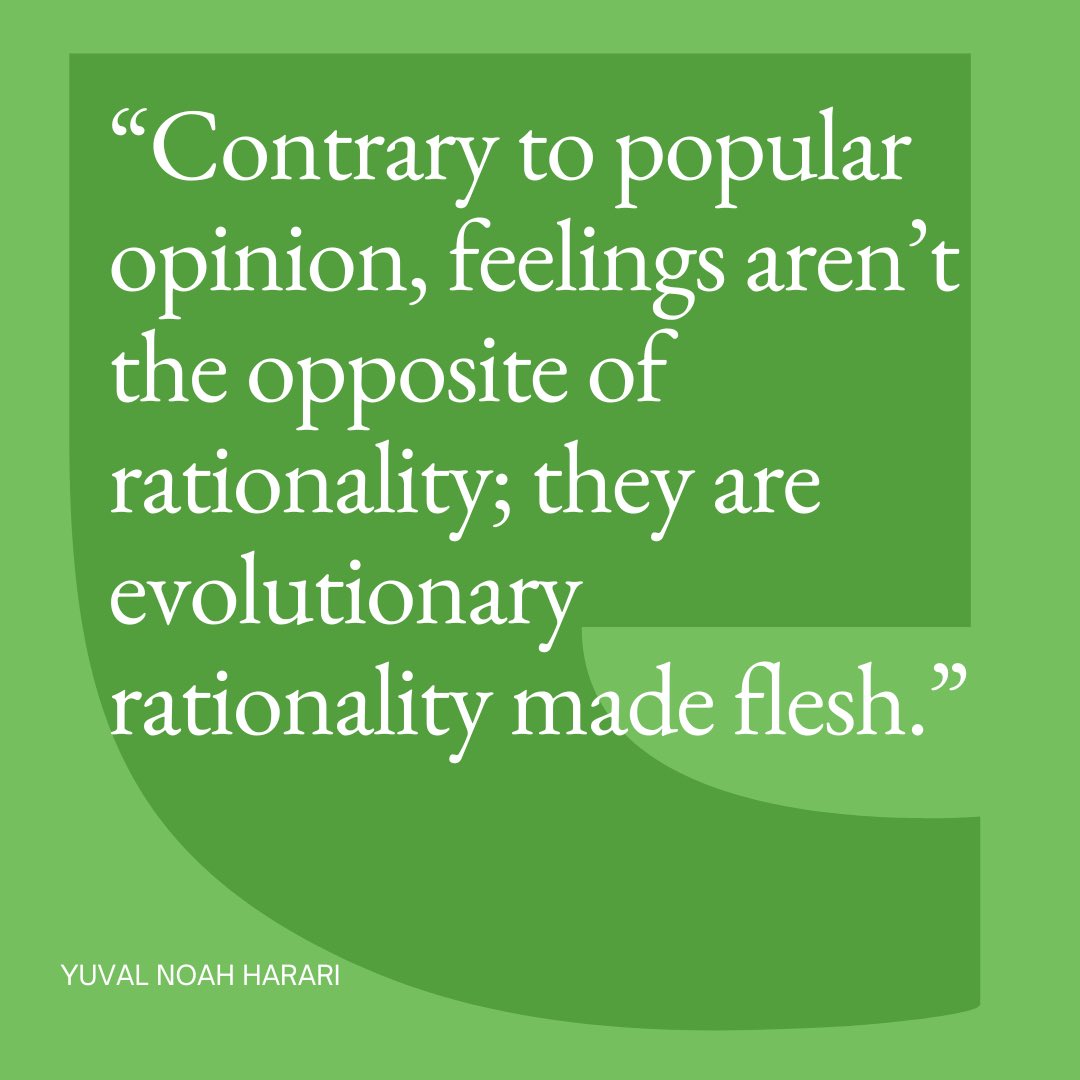
How do #feelings relate to #rationality?
Scientific research into the way our brains and bodies work, suggests that feelings are biochemical mechanisms that all mammals and birds use to make decisions – by quickly calculating probabilities of survival and reproduction.
Where is the unmet need? There are thousands of doctors that would literally give their right arm to be trained in endoscopy.
We have thousands of trainees as well as international medical graduates who would never be allowed to do this and yet someone with the two years masters a few months post qualification is trained.
Association of myocardial injury with adverse long-term survival among cancer patients
➡️ https://t.co/m2YqYwtiDD led by @HusseinBashar_
We conducted an analysis using the Unites States’ National Health and Nutrition Examination Survey (NHANES) database to examine the association of myocardial injury, as defined by elevated cardiac biomarkers in the form of four different high sensitivity cardiac troponins, with long-term outcome among cancer survivors.
Cancer survivors with myocardial injury had progressively worse survival at 5 (51·6% vs. 89·5%), 10 (28·3% vs. 76·0%), and 15 years (12·6% vs. 61·4%) compared to those without myocardial injury.
After adjusting for population characteristics including cancer type, the risk of death from any cause among cancer survivors with myocardial injury were more than double that of those without myocardial injury (adjusted hazard ratio of 2·10 (95% CI 2·09–2·10, p<0·001). @ncurzen@NickCurzen@KoboOfer@parthaskar@kamleshkhunti@DrMarthaGulati@vass_vassiliou@AnastasiaSMihai@escardio@ShelleyZieroth@ShelleyWood2@nolanjimradial@arjunkg@mirvatalasnag
The status quo is unsalvageable.
There will be new leaders but the question is will they occupy the current institutions and save them, or will there be new institutions that rise from the ashes of the RCP?
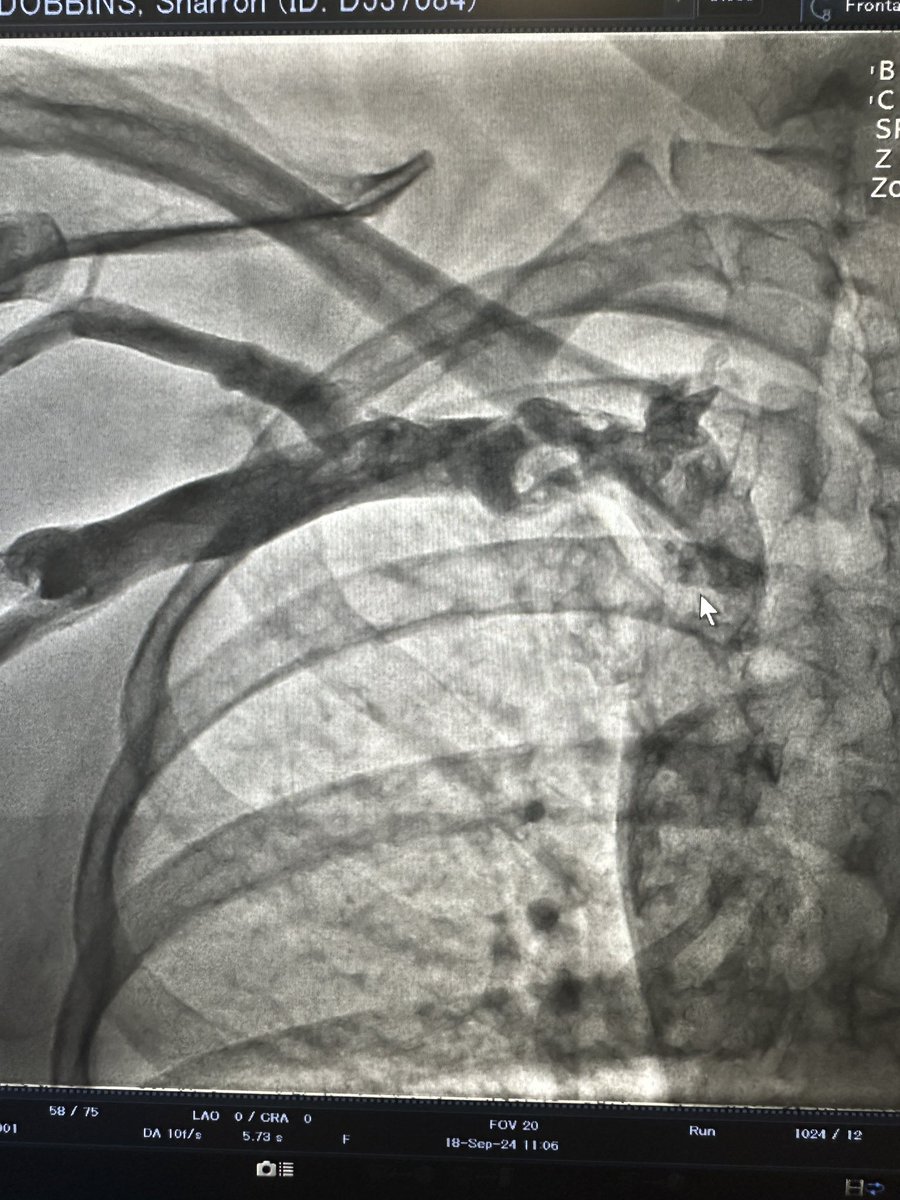
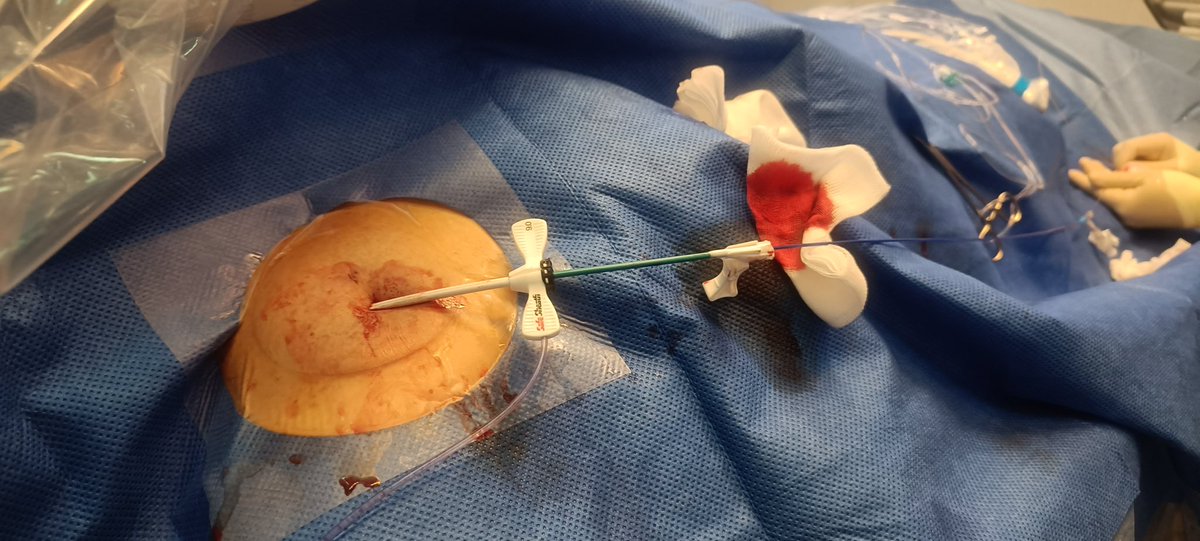
Very happy to have enrolled our first patient into the brilliant ORBITA-FIRE study, after ORBITA 2. Amazing help from the wonderful Imperial team. Really great to get stuck into high quality coronary physiology assessment. @fiyyazAJ@rallamee@nanoinspiration#ORBITA-FIRE
What a great opportunity. And fantastic to hear such support for the study and the science. Well over 100 patients randomised so far.... Big push to the end of the vanguard. @ncurzen@SouthamptonCTU
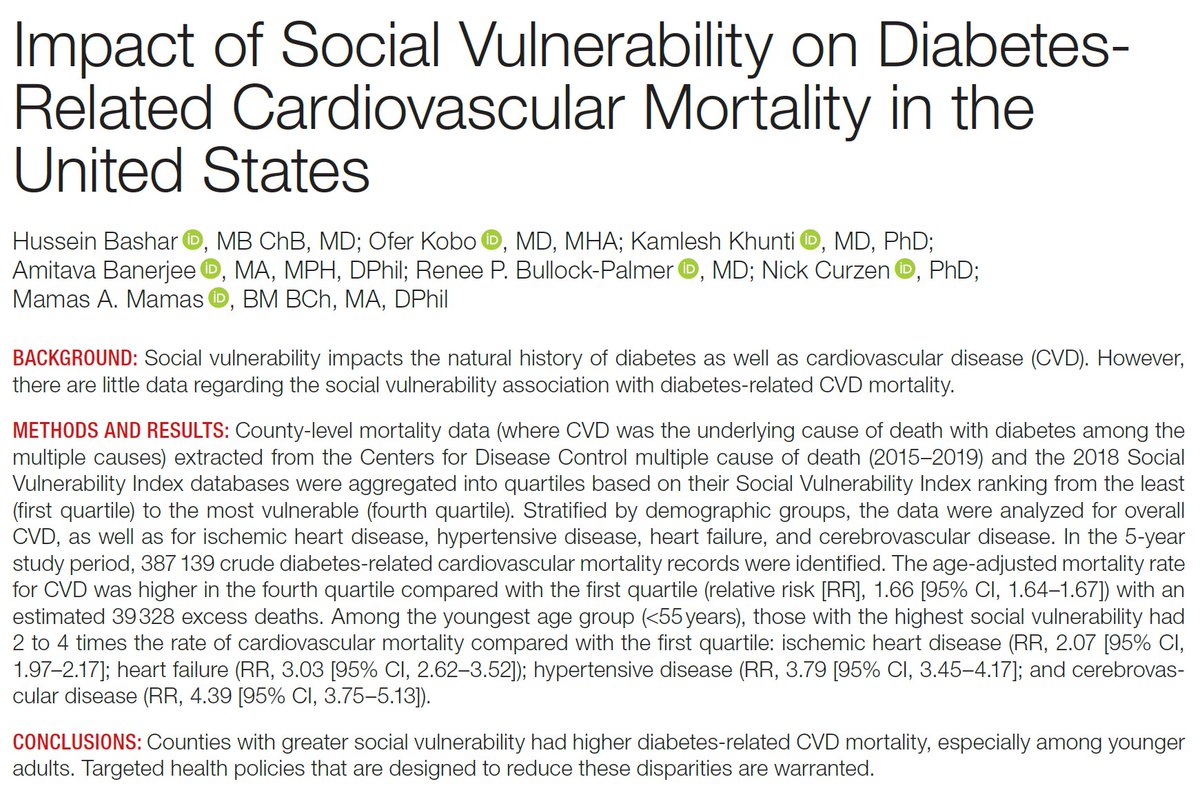
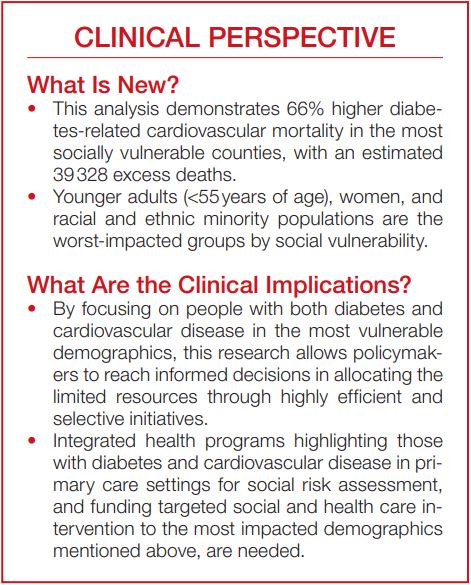
People living in counties with the highest level of social vulnerability had 66% higher diabetes-related cardiovascular mortality.
What is more concerning is that younger people (<55 year) had up to four times worse outcome in relations to social vulnerability.
If only willing interventional cardiologists were allowed to train to contribute to this life-changing treatment… rather than being blocked by professional protectionism. Suitable patients need equitable access? @HelenRoutledge2