@JamesAFurey I made this video for my students. It starts by asking them to think about a topic that makes them buzz with enthusiasm, that they could talk for hours about. Then it asks how they'd feel doing a test on it... https://t.co/mP2ZVMWN59
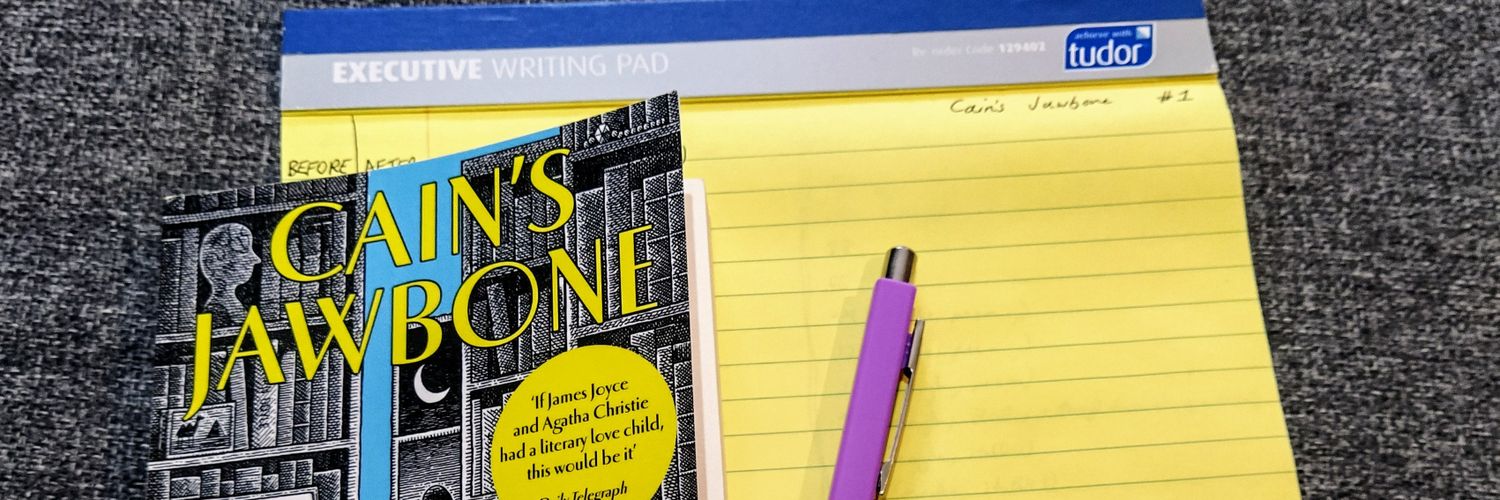
Your novel is grand, @susie_dent. The lines "What if Alex and her readers had never found each other? How long would she have stayed hopeful, optimistic enough to plant geraniums, without back-up.?" is masterful.
May we all be strong enough to plant geraniums without back up.
Today I met #science and #maths teachers across the ACT and presented on school outreach and assessment in the age of genAI from a. @UCSciTech perspective @seaact's conference at the @BiologyANU. Such a good conversation about the need for learning validation.
@gaulicsmith Into the Wild. I once taught at an all boys' school where it was being celebrated as a "coming of age" story, as opposed to the quite sad (and psychologically illuminating) cautionary it is.
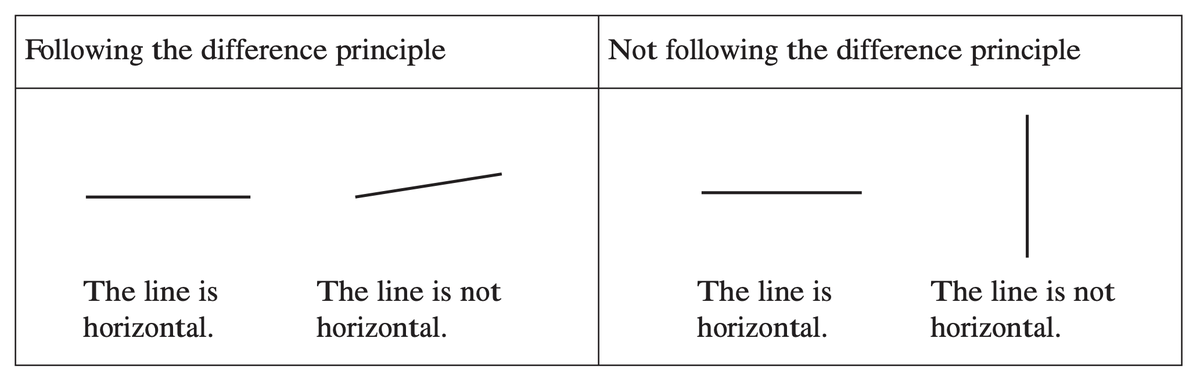
Students learn faster when they see what something is and what it isn’t. One of the most important aspect of curriculum planning + instructional design is effectively using examples and non-examples. 🧵⬇️
In every language, the most frequent word occurs twice as often as the 2nd-most-frequent word, and that occurs twice as often as the 3rd-most-frequent word, and so on.
This pattern is called Zipf’s Law, and because it applies to every natural language, scholars can even use it on undeciphered texts to determine whether the writing system is a real language. This is how we know that the mysterious Voynich manuscript, for example, likely contains a real language. Constructed languages often deviate from Zipf’s Law.
Linguists are still uncertain why Zipf’s Law holds, however. The most prevalent idea is that it helps us be as efficient as possible in our communication.
"Without clear standards and appropriate consequences, students cannot identify weaknesses, learn from mistakes, or develop the resilience needed to improve. Efforts to minimize discomfort in the short term create long-term deficits in knowledge, behavior, and life skills."
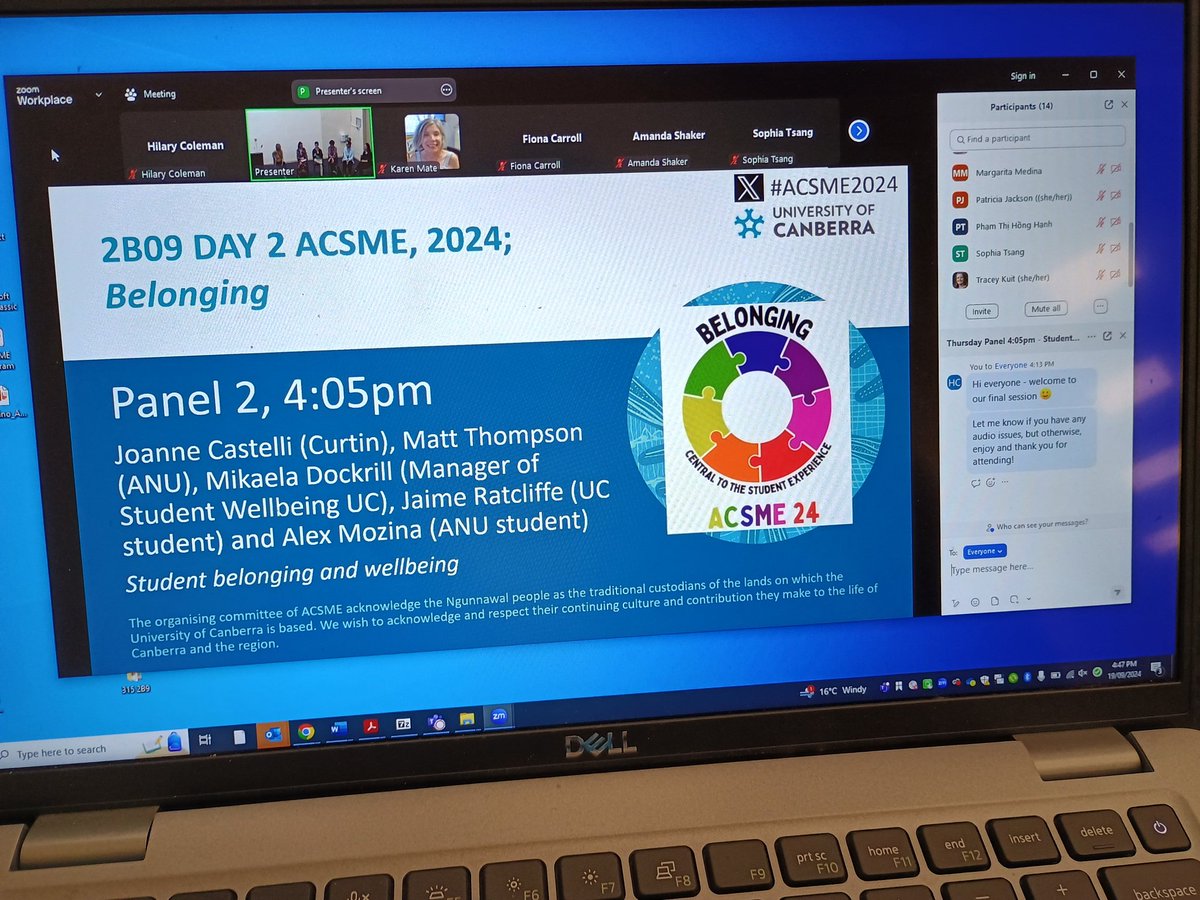
Final session of #ACSME2024 before Discipline Day - an important panel conversation about how the feeling of belonging improves success and wellbeing for students. @UniCanberra@ourANU
Thanks also to all our online delegates who have been so engaged throughout - you belong too!
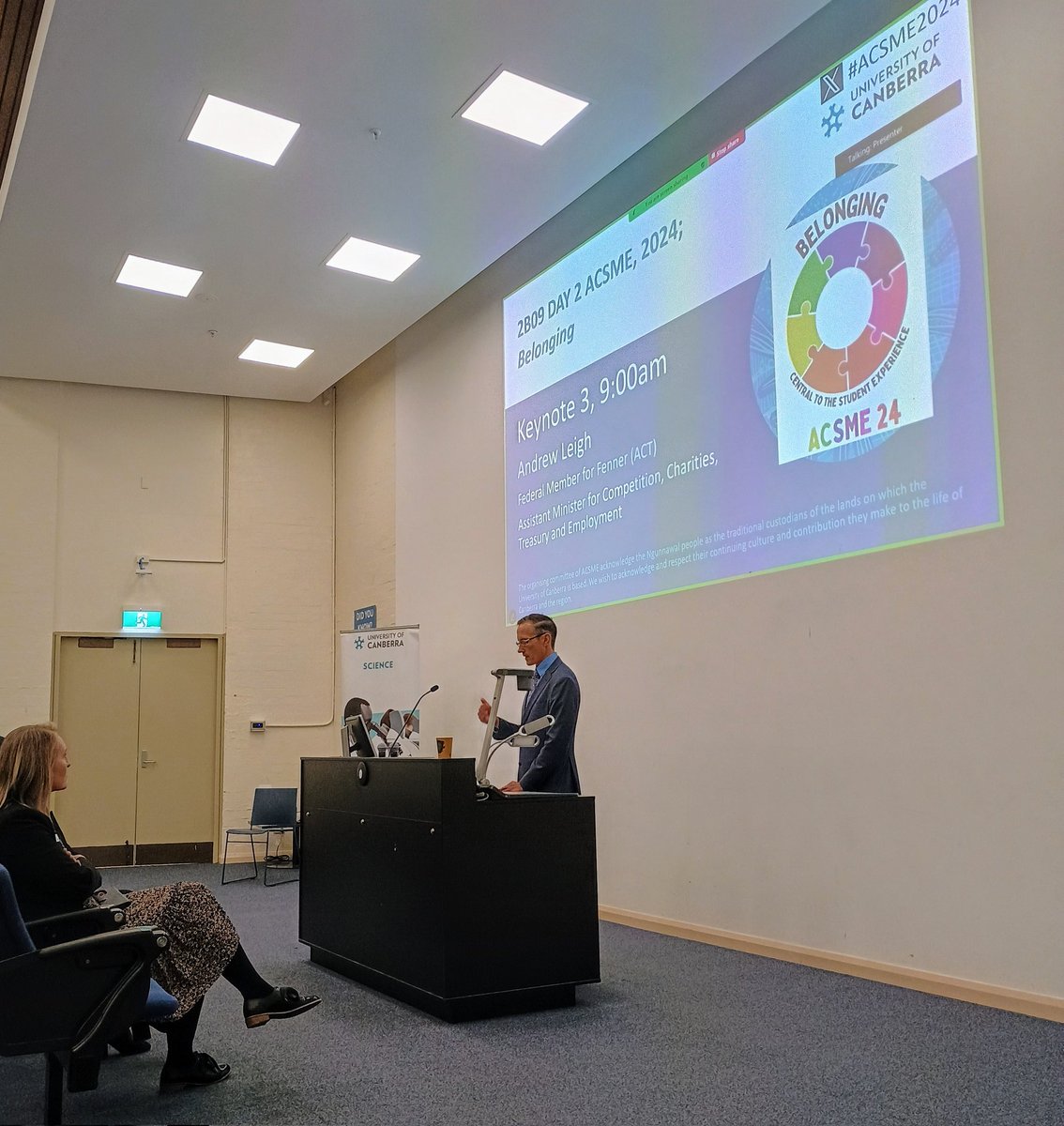
Dear @UCSciTech students, some of your conveners are running #ACSME2024 where @ALeighMP is speaking of the importance of data literacy in the era of misinformation, and it's use to enhance wellbeing. We're so glad you're with us @UniCanberra on your #science and #maths journeys.
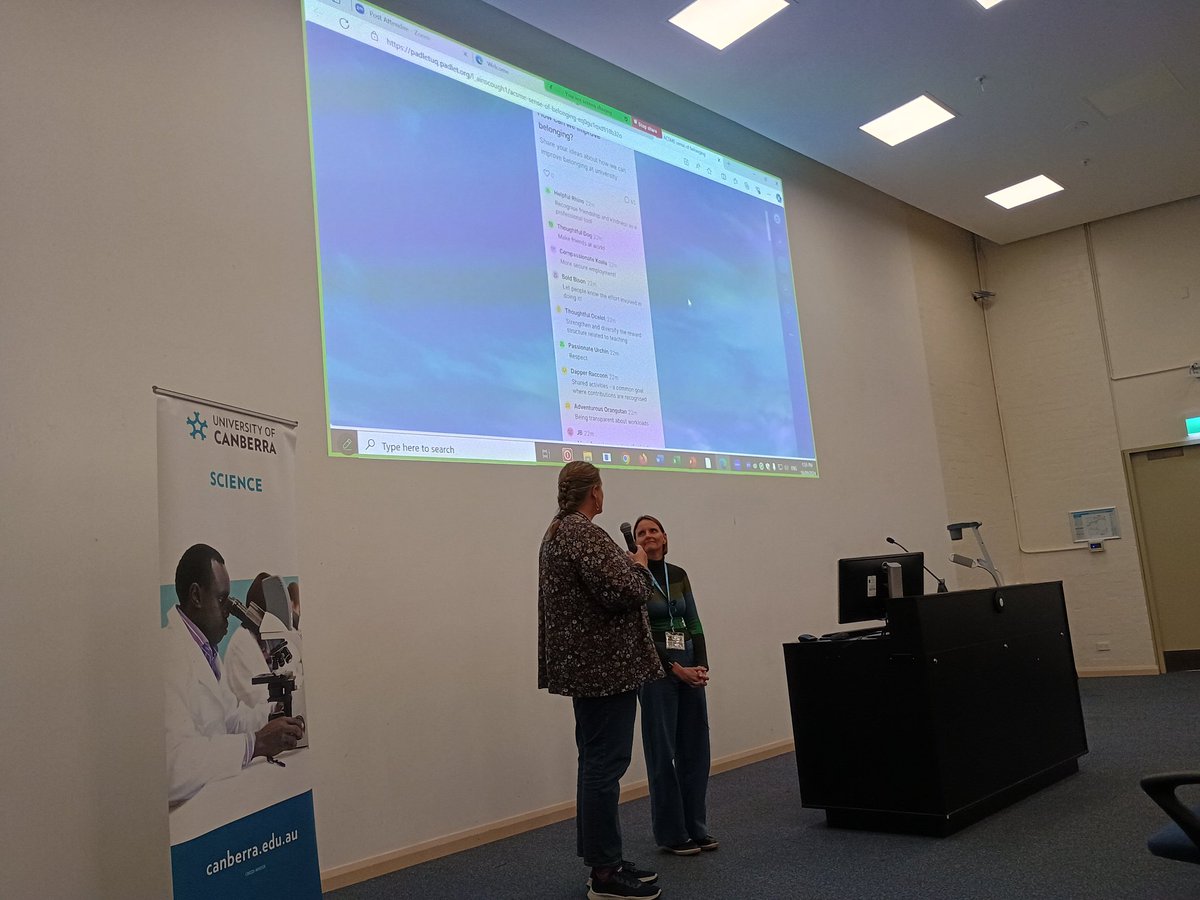
#acsme2024 keynote #2 Louise Ainscough (UQ) discussing the journey of education-focussed #academics. Discussing how we can value all staff equally in #HigherEd so we all belong. @UCSciTech@UQ_News
@RogersHistory 100% agree. I've worked fulltime teaching in school and tertiary and I asked just last week why academics present PD to school teachers on content but it's never considered the other way round on pedagogy.