iAccelerator promotes an entrepreneurial spirit among youth and encourages them to think critically on issues related to population development issues.
Innovate to solve!
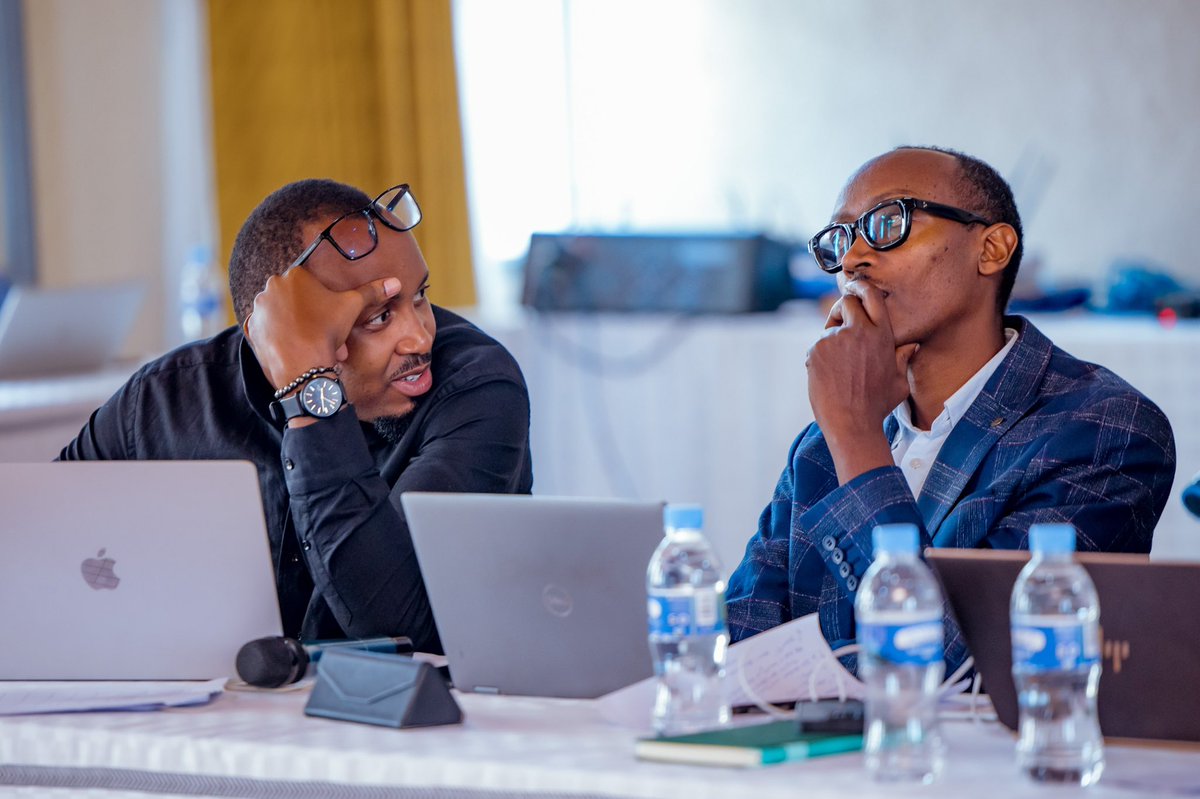
Our Top 15 innovators from #iAccelerator7 took part in a 2-day Mentorship Programme last week, refining their ideas and strengthening their entrepreneurial journey.
Watch the Video highlight to experience their growth!
Today marks the end of a two-day workshop for our Top 15 winners of #iAccelerator Phase 7, under theme “From Delivery to Demonstration”.
Delivered by @DOTRwanda, the workshop focused on strengthening their projects by helping innovators refine their solutions, improve their storytelling, and confidently demonstrate the value and impact of their work.
As part of our mentorship programme, these young innovators continue to receive guidance, capacity building, and tailored support to strengthen their projects, scale their ideas, and transform innovative solutions into lasting impact.
#InnovateToSolve
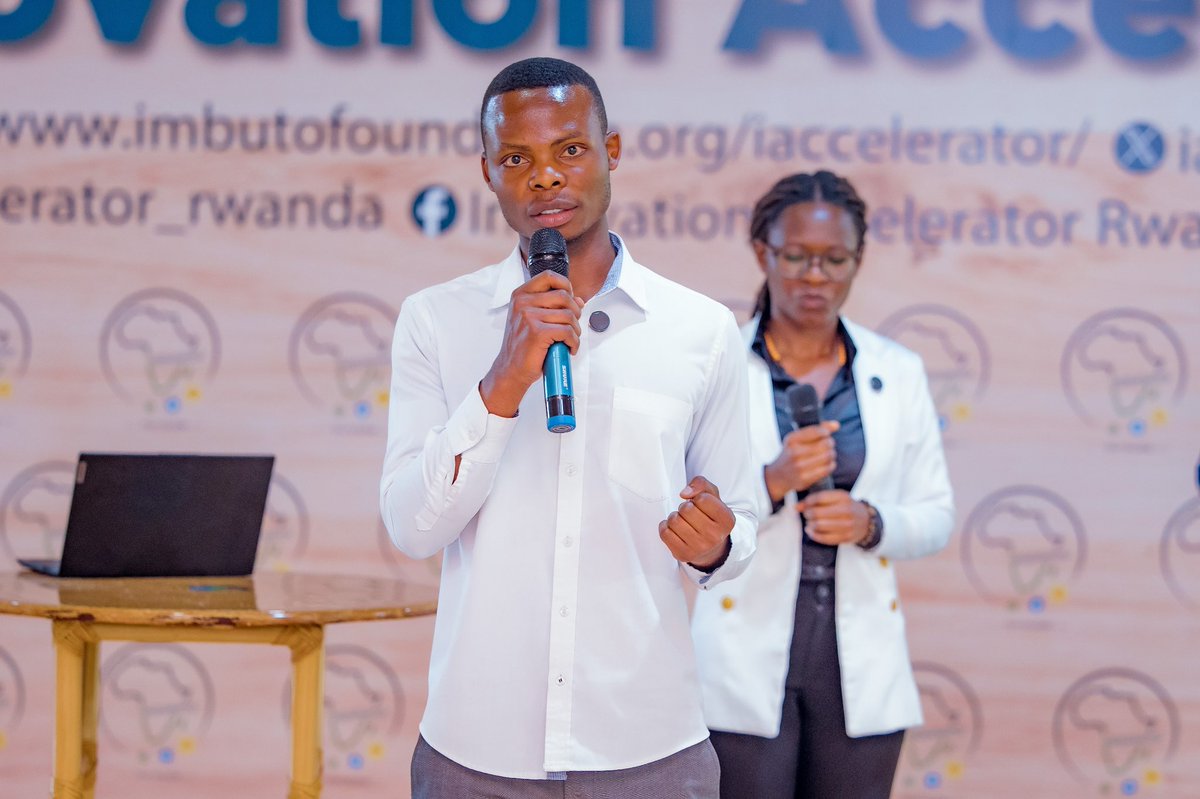
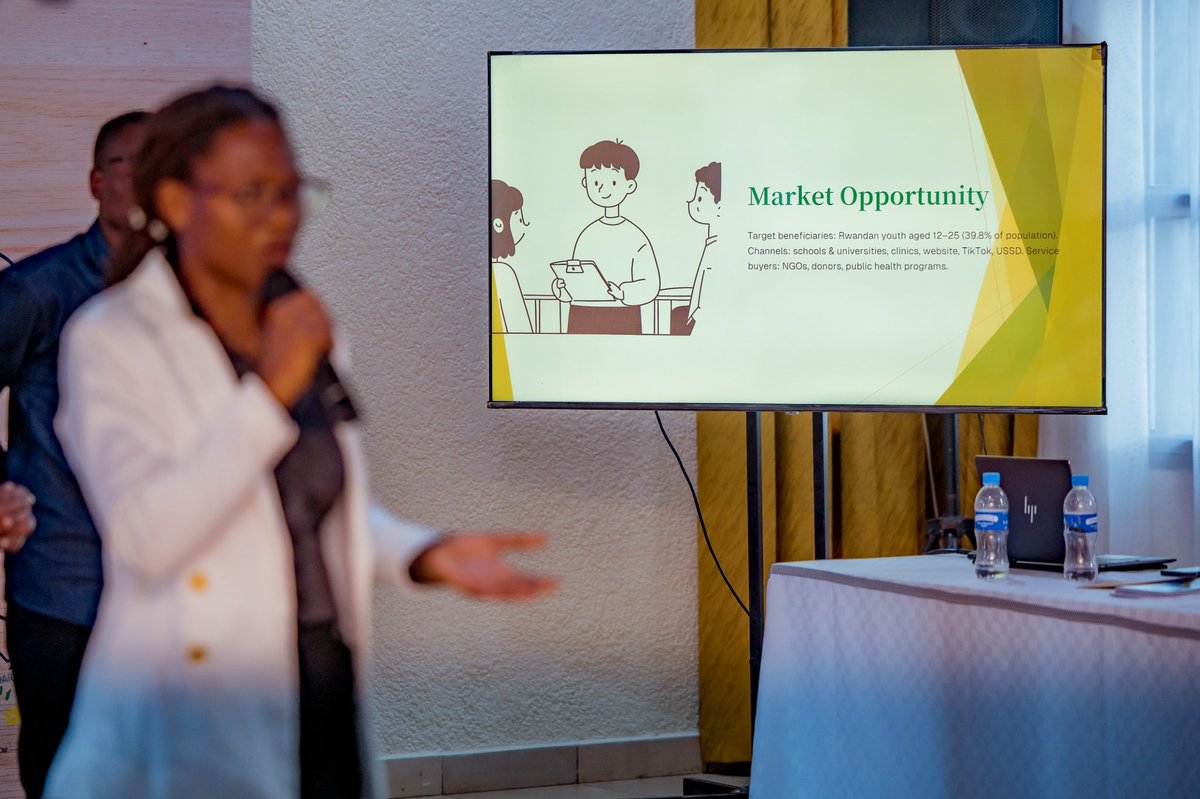
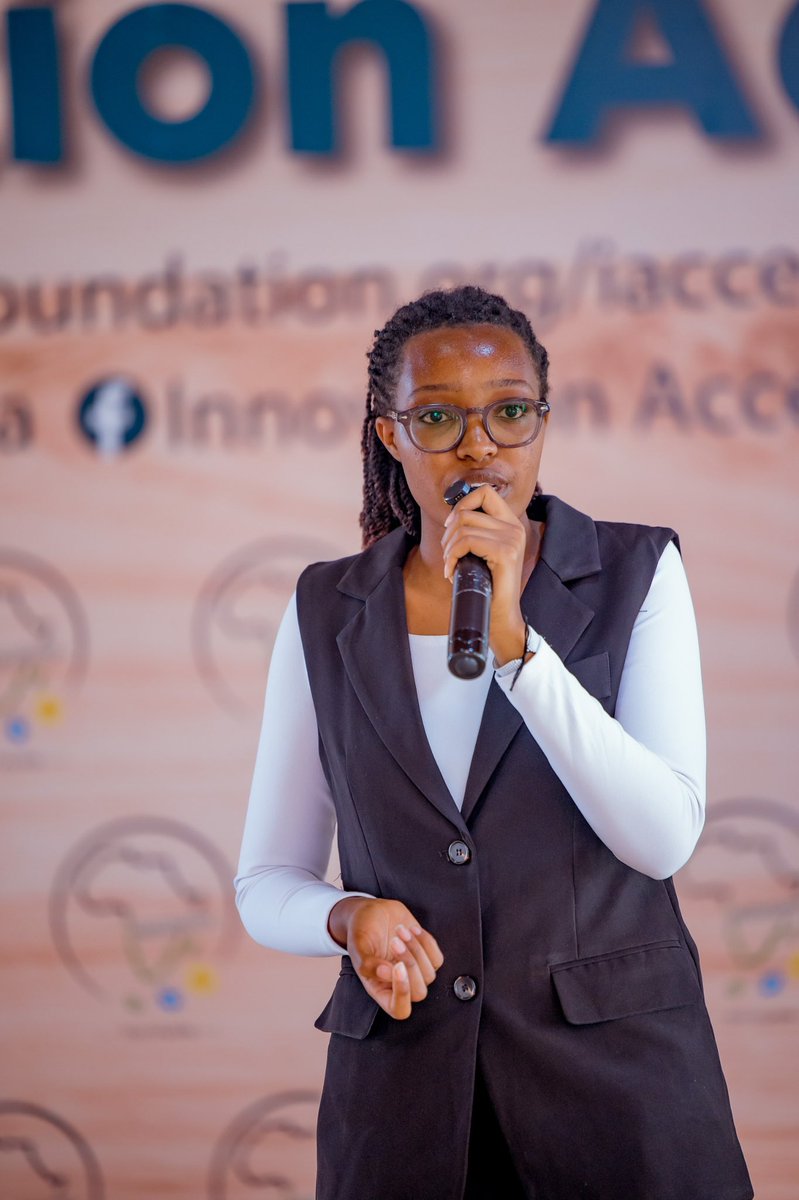
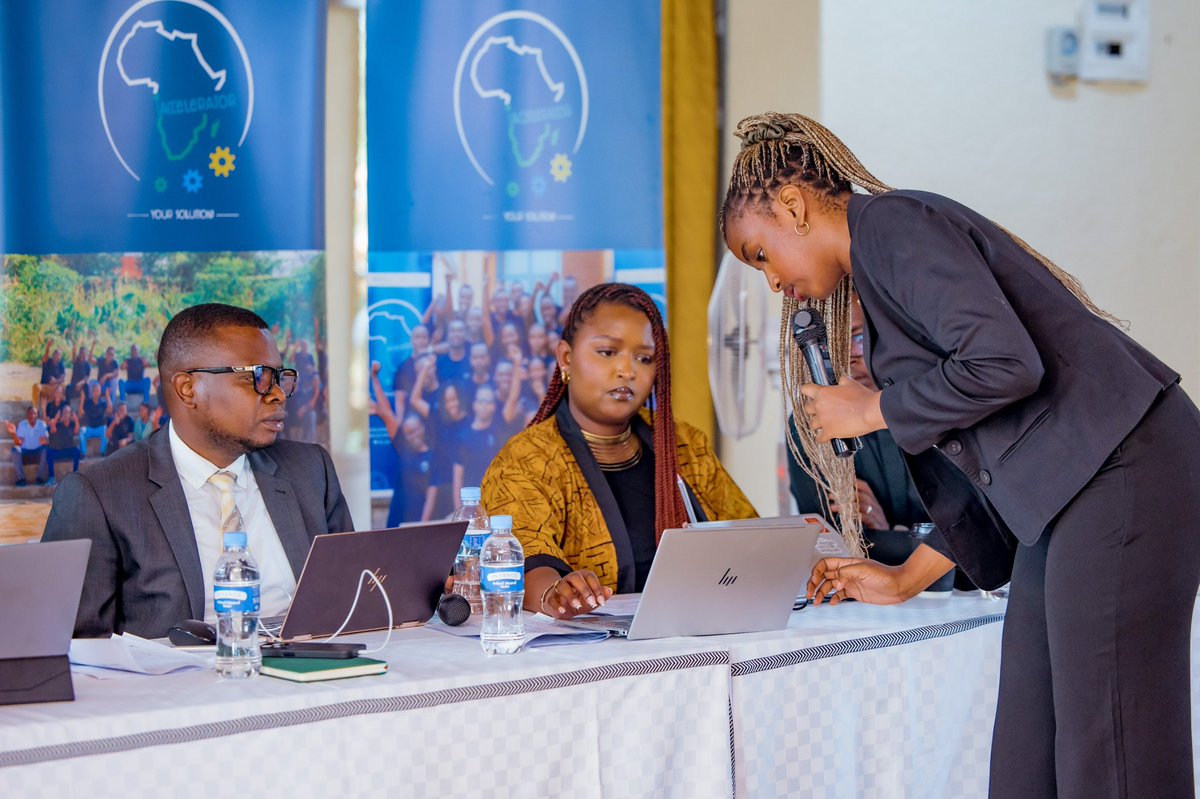
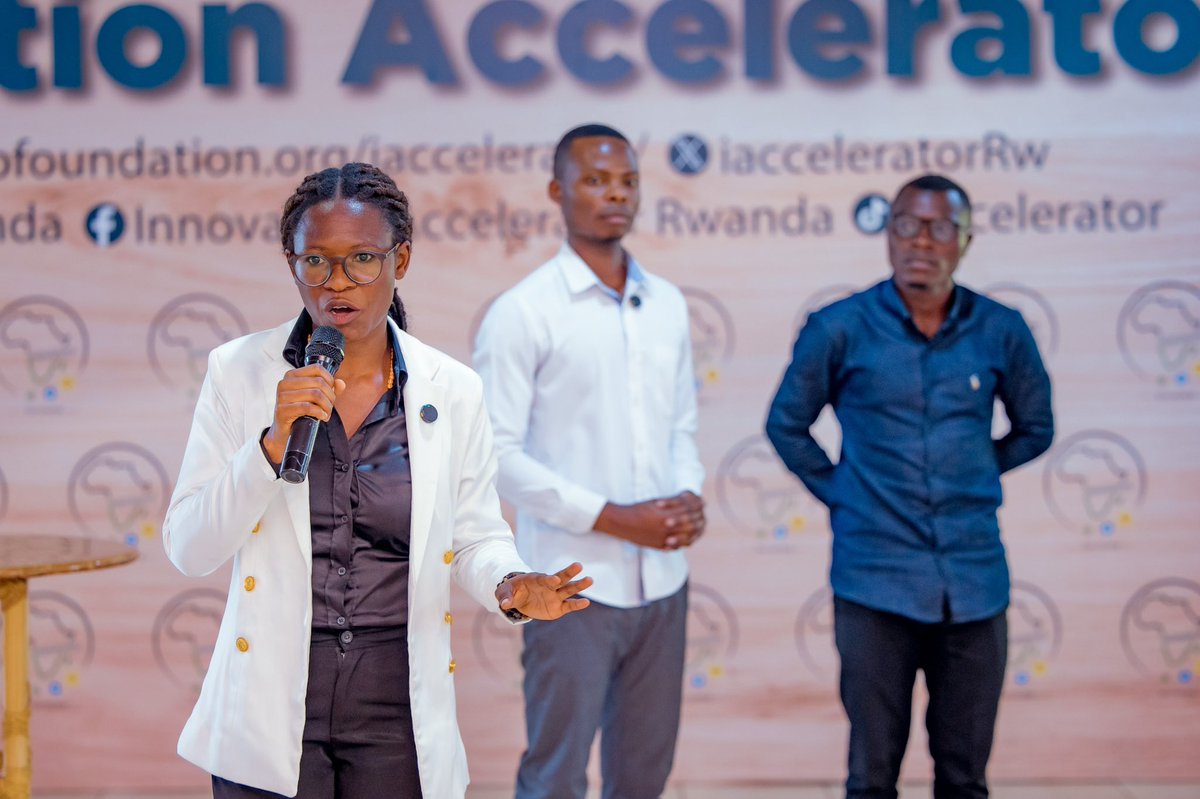
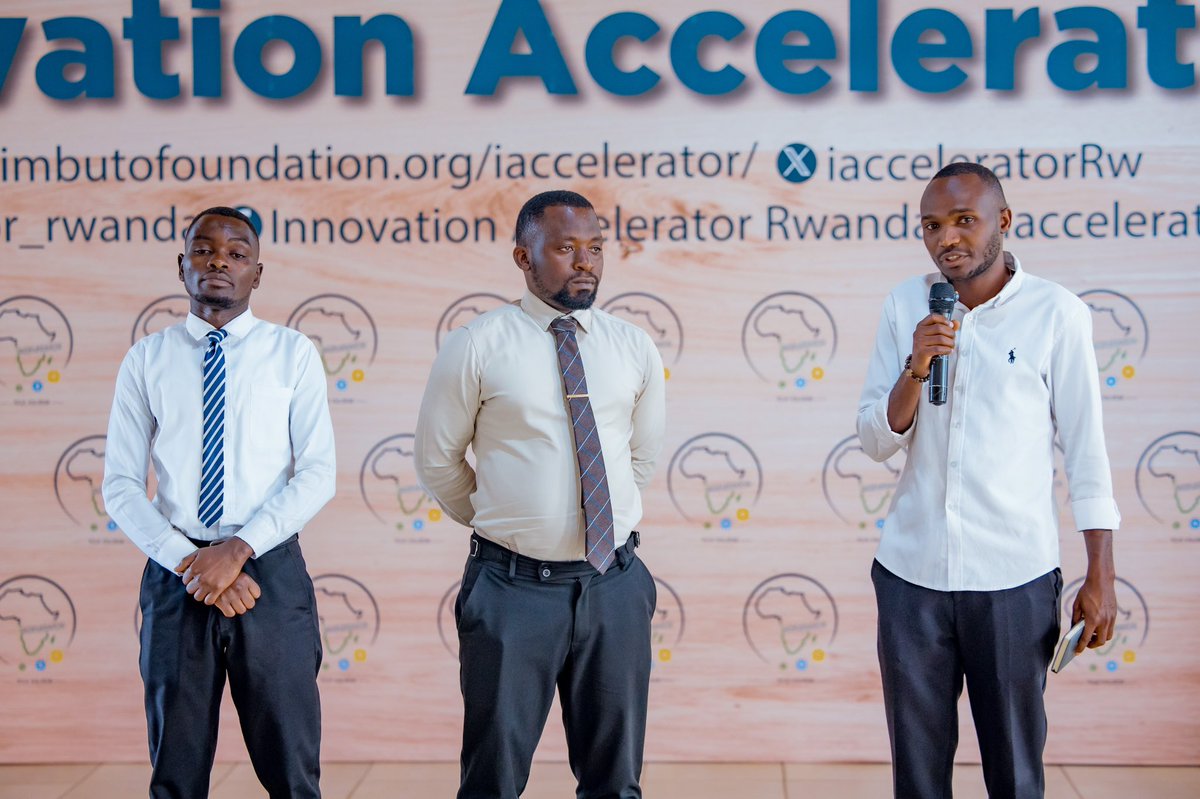
Relive moments from yesterday’s #iAccelerator7 Top 30 Pitching Session, where young innovators pitched their solutions tackling challenges in #ASRH and #MentalHealth before a panel of judges.
Stay tuned to see what’s next on the #iAccelerator7 journey and the innovations that will win the competition.
A big thank you to all the innovators participating in #iAccelerator7 for the inspiring ideas and impactful pitches.
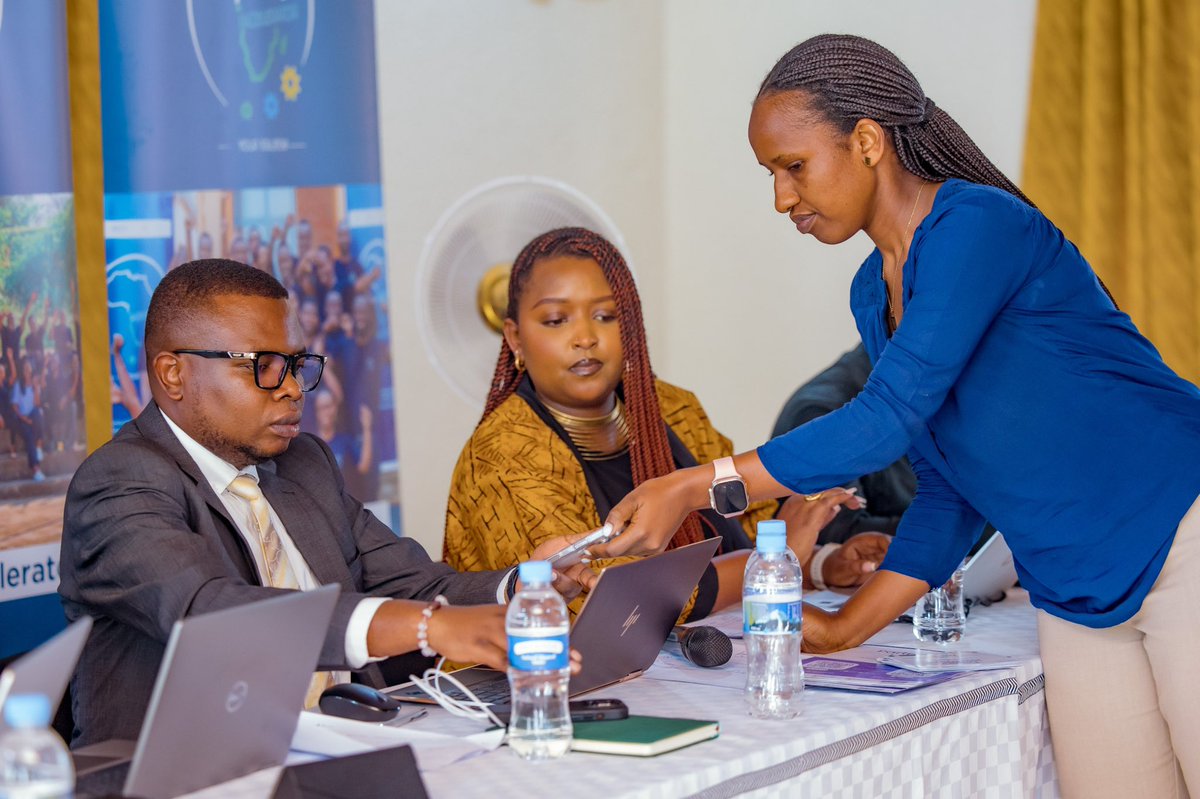
A special appreciation as well to our judges for facilitating today’s session. We now await the deliberation results as they review the 30 projects presented to select the top 15 advancing to the next phase.
Meet the #iAccelerator7 Judges Panel (R-L):
1. Furaha Siraji from @unfpa_rwanda
2. Dr. Ikuzo Basile from @RBCRwanda
3. Mahoro Hallelujah from @HDIRwanda
4. Damien Niyonsaba from @SolidMindsRw
5. Révérien Mutangana from @AFRwanda
Musabyimana Marie Lividine and team presented Smart Youth Health Connect, a youth-centered digital and community solution improving access to sexual and reproductive health information and services, especially for underserved youth and those with disabilities.
It uses the YUVITA app and WhatsApp chatbot to provide confidential health education, menstrual tracking, HIV prevention information, and referrals, supported by youth champions and mobile outreach to reach schools and communities directly.
#iAccelerator7
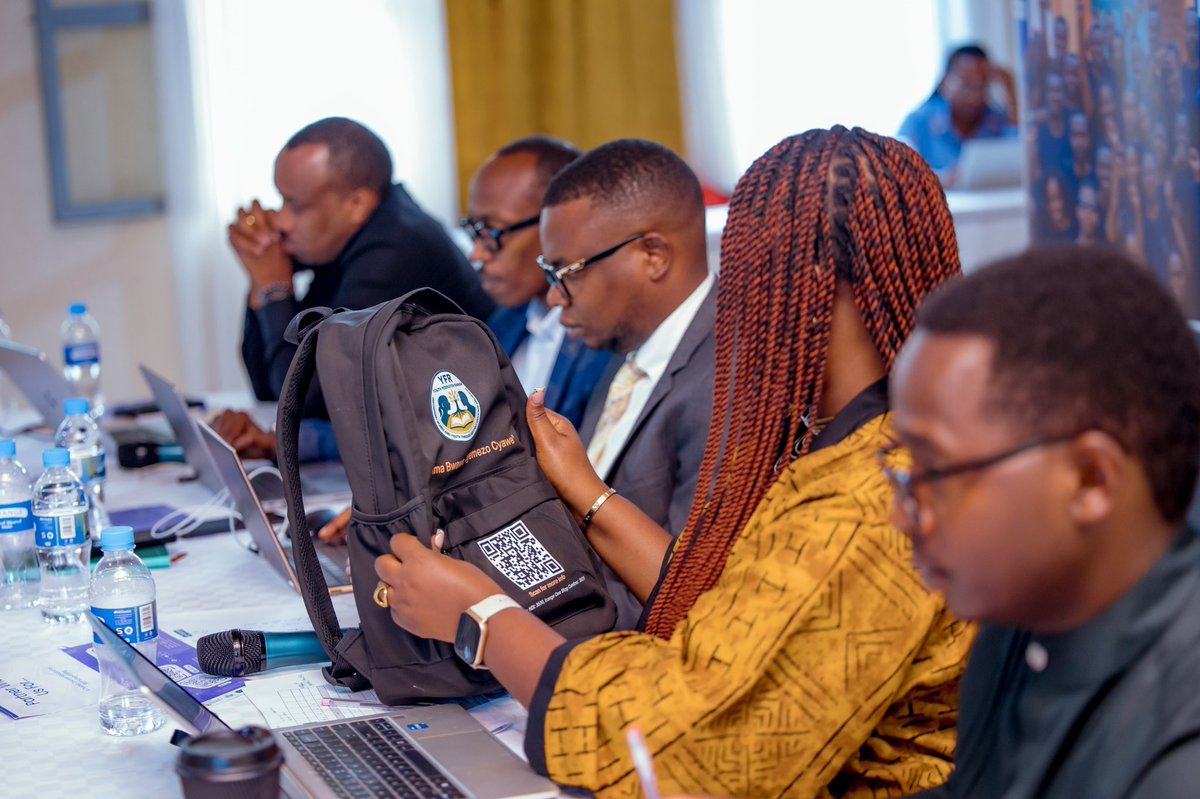
“Agasakoshi k’Ubuzima,” presented by Antipas Irasubiza and team, is a youth-friendly school-based health and hygiene support bag that provides menstrual products, hygiene materials, and SRH education for students.
It also includes a QR code linking to digital SRH information, offering a private and practical learning tool that supports dignity, privacy, and better health knowledge in schools.
#iAccelerator7
Sano Kizito Jean presented his project, Mensis Care, a mobile health app designed to support reproductive health through a private, evidence-based digital platform. It features a Kinyarwanda-first menstrual tracker that helps users understand fertility and health patterns, reducing the risk of unplanned pregnancies.
The app also includes a privacy-focused AI assistant that provides anonymous answers to sensitive reproductive health questions. Its content is developed by University of Rwanda medical students and aligned with Ministry of Health protocols to ensure accurate and reliable guidance.
Lady’s Essence is a digital health platform that supports women and families from adolescence through motherhood. Developed by Desiré Bikorimana, it offers services such as menstrual tracking, pregnancy guidance, antenatal reminders, newborn vaccination scheduling, and confidential telehealth consultations.
It also includes a parental dashboard for tracking multiple family members’ health and USSD access for basic phones, ensuring inclusivity for rural communities and persons with disabilities.
#iAccelerator7
INTAMBWE Pads developed by Fabrice Habonimana and team, is a youth-led initiative that produces affordable, biodegradable sanitary pads from banana pseudostem waste. It aims to reduce menstrual poverty by providing safe and accessible menstrual products for girls and young women, especially those from low-income backgrounds.
The project also promotes environmental sustainability by recycling agricultural waste and creating eco-friendly hygiene products. In addition, it supports youth employment while offering a dignified and sustainable solution to menstrual health challenges.
#iAccelerator7
Africa Health Connect & TeleMedAfrica, initiated by Iradukunda Daniel and team, is a youth-focused digital health solution in pilot phase built on the BAHO telemedicine ecosystem. It improves access to confidential mental health and SRH services for young people.
The platform uses web and mobile apps, USSD, chatbots, call centers, video consultations, and community health workers to ensure accessible care and reliable health information regardless of location or internet access.
#iAccelerator7
SafeCircle, initiated by Valens Iradukunda and team , is an anonymous digital platform (web, mobile, and USSD) that supports Rwandan teens with sexual and reproductive health, menstrual health, and mental health education and support without requiring personal identification.
It provides features such as anonymous questions, expert sessions, moderated discussions, learning courses, a mental health diary, scenario-based learning, cycle tracking, and links to youth services, with USSD and audio options to ensure accessibility in Kinyarwanda and English.
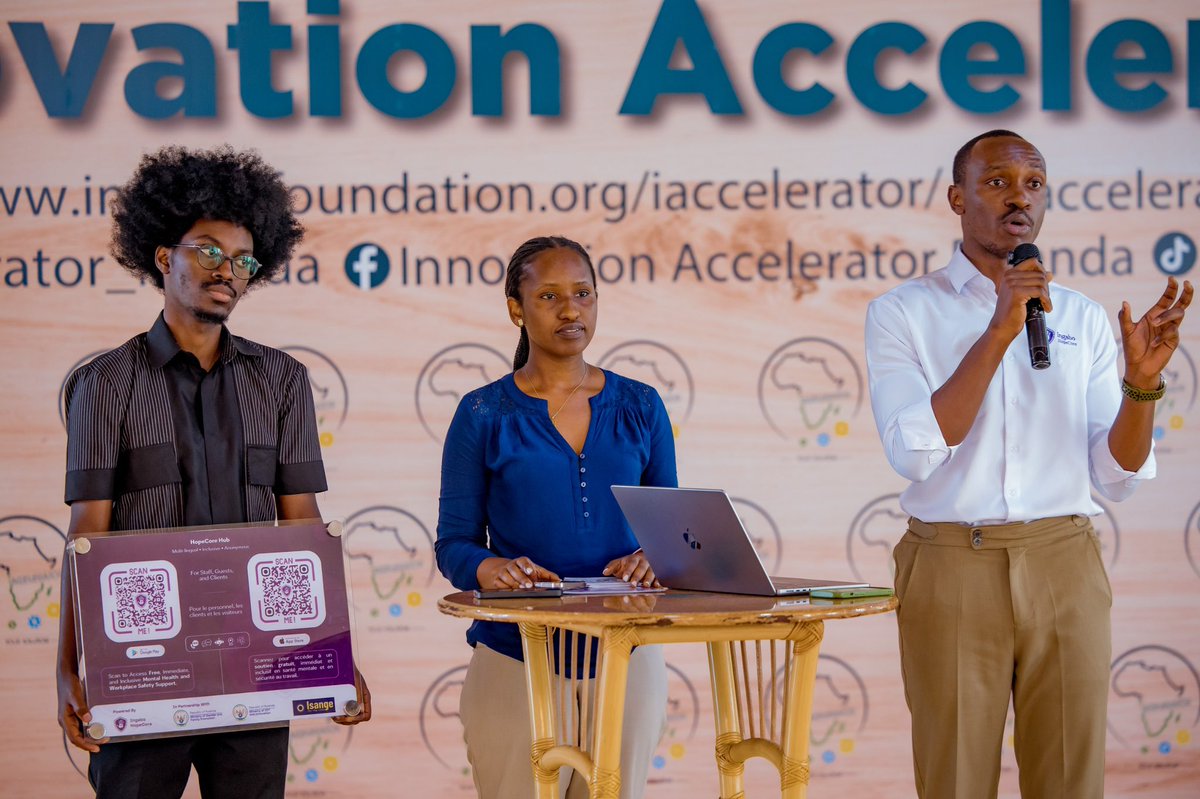
HopeCore Hub, initiated by Jehovanis Manirakomeye and team, is a mobile and web platform that supports Rwandan youth facing mental health challenges, particularly those related to gender-based violence. It provides confidential, 24/7 multilingual support through Mahoro AI, where users can talk freely, receive guidance, and get emotional support.
The platform also includes a survivor forum for anonymous peer sharing to reduce stigma and isolation, and connects users needing in-person care to services through the Isange Map and referral systems such as Humura and other partner support services.
#iAccelerator7
NTUSIGARE (“Don’t be left behind”), initiated by Gihozo Merveille, is a voice-first USSD hotline that provides youth, including persons with disabilities, access to HIV prevention, mental health support, and menstrual health services without needing internet or smartphones.
Users select services through a Kinyarwanda voice menu and share only their village for privacy. Requests such as HIV self-test kits, counseling, or menstrual pads are delivered within 48 hours, with accessible options like voice, SMS, and doorstep delivery ensuring inclusive and stigma-free access.
#iAccelerator7
UBUZIMA BWIZA Connect (UBC), initiated by Patrick Ugiririmbabazi and team, is an integrated mental health screening and support program embedded in HIV and SRH services across three district hospitals. It supports adolescents and young people living with HIV (ALHIV) and orphans and vulnerable children (OVC).
The program uses WHO mhGAP, PHQ-9, and GAD-7 tools to screen patients during routine visits, with results recorded in an electronic system that enables referrals when needed. It also includes peer support sessions and tracks mental health, viral suppression, and SRH outcomes.
#iAccelerator7
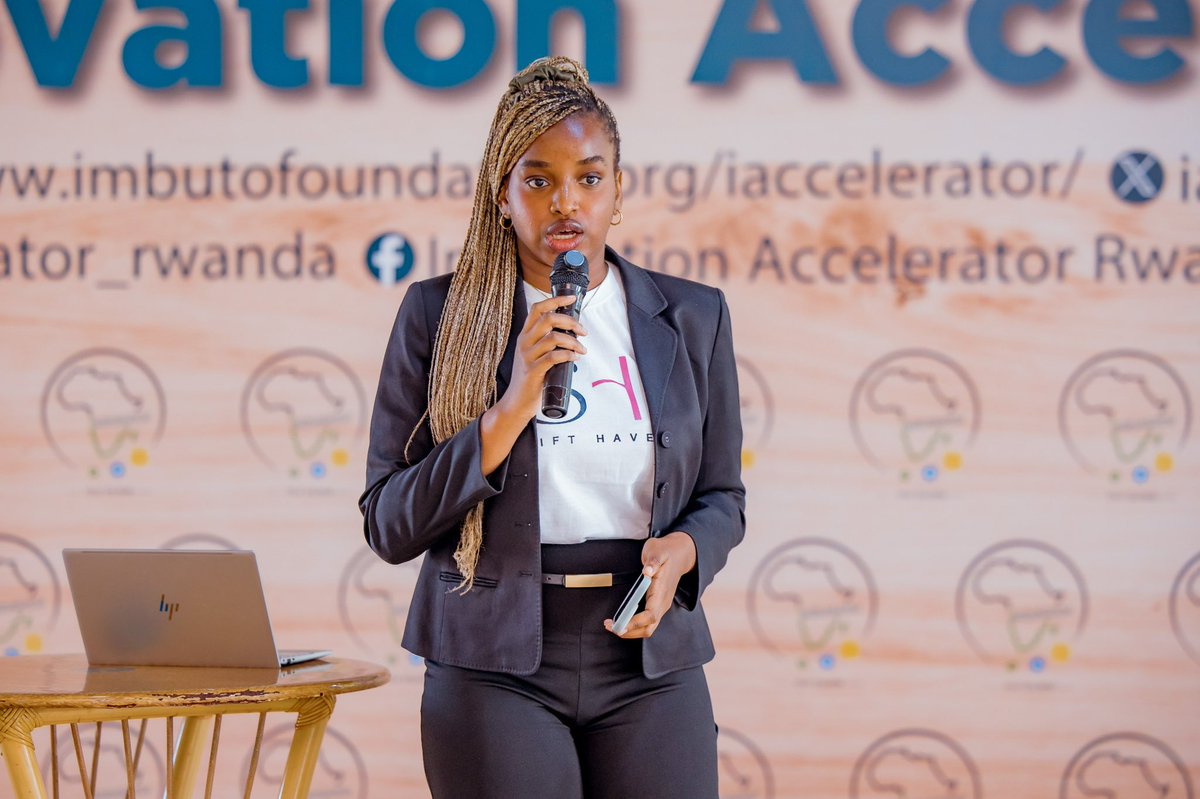
Swift Haven Africa, developed by Egbunike Theodora Ngozi and team, is a proposed menstrual health system designed to provide consistent, stigma-free access to sanitary pads for secondary school girls in Rwanda.
It will use an RFID card system for private pad collection through smart dispensers in schools, and a real-time impact dashboard for schools, NGOs, and partners to monitor usage and track distribution, improving transparency and accountability in menstrual health support.
#iAccelerator7
STEPS Awareness, led by Alain Nshimiyimana, is a community and youth-focused initiative aimed at breaking stigma around mental health and substance use disorders while promoting a culture of seeking help instead of judgment. It targets adolescents and the wider community through awareness and education.
The initiative uses media partnerships with ISHUSHO TV, RBA, and ISHYA to air monthly TV shows, delivering 46 episodes in 2025. It also runs NITWEBIREBA drug abuse awareness clubs in 35 high schools and at the IWAWA Rehabilitation Center, alongside 56 community awareness events to strengthen outreach and education.
#iAccelerator7
MunaCare, developed by Niyigena Marie Claire and team, is an early-stage (prototype) solution designed to improve menstrual health accessibility for visually impaired users and people with low literacy in Rwanda. It features an inclusive menstrual hygiene kit with Braille labeling and tactile indicators, alongside a planned USSD-based voice system that delivers menstrual health education in Kinyarwanda.
The project has not yet been launched commercially and is currently preparing a minimum viable product (MVP) for pilot testing with 10–30 users in collaboration with schools and disability organizations in Rwanda.