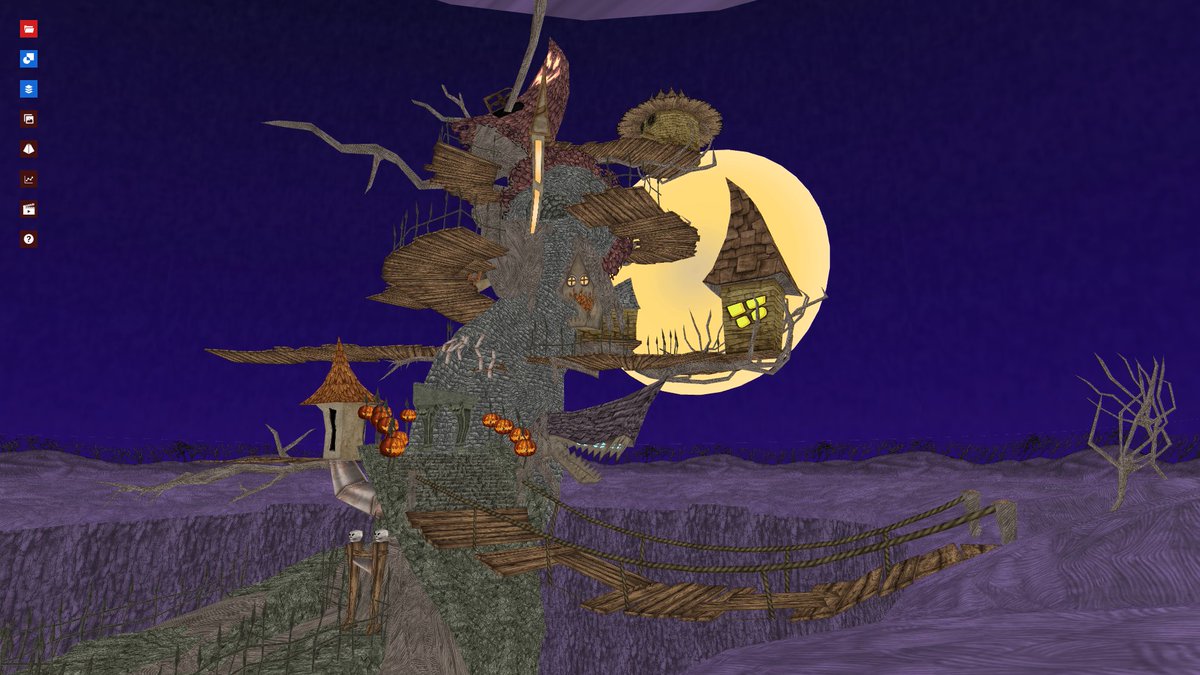
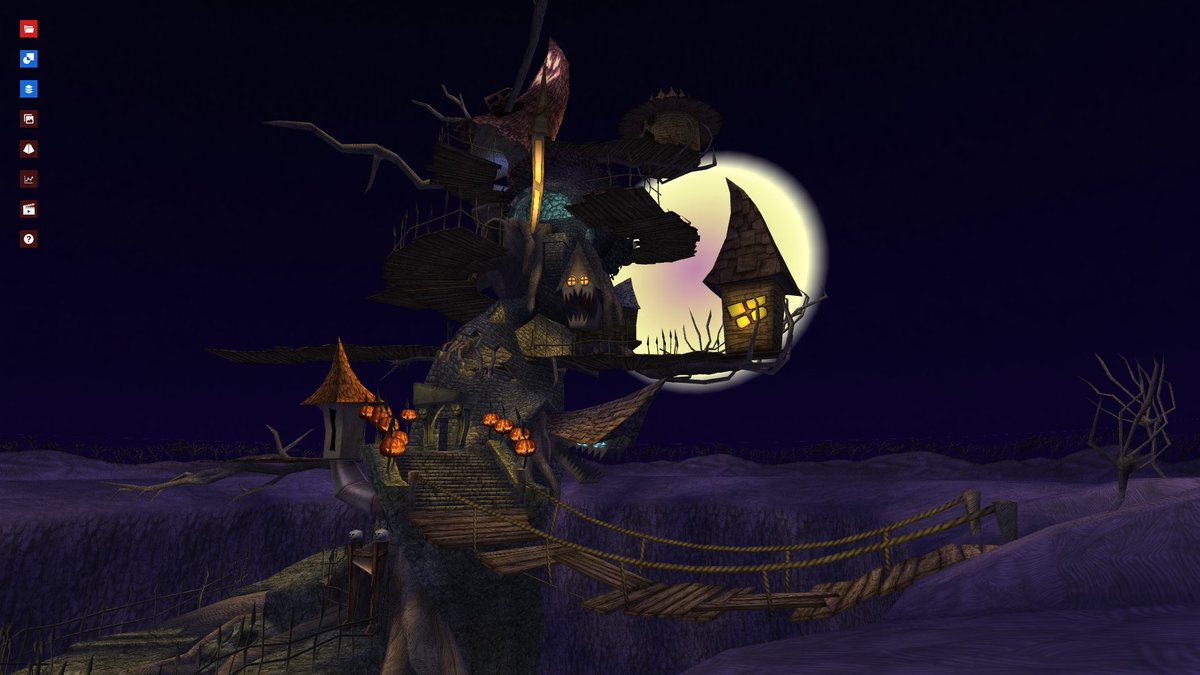
I made this account as a way to keep all of my game dev-related stuff nice and organized, without having to dig through memes and gameplay and such.
Will be posting all of the stuff I’ve worked on so far, starting from square one.
in gamedev there's no such thing as being stuck or blocked. even if you're struggling in certain areas, there's *always* something simple and obvious you can be working on to push the project forward
our indie game:
- visuals inspired by Breath of the Wild
- action roguelike hack and slash
- single player or 4p co-op (SOON!)
- chaotic, fast-paced combat
Another small update on the Kingdom Hearts-like prototype. I added basic menus, magic, and abilities. Combat is feeling pretty good so far. I may make jump/dodge cancelling an ability, but we’ll see.
#gamedev#blackgamedev#indiegamedev#opengl
Currently working on a Kingdom Hearts-like prototype and blocking out what I’d like the character to be able to do. I’m really trying to get a similar game feel to KH1 mixed with KH2, and I’d say that’s going pretty well so far.
#gamedev#indiegamedev#android
Here are a few tips for creating run cycles for games:
1. Focus on distinctive weight
2. Exaggerate the weight via timing and overlap
3. Prioritize clean arcs to help the player track the player character traversing through the world
4. Start from the passing position for fluidity
5. Choose a specific leading edge...
And more! Check out the full video with all the tips: https://t.co/IBCkSPjs37
I'm starting a series on my YouTube channel about the art of game animation. I've also been getting more requests for me to teach, so I'm putting together a few animation courses. Stay tuned for those!
I'm going to be brutally honest. I'm making my own game but most of the time I have no idea what's going on. I just hope somehow it leads me to creating something okay in the long run
More abilities. Dash Strike (still working on the name lol). Gap closer and deals a lot of poise damage. Going to work on levels next. #indiedev#gamedev
🔧 We’ve put a lot of effort into upgrading Rascal's face rig to give our artists greater flexibility in crafting a broader range of emotions.
🔎 Here's a quick peek at some of the rig's new features and abilities.
New version of The Models Resource just dropped adding an awesome 3D model viewer right into the website so you can now preview models without needing to download them!
I've been working on a #KingdomHearts-inspired game for over 3 years now.
It's been a ton of fun making my first solo game based off my favorite game franchise! ❤️
#IndieDev | #GameDev | #LuminousNights
Learning gamedev is hard. It combines multiple creative and technical disciplines, many of which have punishingly steep learning curves. So motivation is often a problem early on. It's easy to feel defeated every step of the way, and giving up is the norm.
Having a "Dream Game" can be useful for learning in this regard. A Dream Game can provide that boost of motivation you need to get through the hopeless times. You can channel your passion and vision into the determination to learn. Conversely, working on small games can be massively demotivating. I don't want to make Breakout or Flappy Bird, I want to make Chrono Trigger. I want to flex my creativity and my game design intuitions, I want to build something amazing. And here I am, struggling so hard to make a game I don't even care about. What's the point.
This is why it's so common for new devs to work on huge dream projects as a vehicle for learning the craft. And as long as you're learning, that's great. But you must understand that this game is your sacrificial lamb. You will never finish it. Granted, some devs do manage to succeed at the "learn while I build my Dream Game" strategy - Stardew Valley comes to mind. But almost everyone else will fail, and for a few reasons.
The first is that you cannot size a project unless you know what it takes to finish. How long do you want to be working on this Dream Game? 4 years? Okay, so how are you supposed to know what a 4-year game looks like? Unless you've finished a game before, you cannot know. You've likely misjudged the effort it'll take by an order of magnitude.
Secondly, finishing a game requires its own set of disciplines. There's so much to learn about putting out a commercial product. Have you considered graphics options? Resolution, framerates, vsync? Audio settings? Accessibility? Localisation? Do you know what it takes to QA a game? Do you know how to configure builds and depots on Steamworks? Do you really want to be encountering all this stuff for the first time at the very end of a giant 6-year project?
Thirdly, it's easy to get bogged down and stymie your learning when you have such a large game to make. You can lose six months working on animated cutscenes before you've even learned how to make a pause menu. Everything gets dragged out, and inevitably you end up remaking huge chunks of the game as you come to realise that your early work was amateur trash - as is to be expected.
Lastly, dream projects provide far too many distractions from actually learning game developement. Writing lore. Drawing concept art. Dialog. GDDs. These are low value tasks, but they're so much fun that you can easily spend all your time on them. And before you know it, it's been weeks since you opened your project file.
Finishing and releasing small, simple games is the remedy to all these problems. Make a warioware-style minigame, make tetris, make a shmup, make a 10-minute avant-garde experimental FPS hallucination simulator. It doesn't matter, just make a game that people can download and play, then make another one.
You can still build your Dream Game. Just later. If anything, it deserves to be tackled properly, by a dev who's got some real holistic experience under their belt.