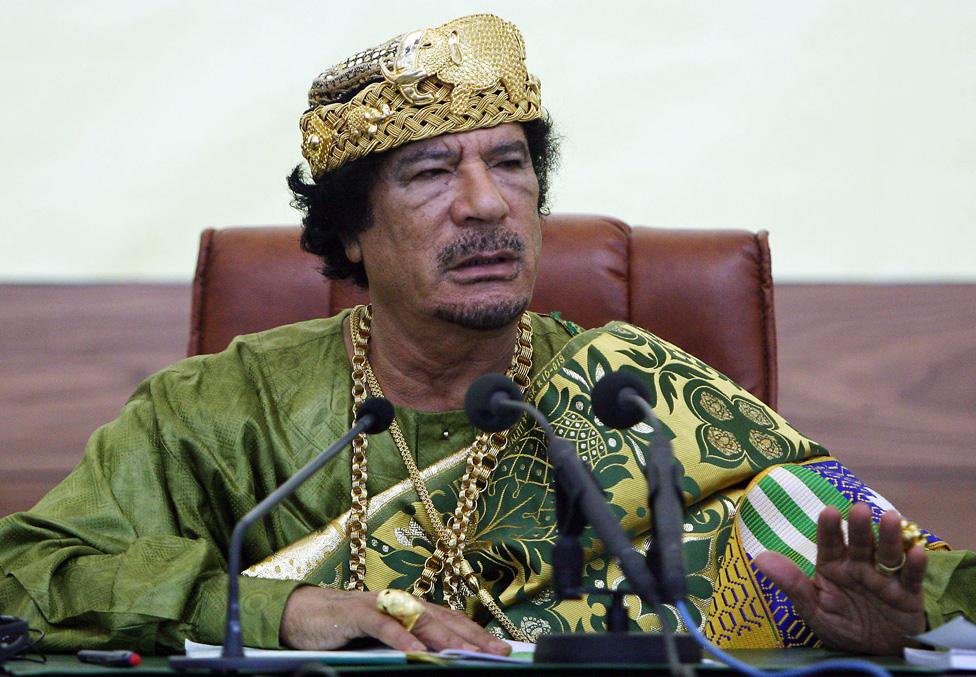
Nkrumah once said that a divided Africa can be negotiated with, pressured, and exploited one country at a time. A united Africa changes the balance of power. That's the reality today: we are being summoned, divided, and exploited; we have no choice but to unite.
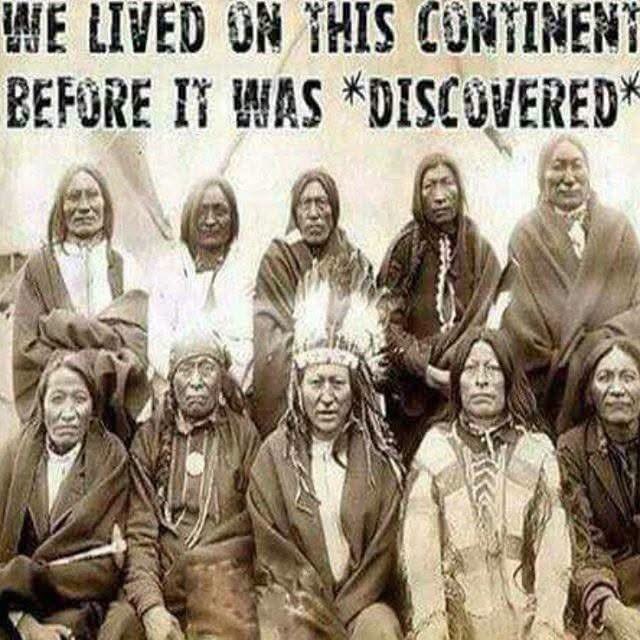
These are the one's who discovered America
And should be taught in our history books
Not the false storyline they give about Columbus discovery America
Anyone dismissing the caribbean influence on the Harlem Renaissance dont know what the Harlem Renaissance was and should be ignored
The collags is missing >>>
Gladys Bentley🇹🇹 a major star at Harlems nightclub and one of the first widely known openly Black lesbian.
Casper Holstein 🇻🇮 philanthropist who financed dormitories at Southern black colleges and supplemented the income of a number of Harlem Renaissance artists and supported starving Harlem children
Eric Walrond 🇬🇫 and Jacques Roumain🇭🇹 literary giants who bridged the gaps between the carobbean and radical Harlem
Stephanie St Clair 🇲🇶aka Queen of Harlem -even the mob and the police feared her. She used her money to finance homes and business for Black New Yorkers.
The brotherhood of sleeping car porters 🇻🇮 The Pullman porters deeply influenced the Harlem Renaissance by serving as a financial backbone, intellectual conduit, and physical distribution network for the cultural movement
There wouldn't be a Harlem Renaissance without people from the Caribbean. It would just be Southerners impact on the northern culture
🇮🇶 Iraq wasn’t about WMDs.
It was about oil.
🇱🇾 Libya wasn’t about democracy.
It was about oil.
🇸🇾 Syria wasn’t simply about chemical weapons.
It was about power, pipelines and oil.
🇻🇪 Venezuela wasn’t really about drugs.
It’s about the world’s largest oil reserves.
🇮🇷 Iran isn’t simply about nuclear weapons.
It’s about oil, strategic power and Israel.
🇿🇦 South Africa isn't about White genocide, it's about diamonds and the case against Israel at the ICC.
🇳🇬 Nigeria isn't about Christians, it's about oil.
🇨🇩 Congo isn’t about peace — it’s about cobalt, copper, gold and other strategic minerals.
🇱🇾 🇮🇶 🇻🇪 🇮🇷 The pattern is clear: whenever strategic resources are involved, suddenly “democracy,” “security,” “terrorism” and “international law” become very important.
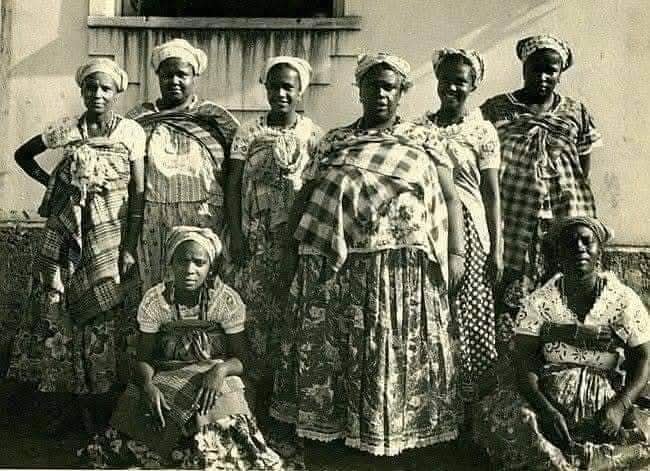
The Gullah are an African American ethnic group who predominantly live in the Lowcountry region of the U.S. states of Georgia, Florida, South Carolina, and North Carolina, within the coastal plain and the Sea Islands.
The Gullah Geechee people are descendants of Africans who were ens|aved on the rice, indigo and Sea Island cotton plantations of the lower Atlantic coast. Many came from the rice-growing region of West Africa. The nature of their enslavement on isolated island and coastal plantations created a unique culture with deep African retentions that are clearly visible in the Gullah Geechee people’s distinctive arts, crafts, foodways, music, and language.
Gullah Geechee is a unique, creole language spoken in the coastal areas of North Carolina, South Carolina, Georgia and Florida. The Gullah Geechee language began as a simplified form of communication among people who spoke many different languages including €uropean s.lave traders, s|ave owners and diverse, African ethnic groups. The vocabulary and grammatical roots come from African and European languages. It is the only distinctly, African creole language in the United States and it has influenced traditional Southern vocabulary and speech patterns.
Credit: GULLAH GEECHEE CULTURAL HERITAGE CORRIDOR COMMISSION
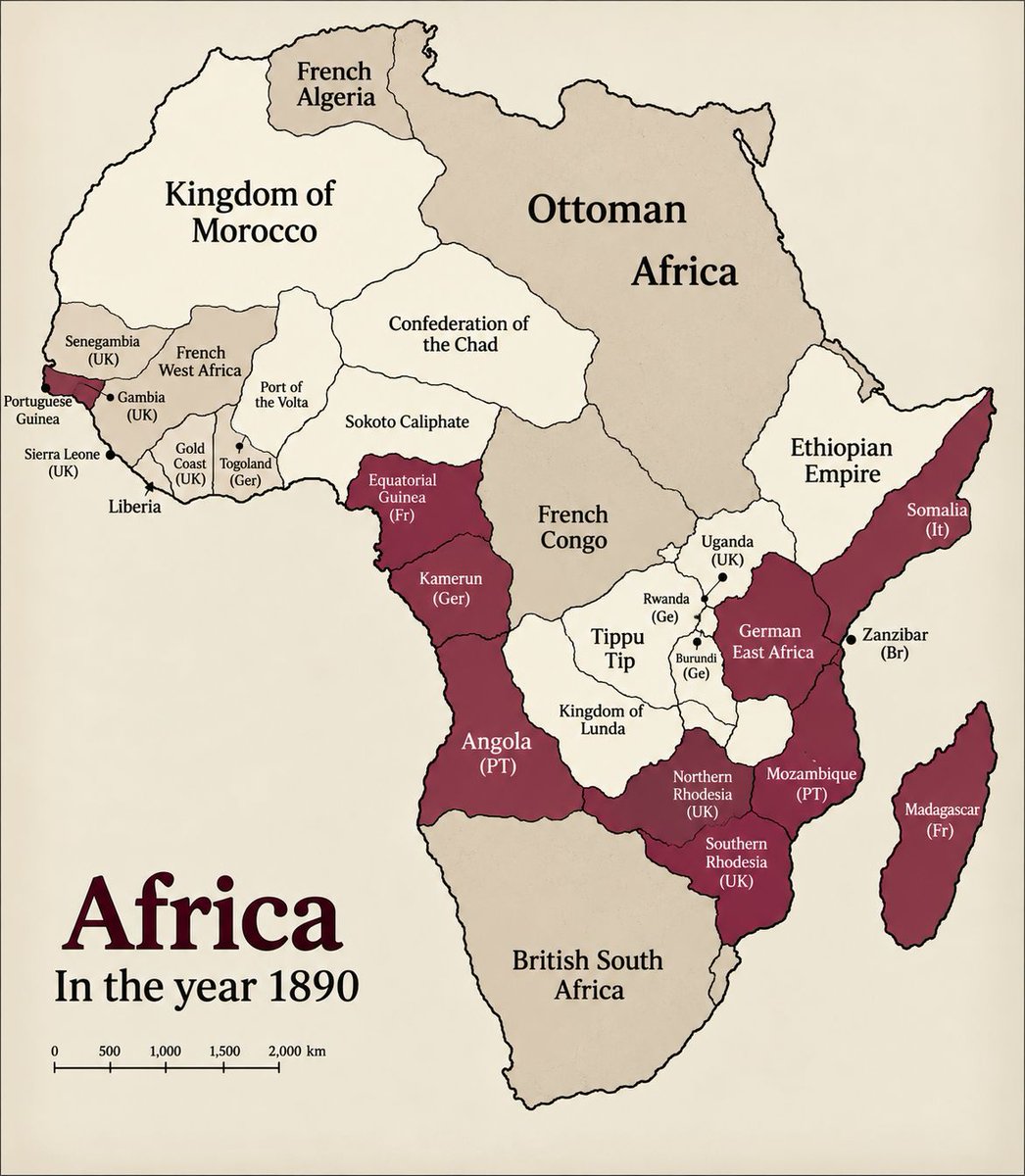
By 1890, the political map of Africa was being transformed at a frightening speed. European powers had spent centuries trading along African coasts, but during the late 19th century they began claiming enormous territories inland. This period became known as the Scramble for Africa, when Britain, France, Germany, Portugal, Italy, Belgium and Spain competed for land, resources and political influence across the continent.
The Berlin Conference of 1884 to 1885 accelerated this process. European governments negotiated rules for recognizing colonial claims without meaningful African representation at the conference. Yet maps from this era can create the misleading impression that Europeans simply arrived and divided an empty continent. Africa was already home to kingdoms, empires, caliphates, city-states and other political societies with their own governments, economies and diplomatic relationships. African rulers and communities responded to European expansion in different ways, including negotiation, accommodation and armed resistance.
Even in 1890, European control was far from complete. Ethiopia remained independent and would famously defeat an invading Italian army at the Battle of Adwa in 1896. Liberia also remained independent, although its history was closely connected to the United States and the settlement of formerly enslaved and free Black Americans. Elsewhere, African states and resistance movements continued fighting colonial expansion long after European governments had drawn claims on their maps.
Nolan Wells didn't drown. Emmett didn't whistle. Philando didn't reach for a gun. Trayvon didn't harass. Sonya Massey didn't call the police to die. Ahmaud didn't trespass. Breonna never woke up. Sean Bell didn't make it to the altar. George and Eric couldn't breathe. Rekia didn't pose a threat. Laquan was walking away. Kendrick did not roll himself up. Mike Brown was only jaywalking. Sandra Bland did not commit suicide. Botham Jean couldnt enjoy his ice cream. Tamir Rice didn't have a gun.