A five-star rating system could help hospitals optimize computed tomography (CT) image quality in terms of dose and reduce unnecessary radiation exposure to patients, according to a new IAEA-led study conducted in collaboration with Massachusetts General Hospital and Harvard Medical School.
Read more: https://t.co/SFacyKaRmV
For more than four decades, Malaysia has worked with the IAEA to build the institutions, technology and skilled workforce needed to establish an advanced non-destructive testing programme.
Today, Malaysia is sharing its expertise with other Asia-Pacific countries, strengthening capacities across the region.
Find out more: https://t.co/x1crH6nn4M
Deuterium dilution data in, body composition out.
@iaeaorg has launched an online calculator that reports total body water, fat mass and fat-free mass in one step. Lead story in NAHRES Newsletter No. 24.
https://t.co/9Q9tnkMCiu
#Nutrition#NuclearScience
#ISTR2027 is open for abstracts and exhibitor applications.
The International Symposium on Trends in Radiopharmaceuticals brings the global community to Vienna, 21–25 June 2027.
Upcoming deadlines:
🏢 Exhibitors: 30 Oct 2026
📄 Abstracts: 30 Nov 2026
https://t.co/fF8KWm7Fhy
Pistachios, a healthy & delicious treat, can harbour deadly and carcinogenic aflatoxins – but a new nuclear technique has been helpingPistachios, a healthy & delicious treat, can harbour deadly and carcinogenic aflatoxins – but a new nuclear technique has been helpingPistachios, a healthy & delicious treat, can harbour deadly and carcinogenic aflatoxins – but a new nuclear technique has been helpingPistachios, a healthy & delicious treat, can harbour deadly and carcinogenic aflatoxins – but a new nuclear technique has been helpingPistachios, a healthy & delicious treat, can harbour deadly and carcinogenic aflatoxins – but a new nuclear technique has been helpingPistachios, a healthy & delicious treat, can harbour deadly and carcinogenic aflatoxins – but a new nuclear technique has been helping.
Treating a child with cancer takes a whole team: oncologists, nurses, medical physicists, radiographers, working in sync.
A new IAEA framework lays out how to train and build these multidisciplinary paediatric cancer care teams worldwide.
https://t.co/lD4vSMbG6o
#RaysOfHope
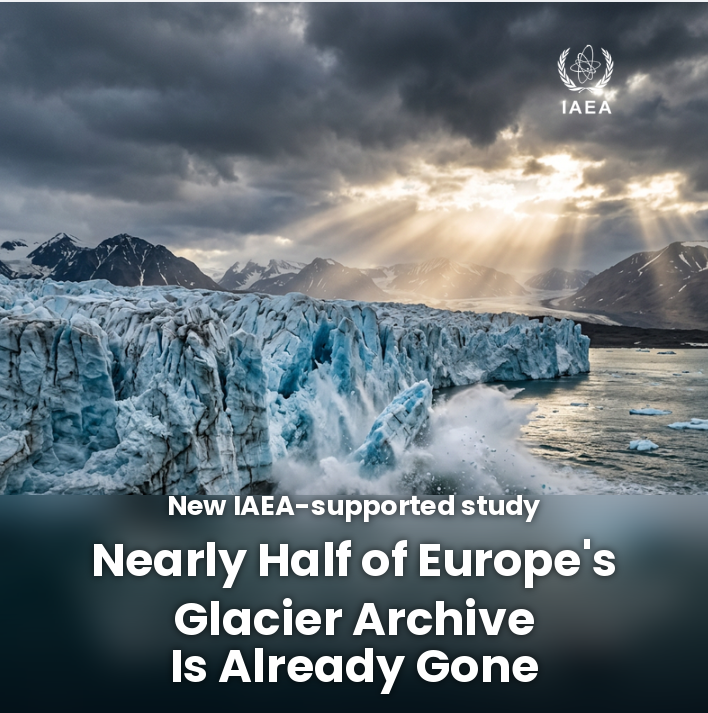
Nearly half the climate record locked in Europe's glaciers is already gone, and it won't come back. A new IAEA-supported study in @CommsEarth used isotope fingerprints from 61 glaciers on 5 continents to track the loss. Full study: https://t.co/AN21XPYB7b
🔍 In 2022, experts at @NatGalleriesSco made an X-ray scan of Vincent van Gogh’s ‘Head of a Peasant Woman’ painting and found an astonishing discovery — a hidden portrait of the artist himself!
Learn the science behind this discovery via #NuclearExplained: https://t.co/45cFAgL6SD
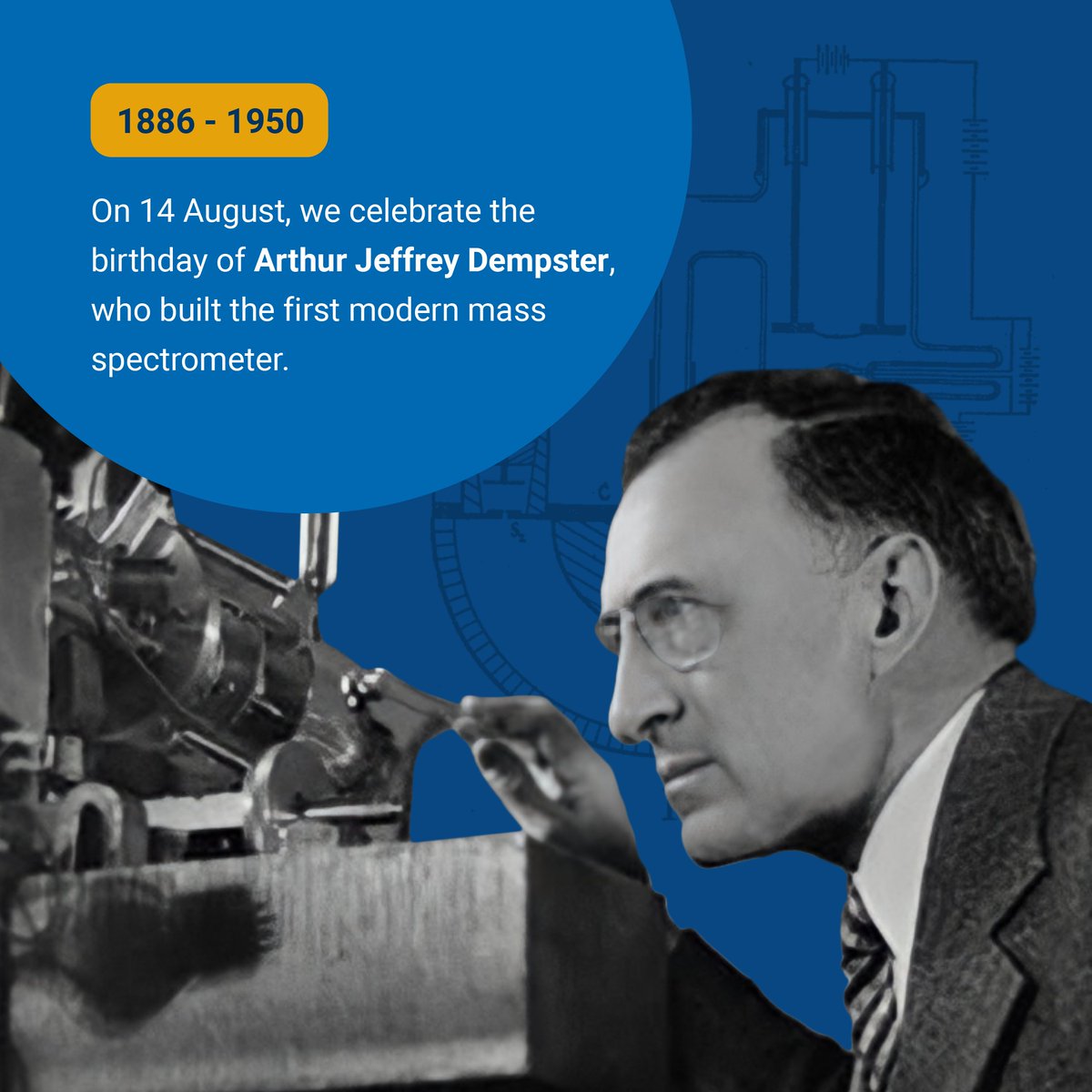
Today, we celebrate the birthday of Arthur Jeffrey Dempster, who built the first modern mass spectrometer.
A mass spectrometer is a machine that uses radiation to separate and measure charged particles in a material or sample. It is widely used in both industry and academia, as well as the work of the IAEA
for research and development and for analysing and testing materials.
As Dempster’s machine was 100 times more accurate than its predecessors, it meant he now had a tool sensitive enough to help him discover uranium-235. U-235 is a naturally-occurring chemical element and one of the most widely used materials for nuclear fission. Nuclear fission is what happens inside of a nuclear reactor, which then produces heat that is transformed into energy.
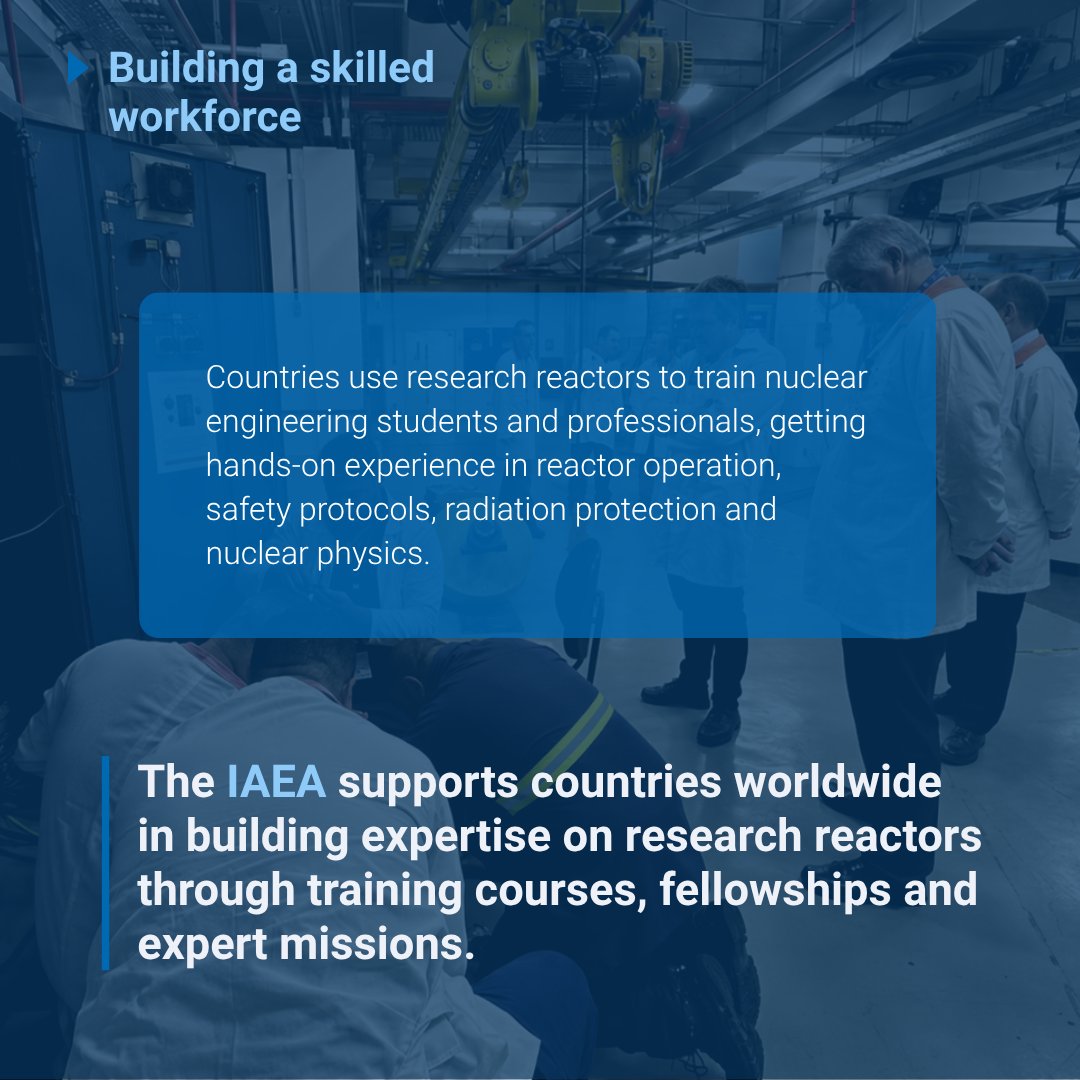
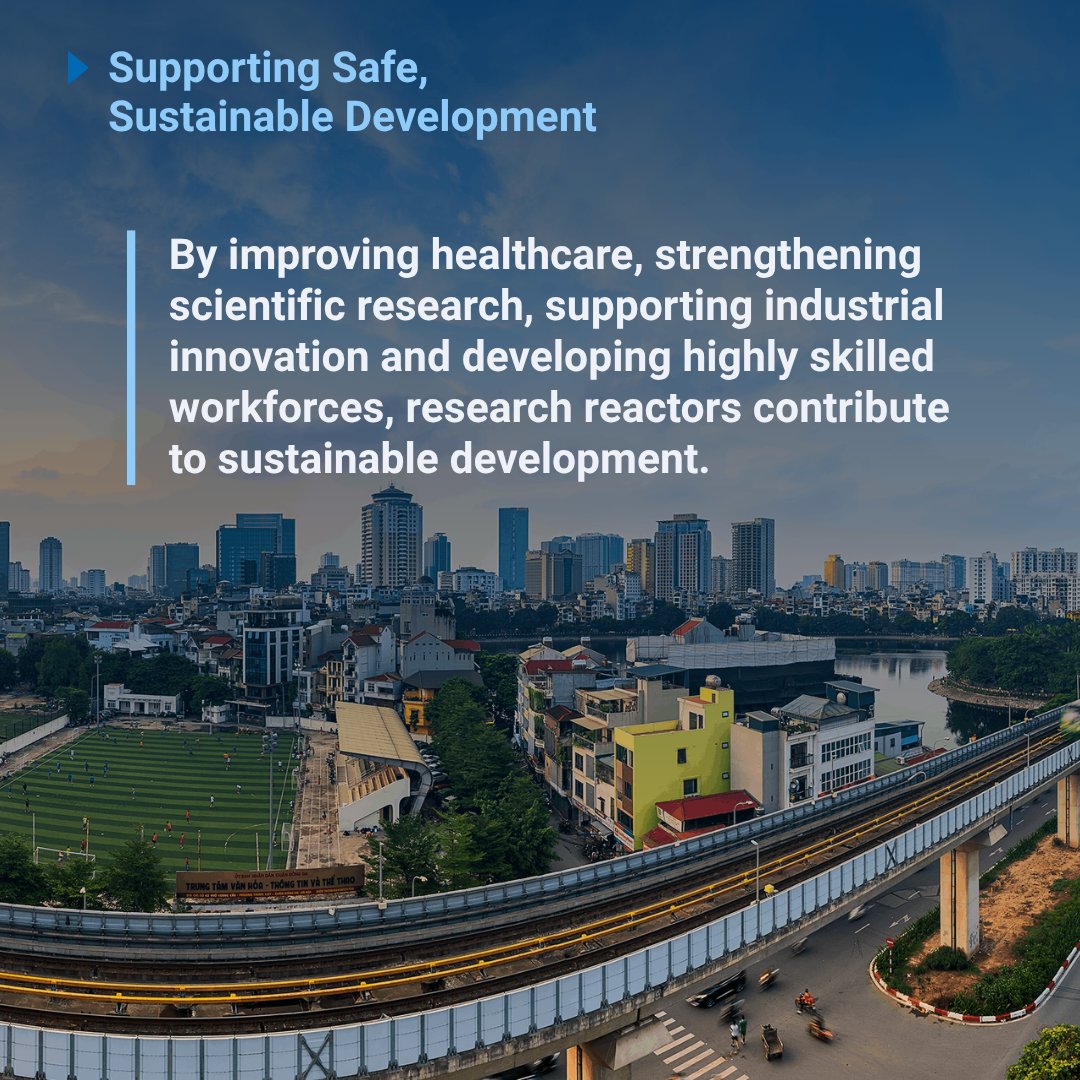
Research reactors may be far smaller than nuclear power plants, but their impact is enormous. They play a vital role in producing medical isotopes, developing advanced materials, driving scientific breakthroughs, and training nuclear professionalsResearch reactors may be far smaller than nuclear power plants, but their impact is enormous. They play a vital role in producing medical isotopes, developing advanced materials, driving scientific breakthroughs, and training nuclear professionalsResearch reactors may be far smaller than nuclear power plants, but their impact is enormous. They play a vital role in producing medical isotopes, developing advanced materials, driving scientific breakthroughs, and training nuclear professionalsResearch reactors may be far smaller than nuclear power plants, but their impact is enormous. They play a vital role in producing medical isotopes, developing advanced materials, driving scientific breakthroughs, and training nuclear professionalsResearch reactors may be far smaller than nuclear power plants, but their impact is enormous. They play a vital role in producing medical isotopes, developing advanced materials, driving scientific breakthroughs, and training nuclear professionalsResearch reactors may be far smaller than nuclear power plants, but their impact is enormous. They play a vital role in producing medical isotopes, developing advanced materials, driving scientific breakthroughs, and training nuclear professionals.
Can artificial intelligence help us better understand and protect water resources?
The IAEA is exploring this through a Coordinated Research Project that combines AI and isotope hydrology to improve water resource management.
By integrating isotope data with machine learning, satellite observations, and environmental monitoring, scientists can gain deeper insights into groundwater systems, identify emerging trends, and support evidence-based decisions for sustainable water management.
As growing water demand puts increasing pressure on freshwater resources, innovative tools like AI can help improve how we monitor and manage this vital resource.
🔗 Read more: https://t.co/MCJZ7bSTEa
It’s #WorldBreastfeedingWeek.
The 2026 theme is "Breastfeeding for a sustainable start in life: strengthen what works," focuses on tracking progress, evaluating impact, and scaling proven approaches that improve breastfeeding outcomes.
The IAEA unique human milk database is helping countries prioritize breastfeeding and support mothers to make evidence-based decisions through its research.
👉 https://t.co/yeGbkPxc1w
Breastfeeding supports healthier babies and mothers. @IAEAorg helps countries track breast milk intake using stable isotopes to support better nutrition policies. Our Human Milk Database opens for public requests later this year! #WorldBreastfeedingWeek#GlobalHealth
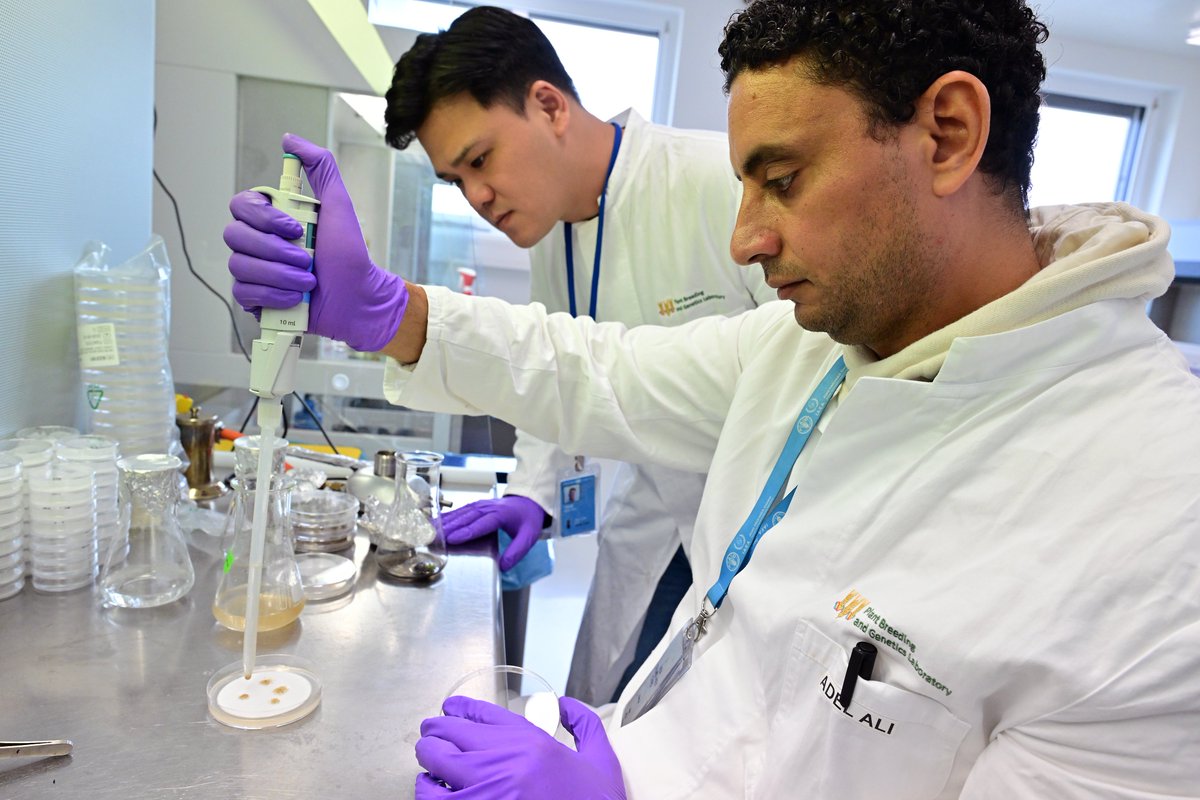
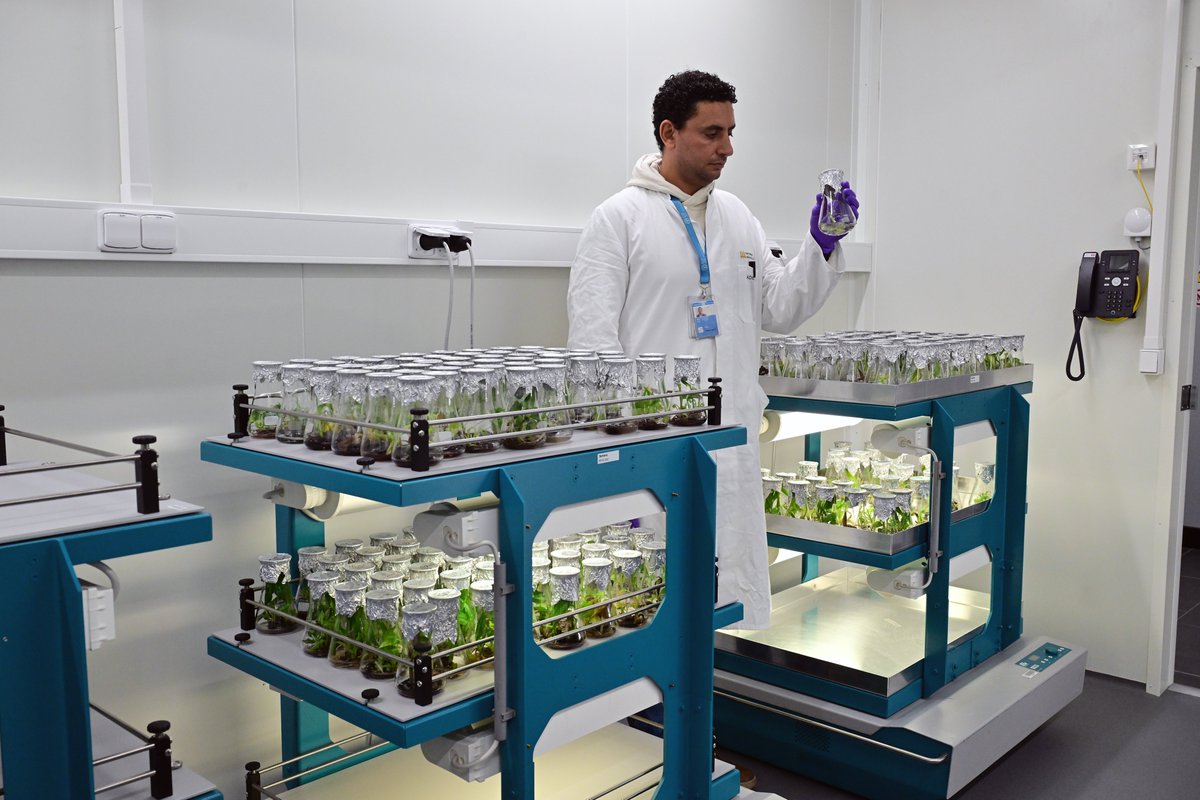
🌍 From the laboratory to farmers' fields, nuclear science is improving agriculture.
Through mutation breeding and biotechnology, @IAEAorg helps countries develop better crop varieties with enhanced performance and resilience, contributing to more sustainable food systems.
🔬 Bringing isotope hydrology to the classroom
At the 51st Intl Nathiagali Summer College, @IAEAorg experts shared how #IsotopeHydrology supports groundwater studies, environmental monitoring & advanced water-resource research with young scientists in Pakistan.💡🌍
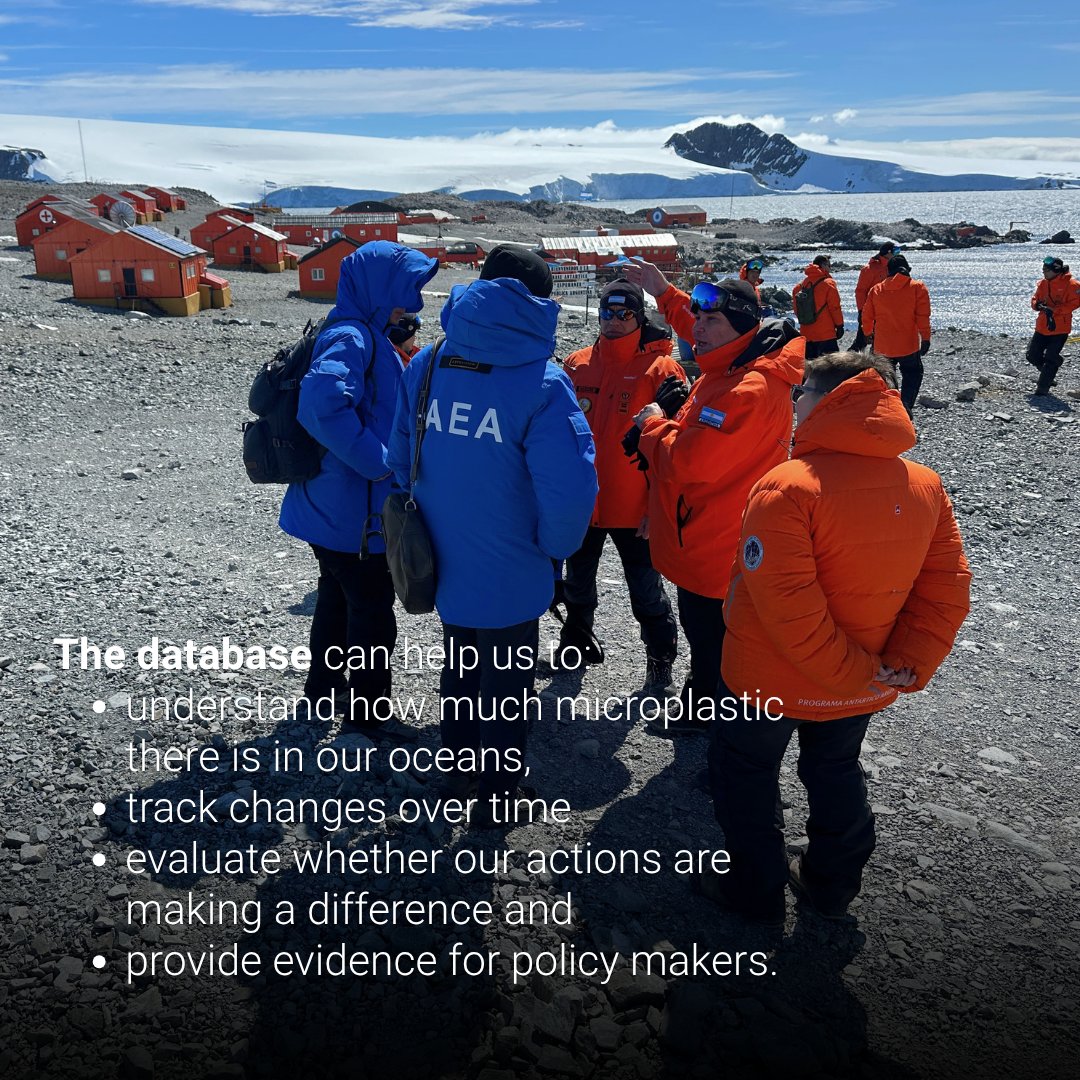
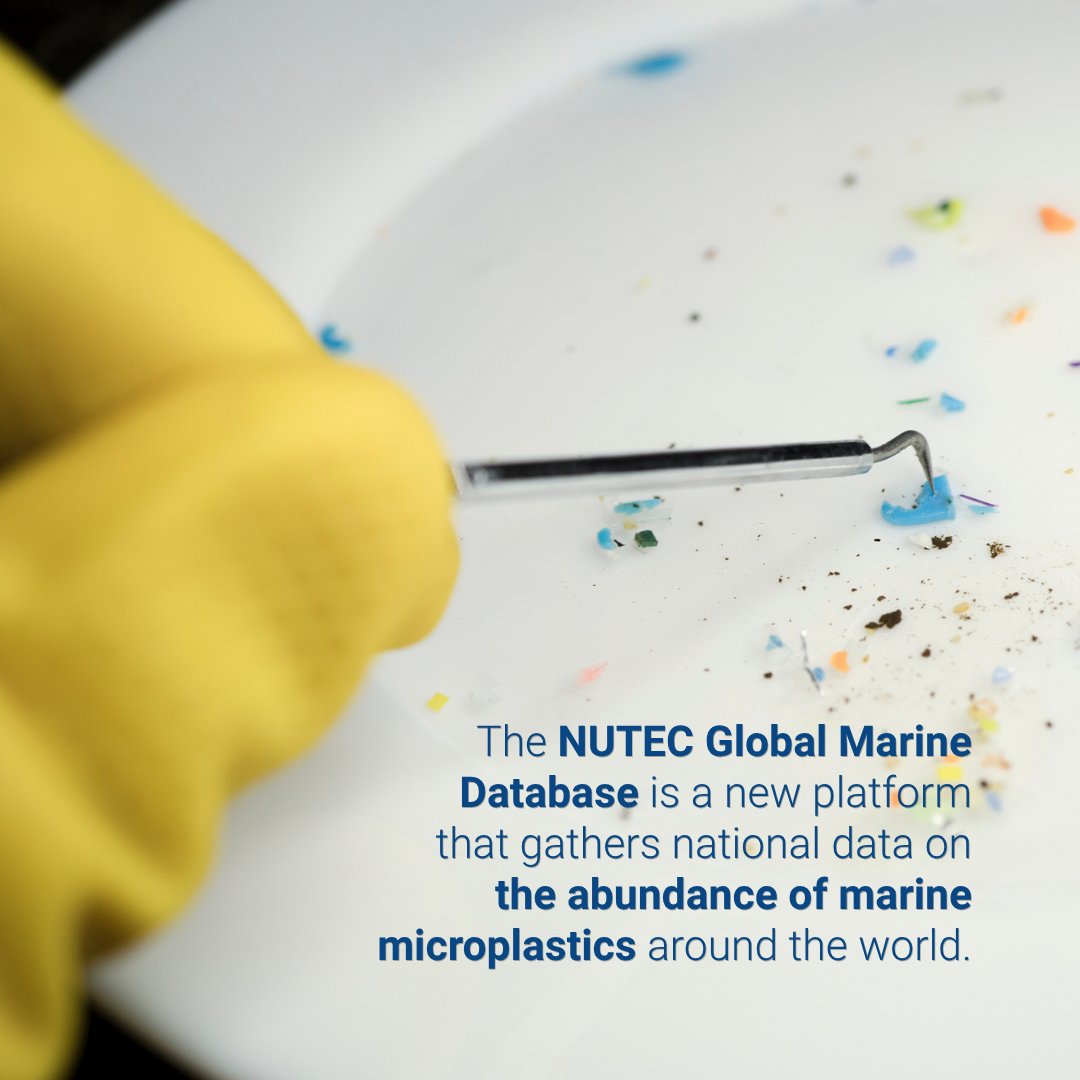
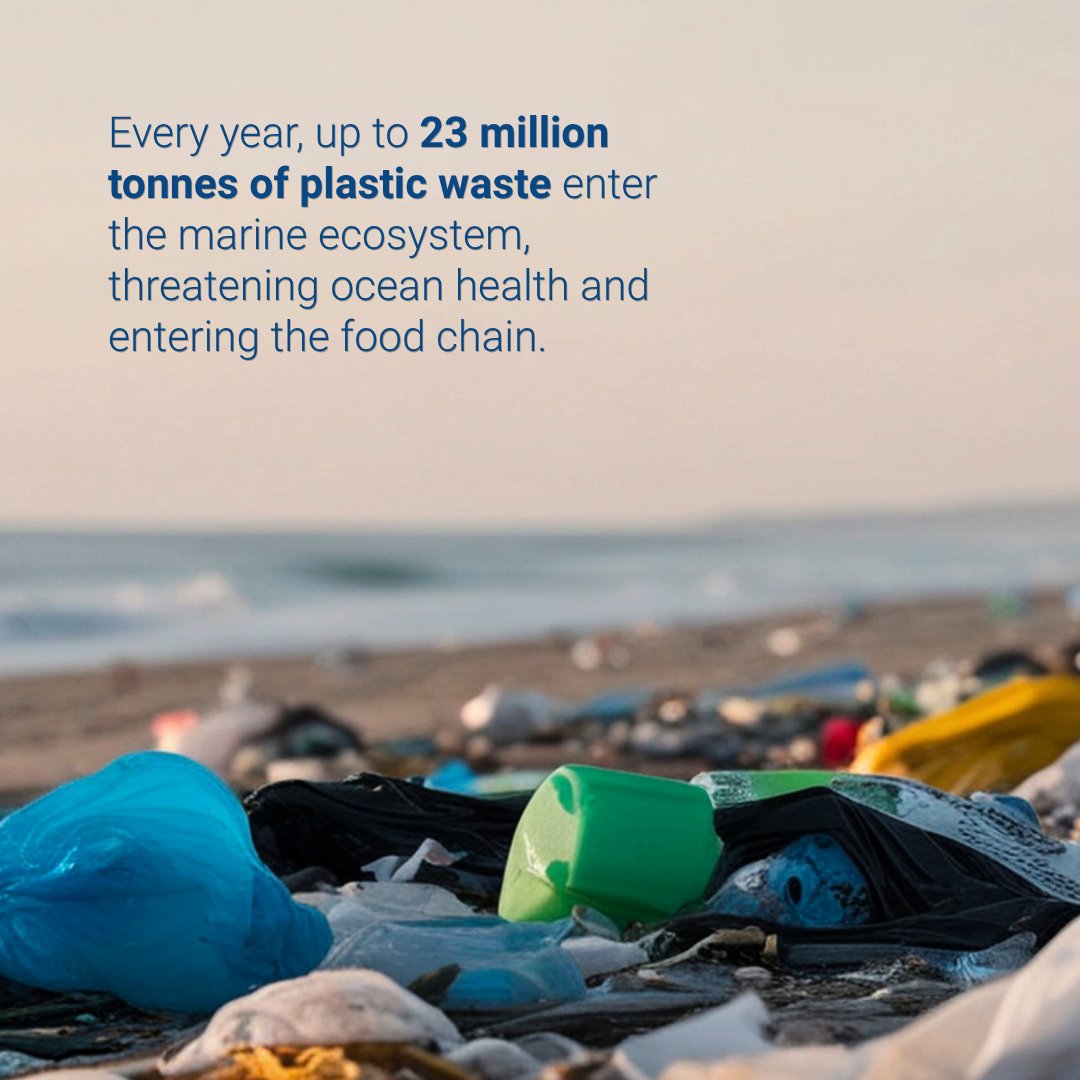
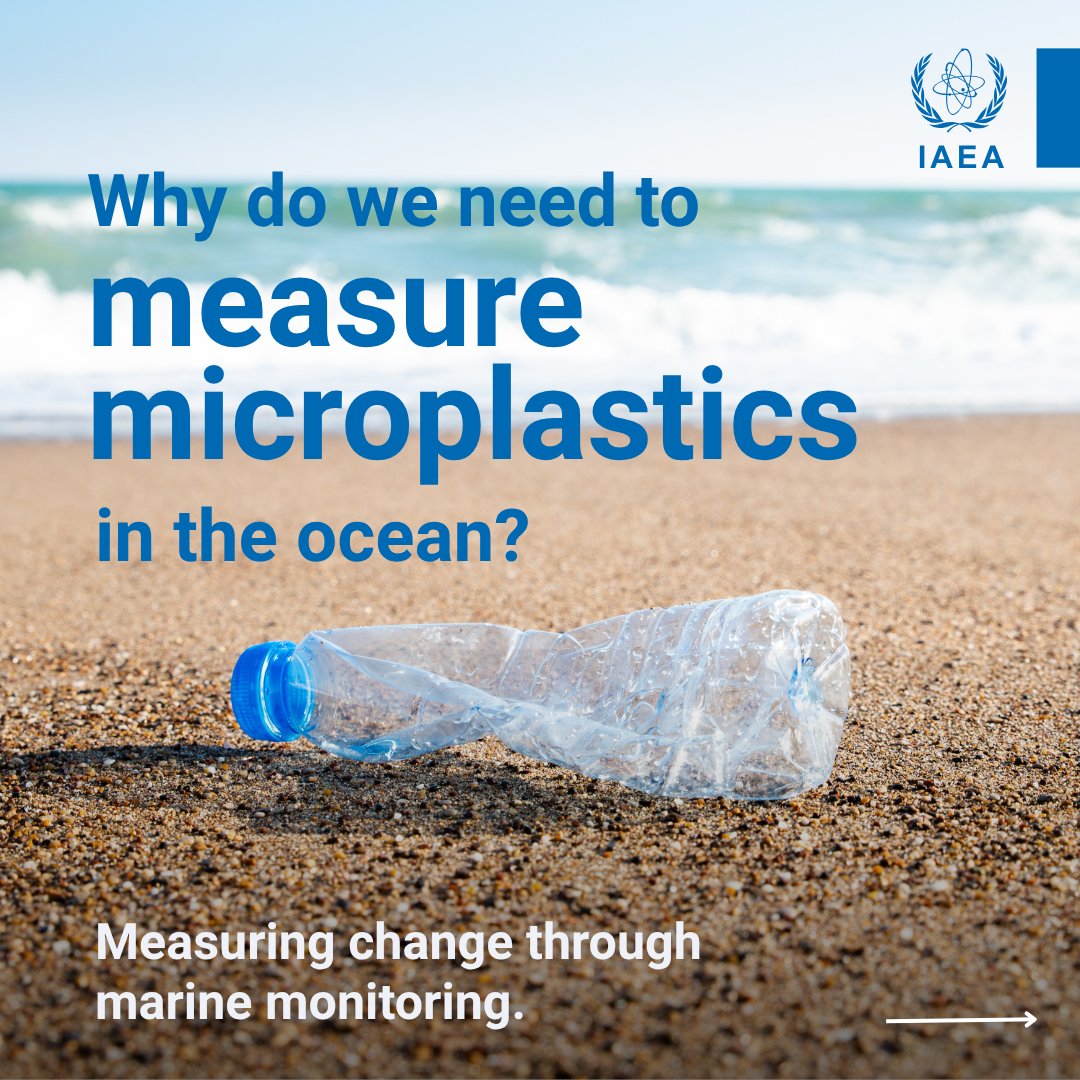
The NUTEC Plastics Global Marine Monitoring Platform is designed to strengthen international collaboration and knowledge sharing on the amount and trends of microplastics in marine and coastal zones.
Learn more about the NUTEC Plastics initiative: https://t.co/79XIS5F2bL
🚨Join the future of water management with AI & nuclear science!
@IAEAorg is launching a new CRP exploring how AI & isotope hydrology can improve water resource management — strengthening digital twins and decision-making.
📅 Apply by 31 August
👉More: https://t.co/klYwUec1Mv
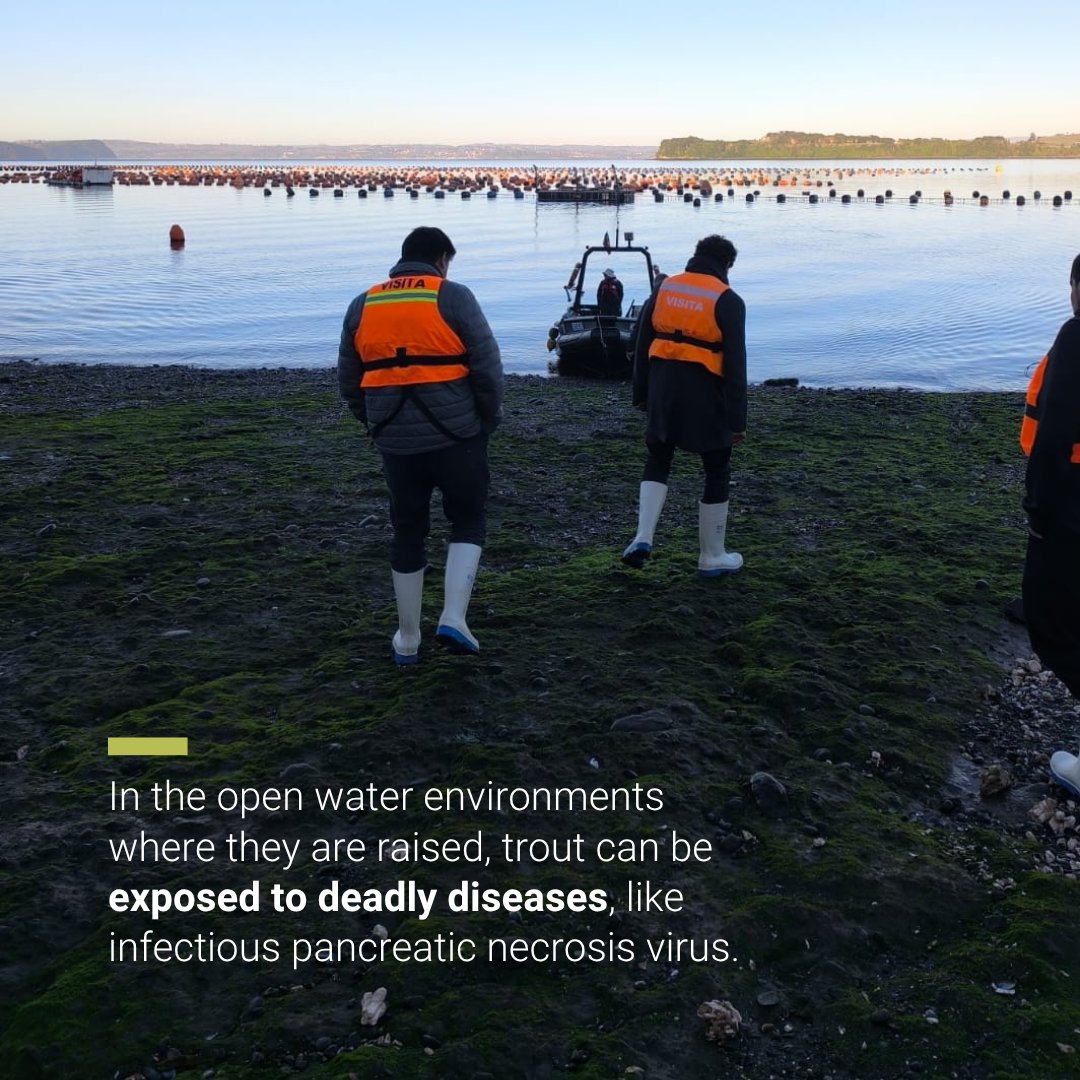
Latin America’s rainbow trout farmers are using nuclear-derived techniques to detect deadly disease outbreaks earlier and breed more resilient fish, helping to boost food security and protect livelihoodsLatin America’s rainbow trout farmers are using nuclear-derived techniques to detect deadly disease outbreaks earlier and breed more resilient fish, helping to boost food security and protect livelihoodsLatin America’s rainbow trout farmers are using nuclear-derived techniques to detect deadly disease outbreaks earlier and breed more resilient fish, helping to boost food security and protect livelihoodsLatin America’s rainbow trout farmers are using nuclear-derived techniques to detect deadly disease outbreaks earlier and breed more resilient fish, helping to boost food security and protect livelihoodsLatin America’s rainbow trout farmers are using nuclear-derived techniques to detect deadly disease outbreaks earlier and breed more resilient fish, helping to boost food security and protect livelihoodsLatin America’s rainbow trout farmers are using nuclear-derived techniques to detect deadly disease outbreaks earlier and breed more resilient fish, helping to boost food security and protect livelihoods.
Scientific experts from 65 countries gathered at the IAEA last week to launch the NUTEC Plastics Global Marine Monitoring Platform, designed to strengthen international collaboration and knowledge sharing on the amount and trends of microplastics in marine and coastal zonesScientific experts from 65 countries gathered at the IAEA last week to launch the NUTEC Plastics Global Marine Monitoring Platform, designed to strengthen international collaboration and knowledge sharing on the amount and trends of microplastics in marine and coastal zonesScientific experts from 65 countries gathered at the IAEA last week to launch the NUTEC Plastics Global Marine Monitoring Platform, designed to strengthen international collaboration and knowledge sharing on the amount and trends of microplastics in marine and coastal zonesScientific experts from 65 countries gathered at the IAEA last week to launch the NUTEC Plastics Global Marine Monitoring Platform, designed to strengthen international collaboration and knowledge sharing on the amount and trends of microplastics in marine and coastal zonesScientific experts from 65 countries gathered at the IAEA last week to launch the NUTEC Plastics Global Marine Monitoring Platform, designed to strengthen international collaboration and knowledge sharing on the amount and trends of microplastics in marine and coastal zonesScientific experts from 65 countries gathered at the IAEA last week to launch the NUTEC Plastics Global Marine Monitoring Platform, designed to strengthen international collaboration and knowledge sharing on the amount and trends of microplastics in marine and coastal zones.
🌍 Nuclear science reveals the hidden story of microplastics in oceans
Experts from 65 countries met in Vienna to advance global marine monitoring through #NUTECPlastics using nuclear & isotopic techniques & shared data to turn science into action. 🔬
🔗https://t.co/TicKc5KeF4