Things we make:
• Energy drinks
• Sugar-free energy drinks
• Tropical energy drinks
• The benchmark Formula One engine
One of these wasn't in the original business plan.
Announced about tickets morning 8am &
they made us refresh the website from 8 am to 4 pm only to see, "the seats are taken by another user", wherever we click.
All the chest thumping we do this we do that for fans and this is how they treat us every season during ticket sales.
Last one on this topic, and I have been holding this in myself for a while.
For centuries, class divides kept the labor of the poor invisible to the rich. Factory workers toiled behind walls, farmers in distant fields, domestic help in backrooms. The wealthy consumed the fruits of that labor without ever seeing the faces or the fatigue behind it. No direct encounter, no personal guilt.
The gig economy shattered that invisibility, at unprecedented scale.
Suddenly, the poor aren't hidden away. They're at your doorstep: the delivery partner handing over your ₹1000+ biryani, late-night groceries, or quick-commerce essentials. You see them in the rain, heat, traffic, often on borrowed bikes, working 8–10 hours for earnings that give them sustenance. You see their exhaustion, their polite smile masking frustration with life in general.
This is the first time in history at this scale that the working class and consuming class interact face-to-face, transaction after transaction. And that discomfort with our own selves is why we are uncomfortable about the gig economy. We want these people to look our part, so that the guilt we feel while taking orders from them feels less.
We aren't just debating economics. We are confronting guilt. That ₹800 order might equal their entire day's earnings after fuel, bike rent, and app cuts. We tip awkwardly, or avoid eye contact, because the inequality is no longer abstract. It's personal.
Pre-gig era, the rich could enjoy luxury without moral discomfort. Labor was out of sight. Now, every doorbell ring is a reminder of systemic inequality. That's why debates explode. It's not just policy. It's emotional reckoning. Some defend the system (“they choose it”), others demand change (“this isn't progress, its exploitation”).
And here’s the uncomfortable twist: the unsaid ask of clumsy ‘solutions’ isn’t dignity. It is about returning to invisibility.
Ban gig work and you don’t solve inequality. You remove livelihoods. These jobs don’t magically reappear as formal, protected employment the next day. They disappear, or they get pushed back into the informal economy where there are even fewer protections and even less accountability. Over-regulate it until the model breaks, and you achieve the same outcome through paperwork instead of slogans: the work evaporates, prices rise, demand collapses, and the people we claim to protect are the first to lose income.
And then what happens?
The rich get their old comfort back. Convenience returns without faces. Guilt dissolves. We go back to clean abstractions and moral posturing from a distance. The poor don’t become safer, they become invisible again: back in cash economies, back in backrooms, back in shadows where regulation rarely reaches and dignity isn’t even debated.
The gig economy just exposed the reality of inequality to the people who previously had the luxury of not seeing it. The doorbell is not the problem. The question is what we do after opening the door.
Visibility is the price of progress. We can either use this discomfort to build something better (which we keep doing continuously as delivery partners are our backbone), or we can ban and over-regulate our way back into ignorance. One of those choices improves lives. The other simply helps the consuming class feel virtuous in the dark.
ಸಂತೋಷ ಮತ್ತು ವಿಜಯದ ಬೆಳಕಿನಿಂದ ನಿಮ್ಮ ಜೀವನ ತುಂಬಿರಲಿ, ಎಲ್ಲರಿಗೂ ದಸರಾ ಹಾಗೂ ವಿಜಯದಶಮಿಯ ಶುಭಾಶಯಗಳು! 😃🙌
As we mark the triumph of good over evil, may this Dasara and Vijayadashami bring peace, prosperity, and joy to all. ✨🙏
#PlayBold#ನಮ್ಮRCB#Navratri#Dasara2025
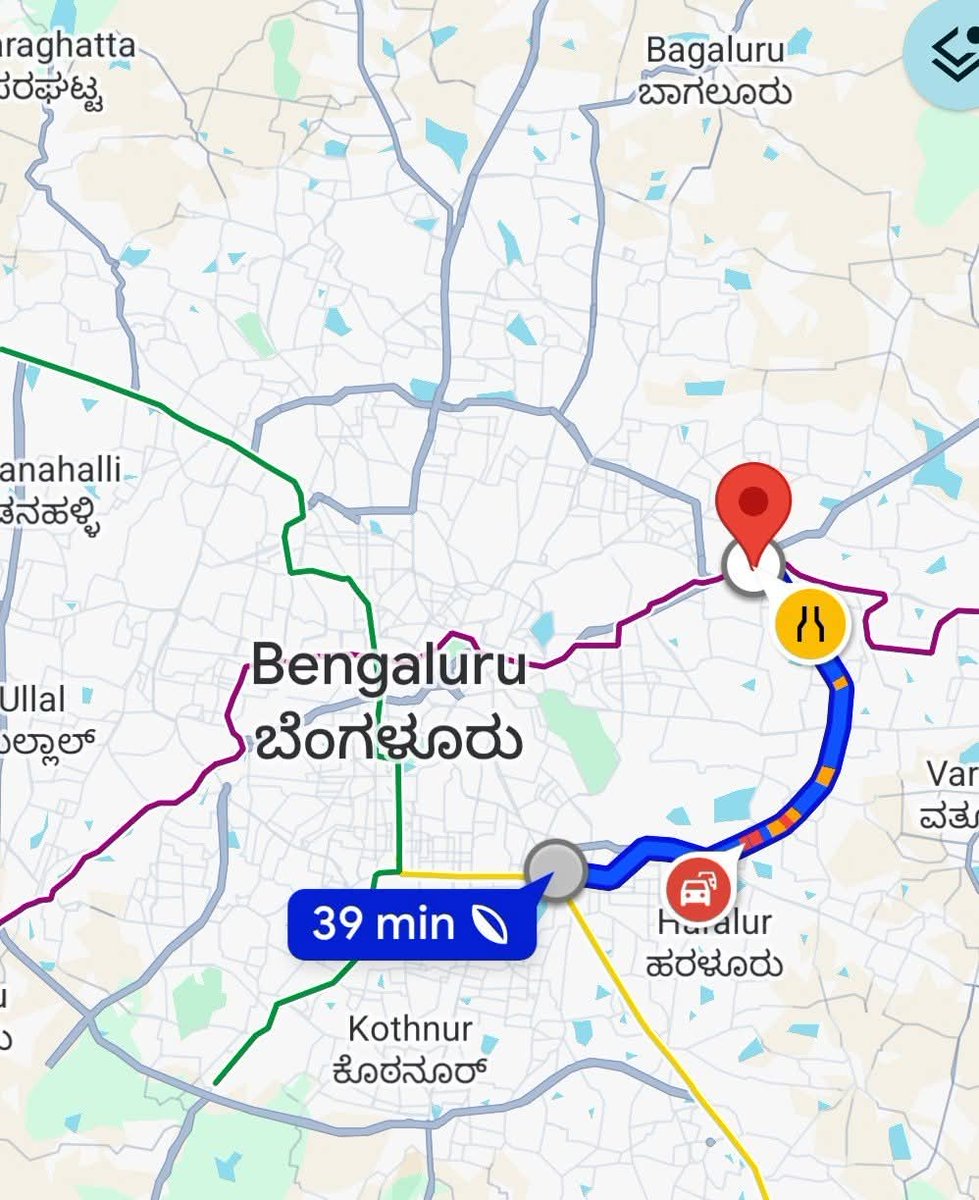
You know how important Bengaluru's Outer Ring Road IT corridor is, for India's economy?
KR Puram Metro to Silk Board.
19 km.
500+ IT companies.
9,50,000 high paying jobs.
₹1,50,000,00,00,000 IT exports per year!
State and Central govts MUST help with infrastructure!
Look at it from another angle. Every kilometre here earns India a billion Dollars in precious foreign exchange!! I don't know of any other 15-20 km road in India that is so vital for India's GDP. The least the governments can do is fast track Metro, provide arterial road connections to avoid jams, provide a chopper service from the airport, prevent flooding, give world class bus service that is timely and give tax rebates for car pooling.
I feel this specific road deserves ten times the attention it gets.
The man who dreamt of Bengaluru Metro is still waiting for a station in his name.
This is pure injustice for Shankar Nag.
Hoping this video one day becomes reality🤞
₹ 55,000 crore Mumbai-Nagpur Samruddhi Expressway turned into a river just 30 days after its opening.
No media will highlight this as it is not in Bengaluru
He stood in the rain and was doing his job honestly while congress leaders were taking selfies with RCB team.
But Congress gave him a reward called suspension..
#BDayananda#IStandWithBangalorePolice
When I founded RCB it was my dream that the IPL trophy should come to Bengaluru. I had the privilege of picking the legendary King Kohli as a youngster and it is remarkable that he has stayed with RCB for 18 years. I also had the honour of picking Chris Gayle the Universe Boss and Mr 360 AB DeVillers who remain an indelible part of RCB history. Finally, the IPL trophy arrives in Bengaluru. Congratulations and thanks again to all who made my dream come true. RCB fans are the very best and they deserve the IPL trophy. Ee Sala Cup Bengaluru baruthe !