This is a great map by @artlebedev studio. All the countries scaled and shaped correctly. I thought of doing this but wouldn't have done it this well! #dataviz
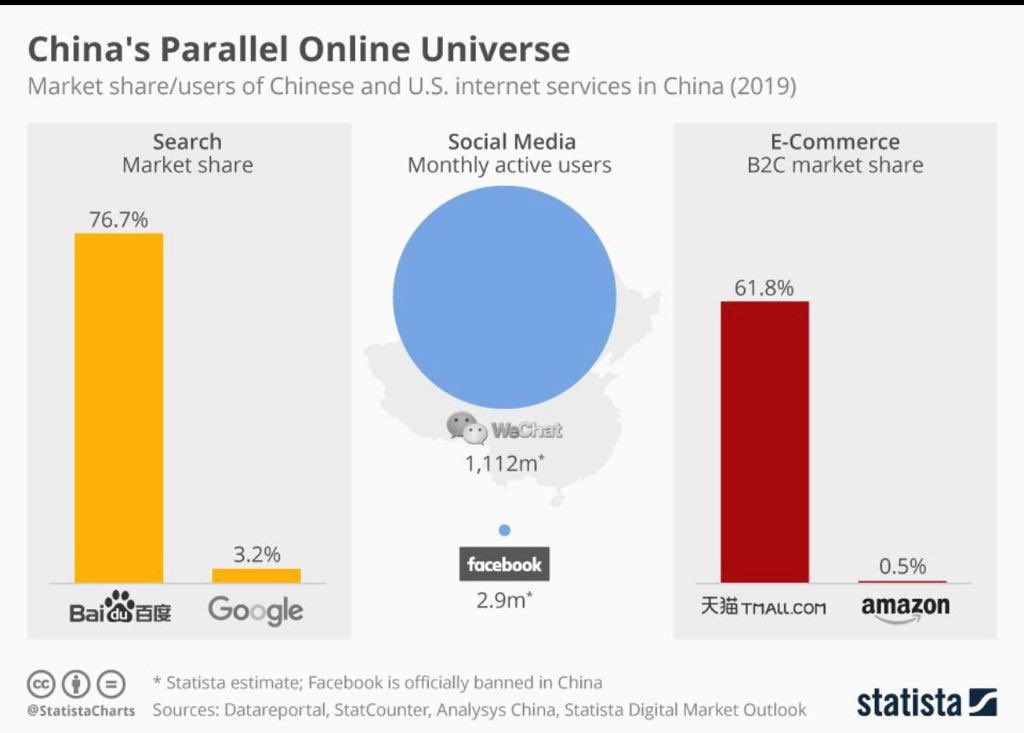
China has significantly restricted big US tech firms. Comparatively, India has allowed free access. Is that fair play or are we being naive? I think that a free market is the right answer, but with appropriate regulation.
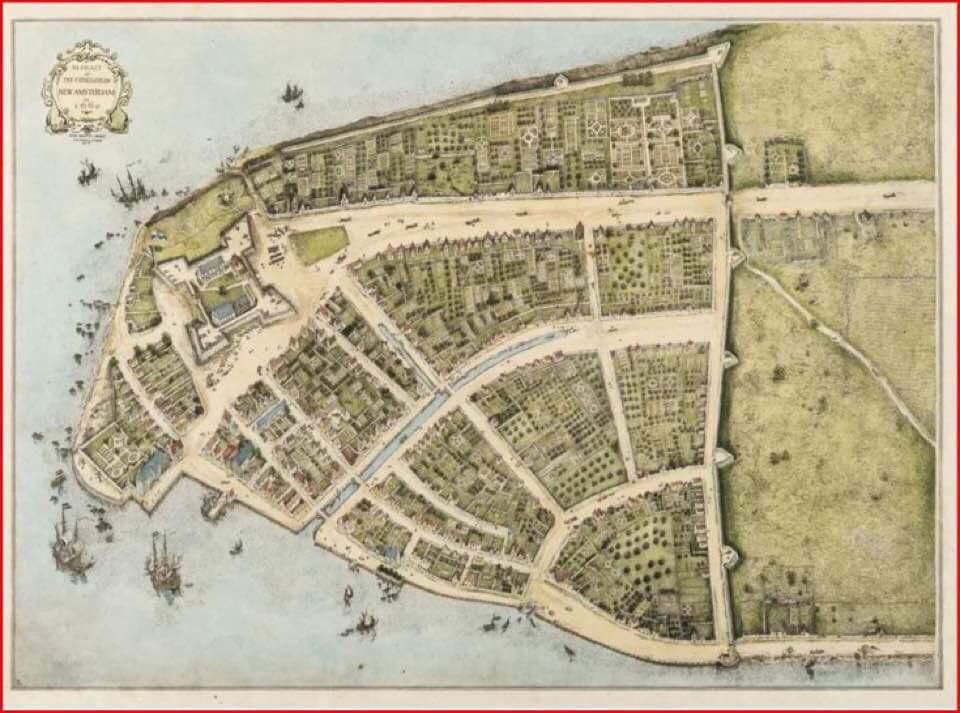
In the 1640's the Dutch inhabitants of New Amsterdam built a wall to protect themselves. In 1664 the British ignored the wall and took New Amsterdam by sea. The city is now called New York and the area of the wall is now called Wall Street. Source: https://t.co/NKDG95DLLH
drawing the ancient Indian epic, the Mahabharata, using Italian Renaissance era influences | paintings by Giampaolo Tomasetti — he drew 23 large sized paintings which is now housed in Florence, Italy.
[a thread with a few of those paintings]
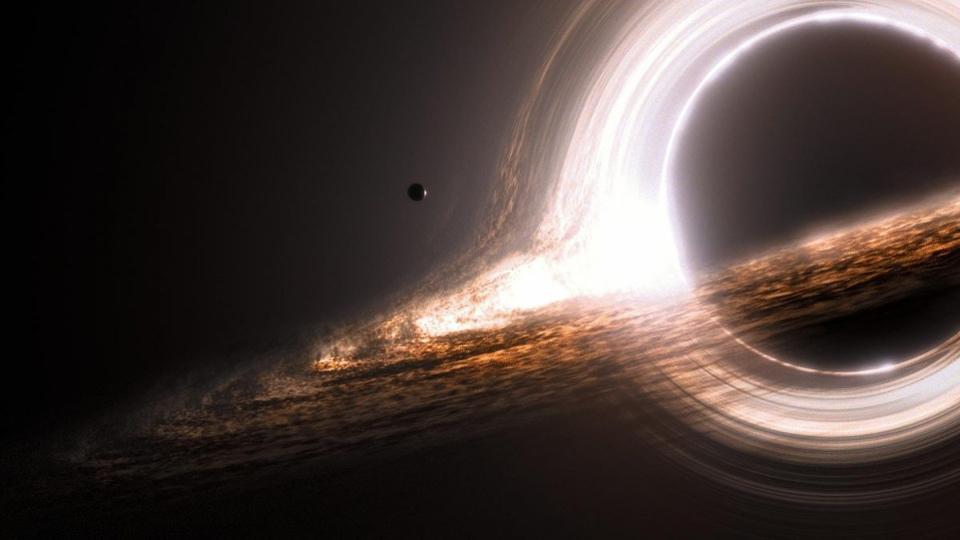
“Einstein has made a universe and I can’t tell you how long that will last.”
Literature Laureate Bernard Shaw pays tribute to Physics Laureate Albert Einstein at the Savoy Hotel in London, England, 27 October 1930.
Earthquakes, tsunamis, tornadoes — traditionally “Acts of God” on Insurance Forms. But as climate-change continues, and coastal flooding from hurricanes worsens, the Forms might now include “Acts of Humans”.
Being an original startup is a lonely affair.
As no one has built or invested in something like that before, it causes massive anxiety and needs 100x more conviction from founder, team, investors.
No wonder people like competing more than creating original companies.
In the 1970s the cost - and size - of calculators tumbled. Business tools became toys; as a result prestige tech companies had to rapidly diversify into other products - or die!
This is the story of the 1970s great calculator race...
Twitter is like a very long novel that you read for years. You follow the characters as they change jobs, have kids, argue with airlines. Then the Nazis show up.
I secretly hope that twitter keeps extending the character limit as a social experiment, slowly conditioning our attention spans until we’re able to read actual books again


![KS1729's tweet photo. drawing the ancient Indian epic, the Mahabharata, using Italian Renaissance era influences | paintings by Giampaolo Tomasetti — he drew 23 large sized paintings which is now housed in Florence, Italy.
[a thread with a few of those paintings] https://t.co/5PBV38w4bu](https://pbs.twimg.com/media/DtarMgbWwAIWA21.jpg)









![KS1729's tweet photo. drawing the ancient Indian epic, the Mahabharata, using Italian Renaissance era influences | paintings by Giampaolo Tomasetti — he drew 23 large sized paintings which is now housed in Florence, Italy.
[a thread with a few of those paintings] https://t.co/5PBV38w4bu](https://pbs.twimg.com/media/DtarMhkWwAAPAsR.jpg)


