The original BitTorrent insight was simple but powerful: a network can become stronger when its participants contribute resources instead of leaving everything to a central provider.
That idea began with bandwidth and data distribution.
Now, as AI creates enormous demand for computing capacity, BitTorrent is exploring whether the same philosophy can be applied to compute.
𝗙𝗿𝗼𝗺 𝗕𝗮𝗻𝗱𝘄𝗶𝗱𝘁𝗵 𝗧𝗼 𝗖𝗼𝗺𝗽𝘂𝘁𝗲
The evolution follows a logical path.
Participants first contributed bandwidth.
The ecosystem expanded into decentralized storage and broader digital infrastructure.
Now available computing resources can become another resource coordinated across a distributed network.
The architecture changes in application, but the underlying principle remains: unused capacity can potentially become useful to someone who needs it.
𝗔𝗜 𝗜𝘀 𝗠𝗮𝗸𝗶𝗻𝗴 𝗖𝗼𝗺𝗽𝘂𝘁𝗲 𝗔 𝗖𝗿𝗶𝘁𝗶𝗰𝗮𝗹 𝗥𝗲𝘀𝗼𝘂𝗿𝗰𝗲
The AI infrastructure race is not only about developing sophisticated models.
Those models require substantial computing resources for training and inference.
BTTInferGrid explores a distributed approach by connecting available GPU capacity with AI inference demand.
That creates a potential network involving:
➜ GPU providers contributing available capacity.
➜ Developers accessing distributed compute resources.
➜ Resources being coordinated across different locations.
➜ Additional participants expanding the potential resource pool.
𝗧𝗵𝗲 𝗡𝗲𝘁𝘄𝗼𝗿𝗸 𝗡𝗲𝗲𝗱𝘀 𝗔𝗻 𝗘𝗰𝗼𝗻𝗼𝗺𝗶𝗰 𝗟𝗮𝘆𝗲𝗿
Technical infrastructure is only part of a decentralized compute network.
There also needs to be an economic framework connecting usage, network activity, and ecosystem incentives.
The BTT Buyback & Burn Program fits into that broader architecture, creating a relationship between ecosystem activity and BTT token economics.
The broader cycle can be viewed as:
𝗨𝘀𝗮𝗴𝗲 → 𝗥𝗲𝘃𝗲𝗻𝘂𝗲 → 𝗧𝗼𝗸𝗲𝗻 𝗘𝗰𝗼𝗻𝗼𝗺𝗶𝗰𝘀 → 𝗘𝗰𝗼𝘀𝘆𝘀𝘁𝗲𝗺 𝗚𝗿𝗼𝘄𝘁𝗵
𝗧𝗵𝗲 𝗥𝗲𝘀𝗼𝘂𝗿𝗰𝗲 𝗖𝗵𝗮𝗻𝗴𝗲𝘀, 𝗧𝗵𝗲 𝗣𝗵𝗶𝗹𝗼𝘀𝗼𝗽𝗵𝘆 𝗗𝗼𝗲𝘀𝗻’𝘁
BitTorrent’s evolution is notable because its foundational idea remains recognizable.
Distributed participation.
Shared resources.
Peer-to-peer coordination.
Network effects.
Global resource contribution.
What changes is the resource being coordinated.
First it was data.
Then storage became part of the conversation.
Now compute is entering the picture.
As AI makes computing capacity increasingly important, BitTorrent is extending a peer-to-peer philosophy into a new infrastructure frontier.
BitTorrent began by distributing data.
Its next chapter is exploring what it means to distribute the compute behind intelligence.
@BitTorrent@justinsuntron #TRONEcoStar
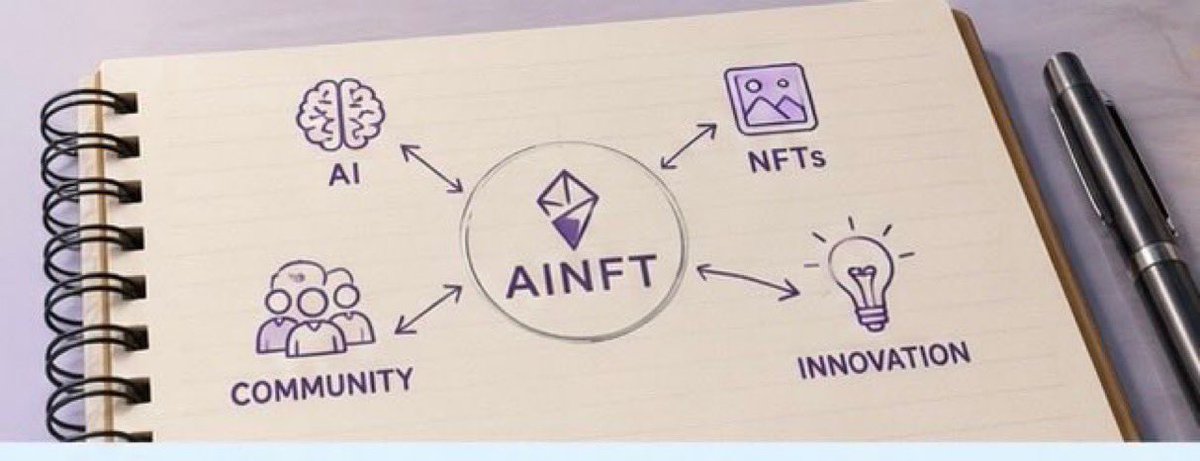
An NFT can prove that a digital asset belongs to someone.
But ownership is only one part of what a digital asset can become.
Add artificial intelligence, and the asset can potentially move from something people simply possess to something they can interact with, personalize, and use.
That is the more interesting direction emerging around AINFT on TRON.
𝗪𝗵𝗲𝗻 𝗗𝗶𝗴𝗶𝘁𝗮𝗹 𝗔𝘀𝘀𝗲𝘁𝘀 𝗕𝗲𝗰𝗼𝗺𝗲 𝗥𝗲𝘀𝗽𝗼𝗻𝘀𝗶𝘃𝗲
Traditional NFTs established verifiable ownership on-chain.
AI introduces a different dimension: responsiveness.
Depending on how developers design the experience, AI-enabled digital assets could support personalized interactions, generated content, intelligent characters, automated functions, and experiences that react to user input.
The asset is no longer defined only by what it represents. Its behavior can become part of its utility.
𝗧𝗥𝗢𝗡 𝗣𝗿𝗼𝘃𝗶𝗱𝗲𝘀 𝗧𝗵𝗲 𝗢𝗻-𝗖𝗵𝗮𝗶𝗻 𝗙𝗼𝘂𝗻𝗱𝗮𝘁𝗶𝗼𝗻
When AI-powered experiences involve ownership or blockchain actions, they still need an on-chain environment to support those interactions.
TRON provides infrastructure designed for high transaction throughput, efficient transactions, and integration with a wider Web3 ecosystem.
For builders, that can provide a foundation for experimenting with AI-enabled digital assets without treating blockchain interaction as an isolated component.
𝗧𝗵𝗲 𝗥𝗲𝗮𝗹 𝗦𝗵𝗶𝗳𝘁 𝗜𝘀 𝗙𝗿𝗼𝗺 𝗖𝗼𝗹𝗹𝗲𝗰𝘁𝗶𝗻𝗴 𝗧𝗼 𝗘𝘅𝗽𝗲𝗿𝗶𝗲𝗻𝗰𝗶𝗻𝗴
The compelling part of AI × NFT technology is not simply generating artwork.
An AI-enabled asset could potentially communicate with its owner, personalize content, respond to interactions, or perform specific intelligent functions.
That creates a different design space where an NFT can become an interface, character, tool, or evolving digital experience.
𝗘𝘅𝗽𝗲𝗿𝗶𝗺𝗲𝗻𝘁𝗮𝘁𝗶𝗼𝗻 𝗪𝗶𝗹𝗹 𝗦𝗵𝗮𝗽𝗲 𝗪𝗵𝗮𝘁 𝗖𝗼𝗺𝗲𝘀 𝗡𝗲𝘅𝘁
The AI × Web3 intersection is still developing.
Creators can test new formats. Developers can build new interactions. Users can discover useful applications. Communities can provide feedback and help refine the experience.
AINFT sits within that experimentation, exploring what happens when AI capabilities meet digital assets and blockchain infrastructure.
AI brings intelligence.
Blockchain brings verifiability.
AINFT brings these ideas into the same creative environment.
The next generation of NFTs may be defined less by what people own and more by what those digital assets can actually do.
@AINFTcom@justinsuntron #TRONEcoStar
Decentralization was never meant to have a single blueprint.
One network can decentralize computation and application logic, while another can rethink how information moves across the internet. Ethereum and BitTorrent demonstrate this difference clearly.
Their architectures serve different purposes, yet both challenge the assumption that digital infrastructure must depend entirely on centralized intermediaries.
𝗘𝘁𝗵𝗲𝗿𝗲𝘂𝗺 𝗧𝘂𝗿𝗻𝗲𝗱 𝗕𝗹𝗼𝗰𝗸𝗰𝗵𝗮𝗶𝗻 𝗜𝗻𝘁𝗼 𝗔 𝗣𝗿𝗼𝗴𝗿𝗮𝗺𝗺𝗮𝗯𝗹𝗲 𝗟𝗮𝘆𝗲𝗿
Ethereum expanded blockchain functionality through programmable smart contracts, allowing developers to create applications that execute according to transparent on-chain rules.
Its broader ecosystem introduced infrastructure for composable applications, developer experimentation, open participation, and new forms of digital coordination.
The important shift was making the blockchain itself programmable.
𝗕𝗶𝘁𝗧𝗼𝗿𝗿𝗲𝗻𝘁 𝗧𝗮𝗰𝗸𝗹𝗲𝗱 𝗗𝗶𝘀𝘁𝗿𝗶𝗯𝘂𝘁𝗶𝗼𝗻 𝗗𝗶𝗳𝗳𝗲𝗿𝗲𝗻𝘁𝗹𝘆
BitTorrent approached decentralization from the data layer.
Instead of requiring one central server to deliver every piece of content, its peer-to-peer architecture allows participating users to exchange data directly.
That creates a model where the network’s participants can also contribute to its distribution capacity.
𝗧𝘄𝗼 𝗔𝗿𝗰𝗵𝗶𝘁𝗲𝗰𝘁𝘂𝗿𝗲𝘀, 𝗧𝘄𝗼 𝗞𝗶𝗻𝗱𝘀 𝗢𝗳 𝗨𝘁𝗶𝗹𝗶𝘁𝘆
Ethereum’s design is particularly suited to programmable applications and on-chain execution.
BitTorrent’s architecture focuses on peer-to-peer distribution, resource sharing, and moving data across participating nodes.
That difference is not a weakness.
It demonstrates why decentralized infrastructure can evolve through specialization rather than forcing every problem into the same technical framework.
𝗗𝗲𝗰𝗲𝗻𝘁𝗿𝗮𝗹𝗶𝘇𝗮𝘁𝗶𝗼𝗻 𝗜𝘀 𝗔 𝗗𝗲𝘀𝗶𝗴𝗻 𝗦𝗽𝗮𝗰𝗲
The broader Web3 ecosystem can contain networks optimized for applications, storage, payments, data distribution, interoperability, or computation.
BitTorrent’s continued development within the TRON ecosystem shows that its original peer-to-peer philosophy still has relevance as decentralized infrastructure expands.
Ethereum demonstrated what programmable blockchain infrastructure could enable.
BitTorrent demonstrated what happens when network participants become part of the infrastructure itself.
The destination does not require identical architectures.
It requires useful systems that give people more ways to participate in the digital infrastructure they depend on.
@BitTorrent@justinsuntron #TRONEcoStar
Some technologies are built around a moment.
Others solve a problem so fundamental that their architecture remains useful long after the technology landscape changes.
BitTorrent belongs to the second category.
More than two decades after its emergence, its peer-to-peer model continues to support large-scale data distribution, offering a practical example of how distributed infrastructure can remain relevant through technological change.
𝗧𝗵𝗲 𝗡𝗲𝘁𝘄𝗼𝗿𝗸 𝗜𝘀 𝗣𝗮𝗿𝘁 𝗢𝗳 𝗧𝗵𝗲 𝗦𝗼𝗹𝘂𝘁𝗶𝗼𝗻
BitTorrent approaches distribution differently from a system where every request must be handled by a central server.
Participants can contribute bandwidth, content can be obtained from multiple peers, and additional participants can expand the available resource pool.
That architecture addresses a problem that never really disappears: moving large amounts of data efficiently across the internet.
𝗦𝗰𝗮𝗹𝗲 𝗥𝗲𝘃𝗲𝗮𝗹𝘀 𝗧𝗵𝗲 𝗘𝗻𝗱𝘂𝗿𝗶𝗻𝗴 𝗗𝗲𝗺𝗮𝗻𝗱
The ecosystem figures highlighted include more than 581M client installations, over 42.5M weekly gross reach, more than 8.84M average daily active users, and 4.54M daily active µTorrent Desktop users.
Usage also spans desktop, mobile, and BitTorrent Web.
These numbers illustrate something important: mature infrastructure can remain relevant when the problem it solves remains significant.
𝗗𝗶𝘀𝘁𝗿𝗶𝗯𝘂𝘁𝗶𝗼𝗻 𝗖𝗮𝗻 𝗕𝗲𝗰𝗼𝗺𝗲 𝗔 𝗦𝗰𝗮𝗹𝗶𝗻𝗴 𝗠𝗲𝗰𝗵𝗮𝗻𝗶𝘀𝗺
For legitimate large files such as open-source software, research datasets, game updates, and digital media, distributing demand across participating peers can reduce reliance on a single delivery point.
The network effectively turns participation into part of its distribution capacity.
𝗧𝗵𝗲 𝗗𝗲𝗲𝗽𝗲𝗿 𝗟𝗲𝘀𝘀𝗼𝗻 𝗜𝘀 𝗗𝗲𝘀𝗶𝗴𝗻
BitTorrent’s significance extends beyond file sharing.
Its history demonstrates that decentralization becomes powerful when it solves a practical infrastructure problem: sharing resources, distributing workloads, improving resilience, and enabling participation.
Those principles now appear throughout decentralized storage, computing, blockchain infrastructure, and AI networks.
The lasting idea is simple:
A network does not always need one giant center when its participants can collectively become part of the infrastructure.
@BitTorrent@justinsuntron #TRONEcoStar
The web has traditionally treated the browser as a window for consuming content.
WebTorrent introduces a different possibility: the browser itself can become part of the network distributing that content.
By bringing BitTorrent-style peer-to-peer communication into modern web environments, WebTorrent makes distributed data exchange feel much closer to the everyday web experience.
𝗣𝟮𝗣 𝗪𝗶𝘁𝗵𝗼𝘂𝘁 𝗟𝗲𝗮𝘃𝗶𝗻𝗴 𝗧𝗵𝗲 𝗕𝗿𝗼𝘄𝘀𝗲𝗿
Traditional online delivery often follows a simple path: a user requests content, and centralized infrastructure supplies it.
WebTorrent offers another architecture.
Through WebRTC, browser-based peers can communicate and exchange pieces of content directly, allowing participants to contribute resources instead of depending entirely on one central source.
That changes the browser from a passive endpoint into a potential participant in distribution.
𝗙𝗿𝗼𝗺 𝗙𝗶𝗹𝗲 𝗦𝗵𝗮𝗿𝗶𝗻𝗴 𝗧𝗼 𝗪𝗲𝗯 𝗜𝗻𝗳𝗿𝗮𝘀𝘁𝗿𝘂𝗰𝘁𝘂𝗿𝗲
The interesting part is not limited to downloading files.
WebTorrent can support ideas such as:
➜ Browser-based media streaming
➜ Peer-to-peer content delivery
➜ Direct data exchange
➜ Distributed web applications
➜ Alternative approaches to serving digital content
For developers, that means P2P can become part of an application’s architecture rather than an isolated capability.
𝗔𝗰𝗰𝗲𝘀𝘀𝗶𝗯𝗶𝗹𝗶𝘁𝘆 𝗜𝘀 𝗣𝗮𝗿𝘁 𝗢𝗳 𝗗𝗲𝗰𝗲𝗻𝘁𝗿𝗮𝗹𝗶𝘇𝗮𝘁𝗶𝗼𝗻
Decentralized infrastructure does not become mainstream simply because the underlying technology works.
People also need to interact with it naturally.
Putting P2P capabilities inside a familiar browser removes some of the friction traditionally associated with distributed networking and makes participation feel closer to an ordinary web experience.
𝗕𝗶𝘁𝗧𝗼𝗿𝗿𝗲𝗻𝘁’𝘀 𝗣𝟮𝗣 𝗜𝗱𝗲𝗮 𝗞𝗲𝗲𝗽𝘀 𝗘𝘃𝗼𝗹𝘃𝗶𝗻𝗴
The underlying principle remains powerful: participants can contribute resources, content can be distributed across peers, and network capacity can emerge from collective participation.
WebTorrent carries that philosophy into browser-native environments.
The bigger idea is not simply putting BitTorrent inside a browser.
It is making peer-to-peer communication feel like a natural component of the modern internet.
@BitTorrent@justinsuntron #TRONEcoStar
Smart contracts can execute rules with precision, but they operate within a closed environment.
The moment an application needs to know what is happening outside the blockchain, another infrastructure layer becomes necessary.
That is where oracle networks such as WINkLink become important, connecting on-chain logic with external information that decentralized applications can use.
𝗕𝗿𝗶𝗻𝗴𝗶𝗻𝗴 𝗢𝘂𝘁𝘀𝗶𝗱𝗲 𝗜𝗻𝗳𝗼𝗿𝗺𝗮𝘁𝗶𝗼𝗻 𝗢𝗻-𝗖𝗵𝗮𝗶𝗻
A smart contract cannot independently query an external API, check a market price, determine a real-world event, or generate unpredictable randomness.
WINkLink provides infrastructure for bringing different forms of external information into blockchain applications, including:
➜ Market and asset price data
➜ External API information
➜ Verifiable randomness
➜ Real-world data
➜ Automated event triggers
This creates a communication bridge between deterministic blockchain execution and information that changes beyond the chain.
𝗧𝗵𝗲 𝗪𝗜𝗡𝗸𝗟𝗶𝗻𝗸 𝗗𝗮𝘁𝗮 𝗟𝗮𝘆𝗲𝗿
Different applications require different inputs.
Decentralized price feeds can support DeFi protocols that depend on market valuations.
VRF can provide verifiable randomness for applications requiring unpredictable outcomes.
AnyAPI can expand the types of external information available to smart contracts.
Automation can help trigger predefined blockchain actions when specified conditions are met.
Each capability expands what decentralized applications can respond to.
𝗗𝗮𝘁𝗮 𝗜𝘀 𝗣𝗮𝗿𝘁 𝗢𝗳 𝗧𝗵𝗲 𝗩𝗲𝗿𝗶𝗳𝗶𝗰𝗮𝘁𝗶𝗼𝗻 𝗟𝗮𝘆𝗲𝗿
Consider a lending protocol.
It needs current asset prices to determine collateral values. A blockchain game may need randomness. A real-world asset application may depend on information originating outside the network.
In each case, the quality and availability of external inputs can influence what the application is capable of doing.
𝗧𝗵𝗲 𝗜𝗻𝘃𝗶𝘀𝗶𝗯𝗹𝗲 𝗟𝗮𝘆𝗲𝗿 𝗕𝗲𝗵𝗶𝗻𝗱 𝗦𝗺𝗮𝗿𝘁 𝗖𝗼𝗻𝘁𝗿𝗮𝗰𝘁 𝗨𝘁𝗶𝗹𝗶𝘁𝘆
Users rarely think about where the data behind an application comes from.
They expect prices to update, collateral to be valued, automated conditions to execute, and decentralized applications to react to relevant information.
That dependency makes oracle infrastructure an important part of Web3’s underlying architecture.
WINkLink helps give TRON-based applications access to external data and events, expanding what smart contracts can understand and respond to.
Smart contracts provide the rules.
Reliable data provides the context those rules need.
@WinkLink_Oracle@justinsuntron #TRONEcoStar
AI can create. Blockchain can verify. Web3 can coordinate value and participation.
The bigger opportunity appears when those capabilities operate within the same ecosystem instead of remaining isolated technologies.
That is where AINFT is positioning its infrastructure, bringing together digital assets, creation tools, marketplaces, ecosystem development, and AI services.
𝗙𝗿𝗼𝗺 𝗜𝗱𝗲𝗮 𝗧𝗼 𝗜𝗻𝘁𝗲𝗹𝗹𝗶𝗴𝗲𝗻𝘁 𝗗𝗶𝗴𝗶𝘁𝗮𝗹 𝗔𝘀𝘀𝗲𝘁𝘀
The AINFT ecosystem brings several functions together.
AINFT Marketplace supports discovery, trading, and management of NFTs.
NFT Pump provides infrastructure for turning concepts into on-chain NFT collections.
AINFT Foundation supports communities, partnerships, builders, and ecosystem initiatives.
AINFT AI Service Platform adds AI models, agents, automation, and development capabilities.
Together, these layers create a broader path:
𝗖𝗿𝗲𝗮𝘁𝗲 → 𝗟𝗮𝘂𝗻𝗰𝗵 → 𝗢𝘄𝗻 → 𝗜𝗻𝘁𝗲𝗿𝗮𝗰𝘁 → 𝗕𝘂𝗶𝗹𝗱
𝗧𝗵𝗲 𝗣𝗼𝘄𝗲𝗿 𝗜𝘀 𝗜𝗻 𝗧𝗵𝗲 𝗖𝗼𝗺𝗯𝗶𝗻𝗮𝘁𝗶𝗼𝗻
Imagine an AI system producing a digital creation, that creation becoming an on-chain asset with verifiable ownership, and developers building applications or communities around it.
AI agents could potentially automate parts of the experience, while blockchain provides the ownership and transparency layer underneath.
This creates a much broader design space for creators and developers.
𝗧𝗵𝗲 𝗡𝗲𝘅𝘁 𝗦𝘁𝗲𝗽 𝗙𝗼𝗿 𝗪𝗲𝗯𝟯 𝗖𝗿𝗲𝗮𝘁𝗶𝘃𝗶𝘁𝘆
The opportunity is no longer limited to putting digital assets on-chain.
The more interesting direction is infrastructure where intelligence can help create and interact with assets while decentralized networks provide ownership, transparency, markets, and coordination.
AINFT is building around that intersection.
The real potential of AI × Web3 may emerge when creativity, intelligent systems, ownership, and decentralized infrastructure become parts of one connected experience.
➫ Learn more: https://t.co/GkkR2AqdUz
@AINFTcom@justinsuntron #TRONEcoStar
A blockchain’s raw transaction count tells you how busy it was. The pattern behind that activity can tell you something more interesting: when the network is actually being used.
Recent TRON fee activity shows a recurring rhythm, with stronger demand during weekdays and comparatively lighter activity around weekends.
That does not identify every source of usage, but it creates a useful signal for examining the network’s underlying demand.
𝗪𝗵𝗲𝗻 𝗢𝗻-𝗖𝗵𝗮𝗶𝗻 𝗔𝗰𝘁𝗶𝘃𝗶𝘁𝘆 𝗙𝗼𝗹𝗹𝗼𝘄𝘀 𝗔 𝗥𝗵𝘆𝘁𝗵𝗺
Traditional financial systems often follow working-day cycles because businesses, payments, settlements, and other financial operations are influenced by human schedules.
Blockchains never close for the weekend.
Yet if on-chain demand repeatedly follows recognizable weekly patterns, that can offer clues about the real-world activity connected to the network.
𝗧𝗥𝗢𝗡 𝗖𝗼𝗻𝗻𝗲𝗰𝘁𝘀 𝗪𝗶𝘁𝗵 𝗗𝗶𝗴𝗶𝘁𝗮𝗹 𝗩𝗮𝗹𝘂𝗲 𝗙𝗹𝗼𝘄𝘀
TRON’s significant stablecoin activity, particularly involving USDT, places the network within a broader ecosystem of digital value transfers and settlement.
Recurring weekday demand could potentially reflect a combination of payment activity, exchange operations, OTC transfers, business settlements, and other financial workflows.
The data alone cannot determine exactly which activity produced each transaction. What it can reveal is when demand repeatedly concentrates.
𝗣𝗮𝘁𝘁𝗲𝗿𝗻𝘀 𝗖𝗮𝗻 𝗕𝗲 𝗠𝗼𝗿𝗲 𝗜𝗻𝗳𝗼𝗿𝗺𝗮𝘁𝗶𝘃𝗲 𝗧𝗵𝗮𝗻 𝗦𝗽𝗶𝗸𝗲𝘀
A sudden transaction surge can attract attention, but recurring activity provides a different kind of signal.
When usage appears consistently across time, it suggests infrastructure being incorporated into ongoing workflows rather than activity existing only around short-lived market events.
That distinction matters when evaluating blockchain utility.
𝗧𝗥𝗢𝗡’𝘀 𝗦𝘁𝗼𝗿𝘆 𝗜𝘀 𝗔𝗯𝗼𝘂𝘁 𝗥𝗲𝗽𝗲𝗮𝘁𝗲𝗱 𝗗𝗲𝗺𝗮𝗻𝗱
Network maturity can be examined through persistent activity, stablecoin settlement, recurring transactions, fee generation, and integration with financial workflows.
The strongest signal is not necessarily one extraordinary day.
Sometimes, it is the same demand appearing consistently enough to become part of the network’s rhythm.
@trondao@justinsuntron #TRONEcoStar
Capital sitting in a wallet has potential, but potential alone does not create financial utility.
DeFi becomes more interesting when digital assets can move beyond simple ownership and participate in transparent, programmable markets.
That is the role decentralized lending can play.
𝗙𝗿𝗼𝗺 𝗗𝗶𝗴𝗶𝘁𝗮𝗹 𝗛𝗼𝗹𝗱𝗶𝗻𝗴𝘀 𝗧𝗼 𝗙𝗶𝗻𝗮𝗻𝗰𝗶𝗮𝗹 𝗣𝗮𝗿𝘁𝗶𝗰𝗶𝗽𝗮𝘁𝗶𝗼𝗻
Consider stablecoins that are simply sitting unused.
Through a lending protocol such as JustLendDAO, eligible assets can instead enter an on-chain lending market.
Suppliers provide liquidity, borrowers access supported capital under protocol-defined parameters, and smart contracts coordinate the underlying process.
The asset has moved from being passive capital to becoming part of an active financial system.
𝗟𝗲𝗻𝗱𝗶𝗻𝗴 𝗖𝗿𝗲𝗮𝘁𝗲𝘀 𝗔 𝗕𝗮𝘀𝗲 𝗟𝗮𝘆𝗲𝗿 𝗙𝗼𝗿 𝗗𝗲𝗙𝗶
Lending is one of decentralized finance’s fundamental primitives because it connects available capital with users seeking liquidity without requiring every interaction to depend on traditional intermediaries.
That creates room for capital to circulate across an ecosystem through supplying, borrowing, collateralization, liquidity provision, payments, and other supported applications.
𝗧𝗵𝗲 𝗕𝗶𝗴𝗴𝗲𝗿 𝗜𝗱𝗲𝗮 𝗜𝘀 𝗖𝗮𝗽𝗶𝘁𝗮𝗹 𝗘𝗳𝗳𝗶𝗰𝗶𝗲𝗻𝗰𝘆
The evolution of DeFi is not simply about creating more tokens.
It is about building infrastructure that gives existing assets more possible functions.
JustLendDAO contributes to that infrastructure within TRON by connecting eligible assets with decentralized lending markets where capital can participate according to transparent protocol rules.
Ownership is only the beginning.
The deeper opportunity is creating financial infrastructure where capital can move, interact, and serve multiple purposes across an open on-chain economy.
@DeFi_JUST@justinsuntron #TRONEcoStar
A blockchain network becomes more useful to the broader financial system when the institutions around it understand not only what it can do, but also how its activity can be examined.
That idea was reflected in a recent training forum in Brasília, where @TronDao participated in discussions hosted by the Digital Currency Governance Group (DCGG) and Brazil’s National Prosecutor’s Council (CNMP).
𝗧𝗵𝗲 𝗖𝗼𝗻𝘃𝗲𝗿𝘀𝗮𝘁𝗶𝗼𝗻 𝗪𝗮𝘀 𝗔𝗯𝗼𝘂𝘁 𝗠𝗼𝗿𝗲 𝗧𝗵𝗮𝗻 𝗕𝗹𝗼𝗰𝗸𝗰𝗵𝗮𝗶𝗻
The forum examined the expanding role of digital assets, the practical use of stablecoins for payments and transfers, and the transparency provided by public blockchain networks.
It also focused on digital-asset governance and the importance of creating stronger understanding between regulators, legal institutions, and blockchain participants.
𝗧𝗿𝗮𝗻𝘀𝗽𝗮𝗿𝗲𝗻𝗰𝘆 𝗜𝘀 𝗔 𝗞𝗲𝘆 𝗣𝗮𝗿𝘁 𝗢𝗳 𝗢𝗻-𝗖𝗵𝗮𝗶𝗻 𝗙𝗶𝗻𝗮𝗻𝗰𝗲
Public blockchains provide transaction data that can be traced and independently examined. Understanding that transparency is essential as digital assets become increasingly connected with traditional financial activity.
Education and constructive dialogue therefore matter alongside technological development.
𝗕𝘂𝗶𝗹𝗱𝗶𝗻𝗴 𝗕𝗲𝘁𝘁𝗲𝗿 𝗨𝗻𝗱𝗲𝗿𝘀𝘁𝗮𝗻𝗱𝗶𝗻𝗴
Forums that bring blockchain networks together with regulators, prosecutors, and other institutions create space for practical knowledge-sharing. The goal is not simply understanding the technology, but understanding how digital-asset activity works in real-world financial and legal environments.
TRON’s participation highlights the value of continued dialogue as the digital-asset ecosystem develops.
@justinsuntron@trondao #TRONEcoStar
A network does not necessarily become resilient by making one server more powerful.
Sometimes resilience comes from making sure the entire system does not depend on one server in the first place.
BitTorrent demonstrated this principle through peer-to-peer distribution, where responsibility for delivering content can be spread across many participants.
𝗪𝗵𝗲𝗻 𝗧𝗵𝗲 𝗪𝗼𝗿𝗸𝗹𝗼𝗮𝗱 𝗜𝘀 𝗦𝗵𝗮𝗿𝗲𝗱
Instead of asking one central server to deliver an entire file to everyone, BitTorrent divides content into pieces that can be exchanged among peers.
One peer may provide one piece.
Another peer may provide several others.
As more participants obtain different pieces, they can potentially become additional sources for those pieces.
That creates a fundamentally different architecture:
Many participants → many sources → distributed delivery
If one peer disconnects, the entire system does not necessarily lose access to the content because other peers may still possess the required pieces.
𝗗𝗶𝘀𝘁𝗿𝗶𝗯𝘂𝘁𝗶𝗼𝗻 𝗔𝗻𝗱 𝗩𝗲𝗿𝗶𝗳𝗶𝗰𝗮𝘁𝗶𝗼𝗻 𝗪𝗼𝗿𝗸 𝗧𝗼𝗴𝗲𝘁𝗵𝗲𝗿
Distribution alone is not enough.
A decentralized system also needs a way to determine whether the data received is correct.
BitTorrent uses cryptographic hashes associated with content pieces so clients can check received data against the expected values.
If a piece fails verification, it can be rejected rather than incorporated into the final content.
That creates two complementary protections:
Distribution reduces dependence on one source.
Verification helps protect data integrity.
𝗧𝗵𝗲 𝗣𝗿𝗶𝗻𝗰𝗶𝗽𝗹𝗲 𝗘𝘅𝘁𝗲𝗻𝗱𝘀 𝗕𝗲𝘆𝗼𝗻𝗱 𝗙𝗶𝗹𝗲𝘀
This architecture offers a useful way to understand decentralized storage.
BTFS extends the broader BitTorrent approach toward distributed storage, where participating nodes can contribute resources to a decentralized data environment.
Instead of placing every responsibility on one provider, storage can involve multiple participants and potentially create greater redundancy.
𝗪𝗵𝗲𝗿𝗲 𝗕𝗧𝗧 𝗙𝗶𝘁𝘀 𝗜𝗻
Distributed infrastructure also needs economic coordination.
BTT provides a blockchain-based utility layer within the BitTorrent ecosystem, connecting decentralized services with mechanisms designed to support participation and resource contribution.
The result is a broader infrastructure model built around three ideas:
Contribute resources.
Coordinate them across a network.
Create incentives for participation.
𝗧𝗵𝗲 𝗟𝗲𝘀𝘀𝗼𝗻 𝗕𝗶𝘁𝗧𝗼𝗿𝗿𝗲𝗻𝘁 𝗟𝗲𝗳𝘁 𝗕𝗲𝗵𝗶𝗻𝗱
The deeper innovation was never simply downloading files from strangers.
It was demonstrating that digital infrastructure can distribute responsibility instead of concentrating it.
The goal is not necessarily to build one server that can handle everything.
It is to build systems where the failure or departure of one participant does not automatically bring the whole network down.
That is a powerful principle for the next generation of decentralized infrastructure.
@BitTorrent@justinsuntron #TRONEcoStar
A technology platform can build the infrastructure, but adoption ultimately depends on people choosing to use it and helping others discover it.
That is what makes AINFT’s Referral Center more interesting than a simple referral link.
It gives community members a structured way to contribute to the growth of an AI × Web3 ecosystem.
𝗧𝗵𝗲 𝗥𝗲𝗳𝗲𝗿𝗿𝗮𝗹 𝗟𝗼𝗼𝗽 𝗖𝗿𝗲𝗮𝘁𝗲𝘀 𝗔 𝗖𝗹𝗲𝗮𝗿𝗲𝗿 𝗜𝗻𝗰𝗲𝗻𝘁𝗶𝘃𝗲
Eligible users who register through a referral can receive 300,000 Credits, giving newcomers an initial opportunity to explore the platform.
Referrers can also earn Permanent Coins when invited users complete qualifying top-ups or subscriptions.
According to the announcement, these Coins can currently be exchanged for Credits, with additional utility expected as the ecosystem develops.
That creates a straightforward loop:
New users receive an onboarding incentive.
Referrers receive rewards for qualifying activity.
AINFT gains new participants.
The community gains another mechanism for expanding its reach.
𝗧𝗵𝗲 𝗧𝗼𝗼𝗹𝗶𝗻𝗴 𝗠𝗮𝘁𝘁𝗲𝗿𝘀 𝗧𝗼𝗼
Community growth becomes easier to manage when participants can actually track their activity.
AINFT’s Referral Center provides personalized referral-link creation, a dashboard for monitoring referrals and rewards, and an application pathway for enhanced referral rates.
That gives creators, educators and community builders a more structured way to scale their outreach.
𝗧𝗵𝗲 𝗥𝗲𝗮𝗹 𝗣𝗼𝘄𝗲𝗿 𝗜𝘀 𝗧𝗵𝗲 𝗡𝗲𝘁𝘄𝗼𝗿𝗸
One person introduces another.
That new user explores the platform and may eventually become a creator, developer, educator or advocate.
Then another connection can form.
This is how community participation can develop into a network effect.
𝗙𝗿𝗼𝗺 𝗔𝘂𝗱𝗶𝗲𝗻𝗰𝗲 𝗧𝗼 𝗣𝗮𝗿𝘁𝗶𝗰𝗶𝗽𝗮𝗻𝘁𝘀
AINFT’s Referral Center reflects a broader idea: communities become more valuable when they have practical ways to contribute.
Technology provides the tools.
Creators explain them.
Users experiment with them.
Community members introduce them to others.
When those roles connect, adoption can become part of the ecosystem itself rather than relying entirely on traditional promotion.
Get started: https://t.co/rNrwiUsPgR
@AINFTcom@justinsuntron #TRONEcoStar
What if the people using a network could also help power it?
That simple shift changes the relationship between users and infrastructure.
BitTorrent demonstrated this with peer-to-peer file distribution, where downloading content does not have to be a purely one-way process.
𝗧𝗵𝗲 𝗨𝘀𝗲𝗿 𝗕𝗲𝗰𝗼𝗺𝗲𝘀 𝗣𝗮𝗿𝘁 𝗢𝗳 𝗧𝗵𝗲 𝗦𝘆𝘀𝘁𝗲𝗺
In a traditional delivery model, a user requests a file and centralized servers handle most of the distribution.
BitTorrent changes the flow.
A peer can download pieces of a file while simultaneously uploading pieces it already has to other peers.
So the same connection can become both a consumer and a contributor.
𝗔 𝗦𝘄𝗮𝗿𝗺 𝗖𝗿𝗲𝗮𝘁𝗲𝘀 𝗗𝗶𝘀𝘁𝗿𝗶𝗯𝘂𝘁𝗲𝗱 𝗖𝗮𝗽𝗮𝗰𝗶𝘁𝘆
Imagine a large file divided into hundreds of pieces.
One peer may have piece A.
Another has piece B.
A third has piece C.
As more peers exchange pieces, the swarm can create multiple sources for different portions of the same content.
A completed download can then become another source for future participants through continued seeding.
The network is no longer relying on one machine to deliver everything.
𝗠𝗼𝗿𝗲 𝗣𝗮𝗿𝘁𝗶𝗰𝗶𝗽𝗮𝗻𝘁𝘀, 𝗠𝗼𝗿𝗲 𝗣𝗼𝘁𝗲𝗻𝘁𝗶𝗮𝗹 𝗦𝗼𝘂𝗿𝗰𝗲𝘀
This does not mean adding peers automatically guarantees faster downloads.
Peer availability, connection quality, upload capacity and swarm conditions still matter.
But participation can provide something valuable:
Redundancy.
If one peer disappears, other peers may still hold the pieces needed to continue the transfer.
𝗧𝗵𝗲 𝗜𝗱𝗲𝗮 𝗚𝗼𝗲𝘀 𝗕𝗲𝘆𝗼𝗻𝗱 𝗙𝗶𝗹𝗲𝘀
This is one reason BitTorrent remains relevant to the broader decentralized infrastructure conversation.
The same underlying principle appears in distributed storage, peer-to-peer communication and decentralized computing:
Infrastructure does not always have to come from one provider. Participants can contribute to it.
BitTorrent’s lasting lesson is therefore bigger than file sharing.
It showed that millions of individual connections can collectively become part of a network’s capacity.
@BitTorrent@justinsuntron #TRONEcoStar
The internet has spent decades learning how to distribute information.
The next challenge may be distributing the computing power needed to process it.
That makes BitTorrent’s evolution particularly interesting because its original breakthrough was never just about files. It was about coordinating resources contributed by independent participants.
𝗧𝗵𝗲 𝗦𝗮𝗺𝗲 𝗣𝗿𝗶𝗻𝗰𝗶𝗽𝗹𝗲, 𝗔 𝗗𝗶𝗳𝗳𝗲𝗿𝗲𝗻𝘁 𝗥𝗲𝘀𝗼𝘂𝗿𝗰𝗲
BitTorrent demonstrated that large-scale digital distribution could work without every request passing through one centralized server.
Peers contributed bandwidth and storage.
The network coordinated those contributions.
The result was a system where participants could collectively become part of the infrastructure.
Now consider replacing the resource.
Instead of sharing pieces of a file, what if participants could contribute available computing capacity?
𝗚𝗣𝗨𝘀 𝗖𝗮𝗻 𝗕𝗲𝗰𝗼𝗺𝗲 𝗡𝗲𝘁𝘄𝗼𝗿𝗸 𝗖𝗮𝗽𝗮𝗰𝗶𝘁𝘆
BitTorrent is exploring this direction through BTTInferGrid, a DePIN-oriented initiative focused on connecting distributed GPU resources with AI inference workloads.
The concept creates a different relationship between hardware and infrastructure.
A GPU owner with available capacity can contribute computing resources.
A developer needing inference capacity can potentially access distributed compute.
The network coordinates those resources into a larger pool of capacity.
𝗔𝗜 𝗠𝗮𝗸𝗲𝘀 𝗧𝗵𝗶𝘀 𝗣𝗮𝗿𝘁𝗶𝗰𝘂𝗹𝗮𝗿𝗹𝘆 𝗥𝗲𝗹𝗲𝘃𝗮𝗻𝘁
AI workloads are increasing demand for GPUs, while enormous amounts of computing hardware can remain underused at different times.
Distributed compute does not eliminate centralized cloud infrastructure, nor does every idle GPU automatically become suitable for every workload.
But it introduces another infrastructure model: coordinate fragmented capacity instead of leaving it isolated.
𝗙𝗿𝗼𝗺 𝗣𝗲𝗲𝗿𝘀 𝗦𝗵𝗮𝗿𝗶𝗻𝗴 𝗗𝗮𝘁𝗮 𝗧𝗼 𝗣𝗲𝗲𝗿𝘀 𝗦𝗵𝗮𝗿𝗶𝗻𝗴 𝗖𝗼𝗺𝗽𝘂𝘁𝗲
That is the more interesting BitTorrent story.
The resource may change from bandwidth and data distribution to GPU compute, but the underlying idea remains familiar:
Independent resources become more useful when a network can coordinate them.
As AI makes compute an increasingly important part of digital infrastructure, BitTorrent’s peer-to-peer heritage offers a compelling foundation for exploring what decentralized computing could look like next.
@BitTorrent@justinsuntron #TRONEcoStar
A blockchain can have fast transactions, but that does not tell the whole story.
For users interacting with smart contracts, the real question is also: how easily can the resources required for those transactions be accessed?
TRON approaches smart-contract execution through its Energy resource model, while JustLendDAO adds another option through Energy Rental.
𝗙𝗿𝗼𝗺 𝗣𝗲𝗿𝗺𝗮𝗻𝗲𝗻𝘁 𝗖𝗮𝗽𝗮𝗰𝗶𝘁𝘆 𝗧𝗼 𝗢𝗻𝗗𝗲𝗺𝗮𝗻𝗱 𝗔𝗰𝗰𝗲𝘀𝘀
Think about a user who normally has modest on-chain activity but suddenly needs to interact with several smart contracts.
Maintaining a large permanent Energy allocation may not fit that usage pattern.
Energy Rental provides another approach: obtain additional Energy when it is needed for eligible smart-contract activity rather than relying entirely on permanently locking additional assets to acquire that capacity.
𝗪𝗵𝗲𝗻 𝗗𝗲𝗺𝗮𝗻𝗱 𝗖𝗵𝗮𝗻𝗴𝗲𝘀
Resource requirements are not identical across blockchain activity.
A DeFi user may interact with several contracts during a busy period.
A game can generate frequent contract interactions.
An NFT application may create bursts of activity around a launch or transaction cycle.
In each case, demand can fluctuate.
Rental allows users to adjust their available Energy around those changing requirements.
𝗧𝗵𝗲 𝗣𝗿𝗮𝗰𝘁𝗶𝗰𝗮𝗹 𝗩𝗮𝗹𝘂𝗲
The concept is straightforward:
Need more Energy → Rent it → Use it for eligible activity → Continue without maintaining unnecessary permanent capacity.
This gives users another way to manage TRON resources according to actual usage.
𝗜𝗡𝗙𝗥𝗔𝗦𝗧𝗥𝗨𝗖𝗧𝗨𝗥𝗘 𝗕𝗘𝗖𝗢𝗠𝗘𝗦 𝗠𝗢𝗥𝗘 𝗨𝗦𝗘𝗙𝗨𝗟 𝗪𝗛𝗘𝗡 𝗜𝗧 𝗔𝗗𝗔𝗣𝗧𝗦
The interesting innovation is not simply Energy itself.
It is making access to that resource more flexible.
TRON provides the resource framework.
JustLendDAO’s Energy Rental adds another access mechanism.
Together, they give users more flexibility when smart-contract demand changes, making blockchain resources easier to align with actual on-chain activity.
@DeFi_JUST@justinsuntron #TRONEcoStar
DeFi becomes more approachable when the path from one action to another is clear.
You may arrive simply wanting to swap a token, but the same ecosystem can give you reasons to explore liquidity, earning mechanisms and other opportunities.
https://t.co/agZBg99wl2 brings those pathways together on TRON.
𝗦𝘄𝗮𝗽 𝗧𝗼 𝗠𝗼𝘃𝗲 𝗩𝗮𝗹𝘂𝗲
Suppose you hold TRX and need USDT.
https://t.co/agZBg99wl2 provides an interface for swapping supported assets, allowing you to move from one token into another for your next on-chain activity.
The important part is what that transaction enables afterward.
𝗣𝗼𝗼𝗹𝘀 𝗧𝘂𝗿𝗻 𝗖𝗮𝗽𝗶𝘁𝗮𝗹 𝗜𝗻𝘁𝗼 𝗟𝗶𝗾𝘂𝗶𝗱𝗶𝘁𝘆
Users can explore supported liquidity pools and decide whether providing liquidity fits their strategy.
For example, assets supplied to a TRX/USDT pool can become part of the reserves traders use when swapping between those tokens.
Depending on the pool and its conditions, liquidity providers may receive applicable trading fees or incentives, while also taking on the risks associated with liquidity provision.
𝗘𝗮𝗿𝗻 𝗔𝗻𝗱 𝗘𝘅𝗽𝗹𝗼𝗿𝗲 𝗪𝗶𝘁𝗵 𝗣𝘂𝗿𝗽𝗼𝘀𝗲
The wider https://t.co/agZBg99wl2 environment gives users additional ways to explore DeFi.
That could mean examining available earning mechanisms, researching liquidity opportunities or simply discovering other supported assets and markets.
The key is that users can choose their level of participation rather than following one fixed path.
𝗧𝗵𝗲 𝗕𝗿𝗶𝗴𝗵𝘁𝗲𝗿 𝗜𝗱𝗲𝗮 𝗜𝘀 𝗖𝗼𝗻𝗻𝗲𝗰𝘁𝗶𝗼𝗻
Swap → Pool → Earn → Explore
Each step represents a different interaction with decentralized finance.
https://t.co/agZBg99wl2 connects these functions within the TRON ecosystem, giving users more practical routes to move and deploy digital assets.
@OfficialSUNio@justinsuntron #TRONEcoStar
Trust in DeFi is not created by a slogan.
It comes from understanding the infrastructure you are interacting with, the rules governing it and the mechanisms that determine what happens to your assets.
JUST DAO is building around that foundation on TRON.
𝗦𝗲𝗰𝘂𝗿𝗶𝘁𝘆 𝗦𝘁𝗮𝗿𝘁𝘀 𝗪𝗶𝘁𝗵 𝗣𝗿𝗼𝘁𝗼𝗰𝗼𝗹 𝗗𝗲𝘀𝗶𝗴𝗻
When a user supplies assets through JustLend DAO, the transaction is governed by smart-contract rules rather than a traditional financial intermediary.
For a borrower, accessing liquidity means interacting with those same predefined rules and collateral requirements.
The important point is that users can inspect the mechanisms and understand the conditions governing their interaction.
𝗥𝗲𝗹𝗶𝗮𝗯𝗶𝗹𝗶𝘁𝘆 𝗖𝗼𝗺𝗲𝘀 𝗙𝗿𝗼𝗺 𝗨𝘀𝗮𝗯𝗹𝗲 𝗜𝗻𝗳𝗿𝗮𝘀𝘁𝗿𝘂𝗰𝘁𝘂𝗿𝗲
A DeFi ecosystem needs more than individual transactions.
It needs lending markets, liquidity, governance and other components that can support continued activity.
JUST DAO connects several of these functions through its broader ecosystem, including JustLend DAO and JST governance and utility.
𝗧𝗵𝗲 𝗖𝗼𝗺𝗺𝘂𝗻𝗶𝘁𝘆 𝗜𝘀 𝗣𝗮𝗿𝘁 𝗢𝗳 𝗧𝗵𝗲 𝗦𝘆𝘀𝘁𝗲𝗺
Decentralization also means participation.
Users interact with protocols.
Governance participants can engage with eligible decisions.
Developers can build around available infrastructure.
Each group contributes a different layer to the ecosystem.
𝗥𝗲𝘀𝗶𝗹𝗶𝗲𝗻𝗰𝗲 𝗜𝘀 𝗕𝘂𝗶𝗹𝘁 𝗢𝘃𝗲𝗿 𝗧𝗶𝗺𝗲
No DeFi system should be treated as risk-free.
But strong infrastructure is built by combining transparent mechanisms, security practices, community participation and continuous development.
That is the deeper idea behind JUST DAO: creating an environment where lending, borrowing, earning and governance can operate through structured, transparent on-chain mechanisms.
@DeFi_JUST@justinsuntron #TRONEcoStar
The next stage of DeFi is not built by users or developers alone.
Builders need infrastructure that people can actually use, while users need applications that give that infrastructure a practical purpose.
JUST DAO brings those two sides into the same broader ecosystem on TRON.
𝗕𝘂𝗶𝗹𝗱𝗲𝗿𝘀 𝗡𝗲𝗲𝗱 𝗙𝗶𝗻𝗮𝗻𝗰𝗶𝗮𝗹 𝗣𝗿𝗶𝗺𝗶𝘁𝗶𝘃𝗲𝘀
A developer creating a DeFi application may need access to lending markets, liquidity, stablecoins or governance mechanisms.
JUST DAO’s ecosystem provides several of these building blocks.
JustLend DAO handles lending and borrowing.
USDD provides stablecoin infrastructure.
JST provides governance and utility within the broader ecosystem.
These components can give builders a foundation to create new experiences rather than designing every financial primitive independently.
𝗨𝘀𝗲𝗿𝘀 𝗧𝘂𝗿𝗻 𝗜𝗻𝗳𝗿𝗮𝘀𝘁𝗿𝘂𝗰𝘁𝘂𝗿𝗲 𝗜𝗻𝘁𝗼 𝗔𝗰𝘁𝗶𝘃𝗶𝘁𝘆
The infrastructure becomes meaningful when people use it.
One user might supply TRX or another supported asset through a lending market.
Another could borrow against eligible collateral.
Someone else may explore available earning mechanisms or participate in governance.
Different needs create different forms of on-chain activity.
𝗧𝗵𝗲 𝗖𝗼𝗻𝗻𝗲𝗰𝘁𝗶𝗼𝗻 𝗠𝗮𝘁𝘁𝗲𝗿𝘀
Builders create new applications.
Users create demand.
Liquidity supports financial activity.
Governance helps coordinate the ecosystem.
These pieces can reinforce one another without requiring everyone to use DeFi in exactly the same way.
𝗛𝗶𝗴𝗵𝗲𝗿 𝗧𝗼𝗴𝗲𝘁𝗵𝗲𝗿
A stronger ecosystem is ultimately about creating useful connections between infrastructure, developers and users.
JUST DAO provides multiple financial primitives across TRON, giving builders a foundation to work with and users more ways to participate.
The destination is not simply more products.
It is a DeFi environment where more people can build, use and contribute.
@DeFi_JUST@justinsuntron #TRONEcoStar
A strong DeFi ecosystem is not defined by one financial action.
It is defined by how different actions connect.
JUST DAO brings lending, borrowing, earning and governance into a broader decentralized finance environment on TRON, giving users different ways to interact with the same ecosystem.
𝗟𝗲𝗻𝗱 𝗪𝗵𝗲𝗻 𝗬𝗼𝘂 𝗪𝗮𝗻𝘁 𝗧𝗼 𝗣𝗿𝗼𝘃𝗶𝗱𝗲 𝗖𝗮𝗽𝗶𝘁𝗮𝗹
Through JustLend DAO, users can supply supported assets to lending markets.
That capital becomes part of the liquidity available to eligible borrowers under the protocol’s rules. Suppliers may receive applicable interest depending on market conditions.
𝗕𝗼𝗿𝗿𝗼𝘄 𝗪𝗵𝗲𝗻 𝗬𝗼𝘂 𝗡𝗲𝗲𝗱 𝗔𝗰𝗰𝗲𝘀𝘀 𝗧𝗼 𝗟𝗶𝗾𝘂𝗶𝗱𝗶𝘁𝘆
Eligible users can borrow supported assets using accepted collateral.
This creates a direct relationship between the supply and demand sides of the lending market.
One participant provides capital.
Another gains access to it.
The protocol coordinates both sides according to predefined rules.
𝗘𝗮𝗿𝗻 𝗔𝗻𝗱 𝗚𝗼𝘃𝗲𝗿𝗻
The ecosystem can also provide earning mechanisms and governance participation.
Applicable rewards depend on the specific product, mechanism and prevailing conditions, so they should not be treated as guaranteed returns.
Governance adds a separate layer of participation, allowing eligible users to engage with protocol decisions and the direction of the ecosystem.
𝗧𝗵𝗲 𝗦𝘁𝗿𝗲𝗻𝗴𝘁𝗵 𝗖𝗼𝗺𝗲𝘀 𝗙𝗿𝗼𝗺 𝗧𝗵𝗲 𝗖𝗼𝗻𝗻𝗲𝗰𝘁𝗶𝗼𝗻
Lending creates markets.
Borrowing creates demand for liquidity.
Earning mechanisms give users additional ways to participate.
Governance connects participants with protocol development.
Together, these functions create a more complete DeFi environment.
JUST DAO’s role is not simply to offer individual products. It is to connect different financial functions into an ecosystem where users can access, deploy and participate with digital assets on TRON.
@DeFi_JUST@justinsuntron #TRONEcoStar
A DeFi ecosystem does not become stronger from one metric alone.
It needs people using the infrastructure, liquidity supporting markets and practical opportunities that give users reasons to keep participating.
JUST DAO brings these elements together across its DeFi ecosystem on TRON.
𝗨𝘀𝗲𝗿𝘀 𝗖𝗿𝗲𝗮𝘁𝗲 𝗔𝗰𝘁𝗶𝘃𝗶𝘁𝘆
Consider JustLend DAO.
One user can supply supported assets to a lending market.
Another can borrow against eligible collateral.
A third may explore available earning mechanisms or other DeFi functions.
Different users can therefore interact with the same infrastructure for completely different purposes.
𝗟𝗶𝗾𝘂𝗶𝗱𝗶𝘁𝘆 𝗞𝗲𝗲𝗽𝘀 𝗧𝗵𝗲 𝗠𝗮𝗿𝗸𝗲𝘁 𝗨𝘀𝗮𝗯𝗹𝗲
Liquidity is the connection between many of these activities.
When capital is supplied to a lending market, it can become available to eligible borrowers according to protocol rules.
In other parts of DeFi, liquidity pools provide reserves that traders use when exchanging assets.
More liquidity does not automatically mean better outcomes, but sufficient liquidity can be important for creating functional markets.
𝗚𝗿𝗼𝘄𝘁𝗵 𝗖𝗼𝗺𝗲𝘀 𝗙𝗿𝗼𝗺 𝗧𝗵𝗲 𝗖𝗼𝗻𝗻𝗲𝗰𝘁𝗶𝗼𝗻
Users create demand.
Liquidity provides financial capacity.
Protocols provide the rules and infrastructure.
Builders can then create new experiences around those foundations.
That creates a cycle where each layer can support activity in another.
𝗧𝗵𝗲 𝗥𝗲𝗮𝗹 𝗠𝗲𝗮𝘀𝘂𝗿𝗲 𝗜𝘀 𝗨𝘀𝗲𝗳𝘂𝗹 𝗔𝗰𝘁𝗶𝘃𝗶𝘁𝘆
A stronger DeFi ecosystem is ultimately about what people can actually do with it.
JUST DAO connects lending, liquidity, governance and broader DeFi participation within the TRON ecosystem, creating infrastructure where different forms of activity can coexist and develop.
@DeFi_JUST@justinsuntron #TRONEcoStar