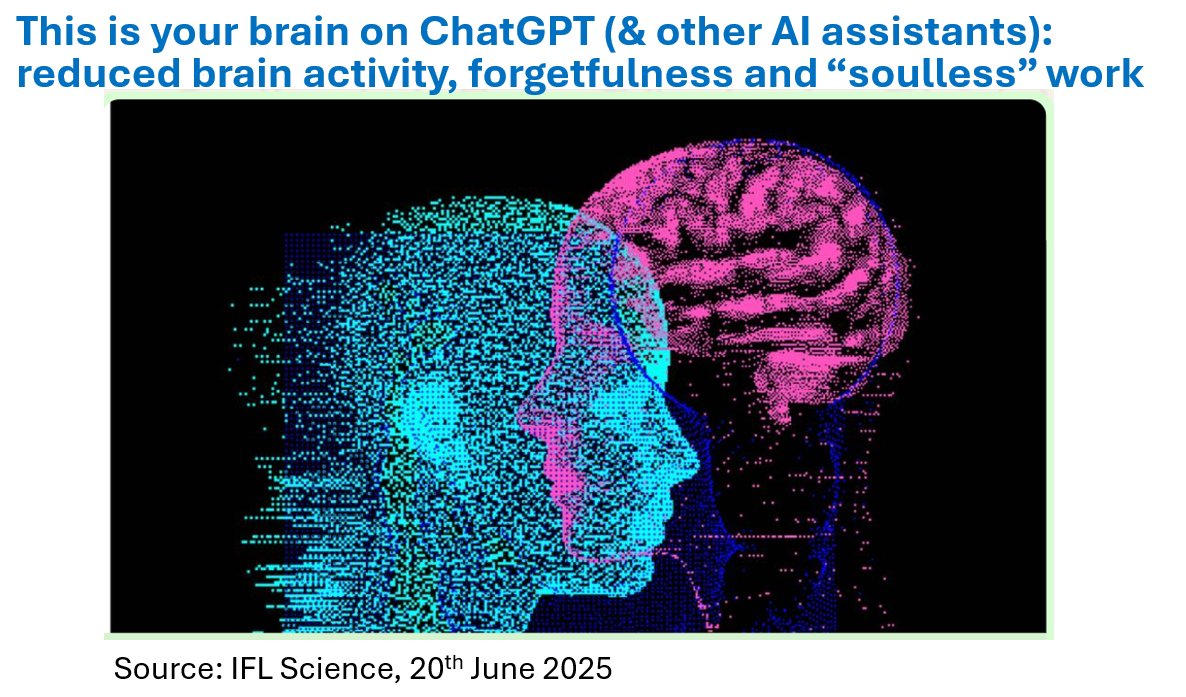
A new study looked at how using AI assistants like ChatGPT for writing tasks impacts the brain & thinking skills. It focussed on students writing essays but the findings have implications for workplace leaders.
The researchers found that people who used AI used their brains less, created work that was “shallow” & “soulless”, remembered less & had less ownership of their work.
Starting a piece of work with AI created a “cognitive debt” – people get short term benefits like more efficient writing but pay a price in reduced creativity & a mental laziness that sticks around & makes it harder to think critically later on.
Even when peopled stopped using AI, their brain engagement stayed lower. People who started the work unaided by AI produced more original content with wider vocabulary & critical analysis. They retained stronger cognitive engagement even when later using AI.
Implications: actions for workforce development
1. Prioritise critical thinking & problem-solving training: ensure people regularly engage in tasks that require independent thought & reasoning without AI assistance.
2. Encourage hybrid workflows: human first, AI second.
3. Implement continuous upskilling & reskilling: as AI rapidly changes job requirements, ensure people stay adaptable, resilient & capable of meeting evolving demands.
4. Use AI judiciously & monitor cognitive impact: regularly assess how using AI affects people’s engagement, learning & critical thinking & adjust policies to avoid undermining core human skills.
Original article: https://t.co/9WwtW4O2Se via @PietroMicheli13
Summary & graphic from @IFLScience https://t.co/Z1TruvhXqf
Huge effort by so many people. Looking forward to our first Mums and babies arriving tomorrow from 08:00 to the new maternity & neonatal units in our BEACH building at Bournemouth. @UHD_NHS
I had a conversation today about the difference between "kindness" & "niceness" in leadership so I decided to post about it. The article & graphic explain why, as leaders, we should choose kindness over niceness. Kindness is about caring enough to push people toward greatness, even when it’s uncomfortable. It’s a harder path but better in the long run:
https://t.co/8fow4ZEmWN. By @emb928
Graphic: @thejustinmecham via @dangrimes1980
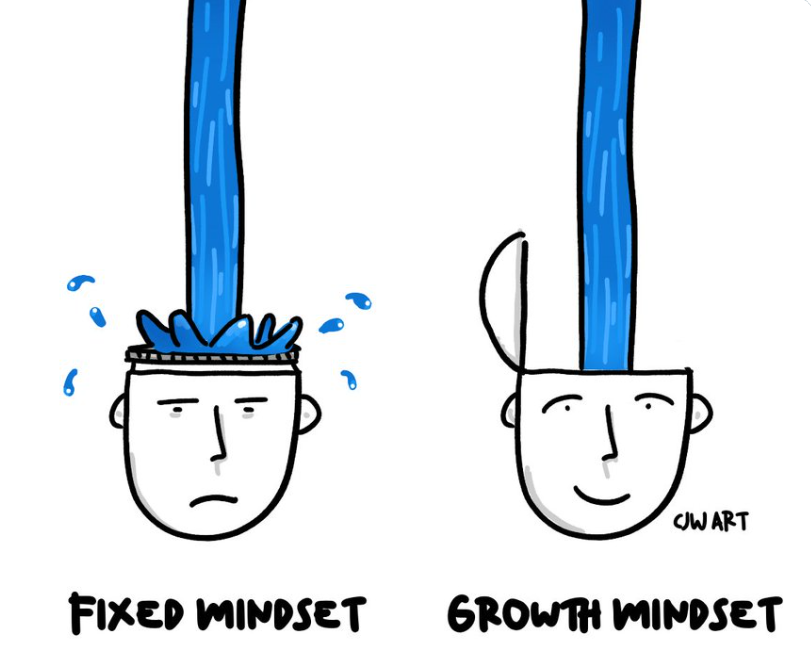
As leaders of change, how we think is as important as what we do. A key aspect of this is having a growth mindset (rather than a fixed mindset). This means that we:
- believe the people in our teams are imaginative & innovative & everyone has the ability to learn & grow
- see challenges & setbacks as opportunities for learning & improvement
-ourselves as adaptable & open to new ideas, which is vital for guiding people through change.
- are inspired by the success of others
- are focused on the process of learning & improvement, not just outcomes
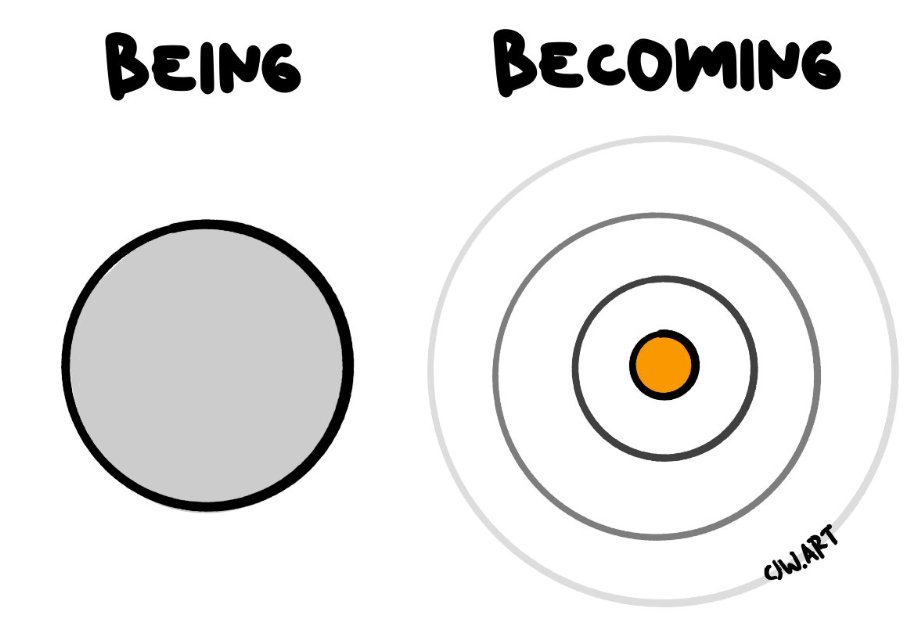
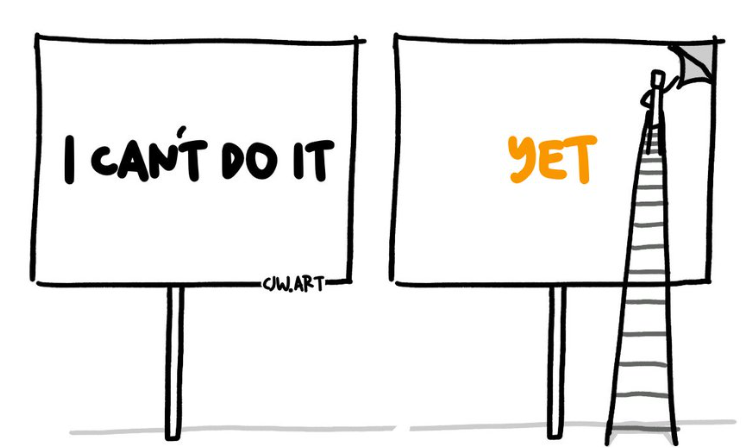
@MrChrisJWilson has produced a beautiful set of graphics on having a growth mindset. Here are four of them.
Great to see researchers from across Wessex including @BU_CMWH collaborating and working to improve women's health. #BUProud@AnandDPandyan @EvanTeijlingen @BU_Research https://t.co/Ew8SImbTRc
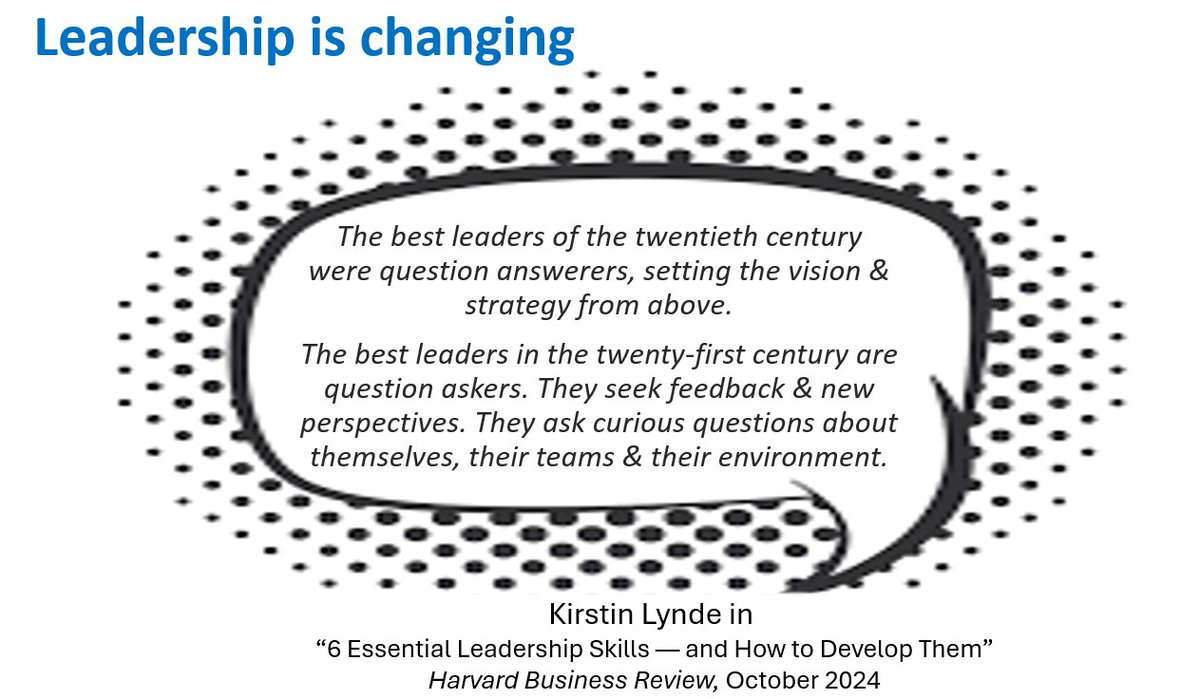
The role and skills of leaders needs to change, in line with profound changes in the workplace. In a new article in @HarvardBiz, a group of experts has identified 6 essential skills to thrive as a leader in the new environment:
1) emotional aperture - the ability to understand and tune into the emotional dynamics of others
2) adaptive communication - knowing how and when to adjust our behaviour & leadership style, connecting to the emotional energy of others
3) flexible thinking - able to flex with competing priorities & hold opposing ideas in our heads
4) perspective seeking, taking & coordinating - actively seek different perspectives & integrate new information into our approach
5) strategic disruption skills - questioning long-standing practices & pushing for continuous learning and improvement
6) resilient self-awareness - recognising our own boundaries/limitations & setting a healthy example for others.
There are links to lots of useful resources for developing these skills: https://t.co/J5lWxXQdQw. By @knightrm.
I would add a 7th essential skill: network & connection skills – ability to operate with both formal & informal influence and build sustainable relationships.
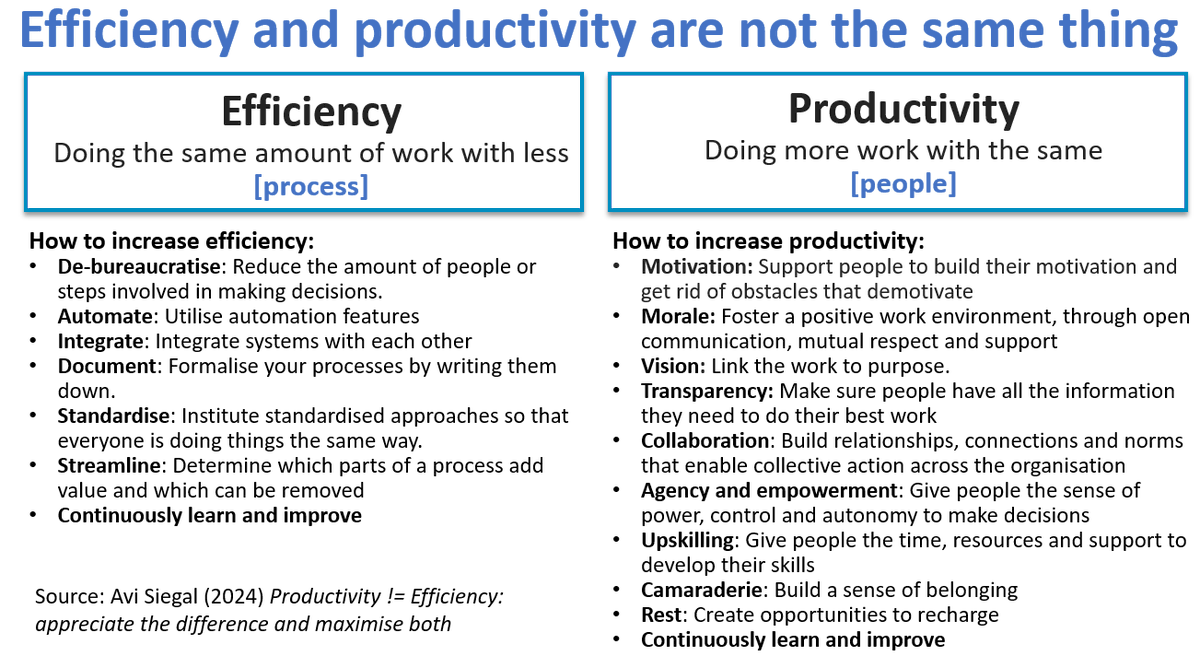
"Efficiency" & "productivity": two terms that we often confuse. As a result, we may struggle to address the problems we face because they focus on different problems with different solutions.
High efficiency does not mean high productivity. We can create highly efficient processes, but if people aren’t motivated to do the work or following procedures, they won’t produce results quickly.
High productivity does not mean high efficiency. We can have the most highly skilled & connected people, but if they are drowning in operational processes & red tape, they won’t produce results quickly.
If we understand the different approaches they require, we can maximise both efficiency and productivity: https://t.co/9C1cBEJy7E. By Avi Siegal on @Medium.
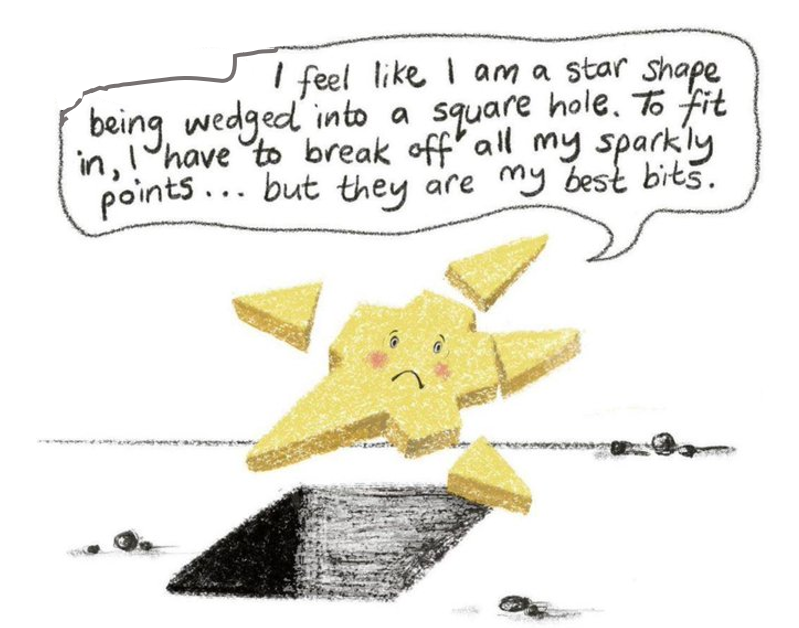
Building a sense of belonging is an act of leadership. It creates the conditions for people around us to feel supported & valued & to thrive. Even small moments of connection or reflection can have a big impact on people's sense of belonging.
@GeoffCohen, author of "Belonging: The Science of Creating Connection and Bridging Divides", suggests seven ways to build belonging for ourselves & others:
1) Reach out: small actions matter.
2) Don’t underestimate the benefits of connection: even little connections energise us.
3) Don’t be so quick to judge others: we tend to over-blame people (personality/ability/virtues) & under-blame situations & context.
4) Be welcoming at the beginning: we can improve retention by helping new people evoke their best self during the induction process, rather than trying to “break them in.”
5) Give wise criticism: give feedback in a way that helps people learn but isn’t threatening or undermining to their sense of belonging.
6) Share stories of adversity: stories of people who have gone before us help us to see our shared humanity.
7) Listen to other people’s perspectives: ask them questions about what’s standing in the way of their belonging & how we can help.
https://t.co/qK50OOZL8L. I've paired this with my favourite graphic about (not) belonging that came via @mme_hopkins
A paper fruit of the work done with the Italian national institute of health . Thanks toObst Sara Ornaghi for leading on this @EvanTeijlingen @VanoraHundley @BU_Research @AnandDPandyan https://t.co/VB6P3Rc9yo
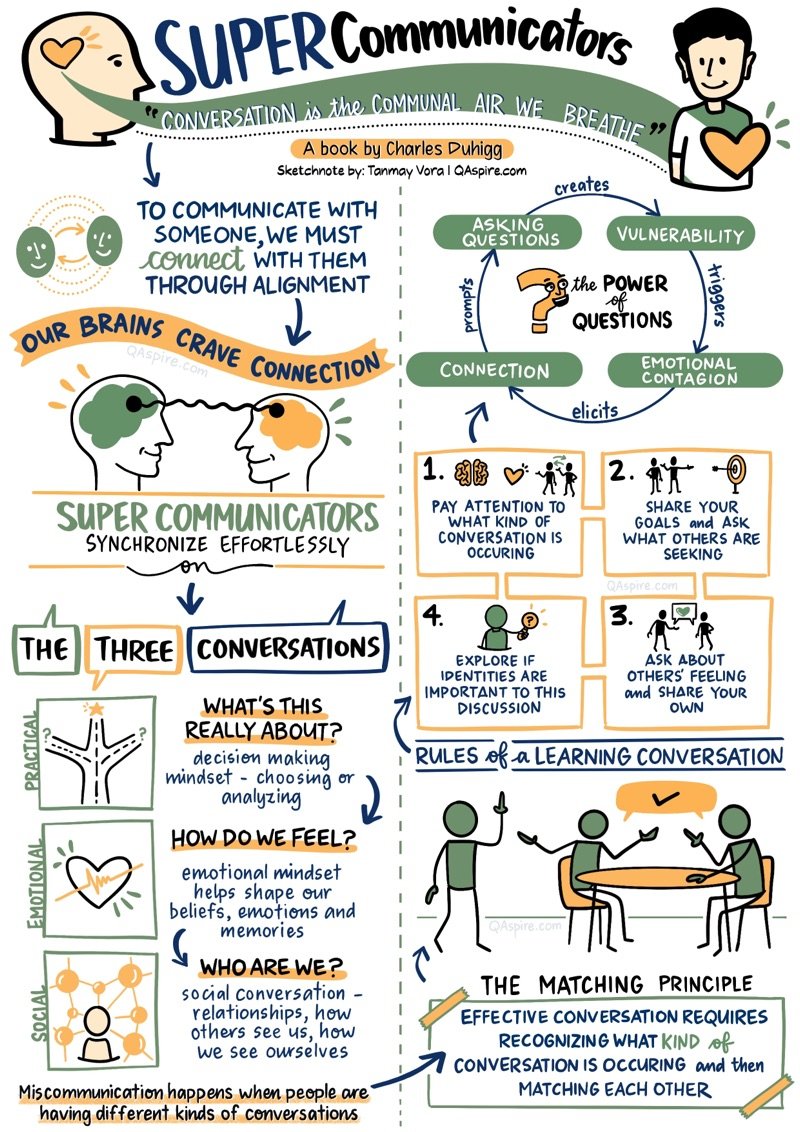
"Conversation is the communal air we breathe". A summary & sketchnote of "Supercommunicators" - a new book by @cduhigg. It sets out why some people ("supercommunicators") are able to connect with others, build consensus & influence people to join them. He suggests this can be replicated. The first step is working out what kind of conversation we are having. Is it:
1) analytical (What’s this really all about?)
2) emotional (How do we feel?)
3) identity based (Who are we?).
Only after recognising what type of conversation the other person wants to have can we connect:
https://t.co/8FUpyKDDn9. Blog & visual by @tnvora.
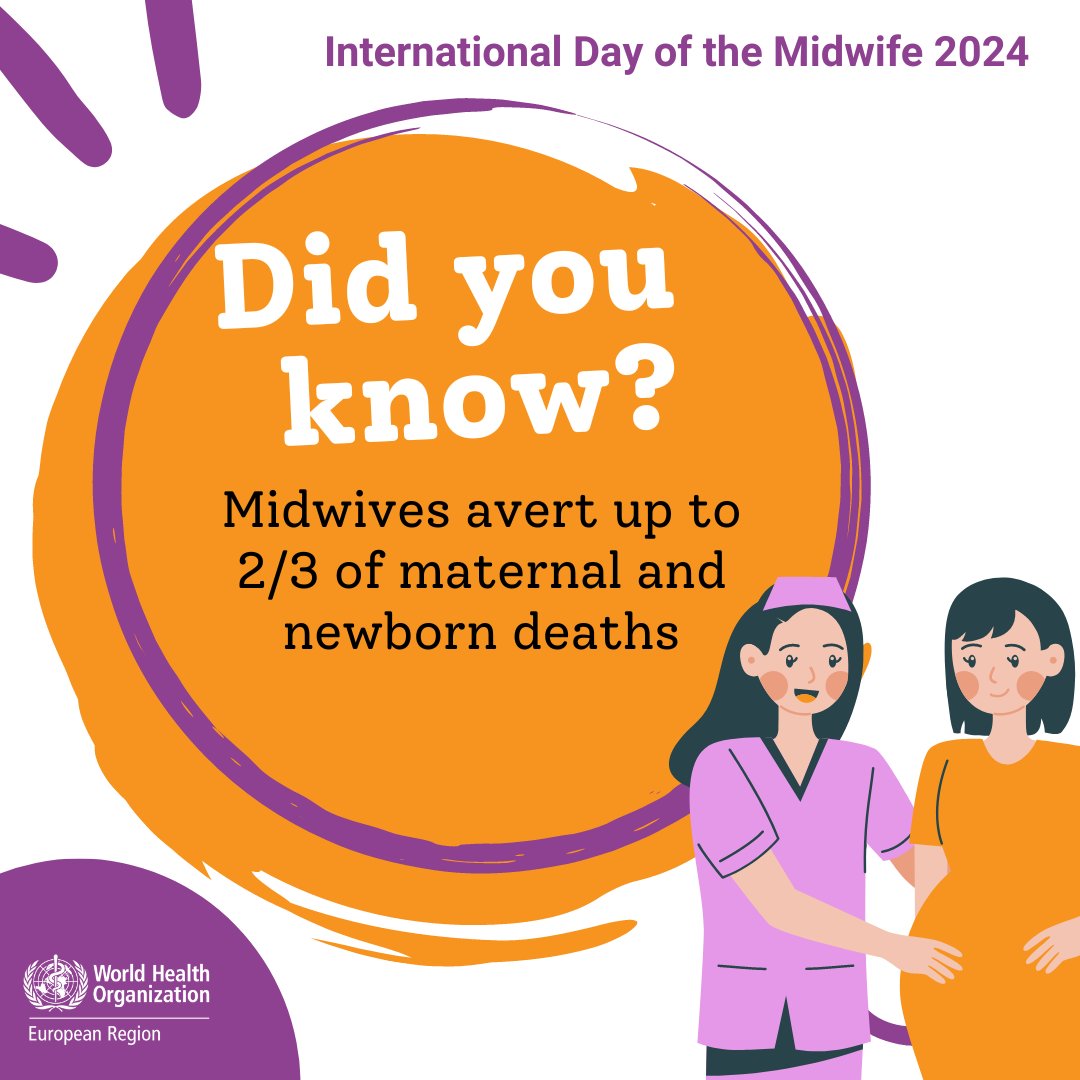
Investing in the education and training of #midwives is key for addressing maternal🤰 and infant👶 mortality and maintaining health in the first 5 years of life.
👉 https://t.co/Czl7qpoLZj
#IDM2024#MidwivesSaveLives
Messages from & to midwives + midwifery students to join the global IDM celebration & flag how key midwives are also for sustainability and climate! #IDM2024 @world_midwives @hss_bu @EvanTeijlingen @VanoraHundley @AnandDPandyan
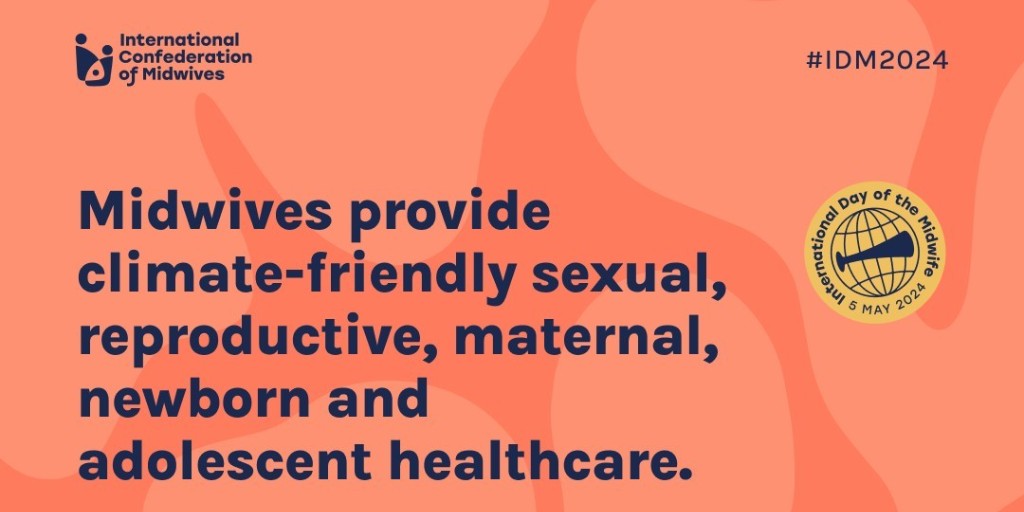
FIGO is joining ICM @world_midwives to advocate for midwives as a vital climate solution. Continuity of midwife care also ensures OB-GYNs can focus on complex health needs, reducing carbon emissions & promoting sustainable health services.
#IDM2024#InternationalDayOfTheMidwives
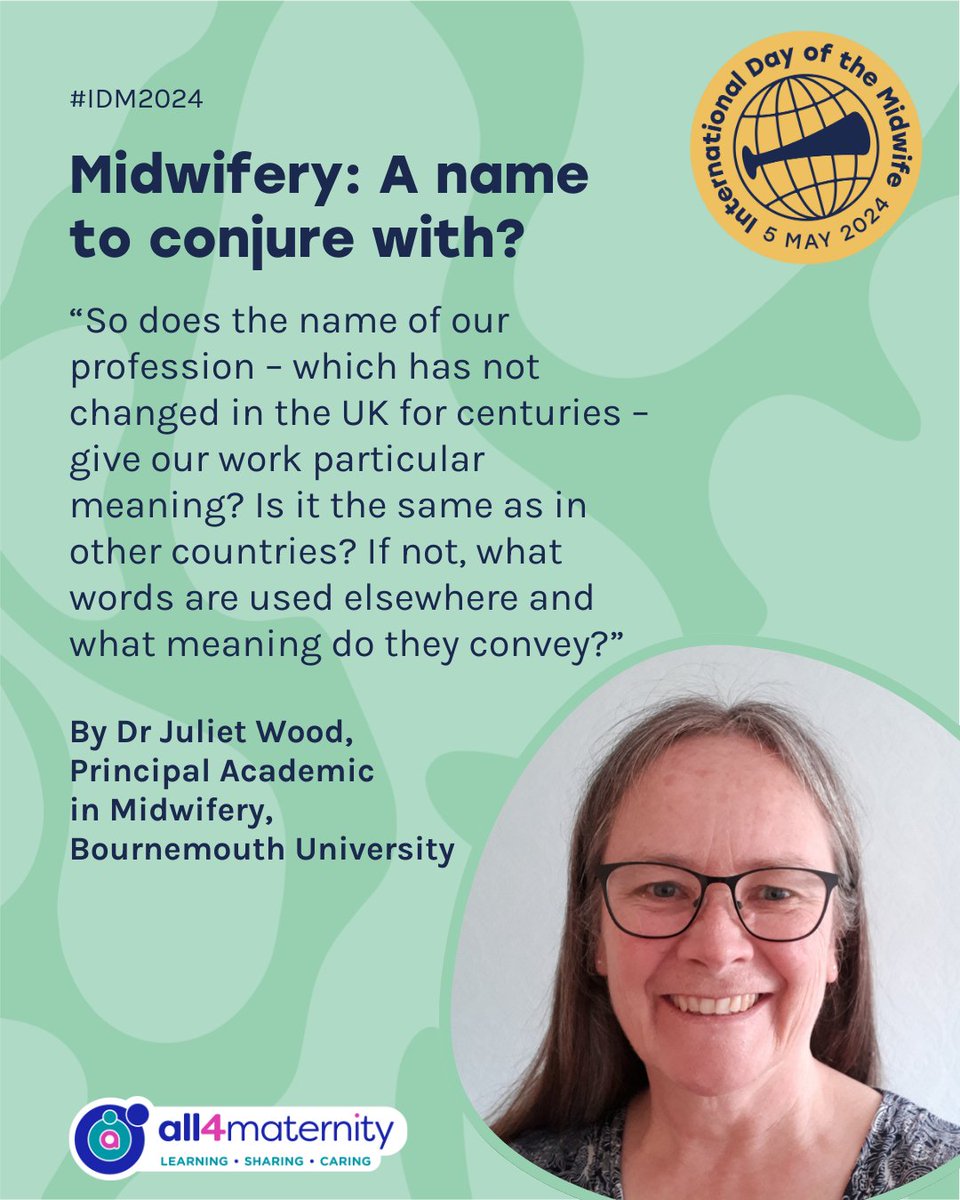
Reposting link to interesting blog of @jwoodmidwife, reminding me also of the little 'ritual' we had during the series we host of 'zoom the midwife' during the pandemic when indeed we asked about the term 'midwife' in the different language to our international colleagues
🎉 It’s International Day of the Midwife 🎉 and to celebrate we’re sharing this fabulous blog post by @jwoodmidwife, and asking what the word ‘midwife’ means to you! It’s OPEN ACCESS - read it here 🔗 https://t.co/2FQ5oDgJ3W
#IDM2024#Midwife#Midwives
Happy International Day of the Midwife!🤰👩🏿🍼
🎥 Tune in to hear from @ICM_CE as she discusses how midwives are vital for climate change solutions.
Don't miss this empowering message on #IDM2024!
Happy international day of the midwife to wonderful colleagues making a difference all over the world 🌍 #IDM2024
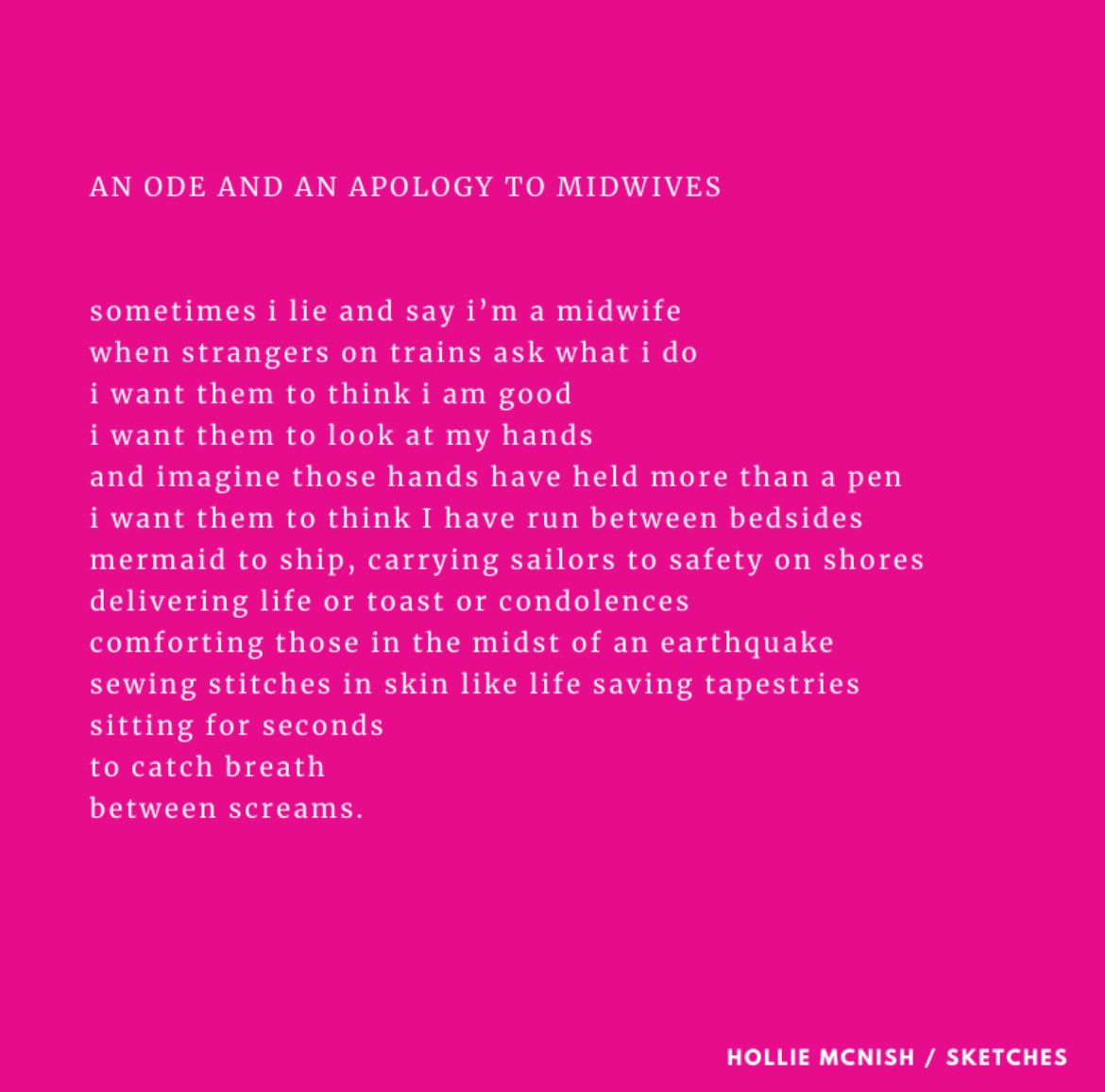
Celebrating you all with this poem from @holliepoetry