A little while left to register for the annual conference, and join our speakers from Japan, Pakistan, Netherlands, Germany, UK, USA, Australia, New Zealand.
For those of you new to PCT, it will be a great intro to our scientific community
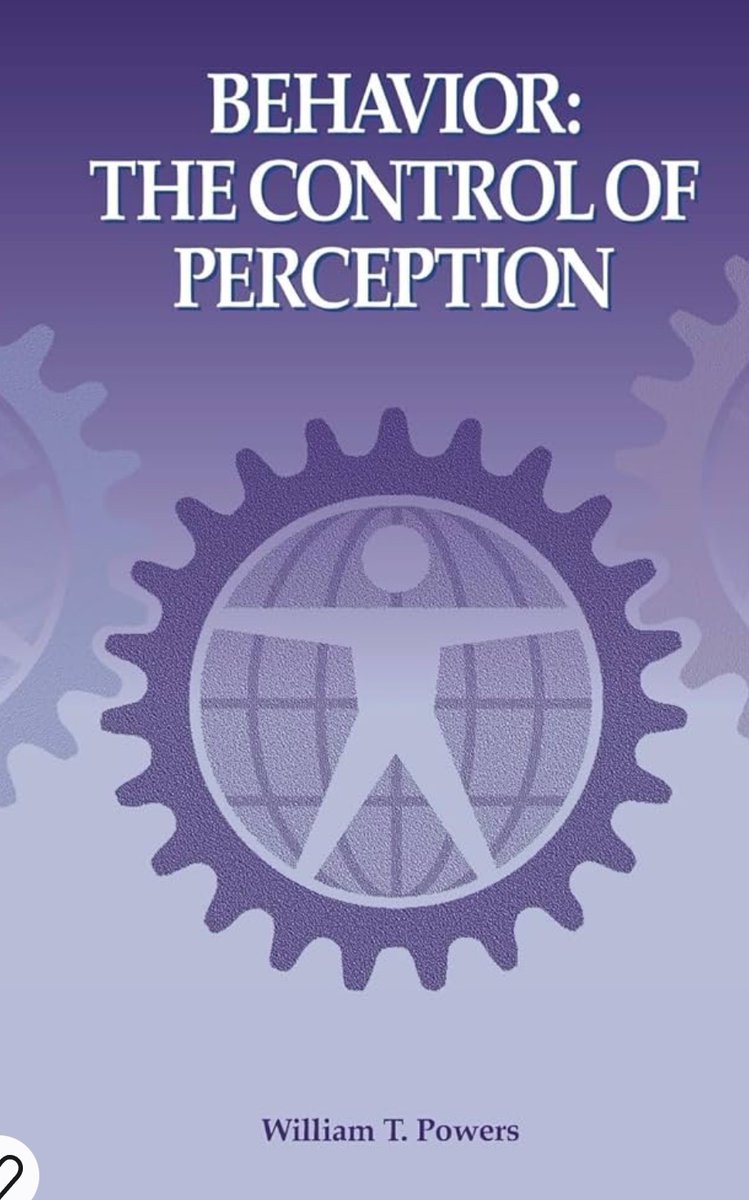
@patchurchland Paul Cisek endorses William Powers’ Perceptual Control Theory. Powers critiques Skinner’s behaviouralist system: it’s not just 1 way (reinforcements control behaviour), it’s a circuit/loop where behaviour controls reinforcements which influence behaviour.
https://t.co/uUiBp0gtSE
Interesting. I like the general idea of "perceptual control theory", which says we control our bodies to meet our perceptual goals; e.g., the reaching task has a goal of seeing our hand reach the cup and feeling it in our hand. The problem is how to specify that in the context of RL or some other optimization formulation, which is essentially what your work addresses.
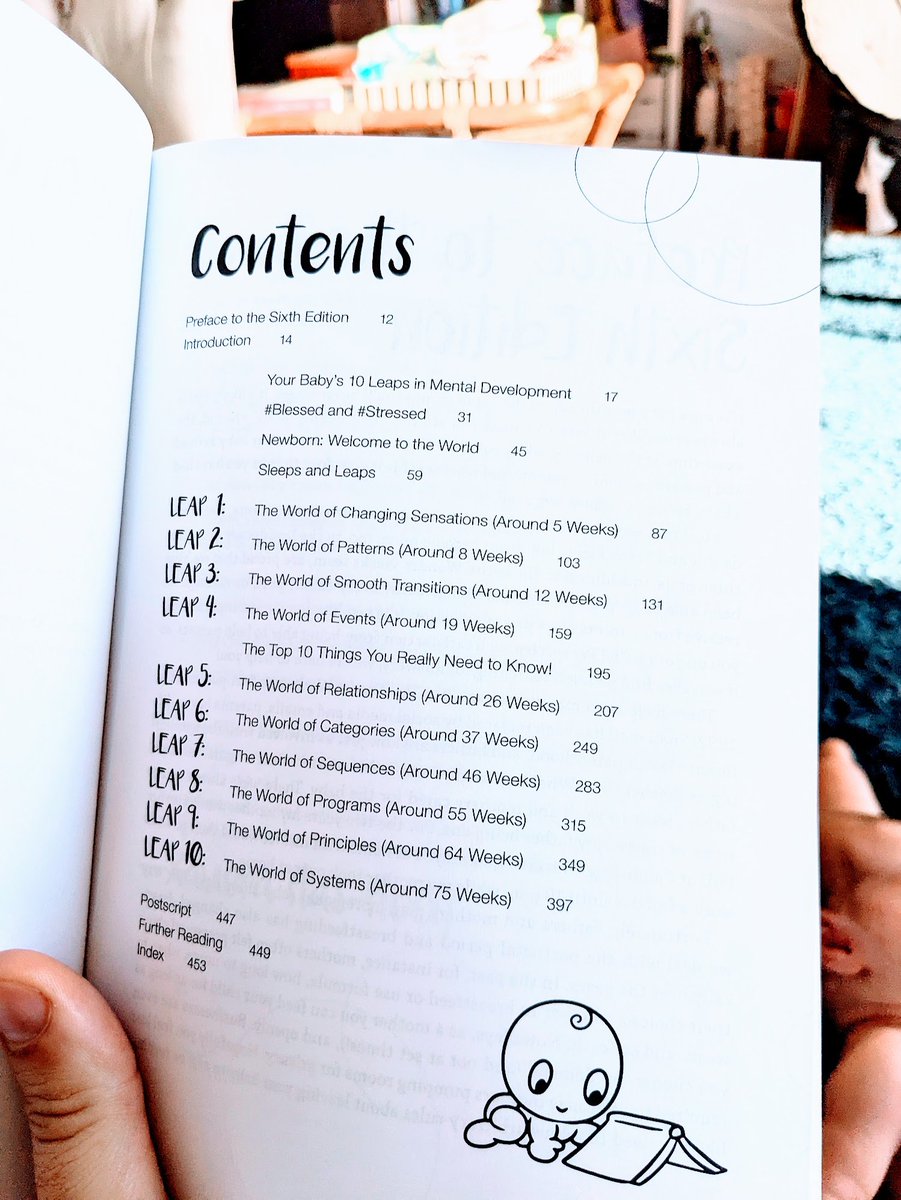
blew my mind when I opened The Wonder Weeks and was like "holy shit these are precisely the Perceptual Control Theory stages" (similar to predictive processing)
I've loved PCT since 2017—it was fun to see it show up in the wild (well, a dev psych book 😅)
https://t.co/ttWgjvlTIj
My presentation on evolving perceptual control hierarchies for wind turbine control as well as a discussion of the ARC environment as a platform for multi-level PCT research. https://t.co/ZWtw8Ocjj2
@iapct @warrenmansell
#evolution#robotics#behaviour#perceptualcontroltheory
🚨 New preprint 🚨 Pleased to share a new collaborative paper, led by @PsychScientists, on predictive control versus prospective control in the cognitive (neuro) sciences: “Predictive vs. prospective control: Clarifying the terms of the debate”
https://t.co/HLNdpLcmts 1/3
In particular, we discuss three notions of predictive control (from perception-action, predictive processing, and the free energy principle) and two notions of prospective control (from perceptual control theory and ecological psychology). Hope you find it helpful! 3/3
Alternative to the above inverse kinematics computational paradigm, perceptual control theory is used to solve the problem of movement in robotics: https://t.co/pXTDkx9PGv
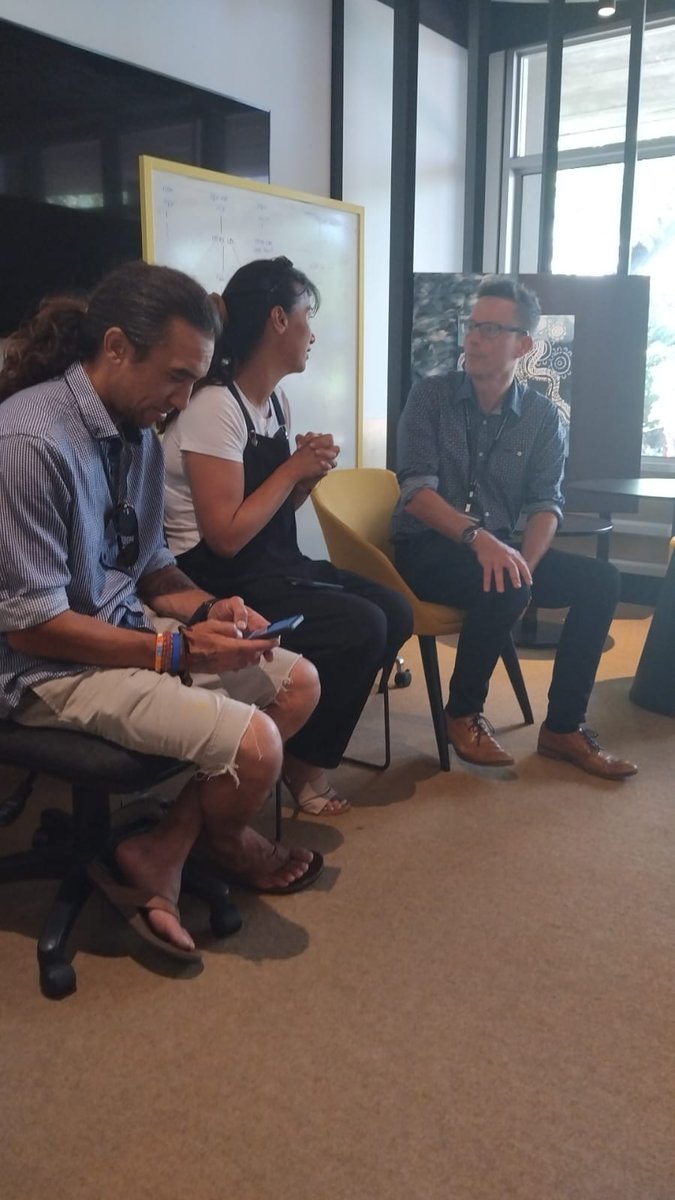
The 34th #IAPCT2024 Conference, hosted by @CurtinUni, wraps up today after three days of global collaboration on topics like pilot training, infant development, consciousness and deradicalisation. Thanks to all who contributed! Learn more. 👉 https://t.co/iaP2rfqGZk
Financial self-efficacy, visual attention, and performance in equity crowdfunding: An eye-tracking experiment.
…the findings contribute to the debate between social control theory and perceptual control theory, providing support for the latter.
https://t.co/0oTpgG6mdk
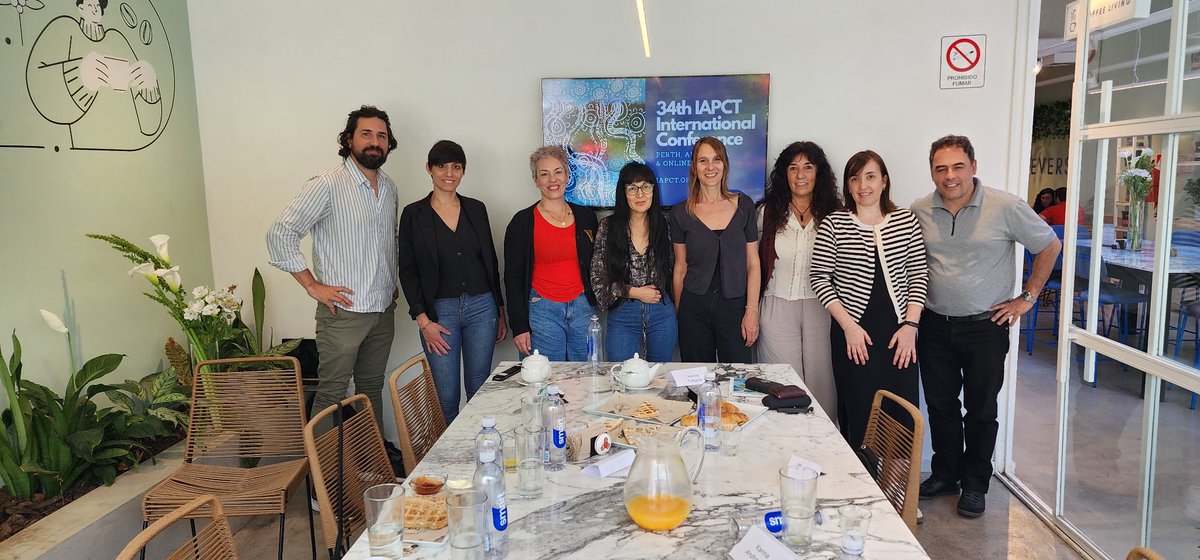
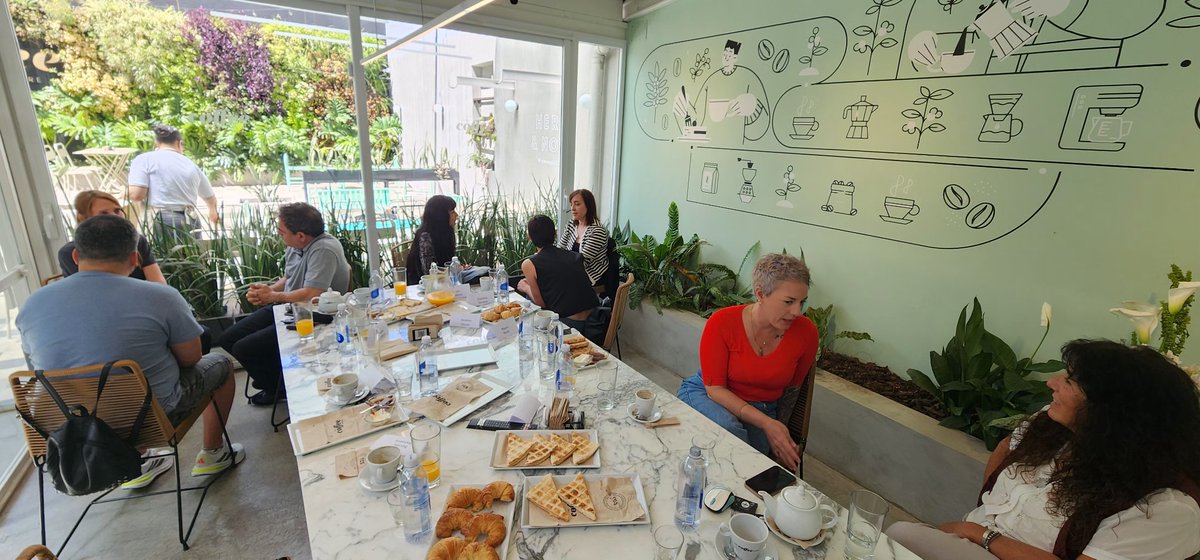
Great conversations about Method of Levels (MOL) and Perceptual Control Theory (PCT) at the 34th IAPCT Pre-Conference in Buenos Aires, Argentina! MOL practice with clinicians was a hit.
Can’t wait for the main Conference in November! https://t.co/jj98qhNmDc
@iapct
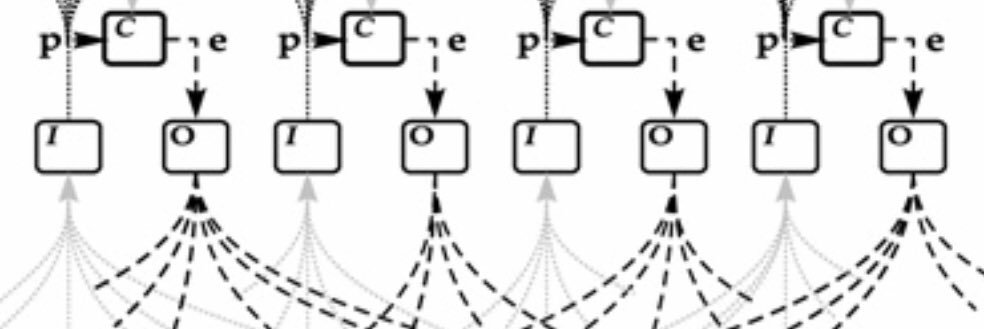
Iconic models in science and psychology
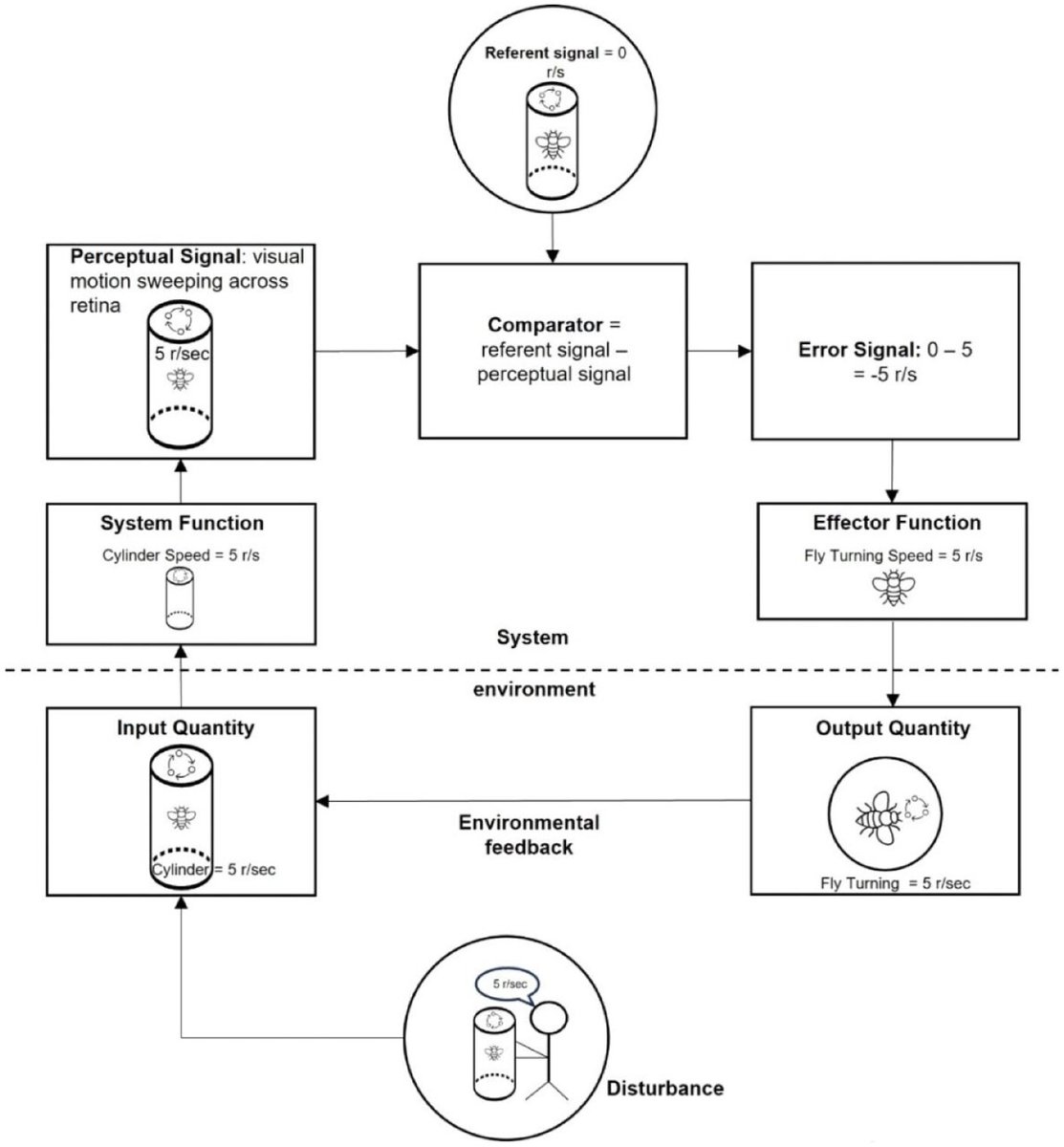
Excellent illustration of how diagrams can shift the perspective - in perceptual control theory
https://t.co/IkdMjLns5U
https://t.co/euvTOgHnpI