"While virology has delivered enormous gains to science and humanity, rapidly maturing and emerging technologies are altering the risk landscape of virological research". Norman, Bailey, Dual-use virology research in the age of AI. Nat Microbiol 2026
https://t.co/fgENjTw5KE
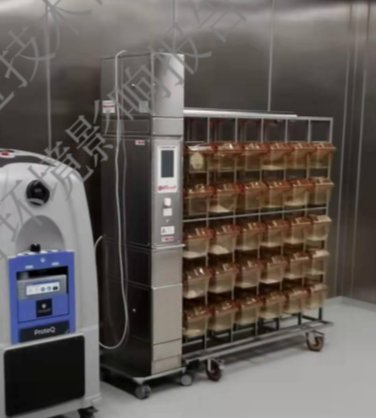
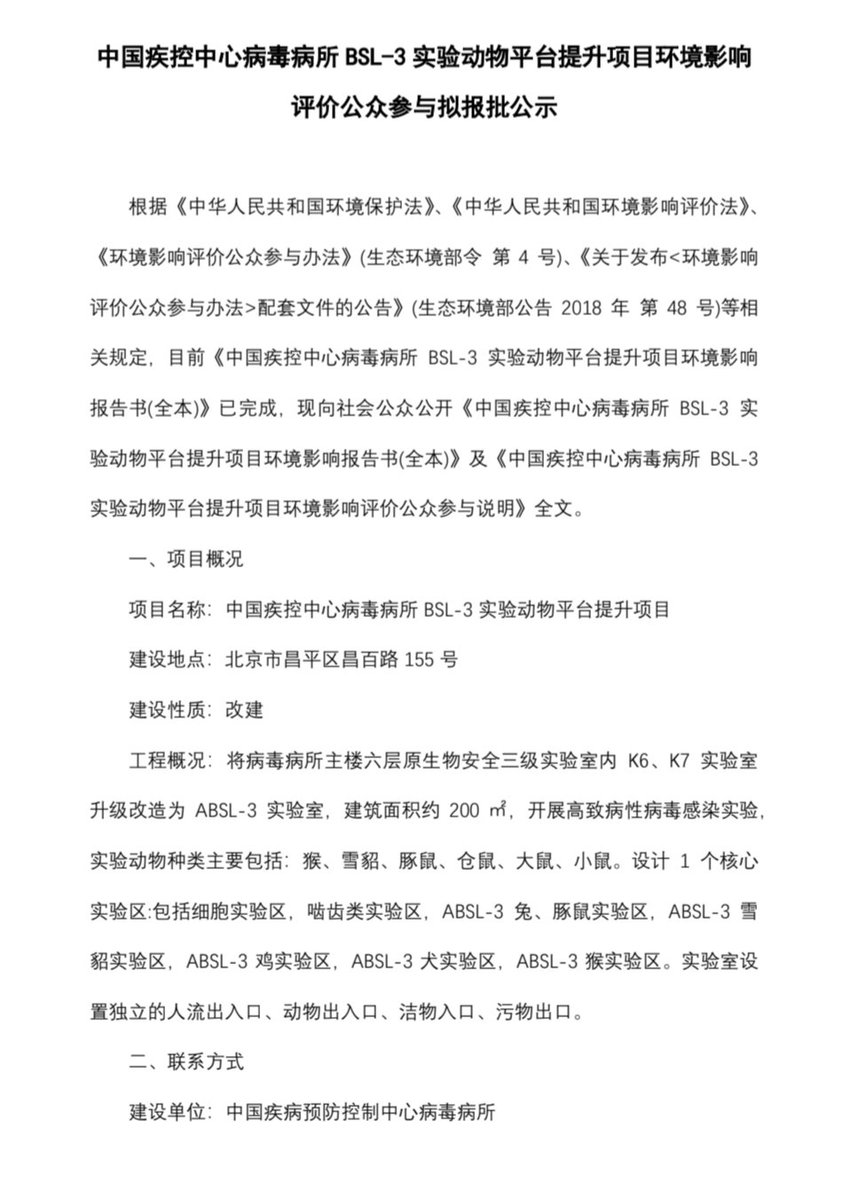
China Institute for Viral CDC (IVDC) is converting its 200m2 six floor BSL-3 into an ABSL-3, for Viral experimentation on small animals (ferrets, guinea pigs, rabbits, rodents) and non-human primates (monkeys).
The University of Saskatchewan’s (USask) Vaccine and Infectious Disease Organization (VIDO), in Canada, is upgrading its facilities to CL-4 biosafety lab.
The University of Saskatchewan’s (USask) Vaccine and Infectious Disease Organization (VIDO) is upgrading its facilities to BSL-4 biosafety lab. It is the second BSL-4 in Canada after Winnipeg's. https://t.co/JYoEUOjlSF
A new study reveals the risks of accidental release of biological agents from BSL labs into the wider community are not adequately addressed. It recommends complementing BSLs with explicit thresholds for expected societal harm. https://t.co/XnKbaLs25i
AI in the military domain is moving fast. Open dialogue between diplomatic, technical, military and humanitarian communities helps States anticipate the risks and protect international peace and security. Learn more: https://t.co/FmlNee0Vrb
#DisarmamentWeek
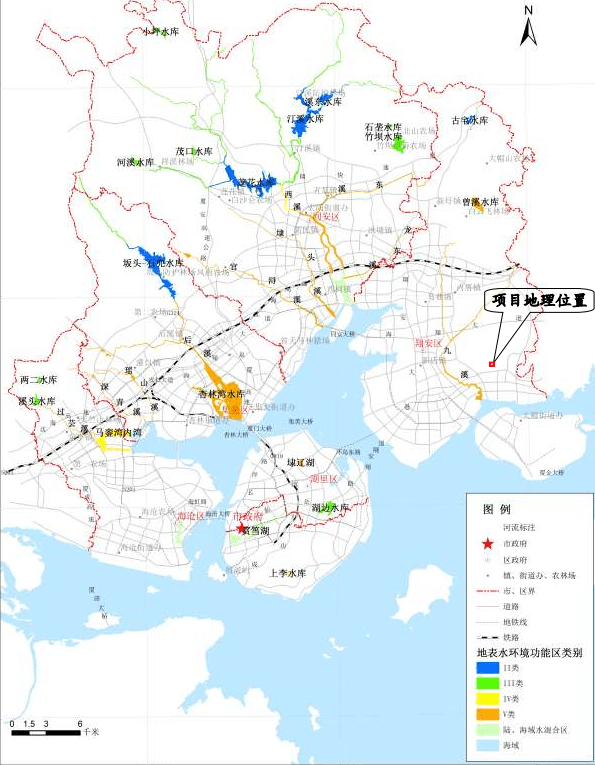
New BSL-3 biosafety lab under construction at Kunming Medical University, China. It will be operational before 2028. It will contain 2 BSL-3 & 5 ABSL-3. It will be the 8th BSL-3 facility in Kunming. Kunming has also a BSL-4.
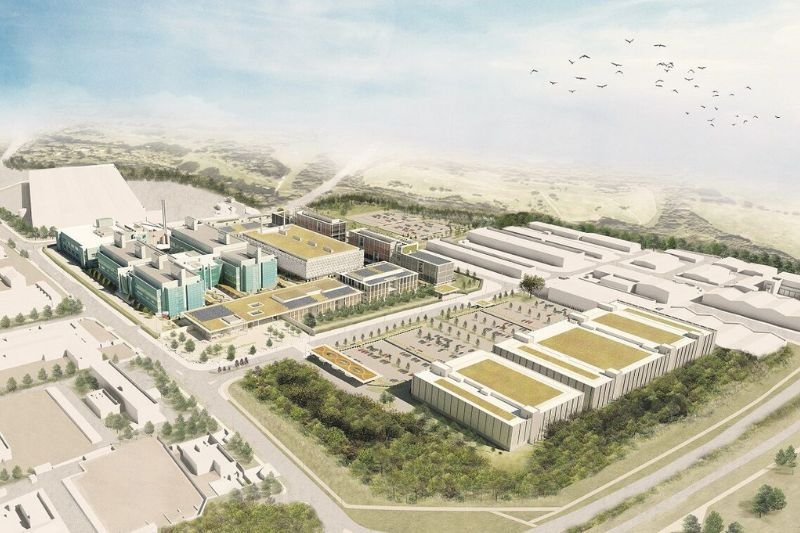
Construction is restarting at the new high-containment lab of the UK Health Security Campus in Harlow, Essex.
Known as H50, the facility will house labs for Containment Level 3 (CL3) & Level 4 (CL4) pathogens.
https://t.co/4SuLQeRNJs
New plan for a BSL-3 at OSHU, Oregon, USA. Federal investment supports a state-of-the-art Biosafety Level 3 laboratory for studying emerging infectious diseases. https://t.co/O7aK2JJwOJ
“Russia’s suspected plague incident exposes gaps in biosecurity governance, highlighting the need for laboratory transparency, stronger oversight and international cooperation” https://t.co/Q3GNAieDgf
Manipal Academy of Higher Education (MAHE) in India has put into operations a BSL-3 facility, marking an important milestone in strengthening high-containment biomedical research, infectious disease diagnostics, and public health preparedness.
https://t.co/guOA3MLD4u
#France has reported the first documented case of a human infection with #Shamonda virus, a virus only previously detected in animals.
The patient was immunocompromised, which made them more vulnerable to infection and severe disease, and unfortunately died. My heartfelt condolences to their loved ones.
Shamonda virus primarily affects animals such as cattle, sheep, goats and horses. The virus is thought to spread between animals by the bites of a midge, which is a small fly-like insect. Further studies are needed to fully understand transmission.
The French patient was in an area where the Shamonda virus was circulating in animals and where Culicoides midges were also present.
@WHO is in contact with French authorities who are collecting information to better understand the source of infection in the first human patient, possible routes of transmission and any potential risk to public health.
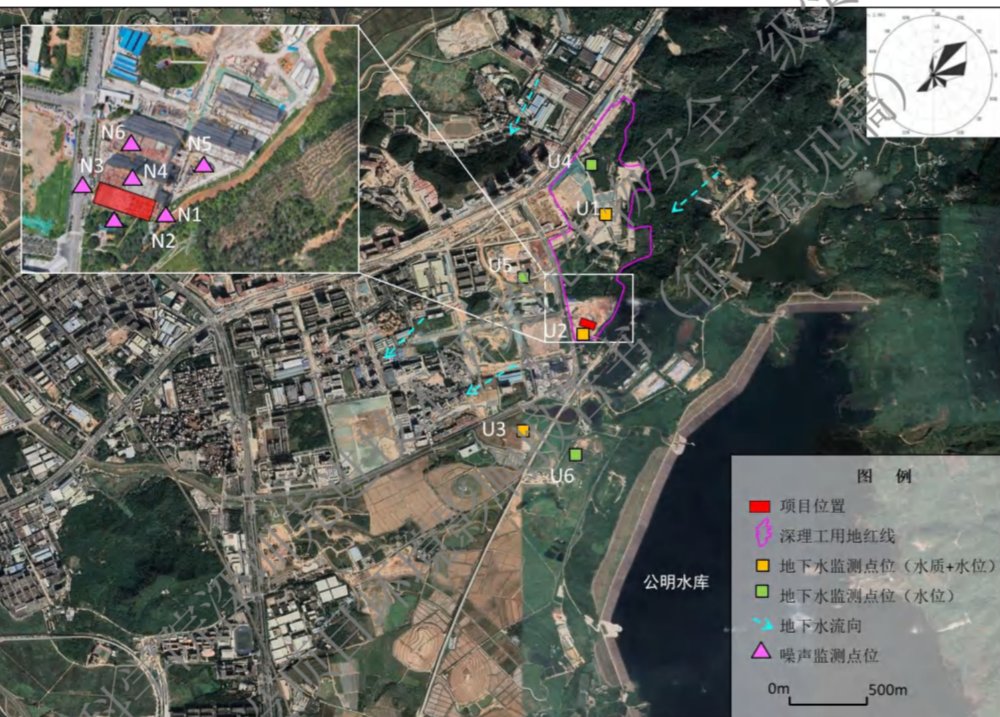
New BSL-3 at Shenzhen Institute of Advanced Technology, Chinese Academy of Sciences: 10 000 m2 with 8 BSL-3 & 13 ABSL-3 for rats & mice, guinea pigs, hamsters, ferrets, and monkeys. EIA dated 2023, estimated to operate in 2026.
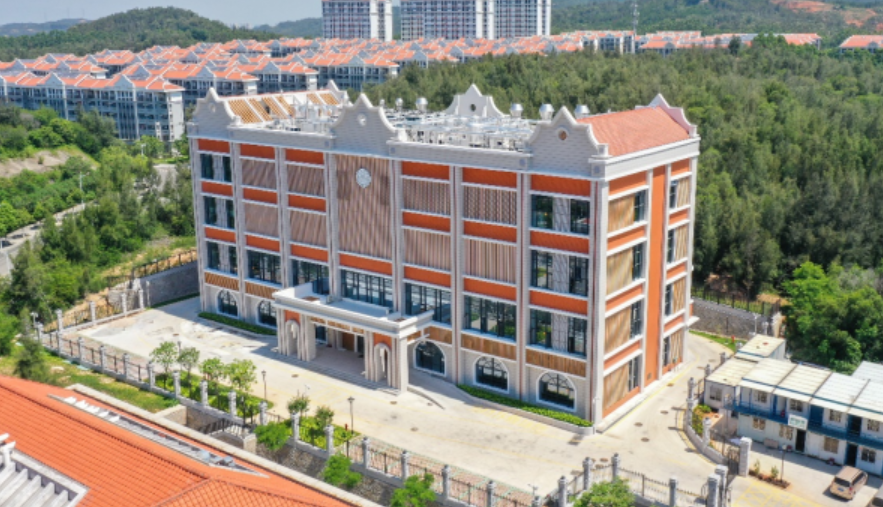
New BSL-3 at Xiamen University, China, completed in 2023 & put into operations in 2024. The lab includes 3 BSL-3, 4 ABSL-3 including 2 rooms for small animals, 1 room for primates (monkeys), and an experimental room. https://t.co/VFJBBbMgaS
BSL-4 in the World: After a slowdown following the COVID-19 outbreak, the number of BSL-4 laboratories is rising again, at roughly one new facility per year, the fastest pace ever recorded. (Human diseases' max containment laboratories as per WHO)
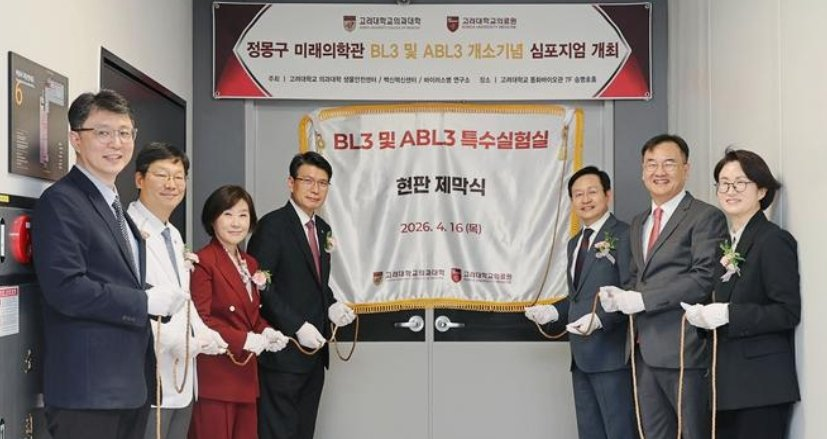
New A/BSL-3 in South Korea. The new special labs are the largest biosafety facilities among universities. The labs includes research on high-risk pathogens, development of vaccines and treatments, identification of infectious disease mechanisms https://t.co/3uJw51be1r
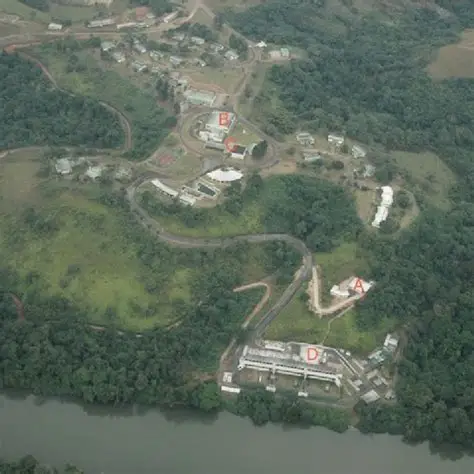
New BSL-4 proposed in Gabon at the Centre international de recherches médicales de Franceville CIRMF. It covers assessment & modernisation of the existing 1990s P4 infrastructure, creation of a training centre & construction of a new P4 laboratory. https://t.co/R382Blk9Er
New BSL-4 under construction in Singapore: Singapore Defense Science Organisation (DSO) National Laboratories is strengthening its capability to include a maximum containment laboratory BSL-4. Expected to TOP in 2026. https://t.co/VdZ7xOFip8
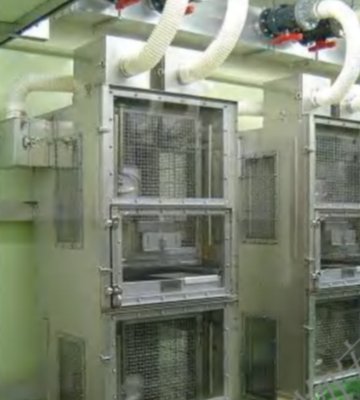
Singapore updated its BSL-4 Biosafety Standard in May 2026. It covers design principles, management & operating policies, performance testing & good practices handling highly dangerous biological agents & the use of animals in primary containment cages https://t.co/VnqIPnVDGG
New BSL-3 & 4 at National Bio & Agro-Defense Facility (NBAF) in Kansas faces delays due to technical issues on seals and air pressure. https://t.co/2xYKjS96sh