Iberia during the Cretaceous and Paleogene: paleoisland and biogeographic bridge. Case studies in larger foraminifera and charophytes. Research and outreach.
New published manuscrit: #Decapod assemblages from the Aptian-Albian transition of the eastern Maestrat Basin (Iberian Chain).
À. Ossó, S. Charbonnier, M. Hyžný, B.W.M. van Bakel, J. Devillez, T. Bover-Arnal, J.A. Moreno-Bedmar
Link: https://t.co/Hal1bjzW5x
New published manuscript: Fossil corals with skeletal lesions comparable to modern ones by T. Bover-Arnal, A. Strasser and R. Salas @SedGeology_RG
Link: https://t.co/uWMU4CdlS1
Researchers from @Iberinsula have described a new Vitaceae species (Nekemias mucronata) in Cervera (Ebre Basin). The oldest record of this species in Eurasia dates back to the middle Eocene, and it remained as a relict in the Iberian Peninsula during the late Oligocene.
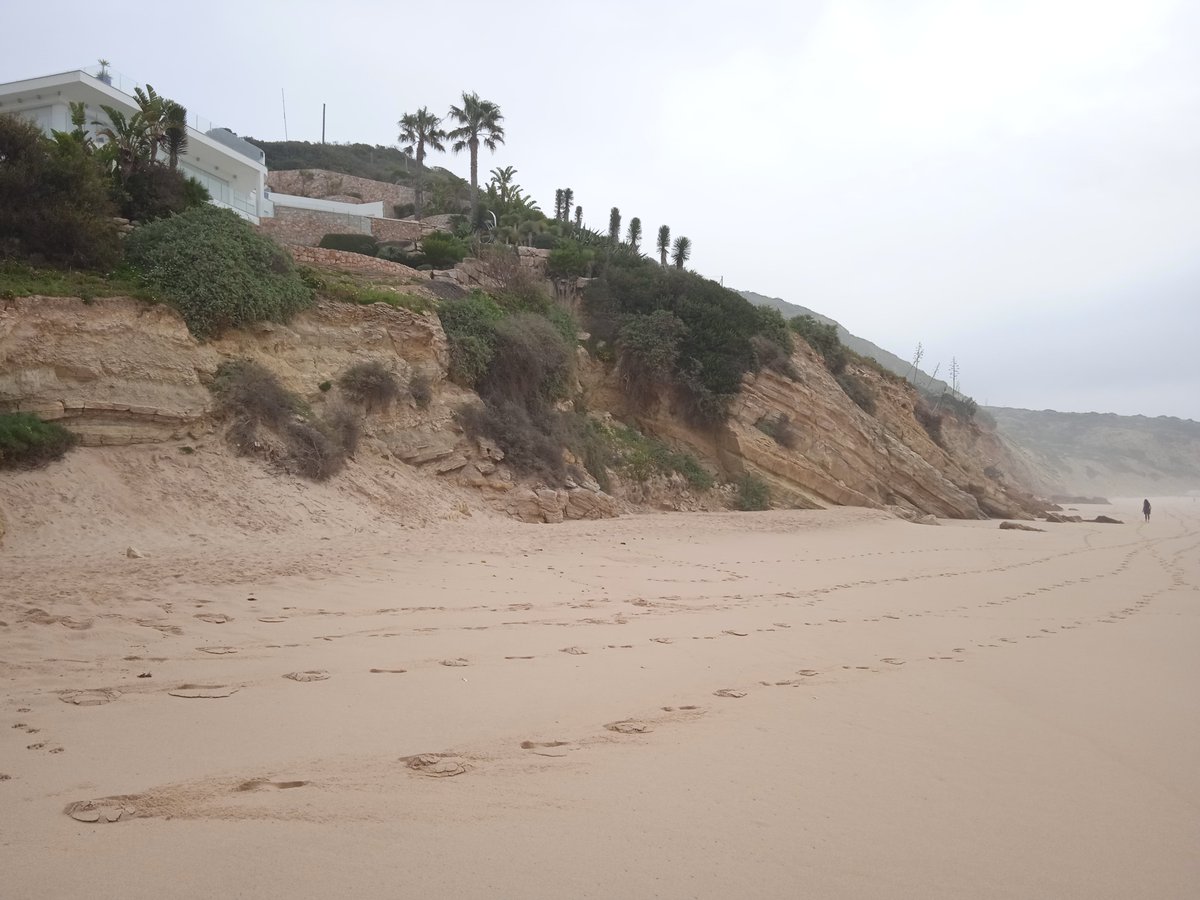
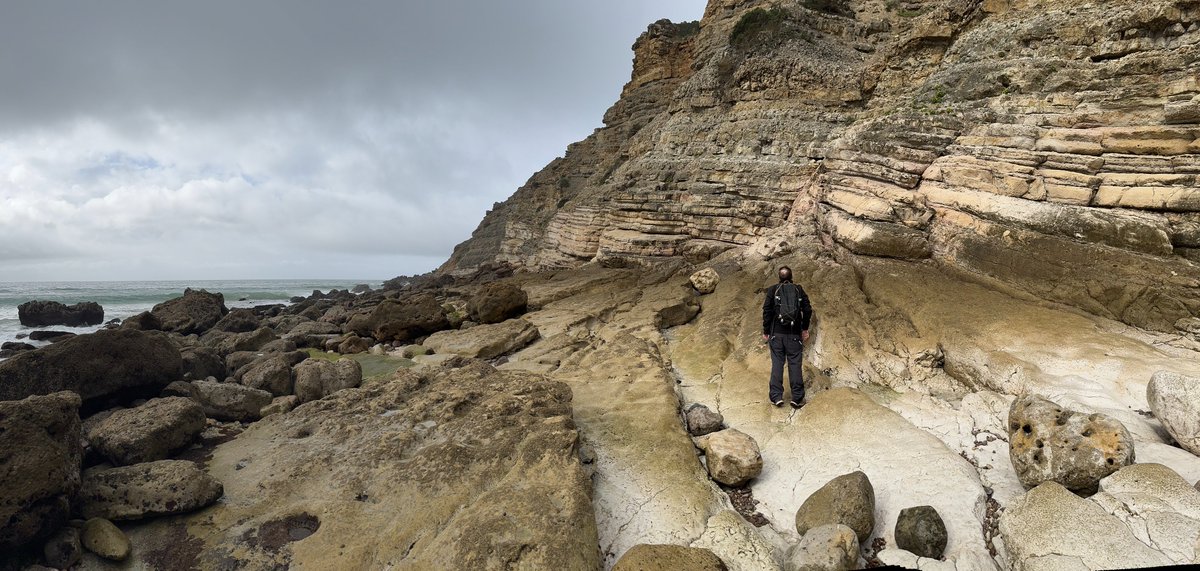
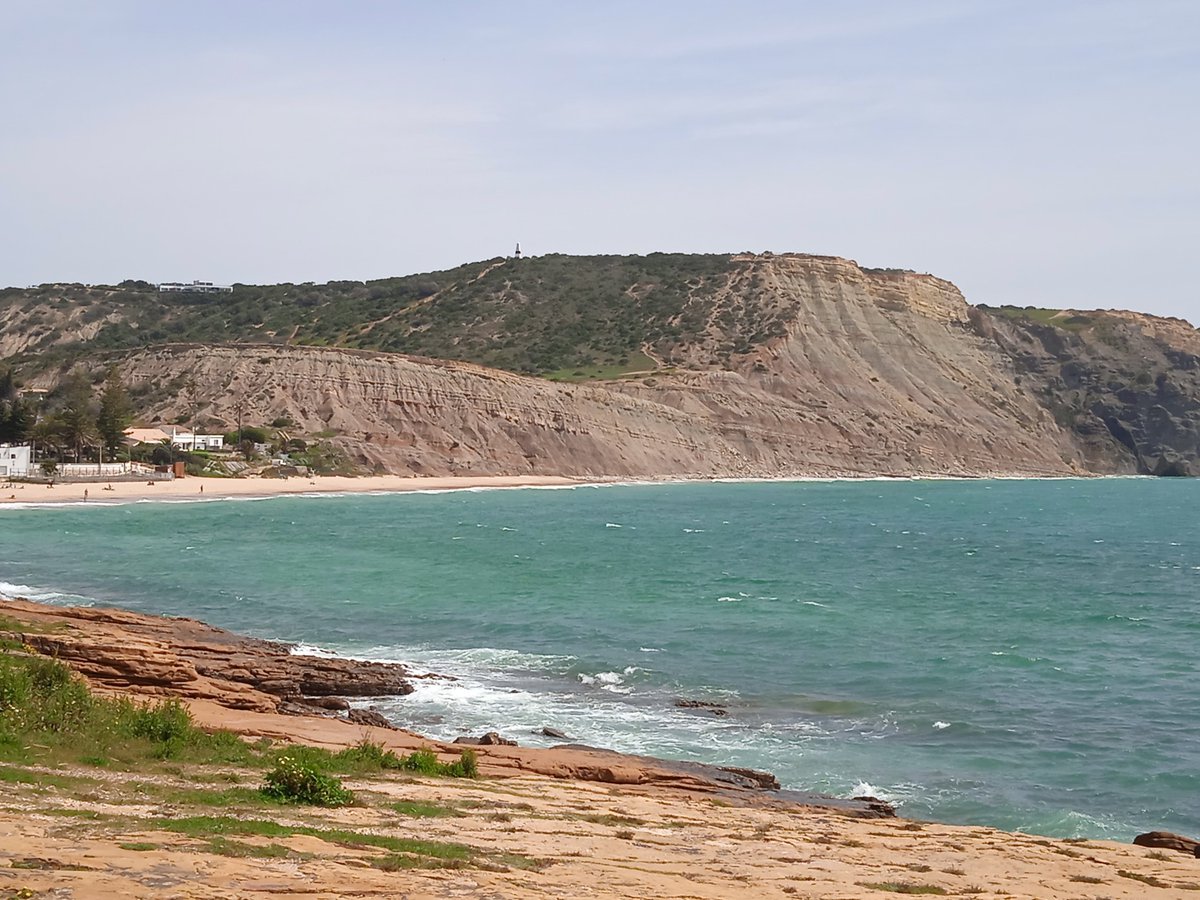
Durant les dues primeres setmanes d'abril, l'investigador de l'equip @iberinsula@Echinocharoid ha estat a l'Algarve mostrejat diverses sèries de l'interval Kimmeridgià–Aptià amb l'objectiu d'entendre millor la biostratigrafia i la biogeografia dels caròfits a nivell d'Ibèria.
🔬 El projecte @iberinsula i la tasca de la Dra. Tosal en el projecte, enquadrat en una iniciativa nacional de @CienciaGob, busca comprendre millor la influència del canvi climàtic en l'origen de la flora mediterrània. 📚🔍👇
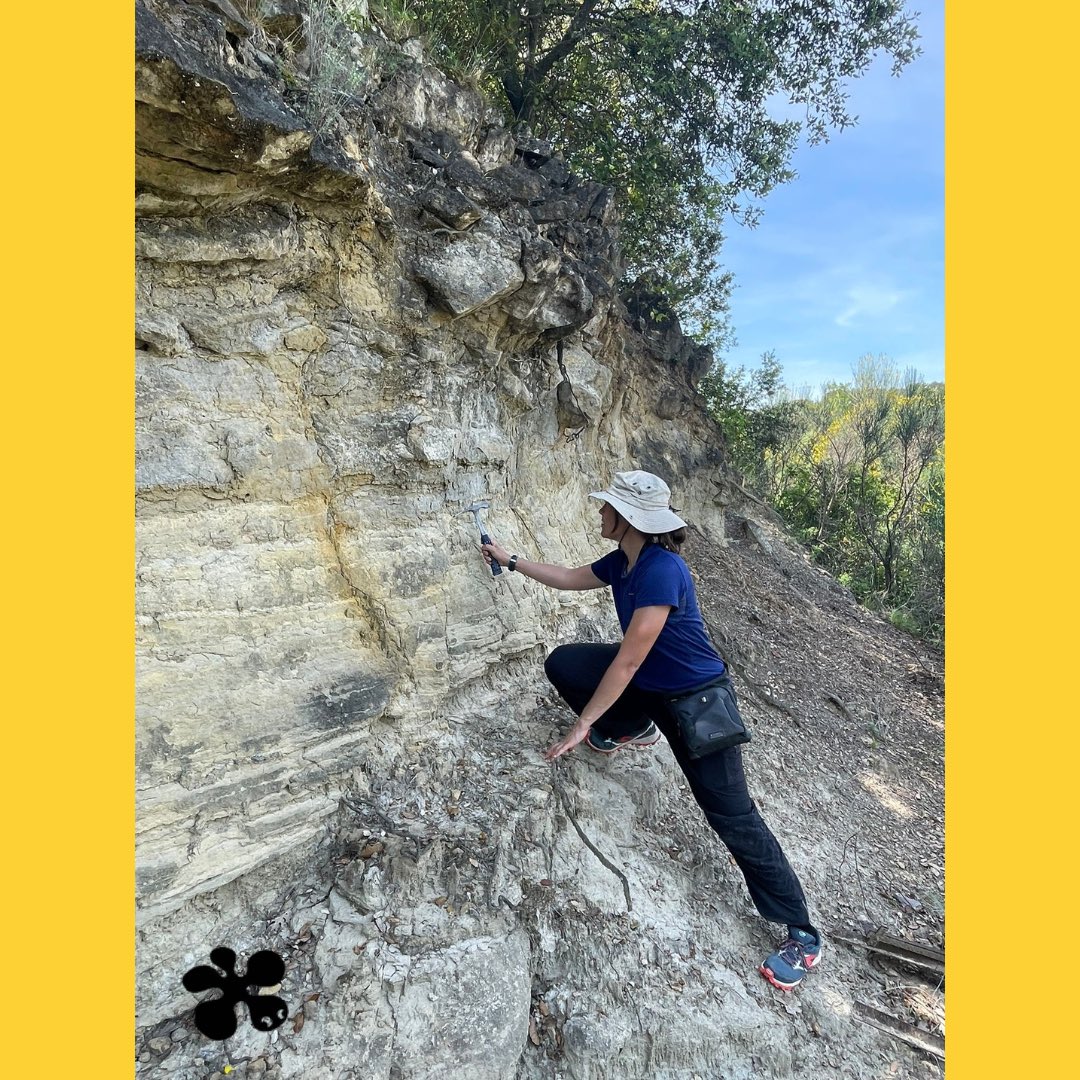
@xonborrell@MarMegaFaunaUB 🔍⛏️La meva recerca se centra en el trànsit Eocè-Oligocè: estudio la taxonomia, sedimentologia, tafonomia i paleoclimatologia dels medis continentals a partir de macrorestes vegetals fòssils. @SedGeology_RG 🪨🌿
🗞️#NoticiaIRBio “Els canvis climàtics van transformar radicalment els ecosistemes europeus durant la transició Eocè-Oligocè”🌍
La investigació liderada per la Dra. Tosal, del IRBio i @UniBarcelona està il·luminant els secrets del canvi climàtic europeu fa milions d'anys. 🌿🧵
📑#ArticleIRBioUB a Cretaceous Research @ELSenviron on participen Alba Vicente Rodríguez, Josep Sanjuan, @Echinocharoid i Carles Martín-Closas⬇️
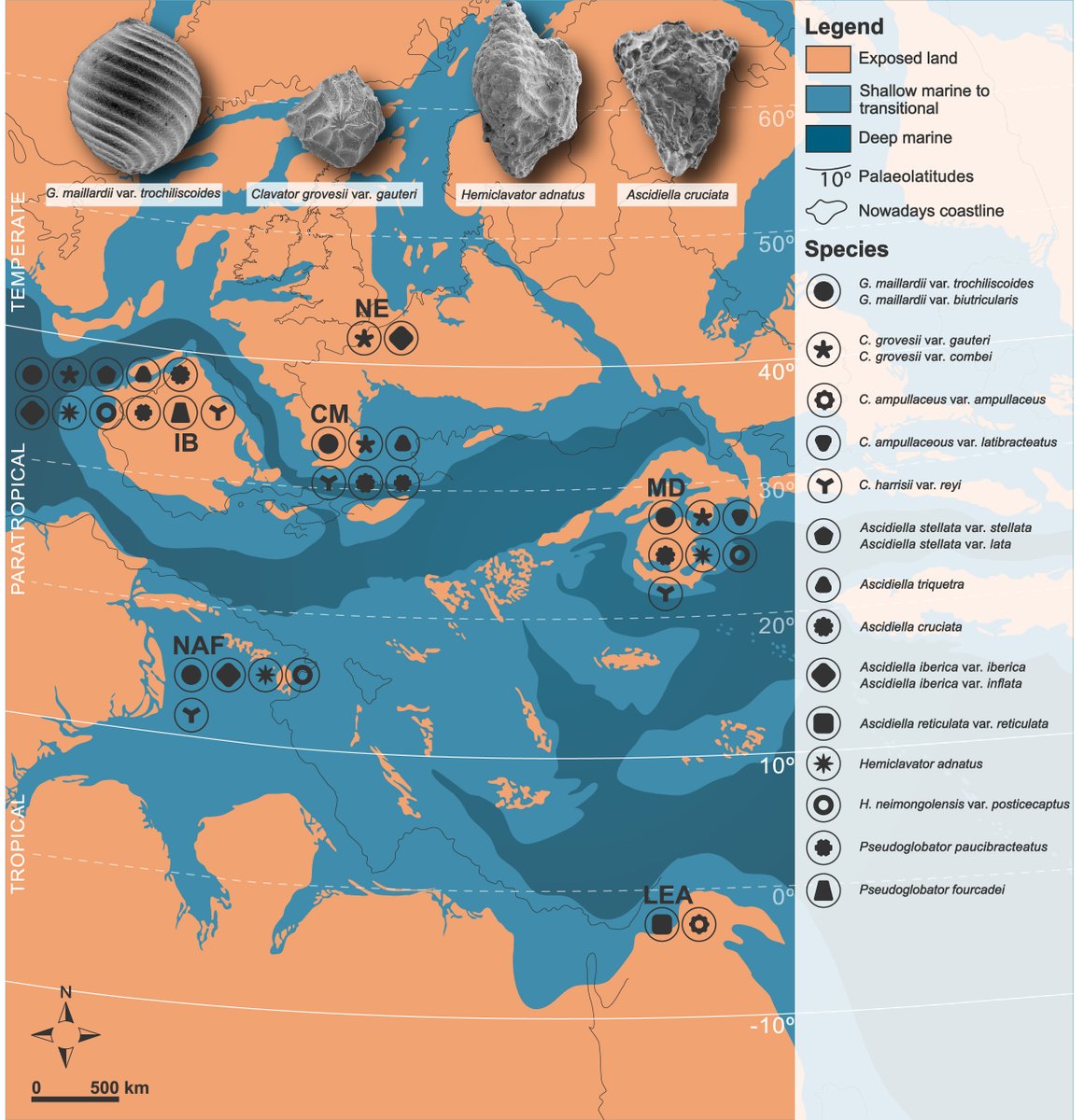
"A bioprovince for the Barremian-Aptian charophytes of the Central Tethyan Archipelago"@DeptDto
🔗https://t.co/2GlZ5toxBy
Our new study about plant palaeobiogeography finally published! :) A bioprovince for the Barremian–Aptian charophytes of the Central Teth... https://t.co/aZtPu70t0l
📣 New paper published in Cretaceous Research by researchers from @iberinsula and @SedGeology_RG The Tethyan Archipelago was a differentiated charophyte bioprovince 129-120 million years ago.
https://t.co/ysRGSnrLGT
📢NEW PAPER published in Cretaceous Research by researchers from @SedGeology_RG and @iberinsula reports on an Aptian sponge-associated decapod crustacean assemblage found in Cal
Cassanyes, in the Garraf Massif.
https://t.co/6L63bYMAQ2
🌲Un nou estudi de l'equip de paleobotànica del @DeptDto@IRBioUB i @ICP_MCrusafont demostra que l’extinció d’un grup important de coníferes mesozoiques es va produir per esterilitat masculina a la paleoilla Iberoarmòrica a finals del Cretaci.
🔗https://t.co/IXKgHceRF7
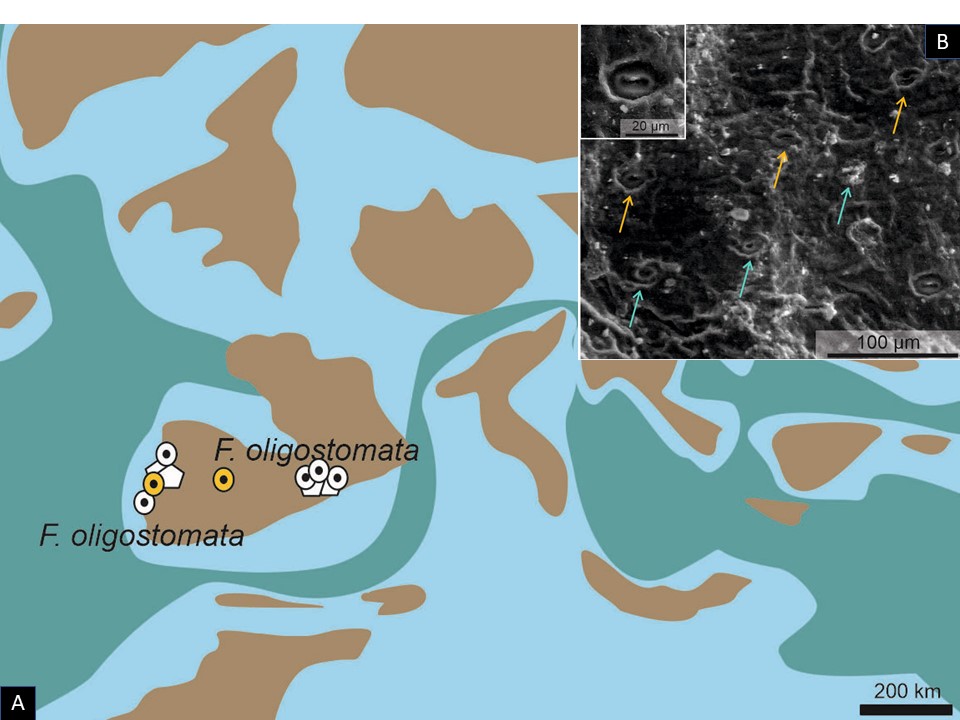
The figure below displays a palaeogeographic map showing the distribution of the last Frenelopsis on the Ibero-Armorican Island (A) and Frenelopsis cuticle showing the sunken and aligned stomata (B).
🚨NEW PAPER entilted "Evolutionary history, biogeography, and extinction of the Cretaceous cheirolepidiaceous conifer, Frenelopsis" published in Evolving Earth by Marmi and researchers from @iberinsula Tosal and Martín-Closas.
https://t.co/8kXfIqZjPb
The paper focuses on the extinction of an important group of Mesozoic conifers, Frenelopsis, occurred due to male sterility in the Iberioarmorican paleoisland at the end of the Cretaceous, between 145 and 66 million years ago.