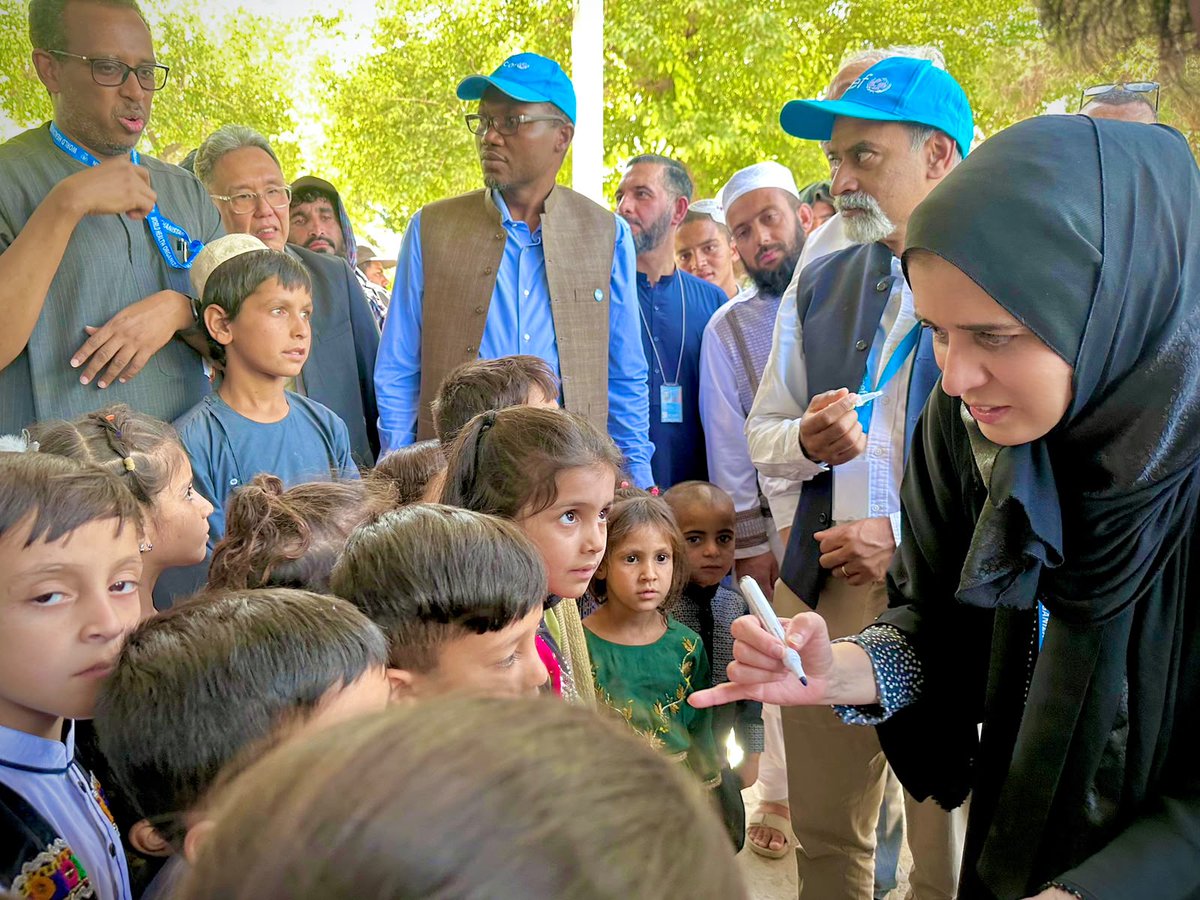
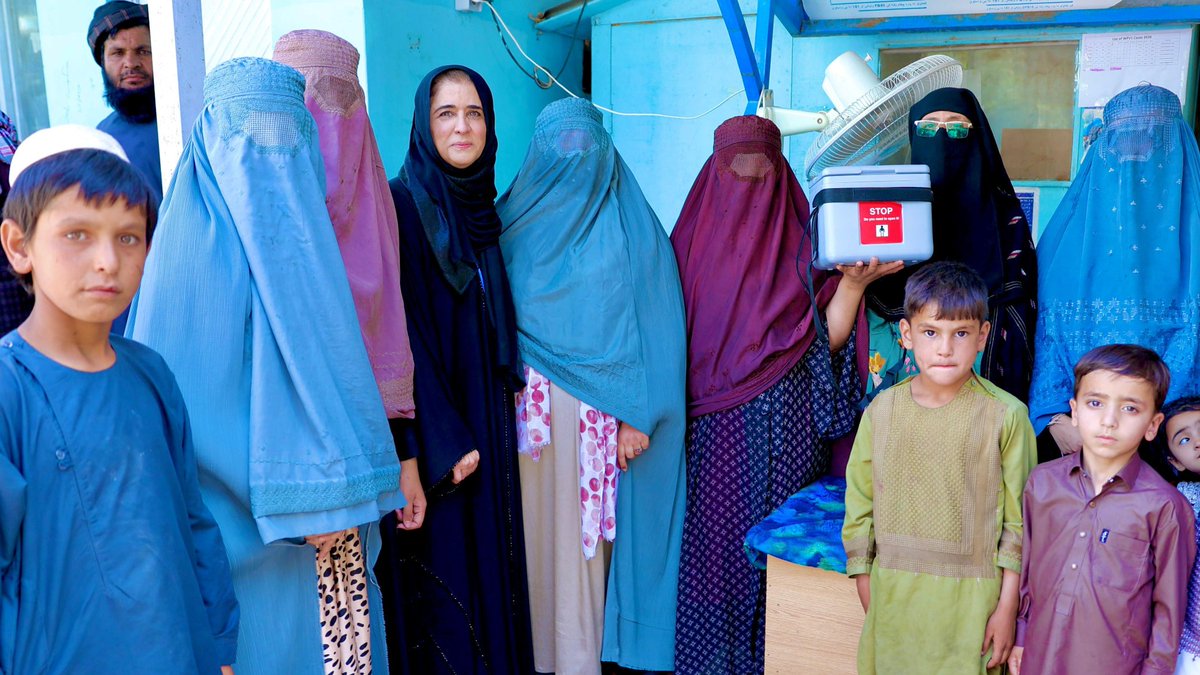
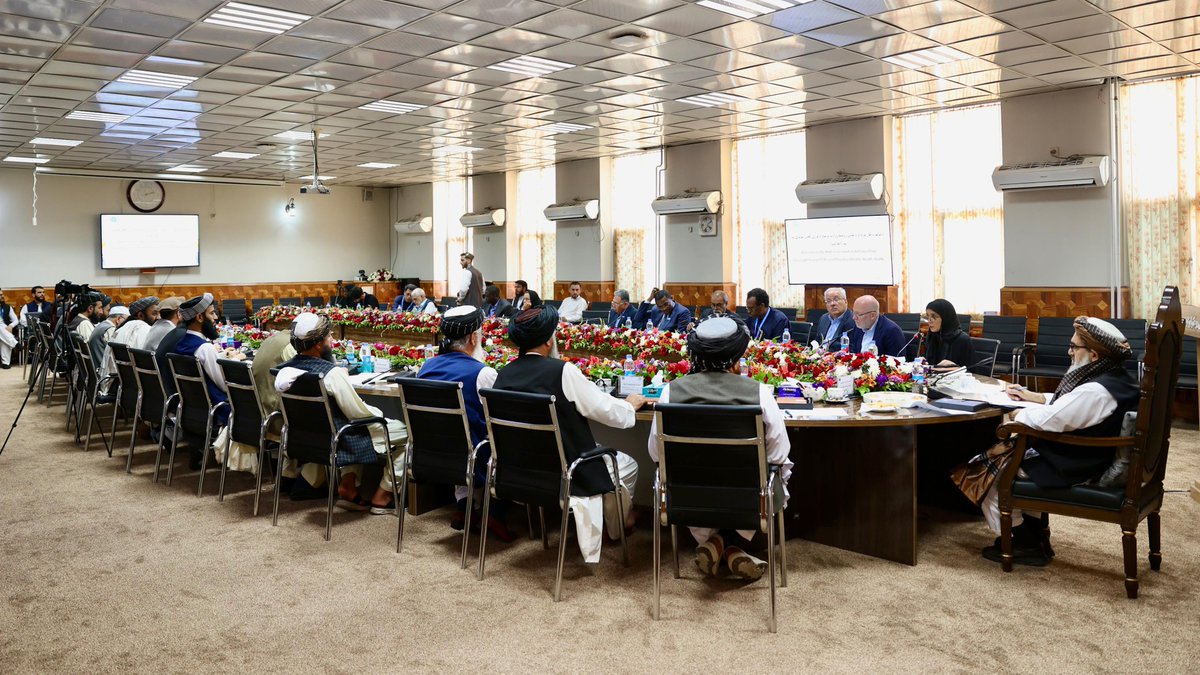
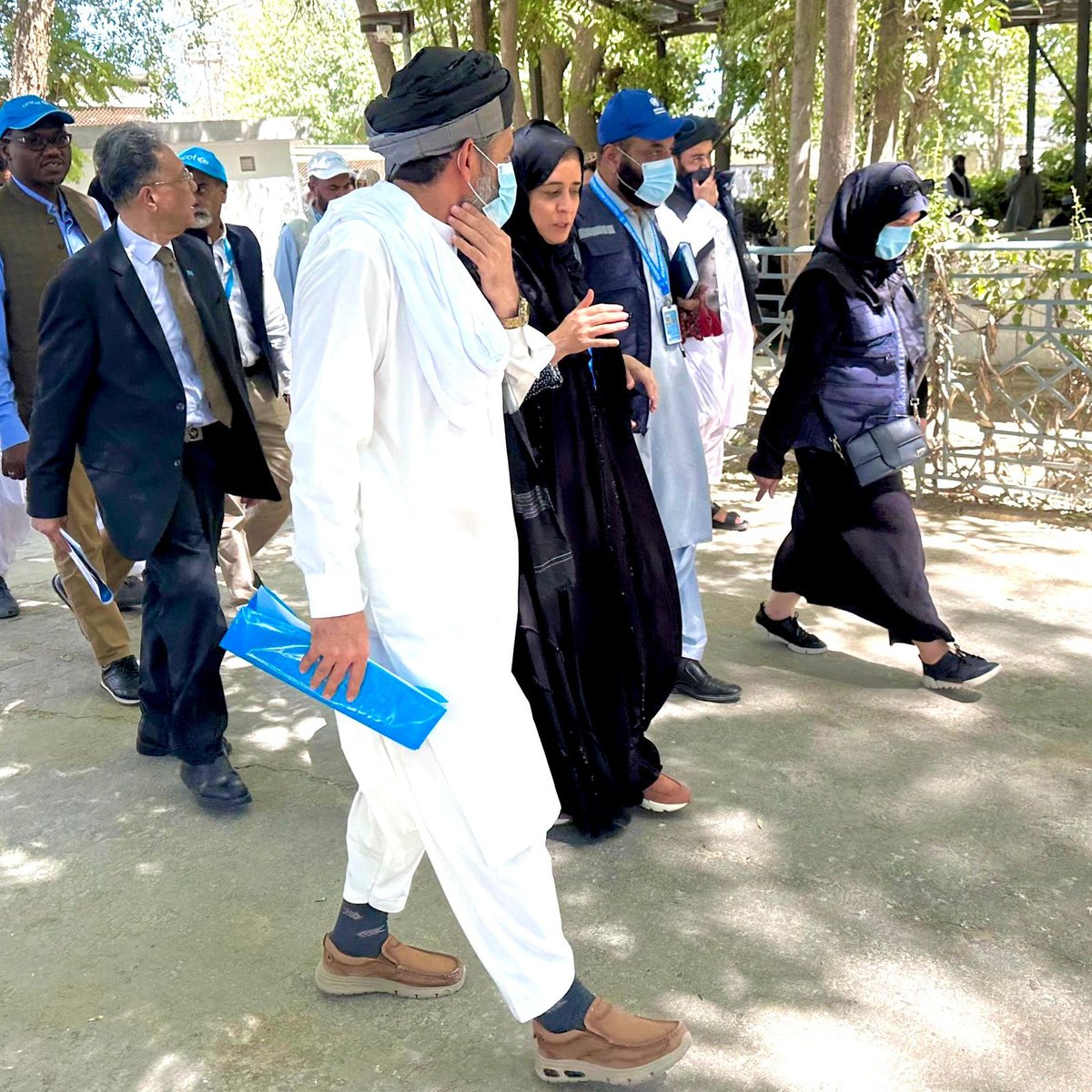
While leading the Polio Oversight Board mission to Afghanistan this week, we had critical meetings in both Kabul and Kandahar, witnessing firsthand the extraordinary efforts of health workers delivering care under immense humanitarian constraints.
We reviewed the urgent actions needed to stop wild poliovirus transmission by reaching every child with vaccines, strengthening surveillance and reinforcing routine immunization as part of a stronger primary health care system.
Beyond polio, we discussed expanding access to essential health services, particularly in remote communities, and advancing priorities to strengthen Afghanistan's health system. Much of this lifesaving humanitarian work depends on sustained donor support.
We will continue to ensure humanitarian assistance reaches those who need it most. Investing in Afghanistan's health system is not only helping to #EndPolio, it is also saving lives, strengthening regional health security and giving millions of people access to essential care.
@WHOAfghanistan | @Rotary | @UNICEF | @gavi | @CDCGlobal | @KSrelief_EN | @S_Wijesekera | @UNICEFAPRO | @UNAMA | @UNICEFAfg
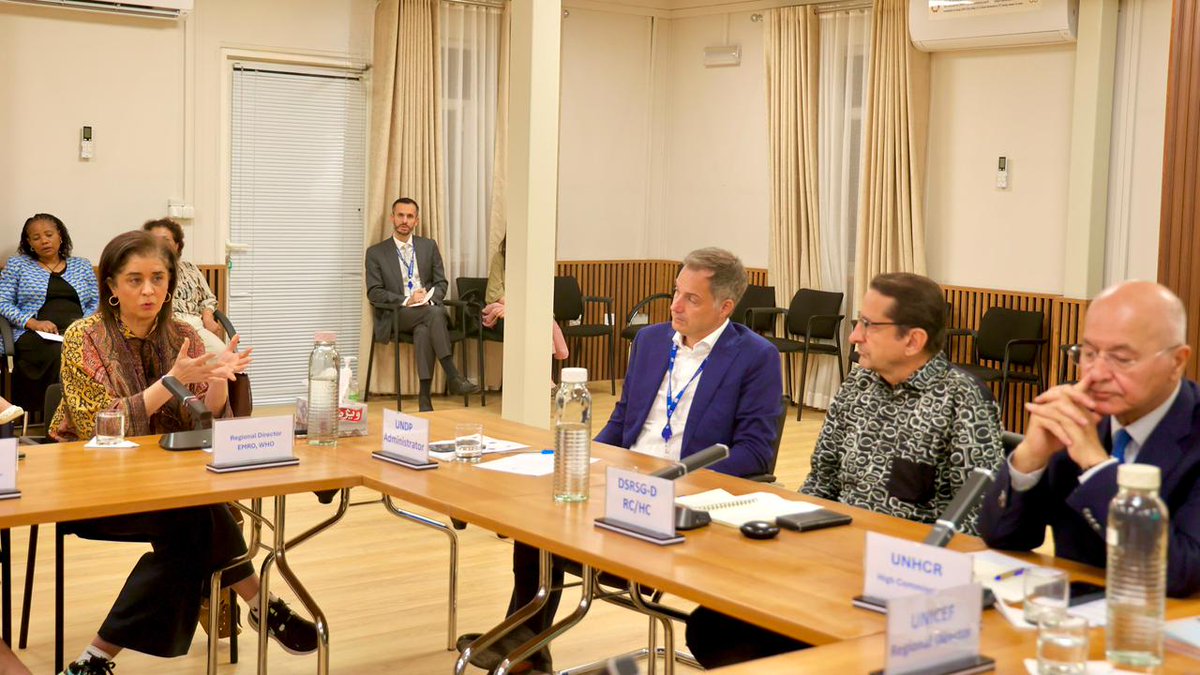
It was a pleasure to meet with @alexanderdecroo and @BarhamSalih, together with fellow @UN leaders, to discuss how we can strengthen our collective support for the people of Afghanistan.
Development, protection and public health are inseparable. Afghanistan is approaching a critical moment for its health system. Without sustained international support, funding for essential health services is expected to decline sharply, putting health facilities and millions of people who rely on them at risk. Women, children and returnees would be among those most affected.
Protecting the health system is therefore not only a humanitarian imperative, but also the foundation for resilience, stability and long-term development. I look forward to continuing our close collaboration across the UN system to support the people of Afghanistan.
@UNDP | @Refugees | @unamidnews
Over the past few days, I led the Polio Oversight Board (POB) delegation on my fourth POB mission to Afghanistan, meeting with Afghan authorities and health workers, along with partners and @UN agencies.
Our discussions reaffirmed that reaching every child with life-saving vaccines must go hand in hand with strengthening routine immunization, sustaining essential health services and building a more resilient health system.
Despite significant challenges, I am encouraged by the commitment of our counterparts. Together, we can accelerate progress towards a #PolioFree future by combining humanitarian action with long-term investment in a health system that protects communities today and for generations to come.
@WHOAfghanistan | @Rotary | @UNICEF | @gavi | @CDCGlobal | @KSrelief_EN | @S_Wijesekera | @UNICEFAPRO | @UNICEFAfg
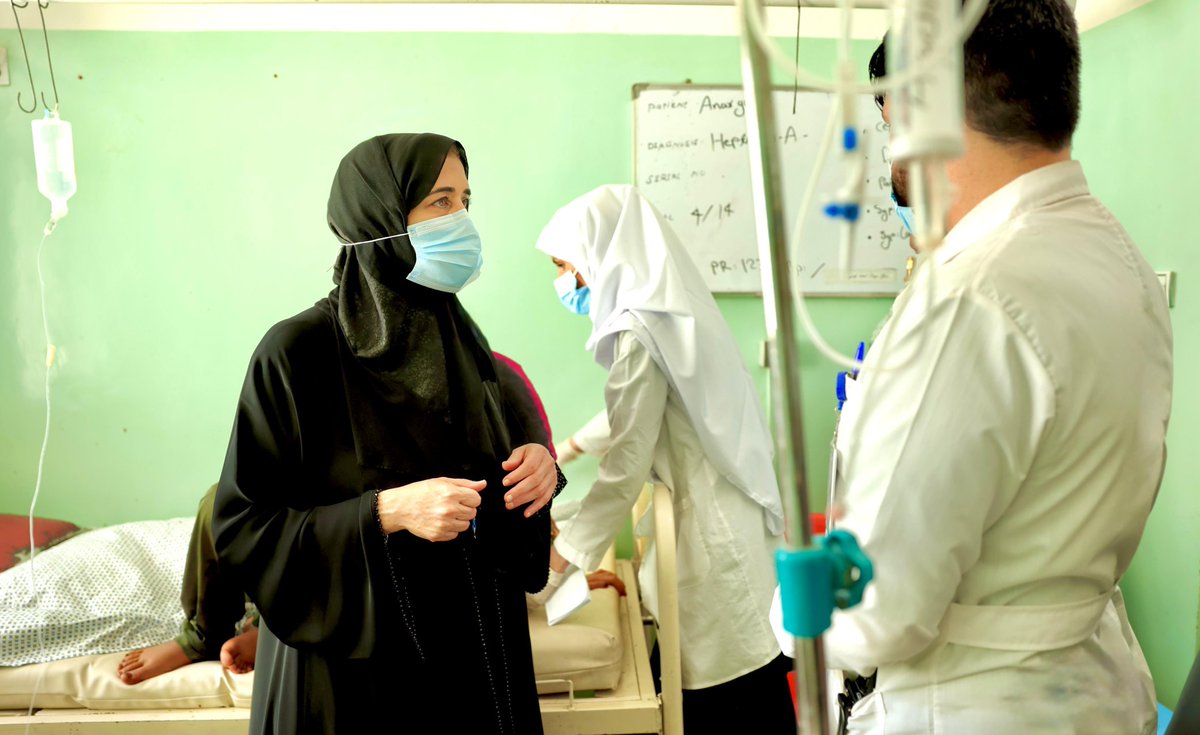
On my fourth mission to Afghanistan with the Polio Oversight Board, one of the highlights of my visit to Kandahar was meeting the dedicated doctors, nurses and health workers at Mirwais Hospital. Every day, they deliver lifesaving care to communities despite immense challenges.
Today, more than 22 million people need humanitarian assistance, including 14.4 million who require health services. Yet since January 2026, around 150 humanitarian partner-supported health facilities have been suspended or closed because of funding shortages.
This means that health workers are less able to vaccinate children, mothers are less able to find safe care and patients find it more challenging to access essential health services. These losses cannot be overlooked.
The 2026 Health Cluster response remains critically underfunded, with just 17% of the required US$190.8 million received as of June 2026. Sustained international investment is essential to keep health services running, protect hard-won gains and reach those who need care most.
@WHOAfghanistan | @gatesfoundation l @Rotary | @UNICEF | @gavi | @CDCGlobal | @KSrelief_EN | @S_Wijesekera | @UNICEFAPRO | @UNAMA | @UNICEFAfg
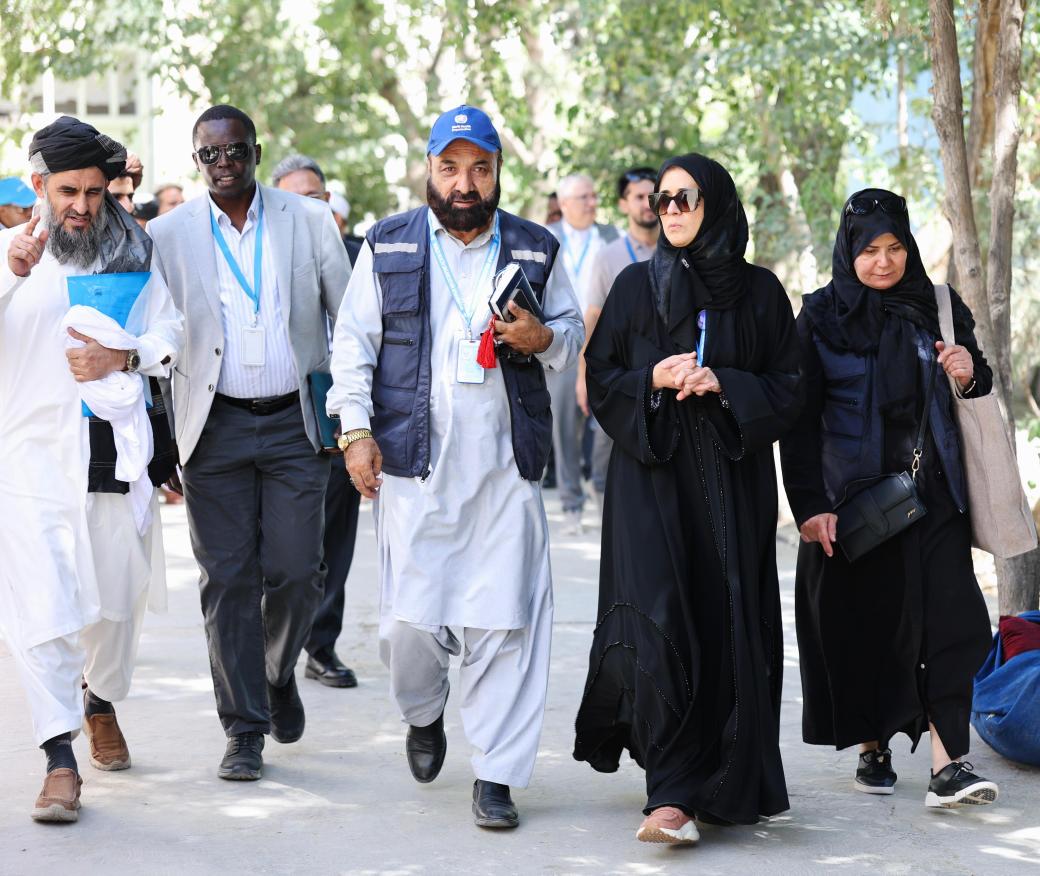
Meeting with @WHO and @UN field colleagues in Kandahar reinforced a critical message: Afghanistan's health system will continue to depend on sustained international support for the foreseeable future.
Every day, health workers are delivering essential care, vaccinating children, detecting disease outbreaks and reaching communities that would otherwise have little or no access to health services. These gains are only possible because of continued donor investment.
We need to sustain that commitment. Investing in Afghanistan's health system is not only saving lives today; it is building resilience, strengthening disease surveillance and ensuring millions of people can continue to access essential health services.
And health threats do not stop at borders. Stronger health systems in Afghanistan help prevent outbreaks from spreading, enhance regional and global health security, and make us all safer.
@WHOAfghanistan | @Rotary | @UNICEF | @gatesfoundation l @gavi | @CDCGlobal | @KSrelief_EN | @S_Wijesekera | @UNICEFAPRO | @UNAMA l @KSAmofaEN
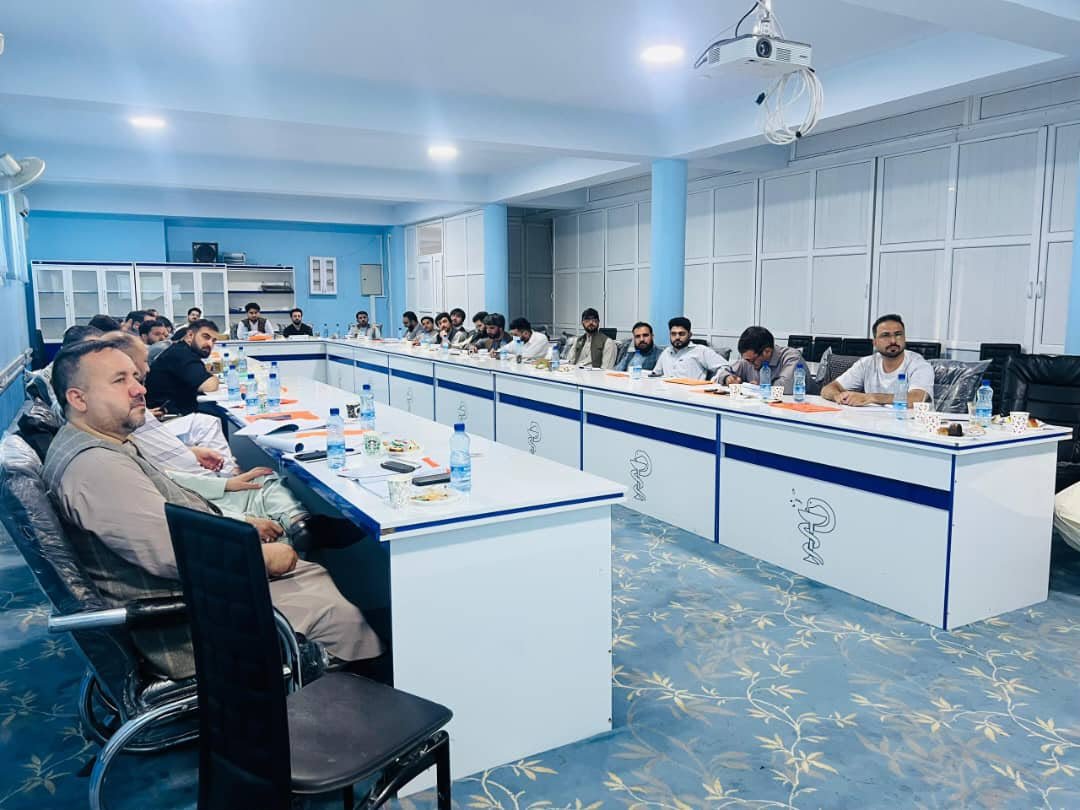
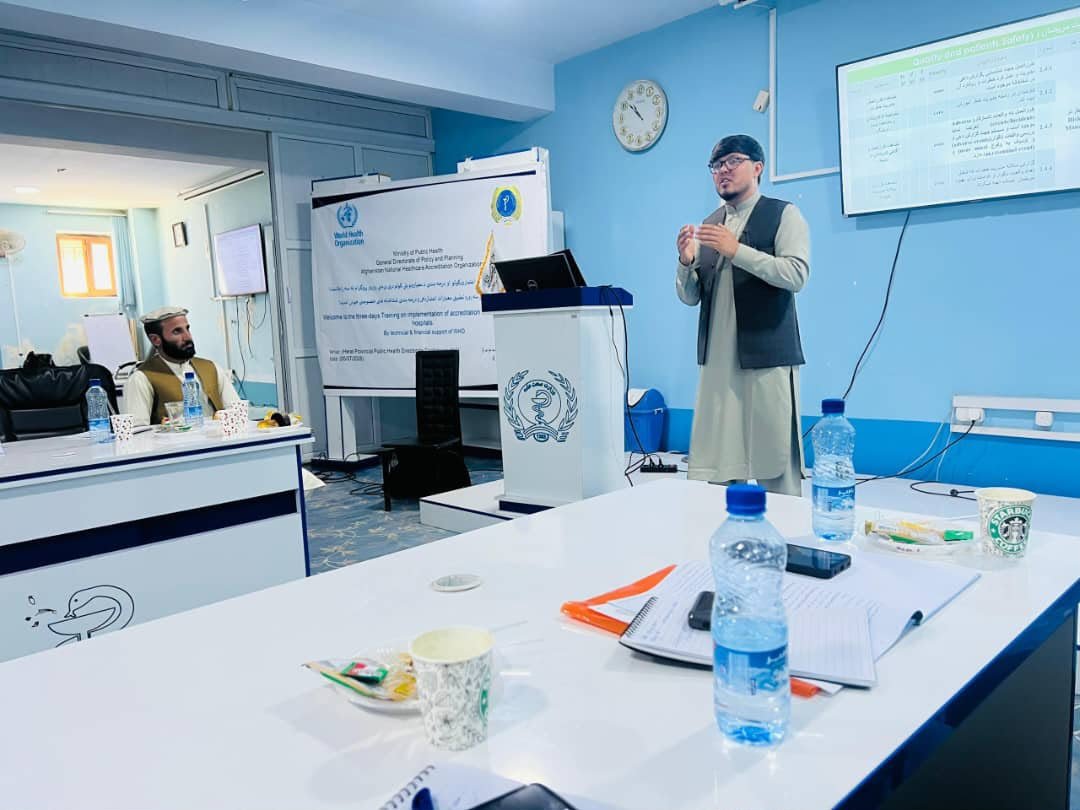
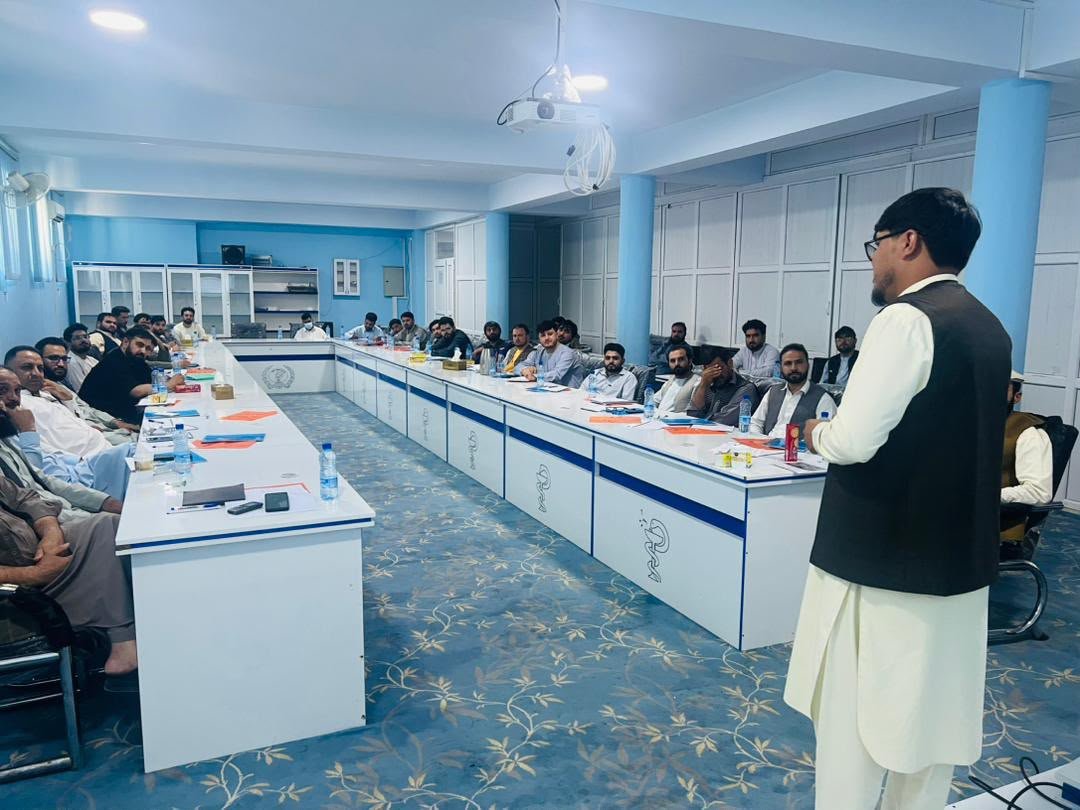
As part of the accreditation and grading process for private hospitals in Kabul, the Ministry of Public Health's Private Hospitals Accreditation Team conducted assessment visits to Muslim Curative Hospital and Karimi Medical Complex.
1/4
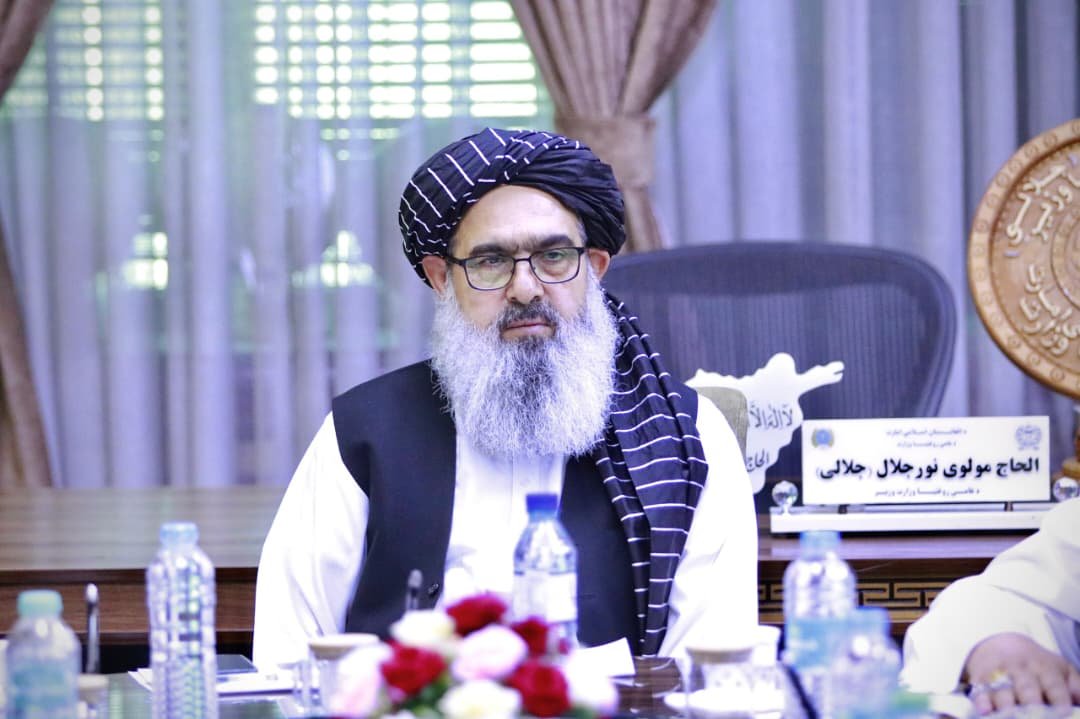
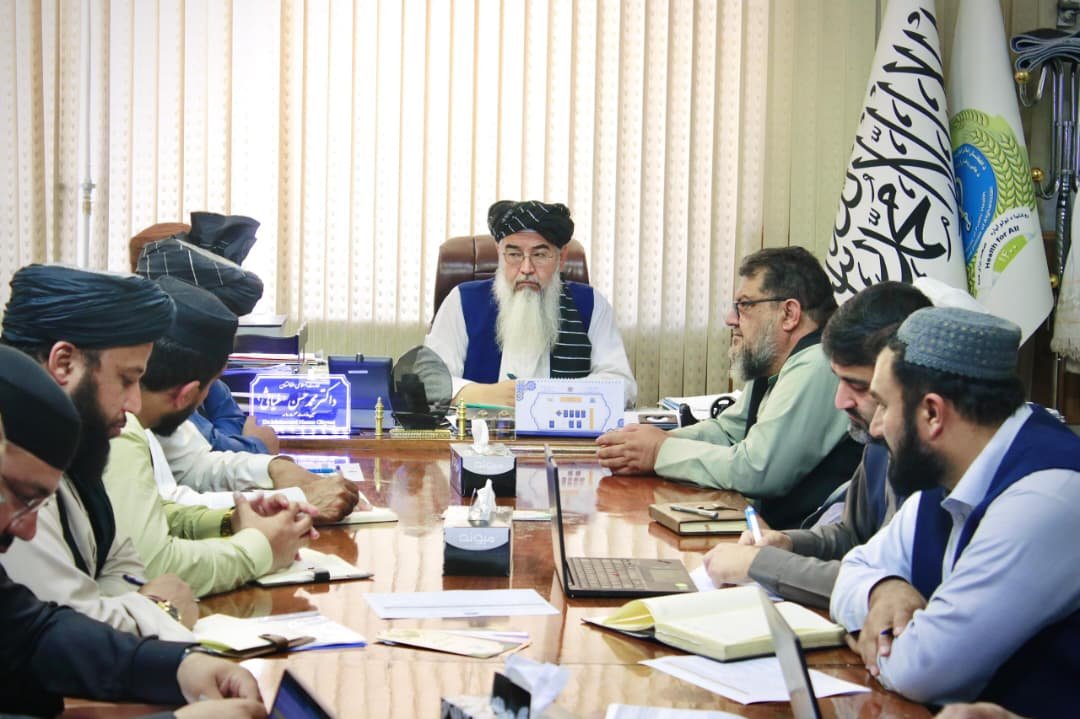
A meeting on the implementation plan of the National Health Strategy was held under the leadership of the Minister of Public Health, Mawlawi Noor Jalal Jalali.
1/3
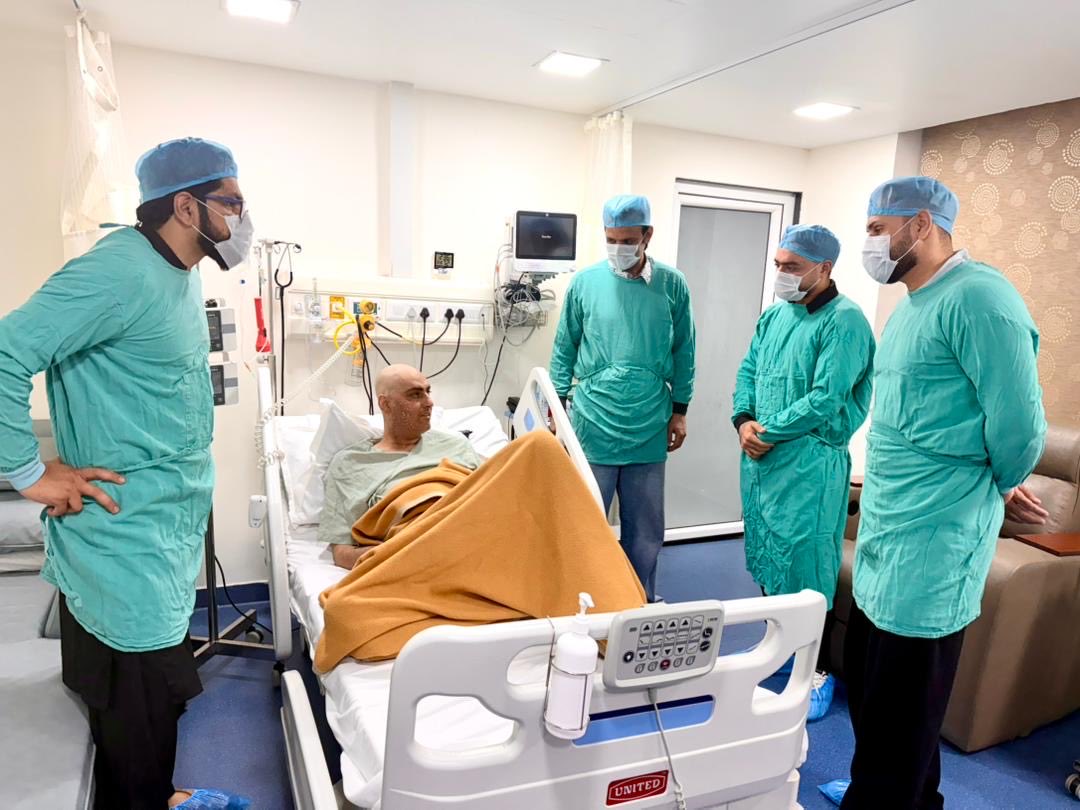
Today in Greater Noida, India, along with @rashidkhan_19, we met our dear brother Shapoor Jaan.
Seeing the same tall, passionate and strong-hearted Shapoor, whom we have always admired fighting bravely on the cricket field, lying on a hospital bed was truly heartbreaking.
May Allah Almighty grant him complete and speedy recovery through His endless mercy and blessings and may he soon return healthy, smiling and reunited with his beloved family, friends and supporters.
Ameen
Our heartfelt condolences go out to Azmatullah Omarzai on the loss of his mother. The entire Punjab Kings family stands with him and his loved ones during this difficult time.
Afghanistan is seeing a sharp rise in refugees heading home, with more than 2.8 million people coming back from Iran & Pakistan in 2025 alone.
@UNHABITAT explains why sustainable reintegration depends on better access to housing and essential services.
https://t.co/360aQSDcOr